
2027 How to Compare Finance Degree Programs Effectively

Co-Founder and Chief Data Scientist
Many prospective students struggle to evaluate finance degree programs due to varying curriculum focus, program length, and career outcomes. For instance, some programs emphasize corporate finance, while others prioritize financial analytics or investment banking, leading to confusion about which aligns best with a student's career goals. According to the U. S. Bureau of Labor Statistics, employment in financial activities is projected to grow 7% from 2022 to 2032, highlighting the importance of choosing the right education path. This article discusses key factors for comparing finance degrees and offers strategies to identify programs that match individual experience, budget, and scheduling needs.
Key Benefits of Comparing Finance Degree Programs Effectively
- Accreditation and program credibility ensure a degree meets educational standards; look for AACSB or EQUIS accreditations recognized in finance education.
- Align curriculum and specialization with career goals, noting programs offering data analytics or risk management, which are growing fields in finance careers.
- Consider cost versus return on investment; graduates from accredited programs report a 15% higher median starting salary within finance sectors compared to non-accredited counterparts.
What Types of Accreditation Should a Finance Degree Program Have?
Accreditation enables prospective students to compare finance degree programs based on quality, credibility, and long-term value. According to the U.S. Department of Education, students graduating from accredited institutions have higher employment rates and better salary prospects than those from non-accredited schools.
Understanding the main accreditation types can clarify program comparability and career benefits.
- Regional Accreditation: This is the most respected institutional accreditation in the U.S., covering complete colleges or universities. It affects credit transfer, eligibility for federal financial aid, and recognition by employers and graduate programs, making it essential for students evaluating finance program accreditation standards.
- Programmatic Accreditation: Agencies such as the Association to Advance Collegiate Schools of Business (AACSB) assess finance-related curricula, faculty, and student outcomes. This accreditation certifies that a finance degree meets rigorous industry benchmarks, enhancing employer trust and graduate readiness.
- Specialized Licensure Preparation: Some finance programs align with professional certification requirements, including eligibility for the Certified Financial Planner (CFP) exam. Accreditation or approval from relevant bodies confirms that programs adequately prepare students for these licensure pathways.
Students seeking options tailored to their schedules and professional goals can also explore SLP online programs for insights on flexible, accredited alternatives. Choosing a finance program with recognized accreditation ensures better access to financial aid and career advancement aligned with industry standards.
What Specializations Are Offered in Finance Degree Programs?
Specializations in finance degree programs help prospective students compare offerings based on career alignment and academic focus, ensuring their education supports specific professional goals. With financial analysis careers expected to grow by 9% from 2022 to 2032, choosing the right specialization can significantly impact employability and job market relevance.
Below are several common finance degree specializations that align with various career paths.
- Corporate Finance: Focuses on capital management, budgeting, and investment strategies, equipping students to pursue roles such as financial managers or corporate controllers in diverse industries.
- Investment Analysis: Emphasizes portfolio management, securities evaluation, and market trend analysis, preparing graduates for careers in asset management and equity research.
- Financial Planning: Covers personal finance, retirement planning, and tax strategies, ideal for those aiming to become financial advisors or wealth managers, helping clients achieve long-term financial goals.
- Risk Management: Instructs on risk assessment and mitigation techniques, essential for careers in insurance, compliance, and corporate governance.
When exploring options, consider how finance degree specializations and career paths align with personal interests and workforce needs. Students looking for flexible education pathways might also explore reputable online degrees in counseling, which sometimes complement financial expertise for career diversification.
How Can You Compare Courses Across Finance Degree Programs?
Comparing courses across finance degree programs is crucial for prospective students to evaluate program rigor, skill development, and how well each curriculum supports career goals. Studies show that programs with comprehensive course offerings have a 15% higher course completion rate, signifying deeper student engagement and better knowledge retention.
The following practical strategies can help students assess and compare course quality effectively.
- Reviewing Course Syllabi: Detailed syllabi reveal the topics covered, depth of material, and types of assessments, providing insight into academic rigor and relevance to industry needs.
- Checking Credit Hours and Workload: Understanding required credit hours clarifies course demands and helps students determine if the schedule fits their availability and pace.
- Identifying Skill-Based Courses: Focusing on courses that teach financial modeling, data analysis, and risk management ensures the program fosters applicable workplace skills.
- Comparing Faculty Qualifications: Evaluating instructors' academic and industry experience helps gauge the level of expertise and current real-world insights students may receive.
- Examining Capstone and Internship Opportunities: Programs offering practical projects or internships prepare students better for finance careers by providing hands-on experience.
Using these approaches enables students to pinpoint programs that align with their academic ambitions and professional objectives. Those interested in flexible options may explore affordable alternatives such as an online executive MBA. This method supports the best ways to evaluate finance courses across programs to make informed decisions.
What Scheduling Options Are Available in Finance Degree Programs?
Flexible scheduling is crucial for students weighing finance degree programs, as it allows them to manage education alongside work, family, and other commitments. Below are common scheduling options designed to suit various lifestyles and learning preferences.
- Traditional Daytime Classes: These courses follow a conventional schedule during weekday mornings or afternoons. They suit students who can dedicate regular hours to campus-based learning, often aligning with typical academic calendars.
- Evening Courses: Offered after typical work hours, these classes accommodate working professionals or those with daytime obligations. They provide a chance to advance education without disrupting employment or family time.
- Weekend Sessions: Condensed into one or two days each week, weekend classes help students who are unavailable during weekdays. This format is ideal for individuals balancing multiple responsibilities while seeking steady progress.
- Online Programs: Fully remote options enable asynchronous learning, giving students the freedom to complete coursework on their own timeline. This flexibility supports those who need to study from different locations or outside standard hours.
- Hybrid Formats: Combining in-person and online elements, hybrid programs offer a balanced approach. They suit students wanting both face-to-face interaction and the convenience of digital coursework, enhancing accessibility and engagement.
What Are the Pros and Cons of Online vs Campus-Based Finance Degrees?
Choosing between online and campus-based finance degree programs significantly affects a student's learning style and career trajectory. Recent data from the National Center for Education Statistics shows nearly 40% of undergraduates have taken at least one online course, reflecting growing enrollment in digital learning environments.
Below is a comparison of both formats to help weigh their strengths and weaknesses.
Online Finance Degrees
- Flexibility: Students can access courses anytime and anywhere, making it easier to juggle work, family, and study commitments.
- Self-Paced Learning: Many programs allow learners to progress at their own speed, which benefits those with unpredictable schedules.
- Limited Networking: Fewer in-person interactions restrict opportunities to build professional connections crucial for finance careers.
- Motivation Required: Success demands strong self-discipline since support and structure are often less direct than on campus.
Campus-Based Finance Degrees
- Direct Interaction: Face-to-face contact with professors and classmates fosters mentorships and collaborative learning.
- Structured Environment: Fixed schedules and classroom settings support students who thrive with routine and personal engagement.
- Networking Opportunities: On-campus events and internships create pathways for practical experience and industry connections.
- Immersive Experience: Many students report greater satisfaction from hands-on projects and group work offered in traditional settings.
How Do GPA Requirements Vary Among Finance Degree Programs?
GPA requirements play a crucial role when comparing finance degree programs since they impact both admission chances and program competitiveness. Below are key factors that demonstrate how these requirements can differ and influence your application strategy.
- Range of Standards: Programs set varying minimum GPA benchmarks, often near a 3.0 on a 4.0 scale, to ensure applicants have a strong academic foundation suitable for rigorous study.
- Holistic Evaluations: Many schools balance GPA with additional criteria like professional experience, essays, and recommendations, allowing a more comprehensive review of candidates' potential beyond just grades.
- Admissions Flexibility: Some institutions show leniency by considering lower GPAs if applicants demonstrate strengths elsewhere, providing pathways for diverse academic backgrounds to gain entry.
- Policy Variation: Interpretation of GPA requirements can vary, with some programs offering conditional acceptance or academic support to enhance student success after enrollment.
How Can You Compare Tuition Across Finance Degree Programs?
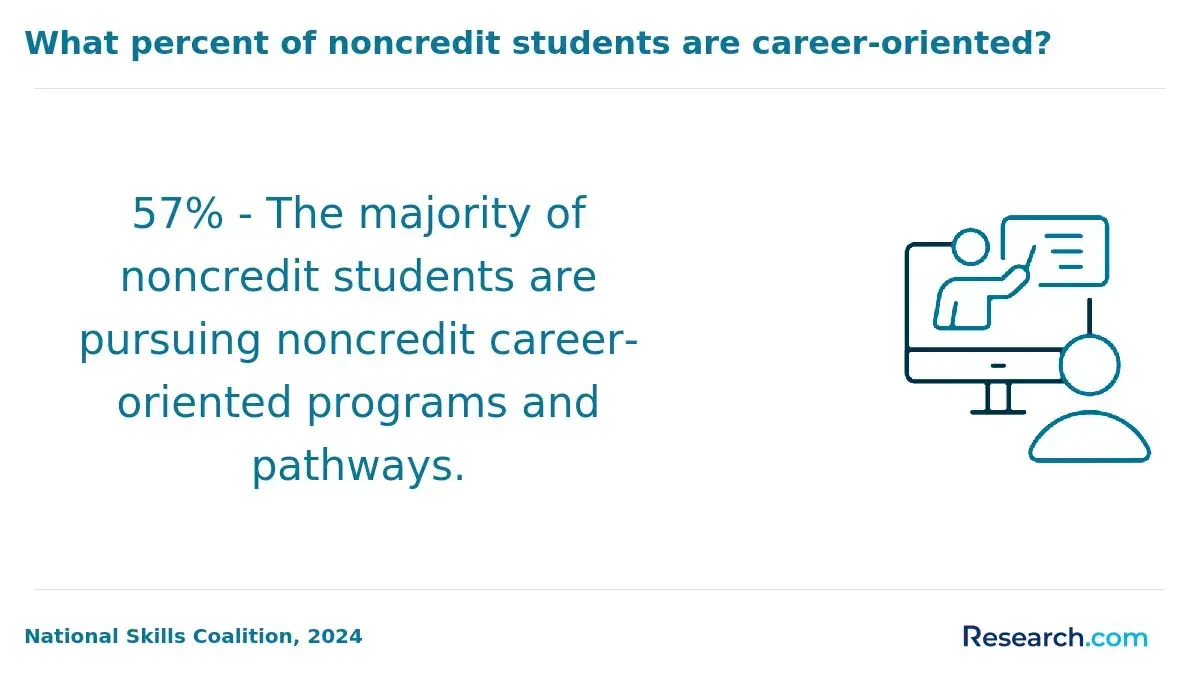
Comparing tuition costs is crucial for students weighing finance degree programs because the overall expense can vary widely and significantly impact financial planning. With the average U.S. bachelor's degree borrower carrying around $30,000 in student debt, understanding true costs ahead of time is essential.
Consider these factors when making your comparison:
- Total Program Cost: Look beyond tuition per credit hour; factor in additional mandatory fees such as technology, lab, and activity fees which can inflate the final amount.
- Cost Per Credit: While some programs quote lower rates per credit, total credits required may differ, affecting the ultimate financial commitment.
- Financial Aid Options: Availability of scholarships, grants, and institutional aid varies between schools, potentially offsetting expenses significantly.
- Employer Tuition Benefits: Some students may have access to employer reimbursement programs, which can reduce out-of-pocket costs and should be included in evaluations.
- Long-Term Return: Consider projected salary outcomes and job placement rates after graduation to gauge how tuition investment aligns with career goals.
Does a Finance Degree Meet Licensure Requirements?
Aligning a finance degree with licensure requirements is essential for students targeting regulated careers or professional transitions, as it directly impacts eligibility for certifications and licenses. Nearly 28% of U.S. jobs mandate some form of licensure or certification, making it vital to evaluate how degree programs support these credentials.
Below are key factors to consider when comparing programs:
- Accreditation Status: Accreditation by recognized bodies ensures a program meets quality standards and often qualifies graduates to sit for licensure exams.
- Curriculum Coverage: Programs should include coursework addressing state-specific regulations and core subject areas required for licensure to maximize exam preparedness.
- Supervised Experience: Some licenses require practical, supervised work as part of eligibility criteria, so availability of internships or practicum components is important.
- Exam Eligibility: Completing designated courses can be mandatory before sitting for certifications such as the Certified Financial Planner (CFP) or Series 7 exams, so confirm program alignment.
Evaluating these elements ensures prospective students select finance degrees that effectively support their pathway to professional licensure and career objectives.
Which Finance Programs Have the Best Career Placement Rates?
Career placement rates reveal how effectively finance degree programs prepare students for employment, offering a clear picture of real-world success after graduation. Nearly 80% of finance graduates from top programs find jobs within six months, highlighting the value of reviewing placement outcomes.
Here are key factors to consider when evaluating top finance degree programs for job placement rates:
- Employment Reports: Researching a program's employment statistics provides insight into how many graduates secure finance-related roles promptly. These reports often break down job types and timelines, helping students gauge potential career trajectories.
- Employer Partnerships: Programs with established connections to financial firms create internship pipelines that often lead to full-time positions. Such collaborations demonstrate strong industry ties that can enhance placement rates.
- Alumni Success: Examining alumni outcomes and their professional networks reveals the long-term impact of a program on student careers. Successful graduates frequently contribute to mentoring and recruitment, strengthening the finance community.
- Career Support Services: Access to resources like resume workshops, interview preparation, and job fairs significantly boosts career readiness. Prospective students benefit from programs prioritizing robust support from day one.
Comparing programs that consistently deliver the best career outcomes from accredited finance programs helps align students' goals with opportunities. For those looking to maximize earning potential with flexibility, exploring the easiest college majors with high pay can complement finance studies or provide alternative pathways.
How Do Salaries Compare Across Finance Degree Program Graduates?
Post-graduation salary outcomes are a vital metric for prospective students comparing finance degree programs, as they directly reflect the economic value of educational investment. The average wage range for finance majors in the US varies significantly, with median annual earnings around $89,000 according to recent data.
Below is a breakdown highlighting key factors influencing these differences.
- Role Variation: Salaries differ widely by job title, with entry-level financial analysts earning between $55,000 and $75,000, while senior financial managers and investment bankers often exceed $120,000 annually.
- Industry Differences: The industry impacts pay substantially; investment banking and corporate finance positions typically offer higher compensation compared to government or nonprofit sectors.
- Regional Impact: How finance degree graduate salaries compare by region shows major metropolitan areas like New York City and San Francisco command elevated salaries due to higher living costs and stronger market demand, unlike smaller cities or rural areas where pay is generally lower.
- Experience Level: Experience boosts earning potential, with early-career professionals earning less and seasoned experts able to earn upwards of $140,000 annually, reflecting growth and expertise accumulation.
Students aiming for strong post-graduation earnings may also explore quick online degrees that complement their finance education, helping them diversify skills and expand career opportunities.
What Graduates Say About Comparing Finance Degree Programs Effectively
- Cosmo: "Before enrolling in the Finance degree program, I weighed my options carefully, especially considering the high tuition fees some schools demand. The affordability of my chosen program was a major deciding factor, as the average cost of attendance was well within my budget. Completing the degree not only boosted my confidence but also opened doors to lucrative roles in investment banking-I couldn't be happier with my decision."
- Tressa: "I spent considerable time reflecting on whether pursuing a Finance degree was worth the investment. Cost was a critical concern; with the program's expenses being lower than many alternatives, it felt like a practical choice. Looking back, this decision enriched my understanding of financial markets and significantly enhanced my career trajectory in corporate finance."
- Ellery: "Professionally, I knew that a Finance degree could set me apart, but the cost initially gave me pause, especially when average attendance fees seemed daunting. Opting for a program that balanced quality education with reasonable costs proved invaluable. Today, the skills I gained have been instrumental in securing roles in financial analysis and strategy that I find both challenging and rewarding."
Other Things You Should Know About Finance Degrees
Accreditation ensures that a finance degree program meets established quality standards. In 2027, checking for accreditation helps students verify program credibility, ensuring the institution provides recognized qualifications which can impact employment prospects and educational value.
Accreditation is crucial in 2027 as it ensures the finance degree program meets recognized academic and professional standards. Accredited programs are often more respected by employers, critical when comparing finance degree options for future career success.
Student support services, including academic advising, career counseling, and tutoring, are important factors when comparing finance degree programs. These services enhance student success by providing personalized guidance throughout the degree journey and assisting with job placement after graduation.
Strong alumni networks add value by offering students connections to finance professionals and potential employers. Programs with active alumni communities can provide mentorship, job leads, and industry insights that help graduates transition into finance careers more effectively.
References
- CFP Education Requirements & Coursework https://www.cfp.net/certification-process/education-requirement
- Online vs. In-Person Finance Courses: Which Learning Format is Right for You? – CPE Compare https://cpe-compare.com/online-vs-in-person-finance-courses-which-learning-format-is-right-for-you/
- Choose the Right Certification https://fpacert.financialprofessionals.org/certification/finance-certifications
- Specializations: Finance https://www.hec.edu/en/mba-executive-mba/mba/learning-experience/specializations/specializations-finance
- Accounting vs Economics vs Finance: Which degree is right for you? https://www.bcu.ac.uk/blog/accounting-finance-and-economics/accounting-vs-finance-which-degree-is-right-for-you
- Best Undergraduate Finance Colleges https://www.collegetuitioncompare.com/best-schools/undergraduate-finance/
- Finance Degree Entry Requirements https://universitycompare.com/advice/student/finance-degree-entry-requirements
- Online Degree vs. Traditional | University of Arkansas Grantham https://www.uagrantham.edu/blog/pros-cons-online-degree-vs-traditional-university/
- Accreditations for study programs - Centrum Współpracy Międzynarodowej https://international.uew.pl/accreditations-for-study-programs/
- Pros And Cons Of Getting An Online Finance Degree https://www.workitdaily.com/online-finance-degree-pros-cons


