
2027 What Job Postings Reveal About Photography Careers: Skills, Degrees, and Experience Employers Want

Co-Founder and Chief Data Scientist
How do employers define the ideal candidate when hiring for photography roles? Recent graduates and career switchers often face confusion navigating the diverse requirements found in job postings for positions like photojournalist, studio photographer, or imaging specialist. Approximately 55% of photography-related roles now prefer candidates with formal education, reflecting a growing emphasis on technical skills paired with creative ability. As industry standards shift, understanding the specific skills, degree expectations, and levels of experience employers seek becomes crucial. This article examines job postings to clarify what employers want, helping prospective photography students and professionals align their preparation with market demand.
Key Things to Know About Skills, Degrees, and Experience Employers Want
- Employers emphasize proficiency in digital editing, camera operation, and portfolio presentation, reflecting a need for both technical and creative skills in photography roles.
- Most listings require a bachelor's degree or equivalent experience; 65% prefer candidates with 2-5 years in professional settings, indicating formal education remains significant.
- Job posting analysis reveals real hiring trends, bridging gaps between academic preparation and industry expectations, supporting targeted skill development and career readiness for photography students.
What Do Job Postings Say About Photography Careers?
Job postings in the photography field highlight a clear preference for candidates who balance technical expertise with hands-on experience. Many listings request proficiency with digital tools like Adobe Photoshop and Lightroom, underscoring the importance of digital content skills. Educational backgrounds range from formal degrees to professional certifications, but about 62% of positions require at least two years of relevant work experience, reflecting a demand for practical readiness. This combination of skills and experience aligns closely with real-world expectations for photography roles.
Patterns in job postings show consistent emphasis on creativity, attention to detail, and the ability to collaborate or work independently. While some roles strictly specify formal educational credentials, others value a strong portfolio or professional history, illustrating variation based on specific job functions. The recurring demand for digital proficiency alongside soft skills reveals a multidimensional view of qualifications that employers prioritize across the photography sector.
What Skills Are Most Requested in Photography Job Postings?
Job postings in photography frequently emphasize a blend of technical proficiency and creative capability, reflecting the essential photography skills employers seek for versatile candidates. Recent data shows that about 68% of listings highlight proficiency in digital editing software as a critical requirement, underscoring the growing importance of post-production expertise in the field.
The key qualifications for photography careers often include a range of specialized skills outlined below.
- Technical Knowledge: Mastery of camera operation, including understanding lenses, lighting setups, and exposure settings, is vital. This skill ensures photographers can capture high-quality, well-composed images under varying conditions.
- Photo Editing Expertise: Familiarity with industry-standard software like Adobe Photoshop and Lightroom is frequently required. Effective editing and retouching enable photographers to enhance images and meet specific stylistic or client demands.
- Creative Composition: Creativity in visual storytelling and crafting unique compositions allows photographers to stand out. This skill drives innovation and helps convey compelling messages through images.
- Attention to Detail: Precision in planning shoots and adjusting technical elements minimizes errors. Employers value this skill to maintain both the technical and aesthetic quality throughout the photographic process.
- Communication Skills: Clear interaction with clients, models, and team members is crucial. Strong communication helps align expectations and ensures the creative vision is accurately realized.
Students and professionals seeking advancement may consider online courses with certificates to develop these essential photography skills employers seek and strengthen their qualifications.
What Degrees Do Employers Require for Photography Careers?
Job listings for photography careers typically outline degree requirements that differ based on the complexity of the role and industry standards. Entry-level positions usually request a bachelor's degree in photography, visual arts, or a closely related discipline, establishing a solid educational foundation. Meanwhile, more advanced roles often expect candidates to possess graduate degrees that reflect specialized knowledge or creative leadership.
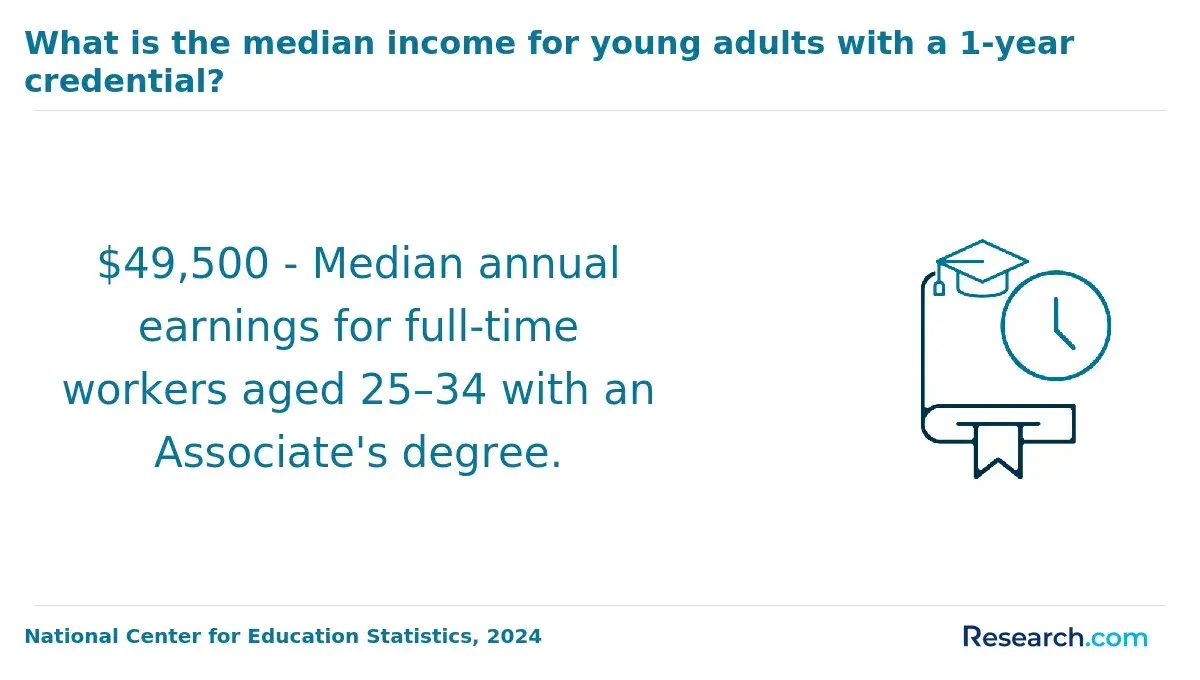
Research from the National Center for Education Statistics shows that about 60% of photography job postings specify a bachelor's degree or higher as part of their basic qualifications.
Common degree requirement trends include the following:
- Bachelor's Degree Baseline: Most entry-level photography roles expect candidates to have completed a bachelor's program to ensure they possess both practical skills and conceptual understanding.
- Advanced Degrees Preferred: Senior, academic, or highly technical positions often favor applicants with master's degrees or specialized certifications, reflecting elevated expertise or research capabilities.
- Portfolio and Certifications: In commercial photography and creative industries, employers sometimes prioritize demonstrated experience and accredited certifications in place of traditional degree requirements.
- Industry Variability: Degree expectations can shift significantly between commercial, fine arts, educational, and technical fields, shaped by the specific demands and values of each sector.
How Much Experience Do Photography Job Postings Require?
Photography job postings highlight how experience requirements vary by role level and specialization, serving as an essential filter for hiring decisions. Employers use these criteria to ensure candidates can competently fulfill the duties associated with each position. Experience expectations become more specific depending on job complexity and industry niche.
Below are common experience patterns found in photography job postings:
- Entry-Level Roles usually ask for little to no prior professional experience, often focusing on internships or a strong portfolio. These positions concentrate on fundamental tasks with opportunities for training and growth.
- Mid-Level Positions typically require two to five years of documented professional photography experience. Candidates are expected to demonstrate technical skills, adaptability across different types of shoots, and an ability to execute creative directives independently.
- Specialized Experience is common in niche areas like commercial, wedding, or event photography, where employers look for expertise relevant to particular styles or audiences.
- Senior Roles demand five or more years of extensive experience, emphasizing leadership, project management, and client interaction. Professionals at this level often guide teams and oversee complex workflows.
The amount of photography job experience requirements by industry strongly correlates with responsibility level and technical proficiency. Additionally, individuals pursuing advanced roles may benefit from augmenting their qualifications with an executive online MBA to complement their creative expertise.
What Industries Hire Fresh Graduates With No Experience?
Some industries demonstrate a notable openness to hiring photography graduates who lack prior professional experience. Entry-level job listings in these sectors often highlight creativity and basic skills instead of extensive portfolios or history. In fact, about 45% of entry-level creative roles are filled by candidates with little or no experience, revealing an industry willingness to cultivate new talent.
The following industries commonly provide entry points for fresh photography graduates:
- Media and Journalism frequently bring on new photographers for roles like staff photographers or photojournalists. These fast-paced settings favor candidates eager to learn and adapt to evolving newsroom dynamics.
- Advertising and Marketing agencies often recruit junior photographers focused on content creation and campaign visuals. They value fresh viewpoints and flexibility to meet diverse client needs.
- Event Management and corporate sectors regularly hire photographers to cover conferences, promotional events, and corporate functions. These roles serve as practical opportunities to develop skills through on-the-job experience.
- Art and Creative Venues such as galleries and freelance platforms embrace new photographers by providing projects that encourage experimentation and unique artistic expression, even without extensive prior work.
Which Industries Require More Experience or Skills?
Certain sectors maintain higher standards when recruiting photography graduates, seeking candidates with deeper expertise, specialized education, or superior skills. Job listings from these industries often reflect demands for multi-year experience, certifications, or advanced technical knowledge. Notably, about 35% of photography job postings in such specialized fields mandate a minimum of five years' experience, compared to an 18% average across the broader photography market.
The following industries illustrate where elevated professional requirements are most common:
- Advertising and Fashion Employers in these areas prioritize photographers with extensive portfolios showcasing creativity and technical precision. They expect proficiency in managing complex lighting, post-production software, and tight deadlines to support high-profile campaigns.
- Film and Media Production Positions here often specify formal training or certification in cinematography, lighting design, and digital imaging. Experience on large-scale projects using industry-standard equipment is critical to meet the demand for visually compelling and efficient content creation.
- Scientific and Medical Fields Advanced skill sets are essential because precision and accuracy underpin the work, often requiring specialized techniques like microscopy imaging or radiography. Photographers must be adept at operating complex equipment and interpreting visual data for research or diagnostics.
- Commercial Photography This sector looks for individuals with years of niche experience, emphasizing both artistic vision and familiarity with advanced photographic technology. Candidates are expected to deliver consistent, high-quality work under the pressures of client-driven environments.
These examples highlight that career advancement in photography-focused industries frequently depends on accumulated knowledge and niche expertise rather than entry-level qualifications alone.
Which Credentials Are Most Valuable for Photography Careers?
Employers in photography careers rely on various credentials to gauge candidates' qualifications and suitability for roles. Academic degrees, industry certifications, and relevant licenses often affect hiring decisions as they indicate a candidate's technical expertise, ethical standards, and familiarity with specific tools or regulations.
Below are some of the most valuable credentials that frequently appear in photography job postings:
- Academic Degrees: Associate's or bachelor's degrees in photography, visual arts, or related fields provide formal training in essential techniques such as composition, lighting, and digital editing. These degrees reassure employers of baseline knowledge and competence.
- Professional Certifications: Credentials like the Certified Professional Photographer (CPP) from the Professional Photographers of America demonstrate mastery of both technical skills and industry ethics. Employers appreciate these certifications as evidence of ongoing professional development and commitment to quality standards.
- Specialized Licenses: Licenses related to equipment operation, such as drone pilot certifications, are critical in sectors requiring specific regulatory compliance. These credentials assure employers that candidates understand important safety and legal guidelines.
- Legal and Ethical Knowledge: Familiarity with copyright laws, licensing agreements, and ethical frameworks enhances a photographer's credibility. Employers value this understanding as it helps mitigate risks associated with intellectual property and client relations.
Are Salaries Negotiable Based on Experience?
Salary levels in photography-related job postings often reflect a candidate's experience, education, and the complexity of the role. Employers typically provide salary ranges instead of fixed figures to accommodate varying skill levels and backgrounds. On average, professionals with five or more years of experience can earn 30% to 50% more than entry-level photographers, illustrating the significant impact of practical expertise on compensation.
While degrees in Photography or related fields may influence starting salaries, employers frequently prioritize a candidate's portfolio and technical skills when adjusting salary offers, making negotiable photography salaries by experience level a common feature in listings.
Experience strongly influences how employers structure pay flexibility in their postings. Entry-level roles often have narrower salary ranges tied to standardized pay scales, while advanced positions offer broader ranges that recognize a candidate's portfolio quality and client history. These variations indicate that compensation evolves with a candidate's professional maturity and ability to manage complex projects.
For those interested in related fields, exploring online cybersecurity degree programs may provide additional career paths. Overall, photography salary ranges based on years of experience reveal a clear trend of increased negotiation potential as skills and expertise develop.
How Can You Match Your Resume to Job Descriptions?
Job postings offer crucial insights for tailoring resumes to photography careers, clarifying the specific skills, experience, and educational background employers desire. Aligning your resume closely with job descriptions can significantly improve your chances of passing automated screenings, as research indicates that around 75% of resumes are filtered out by applicant tracking systems (ATS) before reaching human recruiters.
To effectively match your resume to photography job descriptions, consider these strategies:
- Skills Interpretation: Focus on the technical abilities and software tools emphasized in the job posting, such as Adobe Photoshop or Lightroom. Highlight your proficiency with these platforms prominently to demonstrate relevance.
- Relevant Experience: Showcase projects or roles that align directly with the employer's needs, whether that involves commercial photography, event coverage, or product imaging. This alignment enhances the perceived fit.
- Terminology Alignment: Use the exact language and keywords found in the job description instead of generic terms. Consistent terminology helps your resume pass ATS filters and resonates with hiring managers.
- Prioritized Qualifications: Emphasize any degrees, certifications, or formal training mentioned in the posting, especially those related to photography or creative fields. This can include highlighting credentials obtained from MFT programs or similar educational paths.
By carefully matching your resume to photography job descriptions, you increase your chances of demonstrating the skills and experience employers want, positioning yourself competitively within a crowded applicant pool.
What Should You Look for When Analyzing Job Ads?
Job advertisements offer valuable insight into what employers expect from candidates in photography careers. They clarify the specific duties, qualifications, and skills prioritized within various photographic fields. Notably, over 65% of photography job postings highlight essential technical expertise, emphasizing the need to understand these criteria for a clear grasp of role demands.
Below are key components to examine when reviewing photography job ads:
- Responsibilities: Look for detailed descriptions of daily tasks, which might include shooting various subjects, editing images, or managing client interactions. This helps define the scope and diversity of the job.
- Qualifications: These often specify educational requirements, such as degrees or certifications, but may also value practical knowledge of popular software like Adobe Photoshop or Lightroom.
- Experience Levels: Jobs may demand different amounts of professional experience, distinguishing between entry-level, intermediate, or senior roles, indicating expected autonomy and leadership skills.
- Required Skills: Many listings clearly state both technical abilities, such as camera operation and retouching, and soft skills like communication and time management.
- Specialized Expertise: Certain opportunities emphasize niche skills or equipment proficiencies, reflecting the diversity within photographic careers and helping candidates identify suitable roles.
For those exploring career options, understanding what to look for in photography job ads - including the key skills required in photography careers - supports informed decision-making. Additionally, candidates interested in related fields may find value in programs like the environmental engineer degree online to broaden their educational background.
What Graduates Say About Skills, Degrees, and Experience Employers Want
- Shane: "As a fresh photography graduate, I found job postings to be incredibly valuable in guiding my job search. They clearly outline the skills and software knowledge employers seek, which helped me tailor my portfolio to match their expectations. I'm enthusiastic about how these ads continue to open doors for new opportunities that fit my credentials perfectly."
- Emiliano: "After gaining some experience in the photography field, I started relying on job ads to take the next step in my career. These postings provided insight into industry trends and higher-level skills required for advancement, encouraging me to keep learning and growing professionally. Looking back, job ads have truly been a mirror reflecting what the market demands from seasoned photographers."
- Samuel: "Throughout my career in photography, I've observed that job postings often highlight an evolving set of expectations, from technical expertise to creative storytelling. This ongoing feedback loop helped me stay relevant and competitive by adjusting the focus of my work. Professionally, using job ads as a benchmark has been essential for long-term success in a changing industry."
Other Things You Should Know About Photography Degrees
Job postings often emphasize proficiency with a range of technical tools, including different camera systems, lighting equipment, and editing software. Employers seek candidates who can adapt to various technical requirements, demonstrating flexibility rather than specialization in a single niche. This technical versatility is frequently highlighted as essential for handling diverse projects and client demands within photography roles.
Many photography job listings acknowledge both formal education and hands-on experience as valuable but tend to prioritize demonstrable skills and a strong portfolio. While some positions require a degree in photography or related fields, others place more weight on practical experience, certifications, or a well-documented history of completed projects. This trend suggests that employers balance academic credentials with evidence of real-world capability.
Soft skills such as communication, creativity, and time management are commonly mentioned alongside technical qualifications. Employers highlight the need for photographers to collaborate effectively with clients and team members, manage deadlines, and interpret creative briefs accurately. This indicates that interpersonal and organizational skills are critical complements to technical proficiency in photography careers.
Photography job postings in 2027 emphasize emerging trends such as proficiency in photo editing software and experience with digital marketing. Additionally, skills in drone photography and video content creation are increasingly sought after, highlighting a shift towards multimedia expertise in the industry.
References
- The Association of Photographers https://www.the-aop.org/information/the-industry/careers
- Photography On Resume: How To List Portrait Photography, Landscape ... https://www.visualcv.com/photography-on-resume/
- 7 Desirable Skills Every Professional Photographer Needs https://theartcareerproject.com/7-desirable-skills-photographer/
- 25 Photography Careers You Can Make Money With https://www.creativelive.com/blog/25-photography-careers-you-can-make-money-with
- Top 5 Tips for Writing a Photographer’s Resumé That Will Get You Hired | Contrastly https://contrastly.com/top-5-tips-for-writing-a-photographers-resume-that-will-get-you-hired/
- 6 Post-Graduation Jobs for Photography Majors | Nation Photo Lab https://www.nationsphotolab.com/blogs/photography-business-and-brand/post-graduation-jobs-for-photography-majors
- 12 Types of Photography Careers for Your Passion https://www.tafecourses.com.au/resources/photography-career-types/
- Photographer | aiApply https://aiapply.co/salaries/photographer
- How to Quote Commercial Photography Jobs: A Few Important Line Items to Consider https://digital-photography-school.com/quote-commercial-photography-jobs/
- Resume Photo Guide: Best Practices & Mistakes to Avoid https://resumeflex.com/ultimate-guide-to-resume-photos-best-practices-and-mistakes


