2027 What Job Postings Reveal About Secondary Education Careers: Skills, Degrees, and Experience Employers Want

Co-Founder and Chief Data Scientist
A recent graduate exploring secondary education job postings notices a high demand for versatile skill sets beyond traditional teaching credentials. Many listings highlight classroom management, curriculum development, and technological proficiency as crucial.
Approximately 65% of secondary education job openings require at least a bachelor's degree coupled with relevant teaching certification. Experience expectations vary widely, challenging newcomers to distinguish themselves. Such trends reflect shifts in employer priorities and increasing competition within the field.
This article examines secondary education career postings to reveal essential skills, degrees, and experience employers seek, offering guidance for candidates aiming to align their qualifications with market demands.
Key Things to Know About Skills, Degrees, and Experience Employers Want
- Employers emphasize strong communication and classroom management skills, with 78% of postings requiring proficiency in digital teaching tools and differentiated instruction strategies.
- Most job listings require a bachelor's degree in secondary education or a related field, alongside 1-3 years of teaching experience, reflecting clear academic and practical expectations.
- Analyzing postings reveals critical hiring standards, helping candidates target résumé and skill development to meet evolving demands for state certification and inclusive pedagogy expertise.
What Do Job Postings Say About Secondary Education Careers?
Job postings for secondary education careers clearly illustrate the blend of formal education, practical skills, and relevant experience employers seek. Most listings require at least a bachelor's degree in education or a related field, with about 75% emphasizing this credential as foundational.
In addition to academic qualifications, candidates must demonstrate competencies like classroom management, curriculum development, and proficiency with educational technology. Experience requirements vary, ranging from entry-level positions open to recent graduates to advanced roles demanding prior teaching or instructional expertise.
Patterns in job postings reveal consistent expectations such as formal certification and the ability to work with diverse student groups. However, variations exist depending on the specific role, with some positions prioritizing specialized endorsements or targeted skills.
Employers increasingly highlight digital literacy and communication skills as essential, reflecting broader educational trends. This combination of stable baseline qualifications and role-specific nuances guides candidates in aligning their profiles with market demands.
What Skills Are Most Requested in Secondary Education Job Postings?
Job postings in secondary education consistently reveal the skills employers prioritize when hiring. Over 70% of these listings highlight communication as a top requirement, emphasizing its vital role in educational settings. These trends reflect how essential soft skills have become alongside technical knowledge.
The most requested qualifications for secondary education careers focus on a combination of interpersonal, organizational, and adaptive abilities. Below are some key skills commonly sought by employers:
- Effective Communication: Clear and engaging communication is necessary for conveying complex concepts to students with diverse learning styles. This skill supports student understanding and fosters a positive classroom atmosphere.
- Classroom Management: Employers favor candidates who maintain an orderly learning environment and encourage appropriate behavior. Strong classroom management promotes student focus and minimizes disruptions.
- Adaptability: The ability to swiftly adjust lesson plans and teaching methods is crucial to meet evolving student needs and changing curricula. Adaptability helps educators navigate unexpected challenges throughout the school year.
- Technological Proficiency: With the integration of digital tools in education, employers seek educators who can skillfully incorporate technology to enhance instruction and engage students through multimedia content.
- Collaboration: Teamwork with colleagues, parents, and administrators is emphasized to support student success. Strong interpersonal and cooperative skills help educators thrive in collaborative educational environments.
Identifying these essential qualifications for secondary education careers helps aspiring educators focus on the skills that impact student engagement and instructional effectiveness.
For those interested in advancing their qualifications, exploring options such as the most affordable online MBA programs can provide valuable leadership and organizational skills applicable to educational settings.
What Degrees Do Employers Require for Secondary Education Careers?
Job postings for secondary education careers frequently highlight specific degree requirements, which vary based on the complexity of the position and employer expectations. Most roles mandate at least a bachelor's degree, while more specialized or leadership appointments often ask for advanced academic credentials.
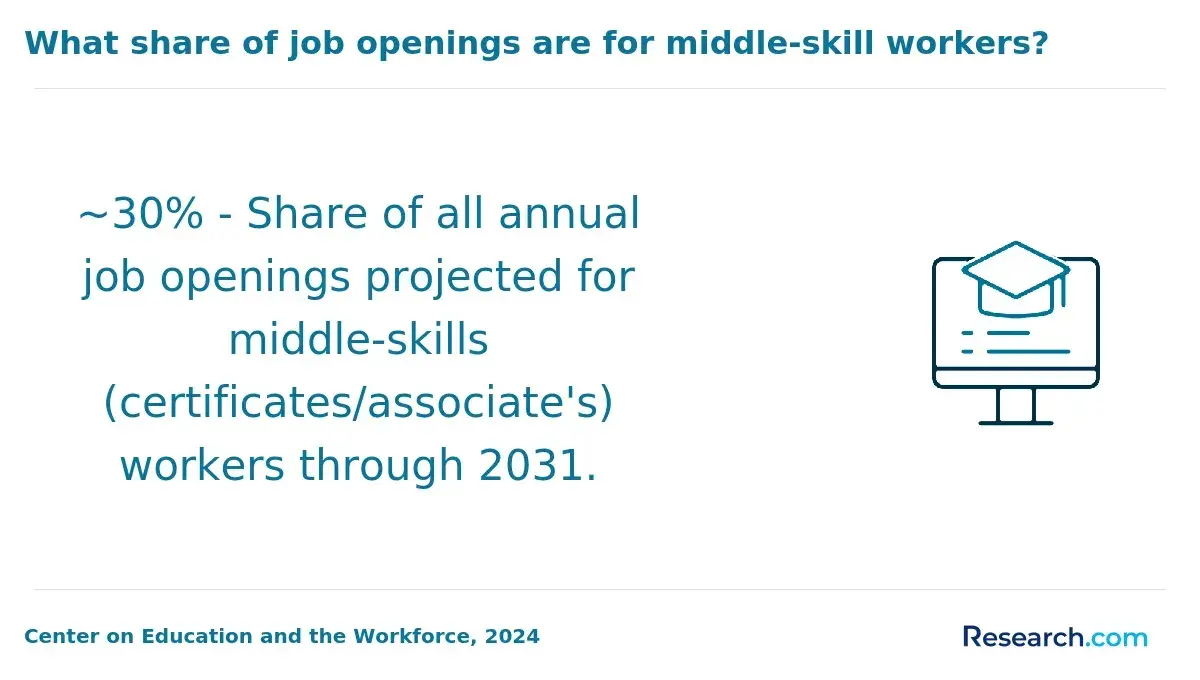
Recent data reveals that nearly 85% of secondary education teaching jobs require a bachelor's degree as the minimum qualification. The following points summarize common degree-related patterns found in secondary education job advertisements:
- Bachelor's Degree Minimum: Nearly all postings require candidates to hold a bachelor's degree, typically in education or a relevant subject area like English, math, or social studies, serving as a baseline for both content expertise and teaching readiness.
- Advanced Degree Preference: Positions involving curriculum leadership, special education, or administrative tasks often prefer applicants with master's or doctoral degrees that indicate deeper knowledge and specialized skills.
- State Certification: Public school roles usually require state licensure, which generally involves completing an accredited teacher preparation program alongside a bachelor's degree, emphasizing formal qualification standards.
- Institution Type Variability: Private and charter schools sometimes accept candidates with non-education degrees if they have relevant experience or alternative certifications, offering some flexibility compared to public school requirements.
When discussing degree requirements with a secondary education degree graduate, he shared that navigating the certification and degree expectations was a significant hurdle. He described feeling uncertain about whether to pursue a master's degree immediately or gain teaching experience first.
'It was confusing at times to understand how each district valued different qualifications,' he recalled. However, completing the accredited degree program gave him the confidence employers were looking for, even if the path to leadership roles appeared less straightforward.
How Much Experience Do Secondary Education Job Postings Require?
Secondary education job postings often outline varying experience requirements based on the role's level and subject area. Employers rely heavily on these experience criteria to filter candidates who can effectively fulfill both classroom and administrative responsibilities.
Common patterns emerge regarding experience expectations across different secondary education roles:
- Entry-Level Roles: These positions usually require minimal to no prior teaching experience, making them ideal for recent graduates or those newly certified. Entry-level experience requirements for secondary education careers often accept internships or student teaching as relevant.
- Mid-Level Positions: Typically, two to five years of classroom or related educational experience is expected. This range indicates the need for demonstrated teaching skills and student management capabilities.
- Advanced Roles: Positions such as department heads or instructional coordinators often demand five or more years of significant experience, including leadership or curriculum development expertise.
- Specialized Subjects: Roles in high-demand disciplines may prioritize candidates with proven experience specific to that subject or particular student populations.
Experience standards assist employers in selecting professionals whose backgrounds align closely with job demands and school culture, helping ensure effective teaching outcomes. For prospective educators exploring further education options, MSW online programs represent a valuable pathway for expanding expertise and versatility.
What Industries Hire Fresh Graduates With No Experience?
Several sectors show a strong willingness to hire secondary education graduates who have little to no professional experience, as evidenced by job listings focusing on relevant certifications and skills rather than extensive work history.
Data from the National Center for Education Statistics reveals that nearly 40% of these graduates find their first professional positions within one year of finishing their studies without prior teaching roles.
Below are some key industries that often welcome entry-level candidates from secondary education backgrounds.
- Public School Districts commonly offer numerous roles suitable for recent graduates, emphasizing certification and subject knowledge. These positions often include teaching assistants and primary teaching roles, with less concern for previous experience.
- Private and Charter Schools actively recruit fresh graduates, valuing enthusiasm and adaptability in varied classroom settings. They frequently seek candidates capable of teaching core subjects, promoting innovation and flexibility.
- Educational Nonprofits engage secondary education graduates in roles focused on tutoring, mentoring, and delivering community programs. These environments encourage collaboration and responsiveness within informal or semi-structured contexts.
- Educational Technology Companies prioritize hiring entry-level staff with both pedagogical insight and digital competence. These roles often involve curriculum design, content creation, and learning support that blend education with technology.
When asked about her experience, a recent secondary education graduate shared that navigating her first job search was both challenging and rewarding. She described initial uncertainty about how her skills fit diverse roles but found that employers valued her certification and willingness to learn.
'It was encouraging to see some companies emphasize my teaching knowledge over my lack of formal work history,' she remarked, noting that early-career opportunities often required patience and persistence. Her journey highlighted the importance of staying flexible and open to various educational settings beyond traditional classrooms.
Which Industries Require More Experience or Skills?
Certain sectors show a clear preference for secondary education candidates who possess advanced skills, specialized training, or significant professional experience.
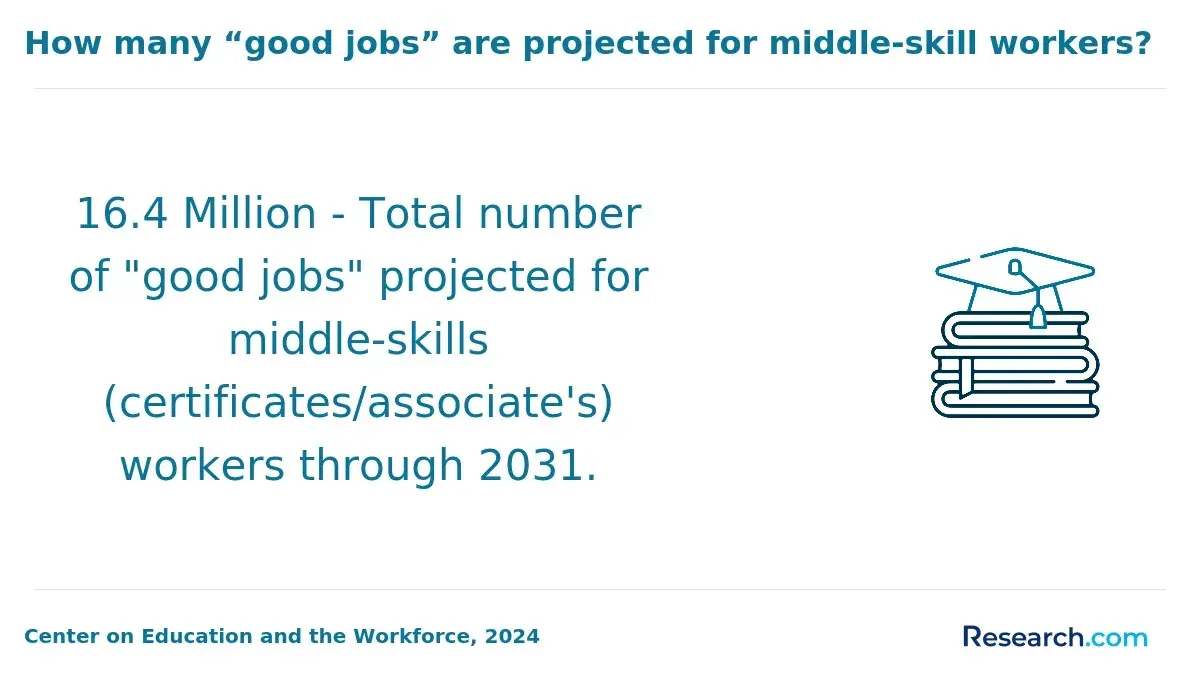
This heightened selectivity is evident in job postings, which often list stringent qualifications beyond basic teaching certifications. For instance, nearly 40% of secondary education positions in STEM fields demand candidates with three to five years of relevant work or teaching experience.
The following outlines some industries where secondary education roles commonly require deeper expertise or credentials:
- Vocational and Technical Education Professionals are expected to hold certifications closely tied to their technical subject areas, alongside practical industry experience. This combination ensures instructors can teach both theory and hands-on applications effectively.
- Healthcare Education Employers typically seek candidates with advanced degrees or specialized health-related certifications. The roles often demand familiarity with current industry standards and evolving technologies.
- STEM Fields Positions in science, technology, engineering, and mathematics prioritize multi-year teaching or professional experience. Candidates also must demonstrate up-to-date knowledge of technological integration in classroom settings.
- Charter and Private Schools These institutions often require documented success in student achievement and prefer educators skilled in interdisciplinary teaching methods. Adaptability to diverse learning styles is also a key hiring factor.
- Advanced Sciences and Engineering Technology Hiring increasingly favors candidates with postgraduate qualifications and specialized expertise. Competency in the latest industry practices is essential for these roles.
Which Credentials Are Most Valuable for Secondary Education Careers?
Employers in secondary education rely heavily on specific credentials to assess a candidate's qualifications and readiness to teach. These certifications, licenses, and academic credentials serve as evidence of both subject knowledge and professional competence, playing a decisive role in hiring decisions.
Several key credentials frequently appear as essential or preferred requirements in secondary education job postings:
- Bachelor's Degree: Most employers expect a bachelor's degree in education or a subject-specific field, as it lays the foundational knowledge of pedagogical theory and content expertise necessary for classroom instruction.
- State Teaching License: This credential confirms that candidates have met their state's standards, including supervised teaching experience and subject mastery. Licensure reassures employers about a candidate's legal eligibility and practical classroom management skills.
- Subject-Area Endorsements: Additional certifications in specialized fields like STEM, special education, or English as a Second Language (ESL) reflect a teacher's ability to meet diverse student needs and adapt to evolving curricula.
- Advanced Degrees and Certifications: A master's degree or professional development certificates demonstrate higher-level instructional capabilities, leadership qualities, and a commitment to continuing education, making candidates more competitive.
These credentials collectively illustrate a teacher's preparedness to address the complexities of secondary education. They validate not only academic mastery but also adaptability and professional growth, factors highly valued by employers shaping their hiring choices.
Are Salaries Negotiable Based on Experience?
Salary levels in secondary education careers often vary based on experience, education, and the complexity of the role. Employers frequently adjust compensation to reflect a candidate's qualifications and the demands of the position. Data indicates that teachers with over 10 years of experience can earn up to 20% more than those just starting in the field, demonstrating a significant correlation between experience and pay.
Job postings that highlight salary negotiation options often attract candidates with specialized skills or extensive backgrounds, a key consideration in secondary education salary negotiation tips.
Salary flexibility tends to be more limited for entry-level secondary education positions, where baseline qualifications such as certification and degrees set narrower pay ranges. In contrast, senior roles and specialized instructors often see broader salary bands, as their responsibilities and expertise vary widely.
Employers structure pay scales to accommodate experience, often factoring in leadership potential and ongoing professional development. For those seeking career advancement, exploring online construction management courses can provide additional credentials that may influence salary discussions and job opportunities.
How Can You Match Your Resume to Job Descriptions?
Job postings offer valuable guidance for tailoring your resume to meet employer expectations in secondary education careers. These listings provide clear insights into the specific skills, degrees, and experience that schools prioritize, helping candidates better align their qualifications.
Research indicates that resumes closely matched to job descriptions have a 40% higher chance of passing applicant tracking systems (ATS), which many educational employers use to screen applicants.
To effectively tailor your resume by matching your skills and experience to secondary education job requirements, consider the following approaches:
- Job Posting Interpretation: Analyze listings carefully to identify core competencies and instructional expertise employers emphasize, such as classroom management, curriculum design, or subject-specific knowledge.
- Relevant Experience Highlighting: Emphasize teaching experience and certifications that align with the position, including student teaching, substitute roles, or specialized endorsements that the job posting specifies.
- Terminology Alignment: Use language that mirrors the job description, incorporating keywords and phrases exactly as they appear to improve ATS readability and demonstrate a precise fit.
- Priority Qualifications: Focus on mandatory or preferred credentials listed by employers, such as degree levels, certification status, and years of teaching experience in similar educational settings.
- Additional Training: Consider supplementing your profile with related qualifications, such as pursuing an urban planning degree online if the role integrates community development or urban education elements.
By strategically using job postings as a blueprint, candidates improve their resume's effectiveness and enhance their competitiveness within secondary education hiring processes.
What Should You Look for When Analyzing Job Ads?
Job ads in secondary education reveal important insights into what schools and districts expect from candidates. These postings outline the skills, certifications, and educational background employers prioritize, making them crucial for understanding the role's demands.
Recent data indicate that 78% of secondary education teaching job requirements mention specific certifications or licenses, highlighting their significance in hiring decisions.
When reviewing these ads, consider the following key aspects employers focus on:
- Responsibilities: Job listings detail daily duties such as classroom management, curriculum planning, and student evaluation, which paint a clear picture of the position's focus areas.
- Qualifications: Ads specify required degrees, often emphasizing subject specialization and relevant endorsements, ensuring candidates meet educational standards.
- Experience: Varying from entry-level to seasoned professionals, some roles seek recent graduates while others prefer candidates with proven teaching success or extracurricular leadership.
- Skills: Employers value both content knowledge and soft skills like communication, adaptability, and technology use, underscoring the need for well-rounded educators.
- Institutional Values: Collaboration, diversity commitment, and participation in school programs often appear, reflecting the wider culture schools aim to promote.
For those interested in advanced credentials, exploring an online clinical psychology masters can also enhance understanding of student needs and support in secondary education careers.
What Graduates Say About Skills, Degrees, and Experience Employers Want
- Khai: "As a fresh graduate in secondary education, I found job postings to be an invaluable resource in identifying roles that align perfectly with my certifications and interests. The detailed requirements and expectations helped me tailor my applications and prepare for interviews with confidence. It's exciting to see how these ads not only reveal opportunities but also set clear career paths for newcomers like me."
- Julio: "Over the years, I've relied heavily on job ads to steer my professional growth in secondary education. From finding positions that value my growing experience to spotting trends in preferred skills, these postings have shaped my ongoing career decisions. Reflecting on my journey, I appreciate how these ads have been more than listings-they've been a map guiding my advancement."
- Jayden: "Job postings have significantly impacted my career as a seasoned secondary education teacher by highlighting evolving demands and specialized roles in the field. The professional tone and specificity in these ads encourage continuous development and adaptability, which I now prioritize. They serve as a constant reminder of how dynamic our profession is and motivate me to stay ahead."
Other Things You Should Know About Secondary Education Degrees
Yes, most secondary education job postings clearly require or prefer candidates with valid teaching certifications or state-provided licenses. These credentials demonstrate a candidate's qualification to teach specific subjects at the secondary level and adherence to professional standards. Some ads also mention additional endorsements as preferred qualifications.
Technology proficiency is regularly emphasized in job descriptions, reflecting the integration of digital tools in modern classrooms. Candidates are expected to use educational software, manage virtual learning platforms, and incorporate technology to enhance student engagement and learning outcomes.
These skills have become increasingly essential, especially after the shift towards hybrid and remote teaching models.
Many secondary education job ads specify preferred levels of prior teaching experience, often requesting anywhere from one to several years. Experience with diverse student populations or in specific subject areas can strengthen an applicant's profile. However, some postings also offer entry-level positions, signaling that schools are open to candidates with strong foundational skills who are beginning their careers.
References
- 8 Important Certifications for Education Grads & Post-Grads - Global Gurus https://globalgurus.org/8-important-certifications-for-education-grads-post-grads/
- Understanding teacher salaries and career growth https://kathleenjasper.com/blogs/news/understanding-teacher-salaries-and-career-growth
- Resume tips for high school students | YouScience https://www.youscience.com/resources/blog/resume-tips-for-high-school-students/
- Job Skills that Employers Want: a Comprehensive List for Students https://joinhandshake.co.uk/blog/students/job-skills-students
- Top 10 Job Seeking Skills to Teach High School Students https://www.icevonline.com/blog/top-job-seeking-skills-to-teach-high-school-students
- Experience and Education Requirements in Job Postings Decline https://www.shrm.org/topics-tools/news/talent-acquisition/experience-and-education-requirements-in-job-postings-decline
- In-Demand Jobs Based On Education & Experience https://getschooled.com/article/5580-in-demand-jobs-based-on-education-and-experience
- Explore 7 Groups of High-Demand Careers for Today's Students https://www.standrewsgreenvalley.com/future-careers-for-students/
- Certificates That Students Care About: Real Examples https://maatos.com/certificates-students-care-about-real-examples/
- Studies Show Employers Favor Proven Skills Over Degrees - TechNation https://1technation.com/studies-show-employers-favor-proven-skills-over-degrees/