
2027 Best Secondary Education Degrees for Working Adults

Co-Founder and Chief Data Scientist
Working adults aiming to become secondary education teachers often struggle to find degree programs that accommodate irregular work schedules and family responsibilities. With over 1. 3 million secondary educators in the U. S. and a projected employment growth of 5% over the next decade, demand for qualified teachers remains steady. Many programs now offer flexible online and part-time options that help balance professional commitments with academic progress.
This article explores the best secondary education degrees suited for working adults, highlighting accredited programs designed to support career advancement without sacrificing current job stability or personal obligations.
Key Things to Know About Secondary Education Degrees for Working Adults
- Many secondary education programs offer flexible scheduling and online or hybrid formats, helping working adults balance studies with professional and personal commitments effectively.
- Curriculums often emphasize practical skills and employer relevance, increasing job placement rates with a 10% growth in demand for qualified secondary educators by 2030.
- Accelerated pacing and dedicated support services, such as tutoring and career counseling, enhance completion rates and cater specifically to adult learners' needs.
What Are the Best Secondary Education Degrees for Working Adults?
What defines the best secondary education degrees for working adults varies with factors such as schedule flexibility, career alignment, and return on investment. A prominent trend among adult learners is the shift toward part-time enrollment and online learning formats, which provide crucial accessibility for those balancing full-time jobs. These flexible options help employed students pursue education without sacrificing work commitments or income.
Several secondary education degree options stand out for their suitability to working professionals seeking practical and adaptable programs. Consider the following options:
- Secondary Education with a focus on STEM (Science, Technology, Engineering, Mathematics): Offering flexible delivery and hands-on learning, this program meets high demand for STEM teachers and enables working adults to improve career prospects in well-paying, in-demand fields.
- Secondary Education in Special Education: With part-time schedules and online coursework, this specialization addresses critical school needs for educators skilled in diverse learning abilities, aligning well with adult learners' need for flexibility.
- Secondary Education with English or Language Arts Concentration: Known for broad applicability, these programs often provide evening or weekend classes that accommodate working adults' schedules while covering relevant, practical curriculum.
- Secondary Education in Social Studies: Featuring practical teaching methods and flexible pacing, this track focuses on history and civics education and suits employed students aiming to balance study and work.
- Dual Certification Programs: Combining multiple subject areas or endorsements like ESL or literacy, these versatile programs offer working adults a competitive edge through expanded qualifications.
Working adults searching for the best online secondary education degrees for working adults can find accredited programs that fit their busy lifestyles and career goals. Those interested in accelerating their education might explore EdD online programs, which provide fast-track options compatible with full-time employment. Affordable secondary education programs for adult learners often emphasize practical skills and flexibility, making them ideal for career advancement without significant disruption.
What Are the Admission Requirements for Working Adults in Secondary Education Degree Programs?
Admission requirements for working adults pursuing secondary education degrees often differ from those designed for traditional students due to the unique needs and experiences of adult learners. Recent data shows that more than 40% of graduate students enroll part-time, underscoring the importance of flexible admissions and program structures. Programs tailored for professionals recognize this trend and adapt their criteria accordingly.
Several key considerations typically guide admissions for working adults in secondary education degree programs:
- Prior Work Experience: Admissions committees value relevant professional experience, especially roles involving education, leadership, or mentorship. Such experience often supplements or partially replaces traditional academic prerequisites.
- GPA Expectations: While academic performance remains important, many programs adopt more lenient GPA requirements for working adults, acknowledging gaps since previous schooling and the value of practical expertise.
- Standardized Test Waivers: Applicants with substantial professional achievements often qualify for waivers of exams like the GRE, reducing barriers to enrollment and reflecting the program's understanding of career accomplishments.
- Professional Recommendations: Letters of recommendation from supervisors or colleagues play a critical role by verifying the applicant's skills, work ethic, and potential for success in education-focused roles.
- Flexibility in Course Formats: Programs frequently offer part-time, evening, or online courses to accommodate full-time employment. This flexibility is vital for working adults striving to balance career and education.
For those interested in pursuing counseling alongside secondary education, selecting counseling degrees online accredited by respected bodies can further enhance career opportunities. Understanding these admission requirements can empower prospective students to find accredited and adaptable secondary education degree program admissions for professionals that meet their evolving needs.
What Coursework Is Required in Secondary Education Degree Programs for Working Adults?
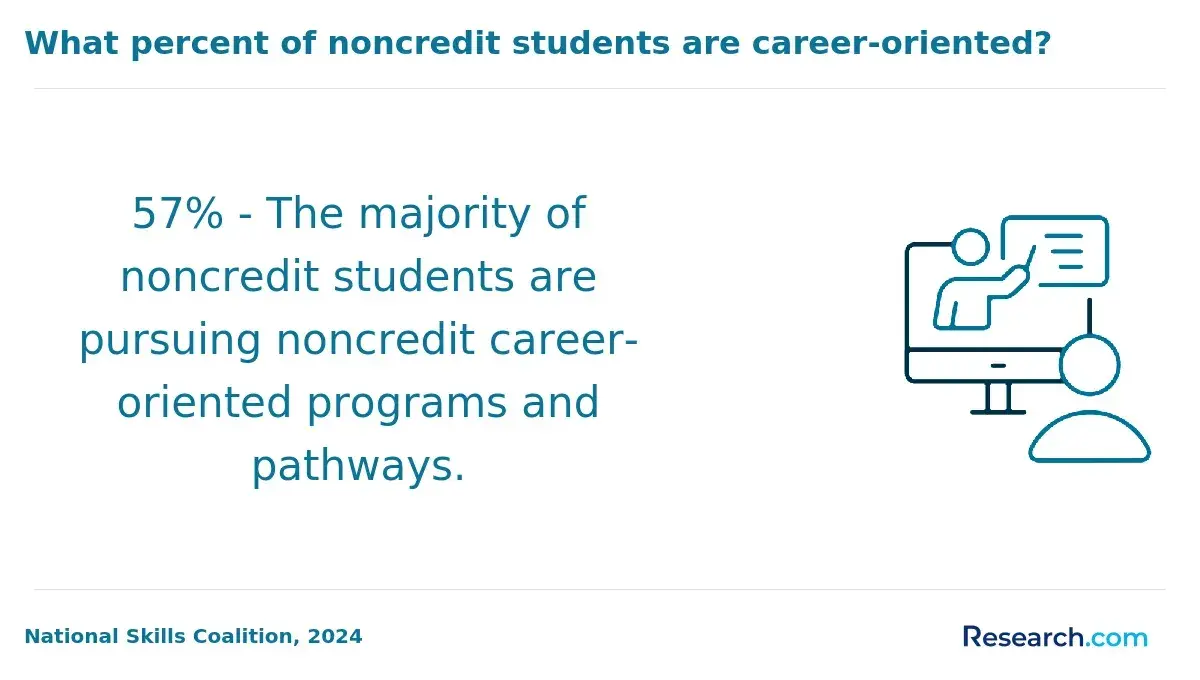
Secondary education degree coursework for working adults is thoughtfully crafted to balance career relevance, practical skills, and flexible learning schedules, accommodating the demands of full-time employment. Nearly 40% of all postsecondary students in the U.S. are adult learners, demonstrating a significant trend toward adaptable education models that support career advancement. This structure allows students to study online or during evenings and weekends, ensuring accessibility for busy professionals.
Typical required classes in secondary education programs for working adults focus on foundational teaching skills and effective classroom strategies. Common coursework areas include:
- Educational Psychology: This course explores adolescent development and diverse learning styles to help working adults refine teaching techniques and manage varied classroom dynamics effectively.
- Curriculum and Instruction: Emphasizing lesson plan design and technology integration, it equips professionals to develop engaging, standards-compliant content that resonates with modern students.
- Classroom Management: Centers on creating a positive learning environment, offering strategies vital for teachers balancing multiple responsibilities and maintaining student engagement.
- Assessment and Evaluation: Focuses on methods for tracking student progress and tailoring instruction based on data, supporting informed decision-making in teaching practices.
- Special Education Foundations: Introduces inclusive teaching approaches for diverse learners, enhancing a teacher's versatility in various educational settings.
For working adults considering flexible study options, exploring affordable online MFT programs can provide insights into accessible, career-friendly educational pathways.
How Long Does It Take to Complete a Secondary Education Degree While Working?
Completion timelines for working adults pursuing a secondary education degree can vary widely, largely due to the challenge of balancing work, family, and academic responsibilities. On average, such students take between four and six years to finish their degrees, reflecting these complexities. Several key factors contribute to this variation in completion time.
These elements include:
- Program format: Degree programs offered online or in hybrid formats provide flexibility, letting students study during evenings or weekends. The effectiveness of this format depends on a student's self-motivation and access to learning tools, which can either accelerate or prolong completion.
- Course load: Many working adults enroll part-time to manage their schedules, which naturally extends the duration compared to full-time study. Taking fewer courses each term spreads out the academic timeline.
- Prior credits: Having transferable credits from earlier college work can significantly reduce the number of required classes, allowing for a quicker path to graduation.
- Work schedule: The nature and demands of one's job, especially irregular or long hours, may limit available study time and delay progress toward the degree.
- Accelerated options: Some programs offer fast-track courses or summer sessions aimed at helping motivated students complete their degrees more rapidly.
A professional who earned an online secondary education degree while maintaining full-time employment shared that managing coursework alongside a demanding job felt overwhelming at times. He recalled, "Balancing late-night assignments with early morning work shifts was tough, especially when unexpected work deadlines came up."
He emphasized that discipline and effective time management were essential, noting how using weekend study blocks and setting small daily goals helped him stay on track. Despite the stress, he described a strong sense of accomplishment upon completing the program that outweighed the sacrifices made along the way.
How Much Does a Secondary Education Degree Cost for Working Adults?
For working adults, the expense of earning a Secondary Education degree is a significant consideration, especially since many juggle full-time jobs and study commitments. Nearly half of adult learners pursue these degrees part-time, which affects how costs accumulate over time. Several key factors impact the overall financial commitment involved.
These elements play a role in determining total expenses:
- Tuition per credit: This is often the main cost driver, with prices varying depending on whether students attend in-state or out-of-state. Different institutions set distinct credit rates that directly influence total tuition fees.
- Program duration and course load: Part-time students typically take longer to graduate, which can increase cumulative costs due to extended enrollment in fees and other expenses.
- Additional fees: Beyond tuition, students must budget for charges such as technology, registration, and lab fees, which may add several hundred dollars each term.
- Course materials: Textbooks and supplies required for coursework can be costly, ranging from hundreds to over a thousand dollars; however, digital resources sometimes offer more affordable alternatives.
- Study format: Choosing between online and on-campus programs influences expenses. Online options often reduce costs related to commuting and housing but might have unique fee structures.
Exploring financial aid options like employer tuition reimbursement, scholarships, and grants is essential to help lessen the financial burden throughout the program.
What Financial Aid Options Are Available for Working Adults in Secondary Education Degree Programs?
Balancing work, education, and personal life often makes financial aid vital for adults pursuing Secondary Education degrees. Such support can ease tuition pressures and enable students to remain focused on their studies and careers.
Several tailored financial aid resources are designed for working adults:
- Federal Financial Aid: Through the FAFSA process, eligible students can secure grants and loans with favorable terms that help offset tuition and related expenses.
- Employer Tuition Assistance: Many companies encourage continuing education by offering reimbursement or payment programs, helping employees gain credentials while working full time.
- Scholarships for Adult Learners: Various scholarships specifically support non-traditional students balancing family and job responsibilities, often rewarding perseverance and career goals.
- Grants: Available from federal, state, and private sources, grants provide funding that generally doesn't need to be repaid and often prioritize those with financial need or specific backgrounds.
- Payment Plans: Flexible installment options enable students to manage tuition payments without compromising monthly budgets or essential expenses.
A professional who completed her Secondary Education degree while working full time shared her experience. "Juggling shifts and classes was overwhelming at times, and I worried about the cost too," she said. Applying for employer tuition reimbursement took patience, but it significantly reduced my financial stress. I also found that breaking tuition into monthly payments made balancing bills easier."
She emphasized that the combination of aid sources was essential. "Without that support, staying on track academically while managing work commitments would have been much harder." Her story highlights how leveraging multiple aid options can empower working adults to succeed in their educational pursuits.
What Support Services Help Working Adults Succeed in a Secondary Education Program?
Working adults enrolled in Secondary Education programs often juggle coursework alongside full-time jobs and family duties, which can create significant hurdles to academic progress. Access to tailored institutional support is essential for helping these students balance commitments and maintain motivation.
- Academic Advising: Provides personalized guidance to help students select courses that fit their schedules and goals, ensuring steady advancement toward degree completion.
- Flexible Scheduling: Offers evening, weekend, or online classes that accommodate varied work hours, enabling learners to pursue education without sacrificing job or family responsibilities.
- Online Learning Support: Delivers technical assistance and strategies for engaging in virtual classes, which enhances accessibility and helps students stay connected to their studies.
- Cohort-Based Learning: Fosters peer interaction and group collaboration, building a supportive network that encourages accountability and sustained engagement.
- Mental Health Resources: Provides counseling and stress management tools to support emotional well-being throughout the challenges of balancing education with other aspects of life.
Are Secondary Education Degrees for Working Adults Accredited?
Accreditation for secondary education programs ensures they meet rigorous quality standards set by recognized agencies, which is vital for working adults pursuing these degrees. Accredited programs gain respect from employers and facilitate credit transfer between schools, making them more valuable. Accreditation also plays a key role in qualifying students for federal financial aid, helping adult learners manage tuition costs more effectively.
Notably, nearly 40% of graduate students in the U.S. are adult learners, reflecting a rising demand for flexible, credible programs designed for professionals balancing work and study. The long-term benefits of earning an accredited secondary education degree include enhanced credit transferability and fulfilling state requirements for teacher licensure or certification. Without proper accreditation, degrees may not be accepted for professional credentials, limiting career growth opportunities.
This credibility supports smoother transitions between roles and advancement within education or related fields, reinforcing the degree's overall value for working adults invested in their career development.
Does a Secondary Education Degree Increase Salary for Working Adults?
Salary growth is a key motivator for working professionals considering a secondary education degree, with annual earnings typically ranging from $45,000 to $70,000 depending on location, experience, and specialization. For many adults, this degree represents a clear path to enhanced earning potential alongside career advancement in education.
- Industry demand: Regions or districts facing teacher shortages may offer higher pay to qualified candidates holding secondary education degrees. Demand fluctuations directly impact salary increases for degree holders.
- Role advancement: Earning a secondary education degree often qualifies professionals for higher-level positions such as lead teacher, curriculum developer, or department head, which come with increased salaries and responsibilities.
- Employer policies: Many school systems enforce structured pay scales that reward continued education and certifications, making a degree beneficial for consistent salary growth.
- Years of experience: Combining tenure with a secondary education degree typically enhances salary potential, as experience often compounds the financial benefits of higher qualifications.
- Specialization: Concentrations in high-demand subjects like STEM or special education can result in additional salary incentives, making focused degrees especially valuable for working adults seeking salary growth with secondary education degree qualifications.
Adult learners looking to balance full-time work with studies often explore flexible programs, such as those offering an accelerated bachelor's degree online, enabling a faster transition to higher-paying roles while managing existing professional commitments.
What Jobs Can Working adults Get With a Secondary Education Degree?
A secondary education degree enables working adults to qualify for higher-level, more specialized, and leadership-oriented roles beyond entry-level positions. This credential offers the expertise and teaching credentials needed to advance within educational and related fields. Many professionals pursuing career opportunities with a secondary education degree find it opens doors to greater responsibility and influence.
Here are some common upward-mobility job roles for experienced professionals with a secondary education degree:
- Curriculum Specialist: Develops and implements instructional materials and programs, shifting from classroom teaching to a strategic role that shapes educational content and teaching methods across schools or districts.
- Instructional Coordinator: Oversees educational standards and teacher training, ensuring curriculum alignment and enhancing teaching quality. The secondary education degree provides vital pedagogical knowledge supporting this leadership position.
- Department Head or Lead Teacher: Leads a subject-specific team, mentors colleagues, and coordinates lesson plans. This role combines subject expertise with the leadership skills cultivated through secondary education studies.
- Educational Consultant: Offers expert advice to schools or organizations to improve educational programs and policies. Holding a secondary education degree lends credibility and foundational knowledge to guide teaching strategies and standards effectively.
For those seeking to improve their qualifications while balancing full-time work, flexible and accredited secondary education degree programs are ideal for advancing in jobs for working adults with secondary education. Further credentialing through certifications online can complement the degree and enhance career prospects.
What Graduates Say About Their Secondary Education Degrees for Working Adults
- Alfonso: "Choosing to enroll in an online secondary education degree while working full-time was challenging yet rewarding. The affordability of such programs, often averaging around $15,000 to $20,000, made it accessible compared to traditional routes. Completing the degree has significantly enhanced my teaching approach and opened doors for advancement in my school district."
- Elena: "Reflecting on my part-time secondary education studies, balancing work and classes required discipline, but the cost-benefit ratio was worth it. The average tuition did feel like an investment, approximately $18,000, but knowing it would elevate my professional qualifications gave me confidence. This journey strengthened my commitment to education and improved my career stability."
- Sean: "My decision to pursue a secondary education degree online while maintaining my job was driven by both necessity and opportunity. Understanding that the typical cost ranges from $14,000 to $21,000 helped me plan financially without sacrificing my responsibilities. The credential has been instrumental in expanding my teaching credentials and has added credibility to my role as an educator. "
Other Things You Should Know About Secondary Education Degrees
Yes, many secondary education programs accept transfer credits from previous college coursework, which can shorten the time needed to complete the degree. Working adults should check with their chosen institution about transfer policies early to ensure their prior credits align with required courses. Proper evaluation and documentation of transcripts are essential.
Accredited online secondary education degrees are widely accepted by employers and school districts. The key factor is the program's accreditation status, which ensures the curriculum meets the standards necessary for teacher certification. Prospective students should confirm that any online program they consider has regional or national accreditation.
Working adults can manage secondary education by choosing flexible online programs, setting clear time management goals, prioritizing tasks, and seeking support from family and employers. Additionally, taking advantage of asynchronous courses can allow learners to complete coursework at convenient times.
References
- Employment-based teaching degrees https://www.vic.gov.au/employment-based-teaching-degrees
- Student Support Services https://www.cta.org/for-educators/meet-cta/student-support-services
- Financial Aid for Adult Education https://www.vsac.org/plan/adult-learners/financial-aid
- How to Start Your Education Career in 2 Years | All Education Schools https://www.alleducationschools.com/blog/two-year-teaching-programs/
- 2025 Most Affordable Online Secondary Education Master's Degrees https://www.onlineu.com/most-affordable-colleges/secondary-education-masters-degrees
- Does Education Make a Difference in Salary? | Penn Foster https://www.pennfoster.edu/blog/does-education-make-a-difference-in-salary
- Tips for Going Back to Education as a Working Adult https://www.study-solar.com/blog-article/tips-for-going-back-to-education-as-a-working-adult
- 7 Ways to Support Working-Class Students | Watermark https://www.watermarkinsights.com/resources/blog/supporting-working-class-students-7-ways-to-show-support/


