
2027 Which Business Communications Degree Careers Offer the Best Long-Term Salary Growth?

Co-Founder and Chief Data Scientist
Business communications can lead to very different earning paths depending on the role, industry, employer, and skills a graduate builds after college. A coordinator who stays in general support work may see steady but limited raises, while a professional who moves into corporate communications, public relations leadership, marketing strategy, investor relations, crisis response, or digital communications can build a much stronger long-term salary profile.
For students and early-career professionals, the real question is not simply “What job can I get with this degree?” but “Which first job gives me the best path to higher responsibility, stronger negotiating power, and durable demand?” According to the U.S. Bureau of Labor Statistics, employment in communications-related fields is expected to grow 10% through 2032, which points to continued opportunities for people who can connect clear messaging with business results.
This guide explains which business communications careers tend to offer the highest salary growth, how earnings typically progress over time, which industries pay more, and what choices can improve long-term outcomes.
Key Benefits of Business Communications Degree Careers That Offer Long-Term Salary Growth
- Careers in business communications typically see salary increases of 5-7% annually, driven by expanding responsibilities and market demand for skilled communicators.
- Continuous skill development and accumulated experience in strategic communication, digital media, and leadership significantly enhance long-term earning potential.
- Strong growth trajectories in roles like corporate communication manager and public relations director contribute to financial stability and upward career mobility over decades.
Which Business Communications Careers Have the Highest Long-Term Salary Growth?
The strongest long-term salary growth in business communications usually comes from roles that move beyond writing, posting, or coordinating messages and into strategy, leadership, revenue support, reputation management, or executive advising. Employers pay more when communications professionals can reduce risk, strengthen brand trust, influence customers, support change management, or guide leaders during high-stakes situations.
Managerial roles in marketing communications are projected to increase by about 10% in employment over the next decade, which can create better advancement opportunities for professionals who combine communication judgment with campaign planning, analytics, and team leadership.
Several business communications paths are especially well positioned for long-term compensation growth:
- Corporate Communications Manager: This path can produce strong salary gains because the role affects company reputation, employee trust, executive messaging, and stakeholder relationships. Professionals who can manage sensitive announcements, align departments, and advise leadership often move into director-level or executive communications positions.
- Marketing Communications Specialist: This role can grow into marketing communications manager, brand strategist, or marketing communication director. The salary upside improves when the specialist can connect messaging to customer acquisition, campaign performance, lead generation, and brand positioning.
- Digital Communications Strategist: Digital strategists can see steady growth as organizations rely more heavily on websites, social platforms, email, video, search visibility, and audience data. The highest earners usually understand both creative messaging and measurable digital performance.
- Public Relations Manager or Director: PR professionals who build media relationships, protect brand credibility, manage crises, and support executive visibility can move into higher-paying leadership roles over time.
- Investor Relations or Executive Communications Professional: These specialized roles may require business fluency, discretion, and the ability to communicate with senior leaders, analysts, employees, or the public. The responsibilities are often more strategic, which can support higher compensation.
For most students, a graduate degree is not automatically required to enter the field. However, professionals considering senior leadership, research, academia, or executive-level specialization may compare options such as online doctoral programs when planning a longer academic or leadership path.
How Does Salary Growth Progress Over Time in Business Communications Careers?
Salary growth in business communications is usually cumulative rather than sudden. Many professionals see moderate year-over-year increases, with data indicating an average annual wage growth of approximately 3% to 5% over extended periods. Larger gains often occur when a person changes employers strategically, earns a promotion, moves into management, or develops a high-demand specialization.
A typical business communications career may progress through these stages:
- Early career: Professionals build writing, editing, project coordination, media support, content production, and internal communication experience. Raises may be modest unless the role includes measurable campaign or business outcomes.
- Mid-career: Salary growth often improves as employees lead campaigns, manage channels, supervise junior staff, own stakeholder relationships, or specialize in digital strategy, crisis communication, public relations, or brand messaging.
- Senior career: Compensation becomes more tied to leadership, organizational influence, risk management, and strategic decision-making. Professionals who advise executives, oversee teams, and manage budgets tend to have stronger earning power.
- Late career: Growth may taper if the professional remains in the same role, but it can remain strong for those who move into director, consultant, chief communications officer, or specialized advisory positions.
The main lesson is that time alone does not create the highest salary growth. Professionals usually need to show broader business impact: stronger engagement, better campaign outcomes, smoother internal change, improved media positioning, or measurable protection of organizational reputation.
Which Entry-Level Business Communications Jobs Lead to High-Paying Careers?
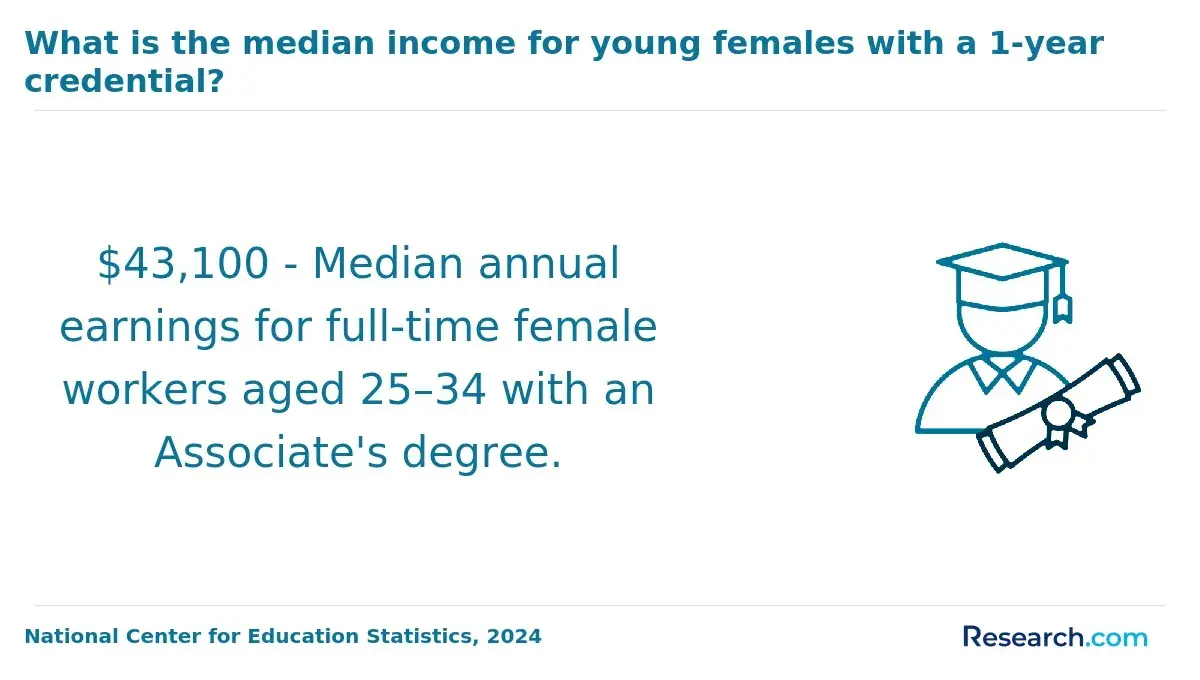
The best entry-level business communications jobs are not always the ones with the highest starting salary. The stronger long-term choice is often the role that teaches transferable skills, gives access to measurable projects, and creates a clear path into strategy or leadership. Starting salaries for these positions typically range from $45,000 to $55,000 annually, with higher earning potential as professionals gain experience and move into advanced roles.
Common entry points that can lead to high-paying careers include:
- Communications Coordinator: This role develops practical experience in internal communication, external messaging, project timelines, newsletters, events, and stakeholder coordination. It can lead to communications manager, internal communications lead, or corporate communications manager roles.
- Public Relations Assistant: PR assistants learn media monitoring, press materials, reporter outreach, event support, and reputation management. Strong performers can advance into PR specialist, media relations manager, public relations director, or corporate affairs roles.
- Social Media Specialist: This position can be a strong launch point when it includes content strategy, analytics, paid campaign coordination, community management, and brand voice development. The best long-term paths move beyond posting into digital communications strategy.
- Content Writer: Content writers build messaging discipline across blogs, web pages, campaigns, speeches, emails, and executive materials. With experience, they may move into content strategist, editorial manager, brand voice lead, or content director positions.
- Marketing Assistant: Marketing assistants gain exposure to campaigns, audiences, product messaging, market research, and cross-functional planning. This path can lead to marketing communications specialist, campaign manager, brand manager, or marketing communication director roles.
When comparing first jobs, graduates should ask practical questions: Will the role let me measure results? Will I work with senior communicators or marketers? Will I build writing samples, campaign examples, or analytics experience? Will the job expose me to crisis, brand, employee, or executive communication? These details matter more for long-term salary growth than a slightly higher starting offer with limited advancement.
A new business communications graduate described the early stage as demanding but useful: “It was overwhelming at first, but I quickly realized that each task was a step toward building my expertise.” He added that persistence and learning from each assignment helped him clarify his goals and move toward more rewarding opportunities.
What Industries Offer the Best Salary Growth for Business Communications Graduates?
Industry choice can have a major effect on long-term salary growth. Some sectors have larger budgets, more complex communication needs, higher regulatory pressure, stronger competition for talent, or greater reputational risk. Research shows some industries provide salary increases up to 20% faster over a decade compared to others.
Business communications graduates often find stronger salary growth in these industries:
- Technology: Technology companies often need communicators who can explain complex products, support launches, manage rapid change, and build digital audiences. Professionals with strong product messaging, content strategy, and digital analytics skills may have better advancement opportunities.
- Healthcare: Healthcare organizations need clear communication for patients, employees, compliance issues, public trust, and medical innovation. Salary growth can be stronger for professionals who understand sensitive messaging, regulation-aware communication, and stakeholder education.
- Finance: Finance employers often pay more for precise, credible, and risk-aware communication. Investor relations, executive messaging, client communication, and crisis response can be especially valuable in this sector.
- Consulting: Consulting firms rely on clear client communication, presentations, proposals, research summaries, and strategic messaging. Business communications graduates who can translate complex recommendations into persuasive materials may advance quickly.
- Media: Digital media and content-driven organizations need professionals who understand audience behavior, editorial planning, engagement, and brand storytelling. Growth may be strongest for communicators who combine content expertise with performance data.
The best-paying sector is not always the best fit for every graduate. Technology and finance may offer strong compensation potential but can require faster work cycles and higher pressure. Healthcare may offer stability and purpose but often requires careful compliance-aware messaging. Consulting can accelerate skills quickly, but client demands may be intense.
Students comparing communication careers with other people-focused fields may also review programs such as cheapest online MFT programs to understand how different graduate pathways compare in cost, training focus, and career direction.
What Factors Influence Long-Term Salary Growth in Business Communications Careers?
Long-term salary growth in business communications depends on more than job title. Two people with the same degree can end up with very different earnings depending on the quality of their experience, industry, specialization, network, and ability to show business impact.
The most important factors include:
- Experience Development: Years of experience matter most when they bring deeper responsibility. Professionals should aim to build a portfolio that includes campaigns, executive materials, media wins, internal communication plans, crisis support, or measurable audience growth.
- Leadership and Responsibility: Compensation often rises when a communicator manages people, budgets, vendors, agency relationships, major initiatives, or cross-functional projects. Leadership experience can separate future directors from long-term individual contributors.
- Organizational Impact: Employers reward communication professionals who can point to outcomes, not just completed tasks. Useful examples include improved engagement, stronger media coverage, better campaign conversion, clearer employee adoption of change, or reduced reputational risk.
- Market Conditions: Demand varies by region, industry, and economic cycle. Communications roles tied to revenue, reputation, digital growth, or regulated messaging may hold stronger value when employers are selective about hiring.
- Networking and Visibility: Salary growth often improves when professionals build relationships across marketing, HR, legal, product, sales, investor relations, and executive teams. Visibility can lead to promotions, referrals, and stronger salary negotiations.
A business communications graduate described her advancement as less about tenure and more about earning trust on higher-stakes projects. She noted that relationships across departments led to invitations into strategic discussions she would not have joined otherwise. Her experience reflects a common pattern: the professionals who grow their salaries fastest usually become trusted business partners, not only message producers.
How Do Skills and Specializations Affect Salary Growth?
Skills and specializations can significantly change a business communications salary trajectory. General communication skills are useful, but higher compensation often goes to professionals who can solve expensive or visible problems: weak customer engagement, unclear executive messaging, reputational risk, poor internal alignment, or underperforming digital channels.
One study showed a 20% greater salary increase over ten years for individuals possessing advanced digital communication skills compared to their peers. That does not mean every digital role is high-paying, but it does show the value of combining communication judgment with measurable technical capability.
Specializations that can improve long-term salary growth include:
- Digital Communication Strategies: Professionals who understand websites, social media, email, search behavior, video, and audience journeys can manage broader communication systems instead of isolated channels.
- Data Analytics: Analytics skills help communicators prove value. Being able to interpret engagement, traffic, conversions, sentiment, open rates, and campaign results can strengthen promotion cases and salary negotiations.
- Crisis Communication: Organizations need calm, precise communicators during product issues, leadership changes, public criticism, legal concerns, or operational disruptions. Crisis expertise can lead to senior roles because the stakes are high.
- Integration of Technical Skills: Communicators who can work with marketing automation tools, content management systems, social platforms, dashboards, and collaboration software often take on more responsibility.
- Leadership and Negotiation: Salary growth improves when professionals can influence leaders, guide teams, manage conflict, negotiate resources, and present recommendations clearly.
The best skill strategy is to build a “T-shaped” profile: broad communication competence plus one or two deeper specializations. For example, a graduate might combine corporate writing with crisis communication, content strategy with analytics, or public relations with executive communication.
Do Advanced Degrees or Certifications Increase Long-Term Earnings?
Advanced degrees and certifications can increase long-term earnings, but their value depends on timing, cost, career goals, and employer expectations. Research shows that professionals with graduate-level qualifications can earn up to 20% more over their lifetime compared to those holding only a bachelor's degree. The potential premium is strongest when the credential helps a professional qualify for leadership, specialized strategy, teaching, research, or senior advisory roles.
A graduate degree may be most useful for professionals who want to move into strategic communication leadership, corporate training, digital media management, higher education, public affairs, or executive communication. It can also help career changers formalize their expertise or compete for roles where employers prefer advanced study.
Certifications can be more targeted and less time-intensive. They may be useful in areas such as digital analytics, project management, content strategy, social media management, crisis communication, or marketing technology. The strongest certifications are those that directly support the work a professional wants to do next, not merely credentials added for appearance.
Before enrolling in any program or certification, professionals should ask:
- Will this credential qualify me for roles I cannot currently access?
- Does the program teach skills that employers in my target industry actively request?
- Can I afford the cost without depending on uncertain salary gains?
- Will my employer reimburse tuition or certification fees?
- Is experience, portfolio work, or management responsibility more valuable for my next promotion?
Advanced education can be a strong investment, but it should be chosen with a specific career outcome in mind. In some roles, practical experience and measurable results may carry more weight than another credential.
How Does Job Stability Impact Long-Term Salary Growth?
Job stability can support long-term salary growth by allowing professionals to build institutional knowledge, earn trust, take on larger projects, and qualify for promotions. According to the U.S. Bureau of Labor Statistics, employees with steady job retention in these sectors experience annual wage growth rates approximately 3% higher than those who frequently change roles.
Stability is especially helpful in communications because influence takes time. A communicator who understands the organization’s leaders, culture, risks, audiences, and decision-making process can often contribute at a higher level than someone who is still learning the environment.
However, stability should not mean staying in a stagnant role indefinitely. If an employer offers limited advancement, weak mentorship, no salary progression, or little exposure to strategic work, a carefully timed job change may improve long-term earnings. The key is to avoid frequent moves that reset trust, weaken a resume narrative, or keep the professional from owning meaningful outcomes.
A practical approach is to stay long enough to build measurable achievements, then reassess. If the role continues to expand, stability may be financially beneficial. If responsibilities and pay have stalled, moving to a stronger employer or industry may be the better salary-growth decision.
Professionals interested in communication-adjacent careers may also compare other graduate pathways, including online PsyD clinical psychology programs, when evaluating long-term education and career options.
What Are the Highest-Paying Career Paths After 10+ Years?
After 10 or more years, the highest-paying business communications paths are usually senior leadership, specialized strategy, or advisory roles. According to a 2023 report by the Bureau of Labor Statistics, those with over 10 years in communication and public relations roles can expect median salaries around $120,000 annually, reflecting the value of experience, judgment, and higher-level responsibility.
Common high-paying paths after 10+ years include:
- Senior Corporate Communications Manager: This role oversees internal and external messaging, executive communication, change communication, and crisis response. Higher compensation is tied to the ability to protect reputation and align communication with business goals.
- Public Relations Director: PR directors manage media strategy, brand visibility, agency relationships, crisis planning, and communications teams. Their pay reflects both leadership scope and reputational responsibility.
- Chief Communications Officer (CCO): CCOs lead enterprise-wide communication strategy and advise senior executives. This is often one of the highest-responsibility paths in the field because it connects communication with leadership, trust, and organizational direction.
- Marketing Communication Director: These directors combine brand strategy, campaign messaging, audience research, media planning, and team leadership. The role can be especially valuable in organizations where communication supports revenue growth.
- Digital Content Strategist: Senior digital strategists plan content ecosystems, audience journeys, channel performance, and measurable engagement. The strongest earnings usually come when the role influences business outcomes, not just content volume.
Other strong long-term paths include corporate communication consultant, internal communication director, investor relations manager, executive communications lead, and public affairs director. Professionals who want to strengthen their credentials for senior communication roles may consider an online masters in communications as part of a broader advancement plan.
How Do You Choose a Business Communications Career Path With Strong Salary Growth?
Choosing a business communications career path with strong salary growth requires looking past the first job title. Salaries can vary significantly, with median annual wages ranging from about $45,000 to more than $120,000 depending on role and experience. The better question is whether a path builds the skills, credibility, and advancement opportunities needed for higher-paying work over time.
Use these factors to compare options:
- Long-Term Earning Potential: Look for roles that can grow into management, strategy, executive advising, consulting, or specialized communication work. Avoid paths that keep you in repetitive production tasks without increasing responsibility.
- Industry Demand: Technology, healthcare, finance, consulting, and digital media may offer stronger salary growth when communication work is tied to revenue, risk, compliance, reputation, or customer engagement.
- Role Progression: A strong path should have visible next steps, such as coordinator to specialist, specialist to manager, manager to director, and director to executive or consultant.
- Geographical Factors: Location affects compensation, cost of living, employer concentration, and access to large organizations. Remote and hybrid roles may expand options, but competition can also be broader.
- Organizational Size: Larger employers may offer more structured promotion ladders, bigger teams, and broader benefits, while smaller organizations may provide faster hands-on responsibility. The better choice depends on the type of experience you need next.
- Education Cost and Flexibility: If you are still comparing degree options, review tuition, accreditation, transfer policies, student support, and career outcomes. Cost-conscious students may want to compare online business schools before committing to a program.
A simple decision rule can help: choose the path that gives you the strongest mix of business exposure, measurable results, writing samples, digital skills, and access to decision-makers. A role that builds those assets is more likely to improve your salary over time than a job with a narrow task list and limited promotion potential.
Some students also compare adjacent quantitative fields, such as the cheapest data science degree options, when they want to pair communication strengths with analytics-heavy career paths.
What Graduates Say About Business Communications Degree Careers That Offer Long-Term Salary Growth
- : "Choosing a business communications degree was one of the best decisions I've ever made. The versatility of the skills I gained opened doors to diverse industries, each offering promising long-term salary growth. I truly believe the investment in this degree pays off because effective communication is essential at every level of business. — Aries"
- : "Reflecting on my career, the ROI of my business communications degree exceeded my expectations. Not only did it equip me with critical thinking and interpersonal skills, but it also made me highly competitive in salary negotiations. For anyone seeking stability and upward mobility, this degree offers a strategic advantage. — Massimo"
- : "As a professional, the impact of earning a business communications degree has been profound. It empowered me to lead teams and manage projects with clarity, which accelerated my career progression and resulted in significant pay increases. The knowledge I gained continues to be a valuable asset for long-term financial success. — Angel"
Other Things You Should Know About Business Communications Degrees
In 2027, business communication graduates can pursue lucrative leadership roles such as Chief Communications Officer, Director of Corporate Communications, or VP of Public Relations. These positions offer significant salary growth potential as they combine leadership with expertise in strategic communication.
Digital literacy is essential for career advancement in business communications. Proficiency with tools such as social media platforms, content management systems, and data analytics software is often required to develop effective communication strategies. Professionals who continuously update their digital skills are more likely to secure long-term salary growth and remain competitive in the job market.
Internships and professional networking play a critical role in gaining real-world experience and connecting with industry professionals. These opportunities often lead to job offers and mentorship, which can accelerate career advancement. Building a strong professional network is particularly valuable for accessing higher-paying roles and staying informed about emerging trends.
Adaptability is key to long-term success in business communications careers. The field evolves rapidly due to technological advancements and changing business needs, so professionals must be willing to learn new skills and adjust their approaches. Those who remain flexible and open to change tend to maintain steady salary growth and access to diverse career opportunities.
References
- Top 6 Communication Skills for Career Growth and Organizational Impact https://www.callutheran.edu/programs/articles/top-communication-skills-career-growth-organizational-impact/
- Jobs for Communications Graduates: Top 12 Best Across Industries https://www.betterup.com/blog/jobs-for-communications-graduates
- Why Pursuing a Master's Degree in Business Can Advance Your Career https://bschool.pepperdine.edu/mba-programs/article/why-pursuing-a-business-masters-degree-can-advance-your-career.htm
- Why comms professionals love their jobs – and it’s not the money! https://www.the-works.co.uk/newsrooms/why-comms-professionals-love-their-jobs-and-its-not-the-money
- 6 High-Paying Careers in Communications https://vault.com/blogs/salary-and-benefits/6-high-paying-careers-in-communications
- Best jobs with a business communication degree | UCW https://www.ucanwest.ca/blog/education-careers-tips/top-job-roles-after-earning-a-business-communication-degree
- Highest Paying Jobs You Can Get With a Communications Degree https://applybuddy.co.uk/highest-paying-jobs-you-can-get-with-a-communications-degree/
- Artwork of a gum leaf symbolising ‘welcome’ and acknowledging diverse countries, environments, communities, cultures, beliefs, and history. https://www.seek.com.au/entry-level-communications-jobs
- 7 Benefits of Taking Business Communication Courses https://rcademy.com/benefits-of-taking-business-communication-courses/
- Salary and Career Trends Report | Rome Business School https://romebusinessschool.com/blog/salary-and-career-trends-report/


