
2027 Which Business Communications Degree Careers Have the Lowest Unemployment Risk?

Co-Founder and Chief Data Scientist
A business communications degree can lead to stable work, but job security depends heavily on the role, industry, location, and credentials a graduate chooses. Two people with the same degree may face very different employment risks if one moves into regulated healthcare communication while another pursues a highly routine content or support role vulnerable to automation.
The strongest paths tend to combine human judgment, strategic messaging, industry knowledge, and measurable digital skills. Specializations such as digital media strategy and healthcare communication are especially important because they connect communication expertise to sectors with continuing demand. Bureau of Labor Statistics data show that communication specialists in healthcare settings have a 3.5% unemployment rate, below the national 5.1% average for all communications roles.
This guide explains which business communications careers have the lowest unemployment risk, what makes some roles more resilient than others, how geography and public-sector employment affect stability, and when certifications or graduate education may be worth the investment.
Key Things to Know About the Business Communications Degree Careers With the Lowest Unemployment Risk
- Careers with low unemployment risk in business communications combine historically stable job retention-averaging under 3.5% unemployment-with demand growth projected at 8% over the next decade.
- Automation vulnerability remains minimal in roles requiring advanced interpersonal skills and strategic planning-factors strengthened by graduate education and professional certification that enhance job security.
- Geographic markets with diversified economies and recession-resilient industries-such as healthcare and technology-offer protective value, while licensure is rare but elevates stability in compliance-related communications positions.
What Makes Business Communications Degree Jobs More or Less Resistant to Unemployment?
Business communications jobs are most resistant to unemployment when they are tied to essential business functions, require human judgment, and are difficult to automate or outsource. The least secure roles are usually narrow, routine, or concentrated in industries that cut communications staff quickly during downturns.
Unemployment risk in this field includes three different pressures. Structural unemployment occurs when technology or industry change reduces the need for a role. Frictional unemployment appears during normal job transitions, such as moving between employers or cities. Cyclical unemployment rises when the broader economy weakens and companies delay hiring or reduce staff.
For business communications graduates, the practical goal is not to eliminate risk entirely. It is to choose roles, sectors, and credentials that reduce exposure to each type of unemployment.
Key factors that affect job security
- Industry growth: Expanding fields such as digital marketing, corporate social responsibility, healthcare communication, and internal communications tend to offer stronger long-term demand.
- Role replaceability: Jobs built around judgment, relationship management, crisis response, audience analysis, and original storytelling are less exposed to automation than roles built around repetitive posting, formatting, or reporting.
- Employer concentration: A city or region with many employers gives graduates more options if one organization freezes hiring. A single-industry local economy creates more risk.
- Licensing and certification: Formal licensure is uncommon in business communications, but respected certifications and graduate credentials can reduce frictional and cyclical risk by signaling specialized competence.
- Geographic location: Urban and diversified labor markets usually provide more communications openings than rural or single-industry regions.
- Degree level and specialization: Advanced degrees or focused skills in areas such as data-driven communications, crisis management, technical writing, or regulated-industry communication can improve resilience.
This type of career-risk assessment should draw from multiple sources rather than one salary or unemployment figure. Bureau of Labor Statistics data, O*NET automation risk profiles, and labor market forecasts by Lightcast can help students and early-career professionals compare recession resilience, credential value, and location-based opportunity.
A common mistake is choosing a communications path only by interest or headline salary. A stronger approach is to ask: Is this role central to the employer’s operations? Does it require specialized knowledge? Are there many employers hiring for it? Can the skills transfer across industries?
For readers considering additional education as part of a long-term stability strategy, reviewing doctoral program options can help clarify when advanced credentials may support career security.
Which Business Communications Career Paths Have the Lowest Historical Unemployment Rates?
The business communications career paths with the lowest historical unemployment rates tend to support essential organizational needs: reputation, compliance, employee communication, technical documentation, and customer-facing messaging. These functions remain important during growth periods and often become even more important during disruption.
Several roles have shown resilience across major labor market shocks, including the 2008-2009 recession, the 2020 COVID-19 upheaval, and the 2022-2024 labor market normalization.
- Corporate communications specialists: These professionals manage company messaging, executive communication, announcements, and reputation-sensitive materials. Their work is often tied directly to leadership priorities.
- Public relations managers: PR managers protect and strengthen public image, respond to media inquiries, and guide messaging during high-stakes moments. Organizations are less likely to ignore these needs during uncertainty.
- Human resources communications professionals: HR communicators support employee messaging, benefits communication, policy updates, and internal change efforts. Their value increases in hybrid, remote, and restructuring environments.
- Technical writers: Technical writers create documentation for products, software, compliance processes, and internal systems. Demand is supported by the need to explain complex information clearly.
- Marketing communications coordinators: These professionals help convert strategy into campaigns, customer messages, and sales-support materials. Stability is strongest when the role includes analytics and digital-channel skills.
- Internal communications managers: Internal communications leaders help maintain alignment, trust, and culture, especially during organizational change.
Historical unemployment rates are useful, but they should not be treated as a complete forecast. A role that performed well in the past may become riskier if tasks become automated, if hiring becomes concentrated in a few cities, or if the role fails to adapt to digital channels.
Students comparing low-risk careers should combine historical unemployment patterns with ten-year demand forecasts, automation exposure, regional job-posting trends, and credential requirements. A practical next step is to review actual postings for target roles and identify recurring requirements: analytics platforms, writing samples, crisis communication experience, healthcare or financial terminology, compliance knowledge, or media relations experience.
For students still comparing undergraduate pathways, affordable online bachelor’s degree programs may provide a lower-cost way to build the baseline credential needed for these career paths.
How Does the Business Communications Job Market Compare to the National Unemployment Average?
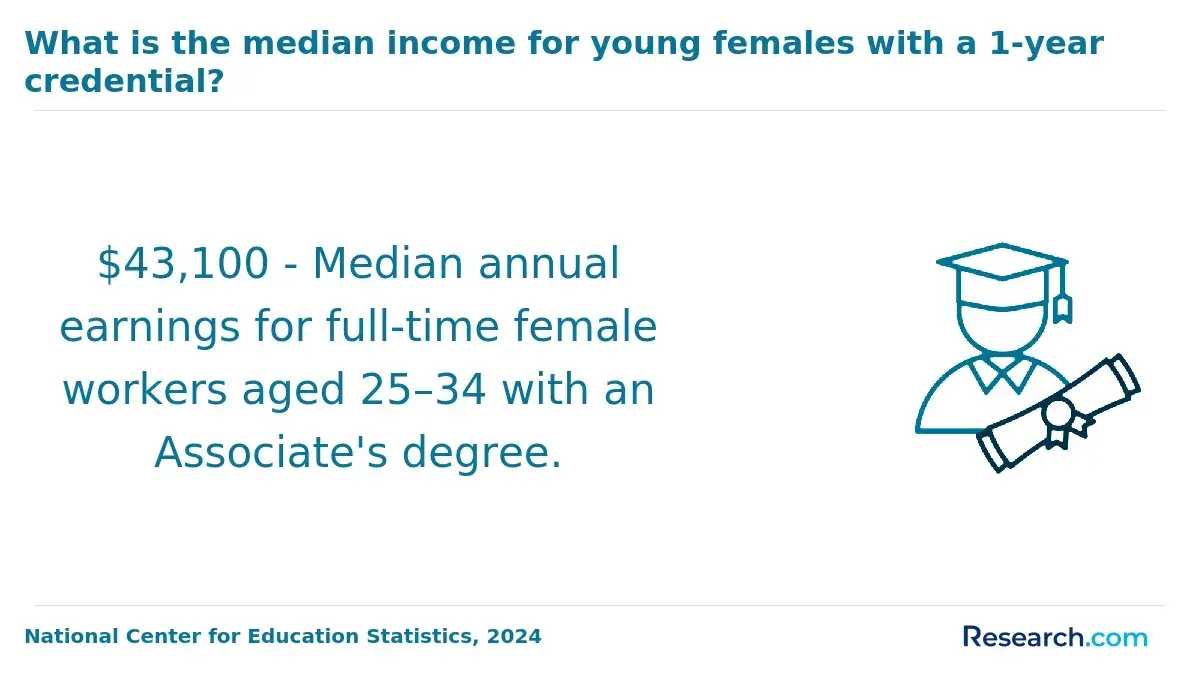
The business communications job market can compare favorably with the broader labor market for college-educated workers, but the advantage depends on specialization. The general unemployment figure for graduates sits near 2.5%, while select career paths within business communications report rates around 1.3%.
That gap matters because lower unemployment can mean shorter job searches, more consistent income, and a faster start to career progression. However, unemployment data alone can make the market look stronger than it feels to new graduates. Underemployment is a real concern when graduates take roles that do not fully use their writing, strategic communication, media, or business training.
- Formal unemployment rate: Business communications graduates often benefit from demand for strategic messaging, digital fluency, writing, and cross-functional coordination.
- Underemployment risk: Some graduates remain employed but work outside their intended field, including in administrative support or retail. This can slow skill development and weaken later competitiveness.
- Labor market variability: Smaller niche roles and less-populated regions can show sharp year-to-year changes, so one data point should not drive a career decision.
- Multi-year data importance: Consistently low unemployment over several years is more meaningful than a single strong year.
- Critical data interpretation: A low unemployment rate may still hide a difficult entry-level market if many graduates accept unrelated work to stay employed.
- Career path implications: Lower unemployment can support faster promotion and steadier earnings, but underemployment can reduce those benefits if early roles do not build relevant experience.
A business communications graduate described this gap between the data and the lived experience: “Landing my first role wasn’t immediate—I spent months tailoring applications and networking beyond what I expected. The formal unemployment figures don’t capture the anxiety of applying for positions where I questioned if my skills fit. Many interviews felt like a trial to prove my adaptability rather than just my resume.”
He added that persistence and broad skill development mattered: “Once I secured a relevant role, the path opened up faster than I’d hoped, but getting there was definitely a process filled with uncertainty and small setbacks.”
The takeaway for students is clear: treat low unemployment as a positive signal, not a guarantee. To reduce risk, graduate with evidence of employable skills, including writing samples, campaign results, analytics experience, internships, and examples of communication work tailored to business outcomes.
What Business Communications Specializations Are Most In-Demand Among Employers Right Now?
Employer demand in business communications is not evenly distributed. The strongest specializations are those connected to digital growth, regulatory complexity, public trust, employee engagement, and technical clarity. Analysis from Lightcast real-time job posting analytics, LinkedIn Talent Insights, and SHRM Workforce Demand points to concentrated demand in several areas.
- Digital content strategy: E-commerce, search, social media, and digital marketing continue to create demand for communicators who can plan, create, optimize, and measure online content.
- Internal communications: Remote and hybrid work have increased the need for clear employee messaging, culture-building communication, and change management support.
- Corporate social responsibility (CSR) communications: Sustainability, ethics, and compliance expectations require professionals who can explain corporate commitments clearly and credibly.
- Healthcare communications: Healthcare organizations need communicators who can handle public health messaging, patient outreach, compliance-sensitive materials, and internal coordination.
- Technical writing: As products, software, and systems become more complex, employers need writers who can translate specialized information into usable documentation.
- Media relations: Demand varies by employer and sector, but reputation management remains important in politically, socially, and demographically complex environments.
Students should not choose a specialization simply because it sounds current. The better test is whether the specialization appears repeatedly in job postings, connects to a durable business need, and builds transferable skills. Digital content strategy, for example, is stronger when paired with analytics, audience research, search behavior, and conversion goals. Healthcare communication is stronger when paired with compliance awareness and plain-language writing.
Academic planning should prioritize coursework, internships, and projects in digital communication, strategic planning, research, analytics, and relevant regulatory contexts. Certifications in digital marketing, technical communication, project management, or CSR reporting can also help when they match the roles a graduate is targeting.
Students comparing business-related online programs may also find that a business administration degree online offers a broader management foundation that can complement communication-focused career goals.
For readers exploring accelerated online options in adjacent professional fields, the fastest online construction management degree programs can provide a useful comparison point for career-focused program design.
Which Industries Employing Business Communications Graduates Offer the Greatest Job Security?
The industries offering the greatest job security for business communications graduates are usually those with essential services, regulatory obligations, large stakeholder networks, and ongoing public-facing communication needs. Industry and labor market data from the BLS, JOLTS, and Lightcast point to several sectors where communication roles are embedded in core operations rather than treated as optional support.
- Healthcare: Healthcare is an essential service with communication needs tied to patient outreach, compliance materials, crisis updates, public health messaging, and internal coordination. Strong candidates understand sensitive messaging, medical terminology, ethics, and culturally aware communication.
- Financial services: Regulation, investor expectations, consumer trust, and risk disclosure create continuing demand for precise communication. Useful skills include financial literacy, compliance awareness, legal communication, and the ability to simplify complex information.
- Utilities: Utilities support essential infrastructure, which can reduce volatility. Communications roles often involve crisis messaging, regulatory liaison work, public safety education, and stakeholder updates.
- Information technology and telecommunications: Although parts of the technology sector can be volatile, companies still need communicators who can explain products, support clients, manage content systems, and translate technical information for nontechnical audiences.
- Government and public administration: Public agencies need transparent public messaging, policy explanation, community outreach, interagency coordination, and media response.
The strongest industry choice depends on a graduate’s skills and risk tolerance. Healthcare and government may appeal to people who value stability and mission-driven work. Financial services may reward precision, compliance awareness, and comfort with complex subject matter. Technology and telecommunications can offer strong opportunities for communicators who are comfortable learning new tools and technical concepts, but some employers may be more exposed to hiring cycles.
One business communications graduate described how cross-sector adaptability improved her stability: “Early on, I focused on healthcare communications, where I learned to handle sensitive content with care. But shifts in regulatory priorities meant I had to quickly expand into financial services messaging—this crossover sharpened my skills and kept my career resilient.”
Her experience highlights a practical strategy: specialize enough to be credible, but build skills that transfer. Writing clearly, managing stakeholders, understanding compliance, using analytics, and translating complex information are valuable across multiple stable sectors.
How Do Government and Public-Sector Business Communications Roles Compare in Unemployment Risk?
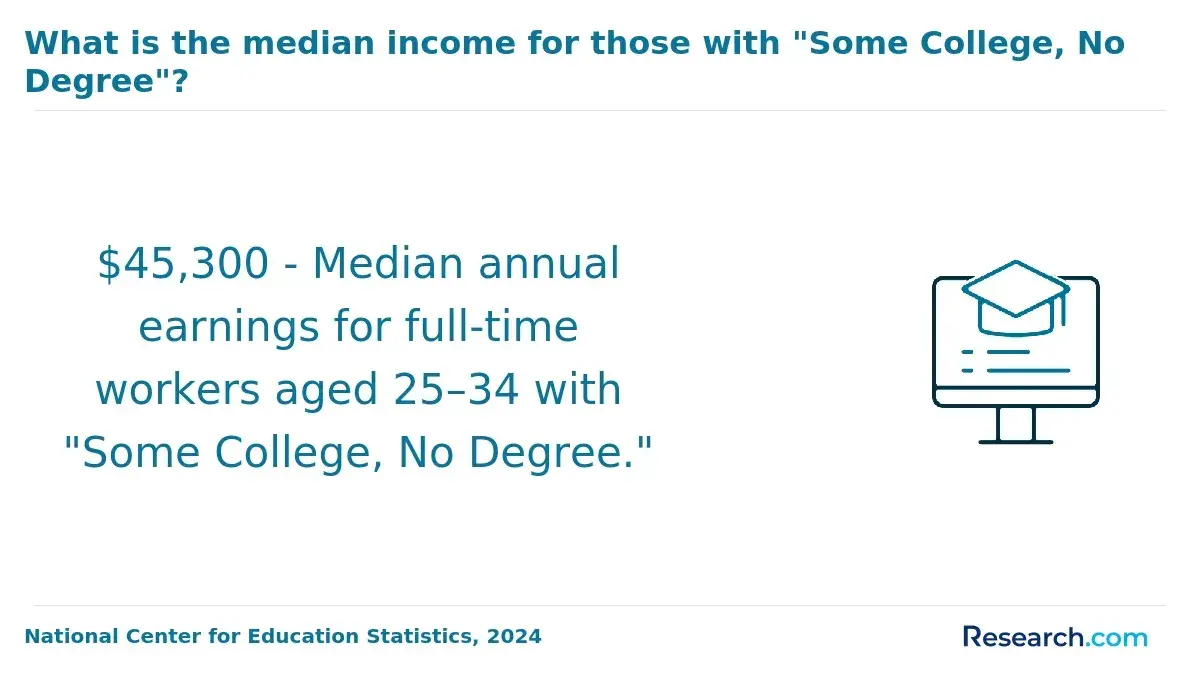
Government and public-sector business communications roles generally carry lower unemployment risk than many private-sector roles. Labor data from the BLS, OPM, and NASPE show that public-sector employment tends to involve fewer layoffs and longer tenure, partly because of civil service protections, union representation in some roles, and more formal hiring and dismissal processes.
- Employment stability: Federal, state, and local government communications roles often provide steadier employment than private-sector jobs, especially during broad downturns.
- Federal agency roles: These positions usually offer the strongest job protections because hiring, evaluation, and dismissal processes are highly regulated.
- State and local government positions: These roles are generally stable, although some communications positions may be affected by budget cuts, political changes, or reorganization.
- Public universities and research institutions: These employers can offer durable employment and academic-related benefits, but funding streams may vary.
- Quasi-governmental organizations: These organizations may offer moderate stability, though they can be more exposed to grant cycles, contracts, or economic shifts than direct government roles.
The main trade-off is compensation. Public-sector jobs often begin with lower salaries than private-sector openings. However, total compensation may include pension systems, generous leave allowances, health benefits, and eligibility for public service loan forgiveness. For some graduates, these benefits outweigh the slower salary growth.
Government communication work is not automatically easy to enter. Hiring timelines can be slow, applications may require detailed documentation, and candidates often need to show strong writing, policy understanding, public accountability, and stakeholder communication skills. Applicants should prepare tailored resumes, writing samples, and examples of clear public-facing communication.
The best fit depends on personal priorities. Graduates who value predictable income, long-range benefits, and mission-oriented work may prefer public employment. Graduates who prioritize faster earnings growth, brand work, or corporate advancement may accept greater unemployment risk in the private sector.
What Role Does Licensure or Certification Play in Protecting Business Communications Degree Holders From Unemployment?
Licensure and certification can reduce unemployment risk, but their value depends on the role. Unlike law, nursing, teaching, or other regulated professions, most business communications jobs do not require government-issued licensure. Employers usually care more about demonstrated skill, portfolio quality, industry knowledge, and results.
That said, credentials can still matter. In competitive markets, respected certifications can help a candidate pass initial screening, show commitment to the field, and qualify for more specialized roles. In regulated sectors, credentials related to compliance, public relations, project management, technical communication, or digital marketing may carry more weight.
- Licensure barrier: When a role legally requires licensure, the eligible labor pool is smaller. This can reduce unemployment risk because employers cannot easily replace licensed practitioners with uncredentialed workers.
- Voluntary certifications: Credentials such as Certified Business Communicator (CBC) or Accreditation in Public Relations (APR) are not usually legal requirements, but they can function as hiring signals in competitive roles.
- Economic mechanism: Licensure and respected certifications can create scarcity by limiting the number of candidates viewed as fully qualified, which may support wage stability and reduce replacement risk.
- Credential acquisition strategy: Graduates should prioritize credentials based on career targets, not popularity. Essential licensure matters for regulated positions; recognized industry certifications can improve employability; low-recognition credentials may offer limited return on time and cost.
- Recent trend: The Bureau of Labor Statistics reports that certified communication specialists experience approximately 15% lower unemployment rates than their non-certified counterparts.
The safest approach is to choose certifications that match actual job postings. Before paying for a credential, review ten to twenty listings for the target role and note whether employers request or prefer that certification. If the credential does not appear in postings and does not build a clearly marketable skill, it may not improve job security.
Certifications work best when paired with evidence: a portfolio, campaign results, writing samples, analytics dashboards, media materials, documentation projects, or crisis communication plans. A credential can open the door, but proof of performance usually keeps it open.
How Does Geographic Location Affect Unemployment Risk for Business Communications Degree Graduates?
Geographic location can significantly affect unemployment risk for business communications graduates. The strongest markets are usually metropolitan areas with several major employer clusters rather than one dominant industry. Healthcare corridors in Boston and Minneapolis, government centers like Washington, D.C., technology hubs in San Francisco and Seattle, and financial services clusters including New York City and Charlotte all create steady demand for communications talent.
These markets offer more openings because employers need professionals who can manage internal messages, public-facing content, regulatory communication, stakeholder updates, and digital channels. A diversified economy also gives graduates more options if one employer or industry slows hiring.
By contrast, regions with fewer communications-heavy employers—especially areas reliant on manufacturing or resource extraction—may produce longer job searches and higher unemployment vulnerability. The issue is not that these areas lack communication work entirely; it is that graduates may have fewer relevant openings and less room to move between employers without relocating.
Remote work changes the calculation. Approximately 37% of business communications roles now include partial or full remote options, especially in digital content strategy, corporate social media management, and other work that can be measured and delivered online. Remote roles can help graduates access broader markets, but they also increase competition because applicants may come from many regions.
Before deciding whether to relocate, stay local, or pursue remote work, graduates should compare BLS area-specific employment data, LinkedIn job posting filters, employer concentration, and local wage benchmarks. Metropolitan centers often offer higher wages and stronger demand, but cost of living can reduce the real financial advantage.
Students who want a complementary administrative credential for broader office and communications roles may also compare a degree in office administration with their business communications goals.
- Industry clusters: Healthcare, government, technology, and financial hubs typically show 15-25% lower unemployment rates for business communications graduates than less concentrated regions.
- Remote work impact: Nearly 37% of business communications positions now allow partial or full remote work, expanding geographic flexibility.
- Regional wage variation: Higher wages in metropolitan areas like New York and San Francisco often correspond with stronger employment demand, though cost of living matters.
- Structural vulnerability: Regions dependent on manufacturing or resource extraction often have fewer communications job openings and higher unemployment risk.
Which Business Communications Careers Are Most Vulnerable to Automation and Technological Disruption?
The business communications careers most vulnerable to automation are those built around repeatable, standardized tasks. Artificial intelligence, machine learning, and robotic process automation can already draft routine copy, sort documents, generate reports, summarize transcripts, and respond to scripted customer inquiries.
Analyses from McKinsey Global Institute, Oxford Martin School, and MIT Work of the Future suggest that technological disruption risk is highest where work depends on repetitive data processing, pattern recognition, template completion, or scripted interaction.
- Data entry specialists: Routine data processing and transcription are exposed to AI-powered data integration and optical character recognition.
- Document review coordinators: Sorting, reviewing, and verifying standard business documents can be handled partly by automated document management and validation systems.
- Customer service representatives in communication roles: Scripted inquiries are increasingly handled or supplemented by conversational AI and chatbots.
- Standardized reporting analysts: Producing templated reports without deeper interpretation is vulnerable to dashboards and automated reporting platforms.
Lower-risk roles usually require human judgment. Strategic communication advisors, crisis communication specialists, executive communication professionals, and senior public relations roles depend on context, ethics, persuasion, audience sensitivity, and stakeholder trust. These are harder to automate fully.
Automation does not always eliminate jobs; it often changes them. A social media coordinator, for example, may use AI to draft variations, but the more secure professional will know how to set strategy, evaluate tone, interpret analytics, protect brand voice, and manage reputational risk. A reporting analyst may become more valuable by moving from report production to insight interpretation.
Automation vulnerability scores should be read as probabilities, not destiny. The pace of disruption depends on employer strategy, regulatory limits, technology maturity, labor costs, and the level of risk attached to mistakes. Graduates can reduce exposure by building skills in AI oversight, data interpretation, ethical communication, crisis response, and complex stakeholder management.
Readers interested in adjacent analytical fields may compare online physics degree programs, which can illustrate how quantitative training may complement technology-supported workplaces.
How Does a Graduate Degree Reduce Unemployment Risk for Business Communications Degree Holders?
A graduate degree can reduce unemployment risk for business communications degree holders by qualifying them for leadership, specialized, research-focused, or higher-responsibility roles. Data from Georgetown University’s Center on Education and the Workforce and the Bureau of Labor Statistics show that graduate degrees can lower unemployment risk by 2 to 4 percentage points and provide a salary boost of 20% to 40% across prominent career paths.
The advantage comes from labor market positioning. A bachelor’s degree may qualify a graduate for entry-level communications work, while a master’s degree, MBA, or doctoral credential may signal readiness for management, strategy, research, or specialized practice.
- Professional master’s degrees: These programs can support advancement into specialized communication fields, including clinical, legal, technical, or regulated-industry communication roles.
- Research-focused graduate programs: Master’s and doctoral programs can prepare candidates for advanced practitioner, research, consulting, or academic-adjacent roles with narrower competition.
- MBA programs: An MBA can help communications professionals move into leadership, brand strategy, operations, consulting, or management roles that may offer more stability and authority.
Graduate education is not automatically the best solution. It requires a careful cost-benefit analysis.
- Cost: Programs range from approximately $30,000 up to over $100,000, depending on institution prestige and program length.
- Duration: Full-time study typically spans one to three years.
- Opportunity cost: Time in school may mean lost income, delayed promotions, or reduced work experience.
- Break-even: Outcome data suggests the added income and reduced unemployment risk generally offset these costs within five to ten years.
A graduate degree is most useful when it leads to a specific career outcome: communications director, public affairs manager, technical communication lead, healthcare communications specialist, investor relations professional, or executive communication strategist. It is less useful when pursued only to delay a job search or compensate for a weak portfolio.
Alternatives may provide similar resilience with less cost, including professional certifications, stronger internships, relocation to a healthier labor market, industry specialization, analytics training, or a portfolio built around measurable business results.
What Entry-Level Business Communications Career Paths Offer the Fastest Route to Long-Term Job Stability?
The entry-level business communications roles that lead most quickly to long-term stability usually provide transferable skills, internal advancement paths, and exposure to decision-makers. The best first job is not always the highest-paying one. It is often the role that builds a durable portfolio, teaches business context, and creates a path into specialized or managerial work.
- Corporate communications coordinator: This role can lead to senior communications, public relations, employee engagement, or executive communication positions. It builds stakeholder management, message planning, and organizational awareness.
- Marketing communications specialist: This position develops campaign, brand, digital content, and analytics skills. Stability improves when the role includes measurable outcomes rather than only content production.
- Public relations assistant: PR assistants can progress into account management, media relations, crisis communication, or strategic communications roles, especially when they build strong writing samples and media judgment.
- Internal communications associate: This role supports employee communication, culture initiatives, organizational change, and leadership messaging. It can lead into HR communication, corporate strategy, or change management.
- Social media coordinator: Social media roles are strongest when they include analytics, content planning, brand governance, community management, and campaign strategy rather than only posting.
Advancement timelines commonly span two to four years in entry-level roles, with faster progression at employers that have strong retention and internal promotion cultures. Some corporate communications coordinator roles may involve typical tenure before promotion ranging from three to five years.
Graduates can improve stability by choosing entry-level roles in healthcare, technology, finance, government, or other sectors with steady communication needs. Early specialization can help, but it should not be too narrow. A durable early-career profile combines writing, analytics, stakeholder coordination, digital tools, and business judgment.
Before accepting an entry-level job, graduates should ask practical questions: Will I produce portfolio-ready work? Will I learn analytics or strategy? Does the employer promote internally? Is the industry stable? Are there senior communicators I can learn from? A first role that answers “yes” to several of these questions is more likely to support long-term job security.
What Graduates Say About the Business Communications Degree Careers With the Lowest Unemployment Risk
- : "“Graduating with a business communications degree opened doors I hadn’t anticipated, particularly in healthcare and technology sectors, which consistently show the lowest unemployment rates. I found that specializing in digital content strategy during my studies was crucial for landing a role early on, and later earning certification in project management kept me competitive mid-career. It’s fascinating how focusing on credentialing at each stage really shapes stability and growth in such dynamic industries.” — Aries"
- : "“Reflecting on my journey through business communications, the value of geographic market knowledge stood out the most. Working in metropolitan hubs like New York and San Francisco significantly decreased job risks, especially in corporate public relations and investor relations. Entering the field with a solid internship portfolio and advancing to senior roles with executive communication certifications made navigating job transitions far easier. These insights, paired with a strategic mindset, truly define long-term career resilience.” — Massimo"
- : "“I approach my business communications degree from a practical standpoint. By targeting specialization in crisis communications within the financial sector, I positioned myself in a career path known for low unemployment risk. From entry level onward, pursuing credentials such as the Accredited Business Communicator helped me gain credibility and secure roles during economic downturns. Embracing continuous learning and aligning it with market demands has been the cornerstone of my career’s progression and stability.” — Angel"
Other Things You Should Know About Business Communications Degrees
Projections indicate steady growth for careers related to business communications-especially in digital marketing, corporate communications, and public relations. Over the next decade, demand will primarily be driven by the increasing need for companies to maintain a strong online presence and manage their reputations effectively. Roles that combine communications expertise with data analytics or technology skills tend to show the most consistent employment stability.
Mid-career roles in content strategy, digital marketing management, and internal communications leadership are among the most in-demand for business communications graduates. These positions often require experience in multiple communication channels and the ability to adapt messages to diverse audiences in fast-changing markets. Professionals who develop skills in social media management, crisis communication, and brand development generally face lower unemployment risk.
In 2027, careers like public relations specialists, corporate communications managers, and digital marketing strategists are expected to have low unemployment risk. These roles are in high demand due to the ongoing importance of digital presence and strategic communication in businesses.
Business communications roles show moderate resilience during economic recessions-companies usually maintain communications functions to manage stakeholder relations and public perception despite budget cuts. However, demand for entry-level or less specialized positions may decline temporarily. Fields like investor relations and crisis communications often see stable or increased demand during downturns as stakeholders seek clear, trustworthy information.
References
- Do Occupational Licenses Really Protect Anyone? https://www.goldwaterinstitute.org/who-do-occupational-licenses-really-protect/
- The 65 Jobs With the Lowest Risk of Automation by Artificial Intelligence and Robots - USCI https://www.uscareerinstitute.edu/blog/65-jobs-with-the-lowest-risk-of-automation-by-ai-and-robots
- How is the employment crisis affecting the marketing and communications industry? https://www.thedrum.com/news/how-employment-crisis-affecting-marketing-and-communications-industry
- Unemployment rate by industry U.S. 2026| Statista https://www.statista.com/statistics/217787/unemployment-rate-in-the-united-states-by-industry-and-class-of-worker/
- Geographic mismatch might not be a big deal for U.S. unemployment https://equitablegrowth.org/geographic-mismatch-might-not-be-a-big-deal-for-u-s-unemployment/
- Graduate unemployment - Wikipedia https://en.wikipedia.org/wiki/Graduate_unemployment
- How Far Would You Travel for Work? Disentangling the Effects of Geography, Job Search and Employment | Chicago Policy Review https://chicagopolicyreview.org/2016/10/26/how-far-would-you-travel-for-work-disentangling-the-effects-of-geography-job-search-and-employment/
- Professional Certifications and Licenses Increase Earnings and Reduce Unemployment, New Data Shows – The Council for Community and Economic Research https://www.c2er.org/2019/07/professional-certifications-and-licenses-increase-earnings-and-reduce-unemployment-new-data-shows/
- Which Jobs are Most at Risk of Being Replaced by AI? | Eric Schwartzman https://www.ericschwartzman.com/top-3-skills-for-getting-future-proof-pr-jobs/
- These 37 College Majors Reveal Unemployment Rates Higher Than All Other Workers https://www.investopedia.com/these-37-college-majors-reveal-unemployment-rates-higher-than-all-other-workers-11941188


