
2027 Which Employers Hire Business Communications Degree Graduates? Industries, Roles, and Hiring Patterns

Co-Founder and Chief Data Scientist
Choosing where to apply with a business communications degree is not always obvious. The major can lead to marketing, public relations, internal communications, consulting, healthcare communications, public affairs, technical writing, fundraising, and other roles, but employers do not hire for those jobs in the same way. Recent labor market analysis reveals that over 40% of business communications graduates find entry-level roles in corporate marketing and public relations departments, which shows how strongly early hiring can cluster around specific functions.
This guide explains which employers most often hire business communications graduates, how hiring differs by industry and organization size, what entry-level and mid-career roles are common, and how internships, geography, and sector choice affect job prospects. Use it to narrow your search, compare trade-offs, and identify the employers most likely to value your communication, business, writing, research, and stakeholder-management skills.
Key Things to Know About the Employers That Hire Business Communications Degree Graduates
- Business communications graduates find employment primarily in corporate sectors-technology, healthcare, finance-as well as nonprofit organizations, reflecting diverse industry demand and sector-specific communication needs.
- Entry-level roles typically include communications coordinator and marketing assistant, while mid-career professionals often advance to managerial positions overseeing strategy and stakeholder engagement.
- Hiring patterns show geographic concentration in metropolitan hubs with strong service economies-New York, Chicago, San Francisco-where demand for skilled communicators aligns with regional economic activity.
Which Industries Hire the Most Business Communications Degree Graduates?
The largest hiring markets for business communications graduates are industries that depend on clear messaging, brand reputation, stakeholder trust, and cross-functional coordination. Data referenced from the Bureau of Labor Statistics (BLS), the National Center for Education Statistics (NCES), and LinkedIn Workforce Insights points to several sectors where business communications skills appear consistently in job descriptions.
- Professional, Scientific, and Technical Services: This is one of the strongest employment areas for graduates because consulting firms, agencies, research organizations, and business service providers need people who can translate ideas into client-ready messaging, presentations, proposals, and campaigns.
- Finance and Insurance: Banks, insurers, investment firms, and financial services companies hire communications graduates for client communications, marketing, investor messaging, regulatory content, and public relations. The work often requires accuracy, discretion, and the ability to explain complex products clearly.
- Healthcare and Social Assistance: Hospitals, health systems, insurers, public health organizations, and social service providers need communicators who can support patient education, employee messaging, crisis communication, training content, and community outreach.
- Educational Services: Colleges, school systems, edtech providers, and training organizations hire graduates for enrollment marketing, alumni communications, institutional messaging, educational content, and community engagement.
- Manufacturing: Manufacturers use business communications talent in employee communications, safety messaging, product marketing, sales enablement, corporate affairs, and training. The work often connects office teams, plant operations, distributors, and customers.
- Information Technology and Services: Technology employers need graduates who can explain products, support launches, write user-facing content, coordinate change communication, and help technical teams communicate with nontechnical audiences.
- Retail Trade: Retailers and consumer brands hire graduates for brand marketing, customer experience communication, internal updates, social media, loyalty campaigns, and frontline training content.
Degree level affects where graduates usually start. Associate degree holders are more likely to pursue support, administrative, customer-facing, or coordinator roles. Bachelor’s degree graduates are more competitive for marketing, public relations, corporate communications, and analyst-adjacent roles. Graduate degree holders may qualify for strategic communication, management, consulting, or specialized leadership tracks. Students comparing business-related academic paths may also want to evaluate how a business degree differs from a communications-focused program in coursework, cost, and career outcomes.
Specialization also matters. Digital media can support social, content, and campaign roles; corporate communication can lead to internal or executive communications; technical communication can open doors in technology, healthcare, manufacturing, and regulated industries. For readers exploring advanced education options outside this career path, Research.com also provides information on 2 year EDD programs online.
What Entry-Level Roles Do Business Communications Degree Graduates Typically Fill?
Business communications graduates usually enter roles that combine writing, coordination, audience analysis, research, presentation development, and stakeholder support. The exact title depends on the employer, but most first jobs fall into communications, marketing, public relations, client service, or business support functions.
Common first job titles
- Communications Coordinator: Supports internal announcements, newsletters, executive updates, campaign calendars, event messaging, press materials, and website or intranet content. This role is common in corporations, nonprofits, universities, agencies, and government offices.
- Marketing Coordinator or Marketing Assistant: Helps execute campaigns, draft copy, organize content calendars, track performance, support email marketing, and coordinate with sales or design teams. Graduates who have portfolio samples and basic analytics experience are often stronger candidates.
- Public Relations Assistant: Monitors media coverage, drafts media lists, prepares briefing documents, supports press releases, and assists with reputation or crisis communication. Agencies may move faster and offer broader client exposure; in-house teams may offer deeper brand knowledge.
- Marketing Analyst: Interprets campaign data, prepares reports, summarizes customer research, and turns findings into recommendations. This role is best suited for graduates who can pair communication skills with spreadsheet, survey, analytics, or data visualization experience.
- Consulting Associate: Supports client presentations, meeting notes, process documentation, research summaries, and project coordination. Strong writing, professionalism, and comfort with ambiguous business problems are important.
- Social Media or Content Specialist: Creates posts, monitors engagement, repurposes content, coordinates approval workflows, and tracks performance. Employers increasingly expect evidence of platform knowledge and brand judgment, not just personal social media use.
Entry-level hiring is highly portfolio-driven. A student with writing samples, campaign work, internship experience, and measurable project outcomes is usually easier for employers to evaluate than a student who lists only coursework. Useful portfolio pieces include press releases, executive memos, campaign plans, email sequences, presentation decks, social media calendars, web copy, and research briefs.
Industry context changes expectations. A nonprofit may prioritize community engagement and grant-related communication. A financial institution may look for precision and comfort with compliance-sensitive language. A technology company may value technical writing and product storytelling. A healthcare employer may expect careful handling of patient-facing language and privacy standards.
Students comparing earning potential across undergraduate pathways can review Research.com’s guide to highest paying jobs, while remembering that individual outcomes depend on industry, location, experience, employer type, and role specialization.
What Are the Highest-Paying Employer Types for Business Communications Degree Graduates?
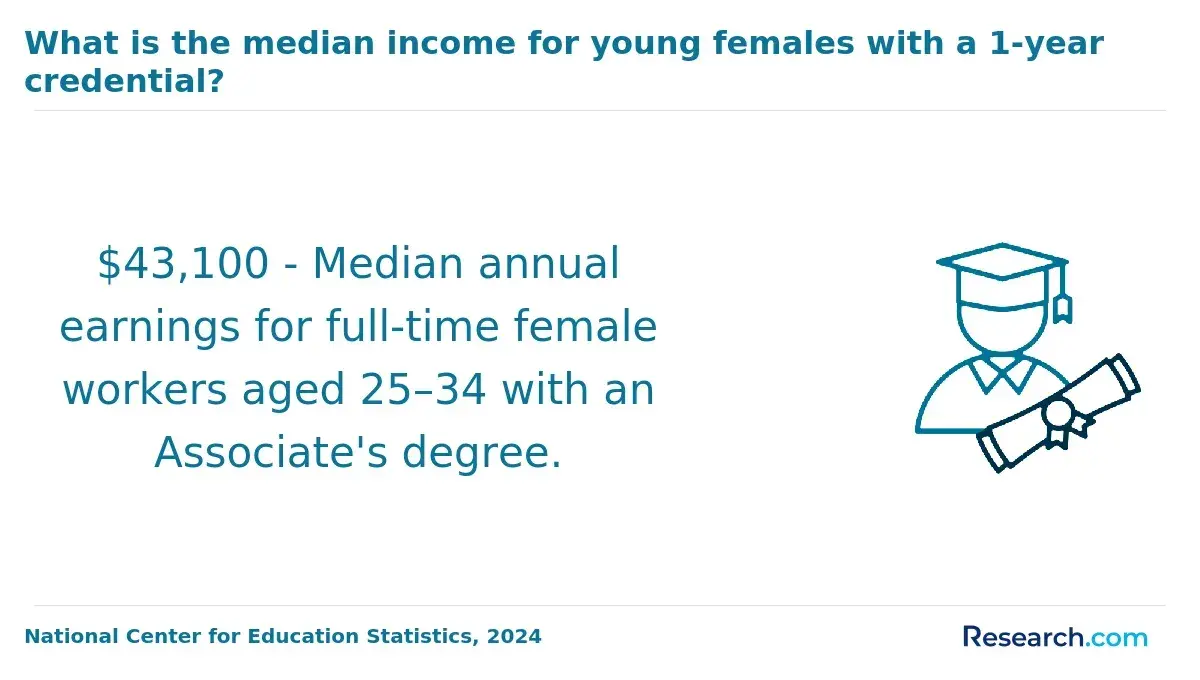
The highest-paying employers for business communications graduates are usually organizations with high revenue per employee, competitive talent markets, complex stakeholder communication needs, or revenue-generating communication functions. Base salary is only one part of the offer; bonuses, equity, retirement benefits, health coverage, promotion speed, training budgets, and job stability can change the real value of a role.
- Investment-Backed Technology Firms: These employers can offer strong salaries, equity awards, bonuses, and learning stipends when communication roles support product growth, investor storytelling, customer adoption, or brand differentiation. The trade-off is that priorities can shift quickly, especially in startups or high-growth environments.
- Financial Services Organizations: Banking, asset management, insurance, and related employers often pay well because clear communication affects client trust, regulatory accuracy, product marketing, and executive reputation. Candidates must be comfortable with precision and review-heavy workflows.
- Professional Services Consultancies: Consulting and advisory firms may offer competitive entry salaries, structured advancement, bonuses, and exposure to multiple industries. The work can be demanding, deadline-driven, and client-facing.
- Privately Held High-Revenue Companies: Established companies in manufacturing, healthcare, logistics, energy, and other sectors may provide above-market pay, profit-sharing, retirement benefits, and stable career paths. Advancement may depend on company size and whether communications is viewed as strategic or administrative.
- Government Agencies: Public sector roles often have lower base pay than top private-sector roles, but they can provide predictable raises, strong benefits, pensions, and job stability. These roles may appeal to graduates who value public service and long-term security.
- Nonprofit Organizations: Nonprofits generally offer lower salaries, though large national organizations, foundations, universities, hospitals, and advocacy groups may be more competitive. The nonfinancial value often comes from mission alignment, broad responsibility, and meaningful stakeholder work.
When comparing offers, look beyond the first-year salary. Ask how promotions work, whether raises are merit-based or scheduled, how performance is measured, whether the role has executive visibility, and what skills you will build. A lower starting salary with strong mentorship and rapid skill development may be better than a higher salary in a narrow role with limited progression.
- : "I faced tough decisions between offers—some with solid base pay but little room to grow, others with lower starting salaries but strong mentorship and advancement prospects. The process was not just about numbers; it was understanding which employer aligned with my long-term goals. Navigating various industries, especially tech and consulting, meant learning to weigh stability against earning potential. Ultimately, focusing on the full career picture helped me choose a position where I could build both skills and income."
Do Large Corporations or Small Businesses Hire More Business Communications Degree Graduates?
Large corporations generally hire more business communications graduates in total because they have bigger communications, marketing, public affairs, investor relations, human resources, and brand teams. They also run formal internship programs and entry-level recruiting pipelines. Small businesses and startups hire fewer graduates overall, but they may give early-career employees broader responsibilities faster.
- Large Corporations: Best for graduates who want formal training, recognized brands on their resumes, defined roles, mentorship, and clearer promotion ladders. The drawback is that responsibilities may be narrower at first and decision-making can be slow.
- Mid-Market Companies: Often provide a useful middle ground: enough structure to learn professionally, but enough flexibility to take ownership of projects. Graduates may work across marketing, sales, operations, and executive communication.
- Small Businesses and Startups: These employers may expect one person to handle content, email marketing, customer communication, social media, events, and internal updates. The learning curve can be steep, but the experience can build a broad portfolio quickly.
- Nonprofits: Hiring volume is usually smaller, but roles can be highly varied. Graduates may handle donor communication, volunteer outreach, newsletters, events, advocacy campaigns, and media relations within the same position.
The best employer size depends on the student’s goals. A graduate interested in investor relations, executive communication, or global brand strategy may benefit from a large organization. Someone who wants hands-on ownership, faster experimentation, and broad exposure may prefer a startup, small business, or nonprofit. Mid-market companies can be a strong fit for graduates who want responsibility without giving up all structure.
Graduates should also consider how specialization fits employer size. Internal communications roles are more common in large organizations with distributed teams. Product marketing can exist in both startups and large tech companies, but the work pace and expectations differ. Public relations agencies may offer rapid learning because employees support multiple clients at once.
For readers comparing longer-term academic options outside the business communications pathway, Research.com also publishes resources on part-time PhD in economics programs and other flexible graduate study formats.
How Do Government and Public Sector Agencies Hire Business Communications Degree Graduates?
Government employers hire business communications graduates for public affairs, digital media, internal communications, stakeholder engagement, policy communication, community outreach, and crisis messaging. Federal, state, and local agencies need professionals who can explain programs clearly, communicate with residents, coordinate across departments, and support public trust.
Federal agencies that may hire communications graduates include the Departments of Defense, Health and Human Services, Homeland Security, and the Treasury. State and local agencies in public health, education, transportation, economic development, emergency management, and environmental services also employ communications staff.
How public sector hiring differs
- Structured applications: Government applications often require detailed resumes, questionnaires, eligibility documentation, writing samples, and careful alignment with posted qualifications.
- GS pay system: Many federal roles use the General Schedule (GS) pay system. Business communications roles usually start between GS-7 and GS-11 levels, with advancement tied to experience, performance, education, and position classification.
- Competitive service and excepted service: Some jobs use standard competitive hiring processes, while others use excepted service rules, fellowships, internships, or specialized hiring authorities.
- Security clearances: Defense, intelligence, homeland security, and some contractor-adjacent communications roles may require background checks or security clearances, which can lengthen timelines.
- Benefits and stability: Public sector roles may offer strong healthcare benefits, retirement plans, predictable pay structures, and job stability, though salary growth may be slower than in high-paying private-sector roles.
- Entry programs: Programs such as the Presidential Management Fellows program and agency internships at the Department of State or EPA can help early-career graduates enter public service.
Applicants should tailor their resumes more precisely for government roles than for many private-sector jobs. Use language from the announcement, show measurable communication work, and describe the audience, purpose, tools, and results of each project. A one-page private-sector resume may not be enough for some federal applications.
- : "The federal hiring process was rigorous but transparent. I submitted many applications through USAJobs and had to be patient while waiting for security clearance clearance outcomes. The timeline felt slow, but the steps were clear. Agency internships helped me connect what I learned in school with the real demands of government communication."
What Roles Do Business Communications Graduates Fill in Nonprofit and Mission-Driven Organizations?
Nonprofit and mission-driven employers hire business communications graduates because they rely on trust, visibility, donor engagement, volunteer participation, and public support. In these settings, communication is not only promotional; it often connects directly to fundraising, advocacy, service delivery, and community impact.
- Program Communication: Graduates may write newsletters, impact reports, beneficiary stories, program updates, volunteer materials, and community outreach content.
- Development and Donor Relations: Development associate and donor communications roles involve fundraising appeals, stewardship emails, grant support, event messaging, and impact storytelling.
- Advocacy and Public Affairs: Advocacy organizations need communicators who can explain policy issues, mobilize supporters, prepare talking points, and adapt messages for policymakers, media, and community members.
- Digital and Social Media: Social media managers and content coordinators support campaigns, awareness days, donation drives, event promotion, and community engagement.
- Public Relations: Larger nonprofits may hire public relations specialists to handle media outreach, reputation management, spokesperson preparation, and crisis response.
- Internal Communications: Mission-driven organizations still need employee communication, leadership updates, onboarding content, and change communication, especially as they grow.
- Mission-Driven For-Profit Organizations: Benefit corporations, certified B Corporations, social enterprises, and impact startups use business communications skills to connect commercial goals with social or environmental missions.
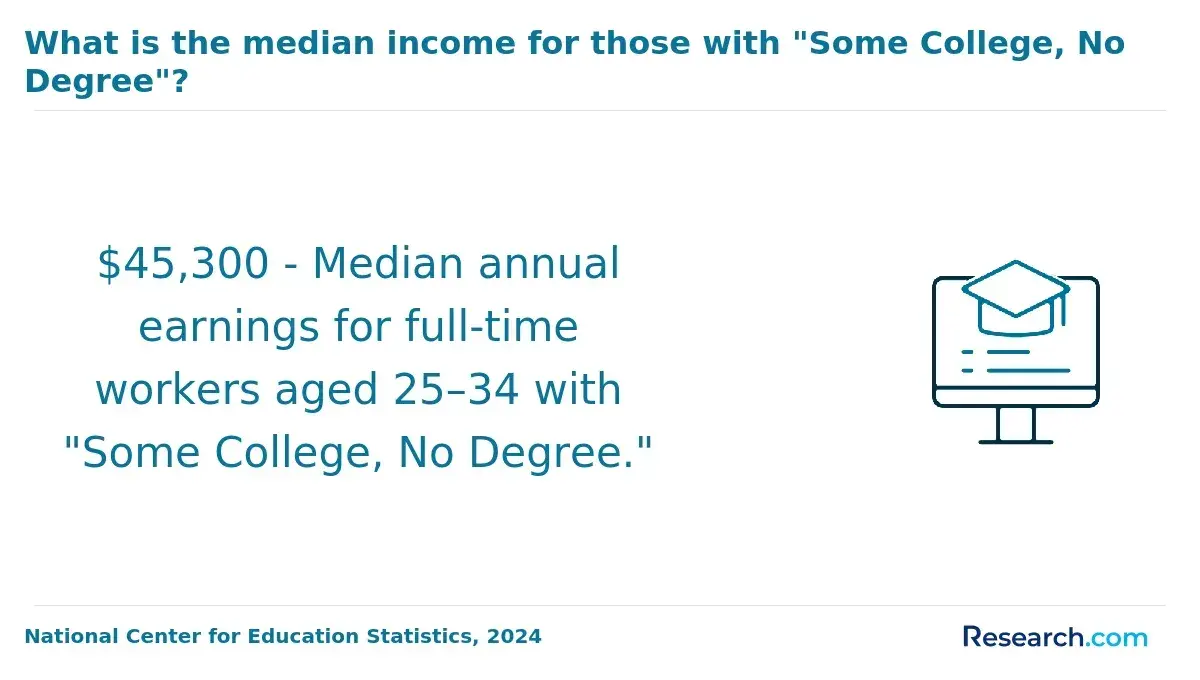
The main trade-off is compensation versus breadth and purpose. Nonprofit salaries typically lag behind private-sector pay, but roles can offer broad responsibility earlier in a career. Some organizations may also participate in Public Service Loan Forgiveness (PSLF) programs, which can be relevant for graduates managing student debt.
Before accepting a nonprofit role, ask about workload, reporting structure, fundraising expectations, technology tools, advancement paths, and whether communications is treated as a strategic function. A mission you care about matters, but clear role boundaries and sustainable expectations matter too.
How Does the Healthcare Sector Employ Business Communications Degree Graduates?
Healthcare employers hire business communications graduates because patients, clinicians, administrators, insurers, regulators, and communities all need accurate and accessible information. The sector includes hospital systems, insurance carriers, pharmaceutical companies, public health agencies, social service organizations, and health tech startups.
- Hospital Systems: Graduates may support patient communications, employee updates, service line marketing, physician relations, community outreach, crisis messaging, and internal change initiatives.
- Insurance Carriers: Communications roles can involve member education, policy updates, claims-related messaging, provider communication, and marketing for health plans.
- Pharmaceutical and Life Sciences Companies: Employers may use communications graduates in product communication, regulatory affairs support, medical education coordination, corporate affairs, and stakeholder engagement.
- Public Health Agencies: These organizations need clear public education campaigns, emergency communication, policy summaries, community messaging, and multilingual or culturally responsive outreach.
- Health Tech Startups: Graduates can support product launches, user education, customer onboarding, investor materials, and communication between technical teams and healthcare users.
Common job titles include communications coordinator, operations analyst, policy researcher, financial communications specialist, patient engagement specialist, content coordinator, and marketing associate. Strong candidates can write clearly for nonexpert audiences, handle sensitive information carefully, and work with subject-matter experts who may review content for clinical, legal, or compliance accuracy.
Healthcare communication roles often require familiarity with healthcare laws, privacy expectations, and HIPAA compliance. Some positions may require additional certifications, sector-specific training, or experience with regulated communication workflows. Graduates should read job postings carefully and distinguish between roles that prefer healthcare knowledge and roles that require it.
Growth and Stability: Healthcare remains a recession-resistant industry with consistent demand for communications professionals. Expanding areas such as health tech startups and public health agencies offer promising career prospects for graduates focused on innovation or specialization.
Which Technology Companies and Sectors Hire Business Communications Degree Graduates?
Technology employers hire business communications graduates when they need people who can make complex products, processes, and changes understandable. Graduates do not always need a formal STEM background, but they do need curiosity, technical comfort, and the ability to work with engineers, product managers, designers, sales teams, and customers.
- Tech-Core Companies: Software firms, hardware manufacturers, SaaS providers, cybersecurity companies, and platform businesses hire graduates for product marketing, technical writing, customer education, public relations, internal communication, and launch coordination.
- Technology Functions in Non-Tech Companies: Banks, hospitals, retailers, manufacturers, and government agencies also hire communicators to support digital transformation, IT governance, system rollouts, employee adoption, and change management.
- Health Tech: These employers need communication that supports patient engagement, provider adoption, compliance-sensitive messaging, and user education.
- Fintech: Graduates help simplify financial tools, compliance updates, customer onboarding, product launches, and trust-building communication.
- Edtech: Roles may involve learner engagement, instructor communication, product tutorials, institutional marketing, and customer success content.
- Climate Tech and AI-adjacent Fields: These sectors need communicators who can explain emerging technologies, address public concerns, support adoption, and translate technical claims responsibly.
Common technology job titles include product marketing specialist, technical writer, UX researcher liaison, user experience strategist, project coordinator, IT communication officer, digital adoption specialist, change management consultant, and operations analyst within tech divisions.
To compete for technology roles, build evidence rather than relying only on degree title. Useful portfolio pieces include a product one-pager, help article, release note, customer email sequence, onboarding guide, launch plan, technical explainer, or case study about digital transformation. Experience with analytics tools, content management systems, project management platforms, or basic UX research can strengthen applications.
For readers considering graduate education related to entrepreneurship and technology markets, Research.com also provides a guide to one year online MBA entrepreneurship programs.
What Mid-Career Roles Do Business Communications Graduates Commonly Advance Into?
Mid-career roles typically appear five to ten years after graduation, when professionals move from executing communication tasks to planning strategy, managing people, advising leaders, and measuring outcomes. Advancement depends on industry, employer size, specialization, portfolio quality, and whether the graduate has built credibility with executives or clients.
- Communications Manager: Leads campaigns, manages calendars, supervises coordinators or specialists, and ensures messages align with business goals.
- Public Relations Manager: Oversees media strategy, spokesperson preparation, press outreach, reputation management, and crisis communication.
- Corporate Communications Director: Shapes executive messaging, internal communication strategy, external positioning, and organization-wide communication standards.
- Internal Communications Manager: Supports employee engagement, leadership communication, change initiatives, culture messaging, and intranet or newsletter strategy.
- Investor Relations or Financial Communications Specialist: Works with leadership, finance, legal, and external stakeholders to communicate company performance and strategy accurately.
- Content Strategy or Digital Marketing Manager: Uses audience research, analytics, SEO, campaign planning, and channel strategy to guide content decisions.
- Change Management Consultant: Helps organizations communicate process, technology, or structural changes to employees and stakeholders.
Mid-career progression often follows a sequence such as communications specialist to communications manager to senior manager or director. In large organizations, promotion paths may be formal and department-specific. In startups and small businesses, advancement may be less predictable but can happen through expanded responsibility, title changes, or moves to larger employers.
Credentials can help, but they should match the target role. Certifications in project management, analytics, content strategy, SEO, or communication leadership may be useful. Some professionals pursue the Accredited Business Communicator (ABC), an MBA, or a Master’s in Strategic Communication. Graduate study is most valuable when it supports a clear career move rather than serving as a substitute for experience.
Professionals comparing flexible advanced study options can also review Research.com’s coverage of architect degree online offerings as an example of how online programs are evaluated across fields.
How Do Hiring Patterns for Business Communications Graduates Differ by Geographic Region?
Hiring for business communications graduates is concentrated in metropolitan areas where corporate headquarters, agencies, government offices, healthcare systems, universities, finance firms, media companies, and technology employers cluster. Location affects the number of openings, the type of roles available, salary expectations, and competition.
- Major Metropolitan Areas: New York City, Washington D.C., and San Francisco dominate hiring because of their concentration in finance, government, technology, media, consulting, and public affairs. These markets may offer more specialized roles and higher salaries, but they also bring higher living costs and stronger competition.
- Mid-Sized Growth Markets: Austin, Denver, and Raleigh can offer a balance of opportunity, wages, and quality of life. Growing technology, healthcare, higher education, and professional services employers can create strong demand for communication talent.
- Smaller and Rural Markets: Openings may be fewer and salaries generally lower, but local networks can be powerful. Graduates may find roles with hospitals, school systems, local governments, manufacturers, banks, nonprofits, and regional businesses.
- Remote and Hybrid Roles: Remote work has expanded access to employers outside a graduate’s local market, but it has also increased competition by widening applicant pools.
LinkedIn reports a 25% growth in remote business communications job listings between 2020 and 2023, underscoring the rising importance of geographic adaptability. Remote roles can help graduates in lower-cost regions access jobs tied to larger markets, but applicants must show they can communicate independently, manage deadlines, and collaborate across digital tools.
Graduates with geographic flexibility may benefit from targeting high-demand markets early in their careers, especially if they want agency, corporate headquarters, public affairs, technology, or finance experience. Graduates who need to stay local should identify the dominant industries in their region and build a search list around employers with recurring communication needs.
What Role Does Internship Experience Play in How Employers Hire Business Communications Graduates?
Internship experience plays a major role in hiring because it gives employers proof that a graduate can communicate in a professional setting. Data from the National Association of Colleges and Employers (NACE) Internship and Co-op Survey demonstrates that graduates with relevant internships receive job offers nearly 20% more often than peers without such experience. These internships often reduce the time it takes to find a full-time role, commonly within three months after graduation.
Internships are especially valuable in business communications because employers can review real work samples. A transcript shows academic preparation; an internship can show judgment, deadlines, collaboration, revision skills, campaign execution, and comfort with professional feedback.
- Relevant internships matter most: A communications internship in the student’s target industry is more persuasive than unrelated work, though any role involving writing, customer communication, project coordination, or stakeholder support can still help.
- Prestige can help, but fit matters: A well-known employer may strengthen a resume, but a smaller organization that gives substantial responsibility can produce better portfolio pieces.
- Paid and unpaid access is unequal: Lower-income students, students at institutions with fewer employer ties, and students in regions with limited internships may face barriers to meaningful experience.
- Virtual internships can reduce barriers: Remote projects, cooperative education programs, and employer diversity recruitment efforts can expand access when local opportunities are limited.
- Timing matters: Students should begin applying for internships as early as their junior year and should use career centers, alumni networks, faculty referrals, student media, campus offices, and professional associations to find opportunities.
Recent NACE findings reveal that 85% of Business Communications graduates with internship experience obtained at least one full-time job offer within six months, underscoring the critical role internships play in hiring outcomes.
The strongest internship strategy is intentional. Students should choose roles that match their target career path, save work samples when permitted, ask supervisors for measurable feedback, and turn projects into portfolio case studies. Even a modest internship can become powerful evidence if the graduate can explain the problem, audience, action taken, and result.
What Graduates Say About the Employers That Hire Business Communications Degree Graduates
-
: "Graduating with a business communications degree showed me how many industries need people who can write clearly and understand business goals. I saw opportunities in tech startups, nonprofits, corporate communications, public relations, and marketing. Employers in large metro areas seemed especially interested in candidates who could support both internal communication and external branding.
— Aries"
-
: "After earning my business communications degree, I noticed strong demand from consulting firms and media agencies. Those employers valued strategic storytelling, but they also expected analytical thinking and client-ready professionalism. I was surprised by how much international employers cared about cross-cultural communication, especially for roles involving global teams or clients.
— Massimo"
-
: "My experience with government agencies, healthcare providers, and financial institutions showed me that the same degree can lead to very different work. Some employers focused on crisis communication, others on employee engagement or public-facing education. Regional differences mattered too; West Coast employers often emphasized digital fluency, while East Coast employers paid close attention to multilingual and stakeholder communication experience.
— Angel"
Other Things You Should Know About Business Communications Degrees
Graduate degree holders in business communications generally have an advantage in the hiring process-especially for mid-career and management roles. Employers often view master's degrees as evidence of deeper expertise and advanced communication strategy skills. However, for many entry-level positions, a bachelor's degree combined with relevant experience remains highly competitive.
Employers place significant value on portfolios that demonstrate practical communication projects, such as writing samples, campaign case studies, and multimedia presentations. Extracurricular activities-like participation in student-run organizations, internships, or volunteer communication roles-can also differentiate candidates by showcasing initiative and real-world application outside the classroom.
In 2027, industries such as technology, public relations, and digital marketing are actively hiring business communications degree graduates. Demand is driven by the growing need for skilled communicators to manage corporate messaging and digital content strategies efficiently in these sectors.
Diversity, equity, and inclusion (DEI) efforts have become central to hiring strategies in many organizations seeking business communications talent. Employers actively look for candidates who can contribute to inclusive workplace cultures and effectively communicate across diverse audiences. Business communications graduates with cultural competence and experience in DEI-related projects often have enhanced hiring prospects.
References
- 2025 Employee Engagement Trends by Geo: What’s the Local Story? https://blog.perceptyx.com/2025-employee-engagement-trends-by-geo-whats-the-local-story
- 16 Top Jobs For Graduates With Communications Degrees https://career360.snhu.edu/resources/16-top-jobs-for-graduates-with-communications-degrees/
- Working in Communications https://www.civil-service-careers.gov.uk/professions/working-in-communications/
- 3 Skills for Landing a Nonprofit Communications Job - Idealist https://www.idealist.org/en/careers/skills-landing-nonprofit-communications-job
- The Importance of Internships and Work Experience https://aaraconsultancy.com/the-importance-of-internships-and-work-experience/
- What Kind of Jobs Can You Get With a Communications Degree? https://www.belmont.edu/stories/articles/2025/what-kind-of-jobs-can-you-get-with-a-communications-degree.html
- Cultural Differences in the International Recruitment Process | Oyster® https://www.oysterhr.com/library/cultural-differences-in-international-recruitment
- Highest Paying Jobs You Can Get With a Communications Degree https://applybuddy.co.uk/highest-paying-jobs-you-can-get-with-a-communications-degree/
- From Classroom to Career: The Internship Advantage https://news.worldcc.com/news-from-worldcc/from-classroom-to-career-the-internship-advantage
- AI Recruiting Platform for Global Sourcing & Smarter Hiring | Snaphunt https://snaphunt.com/resources/insights/cross-border-hiring-trends-and-future-of-global-recruitment


