
2027 Which Employers Hire Logistics Degree Graduates? Industries, Roles, and Hiring Patterns

Co-Founder and Chief Data Scientist
Determining which employers hire logistics degree graduates presents a challenge for many considering this field-industries vary widely, and roles shift as markets evolve. For instance, the warehousing, transportation, manufacturing, and retail sectors collectively employ over 60% of logistics graduates, reflecting diverse organizational needs. Hiring patterns reveal a strong demand for entry-level analysts and mid-career supply chain managers, yet understanding where these roles cluster geographically and sector-wise remains unclear. This article explores the industries, organizational types, roles, and regional trends shaping employment for logistics graduates-offering readers a data-driven guide to navigate hiring landscapes, optimize career decisions, and align education with market realities.
Key Things to Know About the Employers That Hire Logistics Degree Graduates
- Logistics degree graduates find employment across diverse industries-manufacturing, retail, transportation, and e-commerce dominate, reflecting 35% combined sector hiring as of recent labor reports.
- Typical roles span supply chain analyst, distribution coordinator, and procurement specialist-entry-level hiring favors operational positions, while mid-career focuses on strategic planning and management.
- Hiring patterns reveal geographic concentration in urban trade hubs-populous regions exhibit accelerated recruitment cycles and internship availability, supporting sustained workforce growth.
Which Industries Hire the Most Logistics Degree Graduates?
Identifying the key industries that absorb the largest share of logistics degree graduates is a critical first step for students and professionals aiming to align their studies with employment opportunities. Data from the Bureau of Labor Statistics (BLS), National Center for Education Statistics (NCES), and LinkedIn Workforce Insights highlight the industries hiring logistics degree graduates in the United States, revealing patterns that illuminate where demand is most concentrated and which roles are most prevalent.
- Transportation and Warehousing: This sector ranks highest in employing logistics graduates, with core functions centered on supply chain coordination, freight management, inventory control, and distribution planning. Graduates typically optimize the movement of goods across various transportation modes to improve efficiency and reduce costs.
- Manufacturing: Logistics professionals in manufacturing support the flow of inbound materials and outbound products. Their roles include managing production schedules, vendor coordination, and integrating supply chains to ensure smooth operations.
- Wholesale Trade: Serving as intermediaries between manufacturers and retailers, wholesale trade companies hire logistics graduates to oversee order fulfillment, warehouse operations, and distribution logistics-important support functions critical to complex product flows.
- Retail: Retailers, especially those with extensive e-commerce platforms, rely on logistics for managing supply chains, distribution centers, and last-mile deliveries. These roles help optimize inventory management and enhance customer satisfaction through accurate demand forecasting and returns processing.
- Professional, Scientific, and Technical Services: This sector includes consulting firms, third-party logistics providers, and tech companies offering careers that blend operational logistics expertise with strategic analysis and logistics software implementation to improve client supply chains.
- Courier and Postal Services: Here, logistics is mission-critical, with key roles in route planning, delivery scheduling, and fleet management to ensure timely and efficient parcel movement.
- Construction: An emerging logistics employer, construction firms increasingly hire graduates to manage supply chains for materials and equipment, focusing on improving project delivery efficiency through effective logistics management.
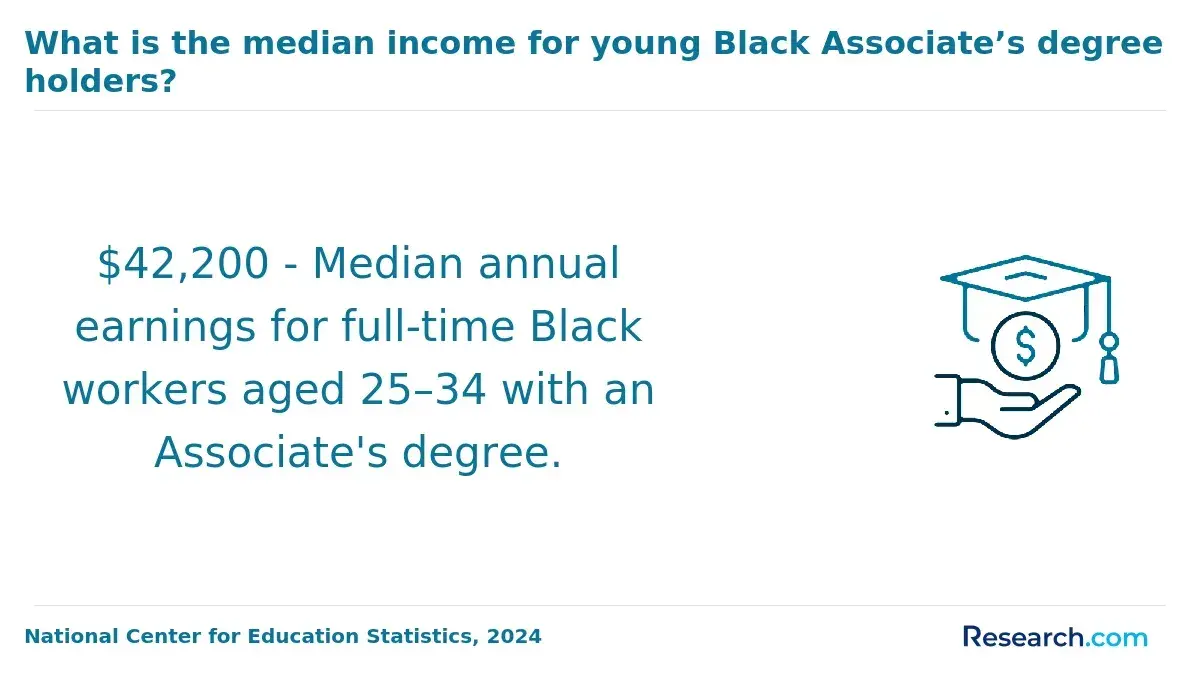
Top sectors employing logistics graduates by region can vary-degree level and specialization notably influence where graduates find opportunities. Associate degree holders often begin in entry-level roles in warehousing and transportation, while bachelor's and graduate degree holders frequently move into management, analytical, or consultancy roles within manufacturing or professional services.
For professionals considering advanced degrees or specialized paths, exploring affordable PhD programs in logistics fields can provide deeper strategic and leadership skills, opening doors to high-level roles. Understanding these industry dynamics helps guide education, internship targeting, and geographic strategies to maximize career outcomes in logistics.
What Entry-Level Roles Do Logistics Degree Graduates Typically Fill?
Entry-level logistics roles in the United States commonly reflect the specialized training graduates receive in supply chain management, operations, and transportation. These positions span various sectors-such as manufacturing, retail, consulting, and nonprofits-where core competencies like inventory control, data analysis, supplier coordination, and process optimization are essential.
- Logistics Coordinator: Core responsibilities include scheduling shipments, managing inventory levels, and coordinating with suppliers and carriers to ensure timely delivery. Typically reports to a logistics manager or supply chain supervisor within industries like manufacturing or retail. Graduates' skills in process management, transportation planning, and logistics software usage make them competitive for these roles.
- Supply Chain Analyst: Focus on data analysis to optimize procurement, inventory turnover, and demand forecasting, supporting cost reduction efforts. Reports to supply chain managers or financial analysts-common in financial services or large distribution firms. Strengths in quantitative analysis, ERP systems, and statistical modeling position graduates well here.
- Operations Associate: Supports day-to-day operations including warehouse workflow, quality control, and process improvement initiatives. Usually part of an operations team reporting to mid-level operations managers, often in logistics companies or e-commerce. The degree enhances understanding of warehouse management systems and Lean Six Sigma methodologies.
- Procurement Assistant: Assists in vendor communication, contract management, and price negotiation under procurement supervisors. Roles frequently exist in manufacturing, healthcare, or public sector agencies ensuring supply continuity. Knowledge of sourcing strategies and supplier evaluation improves graduate employability here.
- Associate Consultant (Logistics/Operations): Engages in process analysis, project management, and strategy support across diverse client industries. Works with consulting teams, reporting to senior consultants and project managers. Analytical rigor, problem-solving skills, and cross-functional expertise derived from the degree are vital qualifications.
Typical job titles for logistics degree graduates vary significantly by employer and sector. For instance, a logistics coordinator in a nonprofit might handle more stakeholder engagement, whereas an analyst in financial services emphasizes data interpretation.
Graduates should map their target entry-level titles to their degree focus areas, such as supply chain analytics or operations management, and their internship and portfolio experiences. This strategic approach helps identify which roles they are best positioned for upon graduation.
Building a portfolio demonstrating mastery of logistics software, data projects, or operational case studies greatly enhances hireability. For those considering the financial implications of their education, it can be helpful to compare these career outcomes to most profitable majors to gauge long-term value in the marketplace.
What Are the Highest-Paying Employer Types for Logistics Degree Graduates?
Compensation for logistics degree graduates varies significantly by employer type, driven by industry financial structures and operational priorities. Privately held companies generating high revenue per employee, such as major manufacturers and large distributors, typically offer the most substantial starting and mid-career salaries. Their strong cash flow allows for competitive base pay and performance-based bonuses linked to company success.
- Investment-Backed Technology Firms: These startups and tech businesses often complement high salaries with equity or stock options. Their focus on cutting-edge logistics-automation, analytics, and digital solutions-commands premium pay that rewards innovation, though total compensation may depend heavily on company growth over time.
- Financial Services Organizations: Banks, insurers, and investment firms rely on complex logistics for risk management and operational efficiency, offering generous base salaries plus benefits like retirement plans and bonuses that reflect analytical demands in logistics roles.
- Professional Services Consultancies: Specializing in logistics strategy and supply chain optimization, these firms pay well, particularly at early and mid-career stages. Their packages combine solid base salaries, bonuses, and advancement potential despite the demanding workload.
- Government Agencies and Nonprofits: Offering lower base salaries, these sectors compensate with job security, pensions, and comprehensive benefits. Advancement may be slower, impacting long-term earnings.
- Lower-Margin Industries: Agriculture, basic transportation, and small wholesalers usually provide more modest starting pay due to tighter profit margins, though they offer valuable hands-on experience and often geographic flexibility.
Total compensation extends beyond base pay-bonuses, equity, retirement contributions, health plans, and professional development stipends can substantially affect financial outcomes. High starting salaries at employers with limited career mobility or poor culture may ultimately deliver less financial growth than roles with moderate pay but rapid advancement.
Considering compensation trajectory alongside initial pay supports smarter career choices aligned with personal and financial goals.
Do Large Corporations or Small Businesses Hire More Logistics Degree Graduates?
Employer size heavily influences hiring patterns for logistics degree graduates across the U.S. Fortune 500 companies tend to attract the most new hires due to their extensive onboarding processes, formal training programs, and transparent career advancement paths. These large firms offer strong brand recognition, which can bolster resumes and future opportunities.
- Mid-Market Companies: These organizations strike a balance-providing both structured professional growth and flexibility. They often act as innovation centers where graduates can engage with emerging logistics technologies and develop diversified skills.
- Small Businesses: Startups and family-owned enterprises provide broader responsibilities, faster promotions, and early involvement in decision-making. Although formal training might be limited, they facilitate rapid skill expansion through hands-on experience.
- Nonprofits and Public Sector: While smaller in scale, these employers appeal to graduates who value mission-driven roles, offering distinct challenges related to community services, public infrastructure, or humanitarian logistics.
Specializations in logistics also influence the ideal employer size. Complex supply chain analytics and global distribution roles tend to align with large, multifaceted companies. Conversely, subfields like last-mile delivery or agile inventory management often thrive in smaller, adaptive environments.
Aspiring logisticians should consider employer size as one component of a broader strategy involving industry focus, organizational mission, and geographic location to ensure a fit that suits their career goals.
For those exploring advanced credentials, understanding how size impacts opportunities complements choices like the anchors part-time Ph.D. in economics. This holistic approach supports informed decisions from education through career progression.
How Do Government and Public Sector Agencies Hire Logistics Degree Graduates?
Federal, state, and local agencies employ a substantial number of logistics degree graduates to manage complex supply chains, coordinate transportation, and optimize resources critical to defense, emergency response, public health, and infrastructure. These roles demand both operational skills and strategic planning expertise.
- Federal Agencies: Graduates often work for entities like the Department of Defense, Department of Homeland Security, FEMA, the General Services Administration, and the Department of Veterans Affairs-handling procurement, distribution, and asset oversight.
- State and Local Employers: State transportation departments, public safety, and health agencies recruit logistics professionals to manage regional networks and emergency logistics.
- Hiring Structure: Public sector hiring follows the General Schedule (GS) pay scale, with entry usually between GS-5 and GS-7. Academic credentials and certifications directly influence initial pay band placement, verified by transcripts.
- Security Clearances: Many federal logistics jobs require security clearance, adding steps such as background checks and citizenship verification, differentiating government hiring from private sector practices.
- Competitive vs. Excepted Service: Positions in competitive service require a public application process via USAJobs, while excepted service jobs follow alternative recruitment pathways tailored to specific agencies.
- Job Stability and Benefits: Government roles offer notable stability, defined-benefit retirement plans, and comprehensive health insurance-advantages that may be offset by slower salary progression and more structured promotion paths.
- Pipeline Programs: Early-career logistics graduates can access federal internships and fellowships, such as the Department of Defense's Logistics Management Internship or FEMA's Student Volunteer Program, facilitating experience and career entry in public service.
What Roles Do Logistics Graduates Fill in Nonprofit and Mission-Driven Organizations?
Logistics graduates provide essential skills to nonprofit and mission-driven organizations, supporting areas such as disaster relief, food security, health services, and education-fields where efficient resource movement and volunteer coordination are vital.
- Program Areas: Critical sectors include emergency response, community health, hunger alleviation, and educational initiatives, all reliant on skilled logistics management.
- Organizational Types: Careers span traditional charities, international NGOs, local community groups, and increasingly, mission-driven for-profit entities like certified B Corporations and social enterprises blending profit with purpose.
- Functional Roles: Common positions are supply chain coordinator, operations manager, program logistics specialist, and distribution planner-jobs demanding broader responsibilities than in the private sector, often integrating vendor oversight, grant compliance, and stakeholder engagement.
- Role Scope and Culture: Nonprofit logistics roles call for adaptability as employees cover multiple functions simultaneously. This environment fosters rapid skill acquisition, especially beneficial for early-career professionals, though teams tend to be smaller with less role specialization compared to corporate settings.
- Compensation: Nonprofit salaries usually trail behind private sector rates due to funding limits, but programs like Public Service Loan Forgiveness (PSLF) offer some financial relief for those committed to public service careers.
- Mission-Driven For-Profit Organizations: These employers merge nonprofit social missions with competitive salaries and benefits, attractive for graduates seeking impact without traditional nonprofit pay limitations. Impact-focused startups and benefit corporations combine rigorous operations with a values-driven culture-ideal for leveraging logistics expertise toward measurable social outcomes in sustainable compensation environments.
For individuals drawn to socially purposeful careers, weighing compromises is crucial: nonprofits offer broader roles and meaningful purpose but with lower pay, while mission-driven companies and the private sector may provide higher salaries and more defined positions. Awareness of these dynamics enables graduates to align their career choices realistically with financial goals and values.
How Does the Healthcare Sector Employ Logistics Degree Graduates?
The healthcare sector employs logistics degree graduates across a broad spectrum of organizations-each leveraging distinct logistics competencies to enhance complex operations. Hospital systems depend on these professionals to manage supply chains for medical equipment, pharmaceuticals, and staffing schedules.
Insurance carriers seek logistics experts skilled in data analysis and financial management to streamline claims processes and control costs. Pharmaceutical companies engage logistics graduates in operations management roles to ensure supply chain reliability and regulatory compliance during drug manufacturing and distribution.
Public health agencies use them in policy research and communications to coordinate large-scale initiatives and emergency responses, while health tech startups focus on candidates with strong data analytics and behavioral science expertise to innovate patient care and resource allocation.
- Competency Intersections: Key skills driving demand include data analysis, operations management, financial oversight, communications, and policy research. Behavioral science knowledge further enhances logistics application in patient-centered healthcare settings. Graduates should identify which competencies align best with their preferred healthcare sub-sectors to maximize transferability and impact.
- Regulatory and Credentialing Considerations: Healthcare logistics positions often require familiarity with HIPAA, FDA standards, and other sector-specific regulations. Additional certifications such as Certified Professional in Healthcare Quality (CPHQ) or specialized supply chain credentials are frequently sought. It is important to evaluate licensing or training needs beyond the degree to meet employer expectations fully.
The healthcare industry offers notable recession resilience and steady job opportunities for logistics professionals. Sub-sectors like health tech startups and public health agencies are expanding rapidly due to technological advances and population health priorities.
Concentrating job searches in metropolitan areas with extensive hospital networks-such as New York, Los Angeles, Chicago, Dallas, and Atlanta-can improve career prospects for entry-level and mid-career roles.
Which Technology Companies and Sectors Hire Logistics Degree Graduates?
Technology companies hiring logistics degree graduates in the United States increasingly represent a diverse ecosystem where logistics expertise drives operational excellence and innovation. Graduates with skills in supply chain optimization, data-driven decision-making, and process improvement find employment in technology sectors spanning product roles, operations, marketing, policy, and specialized technical functions.
Two distinct pathways emerge for logistics graduates entering technology-related work.
- Tech-Core Employers: These companies focus primarily on technology development or digital services. Logistics graduates support roles in product operations, distribution network management, and supply chain analytics within cloud computing firms, e-commerce giants, and hardware manufacturers. Their competencies help optimize complex operations in these tech-centric environments.
- Technology Functions in Non-Tech Firms: Many logistics degree holders join the technology departments of non-technology companies such as retail, manufacturing, and finance. Here, they enable digital transformation, IT governance, and automation adoption, embedding logistics knowledge to improve organizational workflows.
The top technology sectors recruiting logistics graduates for supply chain roles are expanding due to skills-based hiring, remote-first work models, and cross-disciplinary teams. These factors make entry possible for graduates without traditional coding or engineering backgrounds, focusing instead on operational strategy, data analysis, and project management.
Building a portfolio that highlights experience with supply chain software, digital collaboration tools, and data visualization strengthens tech role candidacy.
- Health Tech: Demand grows for logistics expertise to manage medical supply chains and optimize resource allocation in health tech companies, especially during scaling and crisis phases.
- Fintech: Logistics graduates contribute by coordinating complex transaction flows, optimizing back-office operations, and ensuring the smooth deployment of financial technologies.
- Edtech and Climate Tech: Emerging sectors where logistics plays a role in managing program delivery networks and sustainable supply chains for educational and environmental initiatives.
- AI-Adjacent Functions: Logistics professionals support AI and machine learning projects by managing critical data logistics-organizing and preparing datasets essential for training algorithms.
Those aiming to target technology companies hiring logistics degree graduates benefit from focusing on internships and certifications that align with supply chain technologies and digital tools. To enhance employability across the logistics field, consider exploring 12 month certificate programs that pay well as a strategic factor in career development.
What Mid-Career Roles Do Logistics Graduates Commonly Advance Into?
Mid-career roles for logistics degree graduates-typically reached between five and ten years of experience-reflect a clear evolution toward strategic leadership and functional specialization. Analysis of mid-career logistics management roles in the United States, combined with BLS wage percentile data, LinkedIn career progressions, and NACE alumni outcomes, reveals several patterns in job title advancement and skill development.
- Functional Leadership: Graduates often advance to positions such as supply chain manager, operations manager, or distribution center manager. These roles emphasize team oversight, process optimization, and vendor relationship management-key leadership competencies that define mid-career professionals.
- Specialization Paths: Common specialization areas include procurement, inventory management, transportation planning, and demand forecasting. Earning targeted certifications like APICS CPIM or CSCP increases expertise and marketability in these focused domains.
- Credential Development: Career growth frequently depends on acquiring professional certifications and graduate degrees such as an MBA or a specialized master's in supply chain management. These credentials demonstrate proficiency in analytics, financial insight, and strategic decision-making.
- Career Path Variability: Graduates starting in large corporations typically follow structured promotion ladders, progressing to roles like logistics director or supply chain analyst lead. Conversely, those in startups or small businesses often experience lateral moves and blended responsibilities, requiring deliberate skill building and networking to achieve upward mobility.
- Entry-to-Mid-Career Progression: Typical advancement moves from entry-level roles such as logistics coordinator or analyst to mid-level roles like category manager or procurement lead, potentially culminating in regional logistics manager or supply chain project leader. Strategic pivots into operations consulting or transportation technology also represent viable mid-career pathways in advanced supply chain leadership positions for logistics degree holders.
Readers exploring transfer pathways and early decisions in career specialization should consider how the development of this career capital can align with evolving industry demands. Additionally, those interested in creative fields may explore complementary training, such as a graphic design bachelor degree, to enhance their versatility.
How Do Hiring Patterns for Logistics Graduates Differ by Geographic Region?
Geographic factors strongly shape hiring outcomes for logistics degree holders-major metro areas like Los Angeles, Chicago, and Atlanta lead in total job openings thanks to established industries such as shipping, manufacturing, and distribution, plus tech hubs and research universities that stimulate supply chain innovation. These hubs offer plentiful entry-level and mid-career roles with salaries above the national average.
Mid-sized cities like Columbus, OH, and Nashville, TN, provide moderate hiring volume but competitive pay adjusted for cost of living. These growing regional logistics centers, fueled by e-commerce expansion, often favor practical skills, making bootcamp and certificate holders attractive candidates for operational positions.
Rural and smaller markets show fewer formal logistics roles, focusing instead on certificates for workforce upskilling within small manufacturers or distributors. Salaries here tend to be lower but balanced by reduced living expenses.
- Economic Drivers: Major ports, distribution hubs, and university research influence local hiring demand and salary levels.
- Remote Work Impact: Remote roles widen access but increase competition; job seekers must carefully target applications based on location and role.
- Recent Trend: LinkedIn reports logistics job postings in top metropolitan areas rose 12% year-over-year, reflecting sustained urban demand for degree holders.
The rise of remote and hybrid work since 2020 has reshaped the landscape-remote logistics positions with strong pay are now accessible from lower-cost locations but also heighten nationwide competition. This dual effect requires applicants to strategically balance location flexibility and job type.
Graduates willing to relocate to dense logistics employment centers can accelerate job placement and salary growth, while those with geographic constraints should identify local employers with robust hiring pipelines for credentialed candidates.
What Role Does Internship Experience Play in How Employers Hire Logistics Graduates?
Internship experience significantly enhances hiring outcomes for logistics degree graduates-boosting full-time job offers, starting salaries, and reducing job search time. Data from the 2023 NACE Internship and Co-op Survey reveals students completing internships in logistics-related roles were more than 60% likelier to secure offers before graduation than peers without such experience.
Employers treat internships as proof of practical capability, reliability, and industry awareness rather than merely a trial period.
- Internship Quality: Placement at reputable logistics firms greatly strengthens a graduate's profile-signaling cultural fit and professionalism valued in a field dependent on operational coordination and trust.
- Hiring Efficiency: Graduates with internship backgrounds often obtain employment within three months post-graduation, while those without typically face longer job searches.
- Access Inequality: Students from lower-income households, less-resourced colleges, or regions with limited local firms encounter challenges in securing unpaid or local internships.
- Inclusion Strategies: Virtual internships, cooperative education (co-op) programs offering paid, credit-earning work experience, and employer-driven diversity recruitment pipelines help bridge access gaps.
- Student Guidance: Begin applying for internships early-ideally in sophomore year-target firms aligned with career goals, and leverage university career centers, alumni networks, and faculty connections to maximize placement chances.
In 2023, about 72% of logistics graduates completed at least one internship prior to full-time employment-highlighting its vital role in enhancing competitiveness within logistics employer ecosystems across industries and locations.
What Graduates Say About the Employers That Hire Logistics Degree Graduates
- Miller: "Graduating with a logistics degree opened my eyes to the variety of industries eager to hire-everything from manufacturing and retail to technology firms. Most employers I encountered were large corporations and third-party logistics providers, often looking for roles in supply chain management and operations coordination. I was surprised by how prevalent hiring was across both local and international markets, which gave me plenty of options to choose where I wanted to start my career."
- Emery: "Reflecting on my journey, I found that logistics graduates are particularly sought after by organizations focused on efficiency-think warehousing, transportation, and distribution companies. Employers tend to favor candidates with practical experience, often filling positions like inventory analysts and procurement specialists. I was encouraged to see strong hiring activity concentrated in metropolitan hubs, especially in regions with dense manufacturing and import-export activities."
- Gabriel: "From a professional standpoint, the employers hiring logistics graduates span from startups to multinational corporations, all valuing strategic problem-solving skills. The roles commonly available-such as logistics coordinators and supply chain analysts-require adaptability given the dynamic nature of the industries involved. I also noticed a steady demand not just domestically but in emerging markets, highlighting logistics as a truly global career path."
Other Things You Should Know About Logistics Degrees
In 2027, logistics graduates with a degree find enhanced employability, as advanced training often translates into higher-level roles. Master's degree holders are typically sought after for leadership and specialized positions, while bachelor's graduates explore entry-level roles, supporting operational functions.
Employers in the logistics field place significant value on portfolios and extracurricular activities that demonstrate practical skills-such as project management, data analysis, and experience with logistics software. Participation in internships, case competitions, or industry-related clubs can enhance a candidate's appeal by showing applied knowledge and real-world problem-solving abilities. These elements often differentiate graduates beyond their academic records.
The job market outlook for logistics graduates is strong, driven by the growing complexity of global supply chains and increasing demand for efficiency. Employment in logistics, transportation, and supply chain management is expected to grow faster than the average for all occupations. This trend supports steady hiring across industries such as manufacturing, retail, and technology.
Diversity, equity, and inclusion (DEI) initiatives are increasingly influencing hiring practices within logistics employers. Organizations recognize that diverse teams improve innovation and problem-solving, especially in complex supply chain environments. As a result, many companies actively recruit logistics graduates from underrepresented backgrounds and foster inclusive hiring processes to broaden their talent pools.
References
- How do I get a graduate job in supply chain, logistics and transport? https://targetjobs.co.uk/careers-advice/retail/how-do-i-get-graduate-job-supply-chain-logistics-and-transport
- Logistics Careers in Healthcare for Students https://qiktruck.co.za/blog/logistics-careers-in-healthcare-for-students.html
- StudyQA — Career options for Logistics graduates https://studyqa.com/articles/career-logistics
- The Rise of Tech in Logistics Careers: What Skills in Demand | YourDegree https://www.yourdegree.com/blog/rise-of-tech-logistics-careers/
- What drives the geography of new graduates? - Centre for Cities https://www.centreforcities.org/reader/great-british-brain-drain/drives-geography-new-graduates/
- 15 Careers in Logistics & Transport (With Salary Prospects) https://www.careeraddict.com/logistics-careers
- Acquisitions and Logistics Careers | FBIJOBS https://fbijobs.gov/acquisitions-logistics
- Small Business or Big Business: Which Really Creates the Most Jobs? https://www.factorfinders.com/blog/small-business-job-creation-vs-big/
- Nonprofit Career Guide: Jobs, Skills & Career Paths https://momentivesoftware.com/blog/nonprofit-career-guide/
- Employment in small companies vs large companies: What’s the difference? | Michael Page https://www.michaelpage.com.au/advice/career-advice/career-progression/employment-small-companies-vs-large-companies-what-s


