
2027 Which Family Nurse Practitioner Degree Careers Have the Lowest Unemployment Risk?

Co-Founder and Chief Data Scientist
Securing stable employment is a critical challenge for family nurse practitioner degree holders navigating an evolving healthcare landscape shaped by automation, shifting demographics, and market fluctuations. Some specializations-such as primary care in rural or underserved urban areas-consistently report unemployment rates below 2%, compared to the national average for advanced practice nurses. Geographic location, industry setting, and obtaining advanced certifications notably influence job security across career stages-from entry-level to senior roles.
This article systematically analyzes these variables alongside licensure and education strategies to help family nurse practitioners minimize unemployment risk and optimize career resilience in a dynamic labor market.
Key Things to Know About the Family Nurse Practitioner Degree Careers With the Lowest Unemployment Risk
- Historical unemployment data for family nurse practitioner careers show rates below 2%-significantly lower than average healthcare fields-indicating strong baseline employment stability.
- Ten-year demand projections predict 45% growth in primary care roles, with licensure requirements and advanced certifications enhancing resilience against automation and economic downturns.
- Geographic markets with aging populations and rural shortages provide recession-resistant opportunities, while graduate education reduces long-term unemployment risk by enabling specialization and adaptability.
What Makes Family Nurse Practitioner Degree Jobs More or Less Resistant to Unemployment?
Unemployment risk in family nurse practitioner degree careers varies and stems from distinct types: structural unemployment, driven by long-term changes like automation or shifts in care delivery; frictional unemployment, caused by temporary gaps when practitioners move between roles or locations; and cyclical unemployment, tied to economic downturns reducing healthcare spending. Recognizing these differences helps clarify why not all job loss risks are the same.
Bureau of Labor Statistics, O*NET profiles, and Lightcast labor market analytics identify critical factors influencing family nurse practitioner degree job unemployment resistance factors:
- Licensing Requirements: Strict state licensing limits oversupply by maintaining standards and barriers to entry, lowering unemployment risk.
- Employer Concentration: Diverse employer presence in healthcare reduces risk linked to any one organization's downsizing.
- Sector Growth Rate: Fast expansion in primary and preventive care fields directly correlates with strong job demand and low unemployment.
- Role Replaceability: Roles demanding advanced clinical judgment and interpersonal skills are less vulnerable to automation and maintain steady demand.
Degree level, specialization, and geographic impact on family nurse practitioner unemployment risk further refine stability predictions. Higher degrees and certifications bolster employment by qualifying practitioners for specialized positions. Specializations like chronic disease management and rural healthcare respond to growing patient needs, offering greater job security. Meanwhile, urban regions present more openings but higher competition, whereas rural areas often face workforce shortages that reduce unemployment risk.
This analysis uses a comprehensive framework incorporating unemployment history, future projections, automation vulnerability, recession resilience, licensure benefits, labor market geography, and graduate education effects on job security throughout entry to senior career stages. Prospective students and early professionals-including those exploring nursing schools that are easy to get into-can leverage this evidence-based approach.
Which Family Nurse Practitioner Career Paths Have the Lowest Historical Unemployment Rates?
Several family nurse practitioner career paths consistently show historically low unemployment rates-this resilience stems from durable factors shaping demand regardless of economic cycles. Analysis of labor data reveals occupational categories ranked by lowest to highest unemployment risk, providing a defensible rationale for their ongoing stability rather than relying solely on historical trends as guarantees.
- Primary Care Providers: Serving as frontline healthcare providers, these practitioners meet continuous demand driven by an aging population and regulatory mandates ensuring access to essential care. Their essential-service status protected employment through the 2008 recession and COVID-19 disruption.
- Rural Health Practitioners: Positioned in underserved areas, they benefit from chronic undersupply and federal loan forgiveness programs that support retention. The persistent need for rural healthcare sustains their roles even during economic downturns.
- Home Health Care Providers: Increasing longevity and chronic disease prevalence push demand for in-home care. Favorable reimbursement policies and steady employment through the 2020 pandemic highlight this specialization's stability.
- Chronic Disease Management Specialists: These practitioners focus on long-term care of conditions like diabetes and hypertension, benefiting from healthcare's shift toward value-based models. They demonstrated resilience by maintaining employment during prior recessions through continuous patient care.
- Occupational Health Nurses: Workplace health management roles enjoy stability due to regulatory compliance and growing corporate investment in employee wellness, exhibiting below-average unemployment even when sensitive to economic cycles.
- School-Based Family Nurse Practitioners: Operating within educational settings, these practitioners are sustained by legislative mandates for school health services and government support, maintaining steady employment during economic instability.
Family nurse practitioner career paths with lowest historical unemployment rates reveal underlying forces such as demographic trends, essential-service classification, and regulatory frameworks driving demand. However, it is vital to treat these unemployment data as one part of a comprehensive risk assessment-integrating long-term demand projections, geographic factors, and automation vulnerability to navigate future labor market shifts effectively.
Prospective and current family nurse practitioner students should evaluate specialization choices thoughtfully, aligning academic concentration and certification plans to sectors with proven resilience. For those exploring advanced qualifications, consider BSN to DNP programs online as pathways to strengthen competitiveness and reduce unemployment exposure in a rapidly evolving healthcare environment.
How Does the Family Nurse Practitioner Job Market Compare to the National Unemployment Average?
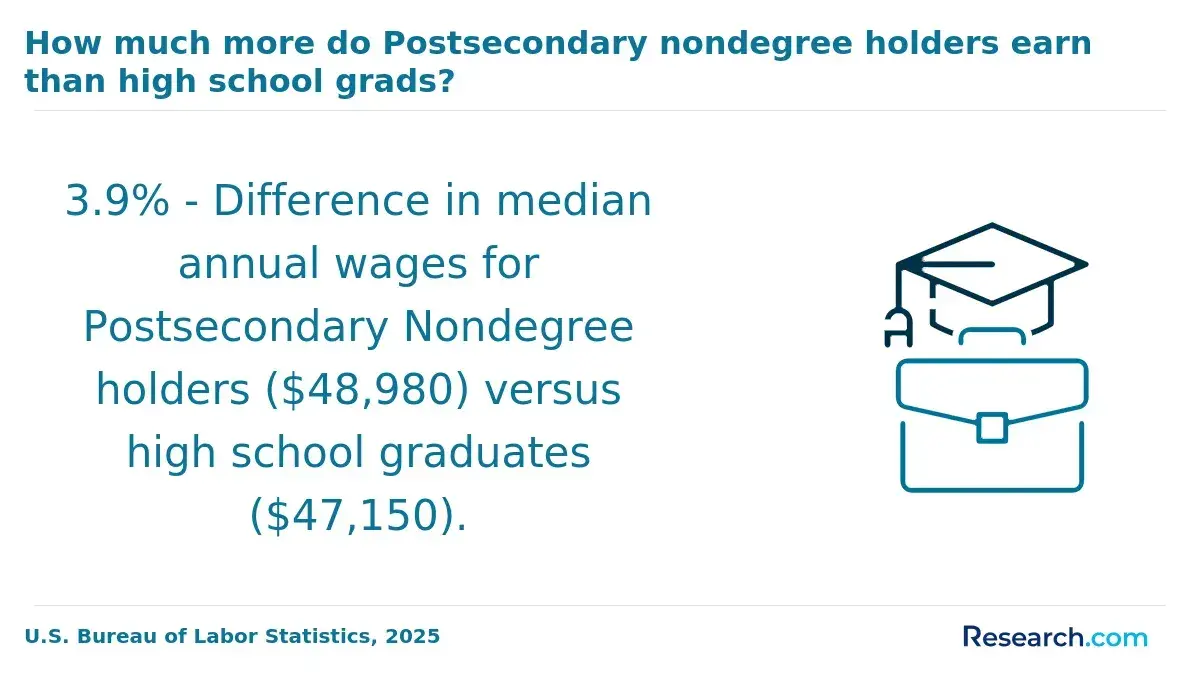
The unemployment rate among family nurse practitioner (FNP) graduates is significantly lower than the overall rate for college-educated workers-about 1.3% compared to the national average of 2.5%. This gap translates into shorter job searches and greater income stability for FNPs. Graduates face around half the risk of unemployment, which supports steadier career progression and reduces financial and emotional strain during early and mid-career phases.
- Underemployment: FNPs may still encounter roles beneath their skill level, such as working in general nursing instead of full practitioner positions. Though underemployment can be less common among FNPs than other fields, it remains an essential factor to consider alongside formal unemployment when evaluating job security.
- Data Variability: Unemployment figures within specialized FNP areas can fluctuate due to small workforce sizes. Yearly data snapshots might not fully represent long-term trends, so analyzing multi-year patterns is vital to understand true employment risks.
- Geographic & Credential Factors: Job stability varies by location and licensure status. Holding proper certification expands eligibility for diverse roles, while selecting regions with demand growth lowers vulnerability to economic downturns.
- Employment Resilience: Compared to many fields, FNP careers benefit from stronger recession resistance and ongoing demand tied to aging populations and healthcare needs that automation cannot easily replace. Advanced degrees and specialty certifications further enhance this market protection.
A professional who completed an FNP degree shared how the employment reality exceeded expectations: "After graduation, I was concerned about competing in a saturated market, but I found the job search surprisingly swift. The lower unemployment rate really showed in practice-the process took months rather than years. Navigating certification and licensure was challenging at first, but those credentials opened doors I didn't anticipate. I also learned to be cautious interpreting single-year job data; looking at long-term trends gave me confidence to invest in specialty training. Overall, the stability I discovered affirmed my choice to pursue this path."
What Family Nurse Practitioner Specializations Are Most In-Demand Among Employers Right Now?
Employer demand for family nurse practitioner specializations varies greatly, reflecting key industry forces rather than uniform interest across all fields. Several specializations currently lead in job postings, offering competitive salaries and rapid hiring. These include:
- Primary Care: Persistent shortages of primary care providers combined with aging populations and expanded insurance access make this a reliable career path, ensuring stable demand over time.
- Geriatrics: As demographic trends shift toward older adults, practitioners with expertise in managing chronic conditions for the elderly remain highly sought after.
- Behavioral Health: Integration of mental health services into primary care and growing awareness of behavioral health needs drive demand for practitioners skilled in assessment and treatment in this specialty.
- Telehealth: The rapid expansion of telemedicine technologies-accelerated by the pandemic-creates opportunities for nurse practitioners comfortable with remote monitoring and virtual patient care.
- Chronic Disease Management: Rising prevalence of diabetes, hypertension, and other long-term illnesses sustains employer interest in practitioners focused on patient education and clinical management for these conditions.
- Pediatric Primary Care: Demand remains steady where pediatric healthcare access is limited, especially in underserved communities.
- Women's Health: A sustained emphasis on reproductive and preventive care drives ongoing need for specialized women's health providers.
These family nurse practitioner specializations with highest employer demand stem from enduring healthcare challenges-aging demographics, technology adoption, and evolving care delivery models. Prospective students should verify these trends against local salary surveys, workforce reports, and discussions with employers to ensure alignment with their career goals and geographic preferences. Identifying strong demand supports strategic academic planning-targeting specialized coursework, certification, and internships to bolster readiness for these roles and reduce unemployment risk throughout one's career.
For those interested in healthcare fields adjacent to nursing, exploring the best online school for medical billing and coding offers a complementary pathway with growing employment prospects.
Which Industries Employing Family Nurse Practitioner Graduates Offer the Greatest Job Security?
The five industries employing the largest share of family nurse practitioner graduates display consistent growth, minimal layoffs, and robust decade-long demand due to their essential roles and structural protections.
- Outpatient Care Centers: Dominating employment by focusing on community-based healthcare, these centers rely on practitioners for patient evaluations, chronic disease oversight, and preventive measures. Core skills include clinical judgment, patient education, and team coordination, with reporting lines often linked to physicians and administrative staff. Training in primary care protocols and evidence-based approaches aligns closely with this setting.
- General Medical and Surgical Hospitals: Providing critical inpatient services, hospitals ensure steady demand for family nurse practitioners skilled in diagnosis, treatment plans, and discharge oversight. Proficiency in acute care and interprofessional communication is vital. Reporting usually involves nursing leadership or hospitalist teams, with training encompassing ambulatory and inpatient care preparation.
- Primary Care Physician Offices: These settings sustain steady employment through ongoing health maintenance, immunizations, and screenings. Key competencies include longitudinal patient management and chronic condition monitoring, usually reporting to physicians or practice managers. Emphasis on family medicine principles during education supports smooth integration.
- Residential Intellectual and Developmental Disability Facilities: Marked by chronic workforce shortages and regulatory requirements, these facilities employ practitioners to manage complex health needs and coordinate therapies. Essential knowledge includes developmental disabilities and behavioral health integration, with collaboration across interdisciplinary teams and administrators. Specialized training in chronic care and mental health enhances fit.
- Home Health Care Services: Demographic trends boosting in-home care yield persistent demand. Responsibilities cover personalized patient care and family education, requiring autonomy and adaptable care planning. Family nurse practitioners often report to nursing supervisors or care coordinators, grounded in training focused on patient-centered and health promotion models.
Employing family nurse practitioners integrally-rather than peripherally-these sectors are shielded from automation and budgetary cuts but concentrating exclusively in one industry can expose practitioners to sector-specific risks, including regulatory shifts and geographic fluctuations. Developing versatile skills such as telehealth competency and policy awareness strengthens resilience across fields.
When asked about her experience, a family nurse practitioner graduate reflected positively on navigating her early career. "Transitioning from school to a hospital setting was daunting," she shared, "especially mastering acute care demands and coordinating with diverse medical teams." Despite initial challenges, she found that her comprehensive training and growing confidence enabled her to establish trusted patient relationships and adapt to changing workloads. "Knowing which employers value ongoing education and provide mentorship was crucial-it made the difference in job security and professional growth," she added. This insight highlights how targeted preparation and employer research can fortify a practitioner's career against market uncertainties.
How Do Government and Public-Sector Family Nurse Practitioner Roles Compare in Unemployment Risk?
Data from the Bureau of Labor Statistics, Office of Personnel Management, and the National Association of State Personnel Executives reveal notable differences in unemployment risk for family nurse practitioner (FNP) degree holders between public-sector and private-sector employment. Government and public-sector positions consistently show lower unemployment rates and fewer layoffs, backed by civil service protections and budgetary emphasis on essential healthcare roles.
- Unemployment Rates: Public-sector FNPs face significantly less unemployment than their private-sector counterparts, with government healthcare roles exhibiting greater resistance to economic downturns due to more reliable funding.
- Layoff Frequency: Layoffs in federal, state, and local health agencies remain rare, especially for licensed clinicians like FNPs. While layoffs can occur during budget cuts, civil service rules generally shield public employees from sudden job losses.
- Career Tenure: Federal employment records indicate longer tenure for FNPs, reflecting structured career paths and stability not often found in private healthcare settings.
- Common Public-Sector Roles:
- Federal Agencies: Positions within Veterans Affairs and Indian Health Service carry strong job security due to legal safeguards and steady funding.
- State and Local Governments: Community health departments and public hospitals offer stable jobs, although they may be influenced by local budget fluctuations.
- Public Universities and Research Institutions: These entities provide generally stable long-term roles, though grant-dependency can introduce some employment risk.
- Quasi-Governmental Organizations: Public health commissions and similar bodies blend public-sector stability with organizational flexibility, resulting in moderate job security.
- Trade-Offs: Although government FNP roles usually begin with lower salaries than private positions, the overall compensation-including defined benefit pensions, generous leave, and loan forgiveness eligibility-often exceeds private-sector benefits when viewed long term.
- Financial Security Perspective: For those prioritizing low unemployment risk and steady income, public-sector employment typically offers superior long-term financial stability and less vulnerability to economic cycles.
- Personal Risk Assessment: Graduates should evaluate their tolerance for job insecurity against earning potential-some will value public-sector stability highly, while others may accept private-sector volatility in pursuit of higher pay. Informed decision-making requires balancing these factors according to individual career goals and risk preferences.
What Role Does Licensure or Certification Play in Protecting Family Nurse Practitioner Degree Holders From Unemployment?
Licensure creates a critical legal barrier to practice for family nurse practitioner roles, restricting entry to those who have passed rigorous exams and fulfilled education and clinical experience requirements. This limitation on labor supply reduces competition from uncredentialed applicants-helping stabilize demand for licensed practitioners even during economic downturns. By limiting the pool to credentialed professionals, licensure effectively lowers unemployment risk by ensuring employers cannot substitute non-licensed workers when markets contract.
Certification, though not always legally required, serves as a strong professional signal of expertise and specialization. Credentials from the American Nurses Credentialing Center (ANCC) or the American Academy of Nurse Practitioners (AANP) have become de facto hiring filters. Employers often prioritize certified candidates, which narrows the applicant pool and reduces the unemployment risk for those holding these certifications.
To build an efficient credential acquisition strategy, consider the following:
- Mandatory Licensure: Required for initial practice-candidates must meet state board criteria and successfully pass the NCLEX-RN and Family Nurse Practitioner certification exams.
- Recognized Certification: Credentials from ANCC or AANP enhance employability and job security and should be pursued immediately after licensure.
- Additional Certifications: Specialized certificates like pediatrics or geriatrics may add value but often offer diminishing returns relative to the time and costs involved.
According to the U.S. Bureau of Labor Statistics, employment of nurse practitioners is projected to increase 45% over a decade-far above the average for all occupations-highlighting the protective effect of licensure and certification on employment stability in this sector.
How Does Geographic Location Affect Unemployment Risk for Family Nurse Practitioner Degree Graduates?
Geographic location significantly influences unemployment risk for Family Nurse Practitioner degree graduates, revealing regional differences in job security across the United States. Metropolitan areas featuring robust healthcare corridors-such as Boston, Minneapolis, and the San Francisco Bay Area-exhibit the highest and most consistent demand for these professionals. These regions benefit from dense concentrations of hospitals, outpatient centers, and specialized clinics, which create abundant employment opportunities with relative insulation from broader economic fluctuations. Conversely, rural or economically struggling areas tend to have fewer healthcare providers and employers, resulting in longer job searches and increased unemployment risk.
Structural economic factors explain much of this geographic variation in unemployment risk for Family Nurse Practitioner professionals. High-demand metropolitan markets often feature diverse employer bases, including government agencies, academic medical centers, and technology-driven health systems-factors that improve job stability during economic downturns. In contrast, regions with a narrow industrial base or limited healthcare infrastructure expose nurse practitioners to scarce job openings and more intense local competition.
The rise of remote work in certain Nurse Practitioner specializations is reshaping geographic employment risk patterns. Specialties that allow telehealth or remote care delivery reduce dependence on local job markets and broaden employment options nationally or globally. Graduates assessing their Family Nurse Practitioner career paths should evaluate whether their specialization supports geographic flexibility, since remote eligibility or willingness to relocate can markedly reduce unemployment exposure. This approach allows practitioners to access wider labor markets and weigh the benefits of moving to high-demand locations.
A recent trend shows metropolitan areas with integrated healthcare systems report family nurse practitioner unemployment rates roughly 25% below the national average, underscoring the protective effect of clustered healthcare employment. Graduates seeking to reduce unemployment risk should consider these geographic factors alongside credentialing and specialization decisions. Furthermore, those interested in expanding or shifting their healthcare education may explore an nutrition degree online, which offers complementary pathways within healthcare and related fields.
Which Family Nurse Practitioner Careers Are Most Vulnerable to Automation and Technological Disruption?
Automation and technological disruption impact family nurse practitioner careers at highest automation risk unevenly-largely depending on the specific tasks involved. Drawing on the McKinsey Global Institute automation susceptibility framework, Oxford Martin School's occupational automation probability research, and MIT's detailed task-level automation analysis, roles focusing on routine, repetitive, or data-centric activities face greater exposure to artificial intelligence, machine learning, robotic process automation, and related technologies.
- Routine Data Processing and Documentation: Family nurse practitioners primarily collecting, entering, or reviewing standardized patient data and updating electronic health records confront elevated risks as these functions become more automated through advanced electronic medical record systems and natural language processing algorithms.
- Standardized Decision-Making Roles: Positions dependent on applying fixed clinical guidelines or checklists to treat common conditions may undergo substantial adjustment or partial displacement as decision support systems and algorithmic diagnostic tools improve continuously.
- Repetitive Client Interaction Functions: Roles centered on conducting scripted patient interviews or delivering routine health education face susceptibility to augmentation or replacement by conversational AI chatbots and virtual assistants.
- Interpersonal Judgment and Ethical Oversight: Those handling sensitive patient discussions, end-of-life decisions, and individualized treatment planning rely on human empathy and judgment that are challenging for machines to replicate effectively.
- High-Complexity Clinical Expertise: Specializations involving multifaceted diagnoses, care coordination for chronic conditions, or precision medicine demand expert knowledge and adaptable thinking, making them more resistant to automation.
For family nurse practitioner professionals navigating the impact of technological disruption on family nurse practitioner jobs, it is essential to anticipate possible mid-career transitions-especially if working in high-risk roles. Developing competencies that blend human judgment with the oversight of technology positions practitioners to thrive alongside evolving automated tools.
Automation risk assessments reflect probabilities, not certainties. Real-world effects vary widely across employer adoption patterns, regulatory environments, geographic healthcare markets, and cost considerations. For those interested in expanding their qualifications to enhance career resilience, exploring options such as online MSN PMHNP programs can provide valuable clinical specialization and advanced expertise.
How Does a Graduate Degree Reduce Unemployment Risk for Family Nurse Practitioner Degree Holders?
Graduate degrees substantially lower unemployment risk for family nurse practitioner degree holders-offering stronger job security and higher earnings. Data from Georgetown's Center on Education and the Workforce combined with BLS statistics reveal that advanced-degree holders experience unemployment rates about 1.5 to 2 percentage points below those with only bachelor's degrees in healthcare. For family nurse practitioners, graduate education unlocks more stable, less volatile positions in clinical practice, leadership, and research fields.
Key graduate degree types that reduce unemployment risk for family nurse practitioners include:
- Professional Master's Degrees: Licensure-qualifying programs, such as clinical Master of Science in Nursing (MSN) tracks, grant graduates priority hiring due to mandatory certification and proven clinical expertise.
- Research-Focused Graduate Programs: Master's and doctoral degrees aimed at advanced practice or health research open roles with limited competition, enhancing employment stability.
- MBA Programs: These degrees facilitate transitions into healthcare management and leadership positions-areas where bachelor's degree holders often face career advancement barriers.
Investment factors for graduate education as an unemployment risk mitigation strategy include:
- Cost and Duration: Programs typically cost between $30,000 and $80,000 and require 2 to 4 years full-time study, plus opportunity costs from reduced earnings during schooling.
- Financial Return: Advanced credentials generally deliver a 15-30% salary increase and fewer unemployment periods, significantly boosting lifetime earnings.
- Break-Even Timeline: Graduates usually recover educational expenses within 5 to 7 years through enhanced earnings and career stability.
- Alternative Strategies: Professional certifications, strategic employer choices, geographic relocation, and clinical specialization can provide comparable unemployment risk reduction with less cost and shorter timelines.
Ultimately, graduate education is a powerful but resource-intensive path to resilient employment for family nurse practitioner degree holders-requiring careful cost-benefit analysis against alternative credentialing and career strategies.
What Entry-Level Family Nurse Practitioner Career Paths Offer the Fastest Route to Long-Term Job Stability?
Entry-level family nurse practitioners who secure roles within structured career environments tend to achieve stronger long-term employment stability. Positions embedded in organizations with transparent advancement opportunities and robust internal promotion cultures help practitioners build durable career trajectories. Roles in outpatient primary care settings, for example, typically allow early practitioners to develop foundational skills in patient coordination over 2-4 years before progressing to senior or managerial positions. Employers here emphasize staff retention and ongoing training, creating a reliable platform for career growth.
- Primary Care Clinics: Positioned within outpatient settings, these roles provide a career lattice where early experience leads to advancement into leadership or specialized care.
- Community Health Centers: Jobs in federally supported or nonprofit clinics broaden clinical expertise across diverse populations, frequently leading to leadership or specialty care roles within 5-7 years.
- Hospital Outpatient Departments: These settings introduce practitioners to complex cases and interdisciplinary teams, often facilitating subspecialty or administrative advancement in 3-6 years aided by institutional credentialing support.
- School Health Services: Employment within educational institutions offers steady hours and union-backed benefits, with progression potential into district management or policy advisory roles over an extended timeframe.
Conversely, entry positions limited to short-term contracts or isolated assignments without a promotion framework correlate with elevated unemployment risks. Selecting employers with consistent internal promotion and strong retention-especially in growing healthcare markets-improves job security. Early functional specialization in chronic disease management or preventive care enhances portability across sectors, buffering practitioners against labor market volatility. These stability factors-combined with geographic market selection, credentialing, and graduate education-form a comprehensive foundation for mitigating long-term unemployment exposure across a family nurse practitioner's career.
What Graduates Say About the Family Nurse Practitioner Degree Careers With the Lowest Unemployment Risk
- Lily: "Choosing the family nurse practitioner degree was a game changer for my career-focusing on primary care in rural geographic markets has opened doors I didn't expect. The demand for competent providers in these underserved areas means job security is high, especially when you invest in certifications like the FNP-BC credential. Looking back, I'm grateful for the blend of clinical knowledge and strategic credentialing that keeps unemployment risk low at every career stage."
- Zion: "Reflecting on my journey as a family nurse practitioner graduate, I found that specializing in geriatric and chronic care management within the healthcare and outpatient clinic industries truly minimizes employment risk. Hospitals and clinics value professionals who demonstrate expertise paired with nationally recognized accreditations, which makes entry-level practitioners more competitive. Understanding these career dynamics has made my mid-career transitions smoother and more rewarding."
- Wyatt: "The family nurse practitioner degree provided me with skills that are highly transferable across many geographic markets, but what really struck me was the credentialing strategy focused on maintaining multiple certifications-especially for acute care and pediatric specializations. Senior practitioners who diversify their credentials in evolving industries like telehealth and community health enjoy the lowest unemployment risk. Personally, this strategic approach has made me feel confident and adaptable throughout my career."
Other Things You Should Know About Family Nurse Practitioner Degrees
The 10-year employment outlook for family nurse practitioner careers with the lowest unemployment risk is very positive. Demand is expected to grow significantly due to an aging population and expanding access to healthcare services. Specialties such as primary care and chronic disease management show particularly strong job growth projections, driven by ongoing needs for preventative and long-term patient care.
Mid-career family nurse practitioners in primary care, pediatrics, and gerontology tend to experience the greatest demand. These tracks combine broad clinical skills with specialization, making practitioners highly versatile and valuable to employers. Roles that involve managing complex patient cases or leading care coordination teams are especially sought after during mid-career stages.
Freelance and self-employed family nurse practitioners face different unemployment risks compared to those in traditional roles. While self-employment can offer flexibility and income diversification, it also requires strong business skills and market networking. Independent practitioners may experience fluctuating demand, so supplementing clinical expertise with entrepreneurial competencies is critical to reduce unemployment risk.
In 2027, family nurse practitioners specializing in primary care, geriatrics, and mental health are likely to have the lowest unemployment risk. These fields remain in high demand due to an aging population and increased focus on mental health services, ensuring consistent job opportunities.
References
- Will AI Replace PAs and NPs? What to Do in 2025 https://www.millionairesinmedicine.com/blog/will-ai-replace-physician-assistants-nurse-practitioners-here-s-what-you-need-to-know
- Bridging the Gap to Health Care Access: The Role of the Nurse Practitioner https://clinmedjournals.org/articles/iaphcm/international-archives-of-public-health-and-community-medicine-iaphcm-7-091.php
- Top Family Nurse Practitioner Jobs and Clinic Workflows https://www.ucumberlands.edu/blog/top-family-nurse-practitioner-jobs-and-clinic-workflows
- Navigating NP market saturation: Strategies for success in your career https://www.nphire.com/blog/the-truth-about-np-market-saturation
- America's Best Jobs: Nurse Practitioner and Registered Nurse https://www.fortis.edu/blog/nursing/america-s-best-jobs-nurse-practitioner-and-registered-nurse.html
- The 65 Jobs With the Lowest Risk of Automation by Artificial Intelligence and Robots - USCI https://www.uscareerinstitute.edu/blog/65-jobs-with-the-lowest-risk-of-automation-by-ai-and-robots
- The Benefits of Becoming a Family Nurse Practitioner https://onlinenursing.twu.edu/blog/benefits-becoming-family-nurse-practitioner
- 10+ Types of Nurse Practitioners: Guide to NP Specialties https://credenzahealth.com/career-advice/10-types-of-nurse-practitioners
- 10 AI-Proof Healthcare Careers For The Coming Age Of Automation - Career Town https://careertown.net/10-ai-proof-healthcare-careers-for-the-coming-age-of-automation/
- Why trust GlobalHealth Education? https://globalhealtheducation.com/au/resources/healthcare-jobs-that-ai-cant-replace


