
2027 Which Professional Writing Degree Careers Have the Lowest Unemployment Risk?

Co-Founder and Chief Data Scientist
Many graduates with a professional writing degree face uncertainty in choosing specializations that ensure steady employment, especially amid evolving industries and regional economic shifts.
Certain fields, such as technical communication and healthcare writing, consistently report unemployment rates below 3% across entry-level, mid-career, and senior stages, far outperforming the average for general professional writing roles. Geographic markets with thriving tech and medical sectors also offer more durable employment opportunities.
Additionally, credentials like professional certification and advanced degrees significantly reduce unemployment risk. This article examines these variables comprehensively, highlighting career paths, industries, locations, and credentialing strategies that minimize unemployment for professional writing practitioners at all career levels.
Key Things to Know About the Professional Writing Degree Careers With the Lowest Unemployment Risk
- Historical unemployment rates for professional writing careers tied to technical communication and grant writing remain under 3%, supported by steady ten-year demand growth exceeding 10% in healthcare and education sectors.
- Automation vulnerability is lowest in specialized regulatory and legal writing roles. These require licensure benefits and deep domain expertise, enhancing recession resilience and job security across economic cycles.
- Geographic markets with dense corporate headquarters and government agencies offer superior long-term employment stability, while graduate education and certifications reduce unemployment risk by over 15% through credential validation.
What Makes Professional Writing Degree Jobs More or Less Resistant to Unemployment?
Unemployment risk in professional writing degree careers varies depending on its type and source—structural, frictional, or cyclical—each influencing job stability uniquely. Structural unemployment arises when industry shifts or automation render some roles obsolete.
Frictional unemployment reflects short-term job market transitions often linked to career changes. Cyclical unemployment results from broad economic downturns that reduce demand across sectors.
Using data from the Bureau of Labor Statistics, O*NET occupational profiles, and Lightcast labor market analytics, several key factors emerge that signal low unemployment risk for professional writing degree holders. These include:
- Licensing and Credentialing: Jobs requiring formal certifications or advanced degrees typically face less unemployment thanks to specialized skills and higher barriers to entry.
- Employer Concentration: Careers dispersed across various employers and industries show more resilience than those relying on few dominant firms or vulnerable sectors.
- Sector Growth Rate: Roles within expanding fields-such as digital content strategy or technical writing-benefit from stronger demand and lower structural unemployment.
- Role Replaceability: Positions emphasizing uniquely human abilities-creative writing, complex editing, strategic communication-are less vulnerable to automation than routine text generation tasks.
For those exploring advanced education to improve job security, considering cheap PhD programs online can be a strategic step.
Which Professional Writing Career Paths Have the Lowest Historical Unemployment Rates?
Several professional writing career paths have consistently shown below-average unemployment rates in the US, reflecting stable demand driven by structural factors rather than short-term labor market shifts.
Analysis of more than a decade of BLS Current Population Survey, NACE First-Destination Survey, and Federal Reserve Bank research reveals a clear hierarchy of employment stability among select occupational categories. These roles endured the 2008-2009 recession and 2020 COVID-19 economic disruptions with resilience and maintained relatively low unemployment through the 2022-2024 labor market normalization period.
- Technical Writers: They benefit from steady demand fueled by their vital role in documenting complex information for software development, engineering, and biotech sectors.
- Regulatory requirements necessitate precise documentation for compliance and quality assurance.
- Continuous technological innovation demands clear, accessible communication.
- Chronic undersupply of writers skilled in specialized fields sustains job security.
- Medical and Scientific Communicators: Growing health care and research industries rely on communicators who translate technical findings effectively.
- Demographic aging increases need for health information services.
- Strict regulatory frameworks such as FDA guidelines require rigorous medical writing.
- Essential-service status offers protection during economic downturns.
- Grant Writers: Their expertise in obtaining nonprofit and government funding makes them indispensable.
- Public-private funding cycles generate steady demand.
- Economic downturns often raise grant needs, stabilizing employment.
- Skill-intensive proposal development limits automation risks.
- Corporate Communications Specialists: Managing brand messaging and crisis communication ensures steady roles across industries.
- Demand for brand and crisis management rises regardless of economic cycles.
- Growth of digital media expands communication channels.
- Chronic undersupply of experienced communicators supports low unemployment.
- Legal Writers and Editors: Their work preparing legal documents anchors job stability.
- Ongoing regulatory and judicial demands provide consistent work.
- Licensing and credentialing create barriers protecting employment.
- Legal compliance work stays prioritized during economic stress.
- Instructional Designers and Educational Writers: These professionals sustain demand through curriculum and educational content development.
- Expansion of online learning platforms drives growth.
- Adult education and corporate training trends maintain need.
- Essential-service recognition, especially in public education, reduces volatility.
- Regulatory Documentation Specialists: Specialists in compliance materials remain in demand in regulated industries.
- Regulatory complexity requires continuous documentation updates.
- Limited supply of experts versed in regulatory language constrains competition.
- Essential, compliance-driven roles show recession resilience.
Each career path's persistently low unemployment reflects demographic trends, regulatory mandates, essential-service status, or specialized skills that shield them from economic cycles.
For prospective students evaluating professional writing career paths with lowest historical unemployment rates in the US, integrating this data with assessments of automation vulnerability, geographic market conditions, credentialing benefits, and ten-year demand projections is crucial. Such a comprehensive approach helps build a defensible risk profile for both entry-level and experienced professionals.
Those seeking academic advancement to enhance employment stability might consider affordable options such as the cheapest online master's degree in psychology, which can complement communication and writing expertise and expand career flexibility.
How Does the Professional Writing Job Market Compare to the National Unemployment Average?
Evaluating the professional writing job market alongside the national unemployment average offers insight into its overall strength. Differences can indicate how resilient the field is during economic shifts.
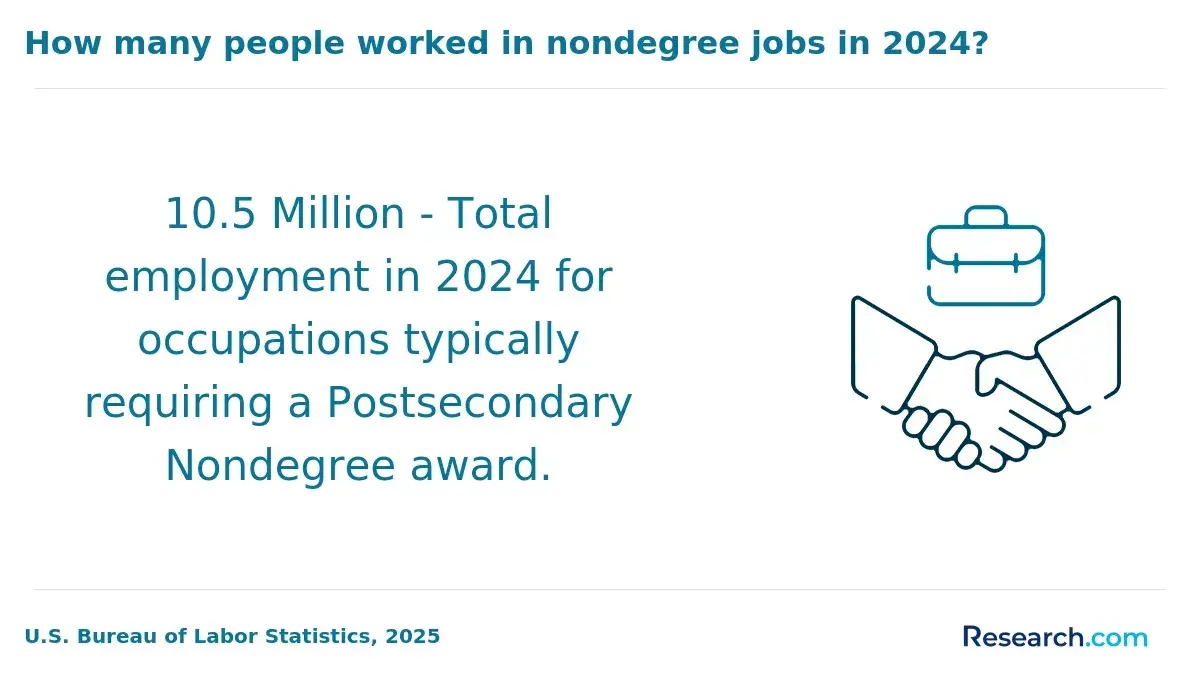
- Unemployment Rates: Nationally, the unemployment rate for college graduates is about 2.5%, while those with professional writing degrees in certain roles often experience rates closer to 1.3%. This gap means professional writing graduates typically enjoy quicker reentry into the workforce and steadier income streams, providing stronger financial stability during career transitions.
- Underemployment Concerns: Beyond formal unemployment, underemployment affects many professional writing graduates who accept roles that don't fully use their expertise. Research reveals underemployment rates in some professional writing markets reach up to 15%. This situation can suppress earnings and hinder financial progress and limit growth by reducing opportunities to build relevant experience. Moreover, it should be weighed alongside unemployment when assessing career risks.
Employment numbers in niche areas like technical or grant writing often shift dramatically year-to-year due to limited sample sizes. Single-year statistics may misrepresent true trends, so evaluating data over several years offers a more accurate picture of enduring employment risks within these specialties.
Lower unemployment rates translate to shorter jobless spells, more consistent wages and benefits, and improved prospects for career advancement thanks to steady employment histories.
Industry sectors, geographic location, and credential levels all influence job market stability for professional writing graduates. Recognizing these variables is crucial when making informed decisions about education and career planning amid ongoing changes in labor demand.
A professional who earned a degree in professional writing shared that landing the first role after graduation was "a difficult, uncertain process" marked by months of submitting applications without feedback. He noted how networking and gaining certifications eventually helped break through barriers.
Reflecting on his experience, he observed, "The formal unemployment rate doesn't capture the frustration of feeling underutilized or stuck in positions that don't challenge my writing skills. Looking back, patience and persistence made a big difference in finding a path aligned with my career goals."
What Professional Writing Specializations Are Most In-Demand Among Employers Right Now?
Employer demand for professional writing specializations is heavily concentrated in select fields shaped by technology advances, regulatory complexities, and persistent skill shortages, rather than evenly distributed across all subspecialties.
Among the top areas with sustained demand are:
- Technical Writing: The rise of sophisticated software, hardware, and biotech drives continuous need for precise documentation such as user manuals and API guides. Industries like engineering and software development especially prize these skills given a scarce supply of qualified practitioners.
- Content Strategy and Digital Marketing: Organizations prioritizing online engagement seek writers adept at combining content creation with SEO and data analytics, fueled by demographic shifts toward mobile-first consumers.
- Regulatory and Compliance Writing: Growing regulations in healthcare, finance, and environment boost demand for professionals who navigate complex legal and compliance texts, offering resilient career prospects.
- Grant and Proposal Writing: Nonprofits, education, and research sectors' competitive funding requires talented writers capable of crafting persuasive grant applications amid evolving funding landscapes.
- Medical and Scientific Writing: Healthcare's expansion and biotechnology innovation heighten demand for communicators who accurately translate research into accessible materials.
- Instructional Design and E-Learning Content: The growth of remote work and online education platforms has increased need for writers specialized in course development and training resources.
These patterns align with broader top professional writing career fields growing opportunities, where specialized knowledge and regulatory or technological drivers create barriers to entry-making generalist writing less competitive. Prospective students should verify these demand cues by consulting salary surveys, workforce reports, and informational interviews in their targeted sectors and regions.
To capitalize on strong employer interest, focused academic paths are essential-encompassing coursework in technical communication, regulatory compliance, digital content, or scientific writing, combined with internships or practicum roles. Earning certifications like Certified Professional Technical Communicator (CPTC) or gaining relevant software skills further reduces unemployment risk.
Those considering related fields might also explore construction management courses for broader career flexibility and market insight.
Which Industries Employing Professional Writing Graduates Offer the Greatest Job Security?
Industries with the strongest, most stable demand for professional writing graduates share traits that shield them from economic swings-such as being essential services, heavily regulated, or chronically short on talent.
These factors fuel steady employment and low layoffs, backed by multi-year growth and promising ten-year projections.
- Healthcare: Essential for patient education, regulatory reports, and clinical trial documentation, this sector's growth is anchored by demographic trends like aging populations. Writers must master medical terminology and privacy rules while typically reporting to communication directors or research leads. Specialized healthcare writing training significantly boosts employability.
- Financial Services: Compliance-heavy and legally scrutinized, this sector demands writers skilled in translating complex financial info into clear communications for diverse stakeholders. Collaboration usually involves compliance officers and analysts, with advanced training in finance, risk management, and regulatory writing being valuable.
- Technology and Software Development: Chronic deficits of technical communicators maintain high demand. Writers create manuals, API docs, and internal knowledge bases, linking developers with end users. Skills in coding basics, UX writing, and familiarity with agile processes enhance job security, often reporting to product or engineering leads.
- Government and Public Administration: Writers here produce policy briefs, reports, and public outreach materials under strict legal and regulatory conditions. Employment is stable thanks to public accountability and mandated documentation. Reporting typically goes to agency communications or program managers, with expertise in legislative language prized.
- Higher Education and Research Institutions: Grant writing, academic publishing, and institutional communications keep this sector's demand consistent amid stable funding. Writers usually coordinate with principal investigators or communications offices. Graduate-level writing skills and subject-area expertise greatly improve job prospects.
Relying entirely on one sector can expose professional writing graduates to risks from regulatory changes or tech disruptions. Building cross-sector skills, such as combining healthcare with tech writing or financial compliance expertise, provides crucial risk mitigation and broader employment options.
Leading employers with strong hiring records and minimal layoffs span major healthcare systems, top financial firms, renowned tech companies, government agencies, and research universities, as identifiable through workforce analytics and employee reviews.
After discussing these trends with a professional who established her career following graduation from a professional writing degree, she reflected on how adaptability was key. "Starting in healthcare writing was daunting," she recalled, "because the terminology and regulatory landscape felt overwhelming at first."
Yet her commitment to continuous learning and seeking mentorship helped her navigate shifting project demands and varied reporting layers. She emphasized how gaining exposure to multiple industries over time, not just deep knowledge in one, was what ultimately provided her with confidence and job security. "It's never just about the writing itself," she concluded, "but understanding the industry context and being willing to pivot when needed."
How Do Government and Public-Sector Professional Writing Roles Compare in Unemployment Risk?
Professional writing degree holders in government and public-sector roles experience notably lower unemployment rates and fewer layoffs compared to their private-sector peers, benefiting from civil service protections and reduced exposure to economic fluctuations.
- Unemployment Rates: Positions in the public sector consistently show reduced unemployment, due in large part to legal safeguards that limit job loss during market instability.
- Layoff Frequency: Economic downturns lead to fewer layoffs for government-employed writers, as budget priorities often preserve essential communications functions.
- Career Tenure: Longer job tenure is common among federal and state government writers-a result of institutional policies that discourage abrupt position eliminations.
- Role Categories:
- Federal Agencies: Communication and policy writing jobs here enjoy strong civil service protection, buffering employees from political changes.
- State and Local Government: Administrative communications and public affairs roles exhibit moderate stability, though local budget limitations can introduce variability.
- Public Universities and Research Institutions: Employment tends to be stable due to diverse funding sources and tenure-like contracts for some staff.
- Quasi-Governmental Organizations: These combine elements of public-sector stability with market, influenced risks, causing layoff rates to fluctuate with funding shifts.
- Layoff and Position Elimination Data: Government writing positions face lower rates of elimination during budget cuts since civil service rules provide a substantial buffer against sudden job loss.
- Compensation Trade-Offs: Although starting salaries in government roles generally trail private-sector wages, public-sector writers benefit from long-term advantages including stable pensions, generous paid leave, and eligibility for public service loan forgiveness programs.
- Financial Security vs. Compensation Upside: For those prioritizing job stability and benefits, government roles offer enhanced financial security despite lower pay. Conversely, writers focused on maximizing income might accept higher unemployment risk within private industry.
- Career Decision Factors: Evaluating personal risk tolerance and financial goals is crucial. Professionals seeking predictability may find public-sector roles more appealing, while others with ambitions for rapid salary growth should weigh the volatility of private employment carefully.
What Role Does Licensure or Certification Play in Protecting Professional Writing Degree Holders From Unemployment?
Licensure and certification assume critical, though distinct, roles in mitigating unemployment risk for holders of professional writing degrees, especially within specialized industries. While most professional writing careers do not legally mandate a license, select fields such as technical communication in regulated sectors like medical, legal, or financial domains often require certifications aligned with strict industry standards.
These mandatory licenses serve as structural barriers to entry, restricting labor supply exclusively to credentialed experts. By limiting substitution with uncredentialed workers, particularly during economic downturns, this controlled supply creates a durable demand floor that cushions licensed professional writing practitioners from spikes in unemployment.
Beyond obligatory licenses, voluntary certifications from respected associations, such as the Society for Technical Communication (STC) and the American Medical Writers Association (AMWA), operate as powerful de facto hiring filters.
Although not required by law, these credentials narrow the applicant pool by signaling advanced competencies and a commitment to industry standards, thereby reducing unemployment risk. Early certification accrual strategically positions candidates ahead of their peers in competitive job markets.
According to recent Bureau of Labor Statistics research, occupations requiring certification or licensure experience an average unemployment rate roughly 25% lower than those without such credentialing, highlighting credentialing's protective influence in professional writing roles tied to regulated industries.
How Does Geographic Location Affect Unemployment Risk for Professional Writing Degree Graduates?
Geographic location significantly influences unemployment risk for professional writing degree graduates. Variations in regional industry makeup, labor market size, and economic resilience shape job stability and availability.
Metropolitan areas with concentrated industry clusters employing professional writing skills, such as healthcare corridors in Boston, government hubs like Washington, D.C., and technology centers including the San Francisco Bay Area and Seattle, exhibit lower unemployment levels than the national average. Strong financial services sectors in states like New York and Charlotte also provide stable roles in corporate communications and investor relations, demonstrating comparatively resilient demand even during downturns.
Regions with less industry diversity, sparse populations, or economies dependent on volatile sectors generally face higher unemployment risk for these graduates due to fewer local opportunities and longer job searches.
Remote work has altered the geographic unemployment risk landscape for professional writing graduates. Approximately 40% of surveyed professional writing job listings have shifted toward hybrid or fully remote roles, enhancing geographic flexibility and reducing unemployment risk for adaptable graduates.
Specializations like technical writing, content strategy, and digital marketing often allow remote or hybrid arrangements. Conversely, roles tied to government agencies or local media often require physical presence, which can increase vulnerability to local economic conditions.
Evaluating whether a targeted professional writing career is compatible with remote work is an important risk management strategy. Graduates should conduct detailed geographic labor market analyses using BLS metropolitan employment data, LinkedIn job posting geographies, and regional wage reports.
This approach helps identify areas offering the lowest unemployment risk for professional writing graduates by region, enabling informed decisions on staying put, relocating to high-demand markets, or pursuing remote-eligible roles-balancing personal preferences and employment stability.
For those considering graduate education and credentialing to further reduce unemployment exposure, exploring options like the best MBA programs without GMAT can complement professional writing specialization by broadening career pathways in communications, marketing, and management roles tied to stable industry sectors.
Which Professional Writing Careers Are Most Vulnerable to Automation and Technological Disruption?
Assessing automation vulnerability in professional writing careers in the United States requires detailed analysis rooted in frameworks from McKinsey Global Institute, Oxford Martin School, and MIT's Work of the Future. Roles dominated by repetitive, rule-bound tasks face the highest risk of displacement by artificial intelligence, machine learning, and robotic process automation.
These technologies excel at pattern recognition, bulk document processing, and template-based text generation, placing certain professional writing functions at elevated risk amid the current wave of technological disruption impacting job security.
- Technical Documentation Specialists: These professionals produce standardized manuals, instructions, and regulatory reports where pre-defined language and formatting rules prevail. Automation can replace routine drafting and editing, although AI might supplement workflows by accelerating initial drafts and spotting inconsistencies.
- Content Moderators and Compliance Writers: Those responsible for sifting through large volumes of user-generated content or regulatory materials face high automation exposure-tools can perform bulk screening, flag issues, and auto-generate routine compliance communications with limited human oversight.
- Copy Editors for Standardized Content: Editors focused on grammar, formatting, and consistency checks in formulaic texts encounter growing automation risk, as AI-driven language models increasingly outperform humans in speed and accuracy for low-complexity reviews.
- Marketing Content Generators for Basic Messaging: Entry-level practitioners producing repetitive promotional blurbs or product descriptions from structured data confront substantial displacement risk by AI natural language generation systems that produce high volumes of content rapidly.
Conversely, professional writing roles emphasizing creative originality, ethical oversight, high domain expertise, and complex interpersonal judgment remain less vulnerable. Functions such as strategic communication planning, investigative journalism, and specialized grant writing demand nuanced audience understanding and problem-solving beyond AI's current capabilities. Automation in these areas is more likely to augment rather than replace human labor.
Those planning careers in professional writing fields with the highest automation vulnerability should anticipate mid-career transitions as evolving technologies reshape job requirements. Building skills in human judgment, ethical decision-making, and managing AI-assisted tools will position practitioners as essential collaborators rather than displaced workers.
Maintaining awareness of labor market trends and cultivating transferable competencies is crucial for long-term employment resilience amid technological disruption.
Interpreting automation risk data requires nuance. These scores serve as probabilistic estimates rather than certainties. The actual pace and extent of automation adoption depend on employer investments, regulatory environments, technology maturity, and regional labor costs, which vary widely.
Students and professionals evaluating career options should consider the protective role of advanced credentials, including graduate education. For example, pursuing an online masters in history or related fields can enhance expertise and adaptability, reducing vulnerability.
How Does a Graduate Degree Reduce Unemployment Risk for Professional Writing Degree Holders?
Advanced degrees markedly decrease unemployment risk for professional writing graduates by granting access to stable, specialized roles with fewer applicants.
Data from Georgetown University's Center on Education and the Workforce and BLS reveal unemployment rates up to 50% lower for those with graduate credentials compared to bachelor's degree holders. These advanced degrees also correspond to a 20% to 40% salary premium, demonstrating enhanced job security and higher lifetime earnings.
- Degree Type Impact: Professional master's degrees tied to licensure-such as clinical, legal, or engineering programs-bestow eligibility for regulated careers with steady demand and limited labor competition.
- Research Degrees: Research-focused master's and doctoral tracks prepare graduates for senior practitioner or academic roles, which feature restricted entry pathways and correspondingly lower unemployment.
- MBA Programs: MBAs enable professional writing graduates to break through earnings and leadership ceilings common in technical positions, fostering greater career durability.
- Investment Calculus: Evaluating graduate education requires detailed assessment of cost versus benefit.
- Cost: Tuition varies widely, typically between $20,000 and over $60,000 annually.
- Duration: Degree programs generally last one to three years, impacting income through lost work time.
- Opportunity Cost: Expenses and foregone wages must be balanced against likely gains in salary and employment stability.
- Alternative Strategies: Some professionals achieve comparable employment resilience without graduate degrees by pursuing certification, targeting employers strategically, relocating to high-demand regions, or specializing in niche writing fields.
What Entry-Level Professional Writing Career Paths Offer the Fastest Route to Long-Term Job Stability?
Entry-level professional writing roles that foster long-term career stability typically feature structured advancement routes, strong employer loyalty, and valuable skillset development that employers across sectors recognize. Data from NACE, LinkedIn alumni pathways, and BLS research highlight several positions offering durable career foundations rather than dead-end jobs.
- Technical Writer: Found primarily in tech, engineering, and pharmaceutical industries, technical writing positions benefit from well-defined promotion ladders and high retention. New professionals spend 2-4 years acquiring domain expertise and mastering regulatory compliance. Advancement often leads to senior roles such as documentation manager or content strategist. Credentials and technical skills bolster both job security and flexibility across industries.
- Content Strategist: This role blends writing with digital marketing and UX insights, often within agencies or large firms promoting internal growth. Early career spans about 1-3 years before moving into senior strategist or editorial leadership. Content strategists develop credentials transferrable across fields, which helps build employment resilience.
- Corporate Communications Specialist: Typically situated in HR or PR departments, these roles emphasize internal promotion and long-term retention. Building expertise over 3-5 years in crisis management, employee engagement, and media relations supports upward mobility. Positions in metropolitan areas with concentrated headquarters usually offer stronger job stability and growth.
- Grant Writer: Though sometimes project-based, grant writing in nonprofits and educational institutions provides sustained roles with high retention. Early career stages involve 2-4 years developing proposal expertise and funder networks. Progression can lead to senior grant writer or development director roles, leveraging specialized knowledge and sector relationships.
Choosing employers with robust promotion cultures and working in geographic regions less affected by automation enhances career longevity. Entry-level opportunities combining specialized skills with reputable employers form the strongest base for enduring career resilience over a decade or more.
What Graduates Say About the Professional Writing Degree Careers With the Lowest Unemployment Risk
- Alejandro : "One of the best insights I gained from the professional writing degree is that specializing in technical writing, especially within STEM industries, dramatically lowers unemployment risk across all career stages. Working in technology hubs like Silicon Valley gave me exposure to cutting-edge projects and steady demand. Also, pursuing certifications such as the Certified Professional Technical Communicator allowed me to secure mid-career roles with confidence."
- Mariz: "Reflecting on my journey, I realized that focusing on healthcare communications opened doors in an industry that values clear, compliant writing more than most. Geographic flexibility was another game changer. Positions in metropolitan areas with large hospital networks tend to offer the most stability. Early on, earning credentials through healthcare-specific writing programs helped me stand out and reduced my chances of unemployment."
- Lara: "From a professional standpoint, entering grant and proposal writing within the nonprofit sector provided an unexpectedly resilient career path, especially during economic shifts. I found that mid-career professionals who pursue advanced certifications in grant writing face far less risk of job loss. Lastly, cultivating a network in government contracting markets greatly enhanced my job security at senior practitioner levels."
Other Things You Should Know About Professional Writing Degrees
The 10-year employment outlook for professional writing careers with the lowest unemployment risk shows steady growth, especially in technical writing, content strategy, and digital communications roles. These sectors benefit from increasing demand as businesses prioritize clear, accessible documentation and digital content. Automation impacts routine writing tasks but cannot easily replace the complex communication skills required in these specializations.
Mid-career demand is highest for professional writers who specialize in technical writing, grant writing, and user experience (UX) writing. These roles require both domain expertise and advanced communication abilities, which become highly valued as professionals gain experience. Their specialized skill sets tend to reduce unemployment risk by aligning with industries that invest heavily in ongoing documentation and user support.
Freelance and self-employment options provide flexibility but often increase unemployment risk due to inconsistent client demand and competition. Professional writing graduates successful in freelance work typically build strong portfolios, networks, and niche expertise. However, without stable contracts, income can fluctuate, and market changes may quickly affect job security in self-employed roles.
In 2027, technical writing and content strategy roles are among the most stable professional writing careers. The continued expansion of technology and digital media demands these skills, ensuring resilient job opportunities for graduates in these areas.
References
- Want a Job After Graduation? Majors to Avoid & Ones to Pursue | Edvisors https://www.edvisors.com/blog/majors-by-unemployment-rate/
- 15 Writing Skills That Lead to High-Paying Jobs in 2025 https://thecontentwritingcraft.com/writing-skills/
- Industries and Professions Using Writing https://blog.nobledesktop.com/learn/writing/writing-industries-and-professions
- College majors with the best and worst job prospects — art history beats finance https://www.cnbc.com/2025/05/16/college-majors-with-the-best-and-worst-employment-prospects.html
- Difference Between Licensure vs. Certification | University of Bridgeport https://www.bridgeport.edu/news/designing-your-career-path-licensure-vs-certification/
- These college majors have the highest earning potential and lowest unemployment rates, study finds https://www.cbsnews.com/news/college-majors-unemployment-rate-wage/
- 11 Career Paths You Can Pursue with a Master's In Writing https://www.pointloma.edu/resources/education/11-career-paths-you-can-pursue-masters-writing
- The 65 Jobs With the Lowest Risk of Automation by Artificial Intelligence and Robots - USCI https://www.uscareerinstitute.edu/blog/65-jobs-with-the-lowest-risk-of-automation-by-ai-and-robots


