
2027 Professional Writing Degree vs Bootcamp vs Certificate: Which Path Leads to Better Career Outcomes?

Co-Founder and Chief Data Scientist
Choosing among a professional writing degree, bootcamp, or certificate can be daunting when considering career outcomes-especially salary prospects, employer acceptance, and long-term growth. For example, graduates with a professional writing degree report a median starting salary 15% higher than those with bootcamp credentials, reflecting employer preferences for formal education. However, bootcamps often offer faster job placement and lower costs, appealing to adult learners seeking quick transitions. This article examines salary data, credential value, job placement rates, return on investment, networking benefits, and career trajectories across these pathways, providing a data-driven guide tailored to diverse learner profiles and career goals.
Key Things to Know About Which Path Leads to Better Career Outcomes: Professional Writing Degree, Bootcamp, or Certificate
- Professional writing degree holders often earn 15-25% higher salaries than bootcamp or certificate completers due to comprehensive skill development favored by employers.
- Bootcamps offer rapid job placement-up to 80% within six months-but may lack networking benefits and long-term career growth compared to degrees.
- Certificates provide affordable, flexible learning-ideal for adult learners-yet typically yield lower return on investment and limited advancement in competitive writing fields.
How Does Professional Writing Degree Compare to Bootcamps and Certificates in Total Program Cost and Time to Completion?
Prospective students aiming for a career in professional writing face a genuine choice between investing multiple years and tens of thousands of dollars in a traditional degree or pursuing faster, lower-cost alternatives such as bootcamps or certificates-neither path automatically suits every learner. Each pathway offers different benefits and trade-offs in cost, duration, and career outcomes.
Typically offered as bachelor's or associate degrees, these require two to four years of full-time study. According to the National Center for Education Statistics and the Integrated Postsecondary Education Data System, a four-year degree in communication or writing-related fields can cost $20,000 at public institutions (in-state tuition) and exceed $100,000 at private universities. Part-time options extend time but may ease financial burdens. This comprehensive education covers writing theory, literature, and technical skills over multiple years.
Usually lasting 8 to 26 weeks, writing bootcamps focus on practical skills like digital content creation, copywriting, or technical writing. Review platforms such as SwitchUp and Course Report report average tuition between $3,000 and $12,000. These accelerated programs offer a rapid path to workforce entry, though they often lack the academic prestige of degrees.
Offered by platforms including Coursera, Google, and recognized industry associations, certificates can be self-paced or instructor-led. Completion ranges from weeks to months, with costs typically ranging from under $300 to $2,000. These programs specialize in targeted skill development and can complement existing education or experience.
While these cost comparison of professional writing degree versus bootcamp factors and time to completion for professional writing certificates and degrees help clarify financial and temporal commitments, they do not fully capture employer recognition, salary outcomes, job placement rates, networking access, or long-term career advancement potential. These aspects are explored further throughout the article to guide readers in choosing the pathway best aligned with their professional goals and life circumstances.
For readers interested in accelerated doctorate options after degree completion, exploring EdD online programs can provide additional insights into efficient advanced degree pathways.
What Career Outcomes Can Professional Writing Degree Graduates Expect Compared to Bootcamp and Certificate Completers?
Labor market data from the Bureau of Labor Statistics (BLS), the NACE Early Career Salary Survey, and Course Report's bootcamp outcomes offer valuable insights into career trajectories for professional writing degree holders compared with bootcamp and certificate completers.
- Employment Rate Within Six Months: Degree graduates generally experience employment rates between 75% and 85%, while bootcamp completers report a wider, more variable range of 60% to 80%, often based on self-reported data that may include selective disclosure. Certificate holders tend to have employment rates near those of bootcamp participants but benefit more when paired with degrees.
- Median Starting Salary: Those holding professional writing degrees typically start with a median salary around $50,000 annually, according to NACE data. Bootcamp graduates report median starting salaries ranging from $40,000 to $45,000, depending heavily on location and industry, with certificate holders usually earning near or just below these figures. Prior experience can elevate salary outcomes among certificate holders.
- Job Title Level at First Placement: Professional writing graduates often enter roles such as content writer, communications specialist, or junior editor, while bootcamp completers are likelier to begin in associate or assistant writing positions within digital content or marketing teams. Certificates demonstrate foundational skills but rarely replace degrees for higher-level entry.
- Competitive Advantage and Field Dependence: The gap between degree and non-degree pathways is narrowing in parts of the field as employers shift focus toward skills and portfolios. Yet, degrees still offer advantages in traditional corporate and publishing environments-enhancing networking and credibility.
- Data Reliability Considerations: Many bootcamp and certificate outcomes are self-reported and vulnerable to survivorship bias. Candidates are advised to seek outcomes verified by third parties such as the Council on Integrity in Results Reporting (CIRR) to ensure transparency.
- Contextual Factors Influencing Outcomes: Career success depends not only on credentials but also on portfolio quality, geographic market conditions, networking access, and the target industry-revealing that credential type forms just one piece of a complex career puzzle.
Recent high school graduates, working professionals, and adult learners exploring professional writing pathways should consider these nuances carefully. For instance, those interested in complementing their credentials with practical skills may also explore the fastest psychology degree programs online, illustrating the value of accelerated options in related fields for career flexibility and advancement.
Which Professional Writing Pathway - Degree, Bootcamp, or Certificate - Offers the Highest Starting Salary for Graduates?
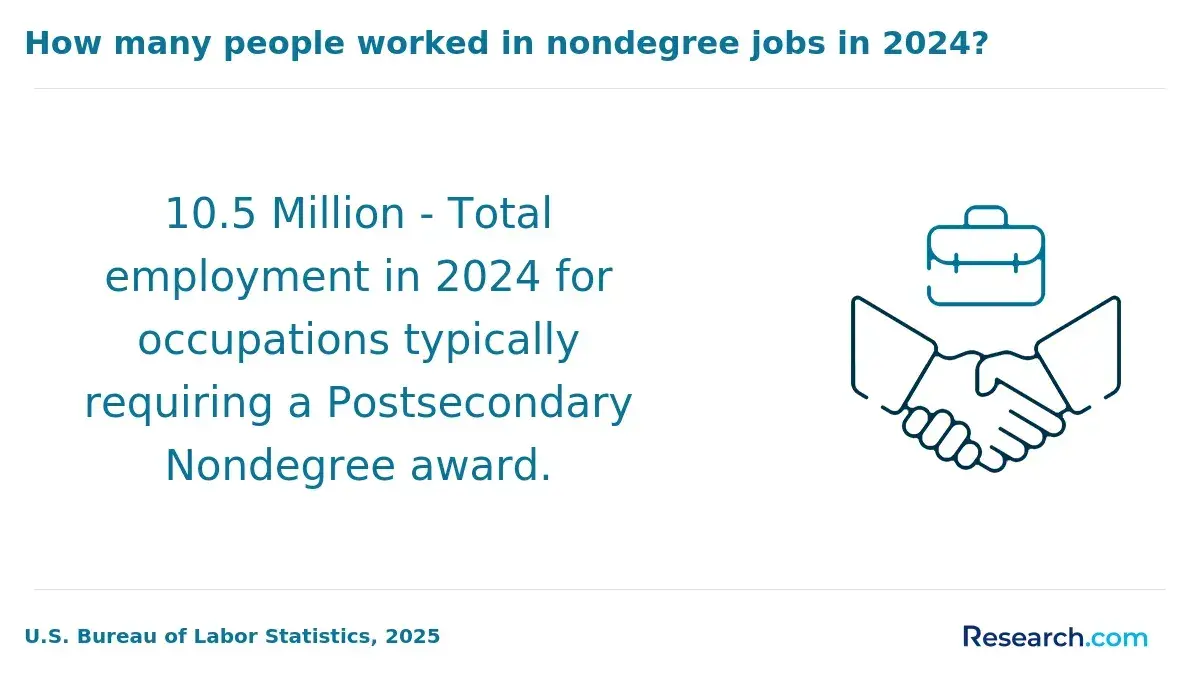
Entry-level salaries for professional writing graduates vary by credential, with degree holders generally earning the highest starting pay. Data from sources like the BLS, NACE, LinkedIn Salary Insights, and Glassdoor show that bachelor's degree graduates typically start between $45,000 and $55,000, progressing to mid-career salaries near $65,000-$75,000. Bootcamp completers often earn slightly less at $40,000 to $50,000, benefiting from practical skills suited to startups and digital agencies but facing a narrower employer range. Certificate holders usually begin around $40,000, using credentials mainly to enhance skills or shift careers, but salaries vary widely depending on sector and job type.
- Employer Type: Large enterprises favor formal degrees, offering higher starting wages and clearer paths for advancement, while startups prioritize demonstrated skills, benefiting bootcamp and certificate holders.
- Industry Sector: Fields like technical writing, healthcare communication, and finance heavily value degrees, whereas creative writing and content marketing are more open to alternative credentials.
- Job Title Specificity: Pay scales differ substantially across roles-such as UX writing, grant writing, or copyediting-each with unique credential expectations.
- Geographic Market: Urban and tech hubs typically deliver higher salaries but also demand stronger educational backgrounds for competitive roles.
While bootcamp and certificate graduates can enter the workforce at competitive salaries, degree holders often advance faster into senior or specialized roles due to credential requirements for promotion. This results in steeper salary growth over time for degree holders. However, median salary figures mask individual variation influenced by prior experience, program quality, specialization, and geographic flexibility. For nuanced financial insights, consult the ROI section of this guide.
Reflecting on his experience, a professional writing degree graduate shared that balancing coursework and job hunting was challenging but rewarding. "The program helped me build critical thinking and research skills that employers immediately recognized," he noted. Despite tough competition, he found that the degree opened doors in traditional publishing-something he felt might have been harder to achieve through alternative routes. His journey emphasized that while starting salaries matter, gaining access to diverse career opportunities through formal education proved invaluable.
How Do Employers Actually Evaluate Professional Writing Credentials: Does a Degree Still Outrank a Bootcamp or Certificate?
Employers show varied preferences for professional writing credentials depending on industry and role, with traditional degrees often maintaining prominence. Large corporations, government bodies, and highly regulated sectors generally require formal degrees-valuing the deep academic foundation and regulatory compliance these credentials signal. These employers tend to favor degree holders for mid- to senior-level writing positions that demand accountability and specialized knowledge.
Conversely, startups, consulting firms, and technology companies increasingly recognize bootcamps and certificates, especially when applicants showcase strong portfolios and relevant experience. These employers emphasize tangible skills and project success, sometimes prioritizing those over formal credentials. This shift aligns with broader trends in employer preferences for professional writing degree versus bootcamp qualifications across emerging fields.
Skills-based hiring initiatives, promoted by major tech firms and some government agencies, aim to expand opportunities beyond degree holders. However, outcome data reveals these efforts have not fully displaced credential preferences-degrees still provide a significant edge where roles require interdisciplinary expertise or theoretical rigor.
The value of credentials also varies by sector. Fields like academic publishing and government communications retain strong degree preferences, while digital content creation and UX writing prioritize portfolios and targeted certificates. Non-degree candidates often improve their prospects by blending credentials with ongoing skill development and professional networking.
Those considering different education pathways for a career in professional writing might also explore options like the cheapest online doctorate in organizational leadership, which can complement writing expertise with leadership skills beneficial in certain sectors.
What Are the Admission Requirements and Academic Barriers for Professional Writing Degree Programs Versus Bootcamps and Certificates?
Accredited professional writing degree programs typically mandate a minimum GPA, often between 2.5 and 3.0, to demonstrate academic preparedness. Bootcamps and certificate programs usually have no GPA thresholds, reflecting their open-access philosophy. Other requirements also include:
- Prerequisite Coursework: Degree applicants frequently need prior classes in English, communication, or writing fundamentals, ensuring readiness for advanced study. In contrast, bootcamps and certificates rarely require any prior coursework, making them accessible to learners with varied academic backgrounds.
- Standardized Tests: Professional writing degrees may still consider SAT or ACT scores, though many schools have relaxed this in recent years. Bootcamps and certificates generally exclude standardized testing from admission, streamlining enrollment processes.
- Letters of Recommendation and Personal Statements: Degree programs often request these to evaluate candidates' motivation and fit, adding an additional hurdle. Bootcamps and certificates tend to rely on simpler applications, focused on basic information or statements of interest.
- Application Timelines: Degree admissions follow conventional academic calendars requiring early submissions, while bootcamps and certificates offer rolling or open enrollment, enabling faster starts.
This selectivity in degree programs acts as a quality filter that employers may trust but can also create barriers for non-traditional students. Conversely, the low entry requirements of bootcamps and certificates expand access for career changers, working adults, and those facing geographic or financial constraints. They must instead prove value through demonstrable outcomes, instructional quality, curriculum rigor, and formal accreditation.
Evaluating one's academic background and life circumstances is crucial when deciding if the hurdles of degree admissions represent valuable qualifications or structural obstacles. A professional who built her career after completing a professional writing degree shared how navigating the lengthy application process-including meeting GPA criteria and securing recommendation letters-felt daunting but ultimately rewarding. She appreciated the confidence her degree conveyed to employers but also acknowledged that the process wasn't feasible for everyone, highlighting why alternative programs serve important access and career entry roles.
How Does Curriculum Depth Differ Between a Professional Writing Degree, a Bootcamp, and a Certificate Program?
Professional Writing degree programs typically span four years, combining extensive general education courses with specialized major content. General education builds essential skills in critical thinking, communication, and cultural literacy. Core coursework dives into diverse writing theories, genres, rhetoric, editing, and digital communication techniques. Electives provide opportunities to explore niches such as technical writing or creative nonfiction.
Many degrees include research projects, capstones, or thesis work, cultivating analytical skills and independent inquiry. This broad academic scope supports long-term career flexibility but often delays entry into the workforce compared to shorter pathways.
Bootcamps adopt a condensed, immersive format centered on practical, project-based learning that aims to rapidly develop job-ready skills within a few months. Curriculum emphasizes applied writing tasks like content creation, copywriting, and digital marketing, aligning closely with current employer demands.
Theoretical instruction is streamlined to essentials that support immediate application, prioritizing portfolio development and hands-on experience. While efficient for quick skill acquisition, bootcamps typically do not cover deeper theory, research methodologies, or a broad spectrum of writing disciplines, which may limit adaptability in evolving career paths.
Certificates vary widely in scope and level:
- Entry-level certificates, offered by providers like Google or Coursera, target beginners seeking foundational, role-specific writing or communication skills, often connected to adjacent professions like technical support or marketing.
- Advanced professional certifications from industry organizations validate expertise in specialized writing domains and frequently require examinations or demonstrated project success.
These programs deliver focused, concise knowledge blends of theory and practical skills but lack the comprehensive depth of degree curricula. Their market value depends on prior experience, employer preferences, and intended job roles.
Which Professional Writing Path Produces the Fastest Return on Investment: Degree, Bootcamp, or Certificate?
Calculating the return on investment (ROI) for professional writing pathways requires combining direct program costs with the often-overlooked opportunity cost-the salary lost while studying instead of working. Degree programs typically span two to four years, meaning their total cost includes tuition, fees, materials, and the income forgone during this time. Bootcamps and certificate programs, with shorter durations from weeks to months, reduce opportunity costs and thus often provide faster financial returns. This dynamic significantly shapes the true ROI comparison.
- Recent High School Graduate: With no prior income lost during study, the degree path's opportunity cost is relatively lower. Over a ten-year horizon, the higher salary premiums associated with degrees often outweigh the shorter-term benefits of bootcamps or certificates, which lead to quicker but smaller salary increases.
- Mid-Career Professional Leaving a $50,000/Year Job: This learner faces substantial salary loss during multi-year degree study, heavily impacting ROI negatively. In contrast, bootcamps and certificates enable rapid retraining and faster salary gains, resulting in higher five-year ROI and swifter career recovery.
- Part-Time Learner Maintaining Employment: Keeping income during study greatly reduces opportunity cost, narrowing ROI differences across all pathways. Here, factors like employer credential recognition, curriculum depth, and personal goals tend to guide pathway choice more than pure financial metrics.
These scenarios-based on tuition data from the National Center for Education Statistics, salary benchmarks from the National Association of Colleges and Employers, and outcomes from bootcamp reports-demonstrate that ROI depends more on individual circumstances than credential alone. While shorter programs offer fast returns, degrees can provide vital credentialing, specialized knowledge, and career advancement often key to long-term success in professional writing fields.
How Do Professional Writing Bootcamps and Certificate Programs Compare to Degree Programs on Job Placement Rates?
Job placement data for professional writing degree programs, bootcamps, and certificate programs varies substantially in definition and reliability, requiring careful scrutiny. Degree programs typically source placement data from institutional career services and national surveys like IPEDS graduate outcomes, which focus on employment closely aligned with the major. These figures usually benefit from independent audits, offering a more transparent baseline-although they often track employment across a longer time frame to accommodate graduates' job searches.
- Bootcamp Data: Professional writing bootcamp job placement rates are often self-reported through graduate surveys, showing high numbers-sometimes over 80% or 90%. Yet, unless audited by third parties such as CIRR, these statistics may lack external verification. Bootcamps may also consider employment in broadly related fields like marketing or content creation as successful placement, which can inflate comparisons with degree programs.
- Certificate Program Figures: Compared to degrees and bootcamps, certificate program outcomes vary widely. Their placement statistics are less frequently audited and may include a mix of related and unrelated job roles, reflecting their appeal to career changers and working professionals. Evaluating certificate programs requires understanding learner goals and prior experience, as they often supplement rather than replace formal education.
- Evaluating Reporting Methods: Critical assessment of job placement claims involves asking programs for detailed data broken down by role type, salary range, and time-to-placement. What constitutes "placement" matters greatly-is it full-time, contract, or freelance? Are salary details available? Without such transparency, headline figures risk misrepresenting true outcomes.
- Career Services Impact: The strength of career support-including employer partnerships, resume coaching, mock interviews, and alumni networks-strongly drives placement success in all pathways. Prospective students should value programs with robust, ongoing career services as much as reported placement percentages.
- Benchmarking Outcomes: Industry averages for professional writing roles provide essential context for evaluating program claims. Degree programs tend to offer steadier, longer-term employment due to extensive curricula and credential recognition, while bootcamps and certificates may enable quicker workforce entry but with greater variability in roles and pay. For those considering accelerated online MFT programs or similar intensive paths, understanding these nuances helps set realistic expectations.
Recent high school graduates and working professionals weighing certificate programs versus degree job placement outcomes can benefit by examining the distinctions above to identify the best fit for their career goals.
What Role Does Networking and Alumni Access Play in Professional Writing Degree Programs Versus Bootcamps and Certificates?
Networking and alumni access play a crucial role in shaping career trajectories in professional writing-often providing advantages that surpass formal education alone. Each educational pathway offers distinct networking benefits that differ in accessibility, scale, and longevity.
- Degree Programs: These usually provide the most comprehensive networking infrastructure, including active alumni associations, career fairs, and strong connections through faculty advisors. Affiliations with Greek organizations or professional societies further enhance engagement opportunities. Additionally, large institutions often cultivate extensive employer partnerships, boosting graduate hiring prospects. The prestige and geographic reach of the degree-granting university heavily influence the network's breadth and power-graduates from highly regarded schools enjoy wider, more influential contacts that facilitate senior-level career growth and open doors beyond initial job placement.
- Bootcamps: While their alumni networks are smaller and newer than those of traditional degree programs, bootcamps focus heavily on cohort-based learning, fostering tight peer relationships. Some well-established bootcamps have developed strong alumni referral cultures and targeted employer pipelines, especially in technology-adjacent professional writing areas. These networks tend to be more regional or niche-specific but provide valuable targeted support for early-career professionals navigating the job market.
- Certificate Programs: Providers like Google Career Certificates and Salesforce Trailhead offer growing community features such as peer forums and mentorship opportunities. However, these networks are typically less formalized and provide fewer direct connections to hiring managers or career development resources than degree or bootcamp programs. While useful for skills validation and entry employment, certificate program networks generally lack the robust long-term growth resources that enhance career advancement.
Integrating professional writing degree networking advantages with bootcamp versus certificate alumni network benefits highlights how learners must consider their career stage and goals carefully. For more on career possibilities tied to various educational paths, including professional writing, see jobs with elementary education and environmental science degree.
How Does Geographic Location Affect Which Professional Writing Pathway - Degree, Bootcamp, or Certificate - Leads to Better Outcomes?
Geographic location plays a crucial role in shaping the career success of professional writing graduates, especially when contrasting degree programs with bootcamps and certificate courses. In large urban hubs such as San Francisco, New York, and Seattle, the dense concentration of tech and business employers creates fertile ground for bootcamp and certificate graduates, largely because many bootcamps are headquartered in these cities and maintain close employer connections. Graduates who remain within these local networks typically see higher job placement rates, while those who move away often face reduced opportunities due to less employer familiarity.
Degree holders enjoy more consistent employment outcomes across different regions, benefiting from broader academic recognition and stronger long-term career prospects. In mid-sized regional markets-where employer density and awareness of non-degree credentials fluctuate-bootcamps and certificate programs usually provide modest placement advantages, while degrees still hold more sway with hiring managers.
Rural and smaller labor markets tend to favor degree qualifications more strongly, as these areas have limited employer recognition of bootcamp or certificate credentials, resulting in fewer opportunities for non-degree holders. However, the expansion of remote work has helped bridge some of these gaps by enabling graduates-regardless of pathway-to compete for high-salary positions set by metropolitan standards. This wider candidate pool, though, increases competition, often narrowing placement chances for those relying on local employer relationships.
Recent findings from Course Report reveal that nearly 70% of bootcamp graduates secure employment within six months in metropolitan regions-underscoring how crucial geographic ties are to bootcamp success.
What Do Professional Writing Industry Professionals and Hiring Managers Actually Prefer When Reviewing Resumes?
Large enterprises and government agencies often require bachelor's or higher degrees in professional writing or related fields as strict initial filters. This practice aligns with longstanding credential verification and compliance standards. Although some have publicly removed degree mandates since 2020, hiring data shows degrees still largely dominate new employee profiles in these sectors.
Employers in startups and agencies emphasize skills over formal credentials, focusing on portfolios, technical assessments, and tangible writing results. Bootcamp graduates and certificate holders have gained notable acceptance, reflecting a trend toward skills-first hiring accelerated by disruptions in traditional education pathways.
Despite high-profile declarations dropping degree requirements, many formal hiring processes continue to use degrees as default screening tools, especially within larger firms. However, smaller and mid-sized companies, particularly those hiring for digital content, marketing communication, or technical writing roles, see an increase in non-degree hires.
Candidates should go beyond posted job listings. Conducting informational interviews with hiring managers reveals actual hiring practices, while examining LinkedIn profiles of recent hires provides concrete data on credential mixes that succeed in specific companies. This approach uncovers realistic expectations beyond promotional job ads.
What Graduates Say About Which Path Leads to Better Career Outcomes: Professional Writing Degree, Bootcamp, or Certificate
- Jason: "Choosing the professional writing degree opened doors I didn't expect-with its strong industry reputation, employers often recognized it as a mark of serious commitment. While bootcamps offer speedy skill acquisition, the degree provided a significant salary boost and a broader network that proved invaluable for long-term career growth. For those willing to invest time upfront and looking for solid return on investment, this path definitely stands out."
- Camilo: "The bootcamp experience was a fast track that worked well for my learning style-I needed practical skills quickly without the hefty time commitment of a degree. Job placement rates for bootcamp graduates are impressive, and many employers appreciate the focused training, especially in today's fast-changing market. For career changers or those balancing work and study, I'd say the bootcamp pathway fits best and still offers decent long-term growth opportunities."
- Alexander: "Going for the professional writing certificate struck a great balance for me-it's affordable and respected enough to open conversations with employers while avoiding a long-term commitment. I found the credential particularly beneficial for early career professionals aiming to boost credentials without delays, and the networking options, while more limited than a degree, were surprisingly supportive. If you want to enhance your resume quickly and weigh cost-effectiveness, the certificate is a solid choice."
Other Things You Should Know About Professional Writing Degrees
In 2027, a professional writing degree can offer comprehensive training and networking, which may support long-term growth. Bootcamps and certificates can boost specific skills for immediate roles but may lack depth, potentially influencing career trajectory and advancement pace.
In a recession or tight labor market, professional writing degrees tend to offer more stability due to their comprehensive nature and formal recognition. Bootcamps and certificates, while offering quicker entry into the workforce, may not provide the same level of job security without the depth and network a degree offers.
Professional writing degrees are typically issued by accredited colleges and universities, providing widely recognized legitimacy across industries. Bootcamps and certificate programs vary significantly in accreditation-many are non-accredited or industry-specific-that can affect employer perception. Prospective students should verify the accreditation status and reputation of non-degree programs to ensure employer acceptance and credential validity.
References
- College vs. Bootcamp: Which Learning Model to Choose - tripleten.com/blog https://tripleten.com/blog/posts/college-vs-bootcamp-which-learning-model-to-choose
- How to Maximize the Impact of Alumni Networks https://www.careeros.com/resources/how-to-maximize-the-impact-of-alumni-networks
- CourseCareers https://coursecareers.com/blog-posts/online-courses-vs-bootcamps-vs-college-which-path-gets-you-job-ready-faster-in-2026
- Do hiring managers look at professional summary's ... | Fishbowl https://www.fishbowlapp.com/post/do-hiring-managers-look-at-professional-summarys-on-resumes
- 8 careers you can have with a professional writing degree - SMWC https://www.smwc.edu/8-careers-you-can-have-with-a-professional-writing-degree-blog-apr-21/
- How a Strong Alumni Network Can Benefit Students https://www.pacificu.edu/blog/how-strong-alumni-network-can-benefit-students
- Computer Science Degree vs Bootcamp - Which Path Actually Gets You Hired? https://mentorcruise.com/blog/computer-science-degree-vs-bootcamp-which-path-actually-gets-you-hired-fb4a2/
- Home https://www.husson.edu/online/blog/2025/10/benefits-of-alumni-networks
- The 6 Best Technical Writing Certifications https://mastertcloc.unistra.fr/2023/01/19/technical-writing-certifications/
- The Main Difference Between BootCamps and Courses | Sprints https://sprints.ai/en/blog/The-Main-Difference-Between-BootCamps-and-Courses


