
2027 Part-Time vs. Full-Time Professional Writing Degree Programs

Co-Founder and Chief Data Scientist
Choosing between part-time and full-time professional writing degree programs can be challenging for students juggling work, finances, and academic ambitions. Recent data shows that nearly 40% of professional writing students opt for part-time study due to flexible schedules, highlighting the demand for adaptable learning options within this discipline.
This article will clarify the key differences between part-time and full-time professional writing programs, focusing on workload, time commitment, and career implications. Understanding these factors helps prospective students select the format that best aligns with their personal and professional goals.
Key Benefits of Part-Time vs. Full-Time Professional Writing Degree Programs
- Part-time programs allow students to balance work and study, enabling steady income while advancing academic credentials in professional writing.
- Extended duration in part-time study supports deeper skill development and portfolio building, critical for competitive writing careers.
- Lower immediate tuition costs spread over time in part-time programs improve financial planning compared to full-time enrollment.
How Are Part-Time Professional Writing Programs Structured Compared to Full-Time Programs?
Choosing between part-time and full-time professional writing programs requires understanding how each format's structure impacts the pace of learning and overall academic experience. Scheduling differences in these programs can influence a student's ability to balance coursework with other responsibilities, shaping their success in the field.
Part-Time Program
- Course Load: Typically one to two courses per semester, reducing weekly academic demands.
- Weekly Time Commitment: Around 10 to 15 hours dedicated to coursework and assignments.
- Scheduling Flexibility: Offers evening, weekend, or online classes to accommodate work and personal obligations.
- Format Suitability: Well-suited for students needing balance and flexibility in their studies.
Full-Time Program
- Course Load: Usually enrolls students in three to five courses per term for an intensive focus.
- Weekly Time Commitment: Approximately 30 to 40 hours spent on classes and assignments each week.
- Scheduling Flexibility: Follows a more conventional daytime schedule with fewer online options, though this is evolving.
- Learning Pace: Features a faster curriculum progression with more frequent deadlines.
These differences in part-time professional writing degree formats highlight critical considerations for students planning their educational path. For those aiming to maintain employment while studying, part-time programs provide essential adaptability. However, full-time programs offer deeper immersion, potentially accelerating career entry in fields linked to most employable college majors.
How Long Does It Take to Earn a Part-Time vs Full-Time Professional Writing Degree?
Understanding the typical duration of professional writing degree programs is essential for students planning their academic and career timelines. The time to earn a professional writing degree varies significantly based on enrollment status, course load, and program structures. Deciding between part-time vs full-time professional writing degree duration can impact how quickly students finish their studies and enter the workforce.
- Full-time: Usually completed in about four years for a bachelor's degree, though accelerated programs may shorten this to three years or less. Students typically take 12 to 15 credit hours per semester to maintain steady progress.
- Part-time: Generally extends to five or more years, as students enroll in six to nine credit hours per semester. This format offers flexibility for those balancing work or personal commitments.
- Acceleration factors: Transfer credits, summer sessions, and cohort-based or modular program designs can shorten the time needed for both part-time and full-time students.
Those exploring pathways in professional writing should also consider credentials or certificates that pay well as complementary options to enhance their qualifications.
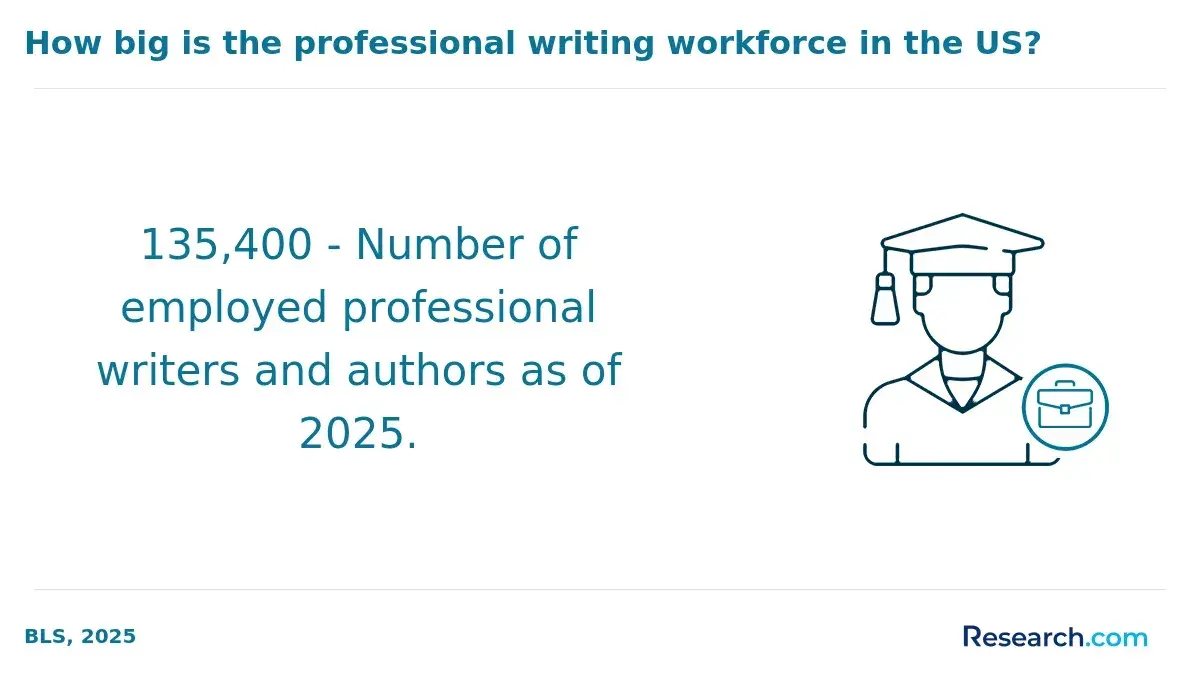
Are Admission Requirements Different for Part-Time vs Full-Time Professional Writing Programs?
Are admission requirements different for part-time vs. full-time professional writing programs? Generally, the criteria are similar, but distinctions arise due to program structure and student backgrounds. Understanding these differences is helpful for choosing the best fit based on your circumstances and goals.
- GPA Requirements: Both part-time and full-time programs usually expect a minimum undergraduate GPA between 2.5 and 3.0 on a 4.0 scale. Full-time programs may set slightly higher thresholds because of increased competition and larger cohorts.
- Prerequisite Coursework: A foundation in English, writing, or communications is typically required for both formats. Full-time programs often put more emphasis on recent academic achievements, while part-time options may allow flexibility when applicants have significant professional experience.
- Professional Experience: Part-time professional writing program entry criteria often place greater value on relevant work experience. This reflects the fact that many part-time students balance employment and studies, so admissions committees consider career readiness as part of their holistic review.
- Standardized Tests: The GRE is less commonly mandated in either format, aligning with trends to simplify admissions. Some schools waive these tests for part-time applicants who demonstrate substantial professional backgrounds.
- Supporting Documents: Both full-time and part-time applicants submit personal statements, writing samples, and recommendation letters. Part-time programs may spotlight practical skills, while full-time ones often emphasize academic potential.
If you are also curious about how much does it cost to get an associate's degree, research.com offers useful insights.
How Do Tuition Fees Differ for Part-Time vs Full-Time Professional Writing Programs?
The difference in tuition fees between part-time and full-time professional writing programs comes down mainly to how credits are billed and the overall cost structure. Full-time students usually pay a fixed rate per semester that includes a range of credits, while part-time students are charged based on each credit taken. This distinction impacts how students budget and plan for their education.
- Per-credit tuition: Full-time enrollment often averages $300-$500 per credit at public institutions for in-state students, bundled into a flat rate each semester. Part-time students may face higher per-credit fees, between $300 and $600, reflecting the flexibility but also potential premium of the format.
- Total program cost: Full-time students pay upfront for a full course load, roughly $9,000-$15,000 annually, which may accelerate graduation and reduce extra costs. Part-time students spread fees over longer periods, potentially increasing cumulative tuition especially if courses are retaken.
- Financial aid opportunities: Full-time status often unlocks more financial aid, including federal grants and scholarships that require minimum credits. Part-time students might encounter more limited access to loans and institutional aid.
- Additional fees: Registration, technology, and material fees apply regardless of enrollment type but may affect part-time students who take longer to complete their degree.
- Impact of enrollment intensity: Full-time learners typically finish faster, lowering living and opportunity costs. Part-time students balance work and study, which can ease immediate financial pressure but extend total expenses.
A graduate of a part-time professional writing program shared her perspective after completing her degree. She recalled, "Paying per credit was helpful since I could manage smaller payments between work, but I underestimated how long it would take to finish." She described balancing deadlines and family as challenging but rewarding, emphasizing that spreading tuition over time helped her avoid debt.
However, she noted, "Sometimes it felt like I was paying more in the long run, especially with extra fees adding up." Her experience highlights the trade-offs between manageable payments and total cost, showing that part-time tuition fees require careful planning but can align well with personal circumstances.
Which Professional Writing Degree Program Format Offers More Online or Hybrid Course Options?
Part-time professional writing degree programs generally provide more online and hybrid course options than full-time formats, catering mainly to working adults and those needing flexible schedules. Below is a summary of the typical course delivery approaches adopted by each program type, reflecting how institutions address varying student needs and policies.
- Part-time flexibility: These programs often emphasize online and hybrid classes to accommodate employment and family obligations. With a focus on asynchronous content and weekend or evening sessions, they allow students to learn without disrupting professional commitments.
- Full-time immersion: Full-time programs prioritize in-person coursework to foster engagement and peer interaction. They mainly target recent high school graduates and learners able to invest full days in study, with fewer online or hybrid offerings.
- Institutional growth trends: Universities report a steady increase-around 25% annually-in hybrid course availability for part-time students, reflecting strategic efforts to expand digital learning. This supports broader geographic access and workforce integration for adult learners.
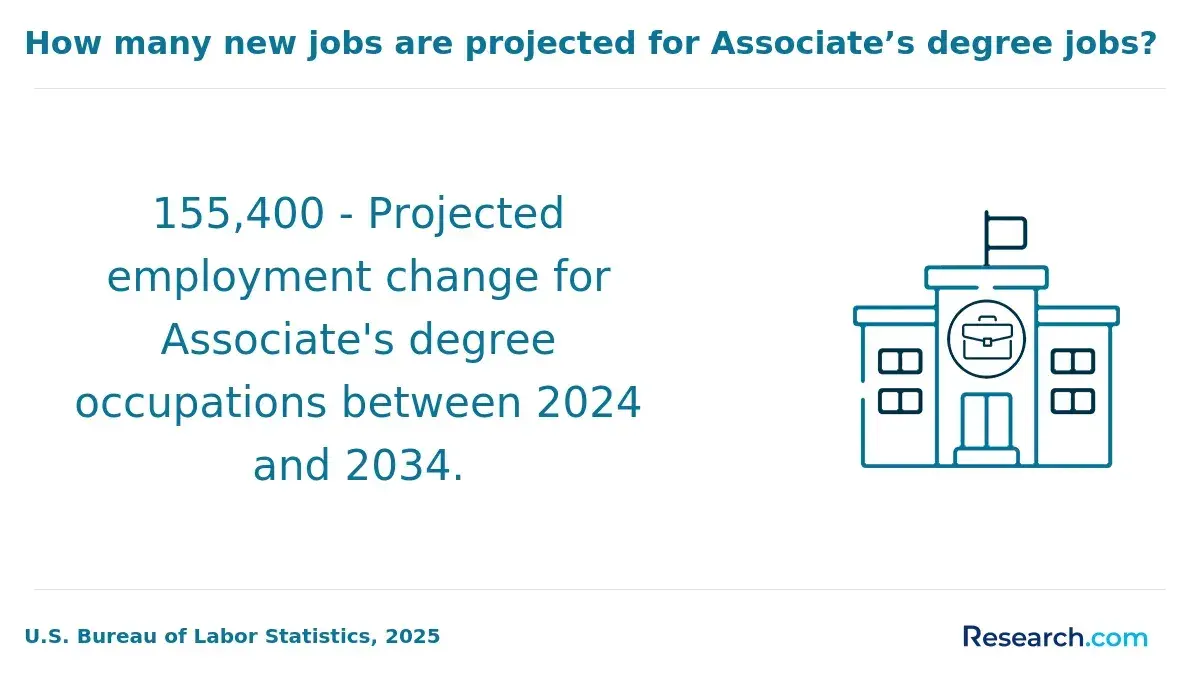
Can Professional Writing Students Switch Between Part-Time and Full-Time Enrollment?
Students in professional writing programs can often switch between part-time and full-time enrollment, as most schools accommodate this change under formal policies. Typically, this requires submitting a request or filling out a change of enrollment form and obtaining approval from an academic advisor or program coordinator. Several important aspects influence this transition, including the institution's rules and the student's individual circumstances.
Before making a switch, students should carefully evaluate how the change aligns with their academic goals and personal commitments. Understanding the process beforehand helps ensure a smooth adjustment between enrollment statuses.
Key considerations include maintaining good academic standing, as students usually need to meet performance criteria to switch without issues. Changes in enrollment status can also affect financial aid eligibility, since full-time status is often necessary to retain certain scholarships or federal aid. Course availability might be limited for part-time students, making it harder to find required classes.
Additionally, switching enrollment can either accelerate or extend the expected graduation timeline. Advisor approval is generally required to confirm the feasibility of the change and its academic implications.
When I spoke with a graduate who transitioned from part-time to full-time professional writing studies, he shared how the process was initially overwhelming. "I had to meticulously plan my schedule and coordinate with my advisor to ensure I met all prerequisites," he noted. The increased workload demanded adjustments to balancing work and family life, yet shifting to full-time allowed him to complete his degree faster and focus more deeply on coursework.
Reflecting on the experience, he found the switch challenging but ultimately rewarding, saying, "It gave me a clearer path and renewed motivation to finish strong."
How Do Online, Hybrid, and Campus Professional Writing Program Delivery Formats Affect Part-time vs. full-time learning?
Delivery format plays a major role in shaping students' learning experiences in professional writing programs, influencing flexibility, engagement, and workload. Part-time and full-time study options offer distinct advantages depending on whether the program is online, hybrid, or campus-based.
- Scheduling Flexibility: Online formats provide significant scheduling freedom, ideal for part-time students balancing work or family. Full-time learners in hybrid programs navigate fixed campus residencies alongside online work, while campus programs typically follow structured schedules better suited to full-time attendance.
- Workload Management: Full-time students often manage heavier course loads with direct faculty access on campus or hybrid formats, enabling quicker feedback and collaboration. Part-time students in online programs engage more gradually, which supports deeper reflection but can challenge momentum without in-person structure.
- Accessibility & Engagement: Online programs increase accessibility for part-time learners distant from campus locations, though they may miss spontaneous peer interactions found in campus settings. Conversely, full-time students benefit from immersive campus environments that facilitate networking vital for professional growth.
- Learning Pace and Outcomes: Studies show part-time students generally take longer to graduate than full-timers. Online colleges that accept FAFSA often allow adjustable pacing, but full-time study correlates with higher retention and more consistent academic performance in professional writing degrees with online vs campus professional writing programs.
- Student Support Services: Campus programs provide comprehensive resources such as writing centers and career counseling critical for full-time students. Though virtual support increasingly serves online learners, part-time students may face limited synchronous advising, a gap hybrid programs strive to bridge by combining online and in-person services.
For prospective students considering part-time study, exploring online colleges in Florida that accept FAFSA can be a practical step toward balancing education and other commitments. This approach reflects the evolving landscape of hybrid professional writing degree flexibility and delivery.
Do Employers Prefer Full-Time Professional Writing Degrees Over Part-Time Degrees?
Employers' preference for full-time professional writing degrees over part-time degrees depends on several factors. Full-time programs are often viewed as more rigorous due to their intensive pace and focused immersion, which signals concentrated, uninterrupted training. This can be a strong indicator of expertise in the eyes of hiring managers.
However, part-time degrees highlight important skills such as time management and the ability to integrate work and study effectively. Many employers value these qualities, especially since part-time students frequently gain practical experience alongside their education, making them appealing candidates in the competitive job market.
Industry-specific trends further shape whether full-time or part-time professional writing degrees are preferred. Academic and nonprofit fields may favor full-time candidates with traditional education pathways, while tech and media sectors often appreciate the flexibility and real-world experience that part-time programs demonstrate.
According to a 2025 survey by the National Association of Colleges and Employers (NACE), 91% of employers prioritize relevant work experience, highlighting the value of part-time education in career readiness. For those exploring career options, considering high paying jobs from trade school may also provide alternative pathways that emphasize experience in addition to formal education.
- Full-time programs can signal focused expertise and intensive study.
- Part-time degrees highlight resilience, time management, and work integration.
- Employer preference varies by industry and job role.
Is a Part-Time or Full-Time Professional Writing Degree More Worth It for ROI?
Return on investment (ROI) is a vital consideration when deciding between part-time and full-time professional writing degree programs. It helps gauge the balance of tuition expenses, time required to earn the degree, and expected earnings after graduation. Full-time programs often have higher immediate costs but shorter durations, while part-time options distribute tuition over a longer period, easing upfront financial stress.
Opportunity cost also plays a major role. Full-time students may forgo full-time wages during study, whereas part-time students usually maintain employment, reducing income loss. Research indicates that graduates from full-time paths tend to earn 8-12% more at the start of their careers, reflecting different potential salary trajectories.
- Total Program Cost: Full-time programs demand more upfront payment over a short span, whereas part-time tuition is spread out, making it easier to manage financially over time.
- Opportunity Cost: Full-time study often requires pausing full employment, resulting in lost income, while part-time allows ongoing work, lessening financial pressure.
- Salary Potential: Full-time graduates generally report higher starting salaries, which may lead to quicker financial gains post-graduation.
- Career Advancement: Full-time study offers immersive networking opportunities that can speed promotion, while part-time flexibility may delay upward movement.
- Long-Term Benefits: Completing a degree faster through full-time study typically results in earlier entry into better-paying roles, enhancing overall ROI.
How Do You Decide Between a Part-Time and Full-Time Professional Writing Degree Program?
Picking the right format for a professional writing degree is essential to balance your academic ambitions, career plans, and personal life effectively. The choice between part-time and full-time study impacts how quickly you finish, how much you spend, and how you learn.
- Time availability: Full-time programs require a heavy weekly commitment, usually 12 to 15 credit hours, making them ideal if you can dedicate most of your time to studies. Part-time allows you to take fewer courses, fitting better around jobs or family obligations.
- Financial resources: Full-time students often qualify for more scholarships but face larger upfront costs. Part-time enrollment spreads tuition over a longer period, easing immediate financial pressure.
- Career goals: If you want to enter the workforce quickly or build skills intensively, full-time offers faster completion, generally in about two years. Part-time can take 3 to 4 years but allows you to gain work experience simultaneously.
- Learning style: Full-time study provides immersive engagement and faster feedback, while part-time supports more reflection and paced learning, suiting different preferences.
- Program duration and flexibility: Part-time studies offer greater flexibility with an extended timeline, best for balancing multiple responsibilities, whereas full-time demands a more intensive, shorter timeframe.
What Graduates Say About Their Part-Time vs. Full-Time Professional Writing Degree
- Milan: "Pursuing my full-time professional writing degree was an exciting challenge that deepened my skills in both creative and technical writing. The average cost was a significant investment, but it was manageable with scholarships and part-time work. This degree truly opened doors for my career, leading me to a fulfilling position as a content strategist. "
- Armand: "Choosing a part-time path allowed me to balance work and study, though the extended timeline meant the total cost was spread out and easier to handle. The learning experience was immersive and practical, which helped me transition smoothly into freelance writing. Reflecting on the journey, I appreciate how affordable education can still provide immense value."
- Lucille: "The full-time professional writing degree program was rigorous but rewarding, providing me with a professional network and a polished portfolio. While the cost felt steep initially, I consider it an investment that accelerated my advancement in publishing. The program's structure gave me the confidence and skills to thrive in a competitive field. "
Other Things You Should Know About Professional Writing Degrees
Yes, part-time students generally have access to the same academic resources as full-time students, including writing centers, libraries, and career services. However, some campus-based resources may have limited hours that could affect part-time students who attend evening or weekend classes. Online professional writing programs typically provide digital access to these resources regardless of enrollment status.
Internship opportunities for part-time and full-time professional writing students often depend more on individual availability and institutional partnerships rather than enrollment status. Full-time students may find it easier to commit to internships requiring significant time, while part-time students sometimes balance internships with work or personal responsibilities. Many programs offer flexible internship arrangements to accommodate both schedules.
References
- Point of View: To be, or not to be, part-time in academia https://elifesciences.org/articles/106336
- U.S. Bureau of Labor Statistics. (2025). Writers and authors. In Occupational Outlook Handbook. U.S. Department of Labor. Retrieved February 3, 2026, from https://www.bls.gov/ooh/media-and-communication/writers-and-authors.htm
- Difference between Full Time and Part Time Degrees - MBA Crystal Ball https://www.mbacrystalball.com/blog/2012/01/20/full-time-vs-part-time-degrees-differences/
- Full-time, part-time, online - which study mode is right for you? https://www.studentspace.pl/en/blog/post/studia-stacjonarne-zaoczne-wieczorowe---ktory-tryb-wybrac
- Master of Arts in Professional Writing https://www.kennesaw.edu/go/masters/mapw-a/index.php
- National Association of Colleges and Employers (NACE). (2025). Job Outlook 2025. https://www.naceweb.org/job-market/trends-and-predictions/job-outlook-2025-employers-look-for-relevant-experience/
- How Long Do Writing Courses Take? https://www.nobledesktop.com/learn/writing/how-long-do-writing-courses-take
- Tuition & Costs for Graduate Programs https://www.sarahlawrence.edu/financial-aid/graduate/tuition.html
- Professional Writing MA https://catalog.umassd.edu/preview_program.php
- Is a Creative Writing Degree Worth It? Letâs Get Into It. https://www.dabblewriter.com/articles/creative-writing-degree
- Full-Time Study VS Part-Time - Pros And Cons https://www.assignmentmaster.co.uk/blog/full-time-study-vs-part-time-pros-and-cons/


