2027 Which Schools Offer Flexible Start-Anytime Enrollment for a Teaching Degree Master's Program?

Co-Founder and Chief Data Scientist
Many prospective master's students face challenges balancing work, family, and education, making traditional semester start dates impractical for pursuing a teaching degree. Research shows that 62% of graduate students in education prefer programs offering flexible start options to accommodate their complex schedules. This need grows as online and hybrid learning models expand accessibility. Institutions with start-anytime enrollment empower students to begin coursework immediately, allowing for personalized pacing and reduced wait times.
This article explores which schools offer such flexible options for teaching degree master's programs, helping students identify programs that support their ambitions without sacrificing career or personal commitments.
Key Benefits of Flexible Start-Anytime Enrollment for a Teaching Degree Master's Program
- Flexible start-anytime enrollment allows prospective students to begin their teaching master's degree without waiting for traditional semester start dates, accommodating varied personal schedules and immediate career goals.
- Programs with rolling admissions often offer accelerated course options, reducing the overall duration to completion by up to 25%, enhancing timely graduation rates.
- This enrollment flexibility supports working professionals by facilitating a balanced workload, with 68% of students reporting improved success in managing study alongside employment and family commitments.
What Does Start-Anytime Enrollment Mean for a Teaching Master's Degree?
Start-anytime enrollment in a teaching master's degree program allows students to begin their studies at any point during the year, unlike traditional cohort-based or fixed-start graduate programs that require enrollment at a specific time with a designated group of peers. This structure offers significant flexibility, enabling students to tailor their start date to fit individual needs rather than adhering to a uniform academic calendar.
Such flexible graduate program start dates in teaching degrees accommodate various life circumstances, making it easier for professionals with fluctuating schedules to pursue advanced education. This model removes the constraints of fixed cohorts, which often dictate synchronized coursework and deadlines.
The start-anytime enrollment approach impacts the student experience by allowing self-paced progression through courses with continuous access to class options rather than waiting for semester beginnings. Interaction with instructors and classmates may be less scheduled and more asynchronous, often involving online forums and individual assignments instead of traditional group activities.
This fosters a greater emphasis on personal responsibility and adaptability in managing academic workloads. For those interested in broader social work contexts, a related option includes pursuing an MSW degree that also embraces flexible enrollment practices.
What Schools Offer Start-Anytime Teaching Master's Programs?
Start-anytime enrollment options are more commonly offered by specific categories of institutions that prioritize flexibility for nontraditional students. Approximately 40% of online graduate programs in education utilize rolling or flexible enrollment models to better serve working professionals and those balancing family commitments. Below is an overview of the types of schools that typically provide such flexible start dates.
- Public Universities: Many public universities with established online graduate programs offer multiple entry terms throughout the year. While operating within traditional academic calendars, they provide several enrollment windows to accommodate diverse student schedules.
- Private Nonprofit Institutions: These schools tend to offer limited but structured enrollment periods. Fully flexible start times are less common, but several distinct admission windows annually help manage student intake.
- For-Profit Universities: For-profit institutions lead in providing rolling admissions that allow students to start coursework at various points year-round. This primarily benefits adult learners and working professionals seeking personalized pacing.
- Competency-Based Institutions: Focused on mastery of skills rather than fixed terms, these institutions usually have the most flexible start-anytime programs, enabling students to progress at their own speed without waiting for conventional semester start dates.
Prospective students searching for top accredited universities with flexible enrollment teaching master's degrees will find options across these institutional types. Additionally, those interested in related fields might explore online social work programs, which also often provide start-anytime enrollment to support career advancement with adaptable study schedules.
Are Start-Anytime Teaching Master's Programs Available in Both Online and On Campus Formats?
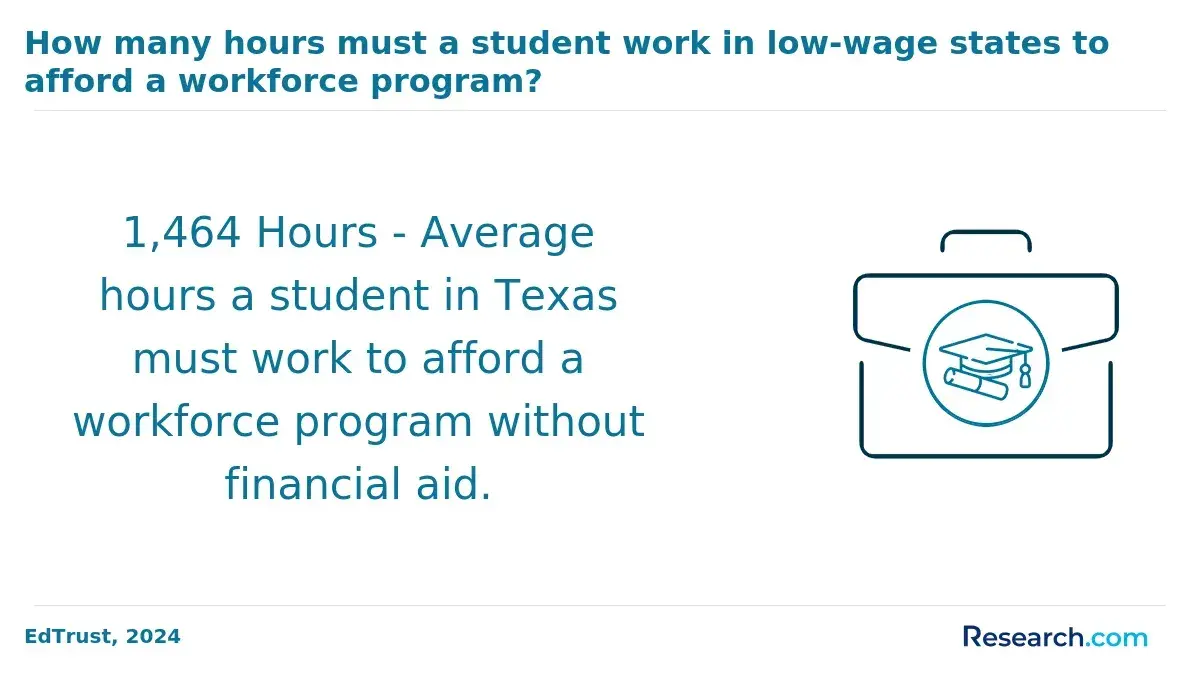
Start-anytime teaching master's programs are offered in both online and on-campus formats, although availability depends significantly on each institution's program structure and design. About 40% of graduate education programs provide fully online formats with flexible enrollment, allowing students to start at various points throughout the year. Below is a breakdown of common delivery formats with flexible start options.
- Fully Online Programs: These often allow immediate enrollment and multiple start dates annually, catering well to working professionals needing adaptable schedules.
- Hybrid Formats: Combining online coursework with scheduled in-person sessions, hybrids may permit several start times but usually require alignment with campus events or meetings.
- Evening or Weekend Campus Options: Available to on-site learners, these classes support some flexibility but tend to follow specific academic terms rather than true start-anytime availability.
- Competency-Based Models: These programs let students progress at their own pace and start new courses whenever they feel ready, emphasizing mastery over fixed schedules.
When asked about his experience, a graduate of an online teaching master's program with flexible start times shared that juggling coursework and a full-time job initially felt overwhelming. "Having the option to begin whenever I was ready really eased my stress," he explained.
He noted that this flexibility allowed him to align his studies with personal and professional demands, helping maintain motivation without sacrificing quality. His journey highlighted that beyond convenience, start-anytime enrollment can empower learners to personalize their education in ways traditional terms often cannot accommodate.
What Are the Admission Requirements for Start-Anytime Teaching Master's Programs?
Admission standards for start-anytime teaching master's degree admission criteria generally align with those of traditional programs, though they feature more flexible application timelines and enrollment windows. This flexible enrollment teaching master's program requirements framework allows candidates to apply and start their studies at several points during the year. Key admission factors include:
- Minimum GPA Standards: Applicants are typically expected to hold a bachelor's degree with a cumulative GPA near 3.0 on a 4.0 scale. This ensures consistent academic preparedness across both traditional and flexible enrollment teaching master's program requirements.
- Professional Experience: Relevant teaching or education-related work experience often plays a crucial role. Some programs accept alternative evidence such as portfolios or interviews to evaluate practical skills for those pursuing start-anytime teaching master's degree admission criteria.
- Letters of Recommendation: Usually, two or three recommendation letters from academic or professional referees are necessary, providing insight into an applicant's commitment and potential for graduate study.
- Standardized Test Policies: Many start-anytime programs either waive or make tests like the GRE optional, reflecting a trend to lower barriers and attract diverse applicants.
Such flexible options appeal to professionals with nontraditional schedules aiming for accelerated career growth. For those exploring their options, understanding what degrees make the most money can further inform long-term career planning.
How Do Academic Calendars Work in Start-Anytime Teaching Master's Programs?
Start-anytime academic calendars in teaching master's programs provide considerably more flexibility than traditional semester or cohort-based formats. These programs typically offer six to eight enrollment dates annually, allowing students to begin their studies at multiple points throughout the year.
This flexible scheduling supports diverse student needs and lifestyles. Key characteristics of these calendars include:
- Rolling Start Dates: Students can enroll at various times without waiting for a fixed semester to begin, enabling greater accessibility and convenience.
- Modular Courses: The curriculum is divided into smaller, focused units, so learners can concentrate on one subject at a time without overlapping coursework.
- Asynchronous Scheduling: Coursework is designed to be completed independently on the student's own schedule, removing the need for live attendance and accommodating work and family commitments.
- Individualized Progression: Students move through their program at their own pace within set timeframes, tailoring their experience to fit personal schedules and obligations.
Students register based on the start date of each module, engage primarily with online content, and submit assignments by established deadlines. This model differs from traditional academic calendars, which require enrollment at specific semester start dates, fixed class times, and synchronous participation, often presenting obstacles for working adults and nontraditional learners.
Are Start-Anytime Teaching Master's Programs More Expensive Than Traditional Programs?
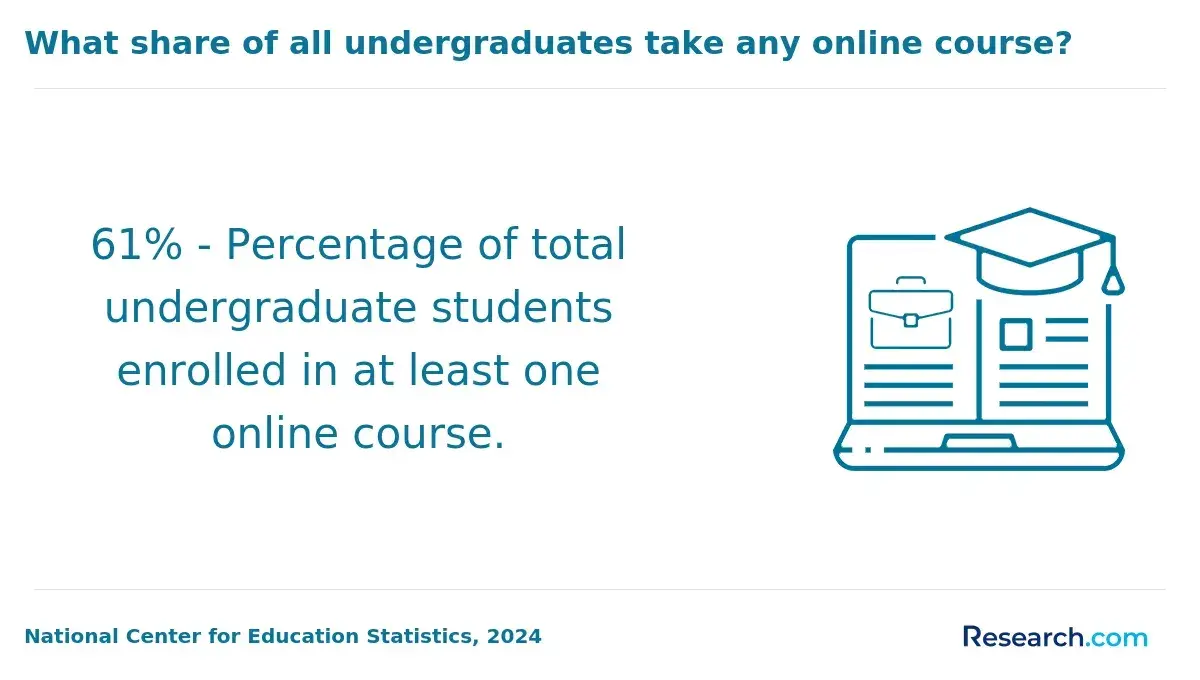
There is a common perception that start-anytime teaching master's programs may carry higher costs compared to traditional cohort-based formats. In reality, the tuition for these flexible programs generally aligns with typical ranges, often falling between $15,000 and $30,000, similar to standard online or campus-based degrees. Below are some important cost factors to consider when comparing these program types.
- Tuition Structure: Most start-anytime programs price tuition per credit hour or use a flat-rate system, mirroring traditional program models. This consistency helps keep total costs comparable despite different enrollment options.
- Additional Fees: While traditional programs might include campus activity or facility fees, start-anytime options often replace these with technology or platform fees necessary for online delivery. These extra charges tend to be modest and are typically bundled into tuition or applied once each term.
- Technology Costs: Online delivery requires a digital platform, which may incur fees. However, these are usually slight and contribute to the program's overall accessibility and flexibility.
- Financial Aid Availability: Funding opportunities such as federal aid, scholarships, and employer tuition assistance generally extend equally to both program types. Some start-anytime programs also provide unique payment plans or partnerships designed to ease financial pressure.
When I spoke with a professional who completed a start-anytime teaching master's program, she reflected on her financial experience as quite manageable. She mentioned, "I worried the flexibility might increase expenses, but the costs were on par with what I expected."
Balancing work and study, she appreciated that her payments aligned with completed credits rather than fixed semesters, allowing more control over pacing and budgeting. She also highlighted how small technology fees felt justified given the convenience and support provided. Overall, she found the financial demands neither surprising nor prohibitive, confirming that the flexible format did not equate to greater expense in her case.
How Long Does It Take to Complete a Start-Anytime Teaching Master's Program?
Start-anytime enrollment options in teaching master's programs offer flexible scheduling that can significantly influence how long it takes to complete the degree. On average, flexible or online teaching master's programs take about two to three years to finish. Various factors impact this timeline, allowing students to customize their pace based on personal and professional demands. Key factors affecting program duration include:
- Pacing Flexibility: Students can speed up or slow down their course progression depending on their availability and other commitments, which directly affects the time needed to complete the program.
- Course Load Options: Full-time enrollment accelerates completion, while part-time enrollment may extend the duration due to a lighter class schedule.
- Accelerated Modules: Some programs provide condensed, intensive courses that enable students to earn credits more quickly and finish sooner.
- Part-Time vs. Full-Time Enrollment: Part-time students often balance education with work or family responsibilities, typically resulting in a longer period before graduation compared to full-time students.
This flexibility is especially valuable for working professionals and those with nontraditional schedules, as it allows tailoring of start dates and course loads. By adapting to individual circumstances, these programs enhance the feasibility of completing a teaching master's degree in a timeframe that suits each student's unique needs.
Are Career Services Available for Start-Anytime Teaching Master's Students?
Career services play a vital role in graduate education by helping students transition from academia to professional roles, and flexible start programs often ensure that students enrolled anytime have access to these important resources. For students in start-anytime teaching master's programs, employer support and tailored career assistance remain readily available. These services typically include several key features:
- Career Counseling: Advisors provide personalized guidance on job search strategies, resume building, and interview preparation, specifically tailored to the education field. This service helps start-anytime students navigate the path toward becoming effective educators.
- Job Placement Assistance: Programs actively connect students with school districts, educational institutions, and organizations currently hiring teaching professionals, supporting employment success even for those balancing flexible enrollment schedules.
- Networking Opportunities: Virtual events and online platforms facilitate connections among peers, faculty, and industry professionals. These networking channels enable students with flexible enrollment to build relationships despite varied start dates.
- Alumni Connections: Alumni networks provide mentorship and job leads by linking current students to experienced professionals. This resource is especially valuable for nontraditional students seeking employer support for flexible enrollment teaching master's students.
For those interested in related graduate options, exploring masters of psychology online programs may offer additional flexible pathways suited for working professionals.
Are Start-Anytime Teaching Master's Degrees Respected by Employers?
Employers generally regard start-anytime teaching master's degrees as valid alternatives to traditional cohort-based programs, especially when they uphold quality standards. A 2023 survey by the National Association of Colleges and Employers (NACE) found that 78% of employers consider online or flexible graduate degrees equally credible when the institution is accredited, and the curriculum is rigorous.
Below are key factors that influence employer respect for these flexible enrollment teaching graduate programs.
- Accreditation: Degrees from regionally or nationally accredited institutions reassure employers by confirming program quality and adherence to academic standards.
- Program Rigor: Challenging coursework and thorough assessments demonstrate that graduates have acquired deep knowledge beyond the format's flexibility.
- Professional Experience: Programs that integrate or encourage practical experience enable graduates to validate job readiness and real-world application of skills.
- Skill Demonstration: Employers value the ability to apply competencies in practice, assessed through portfolios, projects, or internships, which reinforce practical expertise.
For candidates pursuing start-anytime teaching master's degrees, emphasizing these strengths can address employer concerns effectively. Many employers value the adaptability of flexible programs but prioritize the quality indicators listed above.
A useful resource for those interested in graduate programs that combine flexibility with recognized standards is the marriage and family therapy online programs accredited page, which highlights accredited options with flexible start dates.
Who Benefits Most From Flexible Enrollment Graduate Programs?
Graduate programs with flexible, start-anytime enrollment offer significant advantages over traditional cohort formats by letting students begin their studies at various times throughout the year. This model suits those unable to adhere to fixed academic schedules. Notably, about 70% of students in online or rolling-start graduate programs are working professionals or nontraditional learners. The following groups particularly benefit from these adaptable options:
- Working Professionals: They can maintain their careers without pausing for school, fitting coursework around their existing job commitments.
- Career Changers: Flexible enrollment supports a smooth shift into the teaching profession, allowing individuals to start when most convenient.
- Adult Learners with Family Responsibilities: Those with caregiving duties gain from the ability to align class start times with personal schedules.
- Students Seeking Accelerated Completion: Flexibility often enables faster degree progress, letting students undertake additional courses as they are ready instead of waiting for cohort timelines.
What Graduates Say About Flexible Start-Anytime Enrollment for a Teaching Degree Master's Program
- Maya: "Completing my start-anytime teaching master's program while working full-time was a game changer. The flexible schedule meant I didn't have to pause my career, and the affordable tuition made it financially manageable. Since graduating, I've been promoted to a leadership role in my school district, which I credit directly to the degree's impact. "
- Rowan: "I was hesitant about online education, but the ability to start my teaching master's anytime fit perfectly with my lifestyle. The cost was surprisingly reasonable compared to other graduate programs, which eased my financial worries. Reflecting on my journey, this degree opened doors to new career opportunities that I never thought possible. "
- Leila: "The convenience of enrolling in a teaching master's program whenever I wanted allowed me to balance family and studies seamlessly. The program's cost-effectiveness made pursuing higher education accessible without incurring crippling debt. Professionally, this flexible degree expanded my credentials and significantly advanced my teaching career. "
Other Things You Should Know About Teaching Degrees
Financial aid for flexible start-anytime Teaching master's programs may have limitations tied to enrollment status and start dates. Students should consult their school’s financial aid office to understand eligibility requirements specific to these programs, as policies can differ from traditional academic schedules.
Yes, most flexible start-anytime master's programs in Teaching hold the same regional and programmatic accreditation as their traditional counterparts. Accreditation standards ensure the program meets quality criteria regardless of start date or delivery format. Prospective students should confirm accreditation status through the institution and recognized accrediting bodies.
Flexible start-anytime programs often allow students to pace their studies to fit personal and professional commitments, which may result in variable workloads each term. While some may maintain a consistent part-time schedule, others might accelerate during certain periods. This flexibility helps accommodate working professionals but requires self-discipline to meet program milestones on time.
References
- Delivery Format Comparison | Teach | USU https://www.usu.edu/teach/delivery-format-comparison
- Academic calendar https://study.gov.pl/academic-calendar
- Understanding the Start Times for Master's Programs - Oreate AI Blog https://www.oreateai.com/blog/understanding-the-start-times-for-masters-programs/1328a0c537fab2ec34308cc3603f0fbb
- E-Education vs Traditional and Distance Learning: A Cost Comparison - Distance Learning Institute https://distancelearning.institute/economic-perspective/e-education-vs-traditional-distance-learning-cost-comparison/
- The Benefits of Earning an Online Master of Education Degree https://masterofed-sopa.tulane.edu/articles/benefits-of-earning-master-of-education-degree-online/
- Master of Education Online - The University of Olivet https://www.uolivet.edu/program/master-of-education-online/
- Most Affordable Online Master’s in Education for 2025 https://www.onlinemastersdegrees.org/most-affordable/education-programs/
- Education Recruitment Agency | Teaching Agency London & UK https://engage-education.com/
- Online Schools | ACE https://ace.edu/tuition-and-admissions/ace-vs-other-schools/online-schools/