2027 Teaching Degree Master's Programs You Can Get Into Right Now (Eligibility-Based Matches)

Co-Founder and Chief Data Scientist
Many professionals with unrelated undergraduate degrees face the challenge of entering the teaching workforce without lengthy, costly prerequisites. They often struggle to find master's programs that accept diverse academic backgrounds and provide flexible, fully online options. With a 15% annual increase in enrollment for online teaching degree master's programs among career changers, the demand for accessible paths is clear. This growth reflects the education sector's adaptation to evolving workforce needs and the rise of remote learning. This article examines currently available teaching degree master's programs tailored to eligibility criteria, aiming to help prospective students identify suitable programs and fast-track their transition into education careers.
Key Benefits of Eligibility-Based Teaching Degree Master's Programs
- Eligibility-based teaching master's programs offer flexible schedules and part-time options, allowing working professionals to balance employment and study effectively.
- These programs often provide accelerated pathways, enabling students to develop advanced teaching skills and certifications within 12 to 18 months.
- Access to global cohorts and faculty connects students to diverse educational perspectives, expanding professional networks crucial for career advancement.
What Is the Minimum GPA Requirement for Teaching Master's Programs?
Minimum GPA requirements play a crucial role in assessing eligibility for teaching master's programs. Applicants need to understand the distinction between a hard minimum GPA-the absolute lowest acceptable score-and a competitive average GPA, which often reflects the typical academic profile of admitted students. This insight helps prospective students realistically evaluate program fit and refine their search.
Key points to consider about teaching master's programs GPA eligibility criteria include:
- Variation Across Schools: Highly ranked programs typically require a minimum GPA of 3.0 or higher, while some regional institutions may be more flexible, accepting GPAs below this threshold.
- Hard Minimum vs. Competitive Average: The hard minimum is the strict cutoff for admission, whereas the competitive average indicates the GPA most students hold, often exceeding the minimum.
- Holistic Review Practices: Certain programs offset lower GPAs by emphasizing recommendation letters, professional experience, or personal statements, offering alternative admissions paths.
- Concrete Program Examples: The University of North Dakota's teaching master's program accepts applicants with a 2.75 GPA if supported by strong supplemental materials, in contrast to Boston College's firm 3.0 GPA cutoff.
- Using GPA to Filter Schools: Applicants should apply GPA data early to create a balanced list of reach, match, and safety schools based on real eligibility.
According to a National Center for Education Statistics report, around 65% of graduate education programs require a minimum GPA of 3.0, highlighting its importance in admissions decisions. For those exploring options, including interdisciplinary paths like AI online degrees, understanding these thresholds enables informed comparison.
Which Teaching Master's Programs Accept Students Without Direct Field Experience?
Teaching master's programs attract diverse applicants, including career changers, recent graduates, and professionals from related fields. Because of this variety, admission requirements around practical field experience differ widely. Some programs explicitly welcome applicants with no classroom background by employing targeted strategies to prepare these candidates effectively. Key mechanisms include:
- Bridge Courses and Foundational Training: Many programs provide preparatory or bridge courses to build essential pedagogical skills before students begin teaching practicums. These courses help those lacking prior experience to gain foundational knowledge in classroom management and instructional methods.
- Provisional or Conditional Admission: Certain schools offer provisional admission, requiring candidates to complete initial coursework within a specified timeframe. This approach enables applicants without field experience to demonstrate readiness while receiving additional academic support.
- Prerequisite Waivers or Flexible Requirements: Some admissions offices waive field experience prerequisites entirely, instead emphasizing academic achievements and transferable skills. For example, Johns Hopkins University's teaching master's program states that direct classroom experience is not mandatory on its admissions page.
- Structured Clinical Practice Placements: Programs often integrate supervised student teaching early in the curriculum, allowing immediate hands-on exposure in local schools. This immersion is crucial for those starting without prior classroom experience.
- Strong Advising and Mentorship: Many schools pair inexperienced students with faculty advisors or mentors to guide their professional development, building confidence and bridging gaps in experience.
According to the National Center for Education Statistics, enrollment in alternative route and nontraditional teaching preparation programs has risen by over 20% in the past five years, highlighting expanding pathways for applicants lacking conventional field experience. Prospective students with limited classroom exposure can strengthen their applications by emphasizing relevant skills, diverse perspectives, and commitment to education in essays and interviews.
Those exploring graduate teaching programs accepting applicants with no experience should also consider flexible options such as accelerated programs. For example, some candidates pursue an accelerated online associates degree to build foundational knowledge efficiently before enrolling in a master's program.
Are There Teaching Master's Programs That Do Not Require the GRE or GMAT?
Graduate programs are increasingly moving away from mandatory GRE or GMAT requirements, a shift accelerated by the pandemic's focus on equitable access. Teaching master's programs reflect this evolution with various policies regarding standardized testing. Below are notable distinctions candidates should keep in mind when navigating these requirements.
- Full Waivers: Some institutions have completely removed GRE or GMAT requirements for all teaching applicants, adopting a holistic review approach that prioritizes undergraduate performance, recommendations, and relevant experience. Examples include the University of Southern California and Boston University.
- Optional Submission: Several programs let applicants decide whether to submit test scores. For instance, universities like Michigan and Vanderbilt allow optional GRE or GMAT results, giving applicants flexibility to enhance their profiles without making these exams a barrier.
- Conditional Waivers Based on GPA or Experience: Some schools waive test score requirements only if applicants meet specific thresholds such as a minimum GPA near 3.0 or possess notable teaching credentials. New York University and the University of Washington exemplify this selective exemption.
- Temporary Suspensions: Amid the pandemic, some programs paused testing rules but may reinstate or revise these policies annually. Confirming current requirements with each school's admissions office remains essential.
- Guidance on Voluntary Score Submission: Applicants contemplating submitting test scores should assess how their results compare to program averages and whether scores support their overall application. In some cases, submitting can bolster competitiveness; in others, weak scores might be detrimental.
A professional who recently completed a teaching master's degree shared that, while applying, he initially struggled to understand varying test policies and worried about how his scores might affect admissions chances. He explained, "It was confusing because some schools didn't require GRE scores, but others made it optional, and policies kept changing." He ultimately chose programs with full waivers, appreciating the focus on his academic record and experience rather than test results. Reflecting on this choice, he noted that waivers eased stress during application preparation but emphasized the importance of thorough research to confirm each program's current stance.
How Many Letters of Recommendation Do Teaching Master's Programs Typically Require?
Letters of recommendation play a vital role in the admissions process for prospective students applying to teaching master's programs. Knowing the typical expectations helps candidates prepare strong applications. Below are key considerations regarding letter requirements and best practices.
- Typical Number of Letters: Most teaching master's programs require two to three letters of recommendation. This average number balances perspectives on an applicant's academic achievements and practical experience, though some schools may accept only two letters.
- Academic vs. Professional Recommenders: Admissions committees value letters from academic recommenders who speak to scholarly potential and readiness for graduate study, alongside endorsements from professional recommenders like school supervisors who can highlight classroom skills and work ethic.
- Content Admissions Committees Seek: Effective letters emphasize critical thinking, communication abilities, dedication to education, adaptability, and teamwork-qualities that indicate potential success in teaching careers.
- Timing and Preparation: Applicants should request letters at least four to six weeks before deadlines. Supplying recommenders with a resume, statement of purpose, and program details enhances tailored, insightful recommendations.
- Submission Methods and Format: Some programs mandate electronic submissions through portals with specific formatting instructions. Early awareness of these requirements can prevent delays or errors in recommendation letter submissions.
The average number of recommendation letters needed for teaching graduate admission can vary, so it's essential to verify each program's specifics carefully. For more on education costs that may impact your decision, explore how much does it cost to get a business degree online.
What Are the Typical Application Deadlines for Teaching Master's Programs?
Prospective master's students should familiarize themselves with the varying application deadlines typical of teaching programs, as timing directly impacts admission chances and financial aid access. Fall enrollment deadlines generally fall between November and February. Below is a summary of common deadline types to help you navigate the process strategically:
- Early Decision and Priority Deadlines: Typically occurring from November to December, these deadlines offer a competitive edge for admission and increased eligibility for scholarships and assistantships reserved for early applicants.
- Regular Deadlines: Usually set from January to February, they represent the standard cutoff for applications. While still competitive, submitting during this period might reduce financial aid opportunities compared to early deadlines.
- Rolling Admissions: Programs with rolling admissions accept applications continuously until all seats are filled. Applying early here is crucial since admissions are determined as applications arrive, boosting chances for quicker responses and aid availability.
- Document Versus Application Submission: A frequent misunderstanding is that all materials must arrive by the application deadline. Many programs allow supporting documents like test scores or recommendations to be sent afterward. Confirm these specifics carefully to avoid missing key requirements.
- Personal Deadline Tracker: Maintaining a detailed timeline with program-specific application due dates, required documents, financial aid cutoffs, and notification periods helps reduce stress and ensures timely submissions.
A professional who completed an online teaching master's program shared that balancing multiple deadlines across different schools was initially overwhelming. She emphasized how creating a spreadsheet with each program's deadlines, document requirements, and notification timeframes transformed her approach. "It wasn't just about meeting dates but knowing when to follow up and what to expect," she reflected. This organization allowed her to apply confidently and secure early decision aid, which she credits with easing her financial burden and boosting her confidence throughout the admission process.
Which Teaching Master's Programs Offer Part-Time or Online Enrollment Options?
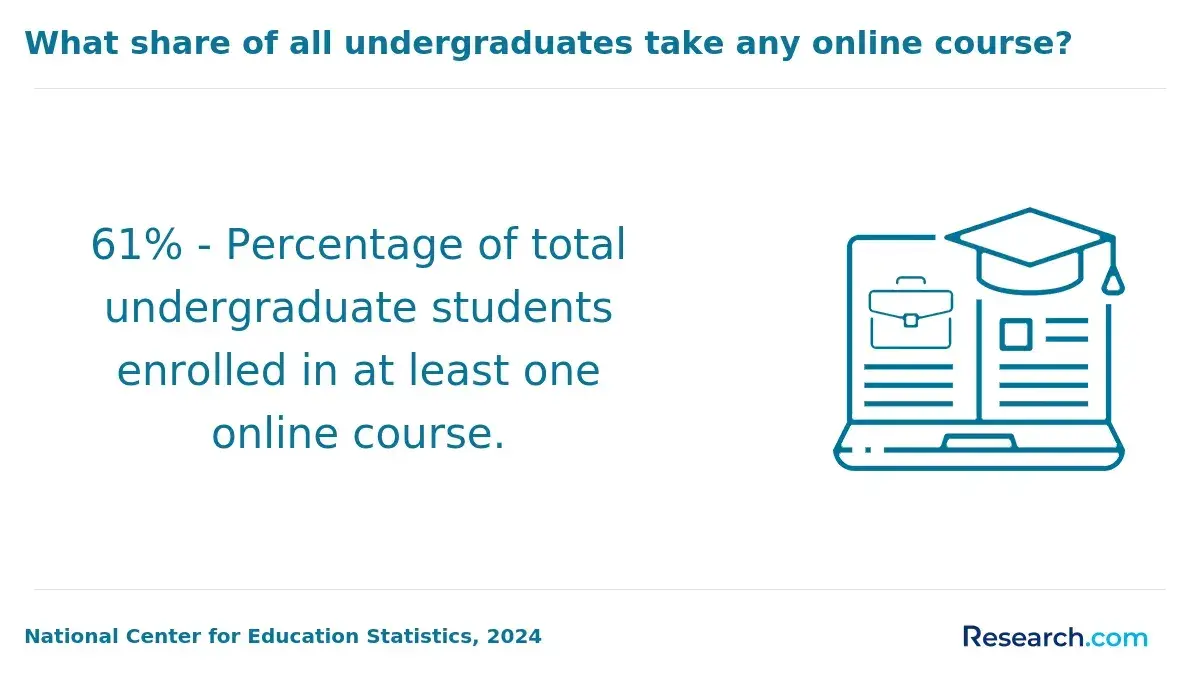
Flexible delivery options such as fully online, hybrid, part-time evening, and weekend cohort models have become essential for prospective teaching master's students managing work and other commitments. These alternatives expand access and allow candidates to pursue advanced degrees without sacrificing current responsibilities. Below are important factors to consider when comparing these program formats.
- Flexible Pacing and Scheduling: Programs often offer asynchronous online coursework that students can complete at their own pace, while hybrid models combine digital learning with limited in-person sessions. Part-time cohorts scheduled during evenings or weekends provide a balance of structure and flexibility without the necessity of full-time enrollment.
- Accreditation and Credential Value: Accredited teaching master's degrees earned online or part-time carry the same formal recognition and diploma as those earned on campus. Institutions like the University of Florida and Johns Hopkins University confirm that their online graduates receive credentials equivalent to on-campus alumni, ensuring consistent employer acceptance.
- Employer Perceptions: Research from the National Center for Education Statistics and feedback from hiring professionals indicate minimal employer bias against online or part-time degrees when obtained from regionally accredited institutions. Hiring decisions generally prioritize practical teaching experience and licensure over format of degree completion.
- Networking and Residency Opportunities: Online programs frequently incorporate virtual cohort interactions and optional on-campus residencies or immersion seminars to support peer engagement and practical training. Part-time in-person programs may enhance face-to-face networking but often require geographic proximity and commuting commitment.
- Cost and Financial Implications: Extended part-time or fully online programs can reduce costs by allowing tuition payments over a longer period and eliminating relocation expenses. Prospective students should carefully review tuition structures, fees, and financial aid options to evaluate the overall affordability and value of different delivery formats.
What Prerequisite Courses Are Required for Admission Into Teaching Master's Programs?
Prospective teaching master's degree students need to evaluate prerequisite courses carefully to determine which programs suit their current academic background. These requirements often ensure that candidates have a solid foundation crucial for success in advanced study. Below are key considerations to help identify prerequisite gaps and plan accordingly.
- Hard Prerequisites: These courses must be completed before enrolling in a teaching master's program and often include undergraduate work in research methods, statistics, and core disciplinary theory related to education or the applicant's specialization. Completing these ensures readiness for graduate-level coursework.
- Soft Prerequisites: Some programs allow certain foundational courses, such as introductory educational psychology or basic teaching methodologies, to be taken concurrently during the first semester. This offers flexibility for applicants with minor gaps.
- Remediation Options: To address missing prerequisites, students can enroll in community college classes, accredited MOOCs, or certificate programs. These accessible options enable completion on a realistic timeline without significantly delaying admission.
- Waivers and Substitutions: Graduate programs may waive prerequisites based on relevant professional experience or comparable prior coursework. It is important to contact graduate advisors early to verify waiver policies, as regulations differ across institutions.
What Financial Aid, Scholarships, or Assistantships Are Available for Teaching Master's Students?
Financial aid plays a vital role for prospective teaching master's students in managing program costs and improving affordability. Evaluating different funding sources alongside admissions criteria ensures applicants find programs aligning with both eligibility and financial needs. Key categories of aid include:
- Institutional Scholarships: Typically merit-based awards granted by colleges or universities to attract strong candidates. These often require early applications or nominations, with deadlines preceding general admissions.
- Departmental Fellowships: Available within education departments, these competitive, merit-based awards support research or advanced study. Selection processes may involve proposals or interviews unique to each program.
- Teaching Assistantships: Offering stipends and tuition waivers in exchange for teaching responsibilities, assistantships usually require maintaining a minimum GPA. Deadlines may differ from admissions, making timely application critical.
- Research Assistantships: Focused on supporting faculty research, these positions provide stipends and tuition remission. Applicants need relevant skills and must meet department-specific deadlines.
- External Awards and Scholarships: Numerous professional organizations provide scholarships based on merit or financial need. Notable resources include the Graduate Scholarship Database by the American Educational Research Association, National Education Association Foundation grants, and Spencer Foundation Research Awards.
Students seeking scholarships and assistantships for teaching graduate students should explore all these pathways carefully. To understand affordability, subtract all applicable aid from tuition and living expenses to calculate net cost. Recent data reveal that recipients of departmental or assistantship funding can reduce annual costs by up to 40% compared to self-funded peers. Comparing financial aid packages from different programs is as crucial as reviewing admissions standards.
Prospective students may also find helpful information on related educational costs by reviewing resources like the master's in library science online cost to better anticipate financial commitments across fields.
How Do I Write a Strong Statement of Purpose for Teaching Master's Programs?
Crafting a strong statement of purpose is essential for prospective master's degree students seeking admission to teaching master's programs. This statement must reflect your intellectual focus, readiness, and fit with the program's specific strengths. Below are key elements to help you write an effective teaching master's program statement.
- Compelling Opening: Start with a unique introduction that captures your motivation for pursuing a teaching master's degree. Instead of broad assertions, share a specific experience or insight that ignited your interest in the field.
- Clear Articulation of Focus: Clearly explain your research interests or professional goals within teaching. Admissions committees prioritize applicants who demonstrate a well-defined academic or practical focus aligned with their program.
- Evidence of Preparation: Provide concrete examples of your relevant experience from academic coursework, teaching practice, or related work. This shows your readiness and commitment to succeed in graduate-level studies.
- Program Fit Paragraph: Identify faculty members, research labs, or resources that correspond to your interests. Specific references indicate you've thoroughly researched the program and understand how it supports your career goals.
Admission readers evaluate intellectual focus, writing quality, self-awareness, and alignment with a program's strengths. To improve your statement, remove vague language and replace generic praise with specific faculty or lab mentions. Edit for a confident, active voice emphasizing your achievements. Seek feedback through peer review, writing center consultations, or mentors, and plan on revising your statement at least three times to enhance clarity and impact.
In crafting your application, it's important to balance aspirational goals with realistic eligibility, including GPA floors, GRE waivers, recommendation letters, and prerequisite coursework. Comparing financial aid options, accreditation, and time-to-completion data will help you build a strategic school list. For those interested in interdisciplinary approaches, exploring an online master data science can complement your teaching expertise.
What Are the Career Outcomes for Graduates of Teaching Master's Programs?
Prospective teaching master's degree students benefit from knowing where to find trustworthy career outcome data and how to interpret it. The following points outline essential guidance for assessing program results and understanding the factors shaping graduate trajectories:
- Sources of Career Outcome Data: Seek out first-destination surveys that capture employment status shortly after graduation. LinkedIn alumni profiles filtered by graduation cohorts and program focus provide useful real-time insights. Graduate school outcome reports from accredited institutions often offer detailed, verified statistics.
- Assessing Data Reliability: Reporting methods differ widely between programs. Confirm whether data represents all graduates or only those who responded. Check the timing of outcome measurements-assessments at six months or later typically yield more stable results. Transparent methodologies are a positive sign.
- Key Graduate Metrics to Review: Prioritize employment rates within six months post-degree, median starting salaries, and typical job titles such as instructional coordinator, curriculum specialist, or administrator. Understanding industry distribution (K-12, higher education, private sector) adds context.
- Influence of Program and Location: Career outcomes vary substantially by program focus like special education versus leadership, the geographic region of study, and whether the master's involved thesis research or coursework. These elements can shape salary and employment paths.
- Networking for Authentic Insights: Contact alumni via LinkedIn to explore personal experiences like job satisfaction and challenges that formal reports may not cover. Such connections illuminate nuances behind the statistics.
How Can You Use Eligibility-Based Matching Tools to Find the Right Teaching Master's Program?
Eligibility-based matching focuses on aligning your academic profile-such as GPA, test scores, relevant experience, and prerequisite coursework-with master's programs in teaching, offering a practical alternative to rankings-heavy searches. This approach generates a list of schools where your chances of admission are realistic rather than aspirational.
Peterson's compiles detailed admissions data including GPA minimums and deadlines but may not always reflect the latest policy changes. Niche emphasizes student reviews and financial aid options but lacks thorough academic eligibility filters. GradCafe offers real-world insights from applicant forums, highlighting nuances like GRE waivers and recommendation letter preferences. Professional association directories provide up-to-date accreditation information and specialized program listings, though they might not capture holistic admissions considerations.
While these platforms deliver valuable starting points, it's essential to verify matches against official program statistics since algorithms cannot always account for recent updates or qualitative admissions factors. Tools should guide your initial research but not replace direct communication.
After narrowing down your list, contact admissions offices to confirm current eligibility criteria and clarify any prerequisites or application requirements. This ensures your applications reflect the most accurate information and improves your odds of acceptance by tailoring your efforts to each program's specific standards.
What Graduates Say About Eligibility-Based Teaching Degree Master's Programs
- Tobias: "I chose the teaching master's degree because I wanted a clear path to advance my career in education without losing years on unnecessary courses. The affordability of the program really made a difference, allowing me to invest in my future without financial strain. Since completing it, I've seen a significant shift in how I approach my professional goals, opening doors I hadn't imagined before."
- Rex: "Reflecting on my decision, pursuing an eligibility-based teaching master's degree was a practical move to deepen my expertise while maintaining my full-time job. The costs were manageable thanks to flexible payment options, which eased my worries about balancing work and study. Achieving this qualification aligned perfectly with my long-term vision of becoming a leader in the education sector."
- Arthur: "What drew me to an eligibility-based teaching master's degree was the program's focus on real-world application, helping me translate theory into practice immediately. Though the price was a consideration, the investment paid off by enhancing my credentials and credibility. This degree has empowered me to pursue new opportunities that better fit my life ambitions and values."
Other Things You Should Know About Teaching Degrees
Eligibility requirements for teaching master's programs in 2027 can vary widely. While some programs require a bachelor's degree in education, others may accept degrees in unrelated fields. Additionally, some programs necessitate prior teaching experience or classroom observation hours, while more accessible programs have fewer prerequisites.
Yes, many institutions offer accelerated or combined bachelor's-to-master's pathways specifically designed for teaching. These programs allow students to complete both degrees in a shorter timeframe, often four to five years total. They usually require early commitment during undergraduate studies and maintain eligibility criteria such as minimum GPA thresholds.
Accreditation ensures that teaching master's programs meet established quality standards, especially regarding curriculum content, faculty qualifications, and clinical practice opportunities. Regional accreditation and endorsements from educational boards like CAEP (Council for the Accreditation of Educator Preparation) are key indicators of program credibility. Accreditation also impacts licensure eligibility and employment prospects after graduation.
Accreditation ensures that a teaching master's program meets rigorous academic standards, impacting not just the quality of education but also eligibility. Prospective students can trust accredited programs to offer transferable credits and degrees recognized by employers, enhancing eligibility for immediate opportunities in the teaching profession in 2027.
References
- Qualifications needed to teach https://getintoteaching.education.gov.uk/train-to-be-a-teacher/qualifications-you-need-to-teach
- How to Write a Statement of Purpose https://www.princetonreview.com/grad-school-advice/statement-of-purpose
- The Many Ways to Use a Master's in Education | All Education Schools https://www.alleducationschools.com/teaching-degrees/masters-in-education/
- Without teaching experience, but industry experience, how can I begin teaching at college level? https://academia.stackexchange.com/questions/17051/without-teaching-experience-but-industry-experience-how-can-i-begin-teaching-a
- 9 Fellowships to Fund Your Master's in Education | ProFellow https://www.profellow.com/fellowships/9-fellowships-to-fund-your-masters-in-education/
- AI-Powered Matching Algorithms for Student Success - HiEd Success https://hiedsuccess.com/ai-powered-matching-algorithms-for-student-success/
- How Important Are Letters Of Recommendation For Graduate School Applications? - GradSchoolHub.com https://www.gradschoolhub.com/faqs/how-important-are-letters-of-recommendation-for-graduate-school-applications/
- Graduate Teacher Education Admission Requirements | Chapman University – Attallah College https://www.chapman.edu/education/graduate/teacher-education/teacher-education-admission-requirements.aspx
- Statement of Purpose for Masters: How to Write a Winning SOP https://galvanizetestprep.com/blogs/how-to-write-a-statement-of-purpose-for-masters/
- How to Write a Successful Grad School Statement of Purpose https://www.gograd.org/resources/grad-school-statement-of-purpose/