2027 Work Experience Requirements for Sustainability Degree Programs

Co-Founder and Chief Data Scientist
Applicants to sustainability degree programs often face uncertainty regarding how much and what kind of work experience admissions committees expect. Experience thresholds vary widely. Undergraduate programs may prioritize internships, while master's and doctoral levels demand documented professional or research contributions.
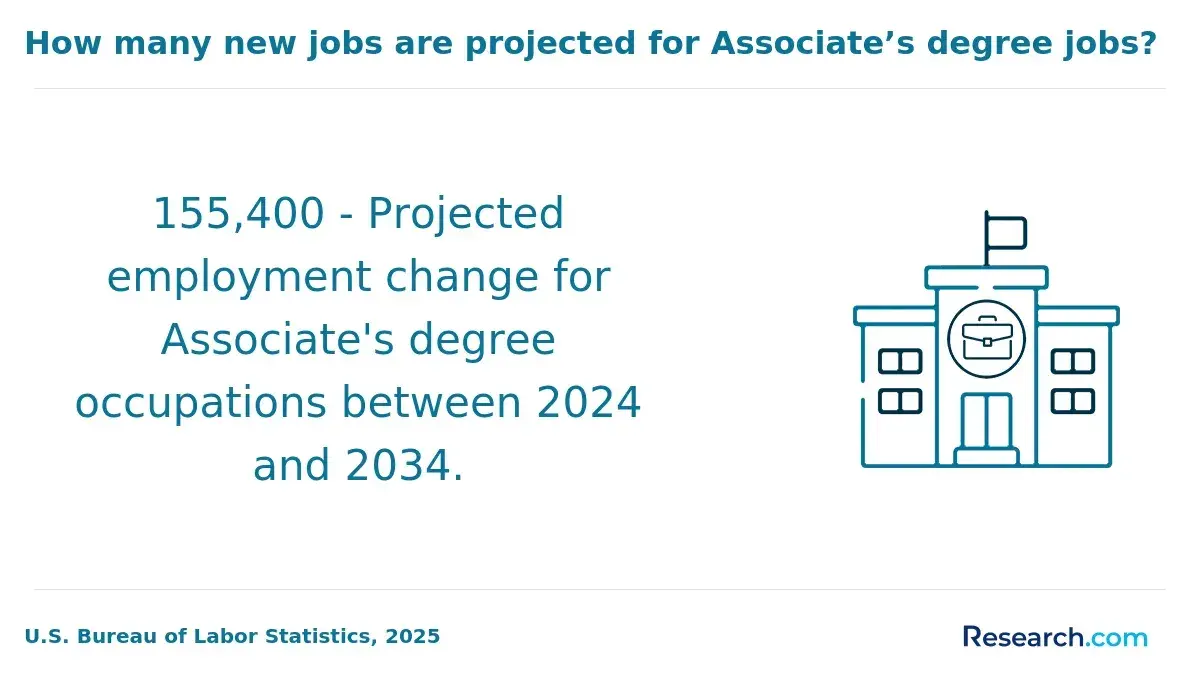
Programs assess paid, unpaid, part-time, and international work differently, influencing admission decisions. In 2024, graduates with relevant sustainability experience report a 15% higher median starting salary nationwide, highlighting the practical value of meeting these requirements.
This article clarifies how accredited U. S. institutions set, evaluate, and document work experience across degree formats, helping applicants navigate complex admissions criteria effectively.
Key Things to Know About Work Experience Requirements for Sustainability Degree Programs
- Experience thresholds vary by program level. Undergraduate paths often require minimal or no work experience, while master's and doctoral programs set specific benchmarks, typically 1 to 3 years of relevant work.
- Admissions committees evaluate experience quality. Paid, unpaid, part-time, and international roles are assessed for relevance and impact, with professional programs emphasizing leadership and project management skills.
- Documentation must be thorough. Transcripts, recommendation letters, and detailed resumes are standard, with growing use of digital portfolios and verified internships, reflecting 2024 trends in green job markets.
What Are the Work Experience Requirements for Sustainability Degree Programs at the Undergraduate Level?
Accredited sustainability programs at community colleges and four-year institutions generally treat work experience as a supplementary factor rather than a strict admission requirement for undergraduates.
Most undergraduate sustainability degree work experience requirements in the US emphasize academic preparation over prior professional experience, reflecting that many students enroll directly from secondary education.
Nonetheless, curricular designs often integrate practical exposure through experiential learning components that provide credit for internships, service-learning projects, or cooperative education placements. These opportunities help students gain valuable workplace skills while contextualizing sustainability concepts in real-world settings.
US sustainability programs undergraduate experience criteria vary. Some may recommend having work experience to strengthen applications, while others embed internships within degree plans to ensure structured workplace learning.
Differences emerge compared to graduate-level studies, where relevant professional experience is frequently expected or required due to program specialization and immediate career applicability.
For those starting their sustainability education right after high school, selecting programs with robust internship integration is advisable to build applicable experience during study. Mid-career professionals or international applicants should evaluate how paid, unpaid, part-time, or internationally earned experience is weighted within program requirements.
For those seeking further study options combining work experience with advanced business education, exploring an MBA online program can offer flexible pathways that accommodate career growth alongside academic advancement.
How Much Professional Experience Do Sustainability Graduate Programs Typically Require Before Admission?
Graduate programs in sustainability differ significantly in their work experience requirements, shaping how applicants position themselves within competitive admissions processes.
This variability reflects the diversity of program goals, degree levels, and academic rigor across the United States.
- No Experience: Some programs admit students directly from undergraduate studies without prior work experience. These pathways emphasize foundational knowledge and are tailored for recent graduates seeking to deepen academic mastery before entering the professional realm, reflecting lower work experience requirements for sustainability graduate programs in the United States.
- Recommended Experience: Many master's programs suggest two to three years of relevant professional experience, allowing applicants to contribute practical insights that enhance peer learning and support application-driven research.
- Preferred Extensive Experience: Elite or highly competitive sustainability degrees, particularly those focused on leadership or policy, often expect five or more years of professional engagement. Applicants to these programs tend to demonstrate advanced project management competencies and interdisciplinary expertise.
- Applicant Backgrounds: Typical cohorts comprise mid-career professionals from environmental science, business, engineering, and nonprofit sectors. Career changers often offset limited experience with internships or volunteer roles, while international candidates must carefully translate foreign work histories to meet U.S. admissions standards.
- Academic Rationale: Experience expectations vary by degree type: undergraduate-preparatory programs may waive it, whereas doctoral and executive master's programs generally require extensive professional practice to enrich research relevance and networking.
- Work Experience Types: Paid roles carry greater weight, but unpaid internships or part-time jobs can still demonstrate dedication and skill acquisition. Admissions committees evaluate experience based on quality, relevance, and duration rather than years alone.
Applicants should view experience minimums as starting points. Surpassing these benchmarks increases competitiveness and readiness for program demands. Those interested in accelerated pathways may also find valuable guidance in reviewing accelerated psychology programs online, which share some parallels in managing professional experience expectations.
The average professional experience needed for sustainability master's admission in the US tends to cluster around two to three years, though programs vary widely in their approach.
What Types of Work Experience Are Considered Relevant for Admission Into Sustainability Programs?
Programs in sustainability graduate admissions often describe "relevant" work experience broadly, creating uncertainty about what qualifies.
Typically, admissions committees value roles, sectors, and tasks demonstrating concrete engagement with the environmental, social, or economic aspects of sustainability.
- Environmental Roles: Jobs related to conservation, managing natural resources, environmental consulting, or positions with nonprofits focused on environmental causes usually hold strong relevance.
- Corporate Sustainability: Experience within companies advancing social responsibility, sustainability disclosures, or green policy implementations is often regarded favorably.
- Policy and Government: Work involving environmental policy-making, urban planning with sustainability aims, or public health issues tied to sustainable goals aligns well with program expectations.
- Research and Data Analysis: Positions involving climate, energy, or supply chain research are commonly recognized as pertinent.
- Community and Social Impact: Participation in social justice, community mobilization, or sustainable development with notes on equity or resilience can be qualifying experiences.
Conversely, backgrounds lacking sustainability focus are less likely accepted unless these roles included clear sustainability responsibilities.
The definition of relevance varies: general sustainability degrees accept broader experience, whereas specialized tracks like renewable energy or sustainable agriculture expect domain-specific work. Applicants should review individual program criteria carefully and reach out to admissions staff when their experience is unclear to ensure alignment.
When asked about what types of experience matter most, a professional who graduated from a sustainability program shared that navigating vague admissions guidance was challenging early on. He recounted, "I wasn't sure if my part-time internship with a local environmental group would count, especially since it was unpaid and informal."
"But after getting detailed feedback from the admissions office and highlighting how my tasks connected directly to urban sustainability challenges, I felt much more confident. It was a process of translating real-world actions into the language the program recognized." This experience underscores how proactive communication and effective documentation can strengthen an application even when the definition of relevant work is initially unclear.
Employer Confidence in Online vs. In-Person Degree Skills, Global 2024

How Do Sustainability Master's Programs Evaluate Part-Time or Volunteer Work Experience?
Master's programs in sustainability increasingly value diverse professional backgrounds, especially non-traditional experiences like part-time roles, freelance consulting, unpaid internships, and volunteer work.
Admissions committees prioritize the quality and relevance of these experiences over conventional full-time employment durations, assessing how closely applicants' responsibilities align with sustainability principles.
- Relevance: Candidates must demonstrate direct involvement with sustainability-focused initiatives to strengthen their applications.
- Sustained Commitment: Even if roles are part-time or voluntary, consistent engagement over months or years illustrates dedication and skill growth.
- Responsibility: Admissions weigh the degree of autonomy and decision-making applicants exercised, including leadership in projects or problem-solving within their positions.
- Skill Development: Rather than emphasizing job titles or hours, applicants should highlight concrete skills acquired, such as data analysis, policy research, or community engagement.
- Letters Of Recommendation: Endorsements from supervisors or mentors familiar with the applicant's sustainability-related contributions can significantly enhance the standing of non-traditional experience.
- Program Flexibility: Certain master's programs apply holistic admissions processes that equate diverse work experiences with standard employment.
Applicants navigating admissions for sustainability master's programs in the United States should carefully frame their work as meaningful contributions demonstrating skill and impact within the field. Strong recommendations and clear context help admissions committees accurately assess such backgrounds.
Combining these elements benefits applicants seeking pathways through accelerated or traditional degree timelines, accommodating the broad scope of sustainability career trajectories. Resources for prospective students interested in related fields can explore data science degrees to complement sustainability skill sets.
What Is the Minimum Work Experience Requirement for Sustainability MBA or Professional Degree Programs?
Work experience requirements for sustainability MBA and professional degrees vary widely, shaped by program format and target demographics. Part-time and online programs generally seek applicants with three to five years of relevant professional experience, catering to mid-career individuals balancing work and study.
Conversely, full-time, daytime programs often admit recent graduates or those with limited experience, setting minimum thresholds as low as zero to two years.
- Program Type: Evening and online sustainability degrees prioritize candidates with substantial work history, while traditional full-time formats emphasize early-career entrants.
- Experience Averages: Admissions committees evaluate the average years of experience within each incoming cohort, a key indicator of the typical student profile and competitiveness.
- Median vs. Minimum: Prospective students should focus on median experience figures rather than minimums, as medians provide a clearer reflection of the admitted class's professional maturity.
- Experience Variability: Programs recognize diverse experience forms with varied weighting placed on relevance and leadership roles.
- International Applicants: Foreign work experience requires thorough documentation and contextual translation to align with U.S. program expectations.
A professional who built her career after completing a sustainability degree recalled grappling with how to present her varied work history. "I had gaps and a mix of unpaid volunteer roles and part-time jobs," she explained, "so understanding how admissions viewed each was crucial." She took care to translate her international experience clearly, emphasizing project leadership and results.
"That process was daunting but rewarding. It forced me to tell a cohesive story about my growth and readiness." Her experience highlights the nuanced evaluation admissions committees undertake and underscores the importance of strategically framing one's professional background.
How Do Sustainability Doctoral Programs Distinguish Between Industry Experience and Academic Research Experience?
Doctoral programs in sustainability differentiate between applied professional experience and academic research experience based on whether they focus on practice or research.
Practice-oriented doctorates place greater importance on industry experience, valuing hands-on engagement that informs dissertation topics through real-world applications. These programs often request portfolios or resumes that highlight relevant fieldwork, leadership in projects, or consulting related to sustainability issues.
In contrast, research-centered doctoral programs like Ph.D. degrees prioritize academic research expertise developed during undergraduate or master's studies. Candidates must provide detailed research documentation. Academic credentials showcasing familiarity with research methods generally carry more weight than professional background in these tracks.
- Experience Weighting: Practice-focused programs favor industry involvement, while research-focused programs emphasize academic research credentials.
- Documentation: Portfolios and resumes support applied experience; research transcripts and publication records demonstrate scholarly accomplishments.
- Program Preferences: Some programs seek applicants with professional exposure to ground research in practical challenges; others prioritize theoretical knowledge and publication history.
- Applicant Strategy: Tailor application materials to underscore either professional or research experience aligned with the program's orientation.
- Advisory Tip: Contact program directors to clarify how experience compares with GPA and test scores in admissions decisions.
According to a 2024 national admissions report, 38% of sustainability doctoral applicants with professional experience had higher acceptance rates compared to those relying solely on academic credentials.
Which Sustainability Degree Programs Accept Internships or Co-Op Experience in Lieu of Full-Time Work History?
Many bachelor's completion and professional master's Sustainability programs formally accept co-op placements, structured internships, or supervised field practicums as valid substitutes for full-time work experience when these include significant academic oversight and professional development.
This flexibility is especially common in programs tailored for career changers and recent graduates seeking accelerated pathways.
- Program Acceptance: Accredited institutions offering Sustainability degrees often recognize co-op experiences embedded within the curriculum or approved by academic advisors as fulfilling experiential requirements. Such acceptance typically depends on the program's design and whether the placement is integrated with academic objectives.
- Co-op vs. Internship: Co-op placements carry higher academic rigor, often combining classroom learning with multi-term work rotations that include formal evaluations by employers and faculty. They are usually paid and provide comprehensive institutional oversight. Internships, by contrast, tend to be shorter and less structured academically, sometimes unpaid, with varied supervision levels, which can affect their formal recognition as work experience.
- Documentation Requirements: Students generally must provide detailed reports, supervisor evaluations, and verification of hours worked. Some programs also require evidence of learning outcomes and reflections on how the experience advances Sustainability competencies.
- Admissions Considerations: Competitive Sustainability programs may view unpaid or less formal internships positively during holistic admissions reviews, acknowledging relevant experience and applicant commitment, even if these do not replace formal work experience prerequisites.
It is crucial for applicants to secure written confirmation from program directors or admissions offices that a planned internship will fulfill experiential requirements before committing.
According to a recent survey by the National Association of Environmental Professionals, over 60% of Sustainability programs now incorporate co-op or internship credits within their experiential requirement policies, reflecting a growing trend toward flexible, inclusive pathways that accommodate diverse student backgrounds.
How Do Sustainability Online Programs Handle Work Experience Verification During the Admissions Process?
Online sustainability degree programs rely on structured methods to collect and verify applicants' work experience during admissions. These programs often cannot conduct in-person interviews, which challenges traditional verification of professional histories.
To overcome this, diverse approaches help confirm the authenticity and relevance of submitted experience, ensuring admissions integrity across undergraduate, master's, doctoral, and professional degree formats.
- Employer Confirmation: Applicants frequently must provide letters or official statements from employers detailing their roles, responsibilities, and employment duration. Such documents serve as verifiable proof of applied competencies in sustainability-related fields within the admissions process for sustainability degree work experience in the United States.
- LinkedIn Profiles: Admissions staff sometimes review LinkedIn accounts to cross-check applicants' work histories. Verified endorsements and recommendations on these profiles provide valuable supplementary verification of experience claims.
- Professional References: At least one reference is commonly required. These references assist faculty in evaluating practical skills and soft competencies crucial for success in graduate-level study.
- Resume Submission: A detailed, well-organized resume is fundamental. It should clearly outline relevant positions, project involvement, and certifications connected to sustainability practices, emphasizing achievements that strengthen the application.
- Challenges: Remote verification introduces hurdles such as absence of face-to-face interviews and uneven documentation standards, especially for international or part-time roles. Programs address these by setting clear evidence guidelines and occasionally following up with employers or references.
- Variations in Policy: Programs differ in weighing experience. Some mandate a minimum number of years as a formal admission requirement, while others treat it as an optional asset that enhances an applicant's profile.
- Application Advice: Prospective students should prepare precise resumes and secure reliable employer references highlighting their professional sustainability qualifications and contributions.
Work experience verification in sustainability online programs thus functions as a multi-faceted process adapting to diverse applicant backgrounds. For those exploring accelerated or specialized pathways, and even international candidates managing complex documentation, understanding these variables is essential.
For those interested in related fields, examining a sports management online degree may provide insight into comparable admissions structures.
What Role Does Work Experience Play in Sustainability Program Rankings and Selectivity?
Work experience is a key factor in United States sustainability program admissions criteria and heavily influences rankings and selectivity. Leading ranking methodologies include metrics such as average years of work experience for entering students, employer reputation scores, and alumni career outcomes.
These metrics interact to form feedback loops where programs admitting cohorts with more extensive professional backgrounds typically achieve higher rankings-thereby attracting increasingly competitive applicants in future cycles.
- Experience Thresholds: Many programs set minimum work experience requirements to ensure incoming students contribute practical insights that enrich academic discussions. This is especially prevalent at master's and doctoral levels.
- Employer Reputation: Scores reflecting employer satisfaction with graduates raise program rankings and encourage enrollment of candidates who possess established professional track records.
- Alumni Outcomes: Data on career advancement underscore how well programs support experienced professionals aiming for leadership roles in sustainability fields, reinforcing preferences for ranked programs.
- Selectivity Feedback: Average entering experience serves as a reference for applicants. Those with several years in sustainability roles should prioritize programs matching their cohort profiles.
- Application Strategy: Considering work experience requirements alongside program fit, cost, and specific sustainability concentrations remains essential since rankings are just one part of evaluation.
In addition to traditional paid roles, admissions committees often recognize unpaid, part-time, and internationally earned experience, vital for career changers and international applicants to understand when presenting their backgrounds. Tailoring your application list accordingly increases admission chances and ensures a productive academic experience.
For guidance on financial planning during graduate studies, exploring sources like how much does a masters in counseling cost can offer useful parallels related to program expenses within U.S. higher education.
How Do Sustainability Programs With Accelerated Tracks Adjust Their Work Experience Expectations?
Accelerated sustainability programs adjust experience requirements based on their target students. Those aimed at recent graduates typically ask for less formal work history, emphasizing academic achievement and potential instead.
In contrast, fast-track executive formats generally expect applicants to bring substantial mid-career experience, reflecting the cohort's professional maturity and program rigor.
- Experience Expectations: Accelerated tracks for early-career students rely less on prior jobs and more on leadership or project roles, while executive programs require seasoned experience aligned with high-level sustainability challenges.
- Cohort Diversity: Fewer work experience demands often result in younger groups with more homogenous career backgrounds, which may reduce the richness of peer learning central to sustainability education.
- Coursework Depth: Condensed schedules force accelerated programs to cover material faster, limiting the opportunity for deep dives and practical application compared to traditional timelines.
- Career Support Services: Programs geared toward less experienced students tend to enhance advising and mentorship, helping them build relevant skills during their studies.
- Classroom Dynamics: Limited professional experience among peers can challenge discussion quality, as students with deeper careers often dominate conversations around real-world sustainability practices.
- Recommendations for Applicants: Those with minimal experience should strengthen their profiles by engaging in leadership activities, sustainability projects, or research to stay competitive.
- Current Trend: A 2024 survey found over 60% of accelerated master's tracks now prioritize demonstrable leadership or project experience instead of traditional work history.
Which Sustainability Degree Concentrations Require the Highest Levels of Prior Professional Experience?
Certain sustainability degree concentrations frequently mandate substantial prior professional experience, either as official prerequisites or strong informal expectations. These specializations are crafted to support mid-career professionals who bring significant expertise, aligning with disciplinary standards and accreditation criteria emphasizing applied leadership, strategic insight, and regulatory knowledge.
Applicants aiming for these advanced tracks generally need several years of relevant work, often including managerial roles or cross-sector collaboration. Such demands reflect the complexity of the curriculum and the value placed on practical contributions during coursework and capstone projects. Consequently, early-career individuals may face barriers to entry in these concentrations.
To accommodate a wider range of experience levels, many programs offer a dual approach: foundational concentrations designed for those with limited or no professional history alongside advanced pathways intended for seasoned professionals.
Prospective students can gauge which tier a track falls into by examining admissions criteria and reviewing the professional backgrounds of enrolled students and alumni, typically accessible via program websites and professional networking platforms. As of 2024, over 60% of sustainability master's programs nationally have raised minimum experience expectations for executive and policy-focused concentrations compared to foundational options.
What Graduates Say About the Work Experience Requirements for Sustainability Degree Programs
- Tony: "From my experience, the work thresholds in sustainability programs are thoughtfully tailored depending on the degree level. Undergraduates typically have clear-cut hour requirements, while doctoral candidates face more complex, research-oriented evaluations. What stood out was how institutions emphasize reflective documentation, requiring portfolios or detailed logs that demonstrate real-world impact. This approach not only sets a standardized bar but encourages personal growth beyond mere hours served."
- Denver: "Reflecting on the different program formats, I found the way experience is evaluated varies significantly. Master's programs often use a mix of supervisor evaluations and project outcomes, whereas professional degrees incorporate industry certifications as part of the criteria. Across all levels, I noticed institutions strive to align experience requirements with career readiness, balancing rigor with flexibility. This gave me confidence that my documented experiences would be respected and meaningful in the job market."
- Kai: "Professionally, I appreciated how accreditation bodies influence the setting of experience thresholds, ensuring consistency nationwide even though program structures differ. Documentation standards impressed me most, especially for doctorate programs, where detailed reflection essays and verified field reports are crucial. The variability across undergraduate to professional programs sometimes felt challenging, but it also allowed me to tailor my experiences strategically to meet specific evaluation demands."
Other Things You Should Know About Sustainability Degrees
Prospective Sustainability students without conventional work experience can strengthen their applications by highlighting relevant volunteer work, internships, or research projects. Additionally, emphasizing soft skills such as problem-solving and teamwork, and showcasing a strong personal statement that demonstrates passion and understanding of sustainability issues, can also enhance their application.
Most programs require official documentation such as letters of recommendation, employer verification letters, or detailed resumes outlining roles and responsibilities. Some schools may request pay stubs or contracts to confirm employment duration and nature, especially for paid positions. It is important to provide clear evidence distinguishing between full-time, part-time, and unpaid work.
International candidates must submit translated and notarized versions of work documents, including employment letters and contracts. Schools typically recommend credential evaluation services to verify authenticity and equivalency to U.S. standards. Detailed descriptions of job duties and organizational context help admissions committees assess the relevance and level of experience accurately.
Work experience often plays a significant role in qualifying for scholarships or fellowships within sustainability degree programs. Programs may prioritize applicants with demonstrated professional engagement in sustainability-related sectors for funding opportunities. The depth and relevance of the experience can influence eligibility and competitiveness for merit-based awards.
References
- The Road to a Sustainability Career: Grad School or Work First? https://leadthechange.bard.edu/blog/the-road-to-a-sustainability-career-grad-school-or-work-first
- Checklist for Starting a Career in Sustainability https://www.upskillist.com/blog/checklist-for-starting-a-career-in-sustainability/
- Climate Internships - Find environmental, sustainability, and climate change internships! https://www.climateinternships.org/
- The Role of Work Experience in the UK Higher Education Admissions Process - Education and Employers https://www.educationandemployers.org/research/the-role-of-work-experience-in-the-uk-higher-education-admissions-process/
- Which of these 40 sustainability certifications is right for you? https://trellis.net/article/40-sustainability-certifications/
- Sustainability based careers and graduate prospects https://uwlpress.uwl.ac.uk/newvistas/article/id/193/
- How to Evaluate an MBA in Sustainability Management: A 10-Point Checklist - S U M A S https://sumas.ch/how-to-evaluate-an-mba-in-sustainability-management-a-10-point-checklist/
- 14+ World-Class Sustainability Internships https://www.sustainabilitydegrees.com/blog/world-class-sustainability-internships/