2027 How to Become a BCBA Online: Complete Step-by-Step Roadmap

Co-Founder and Chief Data Scientist
Becoming a Board Certified Behavior Analyst is a structured credentialing path, not simply a degree choice. You need graduate-level education, behavior-analytic coursework, supervised fieldwork, exam eligibility, and ongoing professional development. For many students, an online BCBA pathway is attractive because it can make the coursework portion more flexible while they continue working or arrange supervised experience locally.
This guide is for prospective graduate students, educators, psychology and counseling professionals, behavior technicians, and career changers who want a clear view of what BCBA preparation involves. It explains the certification steps, online degree expectations, coursework topics, fieldwork requirements, continuing education, program costs, selection criteria, salary benchmarks, related jobs, and employment outlook.
The key decision is whether a program will actually move you toward certification in a practical, affordable, and compliant way. Before enrolling, confirm accreditation, BACB-related coursework expectations, fieldwork support, total cost, and any state licensure rules that may affect where you plan to work.
Key Benefits of Being a Board Certified Behavior Analyst (BCBA)
- The growing need for behavioral and mental health services has increased demand for Board Certified Behavior Analysts across schools, clinics, and healthcare organizations.
- BCBAs typically earn higher-than-average salaries among behavioral health professionals, with compensation reflecting experience, specialization, and regional demand.
- The role allows professionals to make measurable differences in people’s lives by helping clients develop essential skills, improve behaviors, and achieve long-term personal goals.
What is the step-by-step process of becoming a BCBA?
Becoming a Board Certified Behavior Analyst typically requires completing graduate education, verified behavior-analytic coursework, supervised fieldwork, and the BCBA certification exam. The process is regulated by the Behavior Analyst Certification Board (BACB), so candidates should check current BACB requirements before they enroll, begin fieldwork, or submit an exam application.
- Earn a relevant graduate degree. Complete a master’s degree in behavior analysis, psychology, education, or a related field from an accredited institution. The degree should support your certification goal, not just your general academic interest.
- Complete verified coursework. Take coursework that covers the BACB’s required content areas, including behavioral assessment, intervention, measurement, ethics, and research-based practice. Many students complete this portion through BCBA online coursework because it can fit around work schedules.
- Plan supervised fieldwork early. Fieldwork is often the hardest requirement to coordinate. Before choosing a program, ask whether it helps students locate supervisors, document hours, and understand what types of activities count.
- Accumulate supervised experience. Work under a qualified BCBA supervisor in settings where you can apply behavior-analytic principles with appropriate oversight. Quality matters: strong supervision builds the judgment needed for ethical practice.
- Apply for the BCBA exam. Submit required documentation to the BACB, including education and supervised experience records. Keep organized records throughout the process so your application is not delayed.
- Pass the certification exam. The exam assesses applied behavior analysis concepts, principles, procedures, measurement, assessment, intervention, supervision, and ethics.
- Maintain certification. After earning the credential, complete required continuing education and follow professional and ethical standards to keep certification active.
The best approach is to treat certification as a project with deadlines, documentation, and compliance checkpoints. A degree program can help, but candidates remain responsible for confirming that every requirement is met.
What online degree do you need to become a BCBA?
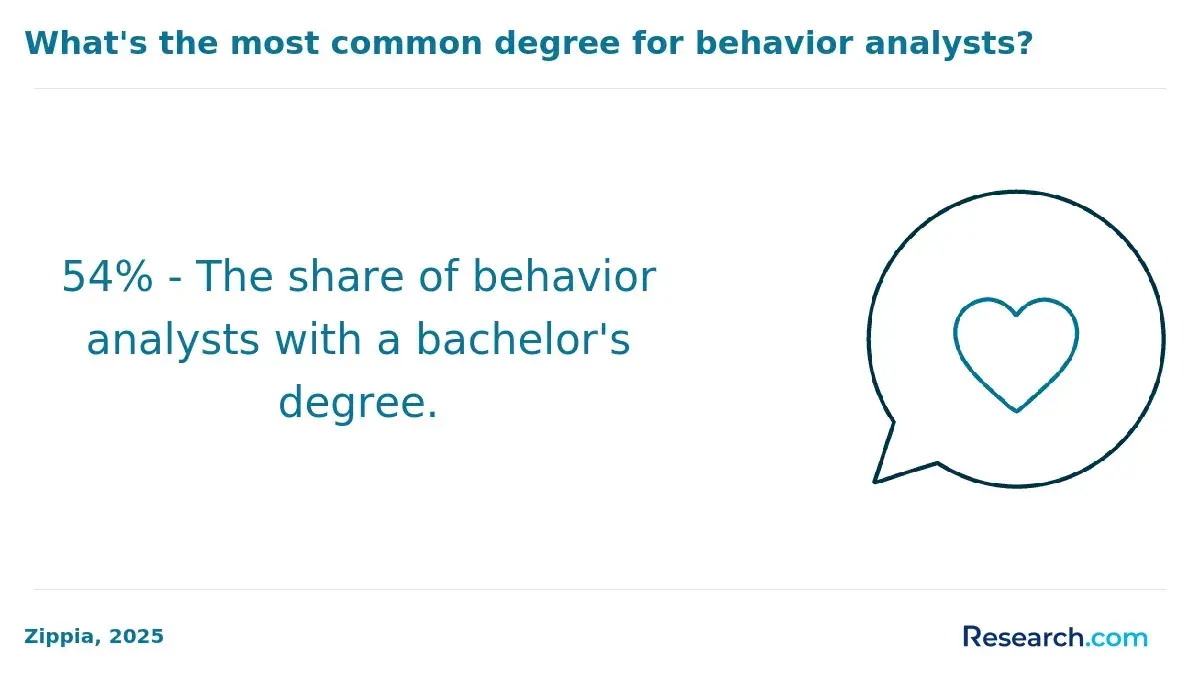
To become a BCBA, you generally need a graduate-level degree in a field aligned with behavior analysis. Most candidates pursue a master’s degree in applied behavior analysis, psychology, education, or a related behavioral science. The degree must come from an accredited institution and include coursework that satisfies BACB expectations.
An online program can be a strong option if it offers the right curriculum and support. However, students should understand the distinction between online coursework and hands-on certification requirements. You may be able to complete classes online, but supervised fieldwork must still meet BACB documentation and supervision standards.
When comparing programs, look for a pathway that clearly leads to a BCBA degree or graduate preparation aligned with certification requirements. Do not assume that any psychology, education, or counseling master’s degree will qualify. The safest approach is to verify the curriculum, accreditation, and certification alignment before applying.
What to confirm before enrolling
- Institutional accreditation: The school should be properly accredited by a recognized accrediting body.
- BACB-related coursework: The program should clearly state how its coursework supports BCBA exam eligibility.
- Fieldwork guidance: Ask whether the school helps students understand supervision rules, documentation, and placement expectations.
- State requirements: Some states may require licensure or additional credentials beyond BCBA certification.
- Program format: Confirm whether classes are asynchronous, synchronous, or a mix, and whether any campus visits are required.
A good online BCBA program should make requirements transparent. If a program cannot clearly explain how its degree and coursework connect to certification eligibility, continue comparing options.
What topics are covered in online behavior-analytic coursework for BCBA preparation?
Online behavior-analytic coursework should prepare students to understand behavior, measure it accurately, design ethical interventions, evaluate outcomes, and supervise services responsibly. A strong BCBA online curriculum is not limited to theory; it should connect concepts to the decisions behavior analysts make with clients, families, schools, clinics, and care teams.
Students comparing an online BCBA degree should look for coursework that is organized around the knowledge and skills needed for supervised fieldwork and exam preparation.
- Foundations of behavior analysis: Covers core principles such as reinforcement, punishment, stimulus control, motivating operations, and behavior-environment relationships.
- Measurement and data analysis: Teaches how to define behavior, collect reliable data, graph results, and use data to guide clinical and educational decisions.
- Behavioral assessment: Focuses on identifying the function of behavior, conducting assessments, interpreting patterns, and selecting appropriate intervention goals.
- Intervention design and implementation: Prepares students to build behavior support plans, select evidence-based procedures, monitor progress, and adjust interventions when data show limited improvement.
- Ethics and professional conduct: Covers client rights, consent, scope of competence, documentation, supervision, conflicts of interest, and responsible decision-making.
- Research methods and experimental design: Develops the ability to evaluate research, interpret evidence, and apply single-case and applied research methods to practice.
- Supervision and collaboration: Addresses how BCBAs train staff, work with families and interdisciplinary teams, and maintain service quality across settings.
The strongest coursework helps students answer practical questions: What behavior should be targeted? How should progress be measured? Which intervention is ethical and appropriate? When should a plan be revised? These skills are central to competent BCBA practice.
How many supervised fieldwork hours are required for BCBA certification?
Supervised fieldwork gives BCBA candidates the opportunity to apply behavior-analytic principles under professional oversight. Candidates are required to complete a minimum of 1,500 hours of supervised independent fieldwork, or 2,000 hours for concentrated supervision models, depending on the type approved by the Behavior Analyst Certification Board (BACB).
Because fieldwork rules are detailed and documentation-sensitive, students should confirm current BACB requirements and program guidance before logging hours. Hours that are poorly documented, supervised by an unqualified supervisor, or completed in activities that do not meet requirements may not count.
What supervised fieldwork usually includes
- Conducting behavioral observations and assessments
- Participating in functional behavior assessments
- Developing individualized treatment or behavior support plans
- Implementing and evaluating behavioral interventions
- Collecting, graphing, and interpreting client progress data
- Reviewing cases with a qualified BCBA supervisor
- Discussing ethics, client rights, documentation, and professional judgment
Students in a BCBA online program often complete fieldwork near where they live or work. This can be convenient, but it requires planning. Ask potential employers, clinics, schools, or agencies whether a qualified supervisor is available and whether the work setting offers enough appropriate behavior-analytic activities.
Common fieldwork mistakes to avoid
- Starting fieldwork before confirming supervision requirements
- Assuming any human services job automatically counts toward hours
- Failing to keep detailed records from the beginning
- Choosing a placement with limited assessment or intervention responsibilities
- Relying on a supervisor who cannot meet BACB expectations
Fieldwork is more than a time requirement. It is where candidates develop the professional judgment, case formulation skills, and ethical decision-making expected of independent behavior analysts.
How many continuing education units are required to maintain BCBA certification?
BCBA certification is not a one-time credential. Certified behavior analysts must complete continuing education to stay current with ethical standards, research, assessment practices, supervision expectations, and intervention methods.
The Behavior Analyst Certification Board (BACB) mandates that BCBAs earn 32 CEUs every two years. These units must include at least 4 CEUs in ethics and professional conduct, while the remaining 28 CEUs can be earned through approved professional learning activities.
CEUs may come from conferences, workshops, webinars, courses, research, teaching activities, or other approved options. Many working professionals prefer online CEUs because they can complete them around client schedules and supervision duties. Graduates of ABA online masters programs may also find that their schools or professional networks provide continuing education opportunities after graduation.
How to plan CEUs strategically
- Do not leave ethics CEUs until the last minute. Ethics requirements are specific, and not every training qualifies.
- Choose CEUs that match your setting. A school-based BCBA, clinical supervisor, autism services provider, and organizational consultant may need different professional development.
- Keep records organized. Save certificates, provider information, dates, and topic descriptions in case you need documentation.
- Use CEUs to strengthen weak areas. Continuing education is most valuable when it improves assessment, supervision, data analysis, or intervention quality.
Meeting CEU requirements keeps certification active, but the larger goal is professional competence. Behavior analysis changes as research, regulations, client needs, and service models evolve.
What is the average cost of an online BCBA program?
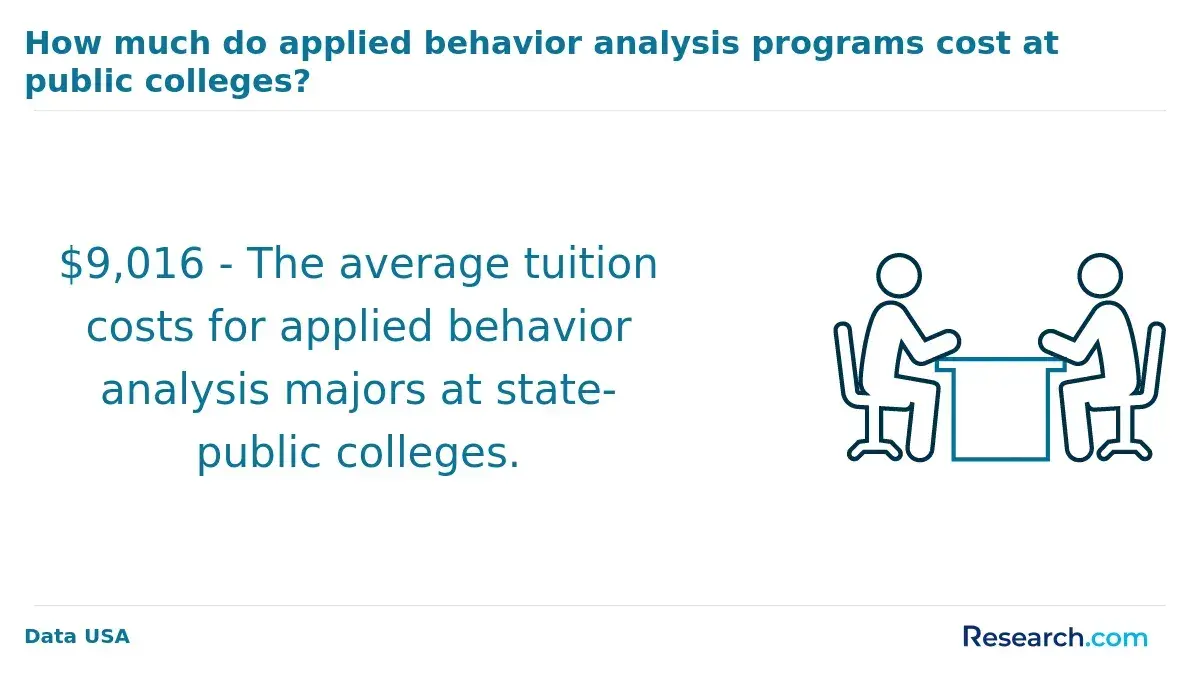
The cost of an online BCBA program depends on the school, degree type, number of required credits, technology fees, textbooks, supervision support, and exam preparation resources. On average, tuition for an online BCBA program ranges from $12,000 to $25,000 for the full graduate-level course sequence.
Tuition is only part of the total cost. Candidates should also budget for fees, books, background checks, professional liability insurance, travel to fieldwork sites, supervision-related expenses, and certification exam preparation materials if they are not included.
| Cost factor | Why it matters |
| Tuition | This is usually the largest direct expense and may vary widely by institution. |
| Program fees | Online programs may charge technology, student services, or course-specific fees. |
| Books and materials | Textbooks, assessment materials, and exam review tools can add to the total cost. |
| Supervised fieldwork expenses | Some students may face costs related to travel, documentation, insurance, or placement requirements. |
| Lost income or schedule limits | Even online students may need to reduce work hours to complete coursework or fieldwork. |
Financial aid may include federal student loans, scholarships, employer tuition reimbursement, or institutional aid, depending on the program and student eligibility. Before enrolling, ask for the full estimated cost of attendance and clarify whether the listed price includes only coursework or the entire degree.
An online format can reduce relocation and commuting costs, but it is not automatically the cheapest option. The best value is a program that is affordable, properly aligned with certification requirements, and realistic to complete without interrupting fieldwork or employment.
What factors should you evaluate when choosing an online BCBA program?
Choosing an online BCBA program should be a compliance decision, a financial decision, and a career decision. A program may be convenient, but convenience is not enough if the curriculum does not support certification goals or if fieldwork support is weak.
Many students begin by comparing schools listed among the best online BCBA programs, but rankings should be only one part of the process. You should verify whether each program fits your state, schedule, budget, supervision access, and career goals.
- Accreditation: Confirm that the institution is accredited by a recognized accrediting body. Accreditation can affect financial aid, transferability, employer recognition, and academic credibility.
- BACB-verified coursework: Make sure the curriculum is explicitly designed to satisfy the required behavior-analytic coursework for certification preparation.
- Fieldwork support: Ask whether the program helps students identify supervisors, understand documentation, and avoid common fieldwork errors.
- Faculty qualifications: Look for instructors with applied behavior analysis experience, certification knowledge, research engagement, and practical insight into client services.
- Online learning format: Determine whether courses are asynchronous, live, accelerated, cohort-based, or self-paced. The best format depends on your work schedule and learning style.
- Cost and aid: Compare tuition, fees, books, supervision-related costs, and available scholarships, loans, or employer reimbursement.
- Student support: Online learners benefit from advising, technical support, writing help, fieldwork guidance, and career services.
- Exam preparation: Review whether the program offers practice exams, review sessions, study plans, or performance feedback.
- State authorization and licensure fit: If you plan to practice in a specific state, confirm whether additional licensure or credentialing requirements apply.
Questions to ask admissions before applying
- How does the program prepare students for BCBA certification requirements?
- Does the school assist with supervised fieldwork placement or only provide coursework?
- What percentage of students complete the program on time?
- Are there any required campus visits, live class meetings, or practicum expectations?
- What is the total estimated cost, including fees and materials?
- What support is available for students who work full time?
A strong program should answer these questions directly. If you receive vague responses, request written clarification before committing.
What is the annual salary of BCBAs in the U.S.?
BCBA salaries vary by location, work setting, experience, specialization, and supervisory responsibility. The Bureau of Labor Statistics (BLS) does not categorize Board Certified Behavior Analysts separately, so psychologist wage data can be used only as a broad benchmark, not a direct BCBA salary guarantee.
According to the latest data, the median annual wage for psychologists was $94,310 as of May 2024. The wage range varied significantly, with the lowest 10% earning less than $54,860 and the highest 10% earning more than $157,330.
Location can have a major effect on compensation. California reported one of the highest annual mean wages for psychologists at $134,360. Employment setting also matters. The government sector outside of state and local education or hospital settings paid a median of $126,990, making it one of the higher-paying industries for psychology professionals.
For BCBAs, pay may also depend on whether the role involves direct clinical services, case supervision, staff training, school consultation, program administration, or private practice. Professionals who complete a BCBA online pathway should evaluate salary offers in context: caseload size, billable-hour expectations, benefits, supervision responsibilities, travel requirements, and opportunities for advancement can all affect the real value of a position.
The most realistic salary planning uses multiple sources: employer postings, regional demand, state licensure rules, professional networks, and setting-specific expectations. BLS psychologist data is useful for context, but BCBA candidates should not treat it as a precise salary forecast.
What other jobs are available for someone certified as a BCBA?
BCBA certification can support several roles in healthcare, education, autism services, behavioral health, social services, and organizational consulting. Many jobs involve assessment, intervention design, staff supervision, caregiver training, data review, and treatment planning.
- Behavior Analyst: Assesses behavior, designs intervention plans, monitors data, and adjusts services based on client progress.
- Clinical Supervisor: Oversees behavior technicians, trainees, or junior clinicians and helps ensure services follow ethical and professional standards.
- Program Director: Manages behavioral service programs, staffing, quality assurance, budgets, policies, and treatment protocols.
- School Behavior Specialist: Supports students with behavioral and learning challenges, collaborates with educators, and helps implement behavior support plans.
- Autism Specialist: Develops and monitors interventions for children or adults on the autism spectrum in clinical, home, school, or community settings.
- Research Coordinator: Supports applied behavior analysis studies, evaluates outcomes, manages data, and contributes to evidence-based practice.
- Consultant: Advises schools, clinics, agencies, or organizations on behavioral systems, staff training, program design, and intervention quality.
Career direction often depends on the population you want to serve and the setting you prefer. For example, school-based roles may involve collaboration with teachers and individualized education teams, while clinical roles may involve treatment planning, family training, and supervision of direct care staff. Leadership roles typically require stronger experience in compliance, staff development, documentation, and program evaluation.
Certification can open doors, but employers still look closely at supervised experience, communication skills, ethical judgment, and the ability to use data effectively. Candidates should use fieldwork placements to build experience in the settings where they hope to work after certification.
What is the job growth outlook for BCBAs?
BCBA-specific employment data is not separately reported by the Bureau of Labor Statistics, so psychologist projections provide a general labor-market reference. According to BLS projections for psychologists from 2024 to 2034, employment is expected to increase by approximately 6%, with around 12,900 openings each year on average.
Several factors support demand for behavior-analytic professionals. Schools, healthcare providers, behavioral health organizations, and community agencies continue to recognize the value of assessment-driven behavioral intervention. Services for individuals with developmental disabilities and autism spectrum disorders also contribute to the need for trained behavior analysts.
Online education may help more candidates enter the profession by making coursework more accessible. However, completing a BCBA online program does not eliminate the need for supervised fieldwork, exam eligibility, state compliance, and strong practical experience.
Opportunities and challenges
- Demand is setting-specific. Some regions and employers may have stronger need for BCBAs than others.
- State rules matter. Some states impose additional licensure or credentialing beyond BACB certification, which can affect mobility and practice options.
- Experience can separate candidates. Credentials alone may not guarantee placement in competitive markets without strong fieldwork, specialization, or supervisory skill.
- Job quality varies. Some roles may be part time or offer lower wages than full-time clinician or leadership positions.
Overall, the outlook is positive for candidates who plan carefully. The strongest applicants will pair certification preparation with high-quality supervision, relevant fieldwork, ethical practice habits, and awareness of local licensure and employer expectations.
Other Things You Should Know About Being a BCBA
To become a BCBA online, you need to complete a Verified Course Sequence (VCS) approved by the Behavior Analyst Certification Board. This involves a minimum of 270 classroom hours covering essential topics like ethics, assessment, and intervention strategies. Enrollment in a master's program is typically required.
To become a BCBA in 2027, start by earning a degree from an ABAI-accredited program. Complete the required supervised fieldwork and pass the BCBA exam. Afterward, submit your application through the BACB online portal, ensuring all documentation and fees are included.
To apply for BCBA certification in 2027, first, complete a relevant graduate degree, then enroll in approved coursework. Gain supervised fieldwork, and pass the BCBA exam. Consult the BACB website for detailed and up-to-date requirements and applications.
References
- Association of Professional Behavior Analysts. (n.d.). Subspecialty Resources. Retrieved from https://www.apbahome.net/career-center
- Behavior Analyst Certification Board. (2025, March 1). 2027 BCBA eligibility requirements [PDF]. https://www.bacb.com/wp-content/uploads/2025/03/2027-BCBA-Requirements_250423-a.pdf
- Behavior Analyst Certification Board. (2025, August). Board Certified Behavior Analyst® Handbook [PDF]. https://www.bacb.com/wp-content/uploads/2025/08/BCBAHandbook_250818-2-a.pdf
- Pepperdine University. (n.d.). Master of Science in Applied Behavior Analysis – Online. Retrieved from https://onlinegrad.pepperdine.edu/psychology/online-masters-behavior-analysis/
- U.S. Bureau of Labor Statistics. (2024, May). Psychologists: Occupational Outlook Handbook. U.S. Department of Labor. https://www.bls.gov/ooh/life-physical-and-social-science/psychologists.htm