
2027 License vs. Certification for Massage Therapists: Explaining the Difference

Co-Founder and Chief Data Scientist
Many aspiring massage therapists struggle to figure out whether they need a license, a certification, or both before starting their practice. Others worry about meeting state requirements, facing delays in approval, or investing in programs that don’t meet the right standards. These challenges are common, especially as more states tighten regulations to protect clients and ensure quality care. In 2024 alone, the massage therapy industry employed over 180,000 professionals nationwide, making compliance more crucial than ever.
This article breaks down the key differences between licensing and certification for massage therapists in 2027. Prepared by experts in career planning, it will guide readers through the requirements, benefits, and steps needed to stay compliant and confidently advance their careers.
Key Benefits of License vs. Certification for Massage Therapists
- Opens doors to a wider range of roles in spas, wellness centers, medical clinics, and private practice.
- Massage therapists with the right license earn a median annual wage of around $49,100, with higher potential in specialized fields.
- Having the appropriate credential—license or certification—streamlines the hiring process and ensures legal compliance in all practicing states.
- What is the key difference between a massage therapy license and certification in 2027? Key Difference
- Which states require a massage therapy license in 2027? States
- How many hours of training are required for a massage therapy license? Training Hours
- Is certification training shorter or less expensive than licensing programs? Is certification training shorter or less expensive than licensing programs?
- How often do you need to renew your certification or license? Renewal
- What jobs can you get with a massage therapy license versus certification? Jobs
- What are the pros and cons of online training for massage therapists? What are the pros and cons of online training for massage therapists?
- What should massage therapists know about scope of practice laws in their state? What should massage therapists know about scope of practice laws in their state?
- Is the demand for licensed massage therapists increasing in 2027? Job Outlook
- Which industries will hire the most massage therapists in the coming years? Industries
What is the key difference between a massage therapy license and certification in 2027?
A license is required by most states to legally practice massage therapy, while a certification proves your skills in a particular area of the field. The license focuses on meeting state regulations for public safety. Certification for massage therapists is optional and highlights advanced training or specialization.
Students exploring health and wellness careers—such as those considering an online exercise science degree—often find it useful to understand how licensing compares with certification in massage therapy.
Massage Therapy License
A license is issued by a state board and is mandatory in most states. It typically requires 500–1,000 hours of approved training, passing the MBLEx, and sometimes a background check. Licenses must be renewed regularly, often every one or two years, with continuing education credits. Working without one in a regulated state can lead to fines or loss of the right to practice.
Massage Therapy Certification
A certification for massage therapists comes from training programs or professional associations, not the state. It reflects specialized skills in areas such as sports massage, prenatal massage, or medical massage. While not legally required, it can make you more competitive for certain jobs and higher pay.
With more than 180,000 massage therapists in the U.S. in 2024—most in states that enforce licensing—knowing the difference determines whether you can practice legally and helps you focus your time and money on the credentials that will actually move your career forward.
Which states require a massage therapy license in 2027?
Most U.S. states require massage therapists to have a state-issued license to practice legally. Licensing ensures therapists meet essential standards for training, safety, and professionalism. In 2027, only a few states do not have statewide licensing, but many still enforce local rules through cities or counties.
Those exploring related health and wellness careers—such as pursuing the best bachelor’s degree in sports management—can benefit from understanding licensing requirements before entering the field.
States That Require Licensing
A total of 45 states, plus Washington, D.C., Puerto Rico, and the U.S. Virgin Islands, require massage therapists to hold a state license for massage therapists. These states typically require meeting set education hours, passing an exam like the MBLEx, and fulfilling renewal requirements.
States Without Statewide Licensing
Only California, Kansas, Minnesota, Vermont, and Wyoming do not mandate a statewide license for massage therapists. However, many local governments in these states require permits, background checks, or other qualifications to practice.
Before applying or moving to a new state, massage therapists should check the official state massage therapy board or department of health website for the most up-to-date regulations.
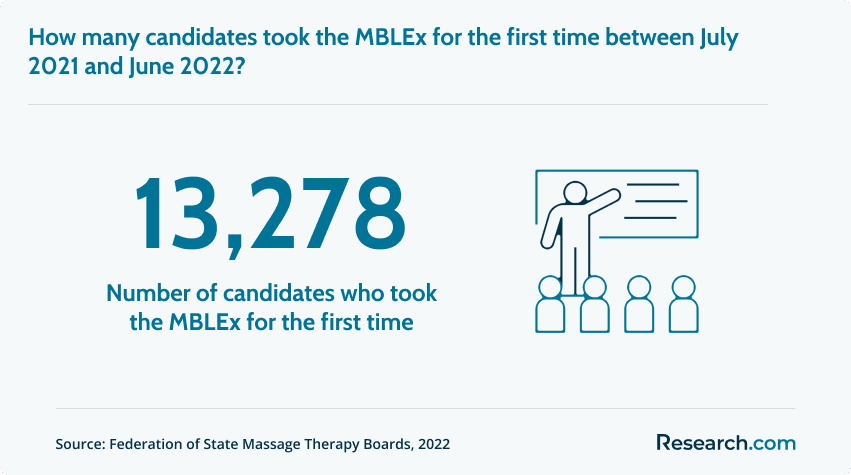
The licensing landscape underscores how standardized the profession has become nationwide. With 45 states plus three U.S. jurisdictions requiring a license for massage therapists, more than 90% of the country enforces consistent educational and examination standards for massage therapists. This uniformity helps ensure that the roughly 13,278 first-time MBLEx candidates who tested between July 2021 and June 2022 enter a profession that prioritizes public safety and ethical practice.
In contrast, the five states without statewide licensing reflect the importance of local oversight. Practitioners in these states often still meet rigorous local permitting or health department requirements, showing that some level of regulation exists across virtually all regions. This data highlights that, whether state- or locally governed, most U.S. massage therapists are practicing under structured professional standards.
How many hours of training are required for a massage therapy license?
Most states require 500 to 700 hours of formal training from an approved massage therapy school to qualify for a license. These hours typically include classroom instruction, hands-on practice, and clinical experience to ensure therapists are prepared to work safely and effectively.
Students exploring health and science careers—such as considering what can you do with a biochemistry degree—can see parallels in the importance of structured training and professional standards.
While 500 hours is the common baseline in many states, others set higher requirements. For example, Maryland requires around 750 hours, Washington and Alaska require 625 hours, and Arizona mandates 700 hours. These programs usually cover anatomy, physiology, ethics, business practices, and supervised clinical work.
Because regulations vary, it’s important for future massage therapists to check their state’s licensing board for specific requirements. Meeting the required hours is a critical step before taking the licensing exam, such as the MBLEx, and applying for a license.
The variation in training hours reflects each state’s priorities for health and safety standards in massage practice. States with higher hour requirements often aim to ensure more extensive clinical preparation and a deeper understanding of anatomy and therapeutic techniques.
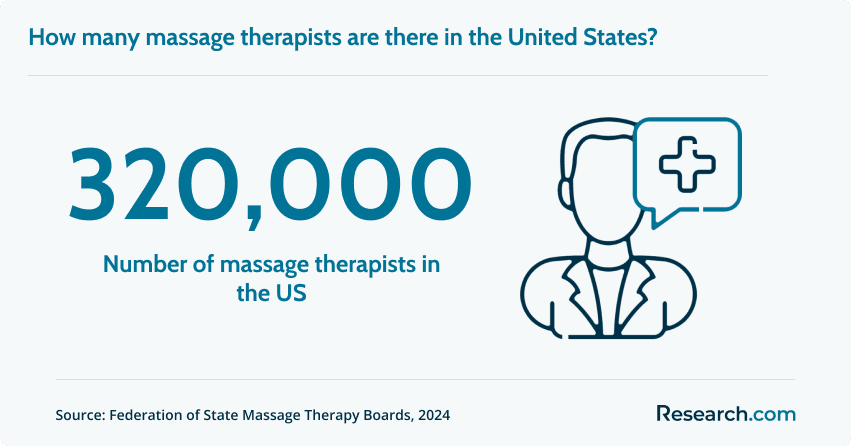
This emphasis on rigorous training and requirements for massage therapists supports professional credibility in a field that employs about 320,000 massage therapists nationwide. As demand for massage therapy grows, meeting these training benchmarks helps maintain consistent quality of care across states.
Is certification training shorter or less expensive than licensing programs?
Yes. Certification programs are generally shorter and less expensive than licensing programs because they do not have to meet the same state-mandated education standards. Certification for massage therapists often focuses on developing basic massage skills and techniques, while licensing programs include a broader curriculum, such as anatomy, physiology, ethics, and clinical practice.
Students exploring a career in cloud computing can relate to the difference between short-term certification courses and more comprehensive degree or licensing programs that require deeper training and broader skill sets.
Certification courses can range from 100 to 300 hours of training, depending on the provider and the type of massage technique being taught. In contrast, most licensing programs require 500 to 700 hours of instruction at accredited schools, which makes them longer and more intensive.
The shorter duration of certification programs usually leads to lower tuition costs. However, therapists trained only through certification may face limited job opportunities and often cannot legally practice in states that require a license for massage therapists. For those aiming to build a long-term career or work in medical or spa settings, a full licensing program is typically the better investment.
How often do you need to renew your certification or license?
Most massage therapists must renew their license or certification every 1 to 2 years, depending on state regulations or the certifying body. Renewal ensures practitioners stay up to date with safety standards, ethics, and continuing education requirements.
Understanding what jobs you can get with a general studies degree can help highlight how continuing education and license renewal maintain career flexibility, much like general studies graduates use ongoing learning to expand their job opportunities.
In many states, licenses must be renewed every two years, often with proof of 12 to 24 hours of continuing education (CE) completed during the renewal period. Some states, such as New York and Texas, require biennial renewal, while others—like Florida—require annual renewal.
For voluntary certifications, such as those issued by the California Massage Therapy Council (CAMTC) or the National Certification Board for Therapeutic Massage & Bodywork (NCBTMB), renewal typically occurs every two years as well. Missing renewal deadlines can lead to penalties, late fees, or suspension of the credential, so it’s crucial for massage therapists to track expiration dates and CE requirements closely.
This renewal cycle is essential for maintaining professional quality in a diverse workforce that holds varying educational backgrounds. According to recent data, 25.7% of massage therapists hold an associate degree, 24.8% hold a bachelor’s degree, and 23.1% have a certificate. These figures highlight that a significant portion of the profession enters the field with shorter programs, making CE and license renewal critical for staying current with evolving techniques, ethics, and safety standards.
Frequent renewal requirements—especially annual ones—also encourage ongoing learning and ensure that therapists remain compliant with state laws for massage therapists and client-care expectations. As the massage therapy field continues to expand, consistent renewal practices help safeguard public trust while allowing therapists to maintain a competitive edge in their practice.
What jobs can you get with a massage therapy license versus certification?
A license for massage therapists opens the door to a wider range of jobs because most states require a license to work legally in professional settings. Licensed therapists can work in medical, clinical, or spa environments and are eligible for insurance reimbursement in some states.
By contrast, certification for massage therapists alone limits job options and is often accepted only in states without licensing laws or in informal settings like wellness workshops, fitness centers, or private sessions. Employers in healthcare and regulated spas typically hire only licensed therapists.
- Licensed massage therapists: Eligible to work in medical offices, physical therapy clinics, hospitals, chiropractic practices, sports medicine facilities, spas, resorts, and wellness centers.
- Certified massage therapists (in non-licensing states): May work in gyms, yoga studios, holistic wellness centers, private practice, or offer chair massage at events.
- Licensed therapists in regulated states: Can bill insurance (where allowed), access higher-paying medical or rehabilitative roles, and qualify for more advanced clinical specialties.
This distinction mirrors the licensed vs certified pharmacy tech debate, where both credentials reflect skill and training—but only one grants legal permission to practice in regulated healthcare environments.
What are the pros and cons of online training for massage therapists?
Online massage therapy training has become more common in recent years, offering flexibility and accessibility for students balancing work or family commitments. While it’s convenient for completing theory-based coursework, massage therapy remains a hands-on profession—so online programs still require in-person clinical practice to meet licensing standards.
Below are the main advantages and drawbacks of choosing online training for massage therapy students.
Pros of Online Training
These points highlight the key benefits of online programs that make them appealing to many massage therapy students:
- Flexibility: Students can complete theory classes—like anatomy, ethics, and business skills—at their own pace.
- Accessibility: Online programs help students in rural or remote areas avoid long commutes to campus.
- Cost Savings: Tuition is often lower than traditional programs, and students save on transportation and housing costs.
- Self-Paced Learning: Many courses allow learners to revisit materials and progress at their preferred speed.
Cons of Online Training
Here are the common challenges and limitations students should consider before enrolling in an online program:
- Limited Hands-On Practice: Practical skills must still be completed in person, which can be less convenient.
- Licensing Limitations: Some states don’t accept online hours for certain required subjects, which may affect eligibility.
- Less Direct Supervision: Students may miss the immediate feedback and mentorship available in in-person classes.
- Technology Barriers: Reliable internet, devices, and tech skills are necessary to succeed in online coursework.
For students exploring similar flexible learning options, programs like photography degree online show how digital learning can successfully deliver creative and technical education—when balanced with proper in-person requirements.
What should massage therapists know about scope of practice laws in their state?
Scope of practice laws define what massage therapists are legally permitted to do when providing care. These rules differ across states and set clear limits to protect public safety. Understanding them is essential to avoid penalties, lawsuits, or losing the right to practice.
Defining the Limits of Massage Therapy
Scope of practice laws specify which services massage therapists can offer and which tasks are prohibited, such as making medical diagnoses or prescribing treatment. Crossing these limits can lead to serious legal and professional consequences.
Differences Across State Regulations
Each state interprets massage therapy differently. Some allow techniques like assisted stretching, cupping, or hydrotherapy, while others restrict therapists to basic soft-tissue massage. Moving or expanding services often requires learning a new set of rules.
Keeping Compliant With Changing Laws
Regulations can change over time. Massage therapists should review state board announcements and professional guidelines periodically to ensure their practice continues to meet current legal requirements.
This state-by-state variation is comparable to how paralegal salaries by state fluctuate across the U.S.—driven by differing local laws, certification requirements, and labor markets.
Is the demand for licensed massage therapists increasing in 2027?
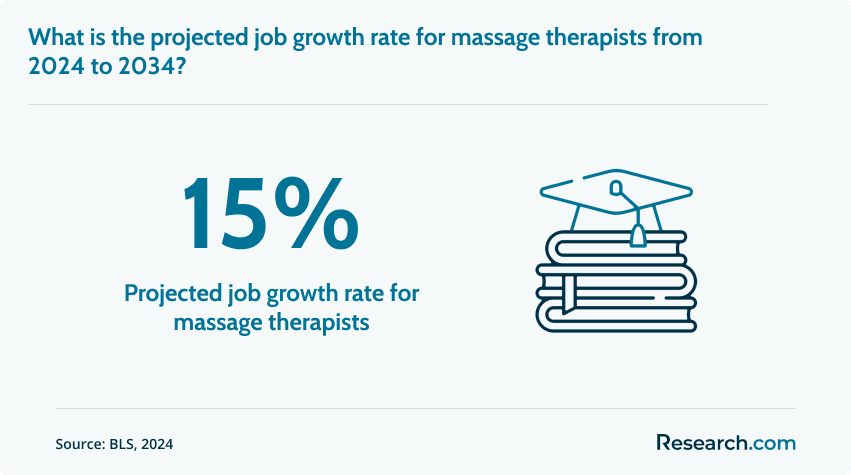
The demand for licensed massage therapists is rising in 2025 and is expected to keep growing throughout the next decade. According to the U.S. Bureau of Labor Statistics, employment for massage therapists is projected to grow 15% from 2024 to 2034, which is much faster than the average for all occupations. The American Massage Therapy Association (AMTA) projects similar growth at around 18% over the same period, translating to approximately 22,000–25,000 job openings per year.
This increase is driven by a shift in how massage therapy is viewed—not just as a luxury service but as part of healthcare and preventive wellness. Hospitals, physical therapy clinics, and sports medicine facilities are hiring more licensed massage therapists to help with pain management, recovery, and rehabilitation. At the same time, wellness centers, spas, and corporate wellness programs continue to expand their massage services to meet rising consumer demand.
Other factors, such as an aging population, higher stress levels, and a growing focus on noninvasive therapies, are contributing to this upward trend. As more states require licensure to practice, employers are prioritizing licensed therapists for their qualifications and credibility. This makes now an especially strong time for professionals entering or advancing in the field.
This growing opportunity mirrors the steady rise seen in average salary for forensic psychologist, another field where rising awareness and broader integration into healthcare are driving both job growth and earning potential.
Which industries will hire the most massage therapists in the coming years?
Massage therapy continues to grow as more people seek noninvasive ways to manage stress, pain, and recovery. According to the U.S. Bureau of Labor Statistics, the field is projected to see faster-than-average job growth over the next decade, creating opportunities in both traditional and emerging industries. Knowing where demand is rising can help therapists plan their careers strategically.
Healthcare and Rehabilitation
Hospitals, physical therapy clinics, and chiropractic offices are hiring more massage therapists to support patients recovering from injuries, surgeries, or chronic pain. The shift toward integrative care has made massage a recognized part of many treatment plans.
Spa and Wellness Centers
Spas, resorts, and wellness retreats remain some of the largest employers for massage therapists. These businesses prioritize relaxation and self-care services, offering steady demand in both urban and tourist-heavy regions.
Sports and Fitness Facilities
Professional sports teams, athletic clubs, and gyms are increasingly hiring massage therapists to help athletes with recovery, injury prevention, and performance optimization. This sector is expanding as more people participate in fitness and organized sports.
Corporate Wellness Programs
Large companies are adding on-site massage therapy as part of employee wellness benefits. Demand for therapists in the corporate sector is expected to grow as businesses focus on reducing stress and improving workplace productivity.
Notably, 42% of massage therapists are self-employed, highlighting the field’s flexibility and opportunities for independent practice alongside traditional roles in clinics, spas, and healthcare facilities.
Key Findings
- 13,278 candidates took the MBLEx for the first time between July 2021 and June 2022, reflecting continued entry into the massage therapy profession.
- There are approximately 320,000 massage therapists currently practicing in the United States.
- The most common degrees among massage therapists are associate (25.7%), bachelor’s (24.8%), and certificate (23.1%).
- The projected job growth rate for massage therapists from 2024 to 2034 is 15%, which is faster than average for all occupations.
- The largest employers of massage therapists include self-employed workers (42%), personal care services (30%), offices of other health practitioners (10%), chiropractors’ offices (6%), and accommodation services (6%).
Here’s What Graduates Have to Say About License vs. Certification for Massage Therapists
- Jane: "Getting my massage therapy license opened doors I never expected. Clinics and spas were more eager to hire me once they saw I was licensed, and my income jumped within the first year. It was worth the extra hours of training."
- Luna: "I started with certification to save money, but upgrading to a license changed everything. I was able to work in a medical office where the pay was better and the work felt more meaningful. I’m glad I made the switch. "
- Andy: "The biggest difference I noticed between certification and licensing was credibility. Having an LMT title gave my clients more confidence in my skills, which helped me build a loyal customer base faster. "
References:
- Federation of State Massage Therapy Boards. (2022). FSMTB Annual Report 2022. Federation of State Massage Therapy Boards.
- Federation of State Massage Therapy Boards. (2024, January 3). The interstate massage compact improves portability and the profession. Federation of State Massage Therapy Boards.
- U.S. Bureau of Labor Statistics. (2024). Massage therapists (Occupational Outlook Handbook). BLS.
- Zippia. (2025). Massage therapist jobs. Zippia.
Other Things You Should Know About License vs. Certification for Massage Therapists
In 2027, whether certification or licensing is better for a massage therapist depends on legal requirements and career goals. Licensing is mandatory in most states for practicing, ensuring adherence to state standards. Certification, while voluntary, can showcase specialized skills, potentially enhancing professional credibility and opportunities.
Certification is often less expensive than licensing because certifications typically do not require state board exams, ongoing education credits, or renewal fees. Licensing costs may include these elements, leading to higher expenses. However, specifics can vary by state and the certifying body.


