
2027 Where Do Family Nurse Practitioners Work: Top Workplaces for FNPs

Co-Founder and Chief Data Scientist
Family Nurse Practitioners (FNPs) are among the most versatile healthcare professionals, trained to deliver comprehensive care to patients of all ages. Their broad scope of practice allows them to diagnose, treat, prescribe, and manage both acute and chronic conditions, making them essential in today’s healthcare system.
But just as their training is wide-ranging, so too are the career paths available to them. FNPs are in high demand across diverse workplace settings, from primary care clinics and hospitals to telehealth platforms and community health centers.
The choice of workplace can shape everything from daily responsibilities and patient populations to professional autonomy and work–life balance. In this guide, I'll help you understand the top workplaces and emerging opportunities for FNPs. This way, you can find the right fit and thrive in a career that continues to grow in scope and impact.
Key Points About Workplaces for Family Nurse Practitioners
- FNPs are trained to provide care across the lifespan—from pediatrics to geriatrics—giving them flexibility in the types of patients and settings they can work in.
- In many states, FNPs have full practice authority, meaning they can diagnose, prescribe medications, and manage patient care independently.
- FNPs can work in hospitals, clinics, community health centers, schools, telehealth, or even open their own practice.
- Where do family nurse practitioners work? Top Workplaces
- Why does the choice of workplace matter for FNPs? Importance of Workplace
- What typical duties do FNPs perform? FNP Duties
- How do legal and regulatory environments affect where FNPs can practice? Legalities and Regulations
- What are the pros and cons of working in private practice or outpatient clinics? Pros and Cons
- How will technology and AI expand FNP workplace opportunities? New Opportunities
- How can FNPs choose the best workplace for their goals and lifestyle? How to Choose
- What current trends are shaping FNP work environments in 2027? What current trends are shaping FNP work environments in 2027?
- What are the benefits and limitations of working in telehealth? What are the benefits and limitations of working in telehealth?
- What new roles are developing in mobile clinics and rural outreach? What new roles are developing in mobile clinics and rural outreach?
Where do family nurse practitioners work?
FNPs are most commonly employed in outpatient care settings such as primary care clinics and urgent care centers, but opportunities extend to hospitals, community health centers, long-term care facilities, and even schools or universities.
Newer models like telehealth and mobile clinics are also rapidly expanding, giving practitioners more flexibility than ever before. Each workplace setting offers unique benefits, challenges, and levels of patient interaction, allowing FNPs to match their career goals with the environment that fits them best.
Here are the leading workplaces for FNPs:
- Primary Care Clinics and Private Practices: Provide preventive care, chronic disease management, and wellness exams, with predictable schedules and opportunities for patient continuity.
- Community Health Centers and Public Health Clinics: Serve underserved populations, offer broad patient care experiences, and play a vital role in reducing healthcare disparities.
- Hospitals and Acute Care Settings: Involve collaboration with interdisciplinary teams, exposure to complex cases, and often higher compensation.
- Outpatient and Ambulatory Care Centers: Cover urgent care, specialty clinics, and fast-paced environments without overnight responsibilities.
- Long-Term Care and Rehabilitation Facilities: Focus on elderly and chronic care management, improving quality of life with stable work schedules.
- Home Health Services: Deliver care directly to patients in their homes, offering autonomy and personalized care.
- Telehealth Platforms: Expand access to rural and underserved patients, providing flexible, remote work options.
- Government and Veterans Healthcare: Offer stable employment, comprehensive benefits, and the chance to serve diverse populations.
- Schools and Universities: Support student health and wellness, while also providing opportunities in teaching and academic research.
As healthcare delivery continues to evolve, FNPs remain central to bridging gaps in access, improving patient outcomes, and leading innovative care models. For those exploring career paths like FNP vs AGNP, understanding workplace opportunities is essential, as the variety of settings available in 2027 ensures that FNPs can tailor their careers to align with both personal and professional priorities.
Why does the choice of workplace matter for FNPs?
The workplace an FNP chooses can significantly influence their professional experience, career growth, and overall job satisfaction. While all FNPs share a common foundation of skills—such as diagnosing, prescribing, and managing patient care—the setting determines how these skills are applied and which aspects of care take priority.
- Scope of Practice and Autonomy: Some workplaces, like primary care clinics or private practices in full-practice states, allow FNPs greater independence in patient management. Hospitals or specialty clinics may require closer collaboration with physicians, which can affect decision-making authority.
- Patient Population and Care Focus: Working in a school clinic or community health center means focusing on preventive care, wellness, and education, while hospital or urgent care settings involve acute care, complex cases, or rapid patient turnover. The type of patients you serve shapes daily responsibilities and professional development.
- Work-Life Balance and Schedule: Outpatient and school-based settings often offer more predictable hours, whereas hospitals and urgent care may involve nights, weekends, or rotating shifts. Choosing a setting that fits personal life priorities is critical for long-term satisfaction.
- Professional Growth Opportunities: Some settings provide more exposure to specialized procedures, leadership roles, research, or teaching opportunities. For example, hospital settings may offer advanced training in complex care, while academia opens doors for mentoring and curriculum development.
- Compensation and Job Security: Salary, benefits, and demand can vary widely by setting. Rural clinics, telehealth platforms, and government positions may offer loan repayment programs or incentives, while high-acuity hospitals may provide higher base salaries.
- Impact on Community and Patient Relationships: FNPs in primary care or community health can build long-term relationships with patients and influence community health outcomes, whereas hospital or urgent care roles may be shorter-term, episodic interactions.
In short, the workplace shapes not just what FNPs do, but how they practice, who they serve, and how their careers develop. Selecting the right setting ensures alignment with professional goals, lifestyle preferences, and personal values, ultimately enhancing both effectiveness and fulfillment in the role.
For those deciding between high-intensity hospital work and steady outpatient roles, it’s helpful to consider comparisons like acute care vs critical care nurse practitioner, since the level of urgency, patient complexity, and required expertise closely mirror the variation in FNP workplaces.
On average, the median salary of certified nurse practitioners was found to be $120,000 in 2024, according to a recent study published in the Journal of Nursing Regulation. The average salary of CNP through the years is presented in the chart below.
What typical duties do FNPs perform?
Family Nurse Practitioners (FNPs) are advanced practice registered nurses trained to provide comprehensive healthcare across the lifespan. Their responsibilities cover preventive, acute, and chronic care, allowing them to serve diverse patient populations.
- Patient Assessment and Diagnosis: FNPs begin by conducting thorough physical exams, reviewing medical histories, and assessing patients’ overall health. They identify symptoms and diagnose both common acute illnesses and chronic conditions, ensuring that patients receive timely and accurate care.
- Treatment and Care Management: Once a diagnosis is made, FNPs develop and implement individualized care plans tailored to each patient’s needs. They manage chronic conditions such as diabetes, hypertension, and asthma, and perform routine interventions including wound care and minor procedures to maintain patient health.
- Prescribing Medications: FNPs are authorized to prescribe medications, order lab tests, and interpret results according to their scope of practice, which can vary by state or country. They adjust medications and treatment plans based on patient response, ensuring effective and safe care.
- Preventive Care and Health Promotion: A central part of the FNP role involves preventive care. They conduct wellness exams, screenings, and immunizations while educating patients on healthy lifestyle choices, disease prevention, nutrition, and mental health. This proactive approach helps patients maintain long-term wellness.
- Patient Education and Counseling: FNPs guide patients and their families in understanding diagnoses, treatment options, and self-care strategies. They support individuals in managing long-term conditions and making informed decisions that improve health outcomes.
- Collaboration and Coordination: FNPs work closely with physicians, specialists, and other healthcare professionals to coordinate comprehensive patient care. They refer patients to additional services or community resources when necessary, ensuring a seamless continuum of care.
- Record Keeping and Documentation: Maintaining accurate and up-to-date electronic health records is an essential FNP duty. They track patient progress, update care plans accordingly, and ensure all documentation meets professional and legal standards.
Interestingly, some FNPs incorporate mental and behavioral health strategies into their practice. Knowing the difference between cognitive and behavioral therapy can enhance how they support patients facing stress, anxiety, or depression, especially in primary care settings that integrate physical and mental health services.
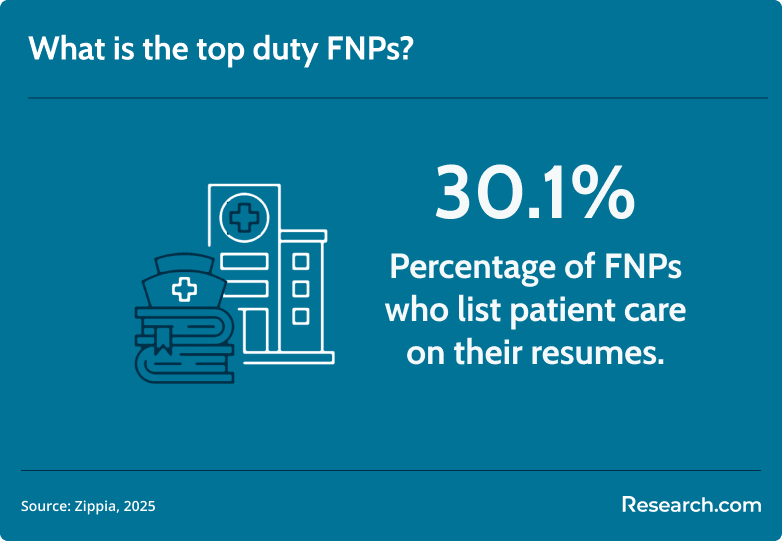
According to Zippia, the most common skill on resumes of FNPs is related to care for their patients and conducting checks before operations. This appears on over 30% of resumes of FNPs.
How do legal and regulatory environments affect where FNPs can practice?
The ability of Family Nurse Practitioners (FNPs) to practice independently or under supervision largely depends on state and national regulations. In the U.S., for example, the scope of practice is defined at the state level, which means FNPs in one state may have broader authority than those in another.
In states with full practice authority, FNPs can assess patients, diagnose conditions, prescribe medications, and manage treatments without physician oversight. This allows them to work in more settings, particularly in rural or underserved areas where physician shortages are common.
For students wondering what can you do with an FNP graduate certificate, these differences highlight how credentials may open opportunities in some regions while requiring collaborative practice in others.
By contrast, states with reduced or restricted practice laws require FNPs to work under the supervision or collaboration of a physician, which can limit their autonomy and the types of workplaces where they can serve. These restrictions may also affect the efficiency of care delivery and reduce access for patients in need.
Globally, regulations also vary. Some countries grant nurse practitioners wide independence, while others impose strict limitations on prescribing rights or practice settings.
For FNPs considering different workplaces or locations, understanding these legal frameworks is essential because they directly influence career opportunities, job responsibilities, and patient care impact.
The chart below illustrates the overall distribution of practice authority of nurse practitioners in U.S. As of 2025, 34 states and the District of Columbia have granted nurse practitioners full practice authority.
What are the pros and cons of working in private practice or outpatient clinics?
For many Family Nurse Practitioners (FNPs), private practices and outpatient clinics represent some of the most attractive and accessible workplaces. These settings often provide consistent schedules, opportunities to build strong patient relationships, and a broad scope of primary care responsibilities.
Many DNP FNP jobs are also found in these environments, offering advanced practitioners leadership opportunities and the ability to apply their doctoral-level expertise in patient care and practice management.
However, like any workplace, they also come with unique challenges, from regulatory limitations to administrative demands. Understanding the advantages and drawbacks of these environments can help FNPs decide whether this career path aligns with their professional goals and lifestyle.
Here’s a balanced breakdown of the pros and cons of working in private practice or outpatient clinics as an FNP:
Pros
- Stronger patient relationships: FNPs in outpatient settings often see patients regularly, allowing them to build trust and provide long-term, personalized care.
- Predictable work hours: Unlike hospital shifts, clinic schedules usually follow standard business hours, which can improve work–life balance.
- Autonomy and variety: Depending on state laws, FNPs in private practice may have significant independence in diagnosing, treating, and prescribing, while also seeing a wide range of conditions.
- Continuity of care: Outpatient settings allow FNPs to monitor chronic conditions over time, which can be rewarding professionally and impactful for patients’ quality of life.
Cons
- Regulatory limitations: In states with restricted practice laws, FNPs may require physician supervision, reducing autonomy.
- Business responsibilities: Those in private practice may need to handle administrative tasks like billing, insurance, and staff management, which can be time-consuming.
- Limited exposure to acute care: Outpatient clinics typically don’t handle emergencies or critical cases, which may limit professional growth in acute care skills.
- Workload pressures: High patient volumes and productivity expectations in clinics can contribute to stress and burnout if not managed carefully.
How will technology and AI expand FNP workplace opportunities?
Advances in technology and artificial intelligence (AI) are reshaping healthcare and opening new workplace opportunities for Family Nurse Practitioners (FNPs). With the rise of telehealth, FNPs can now deliver care to patients in rural, underserved, or homebound populations, expanding their reach beyond traditional clinic walls.
This flexibility allows them to provide virtual consultations, chronic disease management, and preventive care without requiring in-person visits. AI-powered tools are also transforming how FNPs work.
From clinical decision support systems that assist in diagnosis and treatment planning to predictive analytics that identify patients at risk of complications, technology helps practitioners make more informed choices and improve patient outcomes.
Many nurses are also preparing for these evolving roles by pursuing programs such as an FNP graduate certificate online, which can strengthen their skills in telehealth, informatics, and specialized care delivery.
Additionally, the integration of electronic health records (EHRs) with AI-driven features streamlines documentation, enhances care coordination, and reduces administrative burdens.
As healthcare systems adopt remote monitoring devices, mobile apps, and digital health platforms, FNPs are increasingly involved in data-driven care models. These innovations create opportunities for new roles in virtual care, population health management, and interdisciplinary telemedicine teams.
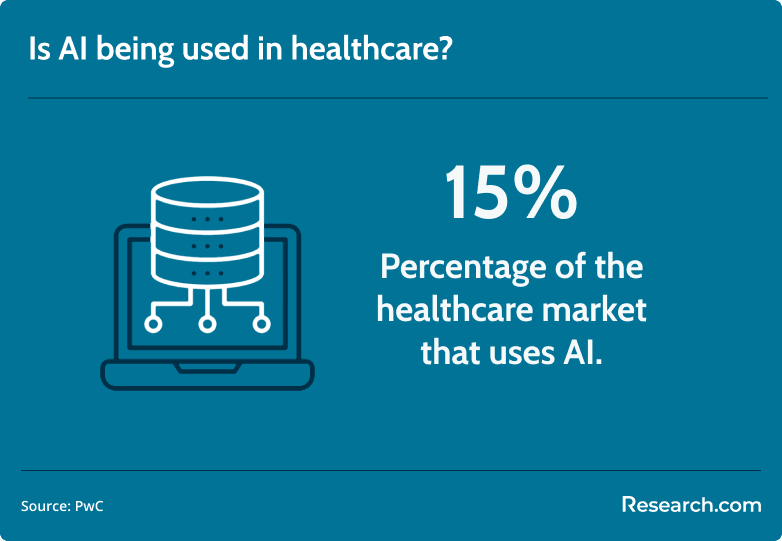
Over time, the expansion of tech-enabled practice settings is expected to give FNPs greater autonomy, improve efficiency, and broaden their career prospects across diverse healthcare environments. Currently, PwC has estimated that AI is used in about 15% of the healthcare industry.
How can FNPs choose the best workplace for their goals and lifestyle?
Choosing the right workplace is a personal decision for Family Nurse Practitioners, and it often depends on balancing professional ambitions with lifestyle preferences. Here are some factors that help with the decision:
- Career Goals: Different workplaces provide varying opportunities for growth and specialization, and many practitioners prepare for these career paths through programs like an MSN family nurse practitioner program online, which provides both flexibility and advanced training.
- Work-life balance: Hospitals and emergency settings may offer fast-paced environments and diverse cases but often require long shifts and irregular hours. Private practices and outpatient clinics, by contrast, usually provide more predictable schedules, making them a better fit for those who value evenings and weekends free.
- Compensation and benefits: Some organizations may offer higher salaries, while others emphasize professional development, loan repayment programs, or continuing education opportunities.
- Location: Location is equally important, as rural and underserved communities may offer greater autonomy and incentives, while urban centers may provide access to larger, collaborative healthcare teams.
Ultimately, the best workplace is one that aligns with an FNP’s values, long-term career vision, and preferred lifestyle. Reflecting on priorities—such as autonomy, patient population, schedule flexibility, and advancement opportunities—helps ensure that the workplace chosen is both professionally fulfilling and personally sustainable.
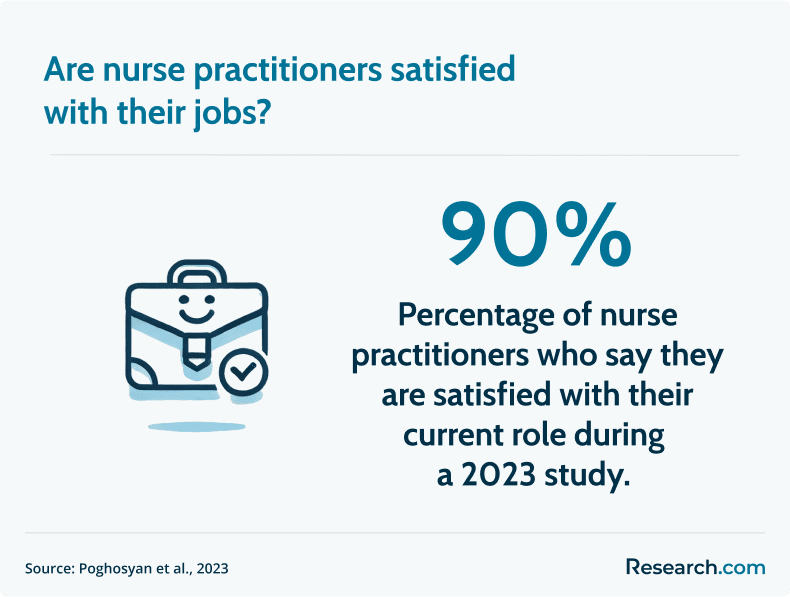
A recent 2023 study of nurse practitioners revealed that 90% of NPs are satisfied with their job. However, 22% of respondents to the study's survey said that they intend to leave their current role in a year.
What current trends are shaping FNP work environments in 2027?
The role of Family Nurse Practitioners continues to evolve, influenced by major shifts in healthcare delivery, technology, and workforce needs. In 2027, several trends are shaping where and how FNPs work:
- Expansion of full practice authority: More U.S. states are granting FNPs greater autonomy in diagnosing, prescribing, and managing care. This shift is helping address primary care shortages, particularly in rural and underserved areas, and opening doors to more independent practice opportunities.
- Telehealth and digital health platforms: Another driver is the growing reliance on telehealth and digital health platforms, which allow FNPs to reach patients beyond traditional clinic walls. From virtual primary care visits to remote patient monitoring, technology is creating flexible roles and expanding patient access to care.
- Increasing demand for chronic disease management and preventive care: As populations age and healthcare costs increase, organizations are leaning on FNPs to provide cost-effective, patient-centered care. This positions FNPs as essential providers in outpatient clinics, community health centers, and specialty practices.
- Team-based care models: FNPs are increasingly integrated into healthcare teams that include physicians, mental health professionals, pharmacists, and social workers, ensuring comprehensive care delivery.
These emerging models of care reflect the broader evolution of healthcare education as well. Similar to fields exploring masters vs doctorate programs, FNPs must now consider how continuing education can influence their adaptability and leadership within these changing systems.
Together, these trends highlight a dynamic and expanding landscape for FNPs, offering diverse career paths that align with both patient needs and practitioner goals.
What are the benefits and limitations of working in telehealth?
Telehealth has rapidly transformed how healthcare is delivered, creating new opportunities for Family Nurse Practitioners (FNPs) to provide accessible, patient-centered care from virtually anywhere. As technology continues to advance, FNPs are increasingly using digital tools to diagnose, treat, and monitor patients across rural and urban settings alike.
This modern approach not only expands access to quality healthcare but also redefines the way practitioners balance efficiency, flexibility, and patient engagement. However, like any evolving field, telehealth presents both significant benefits and practical limitations that FNPs should consider before pursuing this career path.
Benefits of Working in Telehealth
- Greater Flexibility and Work–Life Balance: Telehealth allows FNPs to work remotely, offering flexible schedules and reduced commute times. This setup can improve work–life balance and make it easier to manage personal and family commitments.
- Expanded Access to Patients: Through virtual visits, FNPs can reach patients in rural, underserved, or homebound areas, ensuring access to primary care and chronic disease management where in-person services may be limited.
- Improved Efficiency and Patient Monitoring: Digital tools, such as remote monitoring devices and electronic health records (EHRs), streamline workflow and make it easier to track patient progress, manage medications, and provide timely follow-ups.
- Professional Growth Opportunities: Telehealth opens doors to new specialties, including virtual chronic care management, behavioral health, and patient education. FNPs gain experience in emerging technologies that are shaping the future of healthcare delivery.
Limitations of Working in Telehealth
- Limited Physical Assessment: While video consultations are effective for many conditions, FNPs cannot perform hands-on exams, which can restrict their ability to diagnose or treat complex or acute cases.
- Technology Barriers: Some patients—especially older adults or those in low-connectivity regions—may struggle with using digital platforms, resulting in missed appointments or communication challenges.
- Regulatory and Licensing Restrictions: Telehealth practice laws vary by state and country. FNPs must comply with multiple licensing and prescribing regulations, which can complicate cross-state practice.
- Reduced Personal Interaction: Virtual care can make it harder to establish the same depth of patient relationships as in-person visits. The lack of physical presence may impact rapport and patient satisfaction for some individuals.
What new roles are developing in mobile clinics and rural outreach?
As access to healthcare expands beyond hospital walls, Family Nurse Practitioners (FNPs) are taking on innovative roles in mobile and rural outreach programs. These positions blend clinical expertise, technology, and community engagement to reach populations that might otherwise go without consistent care.
- Primary and Preventive Care Providers: In these roles, FNPs deliver on-site healthcare services such as screenings, vaccinations, and acute treatments while managing chronic conditions like diabetes and hypertension directly in the field. They serve as the first point of contact for patients in areas where traditional healthcare facilities are limited.
- Community Health Educators: FNPs act as educators who promote preventive health and wellness in rural and underserved populations. They conduct community-based workshops, provide one-on-one counseling, and guide patients in adopting healthier lifestyles through nutrition, mental health awareness, and disease prevention strategies.
- Care Coordinators and Telehealth Integrators: Many FNPs in outreach settings now coordinate care across multiple systems using mobile and telehealth technologies. They facilitate remote consultations, manage patient follow-ups through virtual visits, and ensure accurate and timely updates to electronic health records (EHRs), bridging the gap between in-person and digital care.
- Public and Population Health Leaders: Beyond direct patient care, some FNPs are stepping into leadership roles focused on community wellness. They collaborate with public health agencies, design and implement preventive care programs, and use population health data to identify high-risk groups and allocate resources more effectively.
- Innovators in Access and Equity: As innovators, FNPs are developing new models of mobile and hybrid healthcare delivery that prioritize accessibility and equity. They lead initiatives aimed at reducing healthcare disparities, designing sustainable systems that bring continuous, quality care to remote and underserved communities.
Because many of these outreach positions involve coordination with multiple agencies, understanding healthcare administration concepts—like those covered in Eds online programs for educational leaders—can help FNPs strengthen their planning, policy-making, and data-driven decision skills.
As healthcare systems continue investing in outreach and mobile technologies, these evolving positions give FNPs greater autonomy, flexibility, and the ability to create measurable impacts in improving public health outcomes.
What Family Nurse Practitioners Say About Their Workplaces
- Moira: "As a Family Nurse Practitioner, I love the autonomy I have—being able to diagnose, prescribe, and treat independently gives me real impact, especially in underserved communities. Every day I build long-term relationships with my patients, which not only improves outcomes but also gives me immense job satisfaction."
- Althea: "Working as an FNP has opened doors for specialization and growth I didn’t imagine—whether in chronic disease management, women’s health, or telehealth. The blend of clinical challenge, patient education, and continuity of care makes this role both dynamic and deeply rewarding."
- Oliver: "Choosing to become a Family Nurse Practitioner meant finding a career that supports both work–life balance and professional fulfillment. The flexibility, steady schedule, and ability to advocate for whole-family wellness allow me to provide compassionate care without sacrificing my personal life."
Key Findings
- The most common skill among family nurse practitioners is patient care, appearing on more than 30% of FNP resumes.
- 90% of nurse practitioners are satisfied with their job.
- The use of AI in healthcare is currently at 15% of the market share.
- The average salary of FNPs in 2024 was at $120,000.
- Currently, 34 states have granted nurse practitioners full practice authority.
References:
- Nurse Practitioner Online. (2025). Nurse Practitioner Practice Authority 2025: Complete State-by-State Analysis | NursePractitionerOnline.com. https://www.nursepractitioneronline.com/articles/nurse-practitioner-practice-authority-updates
- Poghosyan L, Kueakomoldej S, Liu J, Martsolf G. (2023). Advanced practice nurse work environments and job satisfaction and intent to leave: Six-state cross sectional and observational study. J Adv Nurs. 2022 Aug;78(8):2460-2471. doi: 10.1111/jan.15176. Epub 2022 Feb 17. PMID: 35174905; PMCID: PMC9283202.
- PwC. (n.d.). AI’s US$ 868 billion healthcare revolution. Strategy&. https://www.strategyand.pwc.com/de/en/industries/pharma-life-sciences/ai-healthcare-revolution.html
Other Things to Know About Where Family Nurse Practitioners Work
In 2027, family nurse practitioners predominantly work in primary care settings, hospitals, community clinics, and urgent care centers. Increasingly, they are also finding roles in telehealth, retail clinics, and school-based health centers, driven by the growing accessibility and demand for healthcare services in diverse environments.
In 2027, FNPs working in hospice or home healthcare settings often experience a deep connection with patients and families, providing personalized end-of-life care and managing chronic conditions in familiar environments, leading to enhanced patient comfort and satisfaction.
In 2027, FNPs working in hospice or home healthcare settings focus on providing personalized, patient-centered care. They often coordinate with families to manage chronic illnesses and end-of-life care plans, offering both medical support and emotional guidance. This work requires adaptability and excellent communication skills to address diverse patient needs effectively.


