
2027 Best BSN to DNP Programs in Hawaii: Online & Campus

Co-Founder and Chief Data Scientist
In Hawaii, the unique geography of the islands creates a distinct healthcare landscape that requires highly qualified nursing leaders. For BSN-prepared nurses, advancing your education is a strategic move into a lucrative field, as nurse practitioners in Hawaii earn a significant annual mean wage of over $135,000, according to the BLS. A Doctor of Nursing Practice (DNP) is the credential that opens the door to these leadership and advanced practice roles.
This guide, created by career planning experts with over a decade of experience, is designed to be your essential resource. We will offer a detailed overview of the best accredited online and on-campus BSN-to-DNP programs available to Hawaii residents in 2026. Consider this your clear and direct plan for finding the right program to advance your nursing career in the Aloha State.
Key Benefits of BSN to DNP Program in Hawaii
- Flexible online options in Hawaii allow working nurses to complete BSN to DNP programs without relocating, with average program lengths ranging from 2 to 4 years.
- On-campus programs offer hands-on clinical experiences at local healthcare facilities, critical for meeting Hawaii's advanced practice licensure requirements.
- Graduates statistically see a 20% higher salary increase in Hawaii's healthcare market, reflecting strong demand for DNP-prepared nurses in leadership roles.
- What is a BSN to DNP program, and how does it work in Hawaii?
- What are the admission requirements for BSN to DNP programs in Hawaii?
- Which universities offer the best BSN to DNP programs in Hawaii?
- What specializations can you pursue in BSN to DNP programs in Hawaii?
- How long does it take to complete a BSN to DNP program in Hawaii?
- What courses are included in a BSN to DNP curriculum in Hawaii?
- How much does a BSN to DNP program cost in Hawaii?
- What financial aid options are available for BSN to DNP students in Hawaii?
- Is there demand for DNP-prepared nurses in Hawaii?
- What is the average salary for DNP-prepared nurses in Hawaii?
What is a BSN to DNP program, and how does it work in Hawaii?
A BSN to DNP program is an advanced nursing pathway that allows nurses with a Bachelor of Science in Nursing (BSN) to earn a Doctor of Nursing Practice (DNP) degree. This pathway equips nurses with skills in clinical practice, leadership, and healthcare policy necessary for addressing complex healthcare needs.
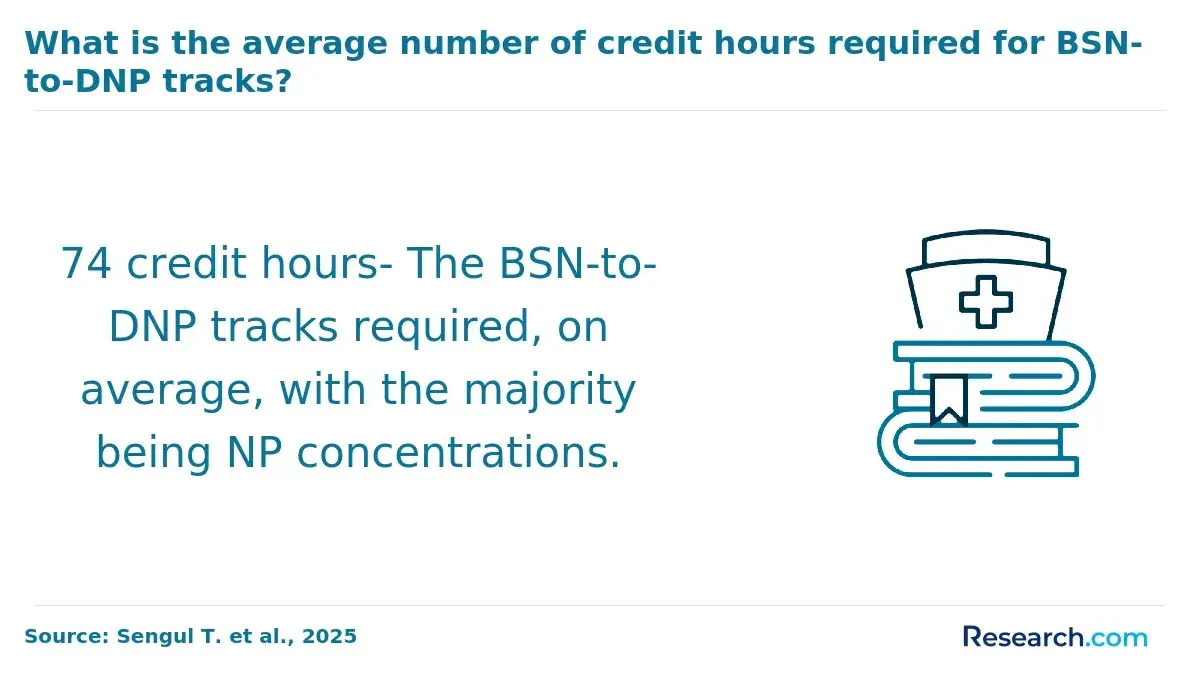
- Curriculum Structure: Programs typically require 75 to 90 credit hours, covering advanced topics like health assessment, pharmacology, pathophysiology, leadership, and informatics over 3 to 4 years.
- Clinical Practicum Hours: Hawaii programs mandate approximately 1,000 clinical hours, ensuring graduates meet the American Association of Colleges of Nursing's competency standards for advanced practice.
- Specialization Options: Students can specialize in areas such as Family Nurse Practitioner (FNP), Psychiatric Mental Health Nurse Practitioner (PMHNP), Adult-Gerontology, and Nurse Anesthesia, aligned with Hawaii's healthcare workforce needs.
- Program Formats: Options include fully online, hybrid, and traditional on-campus models. Online and hybrid formats offer flexibility for working nurses, while on-campus programs emphasize hands-on practice and direct mentorship.
These BSN to DNP programs in Hawaii integrate specialized knowledge relevant to the state's diverse population and healthcare environment. For those exploring career advancement in areas like the highest paid DNP specialties, understanding how BSN to DNP education works in Hawaii is essential in selecting a program that balances theory, practice, and cultural competency.
What are the admission requirements for BSN to DNP programs in Hawaii?
BSN to DNP programs in Hawaii are highly competitive, reflecting the growing demand for advanced nursing professionals in the state. Prospective applicants benefit from a clear understanding of the admission requirements to strengthen their applications and align with program expectations.
- RN Licensure: Applicants must hold a current, unencumbered Registered Nurse (RN) license valid in Hawaii, which often requires licensure through the Hawaii Board of Nursing due to limited participation in the Nurse Licensure Compact.
- Minimum GPA: Most programs require a cumulative undergraduate GPA of 3.0 or higher, with particular emphasis on performance in prerequisite courses like advanced physiology and pharmacology to ensure academic readiness for doctoral study.
- Clinical Experience: One to two years of full-time RN work, preferably in acute or primary care settings, is typically required to demonstrate practical nursing competence aligned with advanced practice roles.
- Prerequisite Coursework: Completion of foundational courses, including pathophysiology, statistics, and pharmacology, is necessary to prepare for the rigor of BSN to DNP programs Hawaii schools offer.
- Letters of Recommendation: Two to three professional or academic references must attest to the applicant's clinical skills, ethics, and potential for leadership in nursing.
- Program-Specific Assessments: Some schools require exams such as the GRE, though waivers are common for applicants with prior academic and professional achievements.
When applying to BDN-to-DNP programs, Hawaii candidates should also consider gaining familiarity with the state's healthcare challenges and emphasizing cultural competence. For those interested in specialized roles, reviewing pathways like forensic nurse careers may offer additional insights into advanced nursing practice options available within Hawaii and beyond.
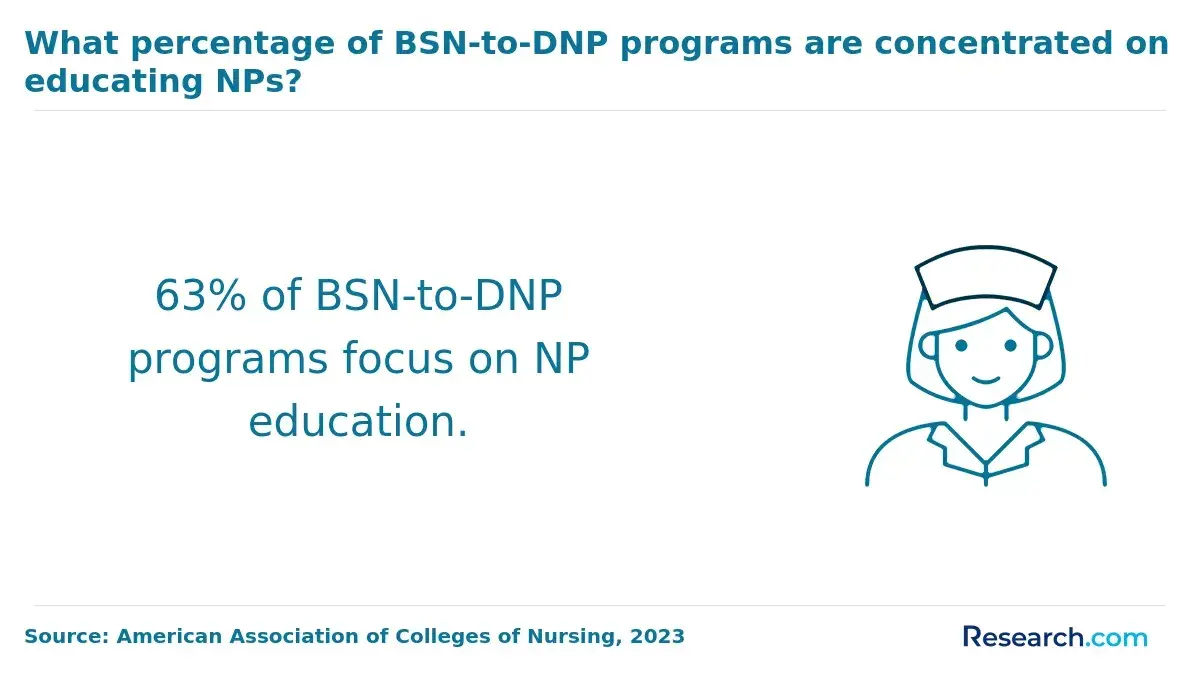
Which universities offer the best BSN to DNP programs in Hawaii?
Program quality, accreditation, clinical placement support, and graduation outcomes are critical factors when evaluating BSN to DNP programs in Hawaii. These indicators ensure rigorous education, valid credentialing, and sufficient practical experience, which are essential for successful nursing practice and leadership roles. Below is a summary of five leading universities offering such programs in Hawaii, highlighting their distinct features.
- University of Hawaii at Manoa - School of Nursing and Dental Hygiene: Accredited by CCNE, this program offers specializations in Family Nurse Practitioner (FNP) and Psychiatric-Mental Health Nurse Practitioner (PMHNP). It uses a hybrid format that combines online coursework with on-site clinical residencies at partners such as Queen's Medical Center. Recent cohorts have achieved first-time pass rates of over 90% on the certification exam.
- Chaminade University of Honolulu - School of Nursing and Health Professions: Also CCNE-accredited, Chaminade emphasizes leadership preparation and culturally competent care, especially for Native Hawaiian and Pacific Islander populations. Specializations include Adult-Gerontology Acute Care and FNP, with clinical placements through community health centers on Oahu. Pass rates for NCLEX-RN and certification exams exceed 85%.
- Hawaii Pacific University - College of Nursing, Pharmacy & Health Sciences: This CCNE-accredited program offers FNP and Nurse Anesthesia tracks and integrates health policy and informatics. It blends online classes with clinical experiences in partnership with Straub Medical Center. Students outperform national averages in certification exam success.
- John A. Burns School of Medicine - Advanced Practice Nursing Program: Part of the University of Hawaii system and CCNE-accredited, it offers an FNP specialization. Clinical affiliations include Tripler Army Medical Center, supporting a 92% certification pass rate across recent cohorts. The program focuses on rural and indigenous community health.
- Kapiolani Community College - Nursing Program (Pathway option): Mainly providing ADN and RN-to-BSN pathways, Kapiolani partners with the University of Hawaii at Manoa to facilitate BSN to DNP progression. This collaboration supports clinical placements across diverse settings, enhancing statewide access to advanced nursing education.
What specializations can you pursue in BSN to DNP programs in Hawaii?
Specialization choice in BSN to DNP programs critically shapes an advanced practice nurse's scope of practice, certification options, and career opportunities, particularly within Hawaii's diverse healthcare environment. This decision aligns nurses with workforce demands and emerging health priorities in the state. Below are notable specializations available to students pursuing Hawaii online and campus DNP tracks.
- Family Nurse Practitioner (FNP): FNPs deliver primary care across all age groups, focusing on health promotion, disease prevention, and chronic disease management. They commonly work in clinics, community health centers, and rural facilities, addressing Hawaii's primary care shortages. Certification is typically obtained through the American Association of Nurse Practitioners (AANP).
- Psychiatric-Mental Health Nurse Practitioner (PMHNP): PMHNPs manage mental health disorders through therapy, medication, and crisis intervention. They serve in hospitals, behavioral clinics, and increasingly via telehealth to meet Hawaii's growing mental health needs, with certification from the American Nurses Credentialing Center (ANCC).
- Adult-Gerontology Acute Care Nurse Practitioner (AGACNP): AGACNPs provide care for critically ill adult and elderly patients in hospitals and intensive care units. With Hawaii's aging population projected to rise sharply by 2030, this role is vital and requires ANCC certification. For those interested in critical care, reviewing critical care nurse practitioner programs can be beneficial.
- Healthcare Leadership and Administration: This track emphasizes organizational leadership, health policy, and quality improvement. Graduates often influence healthcare systems, public health, and nursing education, supporting workforce development goals identified by the Hawaii Workforce Development Council.
How long does it take to complete a BSN to DNP program in Hawaii?
BSN to DNP program durations in Hawaii vary significantly between full-time and part-time students, with full-time students typically completing their studies in about three years, while part-time students often take four to five years due to smaller course loads per semester. Understanding these timelines is critical for effective academic scheduling, clinical placement coordination, and long-term career planning. Several key factors influence how long the program will take to complete, as outlined below.
- Credit Load: The number of credits a student takes each semester directly affects the program length. Higher credit loads accelerate progress but require increased study time and balancing clinical responsibilities.
- Program Structure: Variations in program design, such as semester versus year-round enrollment, impact duration. Some programs offer more flexible scheduling options, including evening or weekend classes, catering to working professionals.
- Accelerated Options: Certain schools provide accelerated tracks that condense coursework and clinical hours into shorter periods. These options demand a more intensive commitment but can shorten overall time to degree completion.
- Transfer Credits: Previous graduate-level nursing coursework may be eligible for transfer credit, reducing the total number of required credits and thus shortening the program duration for some students.
A nursing professional from Hawaii shared her perspective as a part-time BSN to DNP student balancing full-time work and family obligations. She described the challenge of managing clinical hours alongside a rotating nurse schedule, often adjusting study time late at night after shifts. Despite moments of exhaustion and juggling unexpected personal commitments, the structured flexibility of the part-time program allowed her to steadily progress without sacrificing income or caregiving duties. She emphasized that the sense of gradual accomplishment and strong cohort support made the extended timeframe manageable and rewarding, ultimately preparing her well for advanced roles in Hawaii's healthcare system.
What courses are included in a BSN to DNP curriculum in Hawaii?
Analyzing the curriculum of BSN to DNP programs in Hawaii provides insight into how nursing students develop advanced clinical and leadership skills tailored to the state's healthcare needs. The curriculum balances theoretical knowledge with extensive practicum hours to prepare nurses for specialized roles. Key courses typically include the following:
- Advanced Health Assessment: Focuses on comprehensive evaluation techniques with an emphasis on detailed physical exams and clinical data interpretation, essential for direct patient care as APRNs.
- Evidence-Based Practice: Teaches critical appraisal of research, application of clinical guidelines, and quality improvement strategies to enhance decision-making and patient outcomes.
- Healthcare Policy and Advocacy: Covers health economics, policy development, regulatory frameworks, and ethical issues, equipping students to influence healthcare systems effectively in Hawaii.
- Specialty-Specific Courses: Provide advanced knowledge in areas such as family nurse practice, psychiatric mental health, or nurse anesthesia, integrating pharmacology, pathophysiology, and extensive clinical practice hours aligned with specialty scopes.
How much does a BSN to DNP program cost in Hawaii?
BSN to DNP programs in Hawaii generally cost between $600 and $1,200 per credit hour, with total tuition expenses fluctuating based on credit requirements and residency status. Understanding the various tuition elements, fees, and additional expenses is essential for budgeting, as these factors significantly influence the overall cost of a DNP education in Hawaii.
- Tuition per Credit Hour: Tuition rates typically range from $600 to $1,200 per credit, depending on the institution and the student's residency status. For instance, resident graduate students at the University of Hawaii at Manoa pay around $637 per credit, while non-residents may pay rates exceeding $1,100 per credit.
- Total Credit Requirements: Most BSN-to-DNP programs require between 30 and 45 credits. This results in a tuition range from approximately $18,000 to $54,000, exclusive of additional fees and expenses.
- Additional Fees: Programs often charge administrative, technology, and clinical placement fees. These fees cover costs related to registration, technology infrastructure, and arranging clinical practicum sites.
- Residency Status Impact: Hawaii residents benefit from significantly lower in-state tuition rates. Non-residents and international students may pay nearly double the tuition, highlighting residency as a major cost determinant.
- Online vs. On-Campus Costs: The difference in cost between online and on-campus programs mainly arises from travel and on-site fees rather than tuition. Online formats may reduce commuting costs but still require in-person clinical hours that could involve travel between islands.
- Clinical Placement and Travel Expenses: Clinical requirements often involve multiple healthcare facilities across Hawaii's islands. Travel and accommodation for these placements can add notable costs due to geographic dispersion and transportation logistics.
What financial aid options are available for BSN to DNP students in Hawaii?
Managing the financial demands of advanced nursing education is critical for BSN to DNP students in Hawaii. Fortunately, these students have access to a range of funding sources designed to offset costs and make doctoral studies more attainable. Below is an overview of key financial aid options available to support students throughout their academic journey.
- Federal Loans: Eligible students can secure Direct Unsubsidized Loans with fixed interest rates, offering flexibility in repayment schedules. Additionally, Federal Graduate PLUS Loans are available to cover remaining expenses after other aid, contingent upon completing the Free Application for Federal Student Aid (FAFSA).
- Scholarships and Grants: Both national and Hawaii-specific scholarships target doctoral nursing students. For instance, the Hawaii State Center for Nursing offers periodic scholarships aligned with workforce priorities, while organizations such as the American Association of Colleges of Nursing (AACN) and National Health Service Corps provide awards for students willing to serve underserved or rural populations.
- Employer Tuition Assistance: Many healthcare employers in Hawaii provide tuition reimbursement or assistance programs specifically for nurses pursuing doctoral degrees. Nurses employed in hospitals or healthcare systems should explore these benefits, which often include partnerships offering reduced tuition rates for employees enrolled in DNP programs.
- Loan Repayment Programs: Service-based repayment incentives from entities like the Hawaii Medical Education Program (HMEP) and the Hawaii State Loan Repayment Program target nurses working in designated Health Professional Shortage Areas (HPSAs). These programs substantially reduce student debt by rewarding commitment to critical healthcare settings within the state.
- State-Specific Nursing Incentives: Hawaii's financial aid landscape also includes specialized incentives designed to address regional nursing shortages. These encourage enrollment in DNP programs, especially for those focusing on primary care or advanced practice roles, which align with current state workforce demands.
A nursing professional from Hawaii shared her experience navigating financial aid as a BSN to DNP student: "Balancing work, family, and school was daunting, especially when facing the high costs of tuition. Applying for the employer's tuition assistance program was my first step, but it didn't cover all expenses. I submitted multiple scholarship applications and completed the FAFSA to access federal loans, ensuring I could continue without interruption. The application processes were complex and stressful, but having different options allowed me to piece together funding that made the program manageable. Knowing that loan repayment programs exist for those who commit to serving shortage areas gave me peace of mind about my future. Ultimately, these financial supports transformed what felt like an impossible financial burden into an achievable goal."
Is there demand for DNP-prepared nurses in Hawaii?
Yes, there is a clear demand for DNP-prepared nurses in Hawaii, driven by the state's unique healthcare workforce trends. Hawaii faces challenges, including geographic isolation, an aging population, and a high prevalence of chronic diseases, all of which increase the need for advanced practice nurses and clinical leaders.
The state's healthcare systems are expanding, and employers increasingly prefer nurses with DNP credentials for their advanced clinical expertise and leadership capabilities. Understanding this demand is essential for prospective students, as it influences job prospects and career growth opportunities in the local healthcare market, particularly for those considering advanced practice roles or leadership positions.
Key indicators of demand include documented shortages of advanced practice nurses and nurse leaders across Hawaii, aligning with broader state and national projections for nurse practitioner and clinical specialist roles. Employer trends favor DNP-prepared candidates for managing complex chronic care and implementing quality improvement initiatives.
Population aging and the burden of chronic illness further drive the need for specialized nursing care. Healthcare systems such as The Queen's Health Systems are expanding to meet these needs, supported by data from the Hawaii State Center for Nursing and the Health Resources and Services Administration. Those researching programs may find value in exploring the best rated BSN to FNP online program options to align their education with this growing workforce demand for DNP nurse job growth Hawaii.
What is the average salary for DNP-prepared nurses in Hawaii?
Salary data is a critical consideration for students exploring BSN to DNP programs in Hawaii, as compensation influences career decisions and long-term financial planning. Earnings for DNP-prepared nurses in the state vary significantly based on specialization, role, and healthcare setting, which affects the overall return on investment for advanced nursing education.
- Statewide Average Earnings: DNP nurse salary in Hawaii typically ranges from $115,000 to $130,000 per year, surpassing the national average due to higher living costs and demand for advanced practice nurses.
- Specialization Variations: Family Nurse Practitioners earn between $110,000 and $125,000, while Adult-Gerontology Acute Care Nurse Practitioners and similar specialists often exceed $130,000, reflecting the complexity of their roles. Nurse Executives with DNPs can command $120,000 to over $140,000, depending on leadership responsibilities.
- Regional Pay Differences: Nurses working on Oahu, especially near major medical centers like Honolulu, generally earn higher salaries than peers on Maui or the Big Island, influenced by local demand and cost of living.
- Experience and Certification Impact: Additional clinical experience and board certifications, such as those from the American Nurses Credentialing Center, can increase earning potential by several thousand dollars annually, enhancing financial prospects for DNP holders in Hawaii.
Prospective students interested in budget-friendly options for advanced nursing degrees may consider exploring affordable online PMHNP degree programs, which offer viable pathways to achieving competitive salaries in the Hawaii healthcare market.
What BSN to DNP Graduates in Hawaii Say About Their Degree
- Completing my BSN to DNP program at the University of Hawaii at Manoa was a transformative experience. The combination of rigorous coursework and cultural sensitivity prepared me to meet the unique healthcare needs of our island communities. Returning to teach at a local nursing school after graduation not only elevated my career but deepened my commitment to shaping future nurses who understand the importance of community-centered care. The online components allowed me to balance family life with education seamlessly, which was a big relief. I feel truly empowered to make a difference in Hawaii's healthcare landscape. Kai
- The traditional BSN to DNP program at Hawaii Pacific University offered more than just clinical expertise; it was a pathway to personal and professional growth. I appreciated how the curriculum integrated Hawaii's cultural values and healthcare challenges, fostering a rich learning environment. After completing the program, I advanced to a higher educational role locally, which reflected both my passion for teaching and desire to improve nursing education standards. The collaborative atmosphere with my peers and faculty kept me motivated throughout. This journey enhanced my confidence to mentor aspiring nurses with dedication and cultural awareness. Bernice
- Choosing an online BSN to DNP program from Chaminade University gave me the flexibility I needed while still connecting me to Hawaii's unique health priorities. The program's focus on community health and sustainability resonated with my passion for serving diverse populations on the islands. Graduating gave me the tools to pursue advancement opportunities in nursing education, where I now influence curriculum development and student success initiatives. Reflecting on my experience, I feel proud to contribute positively to the well-being of young healthcare professionals and the broader community. It was a challenging yet rewarding path that opened many doors. Devin
Related Articles for Nearby States
- Best BSN to DNP Programs in Alaska: Online & Campus for 2027
- 2027 Best BSN to DNP Programs in California: Online & Campus
- 2027 Best BSN to DNP Programs in Oregon: Online & Campus
- 2027 Best BSN to DNP Programs in Washington: Online & Campus
- 2027 Best BSN to DNP Programs in Nevada: Online & Campus
- 2027 Best BSN to DNP Programs in Arizona: Online & Campus
- 2027 Best BSN to DNP Programs in Idaho: Online & Campus
- 2027 Best BSN to DNP Programs in Utah: Online & Campus
- 2027 Best BSN to DNP Programs in Montana: Online & Campus
- 2027 Best BSN to DNP Programs in Wyoming: Online & Campus
References:
- Doctor of Nursing Practice Immersion https://chaminade.edu/students-kick-off-doctor-of-nursing-practice-journey/
- Scholarship Search | UH Foundation | UH Foundation http://scholarships.uhfoundation.org/scholarships/scholarship_detail.aspx
- Doctor of Nursing Practice https://www.hpu.edu/nursing/online-dnp/index.html
- Online Bachelor of Science in Nursing (BSN) to Doctor of Nursing Practice (DNP) Program Guide | HPU Online https://online.hpu.edu/guide/bsn-to-dnp
- Top 10 Best Nursing Schools in Hawaii https://nurse.org/education/top-10-best-nursing-schools-in-hawaii/
- Smart' n | The GPT for nurses https://www.smartn.ca/blog/nursing-schools-in-hawaii
- [2025 Updated] Best Doctor of Nursing Practice (DNP) Programs https://www.registerednursing.org/degree/dnp/
- University of Hawaii at Manoa - 2025 Nursing Schools, Rankings, Programs https://allnurses.com/schools/university-hawaii-manoa-r233/
- Hawai APRN License Requirements | How to become a Nurse Practitioner in HI - NursingLicensure.org https://www.nursinglicensure.org/np-state/hawaii-nurse-practitioner/
- MSN vs. DNP: Which Nursing Degree is Right For You? | Xavier University: Xavier Online https://online.xavier.edu/msn-vs-dnp-which-nursing-degree-is-right-for-you/
Other Things You Should Know About BSN to DNP Programs in Hawaii
In 2027, BSN to DNP programs in Hawaii typically require between 1,000 to 1,200 clinical hours. Each program may have its unique requirements, but these hours ensure graduates meet the accreditation standards and are well-prepared for advanced practice roles.
In 2027, BSN to DNP programs in Hawaii often offer unique features such as a focus on Native Hawaiian healthcare needs, integration of cultural competency in the curriculum, and opportunities for clinical experiences in diverse, underserved areas across the islands. These elements enhance the learning experience and prepare graduates to provide culturally sensitive care.
In 2027, admission requirements for BSN to DNP programs in Hawaii typically include a BSN from an accredited school, an active RN license, a minimum GPA (often 3.0 or higher), and professional references. Some programs may also require clinical experience, personal statements, and interviews.


