
2027 Best BSN to MSN Programs in Hawaii: Online & Campus

Co-Founder and Chief Data Scientist
Registered nurses in Hawaii face a growing demand for advanced qualifications amid a statewide 12% projected increase in nursing roles by 2030. However, selecting an appropriate BSN to MSN program that balances flexibility, accreditation, and specialization options remains challenging. This article systematically evaluates the top online and campus-based MSN programs in Hawaii, offering data-driven insights. Prepared by career planning experts, it will guide nurses through program features and career outcomes to support informed decisions toward advanced nursing roles.
Key Benefits of BSN to MSN Programs in Hawaii
- Online and campus BSN to MSN programs in Hawaii offer flexible scheduling, crucial for the 40% of RNs balancing work and education, enabling timely advancement without career interruption.
- These programs align with Hawaii's growing demand for advanced practice nurses, where employment is projected to grow 18% by 2030, supporting nurses' transition into leadership and specialized clinical roles.
- Direct access to Hawaii's healthcare facilities through campus programs enhances clinical experience, while online options broaden access statewide, addressing rural nurse shortages and increasing overall workforce expertise.
- What is a BSN to MSN program in Hawaii?
- How do campus-based programs compare to online BSN to MSN programs?
- What are the admission requirements for BSN to MSN programs in Hawaii?
- What specializations are available in BSN to MSN programs in Hawaii?
- What courses are included in a BSN to MSN program in Hawaii?
- How long does it take to complete a BSN to MSN program in Hawaii?
- How much do BSN to MSN programs cost in Hawaii?
- What financial aid options are available to BSN to MSN students in Hawaii?
- What jobs can BSN to MSN graduates pursue in Hawaii?
- What is the average salary of BSN to MSN graduates in Hawaii?
What is a BSN to MSN program in Hawaii?
A BSN to MSN program in Hawaii serves as an advanced nursing pathway for registered nurses seeking to expand their clinical expertise, leadership capabilities, or specialized nursing roles. These programs build directly on prior BSN education by integrating graduate-level coursework with practical skills designed to address Hawaii's distinct healthcare environment. Offering both online and campus options, the programs emphasize evidence-based practice, healthcare management, and advanced clinical competencies tailored to the state's diverse patient populations. Such programs are structured to support the career advancement of nurses pursuing roles as nurse practitioners, clinical nurse specialists, or nursing administrators, aligning education with workforce demands in Hawaii's healthcare system.
The design of Hawaii advanced nursing degree pathways includes flexible formats to accommodate working nurses, often combining core graduate nursing education with specialized tracks in areas like public health or nursing education. This approach prepares graduates for leadership roles and advanced practice registered nurse positions, addressing critical community health needs statewide. Career outcomes frequently include advanced clinical practice or health system leadership, with additional roles in academic and public health settings. For nurses interested in progression timelines, resources like how long does it take to become a family nurse practitioner provide valuable guidance on typical program durations and credentialing processes.
How do campus-based programs compare to online BSN to MSN programs?
Approximately 75% of nurses pursuing graduate education choose online formats due to the flexibility they offer, a critical factor for many working professionals. Comparing campus-based BSN to MSN programs in Hawaii with online formats reveals distinct differences that suit varying student needs and circumstances.
Below is a comparison highlighting key aspects of online versus campus BSN to MSN Hawaii programs:
- Learning Format and Structure: Campus-based programs rely on traditional in-person classes with scheduled times, fostering immediate engagement with faculty and peers. Online programs deliver content primarily through asynchronous digital platforms, allowing students to study at their own pace, ideal for nurses balancing unpredictable work hours.
- Schedule Flexibility: Online programs offer greater flexibility, enabling students to access coursework anytime, which aligns with the needs of those managing full-time jobs or family responsibilities. In contrast, campus-based programs require physical attendance, even with some evening or weekend options, limiting availability for some students.
- Clinical and Practicum Experiences: Campus-based formats coordinate local in-person clinical rotations with direct supervision, providing structured hands-on training. Online students must often independently secure practicum sites near their residence, though both formats mandate rigorous clinical hour requirements.
- Faculty Interaction and Peer Collaboration: On-campus students benefit from spontaneous, face-to-face interactions and networking opportunities. Online learners engage via virtual classrooms, discussion boards, and video conferencing, which demand strong self-motivation and comfort with digital communication tools.
- Technology Requirements and Learning Tools: Online students need a reliable internet connection, capable devices, and familiarity with learning management systems, while campus learners use onsite resources like libraries and labs. Digital tools in online programs continue to evolve to simulate practical nursing environments better.
- Cost Considerations: Online programs can reduce expenses linked to commuting and housing but usually have similar tuition to campus programs. Prospective students should consider total costs, including technology and travel for clinicals. Some financial aid options are specific to campus-based study.
- Ideal Student Profile: Campus-based BSN to MSN programs in Hawaii fit those who prefer structured, interactive learning and value direct interpersonal connections. Online formats attract nurses seeking flexibility and who possess the discipline to manage education alongside work and family commitments, supporting career advancement effectively.
For nurses interested in advanced practice roles like psychiatric nurse practitioners, understanding these differences is essential in deciding the best pathway. For guidance on next steps, see how can i start as a psychiatric nurse practitioner.
What are the admission requirements for BSN to MSN programs in Hawaii?
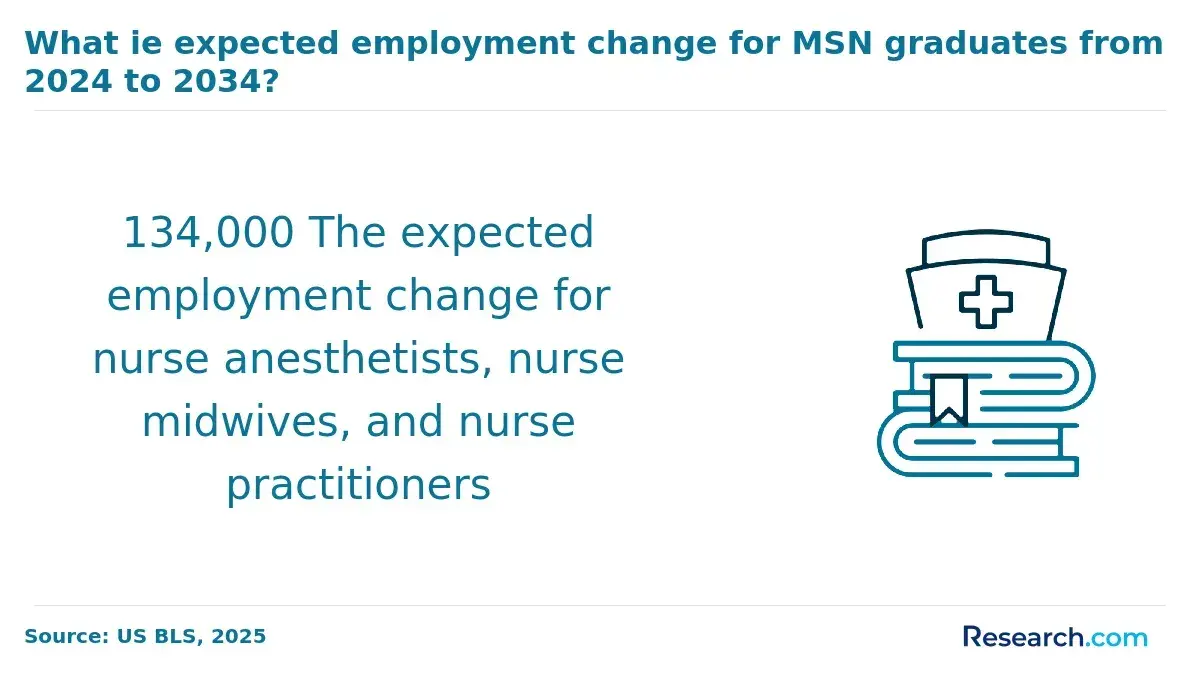
Enrollment in BSN to MSN programs in Hawaii has increased steadily, reflecting a growing demand for advanced nursing professionals in the state. This rise aligns with Hawaii's expanding healthcare needs, particularly in underserved communities seeking highly skilled nurses.
Prospective students should meet a series of important criteria to be considered competitive candidates for these programs. Below is an outline of the core admission requirements typically expected:
- Educational Prerequisites: Applicants must hold a Bachelor of Science in Nursing (BSN) from an accredited institution, commonly maintaining a minimum cumulative GPA around 3. 0 or higher, though this may vary by program.
- Licensure: An active, unrestricted Registered Nurse (RN) license valid in Hawaii is mandatory to ensure eligibility for graduate nursing coursework and clinical practice.
- Work Experience: Many programs request at least one year of professional nursing experience, verifying the candidate's readiness for the advanced clinical and academic challenges ahead.
- Standardized Tests: The GRE may be required by some programs; however, many waive this requirement for applicants with strong academic records or relevant clinical experience.
- Letters of Recommendation: Typically, two or three letters from professional or academic references are submitted to assess the applicant's qualifications and potential for success.
- Personal Statement or Essay: Candidates usually provide a written statement outlining their career goals, motivations for advanced study, and dedication to nursing.
- Interviews and Additional Assessments: Some programs incorporate interviews or supplementary evaluations to further gauge interpersonal skills and program fit.
What specializations are available in BSN to MSN programs in Hawaii?
BSN to MSN programs in Hawaii offer diverse specializations designed to build advanced expertise across clinical, educational, administrative, and emerging nursing fields. These targeted tracks help nurses develop distinct skill sets aligned with evolving healthcare demands statewide. Below is a detailed overview of commonly available specializations in Hawaii's BSN to MSN programs:
- Nurse Practitioner Tracks: These focus on primary or specialized patient care, including family, psychiatric-mental health, and pediatric nurse practitioner pathways. Emphasizing advanced diagnostic and treatment skills, they prepare nurses to deliver comprehensive care tailored to diverse populations.
- Clinical Nurse Specialist: This specialization enhances skills in evidence-based practice, quality improvement, and advanced clinical assessments. It aims to foster expert clinicians who serve as consultants and change agents within healthcare settings.
- Nurse Educator: Designed for those pursuing academic roles, this track centers on curriculum development and instructional strategies. It equips nurses to effectively train future generations of nursing professionals with appropriate evaluation methods.
- Nurse Administrator/Leader: Focusing on leadership competencies, this specialization covers organizational management, healthcare policy, and strategic planning. Graduates develop the managerial acumen required to oversee healthcare teams and optimize system efficiency.
- Emerging Specializations: Programs may also offer informatics nursing and public health nursing. Informatics integrates healthcare technology and data analysis, while public health emphasizes community-based care and population health management, reflecting Hawaii's unique healthcare landscape.
When I asked a recent graduate from a Hawaii BSN to MSN program about the specializations, she reflected on the personal impact of choosing a path amid this array of options. She shared how weighing clinical versus leadership tracks presented both excitement and uncertainty. The process required her to closely evaluate her professional strengths and personal goals, often revisiting course descriptions and faculty insights. Despite occasional self-doubt, she found empowerment in the program's flexibility and depth, ultimately appreciating how the specialization challenged her to expand both her knowledge and confidence. This reflective journey, she noted, was as valuable as the academic credential itself.
What courses are included in a BSN to MSN program in Hawaii?
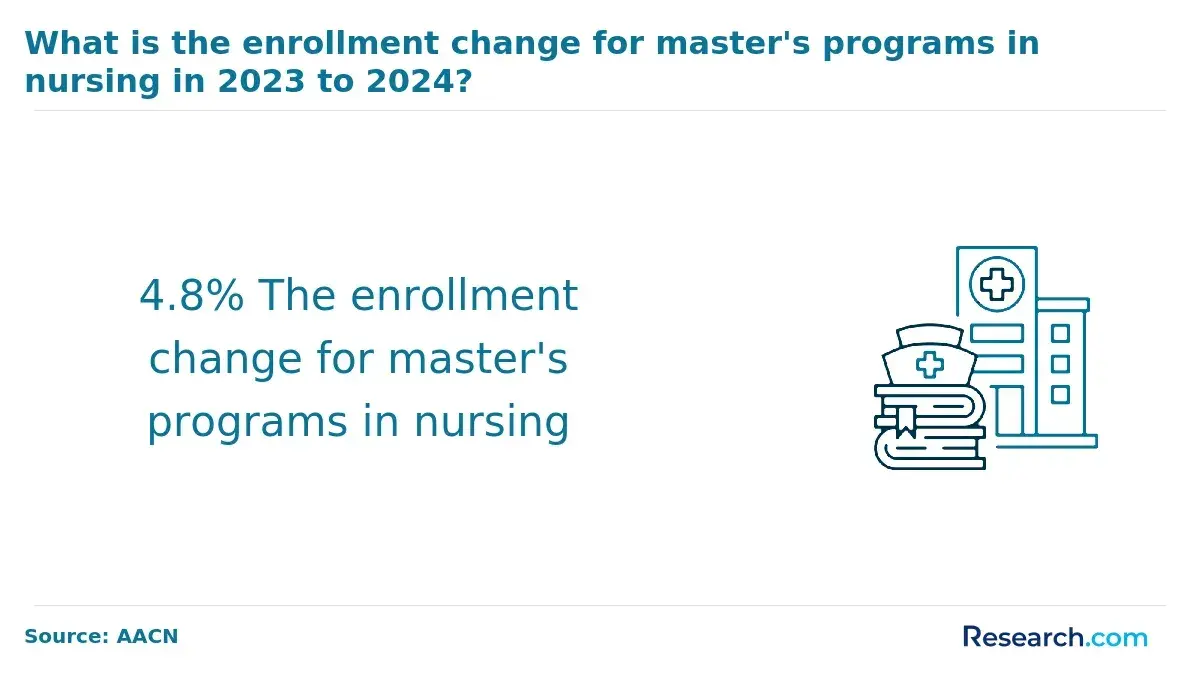
The typical BSN to MSN nursing curriculum in Hawaii requires 36 to 48 credit hours and can be completed in about two years of full-time study. This structure allows registered nurses to deepen their expertise and accelerate their careers in advanced nursing roles. The programs balance foundational knowledge with specialization options, offering a comprehensive educational path for RNs.
Core courses commonly found in Hawaii bsn to msn program courses include:
- Advanced Pathophysiology: Focuses on understanding disease mechanisms at cellular and systemic levels, equipping nurses to enhance diagnostic accuracy and develop targeted treatment plans.
- Advanced Pharmacology: Covers medication management principles, pharmacodynamics, and pharmacokinetics critical for safe and effective advanced nursing practice.
- Health Assessment: Involves comprehensive physical and psychosocial evaluation techniques, enabling nurses to make informed clinical decisions and tailor individualized care strategies.
- Nursing Research and Evidence-Based Practice: Teaches research methodologies and critical analysis skills, preparing nurses to integrate current evidence into patient care and improve outcomes.
- Leadership and Management in Healthcare: Develops competencies in organizational leadership, healthcare policy, quality improvement, and team coordination to prepare nurses for administrative and executive positions.
Elective and specialization courses allow further focus on advanced practice areas such as nurse practitioner roles, nurse education, administration, or clinical specialization. For example, nurse educator tracks emphasize curriculum development and instructional methods, while leadership electives cover healthcare finance, policy, and strategic planning. These tailored options help nurses meet the diverse demands of healthcare systems and assume influential roles. Registered nurses seeking detailed pathways can also explore the best rated adult gerontology acute care nurse practitioner programs as part of their advanced career planning.
How long does it take to complete a BSN to MSN program in Hawaii?
Research indicates that BSN to MSN programs in Hawaii typically range from 1. 5 to 3 years for completion, which aligns closely with national averages for these advanced nursing tracks. This timeframe reflects the necessary balance between rigorous academic coursework and supervised clinical practice requirements inherent in graduate nursing education. Below are key factors that influence these durations.
- Full-time versus Part-time Enrollment: Full-time students generally complete the program within 18 to 24 months by maintaining a heavier course load each semester. Part-time students often take closer to 3 years, as they balance fewer classes per term alongside professional or personal commitments.
- Specialization Choice: The selected nursing specialty greatly impacts duration; clinically intensive tracks such as nurse practitioner or nurse anesthetist programs require additional supervised clinical hours, which can extend the time to degree completion.
- Transfer Credits and Accelerated Options: Students who have previous graduate-level coursework or can transfer credits may shorten their pathway. Some programs also offer accelerated courses, including summer terms, that help expedite progress.
- Course Load and Scheduling Flexibility: Programs structured with online components or flexible scheduling allow students to tailor their study pace. Taking more courses per semester or utilizing summer sessions increases the likelihood of finishing sooner.
One graduate of a BSN to MSN program in Hawaii shared that balancing full-time work as a registered nurse with graduate studies was a test of endurance and time management. Early on, the clinical rotations in rural and urban healthcare settings were emotionally and physically demanding but rewarding, showcasing real-world applications of classroom theory. He found that leveraging online coursework during night shifts and arranging summer courses helped him reduce program length without sacrificing quality. Though the journey took nearly two and a half years, he described it as a transformative experience that deepened both his expertise and confidence in advancing his nursing career.
How much do BSN to MSN programs cost in Hawaii?
Graduate nursing tuition in Hawaii generally ranges from $15,000 to over $40,000, depending on residency and program format. In-state students often pay less, while out-of-state tuition frequently crosses the $40,000 mark for the entire MSN program. The following points outline key cost factors associated with BSN to MSN programs in Hawaii.
- Tuition (In-State vs. Out-of-State): In-state tuition typically ranges from $15,000 to $30,000 for the full MSN program. Out-of-state students usually face higher tuition costs, which can exceed $40,000, reflecting the residency classification impact on pricing.
- Mandatory Fees: Additional institutional fees are generally charged alongside tuition. These may cover student services, facility use, and administrative costs, increasing the total amount beyond just tuition.
- Additional Costs: Expenses such as textbooks, technology requirements, laboratory supplies, and clinical materials add several thousand dollars. Clinical placements may also require background checks, health screenings, and transportation, further increasing overall costs.
- Financial Aid Options: Many students qualify for federal loans, scholarships, employer tuition assistance, and grants. Early exploration of these opportunities is advisable to maximize financial support and reduce out-of-pocket expenses.
- Program Delivery Impact: Online programs often offer flexibility and may lower commuting and housing expenses, but tuition rates can be comparable to on-campus options. Online students should also plan for technology needs and potential on-site clinical experiences, which can influence costs.
What financial aid options are available to BSN to MSN students in Hawaii?
Financial support options for BSN to MSN students in Hawaii are multifaceted and designed to ease the burden of advanced nursing education. These resources combine federal, state, employer, and program-specific funding sources, giving students multiple pathways to finance their degrees.
Below is a detailed overview of key financial aid avenues available, each tailored to support Hawaii nursing graduate program scholarships and help candidates manage education costs effectively.
- Federal Grants and Loans: Students can access federal grants, such as the Pell Grant if eligible, and federal student loans by filing the FAFSA. These loans typically offer lower interest rates and flexible repayment plans, making them a cost-effective choice compared to private financing.
- State Scholarships and Grants: Hawaii's State Department of Education and Community Foundation provide nursing-specific scholarships to state residents. These awards target tuition reduction and are updated regularly through local aid offices, strengthening funding options for BSN to MSN students in Hawaii.
- Employer Tuition Assistance: Many healthcare employers in Hawaii offer tuition reimbursement or assistance programs. Often tied to employment commitments, these programs aim to retain qualified nurses and substantially offset the cost of pursuing an MSN.
- Loan Forgiveness Programs: Loan repayment initiatives, such as the Nurse Corps Loan Repayment Program, reward nurses who commit to working in underserved or rural Hawaii areas with partial loan reimbursement. Federal programs like Public Service Loan Forgiveness also benefit those employed in qualifying public sector healthcare roles.
- Assistantships and Work-Study: Some MSN programs provide assistantships, teaching roles, or work-study opportunities that offer both financial support and professional experience. The availability and requirements of these positions vary by institution.
For nurses exploring further specialization, there are valuable resources to compare and select from recognized online FNP programs that complement financial aid planning and career goals.
What jobs can BSN to MSN graduates pursue in Hawaii?
Graduates of BSN to MSN programs in Hawaii are well-equipped to advance their careers through a variety of specialized nursing roles. Exploring these positions reveals a range of opportunities that combine clinical expertise with leadership and educational responsibilities, reflecting the diverse paths available in today's healthcare environment.
- Nurse practitioner (NP): NPs deliver advanced patient care in hospitals, clinics, or private practices. They diagnose conditions, prescribe medications, and create treatment plans, often working with significant autonomy across diverse patient populations.
- Clinical nurse specialist (CNS): CNSs improve clinical outcomes by focusing on evidence-based practices, staff training, and quality improvement initiatives within hospitals or specialty units.
- Nurse educator: These professionals mentor nursing students and practicing nurses in academic or healthcare settings. Responsibilities include developing curriculum and facilitating clinical training to prepare future nurses.
- Nurse administrator or nurse leader: These roles involve managing nursing teams, overseeing budgets, and ensuring regulatory compliance. They influence policy development and enhance healthcare delivery systems in various clinical and community environments.
- Emerging healthcare roles: Graduates may also pursue careers in healthcare informatics, population health, or healthcare policy, combining nursing knowledge with data analysis and technology to improve system-wide care.
Many nurses considering these advanced roles also evaluate how long does nurse practitioner school take to plan their education timeline effectively. The range of nursing careers for BSN to MSN graduates in Hawaii continues to expand, reflecting growing demand for advanced nursing expertise. These advanced nursing job opportunities in Hawaii after MSN offer nurses a chance to significantly impact healthcare quality and innovation.
What is the average salary of BSN to MSN graduates in Hawaii?
MSN-prepared nurses in Hawaii earn an average annual salary of approximately $110,000, which exceeds the typical earnings of registered nurses holding only a BSN degree. This salary reflects the advanced skills and responsibilities that come with an MSN credential in the state's healthcare market.
Below is a detailed breakdown of salary variations by role, along with key factors influencing pay and potential growth over time.
- Nurse Practitioners (NPs): These professionals are among the highest earners with salaries ranging from $105,000 to $125,000 annually, depending on experience level and clinical specialization.
- Clinical Nurse Specialists (CNS): Typically, CNS roles offer annual salaries between $95,000 and $115,000, reflecting their expertise in specialized clinical practices.
- Nurse Educators: Salaries for educators generally fall between $85,000 and $100,000, influenced by the type of institution and years of teaching experience.
- Nurse Administrators/Leaders: These roles command salaries ranging from $100,000 to $120,000, driven by leadership duties and the scale of the healthcare facility.
- Factors Affecting Salary: Experience, geographic location within Hawaii, and area of specialization all impact earnings. For example, nurses working in urban centers like Honolulu tend to earn more than those in rural areas, and high-demand specialties such as acute care or psychiatric nursing also attract higher pay.
- Salary Growth Potential: BSN to MSN graduates in Hawaii generally see strong salary growth through continued education, certification attainment, and progression into leadership roles, enabling significant increases in compensation over time.
What Graduates of BSN to MSN Programs in Hawaii Say About Their Degree
- Completing the hybrid BSN to MSN program allowed me to immediately apply evidence-based practices I learned to my new role at Leilehua High School. The blend of online flexibility and occasional on-campus sessions gave me the best of both worlds, fitting my busy life while connecting deeply with Hawaii's unique healthcare challenges for youth. It's been rewarding to see how culturally informed care improves student health outcomes, and I feel empowered to be a leader in this community. The program truly prepared me to support local families in meaningful ways within the school system. Kaleo
- My journey through the fully online BSN to MSN program in Hawaii was transformative both professionally and personally. Advancing my career as an MSN-prepared registered nurse gave me access to leadership roles at Waianae Coast Comprehensive Health Center, where I collaborate closely with diverse populations to improve care strategies. The comprehensive curriculum emphasized Hawaii's cultural values, which enriched my approach and helped deepen my commitment to community well-being. This program opened doors for further professional development that I'm excited to pursue. Alisha
- Being on campus for my BSN to MSN studies at the University of Hawaii allowed me to deeply engage with faculty and fellow students passionate about nursing in island communities. Now, working at Kaimuki Intermediate School, I appreciate how the program's focus on local resources, environmental health, and cultural awareness equips nurses like me to tackle unique regional challenges. This experience has fostered significant personal growth and a feeling of true contribution to the health and vitality of young people in our neighborhoods. I am optimistic about the career advancement this foundation has set in motion. Devon
Related Articles for Nearby States
- 2027 Best BSN to MSN Programs in Alaska: Online & Campus
- 2027 Best BSN to MSN Programs in California: Online & Campus
- 2027 Best BSN to MSN Programs in Oregon: Online & Campus
- 2027 Best BSN to MSN Programs in Washington: Online & Campus
- 2027 Best BSN to MSN Programs in Nevada: Online & Campus
- 2027 Best BSN to MSN Programs in Arizona: Online & Campus
- 2027 Best BSN to MSN Programs in Idaho: Online & Campus
- 2027 Best BSN to MSN Programs in Utah: Online & Campus
- 2027 Best BSN to MSN Programs in Montana: Online & Campus
- 2027 Best BSN to MSN Programs in Wyoming: Online & Campus
References
- How Much Can I Earn With a BSN? https://www.allnursingschools.com/bsn/salary/
- 2026 Best MSN and RN-to-MSN Programs in Hawaii https://www.registerednursing.org/degree/msn/hawaii/
- BSN Salary: How Much Do BSN Make? — Pacific College https://www.pacific-college.edu/blog//bsn-salary
- BSN to MSN Move: Is It Worth It? | Nurse.com School Directory https://www.nurse.com/schools/msn-degree/moving-from-bsn-to-msn-worth-it/
- Average Registered Nurse Salary in Hawaii https://www.incrediblehealth.com/salaries/rn/hi
- Salary in Hawaii - HI for MSN-Educated Nurse Practitioners and More https://www.msnedu.org/hawaii/hawaii-salary/
- Master of Science in Nursing https://chaminade.edu/nursing-health-professions/master-science-nursing/
- Hawaii RN-BSN Programs: Affordable & Fast Options for 2025 https://www.rntomsn.org/rn-to-bsn-online/hawaii/
- MSN Nurse Salary Guide https://nurse.org/resources/msn-salary/
- Best MSN Programs In Hawaii - Nurse Executive Prep https://nurseexecutiveprep.com/best-msn-programs-in-hawaii/


