
2027 Best BSN to MSN Programs in Pennsylvania: Online & Campus

Co-Founder and Chief Data Scientist
Many registered nurses in Pennsylvania face the challenge of advancing their careers through BSN to MSN programs but struggle to find quality options that fit their schedules and goals. Pennsylvania's nursing workforce is projected to grow by over 15% in the next decade, increasing demand for advanced practice nurses. This article, crafted by career planning experts, identifies the best online and campus MSN programs in Pennsylvania. It offers clear comparisons and actionable insights to help nurses make informed decisions and achieve professional growth.
Key Benefits of BSN to MSN Programs in Pennsylvania
- Flexible scheduling in online programs allows working nurses in Pennsylvania to balance clinical duties while advancing their education, with over 60% of RN students benefiting from part-time study options.
- On-campus programs foster hands-on clinical experiences and networking opportunities essential for leadership roles, addressing Pennsylvania's growing demand for nurse practitioners, projected to increase by 26% through 2030.
- Both formats enhance professional credentials swiftly, enabling RNs to qualify for specialized positions and higher salaries-MSN-prepared nurses in Pennsylvania earn approximately 25% more than their BSN counterparts.
- What is a BSN to MSN program in Pennsylvania?
- How do campus-based programs compare to online BSN to MSN programs?
- What are the admission requirements for BSN to MSN programs in Pennsylvania?
- What specializations are available in BSN to MSN programs in Pennsylvania?
- What courses are included in a BSN to MSN program in Pennsylvania?
- How long does it take to complete a BSN to MSN program in Pennsylvania?
- How much do BSN to MSN programs cost in Pennsylvania?
- What financial aid options are available to BSN to MSN students in Pennsylvania?
- What jobs can BSN to MSN graduates pursue in Pennsylvania?
- What is the average salary of BSN to MSN graduates in Pennsylvania?
What is a BSN to MSN program in Pennsylvania?
A BSN to MSN pathway in Pennsylvania offers registered nurses with a Bachelor of Science in Nursing the chance to advance their education efficiently, moving toward roles that demand greater responsibility and expertise. These programs build upon the strong foundation acquired during the BSN, providing a focused blend of advanced theory, clinical practice, and leadership training tailored to the evolving needs of healthcare. Whether you aim to specialize in advanced practice nursing, such as becoming a nurse practitioner or clinical nurse specialist, or to take on leadership and administrative responsibilities, these programs bridge your current qualifications with higher-level nursing careers within Pennsylvania. Exploring the best bsn to msn nursing programs Pennsylvania helps you find options that fit both your career goals and learning style.
Structurally, these programs include rigorous graduate-level coursework combined with clinical rotations that deepen your skills and broaden your understanding of nursing practice in specialized areas. Many offer flexible online bsn to msn degrees in Pennsylvania, allowing working nurses to balance education with professional and personal commitments. Graduates often pursue roles in acute care, pediatrics, gerontology, or nurse anesthesia, among other fields, and can also expand into nursing education or health policy. For those weighing different advanced nursing degrees, comparing the fnp vs dnp key differences can provide valuable insight into which pathway aligns best with your ambitions.
How do campus-based programs compare to online BSN to MSN programs?
Online MSN programs have seen a remarkable 30% enrollment increase nationwide over the past five years, reflecting the growing demand for flexible education among working nurses. This shift is particularly relevant when weighing online versus campus BSN to MSN options Pennsylvania offers. Let's explore the key distinctions between these learning paths to help guide your decision.
- Learning Format and Structure: Campus-based BSN to MSN programs provide a traditional, in-person environment with scheduled classes, fostering direct engagement. Conversely, online programs focus on asynchronous learning and virtual classrooms, allowing nurses to study on their own time without fixed schedules.
- Schedule Flexibility: On-campus programs generally have set class times that suit those who thrive in structured routines, while online options grant significant flexibility ideal for professionals balancing work and family commitments.
- Clinical and Practicum Experiences: Campus students usually complete clinical hours at nearby healthcare facilities arranged by the school, offering hands-on supervision. Online students must coordinate in-person practicums independently at approved sites, requiring more self-management.
- Faculty Interaction and Peer Collaboration: Face-to-face programs encourage immediate faculty access and informal mentoring, along with in-person study groups. Online learners connect through scheduled virtual meetings, discussion boards, and email, which support interaction but may lack spontaneity.
- Technology Requirements and Learning Tools: Online BSN to MSN students depend heavily on learning management systems, video conferencing, and reliable internet, whereas campus students have on-site access to libraries, labs, and technology resources.
- Cost Considerations: Online routes often lower expenses tied to commuting, housing, and campus fees but require investment in updated technology. Campus programs might have higher tuition and fees but include greater access to physical resources.
- Ideal Student Profiles: Campus programs suit those who value immersive environments and direct, personal interactions, while online options better meet the needs of self-disciplined learners seeking flexibility to balance work and life.
For nursing professionals curious about career progression and financial outlook, understanding your regional market is crucial. You might explore data on pmhnp salary by state to align your educational choices with future opportunities.
What are the admission requirements for BSN to MSN programs in Pennsylvania?
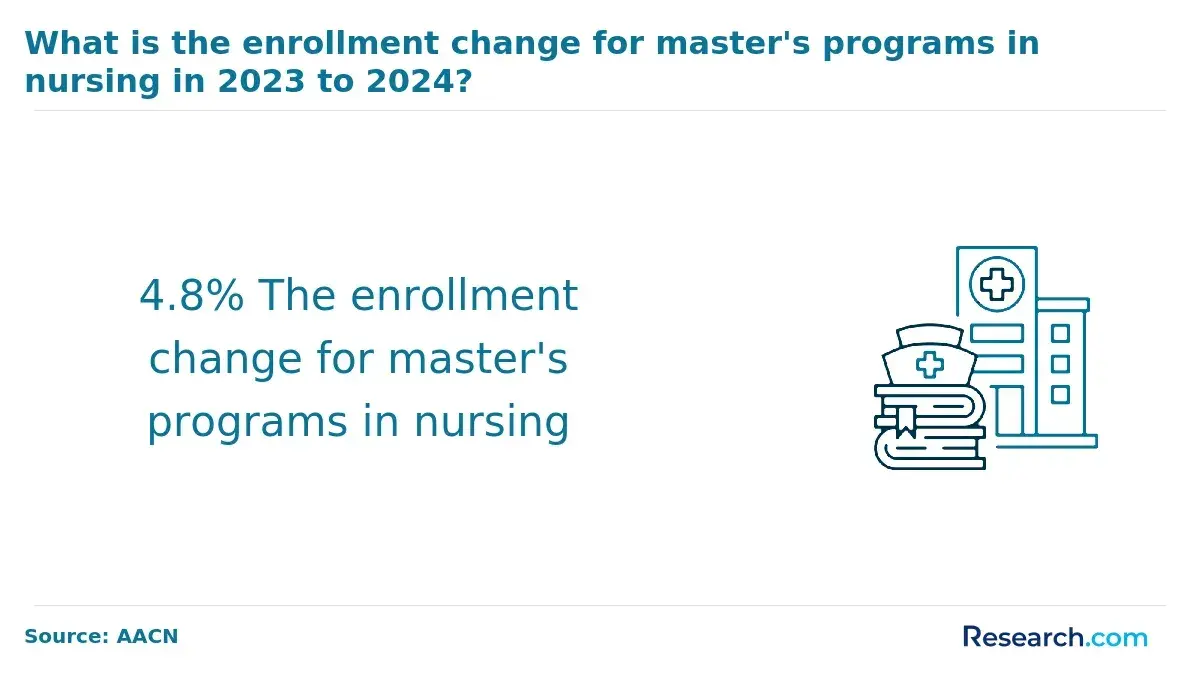
Demand for advanced nursing roles in Pennsylvania continues to grow, with BSN to MSN program enrollment rising steadily to meet this need. Nurses who pursue these degrees position themselves for leadership and specialized clinical opportunities in a competitive healthcare market.
To help you prepare, here are the key admission requirements commonly expected by Pennsylvania BSN to MSN programs:
- Educational Prerequisite: A Bachelor of Science in Nursing (BSN) from an accredited institution is required, generally with a minimum cumulative GPA of around 3. 0 to demonstrate academic readiness for graduate work.
- Licensure: An active, unrestricted Registered Nurse (RN) license in Pennsylvania is mandatory, ensuring you are qualified to practice clinically within the state.
- Work Experience: Most programs expect at least one year of professional nursing experience, sometimes including clinical practice in specialty areas relevant to the MSN focus.
- Standardized Tests: The GRE may be requested but is increasingly optional or waived, especially in flexible or online program formats.
- Letters of Recommendation: Two or three letters from professional or academic references are typically required, attesting to your nursing competence, leadership potential, and readiness for graduate study.
- Personal Statement: A well-crafted essay outlining your career goals, motivations for advanced education, and how the program aligns with your professional aspirations is essential.
- Interviews or Additional Assessments: Some programs include these to evaluate your interpersonal skills, critical thinking, and commitment to nursing leadership.
What specializations are available in BSN to MSN programs in Pennsylvania?
Choosing the right specialization in a BSN to MSN program in Pennsylvania can shape your advanced nursing journey and define your professional impact. Exploring the variety of paths available will help you align your passion with a program that enhances your skills and leadership capacity.
Consider these standout specializations offered in many Pennsylvania programs:
- Nurse Practitioner (NP) Track: This popular path offers family, adult-gerontology, pediatric, and psychiatric-mental health options. It sharpens your clinical expertise in assessment, diagnosis, and treatment, preparing you to deliver primary or specialized care effectively.
- Clinical Nurse Specialist (CNS): Focused on advancing patient outcomes, this specialization hones your abilities in expert consultation, evidence-based practice, and clinical leadership within specific healthcare settings.
- Nurse Educator: Designed for those who want to shape future nurses, this track emphasizes curriculum design, educational theory, and student evaluation, addressing the critical need for skilled nursing faculty.
- Nurse Administrator/Leader: Here, you develop competencies in healthcare management, budgeting, staffing, and strategic planning to lead teams and influence organizational policies.
- Emerging Specializations: Fields like informatics and population health are gaining momentum. Informatics combines nursing science with IT to optimize care delivery, while population health focuses on community wellness through preventive strategies.
When I spoke with a nurse who completed a BSN to MSN program in Pennsylvania, she highlighted how choosing her specialty was both thrilling and daunting. Balancing rigorous coursework with clinical practice tested her perseverance, but the guidance from faculty in navigating complex topics-especially in emerging fields like informatics-was invaluable. She reflected on moments of self-doubt when adapting to leadership roles but found the specialized training gave her growing confidence. Ultimately, she cherishes the tailored education that transformed her clinical skills and expanded her vision of nursing beyond bedside care.
What courses are included in a BSN to MSN program in Pennsylvania?
In Pennsylvania, BSN to MSN programs typically require between 30 and 45 credit hours and take about 2 to 3 years to complete. This duration accommodates both full-time and part-time students aiming to enhance their clinical and leadership skills. Exploring the nursing curriculum for MSN in Pennsylvania reveals a thoughtful blend of core and elective courses designed to advance your expertise.
- Advanced Pathophysiology: This course deepens your understanding of complex disease mechanisms and their effects on the body, equipping you to apply advanced clinical knowledge in patient care.
- Advanced Pharmacology: Focused on pharmacotherapeutics, you will learn how to safely prescribe and manage medications tailored to diverse patient populations in advanced nursing roles.
- Health Assessment: Enhances your comprehensive evaluation skills, teaching you to perform physical and psychosocial assessments across the lifespan with precision.
- Nursing Research: Introduces research methodologies essential for evidence-based practice, enabling critical appraisal and application of scientific findings to improve outcomes.
- Leadership and Management: Prepares you for influential roles in healthcare administration, policy-making, and team leadership by developing skills in organizational dynamics and quality improvement.
- Elective Specializations: You can choose tracks such as Nurse Practitioner, Clinical Nurse Leader, Nursing Education, or Nursing Administration, with courses covering teaching strategies, healthcare policy, advanced diagnostics, and population-focused clinical practicum experiences.
This comprehensive structure ensures readiness for advanced nursing roles, whether clinical, educational, or administrative. For example, exploring the best online acute care nurse practitioner programs can complement your specialization choices within these tracks.
How long does it take to complete a BSN to MSN program in Pennsylvania?
Data from nursing education reports show that most students complete BSN to MSN programs in Pennsylvania within three years, reflecting a well-paced journey toward advanced nursing roles. This timeframe varies notably based on enrollment status and individual academic planning, providing flexibility for busy professionals. Let's explore the typical program durations and key factors shaping each student's path.
- Full-Time Enrollment: Most full-time students can expect to complete their program in about 18 to 24 months, as they dedicate significant time each term to coursework and clinical requirements. This route is ideal for those who can prioritize studies without extensive outside commitments.
- Part-Time Enrollment: For nurses balancing work, family, or other responsibilities, part-time study often extends the program length to approximately 2. 5 to 3 years. This approach allows for a manageable pace but requires sustained commitment over a longer period.
- Specialization Choice: Your chosen nursing specialty influences completion time, especially when certain fields demand additional clinical hours or coursework. Specialties with intensive practical components naturally require more time to fulfill all educational criteria.
- Clinical Requirements: Varied clinical hour mandates across programs and specializations can lengthen your timeline. Programs with extensive fieldwork or practicum elements often extend the duration needed to gain hands-on experience.
- Transfer Credits and Prior Learning: Some students can reduce their program length by applying transfer credits or previous graduate coursework. This can accelerate progress by decreasing the number of classes needed for completion.
- Course Load: The number of credits taken per term significantly affects overall duration. Students who enroll in fewer courses per semester to accommodate work or personal life will generally need more terms to graduate.
One graduate of a BSN to MSN program in Pennsylvania shared insights from his own experience balancing full-time nursing with graduate studies. He recounted how clinical rotations often added unexpected stress, requiring early morning shifts followed by evening coursework, testing his endurance and time management skills. Despite these challenges, he found that breaking tasks into smaller goals and leaning on a supportive peer network kept him motivated. The journey stretched beyond simply earning a degree-it was about building resilience, refining clinical expertise, and stepping confidently into leadership roles. His story highlights how personalized planning and persistence transform a rigorous program into a rewarding career milestone.
How much do BSN to MSN programs cost in Pennsylvania?
Graduate nursing tuition rates in Pennsylvania typically range from $600 to $1,000 per credit hour for in-state students, while out-of-state learners can expect to pay over $1,200 per credit hour. Since BSN to MSN programs usually require 30 to 45 credit hours, total tuition costs may vary widely depending on your residency and chosen program.
Here's a breakdown of key cost factors to consider as you evaluate your options:
- Tuition In-State vs. Out-of-State: In-state tuition offers a noticeable savings, averaging between $600 and $1,000 per credit hour, making it more affordable if you qualify. Out-of-state tuition can exceed $1,200 per credit, so it's essential to factor residency status into your budget.
- Mandatory Fees: Beyond tuition, expect registration, technology, and lab fees that can add several hundred to over a thousand dollars annually. These fees vary by institution and support essential resources throughout your studies.
- Additional Costs: Budget for textbooks, clinical supplies, and equipment, which often total several hundred dollars yearly. These practical necessities are key investments in your clinical competency and successful program completion.
- Financial Aid Options: Explore federal loans, scholarships, grants, and employer tuition reimbursement programs that many nurses leverage. Loan forgiveness opportunities for working in underserved areas can also ease financial burden significantly.
- Program Delivery Differences: Online programs often reduce commuting and housing expenses, but may include technology requirements and access fees. Campus-based programs might have higher living and parking costs but offer richer face-to-face clinical experiences that many find invaluable.
What financial aid options are available to BSN to MSN students in Pennsylvania?
Funding your education while advancing your nursing career is crucial, and Pennsylvania offers diverse support to help you manage costs. Exploring the various financial aid options for bs to msn students in pennsylvania can open doors to affordable advanced nursing education.
- Federal and State Grants: Although Pell Grants focus on undergraduates, graduate nursing students can still benefit from other federal aid by submitting the FAFSA. Pennsylvania's State Grant Program also provides aid to eligible students attending approved institutions, making it worthwhile to explore early in your application process.
- Scholarships: Numerous scholarships are available specifically for Pennsylvania BSN to MSN nursing scholarships and grants. Many stem from professional organizations like the Pennsylvania State Nurses Association or universities, often rewarding those planning to serve in underserved communities or specializing in advanced practice roles.
- Employer Tuition Assistance: Hospitals and healthcare employers frequently sponsor tuition reimbursement programs for nurses pursuing graduate degrees. These benefits can reduce your out-of-pocket expenses but may require you to remain employed with the organization for a determined period post-graduation.
- Student Loans: Federal Direct Unsubsidized and Grad PLUS Loans are accessible through the FAFSA, offering fixed interest rates and flexible repayment plans. Private loans exist but usually come with higher rates and stricter terms, so tread carefully when considering these.
- Loan Forgiveness Programs: Pennsylvania supports programs like the Nurse Corps Loan Repayment and Primary Care Loan Repayment, which reward nurses committed to working in high-need or underserved areas by reducing their student debt substantially.
- Assistantships and Work-Study Opportunities: Some universities provide graduate assistantships or work-study roles that award stipends or tuition waivers. These positions allow you to gain valuable experience in teaching, research, or clinical coordination while easing financial burdens.
For nurses looking to balance quality education and affordability, researching affordable programs and financial aid early will maximize your opportunities. If you're weighing options, consider checking out an easy online msn program that fits your schedule and financial plans.
What jobs can BSN to MSN graduates pursue in Pennsylvania?
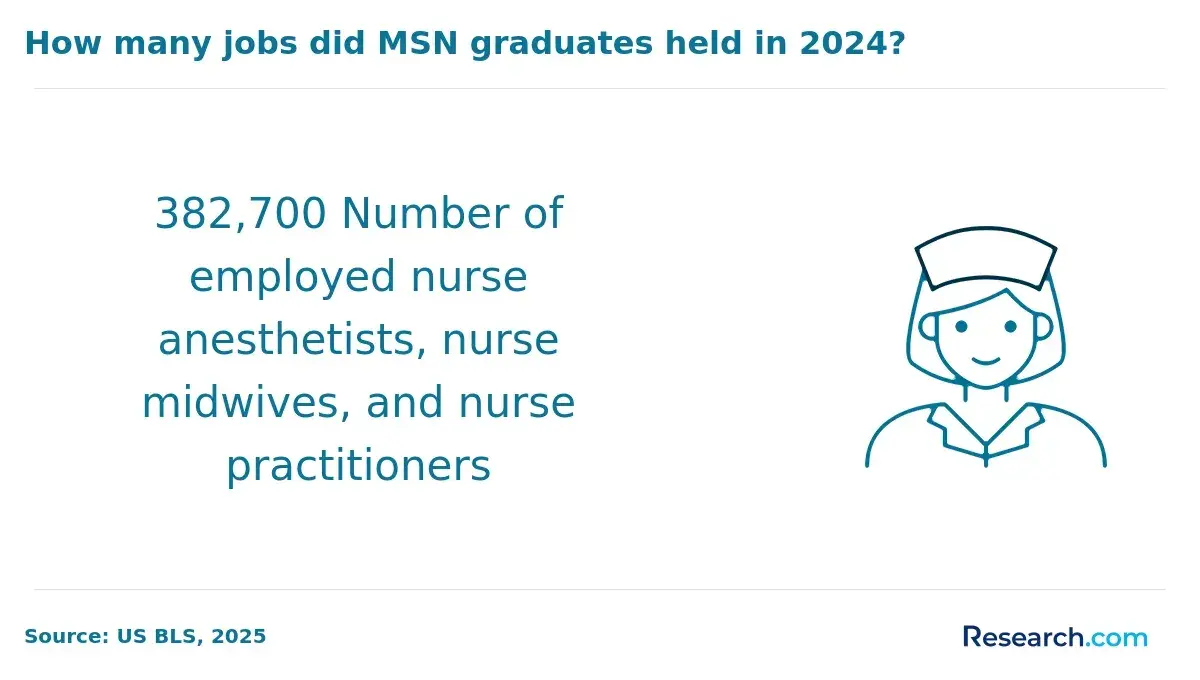
Graduates who complete BSN to MSN programs in Pennsylvania unlock numerous professional opportunities that allow them to expand their clinical skills and leadership capabilities. For those exploring advanced nursing job opportunities in Pennsylvania, understanding the diverse career paths available helps in choosing the right focus for their future.
- Nurse Practitioner (NP): In this role, MSN-prepared nurses provide primary or specialized care in settings such as clinics, hospitals, or community health centers. They assess patient conditions, develop treatment plans, and often have the authority to practice independently depending on state regulations.
- Clinical Nurse Specialist (CNS): CNSs work in hospitals and specialty clinics to improve patient outcomes by applying evidence-based practices. They offer expert consultation, educate staff, and lead quality improvement initiatives focused on specific patient populations or care areas.
- Nurse Educator: Ideal for those passionate about teaching, nurse educators develop curriculum and instruct nursing students in academic institutions or healthcare facilities. They play a pivotal role in preparing the next generation of nurses with strong clinical and theoretical foundations.
- Nurse Administrator or Nurse Leader: These roles involve managing nursing staff, budgets, and policies within hospitals or health systems. Leaders use their clinical insight and organizational skills to drive strategic initiatives that enhance patient care and healthcare environments.
- Emerging roles: Opportunities such as nurse informaticists, nurse researchers, and nurse health policy experts are growing fields for MSN graduates. These positions focus on integrating healthcare technology, advancing clinical knowledge, and influencing healthcare reform.
For those interested in mental health specialties, there is a valuable list of affordable online PMHNP degree programs that can serve as a guide. Choosing the right BSN to MSN nursing careers in Pennsylvania requires aligning your career goals with programs that support your desired advanced role.
What is the average salary of BSN to MSN graduates in Pennsylvania?
MSN-prepared nurses in Pennsylvania earn an average annual salary of about $97,000, reflecting a significant increase compared to those with only a BSN. This jump highlights the value of advancing your education and training to take on higher-level nursing roles.
Understanding how salaries vary across different positions and factors can help you chart a clear path toward your career goals. Here's a breakdown of what to expect:
- Nurse Practitioner: This role commands some of the highest salaries, ranging from $105,000 to $120,000 annually. Nurse Practitioners often provide primary or specialty care, which requires advanced clinical skills and responsibility.
- Clinical Nurse Specialist: Nurses in this specialized role earn between $90,000 and $110,000 per year. They focus on improving patient care quality within specific clinical areas, blending expertise with leadership.
- Nurse Educator: If teaching and mentoring future nurses appeal to you, expect salaries from $75,000 to $95,000 annually. This role emphasizes shaping the next generation of nursing professionals.
- Nurse Administrator/Leader: Leadership positions in nursing administration offer $95,000 to $115,000 per year. These roles combine clinical knowledge with management skills to improve healthcare operations.
- Factors Affecting Salary: Experience is crucial-nurses earlier in their MSN careers typically earn less, but salary grows with time and expertise. Geographic location also matters; urban areas like Philadelphia and Pittsburgh often offer higher pay to match living costs and healthcare demand. Specializing in in-demand fields such as acute care or psychiatric-mental health can further boost earnings.
- Salary Growth Over Time: As you gain certifications or take on leadership roles, your salary tends to increase steadily. Expanding your skills and responsibilities often translates into faster income growth, rewarding your commitment and advanced expertise.
What Graduates of BSN to MSN Programs in Pennsylvania Say About Their Degree
- Completing the hybrid BSN to MSN program in Pennsylvania opened doors I hadn't imagined. The on-campus components gave me vital hands-on experience, while the online coursework allowed me to balance family life. Starting my new role at Lincoln Elementary School has been incredibly rewarding-I love supporting children's health and well-being in a community I truly care about. The program's focus on local healthcare challenges prepared me extensively for this position, and I feel empowered to make a real difference every day. DeShawn
- Advancing my career through an online BSN to MSN program in Pennsylvania was a transformative experience, both professionally and personally. The flexibility allowed me to continue working full-time while deepening my expertise in nursing leadership. Now, as an MSN-prepared registered nurse, I've taken on a coordinating role at West Philly High School, improving student health services and protocols. This program truly equipped me to address the unique health needs in Pennsylvania's urban school districts. Aisha
- Pursuing my BSN to MSN degree on campus in Pennsylvania was a journey of personal growth and community connection. Immersed in the state's rich healthcare environment, I engaged with local initiatives addressing rural health disparities. Starting work at Pine Grove Academy has strengthened my commitment to serving underserved populations and advocating for better health education. This program didn't just advance my career; it shaped my perspective on nursing's role in fostering healthier communities. Ravi
Related Articles for Nearby States
- 2027 Best BSN to MSN Programs in New Jersey: Online & Campus
- 2027 Best BSN to MSN Programs in Delaware: Online & Campus
- 2027 Best BSN to MSN Programs in Maryland: Online & Campus
- 2027 Best BSN to MSN Programs in New York: Online & Campus
- 2027 Best BSN to MSN Programs in West Virginia: Online & Campus
- 2027 Best BSN to MSN Programs in Ohio: Online & Campus
- 2027 Best BSN to MSN Programs in Virginia: Online & Campus
- 2027 Best BSN to MSN Programs in Connecticut: Online & Campus
- 2027 Best BSN to MSN Programs in Rhode Island: Online & Campus
- 2027 Best BSN to MSN Programs in Massachusetts: Online & Campus
References
- School of Nursing Costs https://srfs.upenn.edu/costs-budgeting/nursing
- Nursing https://www.wcupa.edu/healthSciences/nursing/msnab.aspx
- BSN to MSN Move: Is It Worth It? | Nurse.com School Directory https://www.nurse.com/schools/msn-degree/moving-from-bsn-to-msn-worth-it/
- How to Become a Nurse Practitioner in Pennsylvania https://onlinenursingdegrees.wilkes.edu/blog/how-become-nurse-practitioner-pennsylvania
- Master of Science in Nursing (MSN) Salary: Highest Paying MSN Jobs and States in 2025 https://nightingale.edu/blog/msn-salary.html
- How Much Can I Earn With a BSN? https://www.allnursingschools.com/bsn/salary/
- University of Pennsylvania Master' s in Nursing (MSN/ MPN) - 2025 https://allnurses.com/university-pennsylvania-masters-nursing-msn-t763266/
- Nursing, MSN https://www.holyfamily.edu/academics/programs/nursing-msn
- Salary in Pennsylvania - PA for MSN-Educated Nurse Practitioners and More https://www.msnedu.org/pennsylvania/pennsylvania-salary/
- York College of Pennsylvania | Online Nursing Degree | MSN https://onlinedegrees.ycp.edu/nursing-programs/msn


