
2027 Best BSN to MSN Programs in Nevada: Online & Campus

Co-Founder and Chief Data Scientist
Nurses with a BSN in Nevada often face challenges finding MSN programs that fit their schedules while advancing their careers. Nevada's nursing workforce is projected to grow by 12% over the next decade, increasing demand for advanced education. This article evaluates top BSN to MSN programs available both online and on campus, focusing on flexibility, accreditation, and career outcomes. Developed by experts in career planning, it provides clear strategies to choose programs that align with professional goals and local industry needs.
Key Benefits of BSN to MSN Programs in Nevada
- Flexible online and campus BSN to MSN programs in Nevada allow working RNs to balance employment with studies, supporting a workforce where 65% of nurses seek career advancement within five years.
- Programs focus on advanced clinical skills and leadership, addressing Nevada's growing demand for nurse practitioners and administrators amid a 15% projected nursing shortage by 2030.
- Graduates often experience a salary increase up to 30%, with MSN credentials enabling access to specialized and higher-paying nursing roles in Nevada's expanding healthcare sector.
- What is a BSN to MSN program in Nevada?
- How do campus-based programs compare to online BSN to MSN programs?
- What are the admission requirements for BSN to MSN programs in Nevada?
- What specializations are available in BSN to MSN programs in Nevada?
- What courses are included in a BSN to MSN program in Nevada?
- How much do BSN to MSN programs cost in Nevada?
- What financial aid options are available to BSN to MSN students in Nevada?
- What jobs can BSN to MSN graduates pursue in Nevada?
- What is the average salary of BSN to MSN graduates in Nevada?
What is a BSN to MSN program in Nevada?
A BSN to MSN program in Nevada offers registered nurses a focused pathway to advance their education by building upon their existing Bachelor of Science in Nursing degree. These programs are designed to deepen clinical expertise and leadership skills without repeating foundational undergraduate content. Typically, they combine advanced coursework with practical experiences such as clinical rotations tailored to specialized nursing roles or management. This structure supports nurses seeking to elevate their careers in areas like nurse practitioner positions, nurse education, or healthcare administration within the state.
These advanced nursing degrees Nevada align with the growing demand for highly skilled professionals in leadership and advanced practice roles across healthcare settings. Graduates often qualify for positions requiring a master's degree, including advanced practice registered nurse (APRN) roles and clinical nurse leadership. Nurses can choose between flexible online or campus-based formats to fit their schedules, making it easier to balance work and study. For those considering financial rewards, exploring what are highest paying nursing jobs can provide insight into the career benefits of these programs.
How do campus-based programs compare to online BSN to MSN programs?
Enrollment in online nursing programs has surged by over 75% in the last decade, reflecting a strong trend toward flexible education among working nurses. This growth highlights the increasing options available for BSN to MSN students in Nevada, whether they prefer traditional or remote learning environments.
To help you navigate this choice, here is a direct comparison of campus versus online BSN to MSN programs nevada based on key characteristics:
- Learning Format and Structure: Campus programs rely on scheduled in-person lectures for direct instruction, while online options use digital platforms combining asynchronous coursework with occasional live sessions, allowing students to study at their own pace.
- Schedule Flexibility: Online programs provide greater flexibility by enabling nurses to balance education with work and family through remote access at varied times. Campus formats demand physical attendance during fixed hours, which can be challenging for those with busy or unpredictable schedules.
- Clinical and Practicum Experiences: Both formats require clinical practice, but campus students often complete these near their school with direct faculty oversight. Online students arrange local placements independently, which can offer personalized community experiences but require self-initiative to organize.
- Faculty Interaction and Peer Collaboration: On-campus learning offers spontaneous faculty feedback and face-to-face peer networking, while online programs rely on discussion boards, video calls, and messaging tools that foster communication but may feel less immediate.
- Technology Requirements and Learning Tools: Online students must have reliable internet and be comfortable with digital learning systems and multimedia resources. Campus students use technology mainly as a supplement and focus on in-person engagement.
- Cost Considerations: Online learning can reduce expenses related to commuting, housing, and sometimes tuition. Campus programs often incur additional costs such as parking and campus fees, potentially increasing overall expenses.
- Ideal Student Profiles: Nurses who prefer self-directed learning and need schedule flexibility or live far from Nevada institutions often choose online programs. Those valuing structured environments with direct contact and immediate peer interaction may find campus programs better suited to their needs, especially if they explore paths like the holistic nurse practitioner career path.
What are the admission requirements for BSN to MSN programs in Nevada?
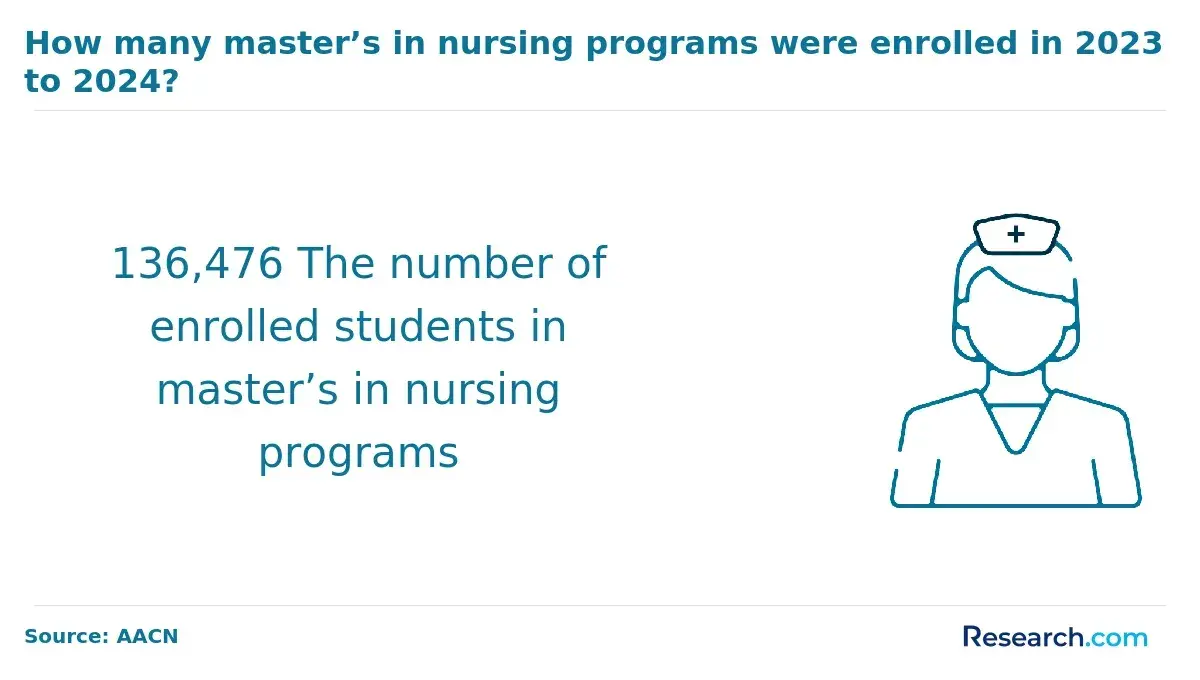
Nevada has seen a steady increase in enrollment for MSN programs, driven by rising healthcare demands and nursing shortages in the state. This growth emphasizes the need for qualified nurses aiming to advance their careers through rigorous graduate education. Prospective students should prepare to meet specific admission criteria designed to ensure readiness and fit for these programs.
Applicants to BSN to MSN programs in Nevada typically need to fulfill several key requirements:
- Educational Prerequisites: Hold a Bachelor of Science in Nursing (BSN) from an accredited institution with a minimum cumulative GPA of around 3. 0 to demonstrate strong academic performance.
- Licensure: Maintain an active, unencumbered Registered Nurse (RN) license in Nevada, which is essential for eligibility in clinical training and state practice.
- Work Experience: Many programs recommend at least one to two years of recent direct patient care experience to ensure clinical competence and preparedness for advanced study.
- Standardized Tests: Some programs may require GRE scores, though others have waived this; verify each program's policy ahead of application.
- Letters of Recommendation: Two to three letters, preferably from nursing supervisors or faculty, highlighting academic ability and professional potential, are commonly requested.
- Personal Statement: A reflective essay outlining career goals, motivations for pursuing an MSN, and alignment with program focuses helps admissions committees assess applicant fit.
- Interviews and Additional Assessments: Supplemental evaluations may be used to gauge communication skills, critical thinking, and commitment to nursing leadership or specialty areas.
What specializations are available in BSN to MSN programs in Nevada?
Nevada's BSN to MSN programs offer a variety of specializations that allow nurses to align their education with specific clinical and leadership goals. These programs are structured to help registered nurses develop advanced competencies suited to diverse healthcare settings. Below is an overview of key specializations you can expect in these programs:
- Nurse Practitioner (NP) Specializations: Includes family nurse practitioner (FNP), adult-gerontology primary care, and psychiatric-mental health tracks. These options focus on advanced assessment, diagnosis, and management of patients, combining rigorous coursework with clinical practice.
- Clinical Nurse Specialist (CNS): Concentrates on improving patient outcomes through evidence-based practice, quality improvement, and system-level interventions. Students often focus on a specific patient population or clinical area to deepen their expertise.
- Nurse Educator: Prepares nurses to teach in academic or healthcare environments. Emphasizes curriculum design, teaching methods, and educational theory to build strong instructional skills.
- Nurse Administrator/Leader: Focuses on leadership, healthcare policy, finance, and organizational management. The specialization equips nurses to lead teams and implement health system improvements effectively.
- Emerging Specializations: Includes nursing informatics, population health, and healthcare innovation. These areas integrate technology and data analytics to improve care delivery and support public health efforts.
One nurse who completed a BSN to MSN program in Nevada described her experience as a mix of excitement and challenge. Balancing clinical rotations with coursework was demanding, especially on top of personal responsibilities. She found great value in the flexibility offered by the online components but emphasized that the hands-on clinical practice helped solidify her skills. The opportunity to specialize in nurse education allowed her to develop meaningful teaching approaches, which she describes as both rewarding and essential for her growth. For her, the program was transformative, shaping her not only as a clinician but also as a confident leader in nursing education.
What courses are included in a BSN to MSN program in Nevada?
BSN to MSN nursing courses in Nevada typically require 36 to 45 credit hours and can be completed in two to three years depending on enrollment status. This length allows for a comprehensive curriculum designed to equip registered nurses with the advanced skills necessary for higher-level clinical, educational, or leadership roles. Exploring the core and elective coursework offers insight into the program's depth and specialization options.
The curriculum generally includes:
- Advanced Pathophysiology: Delves into disease mechanisms and their effects on the human body, enabling nurses to make informed clinical decisions at an advanced practice level.
- Advanced Pharmacology: Focuses on the management of complex medications and therapies, preparing nurses to safely prescribe and oversee treatments in specialized healthcare settings.
- Advanced Health Assessment: Develops comprehensive physical assessment skills crucial for diagnosing and managing patients in advanced nursing roles.
- Nursing Research and Evidence-Based Practice: Equips students with the ability to critically evaluate research and apply evidence to improve patient outcomes and healthcare protocols.
- Leadership and Management in Nursing: Prepares nurses to effectively lead teams, manage healthcare resources, and advocate for quality improvements.
In addition to core coursework, electives align with specialization tracks such as nurse practitioner, nurse educator, or clinical nurse leader. These electives may cover:
- Population Health and Community Nursing: Emphasizes strategies to enhance public health and community wellness initiatives.
- Healthcare Policy and Ethics: Offers insight into ethical decision-making and policy development affecting nursing practice.
- Teaching Strategies and Curriculum Development: Provides tools for instructional design and effective nursing education.
- Advanced Clinical Practicum: Offers hands-on experience in specialized patient care that supports the student's chosen concentration.
For nurses comparing Nevada MSN program curriculum details or looking into bsn to fnp online programs, understanding these course elements is key to selecting a program that fits career goals.
How long does it take to complete a BSN to MSN program in Nevada?
On average, students completing a BSN to MSN program in Nevada finish their degrees within about 2 years when enrolled full-time. This timeframe serves as a helpful guideline for registered nurses planning to advance their careers while balancing various commitments. Several key factors influence the overall duration of these programs, shaping each student's unique educational pathway.
- Full-time vs. Part-time Enrollment: Full-time students typically complete the program in 18 to 24 months as they carry a heavier course load each term. Part-time students often extend their studies closer to 3 years to accommodate work and personal responsibilities, taking fewer courses per semester.
- Specialization Impact: Some advanced practice tracks, such as Nurse Practitioner or Nurse Anesthesia, require more clinical hours and practicum experiences. These additional requirements can lengthen the time needed to fulfill program obligations compared to less clinical-intensive specializations.
- Transfer Credits: Acceptance of prior graduate-level coursework or relevant credits can shorten the program length. Nurses with previous graduate education may benefit from accelerated paths by applying transfer credits toward core or elective requirements.
- Course Load Flexibility: Many programs offer adaptable scheduling options, letting students balance studies with their employment and family life. Opting for a lighter course load slows progress but helps maintain work-life balance, while taking more credits each term can expedite completion.
One graduate of a BSN to MSN program in Nevada shared that balancing full-time nursing shifts with coursework was a demanding but rewarding challenge. He found that selecting evening and weekend classes allowed him to maintain his clinical responsibilities while progressing steadily. Though the comprehensive clinical practicum required significant time management adjustments, the program's flexibility helped him avoid burnout. His experience underscored the importance of realistic planning and seeking support from faculty and peers, which ultimately made completing the program in just under two years both feasible and fulfilling.
Average Job Placement Rate of Nursing Graduates Within 4-6 Months of Graduation

How much do BSN to MSN programs cost in Nevada?
Graduate nursing tuition in Nevada for BSN to MSN programs generally ranges from $400 to $700 per credit hour for in-state students, while out-of-state students face rates between $800 and $1,200 per credit hour. Total tuition typically falls between $12,000 and $54,000, depending on credit requirements and residency status. Below is a practical overview of key cost factors to consider when evaluating programs.
- Tuition (In-state vs. Out-of-state): In-state students benefit from lower tuition rates, usually $400 to $700 per credit hour, whereas out-of-state students often pay $800 to $1,200. Since most programs require 30 to 45 credit hours, total tuition can vary widely, so confirming residency classification early can lead to substantial savings.
- Additional Fees: Expect extra costs for technology access, lab and clinical supplies, background checks, and other administrative fees. These can add several hundred to a few thousand dollars over the entire program and should be factored into your overall budget.
- Books and Supplies: Costs for textbooks and specialized software may vary, especially for online learners who might also incur fees for proctored exams or virtual simulations. Planning ahead for these materials helps avoid unexpected expenses.
- Financial Aid Options: Federal student loans, scholarships, employer tuition reimbursement, and state grant programs are commonly available. Candidates should explore all aid possibilities and confirm eligibility to offset tuition and ancillary costs.
- Program Type (Online vs. On-Campus): Online programs often reduce expenses related to housing and transportation, which can significantly lower overall costs. However, some online programs may charge specific fees for technology or exams, so it's important to review the full cost of attendance for each format.
What financial aid options are available to BSN to MSN students in Nevada?
Financial support is essential for many nurses pursuing advanced degrees to manage education costs effectively. Exploring available aid can help BSN to MSN students in Nevada maximize funding opportunities and reduce financial burdens.
- Federal and State Grants: Federal grants like the Pell Grant may be available depending on program eligibility, while Nevada-specific options such as the Governor Guinn Millennium Scholarship offer additional support. Students should verify grant availability for graduate nursing education directly with institutions.
- Scholarships: Numerous Nevada universities and nursing organizations offer scholarships recognizing academic achievement, financial need, or community service commitment. These scholarships provide valuable assistance tailored for nursing students advancing through BSN to MSN pathways.
- Employer Tuition Assistance: Many healthcare employers in Nevada provide tuition reimbursement programs to support continuing education. These often require a work commitment during or after the MSN program and can cover part or all of tuition expenses.
- Student Loans: Federal student loans, including Direct Unsubsidized and Graduate PLUS Loans, offer competitive interest rates and flexible repayment options. Applying through FAFSA helps determine eligibility for these accessible financial aid options.
- Loan Forgiveness Programs: Nurses serving in underserved or rural areas may qualify for programs like the Nurse Corps Loan Repayment or Public Service Loan Forgiveness. These initiatives effectively reduce student debt in exchange for service in high-need communities.
- Assistantships and Work-Study: Graduate assistantships and work-study positions are available at some Nevada universities, offering stipends or tuition benefits for roles in teaching, research, or clinical support. These competitive opportunities require separate applications but provide practical financial relief.
For those researching financial aid for BSN to MSN programs Nevada offers, combining multiple funding sources is often the best strategy. Additionally, nurses seeking specialized options might explore programs like the easy neonatal nurse practitioner online program as part of their advanced study planning.
What jobs can BSN to MSN graduates pursue in Nevada?
Graduates advancing from a BSN to MSN in Nevada unlock access to a range of advanced nursing careers that elevate both clinical practice and leadership roles. Exploring these options can help nurses identify paths aligned with their interests and strengths in the evolving healthcare landscape.
- Nurse Practitioner (NP): Typically working in outpatient clinics, hospitals, or community centers, NPs conduct physical exams, diagnose and treat illnesses, and prescribe medications. Their work often focuses on primary or specialized care areas such as family health, pediatrics, or geriatrics.
- Clinical Nurse Specialist (CNS): Found primarily in hospitals or specialty healthcare facilities, CNSs provide expert consultation, lead quality improvement projects, and formulate protocols to improve patient care. They generally specialize in specific clinical areas like cardiology or oncology.
- Nurse Educator: These professionals are key in academic settings and continuing education, training nursing students and staff, developing curricula, and promoting evidence-based teaching methods. Their role supports the growth and competence of the nursing workforce.
- Nurse Administrator or Leader: Leading nursing departments in hospitals or clinics, these nurses manage budgets, staffing, and policies while ensuring a safe and productive work environment. Strong leadership and communication skills complement their clinical expertise in these roles.
- Emerging Roles: Careers such as Nursing Informatics Specialists and Nurse Health Coaches are gaining importance. They integrate nursing knowledge with technology or focus on wellness and preventive care, reflecting the increasing complexity of healthcare needs.
For nurses considering these advanced positions, knowing the average length of nurse practitioner programs can be an important factor when selecting the best BSN to MSN nurse careers in Nevada.
What is the average salary of BSN to MSN graduates in Nevada?
MSN-prepared nurses in Nevada earn an average annual salary of approximately $110,000, reflecting their advanced skills and responsibilities. This represents a significant increase compared to those holding only a BSN. Understanding how salaries vary by role and other factors can help nurses make informed career decisions.
Here is a detailed look at salary expectations for BSN to MSN graduates in Nevada:
- Nurse Practitioner: Typical salaries range from $100,000 to $130,000 annually. Nurse practitioners benefit from high demand and can command top pay by gaining experience and pursuing specialized certifications.
- Clinical Nurse Specialist: Earnings generally fall within a similar range as nurse practitioners but can vary depending on the area of specialization. Specializing in in-demand fields often boosts salary potential.
- Nurse Educator: These roles usually pay between $85,000 and $100,000. Gaining experience and advanced credentials can increase earning potential over time, especially in academic or training settings.
- Nurse Administrator/Leader: Salaries typically range from $95,000 to $120,000, influenced by the size and complexity of the healthcare organization. Developing leadership skills is key to accessing higher-tier pay.
- Factors Affecting Salary: Experience is a major driver, with more years in advanced practice or leadership roles leading to greater pay. Geographic location matters, as urban centers like Las Vegas and Reno offer higher salaries due to increased demand and living costs. Additionally, choosing high-demand or specialized fields such as psychiatric-mental health can enhance earnings.
- Salary Growth Over Time: Continuous professional development, certifications, and pursuing leadership or advanced clinical roles contribute to positive salary trends. Strategic career planning helps MSN nurses maximize their earning potential throughout their careers.
What Graduates of BSN to MSN Programs in Nevada Say About Their Degree
- Pursuing my MSN through a hybrid program in Nevada allowed me to balance my studies with family life while gaining invaluable hands-on experience on campus. After graduating, I secured a position at Desert Willow Elementary School, where I'm passionate about supporting students' health and well-being every day. The flexibility of the program made it possible to complete my degree without sacrificing my current nursing responsibilities, and now I feel confident advancing my career with this new qualification. The vibrant Nevada community truly embraces healthcare professionals, making it an exciting place to grow both personally and professionally. Dakota
- The on-campus MSN program in Nevada enhanced my clinical skills and theoretical knowledge, preparing me to take on leadership roles in nursing. Starting at Silver Sage Middle School as an MSN-prepared registered nurse, I've been able to implement health initiatives that directly improve student outcomes. Reflecting on my journey, I appreciate how Nevada's diverse population challenged me to adapt and innovate in ways I hadn't anticipated. This experience solidified my dedication to advancing nursing care within the education system and contributing to my community's well-being. Chang
- Choosing Nevada's online BSN to MSN program opened doors to unique opportunities I hadn't considered before, especially related to rural health and cultural competence. Working now at Rainbow Valley High School, I'm able to blend my passion for nursing with a deep commitment to serving diverse student populations in and around Nevada. The program not only developed my professional skills but also expanded my understanding of how to engage communities in promoting wellness. This path has been transformative, encouraging me to pursue further certifications and leadership roles within the school nursing field. Isabella
Related Articles for Nearby States
- 2027 Best BSN to MSN Programs in California: Online & Campus
- 2027 Best BSN to MSN Programs in Oregon: Online & Campus
- 2027 Best BSN to MSN Programs in Idaho: Online & Campus
- 2027 Best BSN to MSN Programs in Arizona: Online & Campus
- 2027 Best BSN to MSN Programs in Utah: Online & Campus
- 2027 Best BSN to MSN Programs in Washington: Online & Campus
- 2027 Best BSN to MSN Programs in Montana: Online & Campus
- 2027 Best BSN to MSN Programs in Wyoming: Online & Campus
- 2027 Best BSN to MSN Programs in Colorado: Online & Campus
- 2027 Best BSN to MSN Programs in New Mexico: Online & Campus
References
- Nursing Degrees https://tun.touro.edu/programs/nursing/
- Nursing degrees and programs | University of Nevada, Reno https://www.unr.edu/nursing/academics
- UNLV Online MSN-FNP Program | University of Nevada - Las Vegas https://www.npschools.com/profiles/university-of-nevada-las-vegas
- Average Nurse Salary by State in 2025: Which US States With the Highest LPN, RN and APRN Salaries? https://nightingale.edu/blog/nurse-salary-by-state.html
- Master of Science in Nursing School | BSN to MSN Program https://www.gurnick.edu/programs/bsn-msn/
- In-Person vs. Online Nursing Programs https://www.chamberlain.edu/blog/in-person-vs.-online-nursing-programs
- Nurse Salaries By State + the Highest Paying States For RNs https://nurse.org/articles/highest-paying-states-for-registered-nurses/
- 2011 https://www.providermagazine.com/Issues/2011/Pages/default.aspx
- APN Salary in Nevada | Nurse Practitioner | MSN Salary in NV https://www.rntomsnedu.org/nevada/nevada-salary/
- College of Nursing - Roseman University https://www.roseman.edu/academic-programs/college-of-nursing/


