
Best Direct-Entry MSN Programs in Indiana: Online & Campus for 2027

Co-Founder and Chief Data Scientist
Many Indiana residents with non-nursing bachelor’s degrees are considering nursing as workforce shortages continue to intensify. With nearly 40% of current nurses planning to retire within the next decade, the demand for advanced practice and leadership-ready nurses is rapidly increasing.
This article explores the top online and campus-based direct-entry MSN programs in Indiana to help career changers navigate their options. Compiled by career planning experts, it offers clear insights into program selection, industry alignment, and career pathways that support long-term success in nursing leadership.
Key Benefits of Direct-Entry MSN Programs in Indiana
- Indiana's direct-entry MSN programs blend rigorous clinical practice with flexible online coursework, enabling career changers to adapt swiftly to evolving healthcare demands.
- With Indiana's nursing shortage expected to grow by 15% through 2030, these programs equip graduates with advanced skills essential for leadership roles in diverse medical settings.
- Strong state partnerships facilitate seamless graduate support, including licensure preparation and job placement, reflecting Indiana's commitment to expanding a competent nursing workforce.
- Who is eligible for a direct-entry MSN program in Indiana?
- How do online direct-entry MSN programs compare to campus programs in Indiana?
- What are the admission requirements for direct-entry MSN programs in Indiana?
- What courses are included in a direct-entry MSN program in Indiana?
- How does clinical experience differ between online and campus direct-entry MSN programs?
- How long does it typically take to complete a direct-entry MSN in Indiana?
- How much does a direct-entry MSN program cost in Indiana?
- What financial aid options do direct-entry MSN students have in Indiana?
- What jobs can graduates of direct-entry MSN programs get in Indiana?
- How much do direct-entry MSN graduates earn in Indiana?
Who is eligible for a direct-entry MSN program in Indiana?
Nearly 40% of individuals entering nursing from non-traditional routes are career changers opting for accelerated education, reflecting a shift in how healthcare professionals are being prepared. Recognizing who qualifies for direct-entry MSN programs Indiana helps clarify the unique value these programs offer beyond conventional nursing pathways.
This understanding opens the door to exploring the diverse profiles of students who thrive in these accelerated, graduate-level nursing programs.
- Career Changers: These are individuals transitioning from unrelated fields who seek a swift yet comprehensive entry into nursing. Direct-entry MSN programs allow them to bypass a traditional BSN, enabling a faster route to earning their RN license alongside a master's degree, which aligns with their drive to contribute meaningfully to healthcare.
- Non-Nursing Graduates: Students holding bachelor's degrees in unrelated disciplines find value in programs tailored to simultaneously prepare them for licensure and advanced clinical education. Such programs are designed to integrate foundational nursing knowledge with graduate coursework, making them ideal for those new to nursing but committed to long-term advancement.
- Professionals Seeking Accelerated Pathways: Some already working in health-related or administrative roles pursue direct-entry MSN programs to gain nursing credentials rapidly while expanding their clinical and leadership competencies. This route supports their goals to influence healthcare delivery on multiple levels.
- Future Nursing Leaders: The rising demand for nurses with graduate education and leadership skills motivates individuals aiming for roles in management or advanced clinical practice. These programs uniquely position them to fill gaps in both patient care and healthcare administration, addressing systemic needs within Indiana's health sector.
For those evaluating their future in nursing, understanding eligibility requirements for direct-entry MSN Indiana is essential. The combination of inclusive admission criteria and rigorous training makes these programs a strategic choice for diverse candidates.
Those interested in higher-level nursing careers should also consider the prospects that advanced degrees offer, such as those described in recent analyses of DNP in nursing salaries by state, underscoring the potential financial and professional rewards that accompany graduate nursing education.
How do online direct-entry MSN programs compare to campus programs in Indiana?
Choosing the right delivery format is a crucial step for students pursuing a direct-entry MSN, as it shapes not only how they learn but also how they balance their lives during the program.
Let's explore how these online options stack up against traditional campus formats across key areas of the nursing journey.
Online Programs
- Curriculum Equivalency: Online direct-entry MSN programs in Indiana adhere closely to the same rigorous standards as campus programs, ensuring students receive a comprehensive education that meets accreditation requirements and prepares them for advanced nursing roles.
- Flexibility and Scheduling: These programs offer asynchronous lectures and adaptable schedules, making it easier for working professionals to balance their studies with personal and occupational commitments without compromising academic quality.
- Clinical Experience: Online students arrange local clinical placements independently, which requires proactive management but still delivers vital hands-on training comparable to that of campus cohorts.
- Interaction with Faculty and Peers: Virtual communication tools facilitate collaboration and discussions, although some students may miss the spontaneous engagement and immediacy found in face-to-face settings.
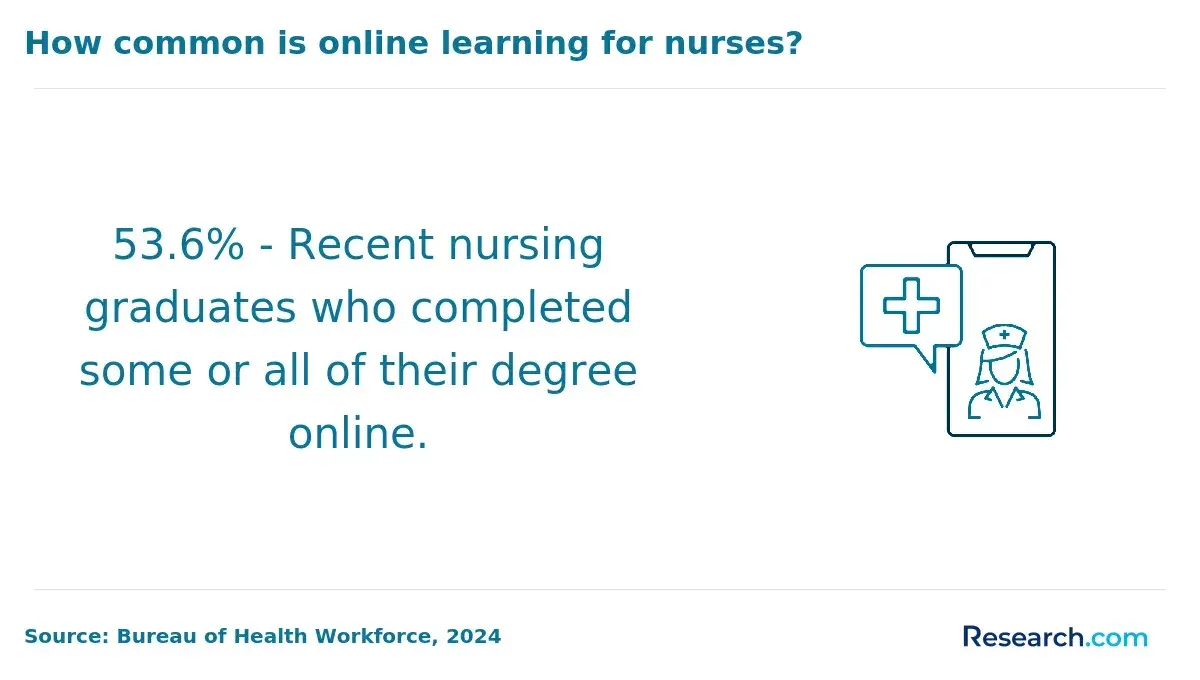
- Employer Perception: Reflecting evolving workforce trends, about 45% of nursing employers now recognize online MSN credentials without reservation, indicating increasing confidence in the quality of online nursing education.
On-Campus Programs
- Curriculum Equivalency: Campus-based direct-entry MSN programs maintain consistent curriculum rigor and accreditation standards aligned with their online counterparts.
- Flexibility and Scheduling: These programs tend to follow structured schedules with synchronous lectures and fixed clinical hours, which may limit flexibility but support a traditional academic rhythm.
- Clinical Experience: Clinical rotations are coordinated directly by the institution, typically providing well-organized hands-on experiences and immediate support during placements.
- Interaction with Faculty and Peers: On-campus students benefit from rich face-to-face interactions, spontaneous discussions, and networking opportunities, which can enhance learning and professional connections.
- Employer Perception: While traditional degrees have long been favored, the growing acceptance of online education challenges outdated biases, encouraging employers to focus more on accreditation and graduate competencies than on delivery mode.
Choosing between online vs campus direct-entry MSN programs Indiana involves weighing the balance of flexibility, immersive engagement, and clinical coordination. For those curious about the fastest way to become a psychiatric nurse practitioner, understanding these distinctions is essential to making an informed decision that aligns with career goals and lifestyle demands.
What are the admission requirements for direct-entry MSN programs in Indiana?
The surge in nursing program applications nationally, with some reporting up to a 20% increase, highlights a growing interest among career changers aiming for leadership in healthcare. Such trends underscore the importance of knowing specific admission expectations early, particularly for those exploring eligibility requirements for direct-entry MSN in Indiana.
A clear grasp of these criteria helps applicants tailor their preparation effectively in competitive environments.
Key admission requirements commonly include:
- Prior Degree: Applicants must hold a bachelor's degree in a non-nursing field, qualifying them for specialized direct-entry MSN programs geared toward nursing leadership roles without prior nursing credentials.
- GPA Expectations: A minimum undergraduate GPA of around 3.0 on a 4.0 scale is typically required, reflecting academic readiness for rigorous graduate nursing studies.
- Prerequisite Coursework: Foundational courses in human anatomy, physiology, microbiology, chemistry, and statistics are often required before or during the program to build essential scientific knowledge.
- Standardized Tests: Some programs request GRE scores; however, this requirement is declining as holistic admissions become more prevalent.
- Letters of Recommendation: Two to three essays from academic or professional contacts provide insight into an applicant's capabilities and dedication.
- Relevant Experience: Volunteer or clinical exposure enhances an application by demonstrating commitment, though direct nursing experience is not mandatory.
Applicants may also need to submit a personal statement outlining their motivation and goals in nursing leadership. Those eager to learn more about how to become a nurse practitioner fast will find that strong preparation in these areas is essential.
What courses are included in a direct-entry MSN program in Indiana?
Career changers entering nursing through direct-entry MSN programs must grasp the rigor and breadth of the curriculum to navigate this demanding pathway effectively. These courses go beyond basic nursing skills, requiring students to integrate complex scientific knowledge with hands-on clinical expertise.
The following overview reveals the key academic components shaping advanced nursing practice and leadership.
- Foundational Nursing Sciences: This area grounds students in essential biological and physiological principles, including anatomy, microbiology, and nutrition, which are critical for understanding patient health and disease mechanisms.
- Clinical Practice and Simulation: Focused on experiential learning, these courses immerse students in real-world healthcare environments and high-fidelity simulations, fostering practical skills in patient assessment and clinical interventions.
- Health Assessment: Comprehensive training in physical and psychosocial evaluation equips future nurses to accurately identify patient conditions, emphasizing both observational skills and critical thinking.
- Pharmacology: Students learn about medication mechanisms, classifications, and safe administration practices, preparing them to manage complex drug therapies confidently and responsibly.
- Pathophysiology: A deep dive into disease processes enables students to anticipate and respond to patient health challenges, linking scientific theory to clinical reasoning.
- Nursing Leadership and Management: This coursework cultivates skills in healthcare administration, ethical decision-making, and team coordination, essential for those aspiring to lead within clinical or organizational settings.
- Evidence-Based Practice: Emphasizing the critical appraisal of research, this area trains students to implement clinical decisions grounded in the best available evidence, improving patient outcomes and advancing nursing standards.
- Population Health: Addressing community and public health, these courses highlight strategies for health promotion, disease prevention, and addressing disparities across diverse groups.
- Advanced Nursing Concepts: Integrating sophisticated clinical reasoning and specialized knowledge, this segment prepares students for roles such as nurse practitioners or clinical nurse leaders, demanding a higher level of expertise and autonomy.
How does clinical experience differ between online and campus direct-entry MSN programs?
Clinical training is the cornerstone of direct-entry MSN education in Indiana, providing indispensable hands-on experience that bridges classroom knowledge with real-world nursing practice. This immersive clinical exposure not only sharpens essential skills but also ensures graduates meet the stringent standards required for licensure and safe patient care.
The way clinical experiences are structured and delivered, however, reveals notable distinctions between campus-based and online direct-entry MSN programs.
- Clinical Placement Coordination: Campus programs typically leverage established partnerships with local hospitals and clinics to secure placements, offering a streamlined and sometimes competitive process. Online programs often support students in finding clinical sites near their homes, requiring more individualized coordination but enabling a broader geographic reach.
- Simulation Labs: On-campus students benefit directly from access to sophisticated on-site simulation labs, where they practice procedures in controlled settings under faculty guidance. Online learners rely more on virtual simulation technologies, supplementing these with mandatory in-person clinical hours coordinated through local healthcare facilities.
- Faculty Oversight and Supervision: Faculty supervision on campus is hands-on and immediate, with instructors physically present to mentor and assess performance. Online programs maintain strong oversight through regular remote check-ins, video evaluations, and communication, ensuring consistent feedback despite the distance.
- Scheduling Flexibility: Campus-based clinical schedules are often rigid and integrated with classroom hours, promoting immersive daily routines. Online students typically enjoy greater flexibility to schedule clinical hours around personal and professional commitments, though this demands more self-discipline.
- Hands-On Patient Care Experience: Both formats mandate direct patient interaction, yet campus students may experience greater continuity with specific units or patient populations. Online students might encounter a wider range of settings due to individualized placements, broadening exposure but sometimes limiting continuity.
When I spoke with a nurse who recently completed a direct-entry MSN program in Indiana, she emphasized how managing clinical placements from a distance presented unexpected challenges. Coordinating with multiple hospitals while juggling family responsibilities sometimes felt overwhelming.
Yet, she found that the flexibility enabled her to learn in diverse clinical environments, which enriched her perspective. Despite missing the camaraderie of on-campus practice groups, the remote supervision felt surprisingly supportive, and the experience taught her invaluable skills in self-motivation and adaptability that now benefit her nursing career.
How long does it typically take to complete a direct-entry MSN in Indiana?
Time-to-completion in direct-entry MSN programs deeply influences how students manage their career transitions, financial commitments, and personal responsibilities, especially for those shifting from non-nursing backgrounds. With the nursing workforce in Indiana expected to grow by about 15% over the next decade, aligning program length with individual readiness becomes more than just an administrative detail-it shapes a student's entire professional trajectory.
Most full-time direct-entry MSN programs in Indiana require between two and three years to complete. This range includes rigorous coursework alongside essential clinical practicum hours required for licensure and advanced practice.
While this timeframe may seem standard, accelerated formats, often tailored for students with prior science coursework or strong academic preparation, can reduce completion to near two years. On the other hand, those who juggle part-time schedules or additional life commitments may find that program length extends beyond three years, highlighting the tension between pace and sustainability in nursing education.
Prerequisite coursework plays a pivotal role in shaping how quickly students can move through these programs. Those who enter with the necessary foundational courses typically advance without interruption, whereas students missing key prerequisites might face delays due to extra classes, impacting overall completion time.
This additional academic burden requires careful planning, underscoring that initial preparation is as critical as the program itself.
Delivery format also introduces complexity: campus-based programs usually adhere to fixed semester calendars, which can restrict pacing but offer consistent, hands-on clinical opportunities. Conversely, online or hybrid options often allow greater scheduling flexibility, empowering some students to accelerate or spread out coursework to suit personal circumstances.
This flexibility challenges the notion that one-size-fits-all timelines define readiness in nursing education.
How much does a direct-entry MSN program cost in Indiana?
Students pursuing direct-entry MSN programs in Indiana can generally expect to pay between $30,000 and $70,000 in total tuition. Awareness of these costs is especially crucial for career changers who have already invested in a previous degree and need to manage their finances carefully to avoid unnecessary strain while transitioning into nursing.
Understanding what drives these tuition differences requires looking beyond sticker prices. Several key factors shape the total cost of direct-entry MSN programs in Indiana, influencing both online and on-campus paths.
- Program length: This directly affects tuition since longer programs mean more semesters of enrollment and higher costs overall. Both online and on-campus students experience this impact equally as extended study time raises expenses regardless of format.
- Delivery format: Online programs may add technology fees tied to digital learning platforms, while on-campus options often include costs related to physical facilities and resources. Although tuition is required in both cases, the fee structures differ between these formats.
- Clinical and lab fees: Completing clinical rotations and lab sessions is essential, generating additional fees for supplies and coordination. These fees apply to both program types but tend to be steeper on campus due to on-site facility usage.
- Residency status: Tuition rates often vary significantly for Indiana residents versus out-of-state students, especially for on-campus programs where residents usually pay less. Online programs might offer more standardized fees, but some differences may still exist.
- Technology fees: Online learners frequently face extra charges for platform access and support services, whereas on-campus students encounter smaller or different technology-related fees. This primarily affects those studying remotely.
- Prerequisite coursework: Many students need to complete additional courses before starting the MSN program, adding to total costs. These prerequisites can be taken online or in person and impact both types of programs depending on student background.
What financial aid options do direct-entry MSN students have in Indiana?
Securing financial aid is a critical step for students pursuing direct-entry MSN programs in Indiana, especially since many come from non-nursing backgrounds and may face substantial educational costs without traditional nursing experience. In fact, about 86% of graduate nursing students nationally depend on some form of financial aid, highlighting how essential these resources are to advancing a nursing career through accelerated or career-change pathways.
Exploring the range of aid options available can help candidates strategically align their funding sources with their professional goals.
- Federal financial aid: This is commonly the starting point and includes options like Direct Unsubsidized Loans and Grad PLUS Loans, which provide access to funds with relatively low interest rates and flexible repayment plans. These loans are particularly valuable for students who require significant financing while benefiting from federal protections such as income-driven repayment and deferment possibilities.
- State-based aid: Indiana offers grants and scholarships aimed at healthcare and nursing students, often targeting those willing to work within the state's underserved communities or shortage areas after graduation. These programs can offset costs but usually require a service commitment in Indiana's healthcare system.
- Scholarships and grants: Available from various professional groups, nursing associations, and private foundations, these awards do not require repayment and generally focus on academic excellence, financial need, or dedication to specific nursing specialties or vulnerable populations. They represent a pivotal way to reduce debt for eligible students.
- Employer tuition assistance: For students employed in healthcare roles, employer-sponsored tuition support programs can cover a portion or all of tuition expenses, often in exchange for a commitment to continue working for the organization post-graduation. This option simultaneously eases financial burdens while providing practical experience.
- Loan repayment and forgiveness programs: These initiatives are designed for graduates intending to serve in high-demand fields like rural care, public health, or critical care. Programs such as the National Health Service Corps (NHSC) Loan Repayment Program and specific Indiana-based plans offer meaningful loan repayment help contingent on service obligations in qualifying settings.
A graduate of a direct-entry MSN program in Indiana recalled how navigating financial aid was both complex and empowering. He described the initial anxiety of applying for federal loans, feeling overwhelmed by the paperwork and repayment terms, but found clarity after counseling sessions that explained income-driven plans.
State grants became a pivotal resource as he committed to working in a rural clinic, a requirement he embraced not just as an obligation but a fulfilling professional opportunity. Employer tuition assistance further eased financial pressures when he secured a clinical job midway through the program, strengthening his resolve.
Reflecting on the process, he emphasized that the mix of aid options demanded careful coordination but ultimately allowed him to focus on mastering nursing skills without disproportionate debt anxiety-an experience he encourages others to approach with patience and strategic planning.
What jobs can graduates of direct-entry MSN programs get in Indiana?
A direct-entry MSN in Indiana equips graduates who hold a non-nursing bachelor's degree with the clinical expertise and leadership skills necessary to thrive in the evolving healthcare system. This pathway opens doors not only to traditional nursing roles but also to advanced practice-adjacent positions that shape patient care and health policy across the state's diverse settings.
Exploring Indiana career opportunities for MSN program graduates reveals a range of impactful jobs, including the following common career paths.
- Registered Nurse (RN): Graduates become eligible for the NCLEX-RN exam to obtain licensure and deliver comprehensive patient care. Duties include medication administration, care coordination, and patient education, often in hospitals, outpatient clinics, and long-term care facilities. This role requires licensure but typically no additional certification beyond the MSN.
- Clinical Nurse Leader (CNL): CNLs lead improvements in patient care quality by coordinating interdisciplinary teams and applying evidence-based practices. They function mainly in hospitals and specialty care centers, enhancing clinical workflows without mandatory certification, though some employers prefer it.
- Nurse Educator: These professionals develop nursing curricula and train both students and practicing nurses, primarily in academic institutions and hospitals. Positions may require certification in nursing education and prior teaching experience, reflecting a commitment to shaping future nursing cohorts.
- Public Health Nurse: Focused on community health promotion and disease prevention, public health nurses manage public health initiatives in clinics or health departments. Additional certification or clinical hours in public health nursing may be needed to meet specific role demands.
- Case Manager: This role involves coordinating care plans for patients with chronic or complex needs across hospitals, insurance firms, and rehabilitation centers. Certification in case management enhances prospects and is often required to ensure effective resource utilization and patient outcomes.
For those seeking an easy online MSN program to get into, understanding the direct-entry MSN graduate nursing jobs in Indiana is essential to align educational choices with career aspirations.
How much do direct-entry MSN graduates earn in Indiana?
Direct-entry MSN graduates in Indiana typically earn between $65,000 and $90,000 annually, a range that reflects diverse roles and settings. Grasping this salary potential is vital for career planning and assessing the ROI of advanced nursing education, especially for those entering the profession from non-nursing fields.
- Registered Nurse (RN): Earnings usually fall between $60,000 and $75,000. These roles often represent entry-level clinical positions where experience and location, such as urban centers versus rural areas, significantly influence pay.
- Clinical Nurse Leader: Salaries range from $70,000 to $85,000. Nurses in this role benefit from leadership skills and may see higher compensation in large healthcare systems or hospitals specializing in complex care.
- Nurse Manager: With salaries between $80,000 and $95,000, Nurse Managers oversee teams and departments. Their income grows with years of experience, geographic location, and the size or prestige of their employer.
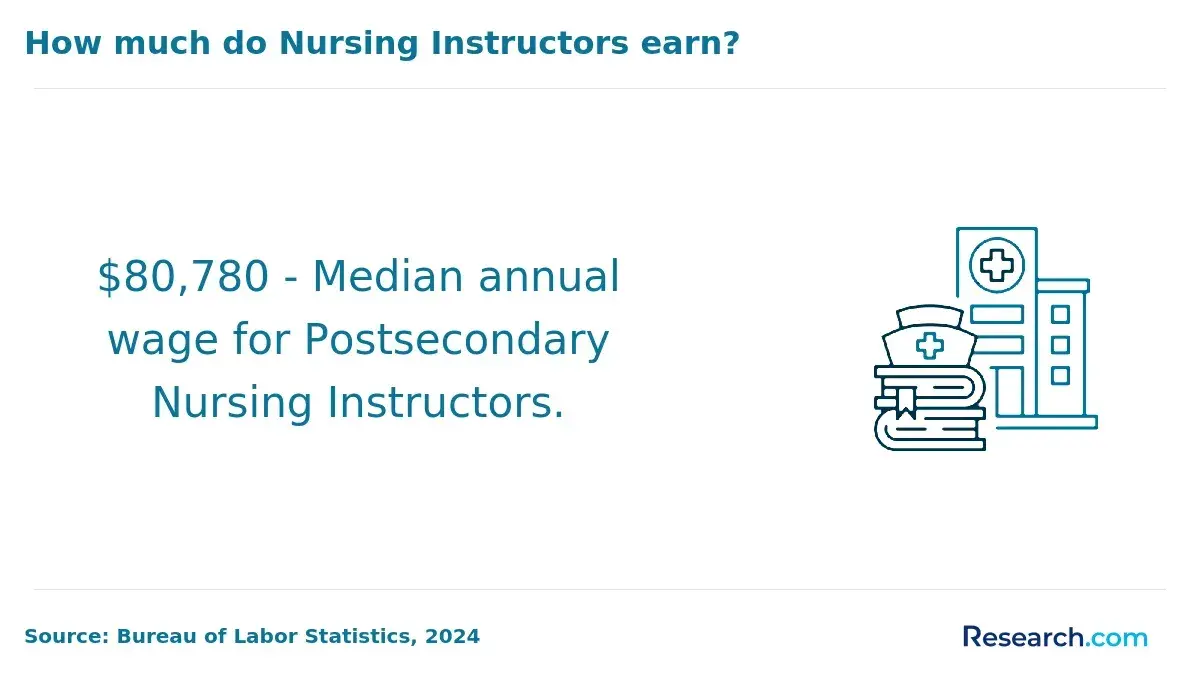
- Nurse Educator: These professionals earn around $65,000 to $85,000, often balancing clinical expertise and teaching. Academic settings might offer different salary structures compared to clinical institutions, and experience influences these differences.
For those researching advanced nursing paths, it's helpful to explore fields beyond the traditional clinical roles. For example, checking resources such as the ranking of easiest pediatric nurse practitioner online programs can reveal specialized opportunities that impact salary and career growth.
Whether you seek stability or advancement, understanding the variable factors behind Indiana direct-entry MSN nurse earnings equips you to choose the right path.
What Graduates of Direct-Entry MSN Programs in Indiana Say About Their Degree
- Completing my direct-entry MSN online from Indiana allowed me to balance work and study while immersing myself in the local healthcare community. Starting my nursing career at Lincoln Elementary School has been incredibly rewarding, as I get to blend my passion for education with healthcare, positively influencing children's well-being every day. The hybrid structure of the program gave me hands-on experience alongside flexible coursework that fit my busy schedule. Indiana's strong focus on community health initiatives turned out to be an eye-opening part of my education that I now apply in my daily work. I feel fully equipped to grow professionally and make a real difference in this diverse state. Amina
- Switching careers to nursing felt like a daunting step, but Indiana's on-campus direct-entry MSN program gave me an invaluable foundation that made the transition smoother. The rigor of the coursework combined with Indiana's rich healthcare resources prepared me to confidently enter the field. I especially appreciated the chance to engage with local health clinics leveraging Indiana's unique rural environment as a learning setting. This experience deepened my commitment to serving under-resourced communities while opening doors for future leadership roles. The program truly transformed my professional trajectory with practical skills and renewed purpose. Selah
- Embarking on the direct-entry MSN program on campus in Indiana was a profound journey of personal growth and community impact. The collective dedication of faculty and peers cultivated an environment where I developed resilience and leadership, pivotal for my role at Jefferson Middle School. Indiana's vibrant culture and emphasis on collaboration provided unique opportunities to participate in community health outreach, enriching my perspective beyond clinical skills. This experience not only enhanced my professional development but also ignited a passion to contribute positively to the well-being of young people in my state. I am grateful for how this path refined both my heart and career. Anh
Related Articles for Nearby States
- Best Direct-Entry MSN Programs in Ohio: Online & Campus for 2027
- Best Direct-Entry MSN Programs in Illinois: Online & Campus for 2027
- Best Direct-Entry MSN Programs in Kentucky: Online & Campus for 2027
- Best Direct-Entry MSN Programs in Michigan: Online & Campus for 2027
- Best Direct-Entry MSN Programs in Wisconsin: Online & Campus for 2027
- Best Direct-Entry MSN Programs in Missouri: Online & Campus for 2027
- Best Direct-Entry MSN Programs in Tennessee: Online & Campus for 2027
- Best Direct-Entry MSN Programs in Iowa: Online & Campus for 2027
- Best Direct-Entry MSN Programs in West Virginia: Online & Campus for 2027
- Best Direct-Entry MSN Programs in Minnesota: Online & Campus for 2027
References:
- Top Direct Entry MSN Programs by State https://nurse.org/education/direct-entry-msn-programs-by-state/
- APRN Salary in Indiana | Nurse Practitioner | MSN Salary in IN https://www.rntomsnedu.org/indiana/indiana-salary/
- 2026 Best MSN and RN-to-MSN Programs in Indiana https://www.registerednursing.org/degree/msn/indiana/
- Generalist Entry Master’s in Nursing (MSN) for Non-Nurses: Clinical Nurse Leader https://www.rushu.rush.edu/college-nursing/programs-admissions/masters-entry-nursing-msn-non-nurses
- Indiana Nursing Programs https://allnurses.com/indiana-nursing-programs-t692657/
- MSN Direct Entry - Indiana https://www.herzing.edu/nursing/msn-direct-entry/indiana
- RN Salary in Indiana: Comparisons, Benefits & Tips - Better Nurse https://betternurse.org/rn-salary-indiana/
- Direct-Entry Master’s in Nursing (MSN) Programs https://nursinglicensemap.com/nursing-degrees/masters-in-nursing/direct-entry-programs/
- Salary in Indiana - IN for MSN-Educated Nurse Practitioners and More https://www.msnedu.org/indiana/indiana-salary/
Other Things You Should Know About The Best Direct-Entry MSN Programs in Indiana
Getting into a direct-entry MSN program in Indiana is moderately competitive. These programs typically require a strong academic background, including a bachelor's degree and completion of prerequisite sciences. Admissions committees look for candidates with clear motivation for nursing and relevant healthcare experience or volunteer work. Applicants should prepare for a thorough application process, including interviews and letters of recommendation.
While some programs have limited spots and a rigorous selection process, others offer more flexibility, especially online options. Prospective students should research individual program requirements and maintain a solid GPA to improve their chances.
Yes, you can become a Nurse Practitioner (NP) in Indiana through a direct-entry Master of Science in Nursing (MSN) program. These programs are designed for individuals with a bachelor's degree in a non-nursing field who want to enter advanced nursing roles. After completing the direct-entry MSN, you must pass the national NP certification exam and obtain licensure from the Indiana State Board of Nursing.
Completion of clinical hours and meeting state-specific requirements are also necessary. It is important to select a program accredited and recognized by Indiana's nursing board to ensure eligibility for NP licensure in the state.
Direct-entry MSN programs in Indiana have some drawbacks. They often require a significant time commitment, typically taking two to three years to complete. These programs can be costly, with limited financial aid options compared to traditional nursing paths.
Students may face intense coursework and clinical demands, which can be challenging for those balancing work or family responsibilities. Additionally, availability of programs within the state is limited, which may require relocation or online study. Finally, graduates might encounter tough competition for clinical placements and job opportunities in certain regions of Indiana.


