101 American School Statistics: 2027 Data, Trends & Predictions
Audited and Verified:
Our Editorial and Data Verification Process
Research.com uses government datasets, official education statistics and primary institutional information to support its career and degree guides. Our review process checks factual accuracy, occupational definitions, source dates and the requirements associated with the credentials discussed.
How This Article Was Fact-Checked
Our editorial team verifies salary estimates, employment projections, education requirements and program information against original data providers and official organizations. Salary figures are checked against the relevant occupational definitions and reporting periods. Information about licensure, accreditation and required in-person training is reviewed separately.
Fact-checked and verified on:

Co-Founder and Chief Data Scientist
All data points, statistics, trends, and predictions presented in this article have been gathered by Research.com team led by Imed Bouchrika, PhD. You are free to quote, share, and distribute the information here for your own purposes without any limitations.
Through initiatives like the Every Student Succeeds Act (ESSA) and the Individuals with Disabilities Education Act, the U.S. government ensures that all children in the United States receive high-quality education. These landmark acts support the long-standing view of the people that education should be a priority of the nation and the government.
Still, Americans have been vocal about the state of education in the country. A 2025 survey conducted by Gallup showed that a record-low 35% of Americans are satisfied with the quality of education K-12 students receive in the U.S. (Gallup, 2025). Confidence in higher education has also slipped: in 2026, 38% of U.S. adults said they had a great deal or quite a lot of confidence in higher education, down from 42% in 2025, while 25% had very little or none (Gallup, 2026).
In the U.S., education starts in primary schools, which include kindergarten through 6th grade. After finishing primary school, students go on to secondary schools, often divided into middle schools (7th and 8th grades) and high schools (9th to 12th grades). Upon finishing 12th grade, students have the option to continue studying in higher education institutions such as colleges and universities.
To help provide a more accurate picture of the U.S. educational system, this article points out how many schools there are in America and compiles a list of American school statistics and some of the major topics in education today. These numbers can supplement existing knowledge of American schools and help policymakers and educators make more informed decisions.
American Schools Statistics 2027 Table of Contents
- Total Number of American Schools for 2027
- Public Schools
- Private Schools
- Primary Schools in the U.S.
- Secondary Schools in the U.S.
- Colleges and Universities in the U.S.
- CTE Programs in the U.S.
- Online Schools in the U.S.
- Special Education in the U.S.
- How does teacher retention impact the quality of education in American schools?
- How do school funding disparities affect education quality?
- What challenges are American schools facing for 2027?
- The Role of Accelerated Learning Programs in Modern Education
- How can alternative education programs accelerate career entry?
- How can career paths influence education choices?
- How can competency-based education drive student success?
- How do advanced degrees influence career success?
- The Future of American Schools
- How can flexible online programs foster inclusive learning?
- How can student financing options empower academic success?
- How do diversity and inclusion initiatives impact student achievement?
- How does accreditation enhance the quality of online education?
- How do extracurricular activities drive career readiness?
- Which College Majors Lead to the Best Career Outcomes?
- How can American schools better support student mental health?
- Could an Accelerated Bachelor's Degree Fast-Track Career Readiness?
- How does student loan debt affect long-term career prospects?
- How do internships and cooperative education programs enhance career readiness?
- How can short online doctoral programs amplify career advancement?
Total Number of American Schools for 2027
Schools in the U.S. include government-run public schools and state-certified private schools. K-12 schools make up the bulk of the U.S. educational system, outnumbering colleges and universities by a large margin. Similarly, most educational institutions in the U.S. are state-funded.
As the latest school statistics show, the number of public schools in the country has generally remained stable over the years.
- As of the 2023–24 school year (SY), there were 99,297 public elementary and secondary schools operating in the U.S. (National Center for Education Statistics, n.d.).
- 1,811 public elementary and secondary schools were nonoperational in 2023–24, including 1,025 that had closed.
- There were 30,553 private schools in the U.S. in 2023–24. Of these, 57.6% were elementary and middle schools, 12.0% were secondary and high schools, and 30.4% were combined or other schools (National Center for Education Statistics, 2026).
- According to IBISWorld, there were 7,625 trade and technical school businesses in the U.S. in 2025.
- For the 2025–26 academic year, NCES counts 5,711 Title IV institutions in the U.S. and other U.S. jurisdictions (National Center for Education Statistics, 2025). Title IV institutions include public and private universities, community colleges, trade schools, and vocational schools that are eligible to participate in federal student aid programs.
Public Schools
As U.S. Senator Lamar Alexander said, the role of American public education is “to teach reading, writing, arithmetic and what it means to be an American citizen." Public schools ensure that education is universally available to children, even those with financial difficulties. These schools also provide education to parts of the country where few educational opportunities exist.
With the accessibility of public schools, it is not surprising that enrollment at these schools has remained high over the years. In fall 2024, 48,819,500 students attended public elementary and secondary schools. Enrollment is estimated to fall 0.95% to 48,357,996 in fall 2025 (National Education Association, 2026).
To illustrate a clearer picture, here are some of the most current public school statistics from NCES and other credible sources.
- As of 2025, the breakdown of public elementary and secondary schools operating in the U.S. is as follows: As of 2023–24, the breakdown of operating public elementary and secondary schools in the U.S. is as follows: 90,461 regular schools, 1,865 special education schools, 1,575 career and technical schools, and 5,396 alternative education schools (National Center for Education Statistics, n.d.)..
- In fall 2022, 34.1 million public school students were in prekindergarten through grade 8, and 15.5 million were in grades 9 through 12.
- Between fall 2012 and fall 2022, public school enrollment rose 10% or more in Idaho, Utah, North Dakota, and the District of Columbia. (National Center for Education Statistics, 2024)
- The National Education Association (NEA) reports that public school enrollment was 48,819,500 in fall 2024 and estimates it will decline 0.95% to 48,357,996 in fall 2025.
- California, Texas, Florida, New York, and Illinois are the top states with the highest public school enrollment numbers.
- The national average student-to-teacher ratio in public schools was 15.1 to 1 in fall 2024 (National Education Association, 2026).
- By comparison, private schools averaged 9.8 students per teacher in 2023–24 (National Center for Education Statistics, 2026).
- In fall 2021, 45.4 million students attended traditional public schools and 3.7 million, or 7% of public school students, attended public charter schools (National Center for Education Statistics, 2023).
- The top reasons parents chose public schools included: The top reasons parents chose public district schools were location, socialization with peers, and the school being their assigned district school (EdChoice, 2026)..
- Asian (5.5%), American Indian/Alaska Native (0.9%), and Pacific Islander (less than 0.5%) students are the smallest racial and ethnic groups in public schools, according to fall 2022 enrollment data (National Center for Education Statistics, 2024).
- Public elementary and secondary schools spent $17,873 per student in 2024–25, and per-student spending is estimated to reach $18,898 in 2025–26. Current expenditures are estimated at $913.9 billion for 2025–26 (National Education Association, 2026).
- As of 2025, 29% of public schools offer free lunch and breakfast programs through state or local initiatives.
The chart below illustrates U.S. states with the highest public school enrollment numbers.
School Districts
In the U.S., school districts operate public elementary and high schools within their boundaries. School districts are typically governed by school boards that are, in turn, headed by superintendents who implement educational policies. With this, how many school districts are in the US?
- The U.S. was home to 13,335 regular school districts in 2023–24, with the largest school district in New York City (National Center for Education Statistics, n.d.)., with the largest school district in New York City.
- Texas, California, and Ohio have the most school districts in the U.S.
- Hawaii operates as a single statewide school district.
Charter Schools
Charter schools are independently run public schools that were born of a desire to improve the quality of American public schools. The first charter school in the U.S. was established in Minnesota in 1992.
- There were 8,010 operating public charter schools in 2023–24 (National Center for Education Statistics, n.d.).
- The top reasons parents cited for choosing charter schools for their kids are a The top reasons parents chose charter schools for their kids were a safe environment, academic quality, and location (EdChoice, 2026)..
- 3.7 million elementary and high school students attended public charter schools in fall 2021, up from 1.8 million in fall 2010 (National Center for Education Statistics, 2023).
- California has the most charter schools, with 1,280 in 2023–24, followed by Texas (1,045) and Florida (733) (National Center for Education Statistics, n.d.).
- Most parents who send their kids to charter schools say they are satisfied with their children's schooling experience.
- The District of Columbia had the highest share of public school students in charter schools in fall 2021 (45%), followed by Arizona (20%) (National Center for Education Statistics, 2023).
Private Schools
The first private schools in the United States appeared in New Netherland in 1660. By the 18th century, these schools had spread to most American cities and towns. Today, private schools tend to enjoy a positive reputation among parents. Many parents give high ratings to private schools in their community.
- The most current available data from NCES reveals that 5,096,365 students were enrolled in private schools in 2023–24 (National Center for Education Statistics, 2026).
- In 2023–24, private elementary and middle schools enrolled 1,988,438 students, while combined schools enrolled 2,181,173.
- Most private schools are located in cities (10,797 schools, or 35.3%) and suburban areas (10,769 schools, or 35.2%).
- The majority of private schools in the U.S. (66%) specifically have a religious orientation.
- The top reasons parents chose private schools were a safe environment, academic quality, and instruction in morals and values along with discipline (EdChoice, 2026).
Primary Schools in the U.S.
In the U.S., elementary schools provide primary education or the first six years of formal education for children ages 6 to 11. For many school districts, elementary schools are combined with middle schools, which provide education from 6th to 8th grades.
The curriculum at these schools is typically determined by school districts, with teachers playing a key role in the quality of education. Based on employment data from the U.S. Bureau of Labor Statistics (BLS), Based on employment data from the U.S. Bureau of Labor Statistics (BLS), there were 1,530,500 kindergarten and elementary school teacher jobs in the U.S. in 2025.. So, how many students are there in the US who attend primary school?
- In fall 2022, 34.1 million students attended public schools in prekindergarten through grade 8 (National Center for Education Statistics, 2024).
- In 2023–24, private elementary and middle schools enrolled 1,988,438 students (National Center for Education Statistics, 2026).
- According to BLS, According to BLS, the median pay for kindergarten teachers was $62,680 per year in May 2025, while it was $63,970 per year for elementary school teachers..
- New York was the top-paying state for elementary school teachers in May 2023, with an annual mean wage of $94,600 (U.S. Bureau of Labor Statistics, 2024).
Costs of Elementary Education
- Although public elementary schools do not charge tuition fees, Although public elementary schools do not charge tuition fees, families may pay extra fees for activities, sports, and field trips..
- Private elementary school tuition varies widely by school, religious affiliation, and state.
Secondary Schools in the U.S.
In the U.S., secondary schools provide the last years of statutory formal education. In most cases, this period is split into middle school (grades 6 through 8) and high school (grades 9 through 12).
Aside from a core curriculum, many secondary schools offer electives, such as visual arts, vocational education, and business education. Some may also offer psychology in their core curriculum, which can prepare students who want to gain insight into questions like “What can you do with a psychology degree?”. Most high schools also have “honors" classes for gifted students.
The statistics below delve into how many high school students are in the US and other related information.
- In fall 2022, 15.5 million students were enrolled in grades 9 through 12 in U.S. public schools (National Center for Education Statistics, 2024).
- 926,754 students were enrolled in private secondary and high schools in 2023–24 (National Center for Education Statistics, 2026). The average adjusted cohort graduation rate (ACGR) for public high school students was 87% in 2021–22, up from 80% a decade earlier (National Center for Education Statistics, n.d.).
- BLS reports that 62.8% of 2024 high school graduates ages 16 to 24 were enrolled in college in October 2024 (U.S. Bureau of Labor Statistics, 2025).
- The vast majority of Americans aged 25 and older have at least a high school diploma.
Costs of Secondary Education
- Similar to public primary education, public secondary education is also usually free in the U.S., but parents may have to spend for extra-curricular activities, field trips, and books or projects.
- Private high school tuition varies widely by school and state, but outcomes are strong: 97% of private school 12th-graders graduated in 2022–23, and 62% of graduates attended a four-year college by fall 2023 (National Center for Education Statistics, 2026).
Colleges and Universities in the U.S.
American colleges and universities provide optional formal learning for students past high school. Despite higher education’s optional nature, though, Despite higher education's optional nature, a large share of Americans have completed at least some college..
There are many types of colleges and universities in the U.S. Community colleges, for instance, offer two-year programs to students and typically charge lower tuition fees. Meanwhile, universities provide graduate programs in multiple disciplines, including affordable online MSW programs. The statistics below show how many people attend postsecondary education in the US and other related data.
- In 2024, 40.1% of women and 37.1% of men ages 25 and older held a bachelor's degree or higher.
- Among adults ages 25 to 39, 42.8% held a bachelor's degree or higher, compared with 41.5% of those ages 40 to 54 and 34.2% of those 55 and older. (U.S. Census Bureau, 2025)
- The National Student Clearinghouse Research Center reports that total postsecondary enrollment rose 1.0% to more than 19.4 million in fall 2025.
- Additionally, Undergraduate enrollment at community colleges grew 3.0%, while overall freshman enrollment dipped 0.2% to about 2.5 million (National Student Clearinghouse Research Center, 2026)..
- Undergraduate enrollment rose 1.2% to 16.2 million in fall 2025, while graduate enrollment dipped 0.3% to 3.2 million (National Student Clearinghouse Research Center, 2026).
Costs of College Education in the U.S.
Going to college in the U.S. is often expensive, and it is expected to be even costlier as the total cost of attendance keeps increasing each year. Published tuition has risen sharply over the past several decades, even after adjusting for inflation. Combined with climbing costs for room and board, rising tuition fees compound the issue of student loan debt and the average time to repay student loans.
- College Board reports the sticker price of public four-year in-state schools is $11,950 in AY 2025-2026.
- Additionally, the sticker price for public four-year out-of-state institutions is Additionally, the sticker price for public four-year out-of-state institutions is $31,880 in AY 2025–2026, which is $1,060 more than the previous year..
- A private nonprofit four-year school has a sticker price of $45,000 in AY 2025–2026, up $1,750 from the previous year.
- In the same year, In the same year, the sticker price for a public two-year in-district institution is $4,150..
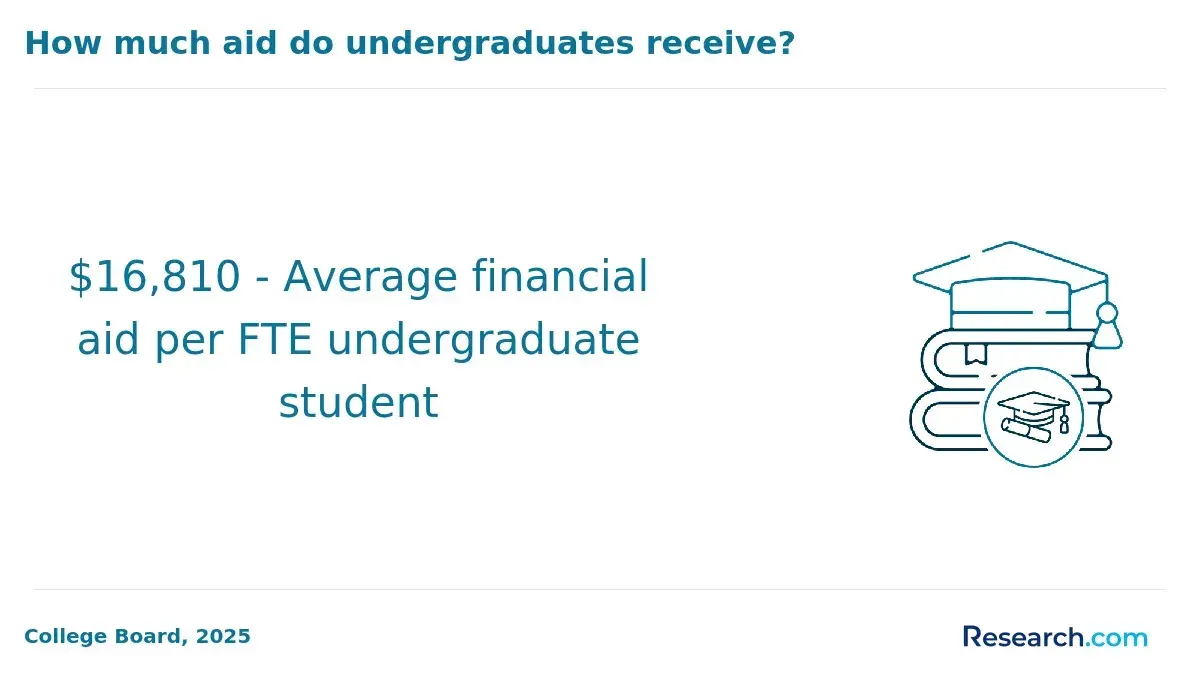
- The average budgets for full-time undergraduate students in 2025–26 range from $21,320 at public two-year colleges to $65,470 at private nonprofit four-year schools.
- Students and parents borrowed a total of $102.6 billion in federal and nonfederal loans in 2024–25.
- In the same period, undergraduate and graduate students received $173.7 billion in grant aid and $275.1 billion in total student aid..
CTE Programs in the U.S.
In a number of jurisdictions in the U.S., standard high schools are being replaced by alternative career and technical education (CTE) programs. These programs provide a hands-on learning experience and ease students’ transition into the workforce. Also sometimes called trade school, this alternative education program can address the issue of waning student engagement. Unlike vocational programs, CTE programs have an academic focus and are usually stackable.
- Students can choose from 14 Career Clusters under the modernized National Career Clusters Framework, which Advance CTE released in 2024 to replace the original 16-cluster model.
- The 2025 National Center for Education Statistics longitudinal study highlights how Studies have found that students who take CTE courses in high school are more likely to enroll in and make progress at two-year colleges than those who do not. compared to those who do not take CTE courses.
- Millions of secondary and postsecondary students participate in federally funded CTE programs each year.
- Those who take CTE programs in high school are more likely to be employed after graduating from secondary school compared to those who do not enroll in CTE courses.
Online Schools in the U.S.
Online or virtual schools are starting to gain traction in the U.S., with supporters claiming that these schools provide students with more choices and allow for the use of a more personalized curriculum. Lower costs for facilities and staff also make the case for these schools, especially with policymakers and for-profit providers. Moreover, they confer a wide range of degree programs, from web design to hospitality online degrees.
- Business remains the most popular field of study among online college students (23%), followed by health, nursing, and medicine (19%) and computers and IT (14%) (EducationDynamics, 2024).
- The most common reason students chose online degree programs in 2025 and 2026 was because of work, family, and other existing commitments.
- A majority of online college students (58%) surveyed by EducationDynamics work full time, and another 21% work part time (EducationDynamics, 2024).
- The most current available data from NCES shows that 10,307,173 postsecondary students (54.1%) took at least one distance education course in fall 2023, and 4,978,138 (26.1%) were enrolled exclusively in distance education courses (National Center for Education Statistics, 2024).
- Employers have become increasingly accepting of online degrees.
- In 2023–24, about 3.6 million students received degrees or certificates from four-year Title IV institutions, and about 54% of them earned a bachelor's degree (National Center for Education Statistics, 2024). This count includes degrees and certificates in business, sciences, and psychology masters programs in Texas and other states.
- Based on a survey of online college students by EducationDynamics, 73% of online college learners are pursuing degrees, and 27% are enrolled in certificate or licensure programs (EducationDynamics, 2024).
- 73% of online college students enroll in a school in their state of residence.
- The most common reason online college students are pursuing an online program is to start a new career to earn more money.
- Aside from business, health, nursing, medicine, computers, IT technology, and education are other popular fields of study among online college students.
- More than half of online college students prefer asynchronous learning formats.
- Affordability and the programs offered tend to be the top two factors for online college students to strongly consider enrolling in a school. The chart below provides more details.
Special Education in the U.S.
With the U.S. Congress passing the Education for All Handicapped Children Act (EAHCA), special education programs were made mandatory in the U.S. Sustained by the most recent 2025 federal funding authorizations for the Individuals with Disabilities Education Act (IDEA), the legislation ensures that students with disabilities receive an education that’s customized to their needs.
According to the act, its purpose is “to ensure that all children with disabilities have available to them a free appropriate public education that emphasizes special education and related services designed to meet their unique needs and prepare them for further education, employment, and independent living."
Through IDEA, public preschools, elementary schools, and secondary schools are required to develop and implement an Individualized Education Program for students with disabilities. School districts are required to provide assistance and support to special needs individuals from birth until the age of 21.
When the Individuals with Disabilities Education Act was passed in the ’70s, the U.S. Congress agreed to provide 40% of the average per-pupil expenditure to offset the costs of educating students with disabilities. However, special education programs in U.S. schools continue to be underfunded.
- 7.5 million students aged 3 to 21, or 15% of public school students, received special education and/or related services under IDEA in 2022–23 (National Center for Education Statistics, 2024).
- The most common disability category of these students was specific learning disabilities (32%), followed by speech or language impairments (19%).
- Depending on the state, about 12-21% of public school students across the U.S. and the District of Columbia received IDEA services.
- IDEA served 19% of American Indian/Alaska Native public school students and 17% of Black public school students in 2022–23, the highest shares of any racial or ethnic groups.
- Special education programs in the U.S. serve children suffering from disabilities in 13 categories.
- BLS projects about 37,100 openings for special education teachers each year, on average, from 2025 to 2035.
- Of the students ages 14 to 21 served under IDEA who exited school in 2021–22, 74% graduated with a regular high school diploma, 15% dropped out, and 10% received an alternative certificate (National Center for Education Statistics, 2024).
- In fall 2022, 95% of school-age students served under IDEA were enrolled in regular schools, and 67% spent 80% or more of the school day in general classes (National Center for Education Statistics, 2024).
- Data from the Pew Research Center shows that New York serves the largest share of students with disabilities (20.5%), followed by Pennsylvania (20.2%), Maine (20.1%), and Massachusetts (19.3%). Hawaii (11.3%), Texas, and Idaho (11.7% each) serve the smallest shares (Pew Research Center, 2023).
- 65% of students with disabilities are male, and 34% are female.
How does teacher retention impact the quality of education in American schools?
Teacher retention is a critical factor influencing the quality of education across American schools. Retaining skilled educators ensures continuity in teaching, fosters stronger relationships with students, and contributes to a stable learning environment. Below are key points illustrating how teacher retention impacts education:
- Student achievement and performance: Teachers who remain in schools longer develop a deeper understanding of their students’ needs, leading to improved instruction and higher student achievement. Consistency in teaching helps students feel more secure and supported.
- School climate and culture: High teacher turnover can disrupt the school’s culture and negatively affect student behavior and engagement. Schools with strong retention rates tend to have a more positive and collaborative atmosphere, benefiting both students and faculty.
- Professional development and experience: Retained teachers are more likely to engage in professional development over time, refining their instructional strategies. This experience benefits the students and the school, as experienced teachers mentor new staff and drive overall school improvement.
- Cost implications: Teacher turnover has financial consequences for schools. Recruiting, hiring, and training new teachers is expensive and diverts funds that could be invested in classroom resources or student programs.
How do school funding disparities affect education quality?
School funding plays a critical role in shaping education quality. In the U.S., significant disparities in funding often create unequal opportunities for students. This gap largely depends on the local tax base, which means schools in wealthier areas typically receive more resources than those in low-income communities.
Underfunded schools often struggle to maintain basic infrastructure, provide modern learning tools, or retain experienced teachers. As a result, students in these schools face challenges such as outdated textbooks, fewer extracurricular programs, and larger class sizes. These limitations can negatively impact academic performance and long-term success.
On the other hand, well-funded schools can afford advanced technology, extracurricular activities, and enriched curriculums. These resources help students gain a competitive edge and access opportunities that better prepare them for college and careers.
One way to bridge these disparities is through affordable education options, like online degrees. Programs such as cheap accredited online bachelor degree programs allow students from underserved areas to pursue quality education at a lower cost. These programs reduce geographical and financial barriers, offering more students the chance to succeed.
Addressing funding inequities requires efforts at both the local and federal levels. Policymakers can help by reforming funding models and ensuring every student receives a quality education regardless of zip code. The U.S. can create a fairer and more effective education system by tackling these challenges.
What challenges are American schools facing for 2027?
American schools are facing several challenges for 2027 that significantly impact students, teachers, and administrators. Addressing these issues is critical for ensuring equitable and quality education nationwide. Below are some key challenges:
- Teacher Shortages. Many districts report significant difficulties hiring and retaining qualified educators. Factors include low wages, high stress levels, and insufficient professional support. Rural and low-income areas face the most acute shortages.
- Funding Disparities. School funding continues to rely heavily on local taxes, leading to inequalities between affluent and low-income districts. Underfunded schools often lack modern facilities, updated curricula, and essential student support services.
- Mental Health Crisis. Increasing rates of anxiety, depression, and other mental health issues among students require schools to expand their counseling and support services. Limited resources often mean that mental health needs are unmet, particularly in underprivileged communities.
- Adapting to Technology. While online learning has become more prevalent, schools face challenges in ensuring equal access to devices and high-speed internet. Teacher training on integrating technology into lesson plans remains inconsistent.
- Rising Costs of Higher Education. Many families struggle with the financial burden of college tuition. Knowing
Addressing these challenges requires systemic reforms, increased funding, and innovative solutions to ensure all students have access to quality education.
The Role of Accelerated Learning Programs in Modern Education
In recent years, accelerated learning programs have gained prominence in addressing the evolving needs of American education. These programs offer a streamlined approach, allowing students to achieve their academic goals in a shorter timeframe while reducing the financial burden of prolonged schooling. This trend is particularly beneficial in an era where student debt concerns and workforce readiness are hot topics.
One notable avenue for these programs is online education, which has reshaped how students access and complete their degrees. Options such as a fast track bachelor degree online enable learners to progress at their own pace while balancing other commitments like work or family responsibilities. For instance, an increasing number of students opt for accelerated online programs to capitalize on flexibility and cost-saving advantages.
Moreover, research shows that accelerated learning fosters student engagement by maintaining a brisk and focused trajectory through coursework. This approach proves invaluable for non-traditional students seeking career advancement or those aiming to quickly pivot to new industries. As the job market continues to demand specialized skills, the accessibility of such programs plays an essential role in bridging the gap between education and employment.
Educational institutions and policymakers should consider expanding support for accelerated learning initiatives, providing resources that enable students from diverse backgrounds to thrive. By embracing innovations in program delivery and curriculum design, the U.S. education system can better equip students to meet the demands of a dynamic global economy.
How can alternative education programs accelerate career entry?
Alternative education models—ranging from competency-based certificates to boot camps and trade schools—offer condensed curricula that prepare students for immediate employment. These programs emphasize practical skills and real-world applications over prolonged theoretical study, enabling participants to quickly adapt to evolving industry requirements. By focusing on streamlined learning experiences and incorporating hands-on training, alternative pathways can significantly reduce both the time and financial investment needed to launch a career. Such initiatives are particularly beneficial for individuals aiming to transition into short careers and meet the dynamic demands of today’s job market.
How can career paths influence education choices?
Career aspirations significantly influence education choices, especially in an era marked by mounting student loan debt and economic uncertainty. Students often tailor their educational pathways based on the career fields they aim to enter, weighing factors such as job market trends, required qualifications, and potential earnings.
For example, students aspiring to high-demand professions like healthcare, engineering, or technology often pursue specialized degrees to meet industry standards. Meanwhile, vocational and trade programs appeal to those interested in hands-on careers, such as electricians, mechanics, or chefs, offering a quicker and more cost-effective entry into the workforce.
In recent years, there has also been a growing focus on bridging the gap between education costs and career viability. Fields like veterinary medicine require substantial financial and educational commitments. Prospective students researching how much does it cost to become a veterinarian can find detailed breakdowns of tuition and associated expenses to plan their academic journey more effectively.
Additionally, the accessibility of alternative education options, including online learning and certificate programs, empowers individuals to reskill or upskill for emerging industries. As careers in renewable energy, artificial intelligence, and cybersecurity continue to proliferate, education choices are increasingly aligned with the evolving demands of these dynamic fields.
To ensure students are well-equipped for their chosen paths, policymakers and educators should promote curriculum flexibility and career counseling. Offering diverse educational opportunities tailored to different industries can better prepare the workforce of tomorrow, driving economic growth and individual success.
How can competency-based education drive student success?
Competency-based education models shift the focus from time-based measures to demonstrated mastery of skills and knowledge. This approach enables learners to progress at their own pace once they prove proficiency, thereby aligning closely with real-world expectations and workforce demands. By integrating adaptive assessments and continuous feedback, educational institutions can create personalized learning paths that address individual strengths and areas for improvement. Such models are proving especially effective in online environments, where personalized pacing can reduce time-to-graduation and promote practical skill acquisition. Explore strategies and program designs offered by competency-based online colleges to drive academic success and professional readiness in a flexible learning context.
How do advanced degrees influence career success?
Advanced degrees can play a pivotal role in shaping long-term career trajectories by enhancing specialized skills, leadership potential, and marketability in competitive job markets. Professionals who invest in targeted graduate programs gain access to advanced research opportunities and industry-specific expertise that often translate to accelerated career advancement and increased earning potential. Comparative analyses and quantitative studies emphasize the correlation between graduate credentials and improved job prospects, often highlighting that individuals with master’s level education tend to secure roles with higher responsibility and remuneration. For instance, comprehensive investigations into career outcomes reveal a strong link between advanced degrees and compensation, with our data available on the highest paid master's degrees offering a clear depiction of this trend.
The Future of American Schools
Technology continues to shape the future of American schools. With the effective implementation of artificial intelligence, teachers can save time on routine tasks, such as grading and scheduling. Moreover, AI can integrate with smart technology to provide students more personalized instruction.
A number of schools in the U.S. are ahead of the curve, already using artificial intelligence (AI) to identify areas where students struggle to meet benchmarks. For instance, educators in Slackwood Elementary School in New Jersey use an AI-powered teaching assistant called Happy Numbers for mathematics topics that first-grade students find difficult. Students who received personalized attendance from Happy Numbers achieved higher test scores in math. On the college level, essay-grading software like Gradescope allowed professors to assess handwritten homework and exams with improved speed, consistency, and flexibility more quickly and fairly.
The US educational system may also see the continued adoption of virtual learning. This is especially true for higher education, where lectures don’t require personalization or a high amount of interactions between instructors and students. Massive Open Online Courses (MOOCs) may be a promising option, but it has been found that MOOCs continue to have a low completion rate. The same study predicts that, instead of transforming higher education, MOOCs will soon bolster the efforts of universities to provide online master's degrees for professionals.
For K-12 education, on the other hand, more American school districts are finding new ways to measure students’ proficiency levels. Under the innovative assessment initiative of the Every Student Succeeds Act, Under the innovative assessment initiative of the Every Student Succeeds Act, high schools in the state of Washington now allow students to choose from eight pathways to earning a diploma..
Similarly, school districts all over the country are choosing to limit standardized testing. These changes may signal the beginning of a shift towards “whole child education," where schools focus on the development of children as individuals and future citizens. With this new focus, schools emphasize social-emotional learning along with academic learning.
How can flexible online programs foster inclusive learning?
Flexible online programs offer tailored learning experiences that break traditional barriers, providing personalized pathways for non-traditional students and those in under-resourced communities. By leveraging innovative digital platforms and adaptive course designs, institutions can meet diverse learning needs, reduce costs, and accommodate varying schedules while maintaining academic rigor. These approaches increase the accessibility of quality education, enabling students to enter competitive fields and succeed in a rapidly evolving job market. For those considering alternative routes, options such as easy online degrees deliver an effective balance between affordability and academic excellence.
How can student financing options empower academic success?
Strategic financial planning is essential to manage rising tuition fees and related educational expenses. By incorporating financial literacy into academic planning, students can evaluate their borrowing needs and repayment strategies without compromising their academic goals. This approach involves assessing diverse funding sources, understanding interest rates and repayment cycles, and exploring competitive options provided by reputable institutions such as banks that offer student loans. Adopting these financial strategies not only minimizes long-term debt but also cultivates a foundation of informed decision-making that supports academic and professional growth.
How do diversity and inclusion initiatives impact student achievement?
Implementing diversity and inclusion strategies strengthens academic performance by creating culturally responsive environments that value varied perspectives. Effective measures include recruiting diverse faculty, integrating multicultural content into curricula, and establishing mentorship programs that connect students with role models from similar backgrounds. These initiatives not only enhance classroom engagement but also foster innovative problem-solving and collaborative learning. In parallel, providing tailored financial support—such as flexible options like small student loan—ensures that students from underrepresented communities can access quality education without undue economic strain.
How does accreditation enhance the quality of online education?
Accreditation plays a critical role in validating the quality and rigor of online degree programs. By adhering to established standards, accredited institutions provide measurable assurance that their curricula, faculty qualifications, and learning resources meet industry benchmarks. This evaluation process benefits students by ensuring that their online credentials meet employers’ expectations and remain competitive within the job market. Additionally, accreditation fosters continuous improvement through regular assessments and updates to program content. For further information on streamlined pathways to advanced degrees, visit easy masters degrees online.
Key Insights
- Public School Enrollment: Public School Enrollment: Public schools educated 48.8 million children in fall 2024, with a diverse student population including significant numbers of White, Hispanic, and Black students., with a diverse student population including significant numbers of White, Hispanic, and Black students.
- Class Sizes and Expenditures: Public schools see an Class Sizes and Expenditures: Public schools see an average student-to-teacher ratio of 15.1:1. The estimated per-student expenditure for the 2025–2026 academic year is $18,898.
- Charter and Private Schools: Charter and Private Schools: Charter schools made up 8% of public schools in 2021–22 and enrolled 3.7 million students, or 7% of public school students. Private schools, particularly those with religious orientations, enjoy a positive reputation and report lower rates of problems like physical conflicts.
- Costs of Education: College education is expensive, with Costs of Education: College education is expensive, with private nonprofit four-year schools charging $45,000 annually for tuition and fees in 2025–26.. Public institutions have lower costs but still pose financial challenges, leading to significant student debt.
- Special Education: The Individuals with Disabilities Education Act ensures that students with disabilities receive tailored education. In 2022–23, 7.5 million students aged 3 to 21 received special education and/or related services under IDEA.
How do extracurricular activities drive career readiness?
Extracurricular activities provide students with real-world experiences that develop leadership, teamwork, and communication skills essential for the workplace. Participation in clubs, sports, arts, and community service enables students to explore interests beyond the classroom while honing soft skills prized by employers. By integrating these activities with academic programs, schools can offer alternative pathways to career readiness that complement formal coursework. Additionally, hands-on involvement in extracurricular projects fosters problem-solving and time management abilities, bridging the gap between theoretical learning and practical application. Institutions that support comprehensive student engagement can further enhance career preparation by aligning extracurricular initiatives with relevant industry standards and innovative practices, similar to how online degrees for working adults provide flexible, career-enhancing educational options.
Which College Majors Lead to the Best Career Outcomes?
Investing in strategically chosen college majors is essential for long-term career success. Data indicates that students who pursue fields with high industry demand and robust career pathways often experience stronger job security and higher starting salaries. Assessing factors such as projected industry growth, starting salaries, and job placement rates can guide informed decision-making. For detailed insights on fields that consistently yield favorable returns, review the top paying majors.
How can American schools better support student mental health?
Addressing student mental health is crucial for sustaining academic achievement and nurturing overall well-being. Implementing robust support frameworks—including on-site counseling, early intervention programs, and educator training—can create a safe and responsive environment for students. Collaboration with local health providers and integration of digital wellness tools further streamlines access to care and resources. These strategic initiatives empower schools to foster resilience and long-term success, while also providing avenues for ongoing professional development through resources such as affordable online master's programs.
Could an Accelerated Bachelor's Degree Fast-Track Career Readiness?
Accelerated online programs streamline academic pathways by integrating competency-based assessments, project-driven learning, and real-time feedback to ensure immediate applicability in the workforce. These programs align curricular rigor with dynamic industry needs, enabling graduates to acquire targeted skills and adapt quickly to evolving job markets. By cultivating practical expertise through structured internships and industry collaborations, accelerated online offerings empower non-traditional students and working professionals to swiftly enhance their competitive edge. For further exploration of this approach, review the best accelerated bachelor's degree online.
How does student loan debt affect long-term career prospects?
Prolonged student loan debt can significantly shape graduates’ career trajectories by influencing risk tolerance, job selection, and financial stability. Detailed analyses reveal that high debt levels may delay key financial decisions and limit opportunities for career transitions. Additionally, graduates might opt for positions with higher immediate earnings rather than roles offering long-term growth or alignment with personal goals. Evaluating flexible financing models, such as the part time student loan, can provide alternatives that mitigate long-term financial strain while supporting career development.
How do internships and cooperative education programs enhance career readiness?
Integrating real-world experiences with academic instruction, internships and cooperative education programs bridge classroom learning and workplace expectations. These initiatives allow students to develop industry-specific skills while fostering professional networks that can facilitate future employment. By undertaking structured on-the-job training, learners gain practical insights into their chosen fields, enabling a smoother transition from education to career. Additionally, some programs are structured to complement accelerated pathways—such as an accelerated associate's degree—thereby offering a dual-track approach that reduces time to entry into competitive industries.
How can short online doctoral programs amplify career advancement?
Short online doctoral programs offer a flexible and accelerated pathway for professionals seeking to deepen their expertise while minimizing time away from work. These programs integrate advanced research methods with practical applications tailored to evolving industry demands, thereby enhancing leadership capabilities and strategic decision-making skills. Participants engage in rigorous, yet accessible coursework that addresses sector-specific challenges and paves the way for innovative solutions. Explore short online doctoral programs to identify opportunities for accelerated academic and career growth.
References:
- Advance CTE. (2024, October 22). Modernized National Career Clusters Framework provides a forward-looking, industry-driven model to prepare learners for sustainable careers through CTE. https://careertech.org/news/modernized-national-career-clusters-framework-provides-a-forward-looking-industry-driven-model-to-prepare-learners-for-sustainable-careers-through-cte/
- College Board. (2025). Trends in college pricing and student aid 2025. https://research.collegeboard.org/media/pdf/Trends-in-College-Pricing-and-Student-Aid-2025-final_0.pdf
- EdChoice. (2026, August 28). Why parents choose a school. https://www.edchoice.org/2026-why-parents-choose-a-school/
- EducationDynamics. (2024). Online college students 2024. https://insights.educationdynamics.com/rs/183-YME-928/images/EDDY-Online-College-Students-2024.pdf
- Gallup. (2025, September 16). Record-low 35% in U.S. satisfied with K-12 education quality. https://news.gallup.com/poll/695174/record-low-satisfied-education-quality.aspx
- Gallup. (2026, July 13). Confidence in U.S. higher education slips back slightly. https://news.gallup.com/poll/712322/confidence-higher-education-slips-back-slightly.aspx
- IBISWorld. (2025). Trade & technical schools in the US. https://www.ibisworld.com/united-states/industry/trade-technical-schools/1535/
- National Center for Education Statistics. (n.d.). Number of operating public elementary and secondary schools, by school type, charter status, and state or jurisdiction: School year 2023–24. Common Core of Data. https://nces.ed.gov/ccd/tables/202324_summary_3.asp
- National Center for Education Statistics. (n.d.). Number of public elementary and secondary education agencies and schools, by type: School year 2023–24. Common Core of Data. https://nces.ed.gov/ccd/tables/202324_summary_1.asp
- National Center for Education Statistics. (n.d.). Public high school graduation rates. Fast Facts. https://nces.ed.gov/FastFacts/display.asp?id=805
- National Center for Education Statistics. (2023). Public charter school enrollment. Condition of Education. https://nces.ed.gov/programs/coe/indicator/cgb
- National Center for Education Statistics. (2024). Graduation rates for first-time, full-time bachelor's degree-seeking students at 4-year postsecondary institutions (Table 326.10). Digest of Education Statistics. https://nces.ed.gov/programs/digest/d24/tables/dt24_326.10.asp
- National Center for Education Statistics. (2024). Number and percentage of students enrolled in degree-granting postsecondary institutions, by distance education participation (Table 311.15). Digest of Education Statistics. https://nces.ed.gov/programs/digest/d24/tables/dt24_311.15.asp
- National Center for Education Statistics. (2024). Public school enrollment. Condition of Education. https://nces.ed.gov/programs/coe/indicator/cga/public-school-enrollment
- National Center for Education Statistics. (2024). Racial/ethnic enrollment in public schools. Condition of Education. https://nces.ed.gov/programs/coe/indicator/cge/racial-ethnic-enrollment
- National Center for Education Statistics. (2024). Students with disabilities. Condition of Education. https://nces.ed.gov/programs/coe/indicator/cgg/students-with-disabilities/
- National Center for Education Statistics. (2024, August 21). Total number of higher education institutions decreases 2 percent. https://ies.ed.gov/learn/press-release/total-number-higher-education-institutions-decreases-2-percent
- National Center for Education Statistics. (2025). IPEDS fall 2025 data collection release memo. https://nces.ed.gov/ipeds/survey-components/release-memo?type=fall&year=2026
- National Center for Education Statistics. (2025, January). More than a quarter of public schools now offer all students free school meals through state or local initiatives. https://nces.ed.gov/whatsnew/press_releases/1_22_2025.asp
- National Center for Education Statistics. (2026). Characteristics of private schools in the United States: Results from the 2023–24 Private School Universe Survey (NCES 2026-015). https://ies.ed.gov/nces/2026/05/characteristics-private-schools-united-states-results-2023-24-private-school-universe-survey
- National Education Association. (2026). Rankings of the states 2025 and estimates of school statistics 2026. https://www.nea.org/sites/default/files/2026-08/2026-rankings-and-estimates-report-august-update.pdf
- National Student Clearinghouse Research Center. (2026, January 15). Final fall enrollment trends. https://nscresearchcenter.org/final-fall-enrollment-trends/
- Office of Superintendent of Public Instruction. (n.d.). Graduation pathways. https://ospi.k12.wa.us/student-success/graduation/graduation-pathways
- Pew Research Center. (2023, July 24). What federal education data shows about students with disabilities in the U.S. https://www.pewresearch.org/short-reads/2023/07/24/what-federal-education-data-shows-about-students-with-disabilities-in-the-us/
- U.S. Bureau of Labor Statistics. (2024). Occupational employment and wages, May 2023: Elementary school teachers, except special education. https://www.bls.gov/OES/Current/oes252021.htm
- U.S. Bureau of Labor Statistics. (2025, April 22). College enrollment and work activity of recent high school and college graduates — 2024. https://www.bls.gov/news.release/hsgec.nr0.htm
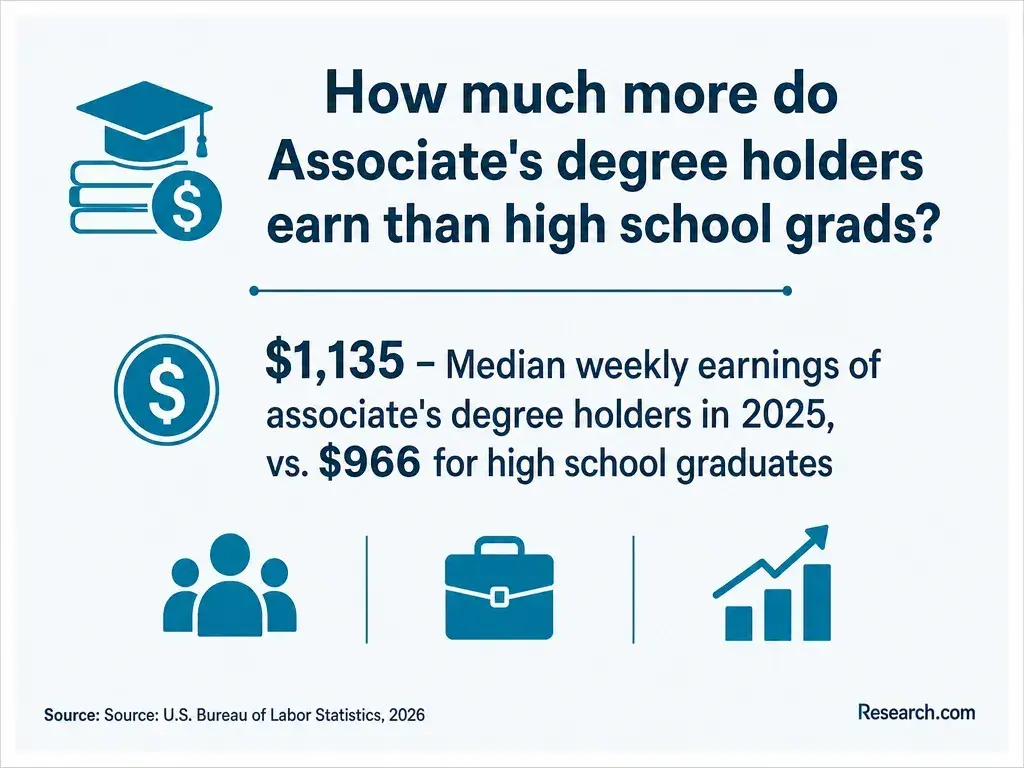
- U.S. Bureau of Labor Statistics. (2026). Education pays, 2025. Career Outlook. https://www.bls.gov/careeroutlook/2026/data-on-display/education-pays.htm
- U.S. Bureau of Labor Statistics. (2026). Occupational outlook handbook: Kindergarten and elementary school teachers. https://www.bls.gov/ooh/education-training-and-library/kindergarten-and-elementary-school-teachers.htm
- U.S. Bureau of Labor Statistics. (2026). Occupational outlook handbook: Special education teachers. https://www.bls.gov/ooh/education-training-and-library/special-education-teachers.htm
- U.S. Census Bureau. (2025, September 3). Census Bureau releases new educational attainment data. https://www.census.gov/newsroom/press-releases/2025/educational-attainment-data.html
Other Things You Should Know About American School Statistics
NCES counted 99,297 operating public elementary and secondary schools and 30,553 private schools in 2023–24, plus 5,711 Title IV postsecondary institutions in 2025–26.
In 2027, college enrollment trends highlight a shift towards online courses and hybrid learning models. Data indicates a small decline in traditional enrollment with a rise in adult learners seeking flexible education options. This change reflects the evolving demands of the job market and technological advancements.
In fall 2021, 45.4 million students attended traditional public schools and 3.7 million attended public charter schools (National Center for Education Statistics, 2023). Private schools enrolled about 5.1 million students in 2023–24 (National Center for Education Statistics, 2026).
Approximately 64.5% of first-time, full-time students who began a bachelor's degree at a four-year institution in fall 2017 graduated within six years. Graduation rates vary by institution type: they were highest at private nonprofit institutions (68.5%), followed by public (63.4%) and private for-profit institutions (32.3%) (National Center for Education Statistics, 2024). It is important to note that many students take longer than four years to complete their degrees, and a significant percentage do not graduate.