
2027 Is Demand for Sports Management Degree Graduates Growing or Declining?

Co-Founder and Chief Data Scientist
Graduates with a sports management degree often face uncertainty about their career prospects amid evolving industry demands. With the global sports market expected to reach $614 billion by 2022, roles combining business acumen and sports expertise are increasingly critical. However, potential students and professionals question whether the supply of qualified graduates can meet demand or risk oversaturation. Understanding these market dynamics is essential for making informed education and career decisions. This article analyzes the current employment outlook, industry trends, and future growth potential to help readers grasp whether demand for sports management degree graduates is growing or declining.
Key Things to Know About the Demand for Sports Management Degree Graduates
- Employment for sports management degree graduates is steadily increasing, driven by expanding sports industries and rising demand for skilled professionals in event coordination and facility management.
- The U.S. Bureau of Labor Statistics projects a 9% job growth in sports management-related roles through 2031, faster than the average for all occupations.
- Specializations in digital marketing and analytics within sports management enhance long-term career prospects amid industry shifts toward tech-driven fan engagement and data-informed decisions.
What Factors Are Driving Demand for Sports Management Degree Professionals?
Analyzing the driving forces behind workforce demand helps prospective students assess the long-term value and stability of a sports management degree. Several key factors contribute to growing opportunities in this evolving field.
- Industry Growth: The expansion of professional and recreational sports leagues, along with increased funding for college athletics, creates more job openings in team management, marketing, and event coordination. Accredited sports management programs impact employability by preparing graduates for these expanding roles.
- Technological Advancement: Innovations in data analytics, social media, and digital broadcasting demand professionals skilled in leveraging technology for fan engagement, performance analysis, and streamlined operations. Staying current with these technologies enhances job prospects.
- Demographic Shifts: Rising interest in wellness and youth sports among younger populations increases demand for community sports programs and facility management roles. This trend underscores the importance of regional accreditation for sports management degrees, ensuring graduates meet industry standards.
- Regulatory Changes: Evolving policies related to athlete safety, gender equity, and sports gambling require knowledgeable managers to ensure compliance and protect organizational integrity.
- Evolving Employer Skill Requirements: Employers increasingly seek multidisciplinary competencies, including business acumen, communication, and legal knowledge, urging graduates to develop diverse skill sets adaptable to various industry demands.
For those exploring educational pathways in related fields, reviewing a list of online DNP programs can offer insight into flexible and accredited options across disciplines.
Which Sports Management Occupations Are Seeing the Highest Growth Rates?
Growth rates provide important insight into future job availability and can guide students in selecting viable sports management degree jobs with highest growth. According to the U.S. Bureau of Labor Statistics, overall employment is projected to increase by 5% from 2022 to 2032, making it essential to focus on careers expanding faster than the national average. The following occupations demonstrate notable opportunities in this context.
- Sports Marketing Managers: Projected to grow about 18% over the next decade, this role benefits from increased sponsorship deals and digital promotion strategies. A bachelor's degree in sports management or marketing is typically required to enter this field.
- Event Coordinators: Expected growth near 11% is driven by the rising number of live and virtual sporting events demanding expert logistics planning. A degree in sports management or related fields provides a strong foundation.
- Athletic Trainers: With growth around 16%, increased awareness of injury prevention and rehabilitation fuels demand. An athletic training certification or degree is often necessary.
- Sports Agents: Experiencing steady growth of approximately 10%, sports agents capitalize on expanding sports business and athlete branding opportunities. A background in sports management or law is advantageous.
- Facilities Managers: Growing at roughly 9%, the need for managing new arena construction and modernizing venues supports this career. A degree in sports management or facility administration is beneficial.
Students exploring top growing sports management careers in the US may also consider related academic pathways such as BSN to DNP programs for broader health and sports-related opportunities.
Which Industries Hire the Most Sports Management Degree Graduates?
Knowing which sectors employ the most sports management graduates helps students evaluate career options and job security. The following industries regularly seek professionals with sports management expertise due to their unique blend of business and sports knowledge.
- Professional Sports: This industry includes teams, leagues, and sports marketing agencies that hire graduates for roles like event coordination, marketing, and athlete relations. Demand is fueled by the expanding popularity and commercial success of sports worldwide.
- Fitness and Recreation: Facility management, program coordination, and wellness promotion are common positions here, matching the leadership and organizational skills developed through sports management programs. Public enthusiasm for health drives ongoing recruitment.
- Higher Education: Colleges and universities employ sports management graduates in athletic administration, compliance, and sports information. These institutions value the specialized knowledge that blends sports with business principles.
- Sports Media and Broadcasting: This sector requires professionals who understand both sports operations and audience engagement, filling roles in production management and communication that leverage graduates' skill sets.
- Corporate Sponsorship and Merchandising: Graduates support sports commercialization by managing partnerships, marketing, and sales strategies. Their education prepares them to navigate promotional and business challenges in this growing field.
How Do Sports Management Job Opportunities Vary by State or Region?
Geographic factors play a crucial role in shaping job prospects for sports management degree holders, as regional variations influence the availability and nature of positions. These differences stem from local industry strengths and economic environments.
- High-Demand States: States like California, Florida, Texas, and New York have a strong concentration of professional sports franchises and related infrastructure. This results in abundant opportunities in areas such as sports marketing, event planning, and facility operations.
- Regional Industry Hubs: The Southeast and Midwest are notable for their vibrant collegiate sports scenes, generating numerous openings in athletic administration and sports promotion. Such hubs support specialized career paths tied to university athletics.
- Urban Versus Rural: Metropolitan areas often serve as centers for major sports organizations, training facilities, and media outlets, offering more diverse and frequent job openings. Rural regions tend to have fewer positions due to limited professional or large-scale amateur sports entities.
- Cost-of-Living Impact: Job seekers must balance salary expectations with living expenses, as metropolitan roles frequently pay more but come with higher costs of housing and daily life. This dynamic affects overall job attractiveness and long-term satisfaction.
- Remote and Hybrid Trends: Emerging work models in sports marketing and analytics provide flexibility, enabling some roles to be performed off-site. However, jobs in event management and venue operations remain location-bound to specific facilities and cities.
How Does Degree Level Affect Employability in Sports Management Fields?
Educational attainment levels such as bachelor's, master's, or doctorate degrees greatly influence job opportunities, career advancement, and competitiveness in sports management careers. Understanding how different degree levels relate to employment outcomes helps clarify career pathways in this field.
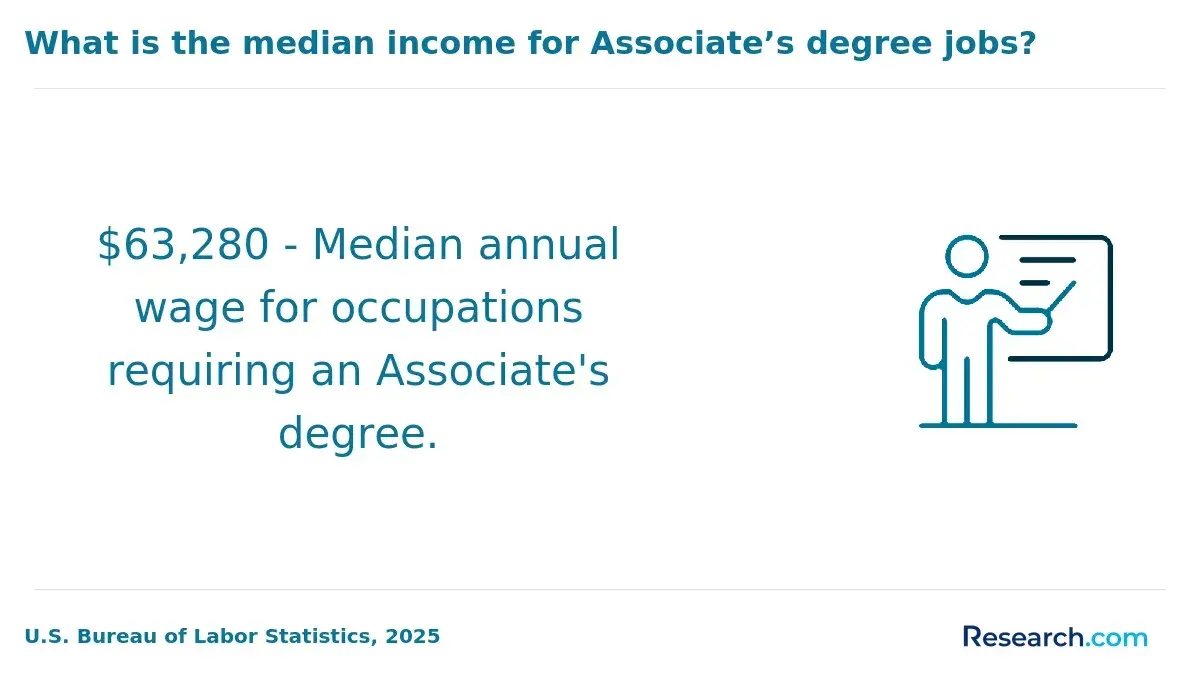
- Associate Degree: This level prepares individuals for entry-level jobs like event coordination or administrative roles, but prospects for advancement remain limited without further education. It typically offers the least competitive foothold in the sports management labor market.
- Bachelor's Degree: The most common qualification for sports management positions, it equips graduates for mid-level roles such as marketing coordinators and facility managers. Employment rates improve notably with this degree, making it a popular choice for those seeking stable opportunities in sports management degree levels and career opportunities in the US.
- Master's Degree: Holding a master's qualifies candidates for specialized or senior management roles, including sports analytics and athletic director positions. This advanced degree significantly boosts employability and earning potential among sports management professionals.
- Doctorate Degree: Less frequently pursued, it targets careers in academia, research, or high-level consultancy, offering unique competitive advantages for strategic leadership roles. For those interested in complementary education options, consider a healthcare administration online degree which may intersect with sports management expertise.
What Skills Are Employers Seeking in Sports Management Graduates?
Recognizing the skills employers prioritize in sports management graduates is vital for those seeking to stand out and thrive in this dynamic sector. These capabilities enable professionals to navigate the complexities of sports organizations and contribute effectively from day one. Key areas of expertise typically valued include:
- Communication Skills: Clear and persuasive communication, both written and spoken, is essential for liaising with athletes, sponsors, and media outlets. This skill ensures smooth information flow and strengthens relationships across the sports industry.
- Leadership and Teamwork: Success in sports management often depends on guiding diverse teams and encouraging collaboration. Strong leadership fosters a unified effort toward event planning, organizational goals, and staff coordination.
- Analytical Abilities: The capacity to interpret data related to player performance, market developments, and financials supports strategic decision-making. Analytical thinking allows for identifying opportunities and addressing operational challenges.
- Marketing Insight: Knowledge of branding strategies, fan engagement, and digital media tools is crucial for expanding reach and promoting teams or events. Marketing acumen helps in creating compelling campaigns that resonate with target audiences.
- Financial Management: Skills in budgeting, contract negotiations, and revenue analysis enable graduates to maintain and grow the fiscal health of sports entities. A strong financial foundation is indispensable for long-term organizational success.
When asked about the skills employers seek, a graduate of a sports management degree program shared how real-world experience shaped his perspective: "During my internship, I faced unexpected logistical setbacks right before a major event. I had to quickly communicate changes to multiple stakeholders while rallying the team to adjust plans. It wasn't just about knowing theory; adapting under pressure and maintaining team morale made all the difference." He emphasized how such challenges reinforced the importance of blending practical problem-solving with leadership and communication skills, aspects sometimes underestimated in the classroom but crucial on the job.
How Does Job Demand Affect Sports Management Graduate Salaries?
Fluctuations in job demand greatly influence starting salaries, wage growth, and long-term earning potential for sports management graduates. For example, employment in sports-related fields is projected to grow by 10% from 2020 to 2030 according to the U.S. Bureau of Labor Statistics, indicating strong upward trends in salaries. These market forces directly affect how much new graduates can expect to earn and their career progression. Key factors include:
- Labor Market Conditions: When there are more job openings than qualified sports management candidates, employers increase wages to secure talent, resulting in higher starting salaries and improved earning potential over time.
- Supply and Demand Balance: An oversupply of graduates relative to available positions can suppress wages, as heightened competition forces employers to offer lower salaries or slower salary growth.
- Industry Growth: Expansion within sports organizations or emerging markets increases demand for qualified professionals, which often drives salary increases and better promotional opportunities.
- Wage Progression: Strong demand supports faster salary increases and career advancement, whereas weak demand can stagnate wage growth, limiting long-term income potential.
Graduates monitoring these trends can better position themselves for success in the evolving sports management job market.
How Is AI Changing Demand for Sports Management Professionals?
Advancements in artificial intelligence are transforming workforce demands in sports management, with nearly 40% of sports organizations adopting AI tools for data analysis and operations by 2023. This shift is influencing employment patterns and reshaping the skills needed in the field.
The main impacts of AI on the profession include:
- Automation of Routine Tasks: Repetitive responsibilities like scheduling, ticketing, and basic data processing are increasingly handled by AI, reducing demand for entry-level administrative positions but allowing focus on higher-level activities.
- Emergence of Specialized Roles: New positions centered on AI-driven analytics, digital marketing strategies, and fan engagement technologies require professionals with technical skills, broadening career paths within sports management.
- Evolving Skill Requirements: Expertise in data literacy, proficiency with AI platforms, and the ability to integrate sports knowledge with technology are becoming essential for job candidates to remain competitive.
- Changing Hiring Preferences: Employers now seek adaptable individuals who blend traditional sports management experience with an understanding of AI-enhanced tools, improving job security for those who upskill accordingly.
When asked about her experience, a graduate of a sports management degree program shared how navigating this evolving landscape felt challenging yet rewarding. She described investing significant time learning AI software and data interpretation beyond her original curriculum. "At first, it was overwhelming," she recalled, "but integrating AI skills helped me stand out during job interviews and gave me confidence to contribute in innovative ways." Her story illustrates how embracing AI developments can open new doors and stabilize career trajectories in sports management.
Is Sports Management Considered a Stable Long-Term Career?
Evaluating long-term career stability is crucial for students and professionals considering sports management paths, as it impacts future job security and growth potential. Several key factors influence whether sports management offers reliable prospects in the evolving U.S. job market.
- Long-Term Employment Trends: The sports industry continues to expand globally, driving sustained demand for skilled sports management professionals. This steady growth creates ongoing opportunities in managing teams, events, marketing, and facilities, which supports stable career prospects.
- Industry Reliance: From professional leagues to recreational organizations, many depend on sports management experts to secure sponsorships, maintain operations, and engage fans. This essential role embeds these professionals deeply in the sports ecosystem, enhancing job security.
- Adaptability to Change: Sports management careers require embracing advances like data analytics, digital marketing, and virtual fan experiences. Those who adapt to these technological changes improve their long-term relevance in a competitive labor market influenced by economic and digital shifts.
- Career Advancement and Reskilling: The field offers clear pathways from entry-level to leadership roles with ongoing education and certifications helping professionals stay competitive. This flexibility is vital for navigating economic fluctuations and ensuring sustainable career growth, a crucial aspect of long-term career prospects for sports management graduates.
For students exploring related options, programs like the cheapest online nursing programs illustrate how affordability and accessibility can also shape educational and career decisions in competitive fields.
Is a Sports Management Degree Worth It Given the Current Job Demand?
The job outlook for sports management graduates in the United States suggests a cautiously optimistic future. Employment in sports-related occupations is expected to grow at a rate roughly aligned with the average across all fields, indicating stable but not rapid expansion. This steady demand reflects a market that supports new entrants who possess relevant skills and practical experience. While hiring activity is not booming, graduates can anticipate opportunities, especially if they remain adaptable to evolving industry trends.
Career outcomes for sports management graduates are influenced significantly by degree level, skill alignment, and industry needs. Bachelor's degree holders generally have stronger employment prospects than those with only associate degrees, particularly when their education is paired with specialized skills such as marketing, analytics, or event planning.
Expertise in digital media and sponsorship management is increasingly important as sports organizations shift their fan engagement and revenue strategies. Networking and internships remain vital avenues for initial employment. Prospective students considering whether a sports management degree is worth it may also want to explore comparable options such as the cheapest online RN to BSN programs to assess which educational path aligns best with their career goals and investment expectations.
What Graduates Say About the Demand for Their Sports Management Degree
- Jiro: "Choosing to pursue a sports management degree was one of the best decisions I've made. The practical skills and industry insights I gained paid off quickly, allowing me to step confidently into the professional world. Today, I can clearly see how this degree opened doors and continues to shape my career trajectory."
- Henrietta: "Reflecting on my journey, investing in a sports management program felt like a strategic move rather than just an academic pursuit. The return on investment became evident as my understanding of sports business dynamics grew, ultimately enhancing my ability to negotiate and lead. This degree has been a cornerstone of my professional growth."
- Stine: "My sports management degree significantly impacted my career by providing a solid foundation in both the business and operational sides of sports organizations. The knowledge gained helped me transition smoothly into leadership roles and tackle complex challenges confidently. I consider it a critical element of my ongoing success in the field."
Other Things You Should Know About Sports Management Degrees
Internships provide sports management students with practical experience and industry connections, crucial for enhancing career prospects in 2027. Many employers in the sports industry prioritize candidates with hands-on experience, making internships an essential component for gaining a competitive edge in the job market.
In 2027, factors such as the increasing popularity of e-sports, growing investments in sports infrastructure, and heightened interest in sports analytics are significantly influencing the demand for sports management degree graduates.
In 2027, trends such as increased digital integration in sports, the rise of esports, and ethical management practices are influencing the demand for sports management graduates. Graduates with skills in data analytics, digital marketing, and sustainability are particularly sought after.
References
- Swing and a miss: Why sports management majors should switch it up https://www.guilfordian.com/opinion/2025/02/10/strike-and-a-miss-why-sports-management-majors-should-switch-it-up/
- Sports and event management: career paths, salary expectations and future trends https://lesroches.edu/blog/sports-and-event-management-career-paths-salary/
- Best Cities for Getting a Job in Sports Management - Sports Management Degree Guide https://www.sports-management-degrees.com/cities-jobs/
- The Most Lucrative Sports Management Positions, and How to Get Them - Sports Management Degree Hub https://www.sportsmanagementdegreehub.com/lucrative-sports-management-positions-get/
- Beyond the Game: AI’s Impact on the Sports Industry https://www.kotinossports.com/post/thoughtleadership-2
- High Demand Careers in Sports Management https://exsci.cuchicago.edu/top-10-careers-in-sports-management/
- What are the career options after a master's degree in sports management? - INSEEC https://www.inseec.com/en/guides/career-path-guide/what-are-the-career-options-after-a-masters-degree-in-sports-management/
- Breaking Into the Business of Sports - SRT Fairs Blog https://edu.srtfairs.com/breaking-into-the-business-of-sports/
- Bachelor of Sports Management: What You Should Know - ICMS https://www.icms.edu.au/degree-discovery/10-things-people-ask-about-a-bachelor-of-sports-management/
- A Degree in Sports Management | Game-Changer for Your Career | George Group of Colleges https://www.georgecollege.org/blog/a-degree-in-sports-management-can-be-a-game-changer-for-your-career/


