
2027 Part-Time vs. Full-Time Sports Management Degree Programs

Co-Founder and Chief Data Scientist
Choosing between part-time and full-time sports management degree programs can be challenging, especially for students balancing work, finances, and academic goals. Nearly 40% of sports management students opt for flexible learning options, reflecting a growing need to accommodate busy schedules while maintaining progress toward a career in the competitive sports industry.
This article examines the key differences between part-time and full-time study formats, including workload, duration, and financial implications, helping prospective students make informed decisions aligned with their personal and professional circumstances.
Key Benefits of Part-Time vs. Full-Time Sports Management Degree Programs
- Part-time programs allow students to maintain employment, promoting practical experience alongside academic progress, which enhances career readiness in sports management roles.
- Flexible schedules in part-time study support better financial planning by spreading tuition costs over a longer period compared to full-time programs.
- Part-time formats offer improved work-life balance, enabling students to manage personal commitments while advancing their education without full-time enrollment pressures.
How Are Part-Time Sports Management Programs Structured Compared to Full-Time Programs?
Choosing between part-time and full-time sports management degree programs requires understanding their structural differences, as scheduling directly influences a student's learning pace and academic experience. These variations shape how students manage coursework alongside personal or professional commitments.
Part-Time Program
- Course load: Typically one to two classes per semester, easing the semester demand.
- Weekly time commitment: Estimated 10 to 15 hours, allowing balance with work or personal life.
- Scheduling flexibility: Often includes evening and weekend courses to accommodate various schedules.
- Online availability: Approximately 60% of part-time programs offer online classes for asynchronous learning.
Full-Time Program
- Course load: Students generally enroll in three to five courses each semester, creating a more intensive workload.
- Weekly time commitment: Ranges from 30 to 40 hours, often limiting the ability to work full-time simultaneously.
- Scheduling flexibility: Emphasizes weekday attendance with fewer options for evening or weekend classes.
- Online availability: Around 35% of full-time programs include online components but typically focus on in-person interaction for networking.
For working adults seeking flexible education options, consider exploring the best accelerated online degrees for working adults that may complement part-time study formats.
How Long Does It Take to Earn a Part-Time vs Full-Time Sports Management Degree?
Understanding the duration of a sports management degree program is essential for effectively planning academic and career goals. The length of study varies significantly between full-time and part-time formats, influenced by course loads, program flexibility, and available accelerated options.
- Full-time study: Typically lasts two to four years for undergraduate degrees, with students enrolling in 12-18 credit hours per semester. Graduate programs usually span one to two years.
- Part-time study: Generally extends from three to six years for bachelor's degrees due to fewer credit hours per semester (commonly six to nine). Graduate part-time programs may take two to four years to complete.
- Influencing factors: Course load, transfer credit policies, evening or online course availability, and accelerated sessions, such as summer terms, can all affect program length.
National statistics reveal that about 30% of undergraduates study part-time, balancing education with work or other commitments. This highlights the importance of assessing individual circumstances.
Students interested in flexible scheduling or exploring options for the easiest PhD to get online may find additional pathways to fit their needs.

Are Admission Requirements Different for Part-Time vs Full-Time Sports Management Programs?
Yes, while there are shared elements, the criteria often vary to accommodate the distinct student profiles and study formats. Understanding these differences helps applicants align their background with the appropriate program type. Below are some of the differences between the two formats:
- GPA Expectations: Full-time sports management programs generally expect a minimum GPA between 2.5 and 3.0 due to their competitive and intensive nature. Part-time programs tend to have more flexible GPA requirements to embrace working professionals with diverse academic histories.
- Prerequisite Coursework: Both part-time and full-time formats usually require foundational coursework in business, sports studies, or management. Nonetheless, part-time programs may prioritize relevant practical experience over strict academic prerequisites, valuing real-world skills.
- Professional Experience: Experience is often essential for part-time programs, which prefer candidates with backgrounds in sports, marketing, or administration. Full-time programs, however, commonly accept recent graduates with minimal work experience, considering professional background an advantage but not a requirement.
- Standardized Tests: Graduate full-time sports management degrees often require GRE or GMAT scores to assess academic readiness. Part-time programs frequently waive these tests, focusing instead on professional achievements and previous academic records.
- Supporting Documents: Both program types request essays, letters of recommendation, and resumes. Part-time candidates usually emphasize career accomplishments and objectives, while full-time applicants highlight academic potential and goals.
Prospective students comparing admission criteria for part-time sports management degrees against full-time sports management program entry requirements should carefully evaluate their career stage and academic background.
Those interested in flexible advanced degrees may also explore opportunities like cheap PhD programs online, which can offer further options balancing affordability and academic rigor.
How Do Tuition Fees Differ for Part-Time vs Full-Time Sports Management Programs?
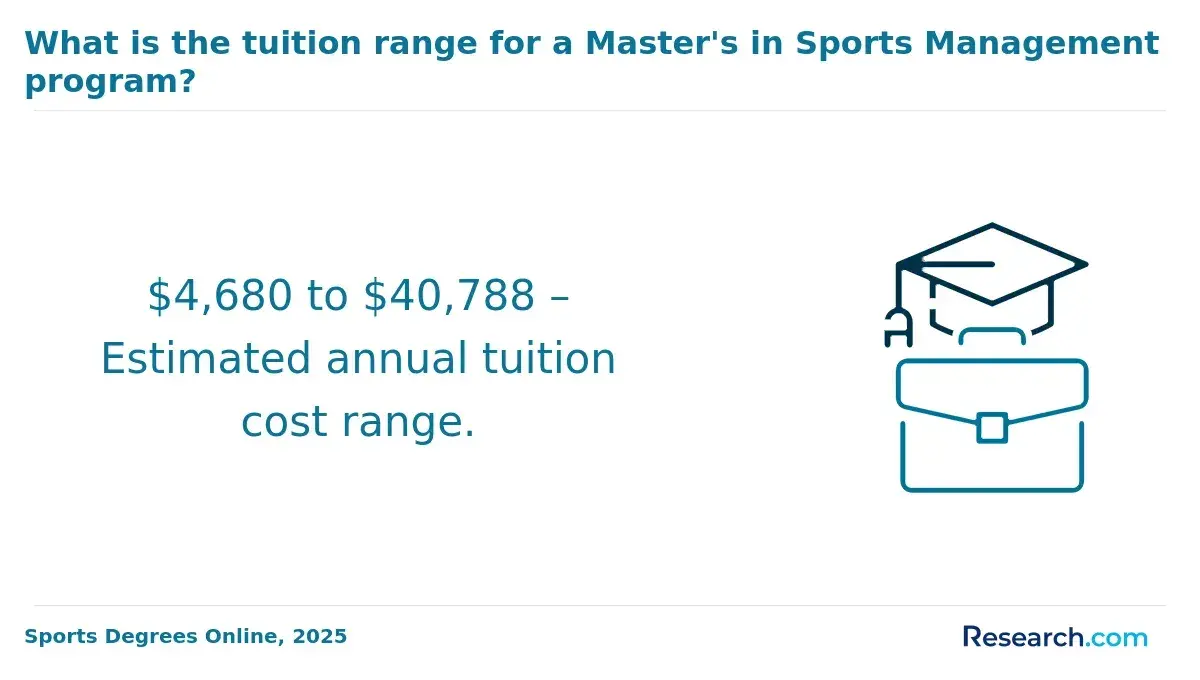
Tuition costs for part-time and full-time sports management programs vary notably, influencing how students budget their education. Full-time enrollment often requires a higher upfront payment due to heavier course loads, while part-time students pay per credit, spreading costs over a longer period but potentially increasing total expenses.
These differences affect financial planning, aid options, and the overall timeline for degree completion.
- Per-credit rate vs. flat tuition: Part-time students typically pay tuition based on each credit hour, making semester bills more flexible but sometimes pricier per credit. Full-time students usually benefit from a flat tuition rate covering a wider range of credits each term.
- Total program cost: While full-time students pay more each semester, finishing quicker often reduces cumulative tuition and fees. Part-time students face lower immediate costs but might spend more over time due to extended enrollment.
- Financial aid: Full-time status generally opens access to more comprehensive grants and scholarships. Part-time learners frequently encounter stricter eligibility that limits aid availability.
- Additional fees: Enrolling part-time can mean recurring fees each term for registration or materials, which add up over an extended timeframe. Full-time students might pay fewer separate fees since their enrollment is consolidated.
- Impact of enrollment intensity: The pace at which students take courses impacts overall expenses; balancing workload against costs is essential for managing finances and timely graduation.
I spoke with a graduate from a part-time sports management program who shared her experience navigating tuition costs. She recalled feeling initially overwhelmed by paying per credit, noting that while smaller bills each semester helped cash flow, the extended duration demanded careful budgeting over several years.
"I had to track every expense closely because the semester fees and materials added up," she explained. Despite the challenges, she appreciated that studying part-time allowed her to continue working and access the program without immediate financial strain.
Reflecting on tuition differences, she said, "It was a balancing act between managing cost and time, but the flexibility made the investment worthwhile in the end."
Which Sports Management Degree Program Format Offers More Online or Hybrid Course Options?
Part-time sports management degree programs offer significantly more online and hybrid course options than full-time formats. These part-time programs are designed with flexibility in mind to support working professionals.
Below is a summary of how each format typically handles online, hybrid, and on-campus course availability:
- Student Demographics: Part-time students are often career-focused adults balancing work and study, so programs provide more evening, weekend, or asynchronous classes. Full-time students are usually traditional learners able to attend daytime, campus-based sessions.
- Program Design: Part-time formats emphasize self-paced and hybrid learning to accommodate varying schedules, whereas full-time programs prioritize immersive, on-campus experiences including internships and face-to-face networking.
- Institutional Policies: Universities tend to promote hybrid or online courses for part-time students to enhance accessibility while maintaining engagement. Full-time offerings typically limit fully online options, fostering direct interaction and campus involvement.
Overall, part-time sports management degrees better align with working adults' needs by providing a broader range of flexible online and hybrid course choices compared to full-time programs that focus on traditional, in-person education.
Can Sports Management Students Switch Between Part-Time and Full-Time Enrollment?
Most programs in sports management permit students to transition between part-time and full-time enrollment, usually requiring a formal request. Institutions typically mandate that students maintain satisfactory academic standing and secure approval from an academic advisor or program coordinator before making such a change.
Students must weigh factors like how switching might affect their financial aid eligibility and whether the timing aligns with course availability. It's essential to recognize that adjusting enrollment status can impact the overall duration of the degree and influence scheduling flexibility.
Common requirements include maintaining good academic performance and meeting deadlines for course registration. Financial aid, including scholarships and grants, may be contingent on full-time status, so a shift to part-time can reduce funding options. Course offerings might be limited in certain semesters, especially in cohort-based programs, restricting when changes can take place.
Obtaining proper academic advising is crucial to understanding the implications and selecting suitable courses, as abrupt switches might disrupt academic momentum or extend the degree timeline.
I spoke with a graduate who navigated switching from part-time to full-time enrollment during his sports management studies. He shared that initiating the transition involved detailed discussions with his advisor to realign his course plan with his evolving work commitments.
While juggling personal responsibilities felt challenging initially, moving to full-time allowed him to concentrate more intensely and finish faster than expected. Reflecting on the process, he noted, "At first, I worried about falling behind, but the clearer structure and campus engagement in full-time mode ended up being motivating."
His experience illustrates that although switching formats requires adjustment, it can offer renewed focus and momentum.
How Do Online, Hybrid, and Campus Sports Management Program Delivery Formats Affect Part-time vs. full-time learning?
Choosing between online, hybrid, and on-campus sports management programs significantly affects the learning experience, especially when comparing part-time versus full-time options.
Delivery format influences the flexibility students have, with notable differences in how part-time and full-time learners manage their schedules and commitments.
- Scheduling Flexibility: Online programs offer the greatest flexibility, which is essential for part-time students balancing work or personal life. Full-time students may use online formats to accelerate their pace, while traditional campus schedules favor full-time learners with set class times, a key consideration when comparing part-time vs full-time sports management degree delivery formats.
- Workload Management: Full-time campus students often face intense daily workloads with cohort activities, whereas part-time learners benefit from the extended timelines in online or hybrid options. Hybrid programs ease workload spikes by blending in-person interaction with remote components.
- Accessibility and Location: Online delivery removes geographic constraints, allowing part-time students to study without relocating, making programs more accessible. Full-time learners might prefer campus settings for better networking and resources, highlighting differences in online hybrid campus sports management programs comparison.
- Learning Pace: Online formats support self-paced study, ideal for part-time students adjusting to other responsibilities. Campus programs usually follow fixed semesters that promote consistent progress for full-time learners, while hybrid options offer a moderate approach.
- Student Support Services: On-campus programs provide direct advising and extracurricular activities beneficial for full-time students. Online and hybrid students get improved virtual support but may experience less personalized interaction, reflecting concerns noted in recent digital learning surveys.
Students interested in cost-effective options might wonder which online college is the cheapest for sports management, as affordability often influences delivery format choice.
Do Employers Prefer Full-Time Sports Management Degrees Over Part-Time Degrees?
Employers do not have a universal preference for full-time sports management degrees over part-time degrees, but several key factors influence their perceptions.
Many view full-time programs as more rigorous because students immerse themselves fully in coursework, internships, and networking opportunities without the distraction of outside employment.
On the other hand, part-time students often develop strong time management skills and accumulate valuable professional experience concurrently, which employers also highly regard.
Industry-specific trends also affect how employers weigh degrees. Fast-moving sectors like sports marketing or team management often emphasize hands-on experience and the ability to apply classroom knowledge directly to current job roles. This aligns with findings that relevant work experience increasingly matters to employers, as reported by the National Association of Colleges and Employers.
Many part-time students demonstrate career readiness by leveraging their dual role as workers and learners.
For those aiming to explore the best paying trades, sports management programs that encourage practical skill development, regardless of format, can open valuable career pathways.
Is a Part-Time or Full-Time Sports Management Degree More Worth It for ROI?
Return on investment (ROI) plays a vital role in deciding between part-time and full-time sports management degree programs. It encompasses factors such as tuition expenses, duration of study, lost wages, and career prospects after graduation.
Full-time programs often require higher upfront costs and students may need to reduce or stop working, increasing opportunity costs but allowing faster degree completion.
Part-time programs enable students to keep working, which helps maintain steady income and lowers immediate financial pressure. However, this longer timeline delays graduation and could slow salary growth.
Graduation salaries for full-time sports management students typically range from $45,000 to $55,000, accompanied by quicker career progression.
How Do You Decide Between a Part-Time and Full-Time Sports Management Degree Program?
Selecting the right part-time or full-time sports management degree program is essential for balancing educational ambitions with career plans and personal life. The chosen format significantly impacts how students manage their time, finances, and professional development.
- Time availability: Full-time programs demand a substantial weekly commitment, often 12-15 credit hours per semester, enabling completion within 1-2 years. Part-time study spreads coursework over several years, offering a slower pace that suits those with limited daily hours.
- Financial resources: Part-time enrollment allows students to maintain employment and steady income while studying, which can alleviate financial pressure. Full-time study may require pausing work, increasing reliance on savings or financial aid.
- Career goals: Recent graduates aiming for a quick industry transition benefit from full-time programs. Professionals seeking to enhance skills without career interruption often find part-time formats more feasible.
- Learning style: Full-time students often experience immersive and focused learning environments, while part-time learners enjoy gradual progression, which may aid retention and work-study balance.
- Program duration and flexibility: Part-time programs typically take 3-4 years with options for evening or weekend classes, enhancing flexibility. Full-time pathways are shorter but may limit scheduling options and networking chances.
What Graduates Say About Their Part-Time vs. Full-Time Sports Management Degree
- Joy: "Enrolling in the full-time sports management program was an exhilarating challenge that truly immersed me in the industry's dynamics. Although the average cost of attendance hovered around $30,000 per year, the hands-on experience and networking opportunities made every dollar worthwhile. This degree has opened doors to exciting career paths I hadn't imagined before. "
- Taylor: "Pursuing a part-time sports management degree allowed me to balance work and study effectively, despite the tuition costs being nearly $20,000 annually. The flexible schedule made it manageable, and the knowledge I gained has strengthened my professional capabilities and confidence in the sports business world. I appreciate the practical insights that directly impacted my career growth. "
- Anya: "Completing a full-time sports management degree was a pragmatic investment, even with costs averaging $28,000 per year. The curriculum was rigorous, blending theory with real-world applications, which prepared me well for leadership roles in sports organizations. Reflecting on my journey, the cost was justified by the significant career advancement I achieved afterward. "
Other Things You Should Know About Sports Management Degrees
In 2027, full-time sports management students often engage more intensively due to their immersive schedules, fostering stronger peer networks and classroom discussions. Part-time students, balancing other commitments, may engage less frequently but can still benefit from flexible online forums and evening workshops to maintain student connections.
In 2027, part-time sports management programs offer flexibility for working students, often resulting in less traditional engagement compared to full-time programs. Full-time students, typically more immersed in the academic environment, tend to participate more in extracurricular activities and networking opportunities vital for professional growth.
Most institutions offer job placement services to both part-time and full-time sports management students, but full-time students might benefit from more on-campus career fairs and workshops. Part-time students may need to seek out these services proactively, especially if attending primarily online or outside standard campus hours. Universities increasingly aim to make career resources accessible to all students regardless of enrollment status.
References
- MBA part-time https://www.munich-business-school.de/en/l/guide/mba-part-time
- Full-Time or Part-Time: Which Postgraduate Study Option Is Best For Me? https://blog.ncirl.ie/full-time-or-part-time-which-postgraduate-study-option-is-best-for-me
- Master's in Sports Industry Management https://scs.georgetown.edu/programs/361/master-of-professional-studies-in-sports-industry-management/
- Online Sport Management Bachelor's Degree | UF Online https://ufonline.ufl.edu/degrees/undergraduate/sport-management/
- PayScale. (2026). Athletic Director salary in 2026. https://www.payscale.com/research/US/Job=Athletic_Director/Salary
- PayScale. (2026). Sports agent salary in 2026. https://www.payscale.com/research/US/Job=Sports_Agent/Salary
- Sports Degrees Online. (2025). Sports Management Master's Programs Guide in 2025. https://sportsdegreesonline.org/masters/sport-management/
- Bureau of Labor Statistics. (2025). Occupational Outlook Handbook: Coaches and Scouts. https://www.bls.gov/ooh/entertainment-and-sports/coaches-and-scouts.htm


