
2027 Is an Urban Planning Online Degree Worth It?

Co-Founder and Chief Data Scientist
Online education has expanded rapidly, with interest in online programs increasing by 66% among adult undergraduates in recent years. This growth has prompted many students to consider an online urban planning degree as a flexible alternative to traditional schooling. Urban planning roles are expected to grow steadily, reflecting a rising demand for sustainable development and smart city initiatives.
This article explores whether pursuing an online urban planning degree is worth it by examining key factors, including cost, program flexibility, accreditation status, job market trends, and how employers view online credentials in this field.
Key Benefits of Online Urban Planning Degree
- Online urban planning programs offer flexible schedules and remote access, allowing students to balance study with work or personal commitments effectively.
- The curriculum aligns with current industry standards, incorporating GIS technology and sustainable design, essential for today's urban planning careers.
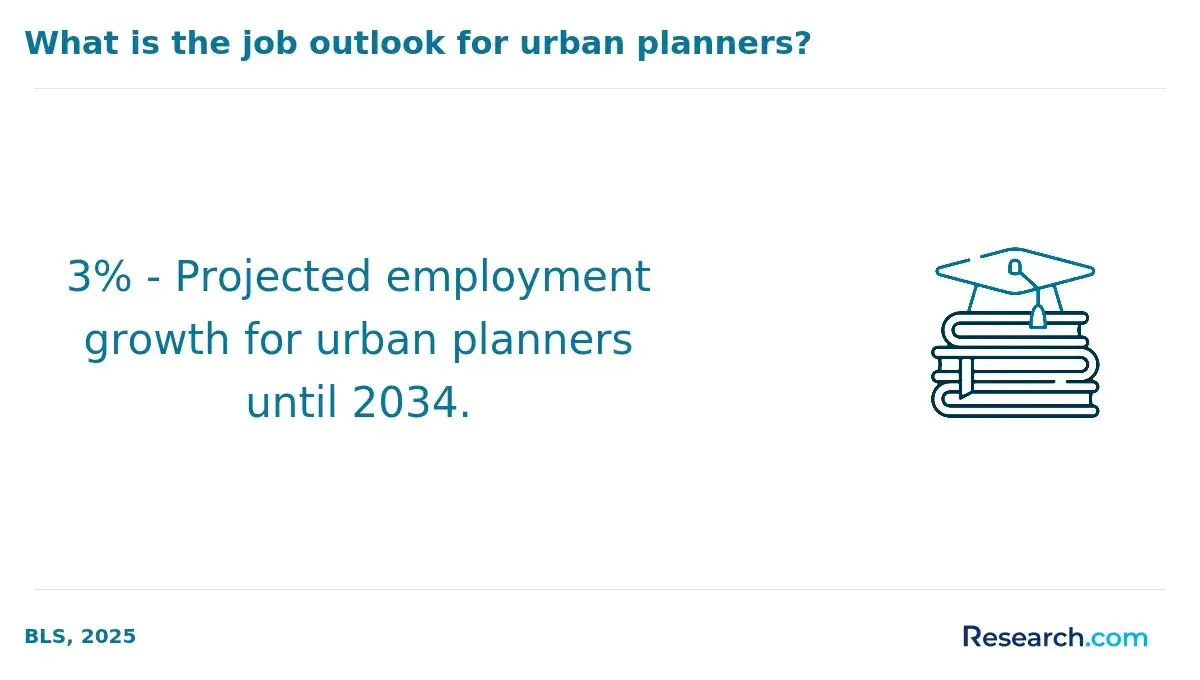
- Graduates face a growing job market, with a projected 3% employment increase through 2034, emphasizing long-term career viability.
Who Should Choose an Online Urban Planning Degree Program?
Online learning has become an effective option for many students due to its convenience and ability to fit diverse schedules. This flexibility allows individuals to manage education alongside work, family, or other responsibilities. Those who stand to gain the most from pursuing an online urban planning degree include several key groups.
- Working Professionals: Those already employed in related sectors like public administration or architecture can enhance their credentials and smoothly transition into planning roles without interrupting their careers.
- Career Changers: People interested in switching to urban planning from other fields benefit from foundational knowledge delivered in a flexible, self-paced environment.
- Students in Remote or Underserved Areas: Individuals living far from campuses offering urban planning programs can access accredited education without the need to relocate.
- Adult Learners with Family or Personal Commitments: Parents and caregivers can pursue their degree asynchronously, making it easier to balance studies with personal obligations.
The curriculum and accreditation standards of online urban planning programs generally align with those of on-campus equivalents, ensuring that graduates obtain recognized and quality education.
What Are the Pros and Cons of an Online Urban Planning Degree?
Online urban planning programs have become popular as they offer greater flexibility to students and professionals who want to advance their careers without relocating or pausing work. These programs meet rising demand for accessible education while supporting those managing multiple commitments.
Pros of an Online Urban Planning Degree
- Flexibility for Working Professionals: Online programs enable students to balance coursework with jobs or family. Many planners enroll part-time to gain experience in local government or consulting, benefiting from a schedule that suits busy lives and highlights online urban planning degree flexibility.
- Increased Accessibility: Students in rural or underserved areas can access accredited urban planning education without moving, a key advantage in a field with few fully online master's options.
- Career Advancement: Employers often require a graduate credential for mid-to-senior roles, with many offering salary increases or promotions to those who earn a master's degree in planning, reflecting the importance of a master's degree urban planning career advancement.
- Diverse Skill Development: These programs teach GIS, policy analysis, and community engagement skills essential across public, private, and nonprofit sectors, enriching professional capabilities.
Cons of an Online Urban Planning Degree
- Limited Networking Opportunities: Online students may miss in-person connections and studio collaboration that build professional networks, an important factor in a people-driven field.
- Hands-On Learning Gaps: Essential fieldwork and community engagement can be harder to replicate online, potentially limiting practical experience necessary in urban planning careers.
- Accreditation and Program Availability: Few options exist, with the University of Florida offering the only accredited fully online master's program, limiting recognized credentials.
- Perception by Employers: Despite growing acceptance, some employers still favor on-campus graduates for their established reputations and local ties, affecting hiring decisions.
For those seeking accelerated options in related fields, the fastest online associate's degree programs provide an alternative path for career growth in urban planning support roles.
How Do AI-Enhanced Virtual Classrooms Work in Online Urban Planning Programs?
AI technologies have become central to modern online education by enhancing interactivity and providing personalized experiences that improve learning outcomes. In online urban planning programs, AI-powered virtual classroom urban planning tools create dynamic environments that closely simulate real-world scenarios, making learning both practical and engaging. The following features illustrate how these AI enhancements work effectively for students:
- Data Analysis Integration: AI-driven tools enable students to interpret real urban datasets, such as satellite imagery and terrain assessments, allowing hands-on experience in forecasting urban growth and planning solutions.
- Collaborative Virtual Spaces: Intelligent discussion boards and AI-supported project rooms foster teamwork by facilitating seamless communication and brainstorming among peers tackling urban design challenges.
- AI Chatbots for Support: Tools like ChatGPT provide instant feedback, answer technical questions, and simulate stakeholder perspectives, enhancing interactive learning and critical thinking.
- Dynamic Assessment: AI-powered quizzes and automatic grading systems deliver personalized feedback, helping students quickly identify strengths and areas needing improvement to advance their skills.
- Personalized Learning in Online Urban Planning Programs: Virtual assistants recommend tailored resources and activities based on individual progress, boosting student engagement and mastery.
For those considering their path in higher education, exploring the easiest associates degree to get can also be a useful starting point to compare how AI supports different fields.
What Technology Do You Need for an Online Urban Planning Degree?
Having the right technology setup is essential for success in modern online urban planning programs because coursework relies heavily on specialized software and digital collaboration. A strong technology foundation enables students to efficiently analyze data and engage in interactive projects that simulate real-world planning scenarios. Below is a detailed overview of technology requirements for online urban planning programs that prospective students should prepare before enrolling.
- Reliable computer (laptop or desktop): Urban planning students need a modern computer with at least 8-16 GB of RAM, a recent multi-core processor, and a dedicated graphics card. These specs support resource-intensive software such as GIS platforms and design tools, ensuring smooth operation when handling large datasets or rendering models. Older or underpowered machines may cause delays or software compatibility issues.
- High-speed internet connection: A fast and stable internet connection is critical for downloading large files, streaming lectures, and participating in video conferences. A minimum speed of 25 Mbps is typically recommended to maintain smooth video calls and timely software updates, especially in group project collaborations.
- Geographic Information System (GIS) software: GIS tools like ArcGIS or QGIS are fundamental for spatial analysis and mapping in urban planning studies. Many programs offer student licenses for ArcGIS, while QGIS is a free, open-source alternative. Students use GIS to analyze zoning, transportation, and environmental factors-skills essential for professional planners.
- Productivity and collaboration tools: Word processing, spreadsheets, and presentation software such as Microsoft Word, Excel, and PowerPoint are vital for preparing reports and assignments. Cloud-based platforms like Google Drive and Microsoft Teams facilitate real-time collaboration and file sharing, replicating professional teamwork environments.
- Video conferencing software: Tools such as Zoom and Microsoft Teams support remote lectures and discussions. Clear audio and video are necessary for active participation and effective communication with instructors and classmates.
- Design and visualization tools: Depending on the program, students might use software like AutoCAD, SketchUp, or Adobe Creative Suite for 3D modeling and visual presentations. These applications help develop detailed site plans and infographics commonly used in urban planning proposals.
Students should also ensure that their software is compatible with their operating systems and take advantage of any available student discounts or institution-provided licenses to reduce costs. Building strong computer and software skills for urban planning students not only supports academic success but also prepares them for the digital demands of the profession, where GIS and design tools are widely used. Likewise, searching for affordable masters programs may provide valuable guidance.
How Long Does It Take to Finish an Online Urban Planning in 2027?
Program length is a key consideration for prospective students, influencing how quickly they can start or advance their career while balancing work and personal responsibilities. Online urban planning degree timelines vary significantly depending on program structure and student flexibility. Below is an overview of typical completion durations for these programs in 2025.
- Standard Pace: Most students complete their degree in two to three years by taking two courses per semester. This timeline is common across many asynchronous programs, allowing for steady progress while managing other commitments.
- Accelerated Track: Some universities offer faster routes, enabling full-time students to graduate in as few as five semesters (around 20 months). These options suit learners who can dedicate more time and seek a quicker finish.
- Flexible Enrollment: Many programs permit extended completion times, often up to four or five years. This flexibility benefits those needing to reduce course loads, take breaks, or balance unpredictable schedules.
- Shortened Terms: Eight- to sixteen-week course formats are increasingly common, providing students with adaptable pacing options to customize their study plan according to personal and professional demands.
Can You Work Full-Time While Completing an Online Urban Planning Degree?
Balancing full-time employment with online study is a common challenge for many considering an urban planning degree. The need to manage work obligations alongside coursework raises important questions about feasibility. Understanding key factors shaping this balance helps clarify what to expect.
Several elements influence the ability to work full-time while enrolled in an online urban planning program:
- Flexible Scheduling: Programs offering asynchronous courses let students access lectures and assignments anytime, accommodating varied work hours. In contrast, synchronous sessions require real-time attendance, which may conflict with a 9-to-5 job.
- Program Pacing: Part-time enrollment extends graduation timelines but reduces weekly workload, making it easier to juggle responsibilities without burnout.
- Workload Demands: Intensive projects and studio courses can require 15-25 hours weekly, necessitating focused time management outside of work.
- Employer Support: Flexible hours, remote work options, or tuition assistance significantly ease the challenge of balancing school and career.
- Time Management Skills: Successful students plan study blocks, set boundaries with family and employers, and often use small pockets of time, like commutes, for coursework.
When asked about her experience, a student working full-time during an online urban planning degree shared that it "often felt like running a marathon with no finish line." She emphasized the emotional strain of late-night assignments after long workdays but found that prioritizing tasks and communicating openly with her employer helped.
She recalls, "Using weekends for deep project work and carving out short daily study sessions was crucial." Despite occasional overwhelm, she described the journey as rewarding, noting how the program's flexible structure was vital in keeping her on track and motivated.
How Do Online Urban Planning Degree Programs Help with Internships?
Internships are essential for gaining practical experience and preparing for a career in urban planning. They allow students to apply classroom theories in real-world settings, building skills and professional networks vital for future success. Online urban planning programs have developed several methods to help students secure and complete these valuable internships.
- Career Services Support: Programs offer career centers that link students to local and national internship opportunities, providing guidance throughout the application process and ensuring placements align with career goals.
- Online Job Platforms: Students access curated job boards such as Planetizen, ACSP Career Center, and LinkedIn, which feature both remote and on-site internships tailored to urban planning students.
- Virtual Placement Coordination: Partnerships with platforms like The VirtualIntern enable students to collaborate on real projects with nonprofits, gaining mentorship and sometimes stipends while working remotely.
- Progress Monitoring and Advising: Dedicated support staff assist with internship approvals, track ongoing progress, and offer personalized advising, helping students fulfill required contact hours and professional development criteria.
What Is the Average Tuition Cost of an Online Urban Planning Program?
Understanding the cost of tuition is essential for prospective online urban planning students as it influences budgeting and overall investment decisions. Tuition varies widely depending on factors like institution type, residency, and program setup. Below is a breakdown of key tuition-related details to consider when evaluating online urban planning programs:
- Average Tuition Per Year: Undergraduate in-state students typically pay around $12,000 annually, while out-of-state fees rise to about $30,000. Graduate programs cost roughly $13,000 for residents and near $30,000 for nonresidents.
- Tuition Per Credit: Some master's programs charge by credit hour, such as the University of Florida's Master of Urban and Regional Planning, which costs $865 per credit. This totals nearly $45,000 for the full 52-credit curriculum, with the same rate for all students regardless of residency.
- Public vs. Private Institutions: Public universities tend to have lower tuition, especially for residents, with yearly charges ranging from $9,000 to $15,000 in-state, while private schools often exceed $30,000 annually, irrespective of residency.
- In-State vs. Out-of-State Rates: Out-of-state tuition at public schools is often two to three times higher than in-state rates, although certain programs offer a uniform rate for all students.
- Additional Fees: Students may encounter extra costs like technology, application, or lab fees. Some programs bundle these into tuition, while others list them separately, potentially increasing total expenses.
Reflecting on these costs, a student pursuing an online urban planning degree shared his experience navigating tuition expenses. He explained that balancing work alongside study was crucial due to fluctuating fees each semester and unexpected charges. "Estimating the full cost was tricky," he said, "but breaking down each fee helped me manage my budget better." Despite initial concerns, he described the flexibility and quality of the program as reassuring factors that made the investment worthwhile. His journey underscores the importance of carefully researching all tuition components before enrolling in an online urban planning degree.
What Is the Average Salary for Someone with an Online Urban Planning Degree in 2027?
Understanding potential earnings is essential when evaluating an online urban planning degree program. Salary prospects can significantly influence your decision, making it important to review typical compensation and how it evolves with experience. Below are key salary insights for those considering the urban planner average salary in the United States 2025.
- Average Entry-Level Salary: Graduates with an online urban planning degree typically start with salaries ranging from $55,590 to $60,000. These figures reflect data from the BLS, highlighting the baseline income early in a planner's career.
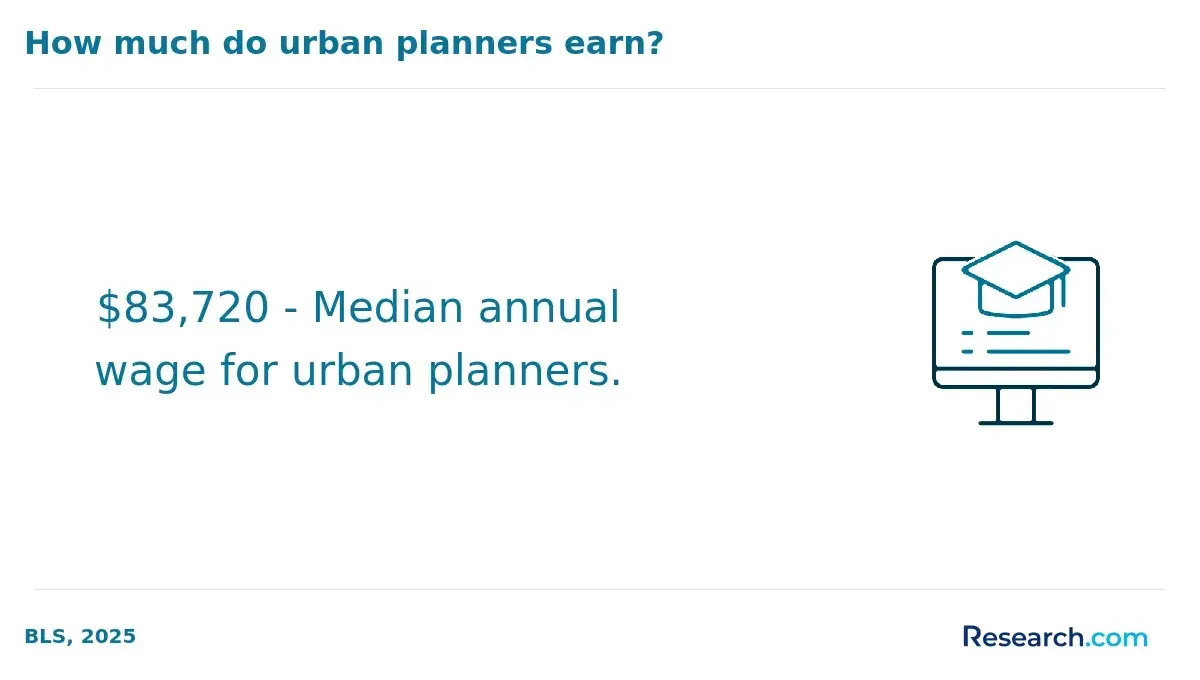
- Mid-Career Salary Growth: As planners gain experience, their salaries often increase to between $66,210 and $83,720 annually. This growth reflects greater responsibility, enhanced skills, and deeper industry knowledge associated with mid-level roles in urban planning. Top earners may earn between $104,450 and $128,550.
- Salary by Industry: Earnings can vary widely depending on the sector. For instance, urban planners working in legal services often earn $125,890, surpassing many other industries within the field.
- Regional Salary Differences: Geographic location plays a crucial role in compensation. States like Washington, D.C., California, and Oregon tend to offer higher median salaries, ranging from $81,000 up to $110,000, due to demand and cost-of-living factors in these areas.
These salary insights assist prospective students and professionals in weighing the value of earning an online urban planning degree. For those interested in financial aid options, exploring schools that accept FAFSA can be a practical step toward funding your education. Understanding online urban planning degree salary prospects ensures informed decisions regarding program selection and career planning.
Which Industries Hire Graduates From Online Urban Planning Programs?
An online urban planning degree offers remarkable versatility, preparing graduates for diverse professional fields that require skills in community development, data analysis, and public policy. The degree equips students with competencies adaptable to various industries, which reflect the broad demand for planners in today's economy. Below is a detailed overview of key industries hiring online urban planning graduates.
- Government agencies: Local, state, and federal governments are the largest employers, offering urban planning jobs in government and private sector collaboration on community projects, transportation systems, land use, and environmental protection. Many governmental offices actively hire graduates from accredited online programs who demonstrate relevant skills.
- Private consulting firms: These companies specialize in urban design, transportation planning, and land development. They frequently recruit planners for both remote and in-office roles such as planning consultants, analysts, and project managers, reflecting the growing flexibility in work arrangements.
- Engineering and architecture firms: Urban planners support site planning, zoning analysis, and infrastructure projects within these sectors, coordinating with engineers and architects to ensure sustainable development.
- Real estate and development: This industry values urban planners for expertise in land use regulations, sustainable growth strategies, and site feasibility studies, all critical to advancing responsible property development.
- Environmental consulting: Urban planners contribute to the preparation of environmental impact statements and help clients comply with regulations like NEPA and CEQA, serving crucial sustainability and regulatory roles.
The broad applicability of skills gained in online urban planning programs reflects current industry demand across sectors. Those seeking affordable online schools for job holders may find that the degree uniquely positions them for this cross-sectorality and the digital nature of modern planning work, emphasizing the growing industries hiring online urban planning graduates.
What Graduates of Online Urban Planning Programs Say About Their Degree
- Gael: "The structured yet flexible format of the online urban planning program suited my professional lifestyle perfectly, allowing me to absorb complex concepts thoroughly. Considering the reasonable tuition fees compared to traditional routes, it was a cost-effective way to enhance my qualifications. Ultimately, this degree empowered me to contribute more meaningfully to urban design projects in my city. "
- Bryan: "Pursuing an online urban planning degree was a transformative experience; it challenged me to think critically about sustainable development while balancing family commitments. The program's cost, averaging significantly less than on-campus options, made continuing education accessible without financial stress. This degree not only deepened my expertise but also opened doors to new professional opportunities. "
- Vicente: "Enrolling in the online urban planning degree allowed me to learn at my own pace without sacrificing my full-time job, which was invaluable. The curriculum offered a comprehensive understanding of city development at a fraction of the cost of traditional programs, making it a smart investment. Thanks to this flexibility and affordability, I was able to advance my career rapidly. "
Other Things You Should Know About Urban Planning Degrees
In 2027, many online urban planning degrees are accredited, ensuring they meet specific academic standards. Prospective students should verify accreditation status through recognized bodies such as the Planning Accreditation Board in the U.S., ensuring their program aligns with professional industry standards.
Many online urban planning programs are designed to prepare students for certification exams such as the American Institute of Certified Planners (AICP) test. These programs typically cover the necessary content areas and provide resources for exam preparation. However, students should verify if the program specifically supports certification readiness before enrolling.
References
- Urban Planner https://online-distance.ncsu.edu/career/urban-planner/
- What can you do with an urban planning degree? https://www.ube.ac.uk/whats-happening/articles/what-can-you-do-with-urban-planning-degree/
- Dynamic scaffolding: exploring the role of artificial intelligence in urban design education - Frontiers of Urban and Rural Planning https://link.springer.com/article/10.1007/s44243-025-00060-7
- Urban Planning Salary and Career Outlook https://teach.com/online-ed/government-degrees/online-masters-urban-planning/salary-and-career-outlook/
- Urban Planning Internships https://www.worldendeavors.com/intern-abroad/environment-sustainability/urban-planning/
- Internship Guide https://urbanplanningdegree.com/internship-guide/
- Urban Planning Courses https://www.open.edu.au/study-online/architecture-construction/urban-planning
- Firsthand Advice for Taking Online Classes While Working Full Time https://www.umassglobal.edu/blog-news/advice-for-taking-online-classes-while-working-full-time
- Artificial Intelligence in urban design: A systematic review - ScienceDirect https://www.sciencedirect.com/science/article/abs/pii/S0264275125008303
- MURP Online Program | Department of Urban and Regional Planning https://dcp.ufl.edu/urp/academics/murp_online_program/
- Zippia. (2026). Urban planner demographics and statistics in the United States. https://www.zippia.com/urban-planner-jobs/demographics
- Bureau of Labor Statistics. (2025, August 27). Urban and regional planners: Occupational outlook handbook. https://www.bls.gov/ooh/life-physical-and-social-science/urban-and-regional-planners.htm


