
2027 Does a Sports Management Degree Require Internships or Clinical Hours?

Co-Founder and Chief Data Scientist
Many prospective sports management students struggle to determine if internships or clinical hours are mandatory for degree completion. This uncertainty complicates planning, as approximately 72% of U. S. sports management programs include experiential learning components. Employers increasingly prioritize candidates with hands-on experience, making practical placements vital for job readiness.
However, requirements vary significantly between institutions, causing confusion regarding program duration and workload. This article clarifies the role of internships and clinical hours within sports management degrees and explains how these elements impact academic schedules and career prospects, helping readers make informed decisions about their education pathway.
Key Things to Know About Sports Management Degree Internships or Clinical Hours
- Most sports management degrees require internships or clinical hours to provide hands-on experience essential for graduation and improve practical knowledge applicable to industry standards.
- Internship structures vary; online programs often coordinate virtual or local placements, while campus-based students engage in on-site, supervised activities, influencing flexibility and learning environments.
- Completing these hours significantly affects time commitment, boosting career readiness by developing professional skills and increasing employment prospects within sports organizations after graduation.
Does a Sports Management Degree Require Internships or Clinical Hours?
Sports management degree internship requirements vary by program, but most accredited programs either require or strongly encourage completing an internship. These internships serve as a practical component of the curriculum, designed to provide hands-on training in sports management programs that classroom instruction alone cannot deliver.
Unlike clinical hours in healthcare, such experiences are not standardized, so the requirement depends on the institution. Internships offer essential real-world exposure, helping students apply theoretical knowledge directly to industry settings.
Internships typically take place during the junior or senior year and may be part of experiential learning credits or capstone courses. They help students develop industry-specific skills such as event management and sponsorship coordination while enhancing career readiness and professional networks.
The length and hours required vary widely-some universities mandate between 200 and 400 hours, while others allow flexibility with multiple shorter internships.
Prospective students should review the terms and requirements of their internship to find opportunities that align with their goals, much like those exploring options like RN to BSN online no clinicals, where practical experience requirements also differ.
Are Internships Paid or Unpaid in Sports Management Programs?
Internships in sports management programs vary between paid and unpaid opportunities, which is a crucial consideration for students balancing program costs and career preparation. About 40% of internships in this field offer some form of payment, influencing both financial planning and work experience.
The key factors that affect whether an internship is paid or unpaid include several important aspects:
- Payment structures: Many internships, especially with smaller sports organizations or non-profits, are unpaid due to limited budgets. Conversely, larger sports teams, leagues, or commercial enterprises often provide hourly wages or stipends to support interns financially.
- Influencing factors: The duration of the internship, employer size, and the offer of academic credit all play a role in determining compensation. Paid internships tend to be more common with longer terms and organizations that can allocate funds specifically for interns.
- Value of unpaid internships: Even when unpaid, these internships offer vital hands-on experience and networking opportunities essential for career growth. Many students find value in gaining industry insight and developing connections despite the lack of immediate financial reward.
- Balancing education and work: Unpaid sports management internship opportunities can increase the overall cost of education by requiring students to juggle unpaid labor alongside school commitments. This dynamic makes it critical to assess how internships fit within personal and financial goals.
For those exploring accelerated career pathways in healthcare fields, consider reviewing accelerated medical assistant programs, which offer fast-tracked options.
What Is the Difference Between Internships or Clinical Hours in Sports Management Degree Levels?
The distinction between internships and clinical hours in sports management degree levels plays a crucial role in shaping students' academic and career strategies. Recognizing how these practical components differ by degree helps students manage time commitments and align experiences with career ambitions.
Here is a breakdown of what students can generally expect based on their degree level:
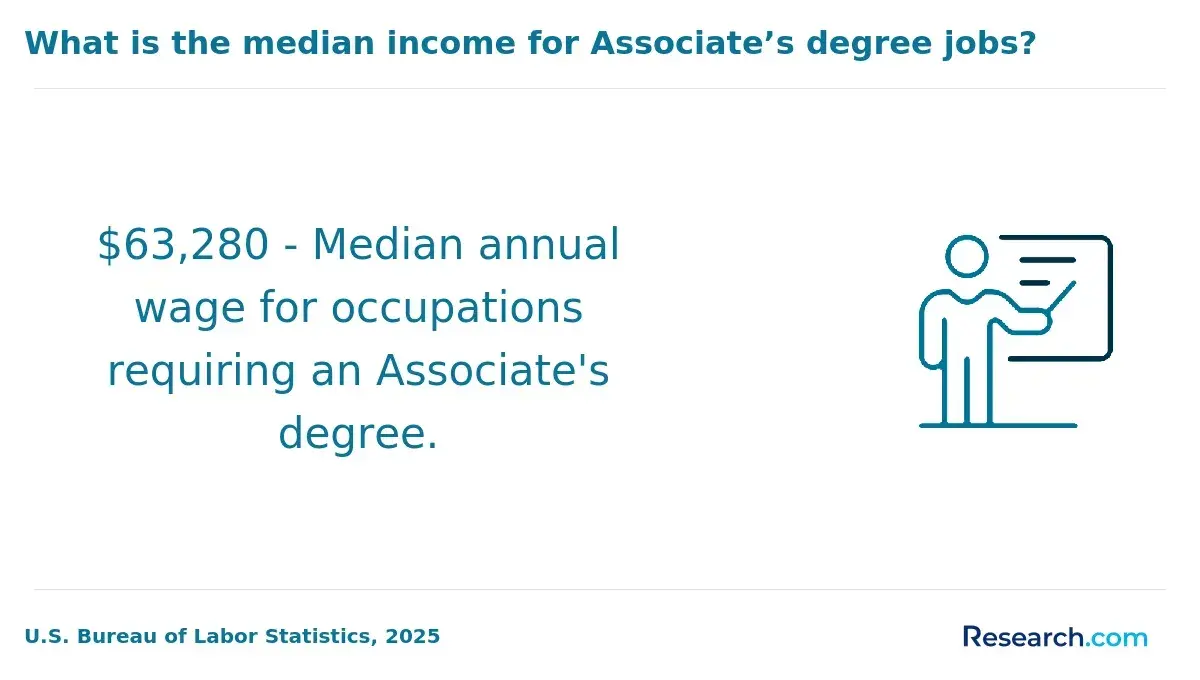
- Associate degree: Internships at this level are usually brief and focus on introductory exposure to the sports industry. Students assist with basic administrative or operational tasks, gaining practical insights under close supervision to build initial industry awareness.
- Bachelor's degree: Internship requirements for sports management degrees at the bachelor's level typically span several weeks to a full semester. Students engage in supervised activities such as event coordination and marketing, developing foundational skills and professional connections.
- Master's degree: Graduate programs emphasize more extensive clinical hours or internships that demand greater responsibility. Students often lead projects, conduct research, or participate in strategic planning, reflecting advanced knowledge and preparing them for leadership roles.
- Doctoral or professional degrees: These programs focus less on traditional internships and more on research and high-level professional practice. Clinical hours, if required, involve complex problem-solving and contribute to academic or industry innovations.
For students considering interdisciplinary management pathways, resources on a healthcare management degree online may offer relevant insights and potential program options.
Breakdown of Public Fully Online Title IV Institutions (in percentage)

How Do Accelerated Sports Management Programs Handle Internships or Clinical Hours?
Accelerated sports management programs incorporate internships or clinical hours by overlapping practical experience with academic coursework in a condensed timeframe. These programs intensify the typical curriculum, requiring students to complete fieldwork while keeping up with rigorous classes.
Scheduling flexibility is key, often accommodating part-time, weekend, or even virtual internships to fit the limited duration. This approach ensures students fulfill necessary hands-on requirements without extending their studies beyond the accelerated timeline.
To effectively manage the balance between immersive internships and accelerated academics, programs implement strategies such as early placement of clinical hours and continuous academic support. Students frequently start their experiential learning in the initial semesters, maintaining steady progress toward meeting industry standards for career readiness and licensure.
Partnerships with sports organizations help align internship expectations with professional requirements. Notably, about 70% of students in these accelerated tracks engage in internships, underscoring their crucial role in applied learning.
A graduate from an accelerated sports management degree shared that juggling coursework and internship hours felt "like running a marathon at sprint pace." He recalled weeks where "assignments, exams, and 20-hour internship shifts collided," creating high stress but also a strong sense of accomplishment.
He emphasized that clear communication with internship supervisors and faculty advisors was essential to handling workload spikes. Despite the pressure, he valued how the experience developed resilience and practical skills faster than traditional programs.
Are Internship Requirements the Same for Online and On-Campus Sports Management Degrees?
Internship or clinical requirements for sports management degrees generally remain consistent between online and on-campus programs, reflecting similar standards for hands-on experience and career readiness.
Recent data shows that approximately 65% of sports management students complete internships before graduating, highlighting the strong emphasis on applied learning across program types.
Both online and in-person formats require students to fulfill a designated number of hours with sports organizations or related businesses to meet established learning outcomes, such as professional skill development and industry networking.
Differences arise mainly in how internships are arranged and supervised. Online students typically enjoy greater flexibility in selecting placements, including options for remote or local internships that accommodate their schedules and time zones. Supervision often takes place virtually, using digital platforms instead of face-to-face meetings common in on-campus programs.
The flexibility also allows online learners to access internship opportunities beyond their immediate geographic area, expanding potential career connections while maintaining rigorous experiential standards.
How Do Sports Management Degree Specialization Choices Affect Internship Requirements?
Specialization choices within a sports management degree significantly influence internship or clinical hour requirements because each focus area demands different practical experiences. Approximately 75% of sports management students participate in internships directly related to their specialization, underscoring the importance of tailored experiences in the field.
For instance, specializations such as athlete management often require hands-on internships with sports teams or training staff in clinical athletic settings. In contrast, those focusing on sports marketing might undertake internships involving promotional campaigns or digital content creation, typically conducted within corporate or media environments.
These differences in internship types and settings directly impact how students gain relevant skills and meet workforce needs related to their chosen career paths.
The variation in internship requirements also affects students' scheduling and workload, influencing how programs structure these components to align with academic demands. Students in more intensive, on-site specializations may experience heavier time commitments and rigorous schedules compared to those in administrative or marketing roles, where internships might be more flexible.
These disparities shape how students prepare for their careers, with clinical or internship experiences providing critical networking and professional development opportunities.
For prospective nursing students comparing different options, exploring cheap NP programs can offer insights into balancing cost and educational commitments in specialized degree paths.
Can Work Experience Replace Internship Requirements in a Sports Management Degree?
Work experience can sometimes substitute for internship requirements in a sports management degree, though this varies widely by program and institution. This often matters to working students who struggle to balance formal internships with current employment while gaining relevant industry experience.
Programs may allow prior or ongoing professional roles to fulfill internship components if the experience aligns closely with sports management duties, meets a minimum duration, often several months to a year, and is verifiable by employers. Additionally, the institution's accreditation standards must permit such substitutions for work experience to count.
Mid-career professionals or students specializing in applied areas like sports marketing frequently have more opportunities to replace internships with their work background. However, some programs mandate internships to ensure hands-on training under supervision, making work experience ineligible in those cases.
Since policies differ significantly from one institution to another and based on degree levels, students should proactively consult academic advisors to determine if their work history can qualify for internship credit in their sports management studies.
When I spoke with a graduate with a sports management degree, she shared how navigating this substitution wasn't straightforward. She had years of relevant sports promotional work, but initially feared her experience wouldn't meet the internship criteria.
After discussing her responsibilities and gathering documentation from her employer, the program accepted her employment in lieu of a traditional internship. She recalled feeling relieved yet cautious, knowing many peers couldn't make the same case.
"It was a process requiring patience and clear communication," she said, emphasizing how crucial it was to advocate for herself while aligning her experience with the program's expectations. This approach, she added, helped her maintain full-time employment without delaying her degree progress.
How Long Do Internships or Clinical Rotations Last in a Sports Management Degree?
Internship and clinical rotation lengths in sports management programs significantly influence practical skill development and career readiness, with about 75% of programs mandating a minimum of 120 hours of hands-on experience. These requirements are evolving to accommodate diverse student schedules and program structures.
Below are typical duration models for these experiential components:
- Short-term internships: These usually span 6 to 8 weeks and are designed to concentrate on specific skill sets intensively. Such internships are ideal for students seeking focused, time-efficient experiences that complement their academic workload.
- Semester-long internships: Lasting approximately 12 to 16 weeks, these internships offer a wider range of responsibilities and projects. They often align with the academic semester, allowing learners to engage deeply with various aspects of sports management.
- Extended rotations: Some specialized tracks require an entire academic year, providing in-depth exposure and networking opportunities. These longer durations support comprehensive immersion and prepare students for complex industry roles.
Factors like program delivery format, accreditation requirements, and specific areas of focus, such as event management or facility operations, play critical roles in determining the length and flexibility of internships.
Increasingly, programs support flexible scheduling options, enabling students to complete practical hours during summer or part-time alongside coursework, thus catering to individual needs.
Does Completing Internships Improve Job Placement After a Sports Management Degree?
Job placement outcomes are a primary concern for prospective students pursuing a sports management degree, as these outcomes directly reflect the value and applicability of their education. Research indicates that approximately 70% of employers prefer candidates with practical experience gained through internships.
Below are key factors explaining how internships influence post-graduation employment:
- Employer Preferences: Sports management internship job placement strongly benefits from employer preferences for candidates with proven, hands-on experience. Internship experience often signals readiness to contribute effectively in real-world sports settings.
- Networking Opportunities: Internships help students establish valuable connections within the sports industry, enhancing access to job leads and professional recommendations that can accelerate hiring after graduation.
- Skill Development: Practical work in internships promotes essential skills in areas such as event coordination, marketing, and athlete relations, which employers highly regard when filling sports management roles.
- Conversion to Full-Time Roles: Many internships act as extended interviews, with successful interns frequently receiving full-time offers from the hosting organizations, simplifying the job search process.
Prospective students may also explore options for further education and career development in related health fields, such as the most affordable BSN to DNP programs online, which might complement sports management knowledge with advanced clinical expertise.
Do Employers Pay More for Sports Management Graduates With Hands-On Experience?
Practical experience such as internships or clinical rotations can significantly affect the starting salaries of sports management graduates. A study by the National Association of Colleges and Employers (NACE) found that those with relevant hands-on experience earn about 15% more initially than peers without it.
The following points highlight key reasons this experience matters to employers and salary outcomes:
- Employer preference for readiness: Hiring managers often see internships as proof candidates can contribute immediately, reducing training time and risk. This real-world exposure reassures employers about a graduate's ability to perform in fast-paced sports settings.
- Stronger negotiation power: Graduates with practical skills in event coordination, marketing, or athlete management can justify higher salary requests. Demonstrated capabilities give candidates concrete examples to support compensation discussions.
- Alignment with industry expectations: Certain areas within sports management, such as sports analytics or team operations, place greater emphasis on prior experience. This leads to more visible salary advantages for those with hands-on backgrounds in these fields.
- Impact of program design: Programs requiring internships or clinical hours typically prepare students for smoother workforce transitions. Graduates from such structured curriculums often command better starting pay, reflecting their applied training and readiness.
What Graduates Say About Their Sports Management Degree Internships or Clinical Hours
- Liv: "Completing the internship requirement for my online sports management degree was an eye-opening experience that truly connected theory with practice. Despite the reasonable cost of approximately $2,000, the hands-on exposure I gained was priceless, opening doors in the sports marketing field right after graduation. I feel confident that this practical approach gave me a significant edge in today's competitive job market. "
- Jaden: "The internship portion of my online sports management program was both affordable and invaluable, costing significantly less than many traditional programs. It challenged me to apply my knowledge in real-world settings, which was essential to understanding the nuances of sports event coordination. Professionally, this experience laid the foundation for my steady career growth, reinforcing the value of combining education and practice. "
- Lois: "Investing in the internship alongside my online sports management degree was a smart move, especially since the total added cost was quite manageable compared to on-campus alternatives. This experience was critical for me to build a professional network and to gain credibility in sports administration. Looking back, I see how pivotal it was in shaping my career trajectory in the sports industry. "
Other Things You Should Know About Sports Management Degrees
In 2027, academic prerequisites for sports management internships typically include completion of core coursework in sports management fundamentals. Some programs may require a minimum GPA or specific classes like ethics or marketing before enrolling in an internship.
Programs often collaborate with established sports organizations, clubs, and agencies to place students in internships that align with their career goals. Internship sites are typically vetted to provide meaningful learning experiences under supervision. Academic advisors or internship coordinators monitor progress and may require reflective assignments to link work activities with educational objectives.
In 2027, sports management degrees often require internships for hands-on experience, although clinical hours are generally not a component unless the program has a specific focus linking it to health or physical therapy fields. Requirements can vary by institution, so students should consult their specific program guidelines.
References
- Bachelor of Sports Management: What You Should Know - ICMS https://www.icms.edu.au/degree-discovery/10-things-people-ask-about-a-bachelor-of-sports-management/
- Sport Management (SPMT) https://catalog.shsu.edu/graduate-and-professional/course-descriptions/spmt/
- What To Do With a Sports Management Degree https://www.canisius.edu/academics/programs/graduate/sport-administration/what-to-do-sports-management-degree
- Internship Programs – United States Sports University https://ussu.edu/academics/resources/internships/
- Sport Management & Coaching https://www.owu.edu/academics/departments-programs/department-of-health-and-human-kinetics/health-and-human-kinetics-majors/sport-management-coaching/
- 15 Sports Medicine Internships for Undergraduates https://www.lumiere-education.com/post/sports-medicine-internships-for-undergraduates
- How To Find Sports Administration Internships | JobsInSports https://blog.jobsinsports.com/2025/04/14/how-to-find-sports-administration-internships/
- How to Get a Sports Internship https://careers.kogod.american.edu/blog/2025/03/28/how-to-get-a-sports-internship/
- Bachelor of Science in sport management TUSCULUM UNIVERSITY https://site.tusculum.edu/bachelor-of-science-in-sport-management/


