
2027 Most Recession-Resistant Careers You Can Pursue With a Sports Management Degree

Co-Founder and Chief Data Scientist
Graduates with a sports management degree often face uncertainty during economic downturns, as the sports industry can contract in sponsorships and ticket sales. Yet, some careers within this field demonstrate resilience-projected employment in sports analytics, facility management, and sports marketing roles is expected to grow by 12% even amidst recessions, according to a 2025 labor report. To stay competitive, candidates must emphasize financial acumen, digital marketing expertise, and data-driven decision-making skills. This article explores which sports management careers withstand economic challenges and how graduates can strategically position themselves for lasting success in fluctuating markets.
Key Points About Recession-Resistant Sports Management Careers
- Graduates with a sports management degree often secure roles in collegiate athletics administration, which remains stable due to consistent funding and enrollment-driven sports programs despite economic downturns.
- Careers in sports marketing and sponsorship are resilient as brands continue investing in fan engagement-industry reports indicate a 12% growth in digital sports marketing even during recessions.
- Facility and event management positions benefit from the essential nature of sports venues, with demand sustaining through diversified uses like community events and year-round training sessions.
What is the employment outlook for graduates of Sports Management?
The hiring landscape for graduates with a sports management degree remains robust, with several career paths demonstrating resilience even during economic downturns. Job growth for roles such as sports marketing managers, facility managers, and athletic directors is forecasted to increase by 7% over the next decade-outpacing the national average growth rate of 5%. These trends highlight a steady demand for professionals equipped to handle the complexities of sports organizations. Key reasons for this positive employment outlook include:
- Growing Consumer Interest: Increased public engagement in health and fitness continues to drive demand for sports management professionals who can create and promote athletic programs and events.
- Digital Expansion: The rise of digital sports content requires expertise in marketing and content management, sustaining job opportunities for those skilled in new media and fan engagement.
- Complex Business Operations: Sports organizations face intricate contract negotiations, facility management, and strategic planning, underscoring the need for specialized knowledge in these areas.
- Low Unemployment Rates: Careers related to sports management consistently show unemployment figures below the national average, even through recessions due to the sector's adaptability and global reach.
For students interested in maximizing their job market prospects, pairing a sports management degree with relevant certifications can be advantageous. Those curious about broader educational options might explore BCBA masters programs as an example of specialized credentials that enhance career security. Understanding the employment outlook for sports management graduates and job market trends in sports management careers can equip prospective professionals for long-term success.
What are the most recession-resistant careers for Sports Management degree graduates?
Certain roles within sports management and adjacent industries tend to remain stable even during economic downturns due to their essential functions or regulatory requirements. This stability creates attractive opportunities for graduates looking for high-demand careers in sports management during economic downturns. Below are five positions that often prove resilient to recessions.
- Athletic Compliance Officer: These professionals ensure that sports organizations comply with government and league regulations, helping institutions avoid costly penalties and damage to their reputation. The necessity of compliance, regardless of economic conditions, makes this role consistently secure.
- Facility Operations Manager: Tasked with overseeing the daily operations of sports venues-including maintenance, security, and event coordination-these managers maintain vital functions. Because facilities require ongoing upkeep and safety protocols, there is limited scope for layoffs in this position during recessions.
- Sports Marketing Analyst: By leveraging data-driven marketing strategies, these analysts seek to protect and boost revenue streams, enabling organizations to optimize limited budgets and find sustainable growth opportunities. Their contributions directly support financial stability amid economic challenges.
- Event Coordinator for Sports Organizations: Coordinators organize competitions, training camps, and community programs, all of which involve contractual obligations and generate revenue. Maintaining these commitments during downturns preserves stakeholder trust and makes the role indispensable.
- Sports Agency Manager: Responsible for managing athlete contracts and negotiations, these managers help safeguard player interests and ensure contractual continuity. The legally binding nature of athlete representation reduces vulnerability to recession-driven cutbacks.
According to an industry report, employment in compliance and facility management roles within sports saw only a 3% decline during the last major recession, far below the 12% average for all sports-related jobs. This highlights how regulatory mandates and critical operational responsibilities provide a safety net for certain careers in sports management. For those seeking the best recession-proof jobs for sports management graduates, specializing in compliance and operations offers a strategic advantage.
Students exploring related fields might also consider options like MSW online programs, which can complement sports management expertise and broaden career versatility.
In which industries can Sports Management degree holders find work?
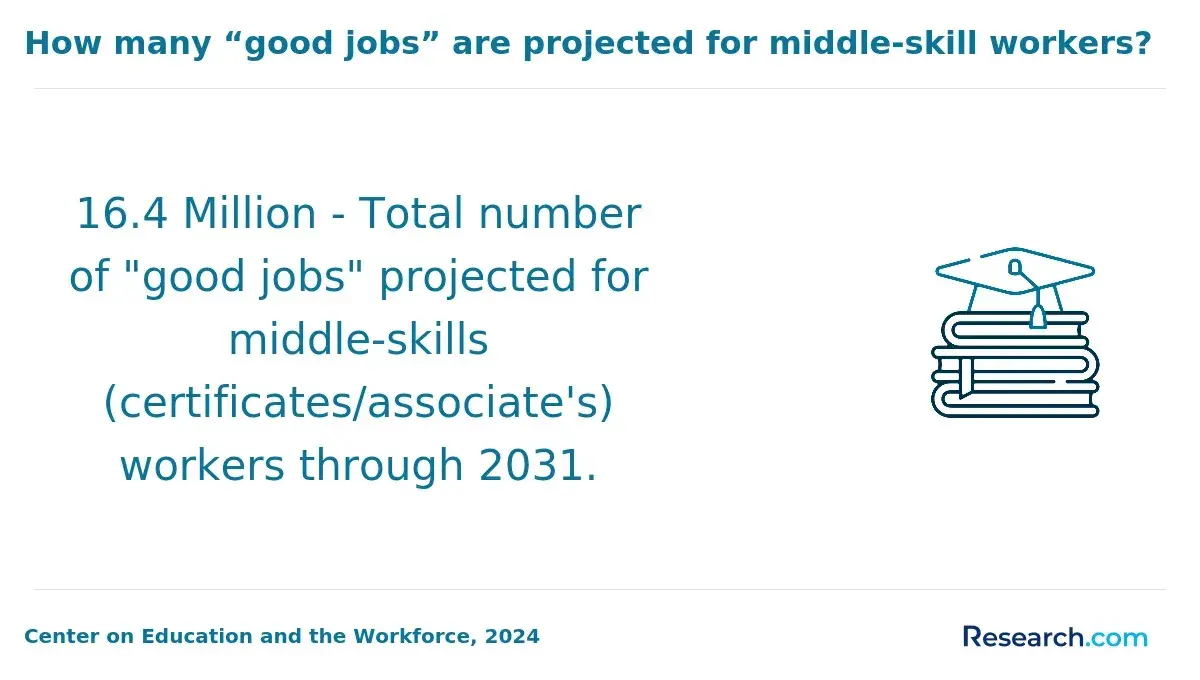
Graduates with a sports management degree often find opportunities beyond traditional sports organizations, gaining roles in various sectors that remain stable during economic downturns. Employment in sports-related administrative roles is expected to increase by 8% over the coming decade, reflecting strong demand for these skills across multiple industries. Below are key fields where sports management graduates can leverage their expertise:
- Public and Community Recreation: Professionals support the operation of parks, community centers, and youth sports programs that usually retain funding due to their importance in promoting well-being and social interaction. Roles like program coordinator or facility manager focus on maintaining engagement and smooth facility operations.
- Healthcare and Wellness: These graduates contribute to preventive health efforts by managing wellness programs and coordinating patient activities linked to physical therapy and rehabilitation. Their background in sports helps align treatment and fitness initiatives with growing demand in these areas.
- Education: University sports programs continue to prioritize competitive athletics and compliance, providing career paths such as athletic director or recruiting coordinator. Graduates help sustain the operational and regulatory integrity of collegiate sports departments.
- Sports Marketing and Media: Despite market changes, interest in sports content remains strong, ensuring persistent opportunities in sponsorship management, event promotion, and sports analytics. Graduates apply skills in fan engagement and brand partnerships to maintain audience loyalty.
Speaking with a professional who graduated from an online sports management bachelor's program revealed the challenges of entering a diverse job market. He noted that "initially, navigating roles outside of direct sports franchises required learning new industry-specific standards while applying foundational sports management principles." He found that "adapting communication skills and strategic planning helped bridge gaps between sectors." His experience underscores how versatility and persistence play vital roles when seeking career stability in fields beyond traditional sports organizations.
How do public vs. private sector roles differ in stability for Sports Management graduates?
Sports management roles within the public sector-such as government agencies, universities, or nonprofit organizations-tend to offer greater job stability during economic slowdowns. These positions benefit from reliable funding sources and often include protections like healthcare and pension plans. Publicly funded sports initiatives typically maintain operations despite market shifts, making these jobs less vulnerable to recessions.
In contrast, private sector opportunities-in corporate sports companies, professional teams, or startups-may provide higher salaries and quicker advancement but come with heightened exposure to economic fluctuations. Budget cuts and layoffs are more common when financial pressures increase. Still, the private sector's adaptability often leads to innovative career options during recovery, especially in sports marketing, media, and tech-driven fields.
Ultimately, graduates should consider their comfort with risk and career priorities. Those seeking long-term security and steady progression might lean toward public sector roles, while individuals aiming for rapid growth and higher earnings might embrace the private sector's volatility. Evaluating personal goals around stability versus expansion will guide the best fit within sports management careers.
Which states have the highest demand for Sports Management graduates?
Location greatly influences job stability for sports management graduates, as some areas serve as key industry centers. The following states provide strong opportunities that tend to withstand economic fluctuations:
- Florida: Florida offers a concentration of sports-related roles fueled by a booming tourism industry and numerous professional teams. Its warm climate supports year-round sporting events, requiring skilled professionals in venue coordination, marketing, and team operations.
- Texas: Texas's diverse economy supports professional and collegiate sports across major cities like Dallas, Houston, and Austin. The state's rising population and corporate backing create a reliable job market for sports management positions, including emerging esports organizations.
- California: California leads with its mix of prominent sports franchises and a broad entertainment sector. The state's varied economy and participation in international events enhance demand, while advances in sports marketing technology further boost career prospects.
Studies show these states have a location quotient over 1.5 for sports management jobs, meaning they have more than 50% higher concentration compared to the national average. This higher concentration reflects a stronger buffer against economic downturns, making careers here more resilient than in other regions.
Are there certifications that can make Sports Management careers recession-proof?
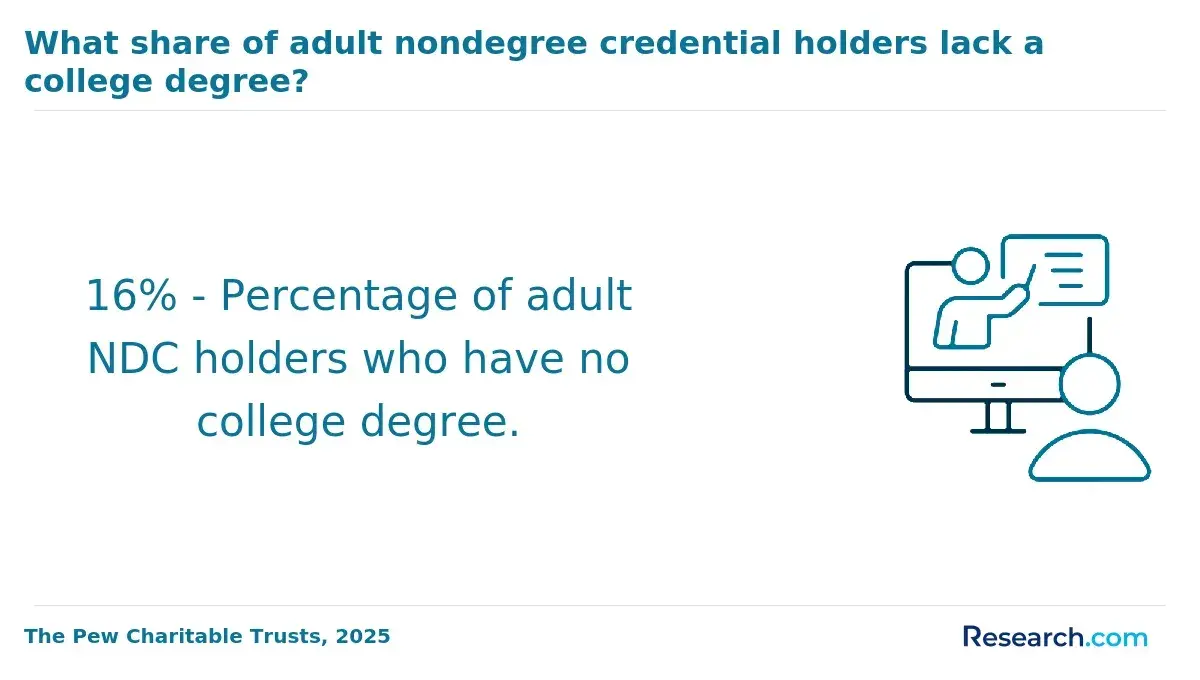
Post-graduate credentials and continuing education serve as a layoff shield in sports management by validating specialized, high-demand expertise. Research shows that sports management professionals holding at least one certification experience a 22% higher employment retention rate during recessions compared to non-certified peers. The following certifications can help create recession-proof careers in this competitive field.
- Certified Sports Event Executive (CSEE): Offered by the National Association of Sports Officials, this credential focuses on expertise in managing sports events-a consistently in-demand area due to steady attendance and sponsorship. Event coordinators and facility managers benefit significantly from this certification.
- Certified Athletic Administrator (CAA): This designation targets leadership roles in educational sports programs. It emphasizes administration, compliance, and financial management, essential skills for athletic directors and program managers navigating budget constraints during economic downturns.
- Certified Digital Marketing Professional: Provided by the Digital Marketing Institute, this certification is increasingly valuable for sports marketing and analytics professionals. Organizations rely on online engagement and data-driven strategies to boost revenue streams less affected by ticket sales fluctuations.
- Project Management Professional (PMP): Widely recognized across industries, PMP equips directors and coordinators with skills to successfully lead complex projects under tight deadlines and budgets, a critical asset for managing sponsorships and infrastructure initiatives.
In addition to certifications, pursuing specialized education through online schools for real estate and other related fields can broaden career options. Embracing these top certifications to enhance job security in sports management helps professionals build durable, recession-resistant careers with increased stability and opportunity.
Are there skills that Sports Management graduates should learn to improve their job security?
Consistently developing new skills can make sports management professionals harder to displace during economic downturns and organizational shifts. The following capabilities can notably enhance job security in this competitive field.
- Financial Literacy and Budgeting: Understanding financial principles helps sports management graduates oversee cost control and optimize revenue streams. These skills are especially valuable in roles focused on organizational sustainability and fiscal planning.
- Digital Marketing Expertise: Proficiency with social media and digital campaigns allows professionals to engage fans effectively and boost brand visibility. These abilities support positions in marketing departments and media relations.
- Data Analytics: Employing data-driven approaches enables better decision-making around audience engagement and sponsorship strategies. Sports management careers benefit greatly from this skill, given the industry's emphasis on performance metrics.
- Event Management: Managing logistics, vendor relations, and contingency plans remains crucial for coordinating successful sporting events. Mastery in this area secures roles involving operational oversight and event production.
- Leadership and Communication: Strong interpersonal skills empower graduates to lead teams and manage stakeholder relationships efficiently. These competencies are essential across a range of sports management positions where collaboration is key.
Pursuing essential certifications for sports management graduates can further validate these skill sets and increase career resilience. For those considering advanced education, a doctorate in leadership online offers a pathway to deepen expertise and broaden professional opportunities within and beyond the sports industry.
Does the prestige of the institution affect the recession-resistance of a Sports Management degree
Graduating from a prestigious school often provides a tangible advantage in securing stable jobs within sports management. Employers frequently associate institutional reputation with the quality of education and the readiness of candidates-this perception can act as a filter in competitive hiring environments. Well-known programs are also often connected to established sports organizations, which may prioritize recruiting from these schools.
Beyond prestige, attending the right school can significantly expand a graduate's professional network. Strong alumni connections and faculty ties to industry leaders open doors to internships, mentorships, and job placements that might not be as accessible otherwise. Access to exclusive career resources and events tailored to sports management students enhances these opportunities further, making the post-graduation transition smoother.
Nonetheless, graduates from any accredited sports management program can maintain competitiveness by demonstrating proven performance and continuous skill development. Practical experience, certifications, and a proactive approach to career networking remain crucial factors in overcoming potential limitations related to institutional prestige.
How can Sports Management students ensure they meet current job market demands?
Aligning academic study with the shifting demands of the sports management field is vital for enhancing employability and securing stable job prospects. Students must take deliberate steps to build applicable expertise that resonates with today's employers. Below are practical approaches to strengthen career readiness in this evolving sector:
- Internship Experience: Obtain placements within sports organizations or agencies to gain firsthand exposure and develop professional networks. Internships offer a crucial link between classroom concepts and industry realities.
- Competitive Simulations: Engage in case competitions or business simulations related to sports to sharpen strategic decision-making and problem-solving abilities under pressure.
- Leadership Roles: Take initiative in extracurricular activities such as organizing campus sports events or volunteering in community programs to demonstrate management and organizational strengths.
- Technological Skills: Cultivate command of digital marketing tools and data analytics software, reflecting how technology increasingly shapes sports business operations.
- Portfolio Development: Assemble a collection of impactful projects that quantify contributions-like enhancing fan engagement or streamlining event logistics-to showcase measurable results to potential employers.
When asked how sports management students can adapt to job market requirements, a professional with an online bachelor's degree in the field shared candid reflections. He recalled moments of uncertainty juggling coursework with remote internship tasks during the pandemic-"It was challenging to prove my value when not physically present, but I learned to communicate effectively and manage projects independently." He emphasized the importance of flexibility and persistence, stating, "Employers want candidates who can navigate ambiguity and deliver results without hand-holding." His experience highlights that surpassing academic demands with real-world problem-solving fosters resilience and positions graduates as attractive hires in a competitive landscape.
Do recession-resistant Sports Management careers pay well?
Sports management professionals in recession-resistant roles typically earn competitive salaries, with average annual pay ranging from $65,000 to $90,000. This salary range surpasses many other fields during economic downturns, reflecting the specialized skills and strategic importance of careers such as sports analytics, athletic administration, and sports marketing. Notably, the earning potential in recession-resistant sports management roles remains attractive even amid fluctuating economic conditions.
Among recession-proof sports management jobs, careers in sports analytics and facility management tend to be more lucrative due to growing reliance on data-driven strategies and operational expertise. Meanwhile, roles in broader athletic administration or grassroots sports marketing may offer stable employment but typically with lower salaries. Annual income growth rates for these positions, around 3.8%, slightly outpace average inflation, preserving buying power over time.
Earnings in sports management can vary significantly depending on factors such as industry sector, company size, geographic location, and credentials. Specialized certifications often enhance compensation by 10% to 15%, providing a premium for niche expertise. Long-term returns on investment remain strong-especially for those willing to expand skills in emerging markets or digital platforms. Prospective students interested in maximizing their career prospects can also consider pathways such as an MLIS degree to complement their sports management foundation and enhance their versatility across related sectors.
What Graduates Say About Their Career After Getting a Degree in Sports Management
- Lawrence: "Pursuing a sports management degree was a strategic choice for me, as I wanted a career that combined my passion for athletics with strong business fundamentals. The program's focus on organizational skills and industry insights made me confident to navigate the sports world, especially in roles that remain stable even during economic downturns. This degree not only broadened my network but also gave me the tools to adapt in a recession-resistant environment."
- Yitzchok: "Reflecting on my journey, I see how crucial my sports management education was in preparing me to manage risk and lead under pressure-skills essential to recession-resistant jobs. I chose this field because it offers diverse career paths beyond just sports, including event management and marketing, which are resilient sectors. The comprehensive coursework helped me develop a versatile skill set that employers value highly, ensuring steady employment."
- Cameron: "My decision to study sports management stemmed from a desire to build a future-proof career within the sports industry. The program's emphasis on finance, leadership, and strategic planning gave me a competitive edge in securing roles that withstand economic shifts. Thanks to this degree, I've been able to thrive in positions that not only align with my interests but also offer long-term job security."
Other Things You Should Know About Sports Management Degrees
Technology has enhanced data analytics, fan engagement, and virtual event management within sports, which creates new job roles less vulnerable to economic swings. Professionals skilled in using digital platforms and analyzing sports data can support organizations in maximizing revenue and fan experiences, maintaining demand even during recessions.
Yes, active participation in industry networks and professional associations provides access to job leads, professional development, and mentoring opportunities. These connections help sports management graduates stay informed about sector trends and openings, increasing their resilience during downturns by broadening their career options.
Internships and hands-on experience are critical in sports management as they demonstrate practical skills and industry knowledge to employers. Candidates with proven experience are more likely to secure and retain positions during recessions because they can immediately contribute to organizational goals without requiring extensive training.
References
- Public vs Private Sector Careers: Salary, Stability, Benefits, and How to Choose https://www.crawljobs.com/blog/public-vs-private-sector-jobs-career-guide/
- Recession-Proof Jobs That Thrive During Downturns https://create.fit/blogs/recession-proof-jobs/
- Sports Management Salary Stats - What You’ll Earn (2023) https://sportsmanagementdegrees.net/salary/
- Recession Proof Careers | WorkInSports Podcast https://www.workinsports.com/resourcecenter/jobseeker/pages/worried-about-a-recession-heres-what-you-can-do
- Sports Management Salary Guide https://www.allbusinessschools.com/sports-management/salary/
- Eight careers you can pursue with a Sport Management Degree - SMWC https://www.smwc.edu/eight-careers-you-can-pursue-with-a-sport-management-degree-blog-november-22/
- What are the career options after a master's degree in sports management? - INSEEC https://www.inseec.com/en/guides/career-path-guide/what-are-the-career-options-after-a-masters-degree-in-sports-management/
- Unlocking the Value of Work-Ready Skills From Sports https://www.jff.org/blog/unlocking-the-value-of-work-ready-skills-from-sports/
- Sports Management Salary - Sports Management Degree Guide https://www.sports-management-degrees.com/salary/
- Why Youth Sports Are Recession-Proof | The Sports Facilities Companies https://sportsfacilities.com/blog/why-youth-sports-are-recession-proof/


