
2027 Is a 2-Year Sports Management Degree Worth It: Accelerated Bachelor's ROI & Time Trade-Offs

Co-Founder and Chief Data Scientist
Many prospective students face uncertainty about whether a 2-year sports management degree offers sufficient career benefits compared to traditional four-year programs. With the sports industry projected to grow by 8% through 2030, efficient education pathways are increasingly valuable.
This article examines the return on investment (ROI) and time trade-offs of accelerated bachelor's programs in sports management. It offers a practical analysis to help students decide if the condensed timeline aligns with their professional and financial objectives.
Key Benefits of a 2-Year Sports Management Degree
- Accelerated 2-year sports management degrees allow quicker entry into the workforce, increasing potential lifetime earnings by reducing time spent studying versus standard 4-year programs.
- Cost savings on tuition and living expenses improve ROI, as shorter programs typically require less financial investment, lowering student debt burdens.
- Graduates report strong job placement rates in sports-related roles, with demand for qualified professionals growing by 9% annually, enhancing career advancement opportunities.
How Do 2-Year Sports Management Programs Work?
Two-year sports management programs offer an accelerated path to completing a bachelor's degree by condensing the usual four-year curriculum into half the time. These programs attract students who seek to enter the workforce quickly or manage career shifts efficiently.
Understanding the program's structure is crucial for those considering an accelerated degree path, as the coursework and pacing differ significantly from traditional options.
Below is a breakdown of how these programs operate.
- Accelerated pacing: These programs compress the academic timeline, requiring students to maintain a heavier credit load per term, often between 15 to 18 credits, compared to the 12 to 15 credits typical of traditional sports management programs.
- Year-round enrollment: Students often enroll in continuous terms, including summer and winter sessions, which supports the accelerated 2-year sports management degree structure by eliminating long breaks and increasing course availability.
- Condensed course terms: Classes usually run 8 to 10 weeks, shorter than the traditional 15-week semester. This demands strong time management and consistent effort due to the intensive nature of the coursework.
- Instructional format: Programs combine lectures, case studies, and practical projects delivered through in-person, online, or hybrid models, making them accessible for working adults and non-traditional learners.
- Assessment methods: Frequent quizzes, projects, and exams are common to ensure steady progress and mastery of content throughout each intensive term.
- Curriculum progression: Students must complete prerequisite courses promptly and sustain a steady credit completion rate to graduate within the condensed timeframe.
Prospective students should carefully assess the intensive coursework and workload in sports management programs to determine if the pace aligns with their personal and professional commitments.
According to the National Center for Education Statistics, accelerated bachelor's degrees can reduce overall tuition and living expenses by 1.5 to 2 years. Graduates benefit from entering a growing sports management field, projected to expand about 10% in the next decade, earlier than their peers.
For those weighing educational investments, comparing options like the cheapest online pharmacy school can provide insight into how accelerated programs across fields balance cost and time savings.
What Are the Admission Requirements for a 2-Year Sports Management Degree?
For students considering an accelerated bachelor's in sports management, understanding admission requirements is crucial to determine if they can meet program expectations and manage the workload effectively.
Knowing these criteria helps prospective students assess whether the time commitment and educational investment align with their career goals.
Below is a detailed breakdown of common admission guidelines for a 2-year sports management degree.
- Prior Education: Most programs require a high school diploma or an equivalent credential such as a GED. This foundational requirement ensures readiness for advanced, fast-paced coursework in an accelerated setting.
- GPA Expectations: While requirements vary, many institutions expect a minimum GPA of about 2.0 to 2.5 on a 4.0 scale. More competitive programs may set higher standards to select candidates likely to succeed in a condensed curriculum.
- Standardized Tests: The SAT or ACT is increasingly optional as many schools adopt test-optional policies, yet some institutions still consider these scores, especially for applicants with lower GPAs.
- Prerequisite Courses: Students may be required or advised to complete courses in core subjects like English and math. These courses help ensure they have the academic foundation needed for specialized sports management classes.
- Relevant Work Experience: Experience in sports, recreation, or related fields can strengthen applications but is generally not mandatory. Admissions committees often value personal statements or interviews to evaluate applicants' motivation and fit.
Those looking into requirements for enrolling in accelerated sports management programs should also consider the potential benefits of faster degree completion, which can save one to two years compared to traditional four-year tracks.
For additional educational options that may complement sports management interests, explore accredited medical billing and coding schools online with financial aid.
What Does a Typical Week Look Like in a 2-Year Sports Management Program?
Grasping the weekly demands of an accelerated 2-year sports management program helps students weigh if the intensity and pace align with their personal and professional goals. Such understanding reveals how coursework, collaboration, and time investment intertwine to prepare graduates for the industry.
Below is an overview of common weekly elements shaping the program experience.
- Class sessions and lectures: Most students attend three to five classes weekly, often combining in-person and virtual formats that offer scheduling flexibility while maintaining rigorous coverage of topics.
- Assignments and assessments: Regular tasks include case studies, research papers, and project reports designed to sharpen analytical skills and apply concepts to actual sports management challenges.
- Group work: Collaborative projects mimic real-world team dynamics, requiring strong communication and joint problem-solving, integral for industry readiness.
- Independent study: A substantial portion of time is dedicated to self-guided reading, revisiting lectures, and exam prep, essential for mastering a condensed curriculum.
- Interaction with instructors: Students frequently engage with faculty through office hours, discussion boards, or online meetings to clarify material and obtain meaningful feedback.
- Time management: Balancing intensive coursework alongside personal and work commitments demands careful planning to meet deadlines and absorb complex topics efficiently.
The graduate I spoke with described the program as "intense but incredibly rewarding," emphasizing that "the biggest challenge was maintaining focus with overlapping deadlines and group responsibilities."
He explained how scheduling weekly reviews and early communication with teammates made the workload manageable. "It wasn't just about studying hard, but studying smart," he noted, highlighting how developing discipline and adaptability were crucial lessons beyond the classroom.
Are 2-Year Sports Management Programs Available Online?
Choosing the delivery format is crucial for students pursuing an accelerated sports management degree, as it impacts flexibility, accessibility, and how they manage their time. Online options in particular can offer significant advantages for busy learners balancing work and study.
The following points outline key features of these programs to help students make informed decisions.
- Fully Online vs. Hybrid: Programs may be entirely online or combine virtual classes with occasional in-person sessions, providing options to fit various schedules and learning styles.
- Asynchronous and Synchronous Learning: Many courses use a mix of asynchronous materials accessed anytime and synchronous sessions requiring live participation, allowing students to balance flexibility with real-time interaction.
- Technology Requirements: A dependable internet connection, a computer with video capabilities, and access to a learning platform are essential for successful participation in online sports management programs.
- Student Support Services: Online students often receive virtual advising, tutoring, and career counseling to maintain engagement and aid academic progress despite the remote setting.
- Impact on Pacing and Engagement: Completing a sports management degree in two years online demands self-discipline and motivation; while flexible scheduling can reduce degree completion time, limited face-to-face interaction may affect networking and peer connections.
How Much Does a 2-year Sports Management Degree Cost?
Evaluating the total cost of an accelerated sports management degree is essential to determine its return on investment (ROI). Such programs compress coursework into a shorter timeframe, which affects tuition payments and other associated expenses.
A clear understanding of these costs helps prospective students balance financial and career goals effectively.
- Tuition fees: Accelerated degrees typically charge tuition per credit hour, but the condensed schedule means students often take more credits simultaneously. This can lead to higher semester tuition fees compared to traditional programs, impacting overall payment timelines.
- Additional fees: Besides tuition, students may encounter enrollment fees, technology access charges, lab or practicum expenses, and sometimes mandatory software subscriptions relevant to the sports management field.
- Textbooks and learning materials: Due to the faster pace, students often need to acquire textbooks and other materials more quickly, which can increase upfront costs compared to a four-year program.
- Technology and lab costs: Certain courses require specialized equipment or software, driving up indirect expenses. These costs sometimes come as mandatory fees or separate purchases, especially in applied sports management modules.
- Cost efficiency of accelerated pacing: Although upfront semester costs might be higher, accelerated programs often reduce indirect expenses such as housing and transportation by shortening the time enrolled.
Those comparing these expenses should also explore allied fields and certifications, like the medical billing and coding certification, to assess alternative career investments and costs.
Can You Get Financial Aid for 2-Year Sports Management Programs?
Financial aid plays a crucial role for students deciding on an accelerated 2-year sports management program. Knowing which funding options apply can ease financial worries and support timely degree completion.
Below is a breakdown of common aid types and considerations unique to faster-paced programs.
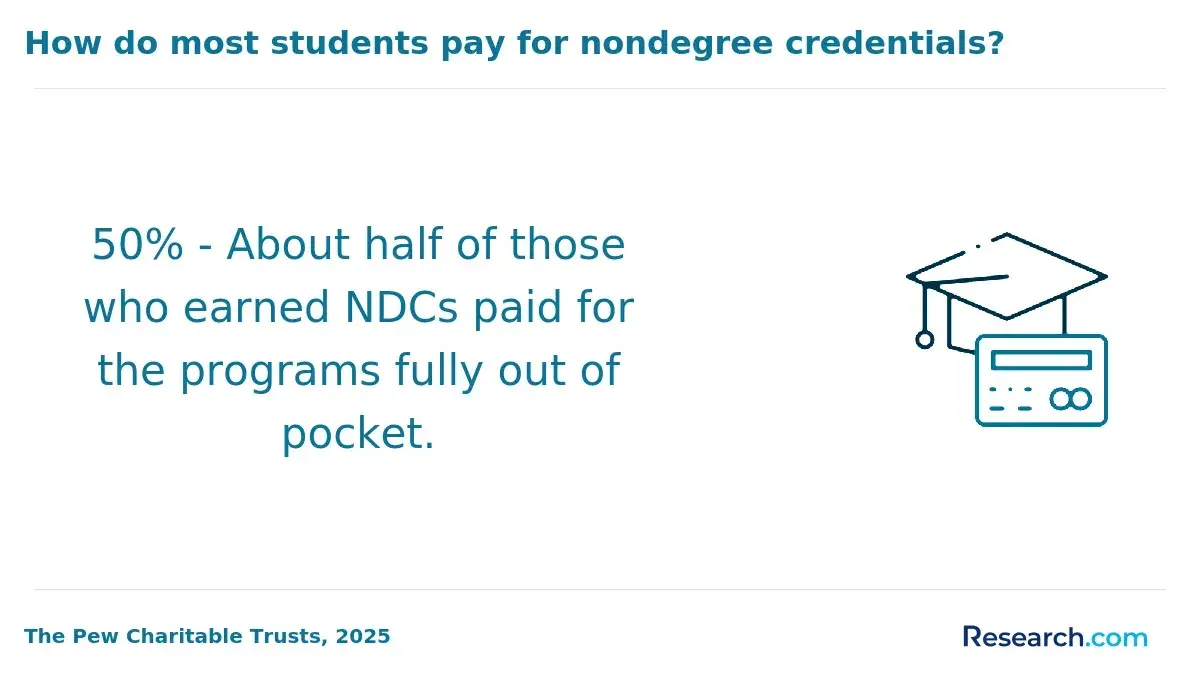
- Federal Student Aid Eligibility: Most 2-year programs qualify for federal aid like Pell Grants and Direct Loans, provided they are accredited and students enroll at least half-time. However, accelerated terms may alter when funds are disbursed, requiring students to closely monitor payment schedules.
- Scholarships and Grants: Many community groups, sports foundations, and private donors offer scholarships targeted to sports management or related disciplines. Award criteria and amounts vary, so actively searching and applying is essential to maximize these opportunities.
- Employer Tuition Assistance: Working adults can often tap into tuition benefits offered by employers, especially when enrolling part-time or online. These programs help offset costs without adding to student debt.
- Institutional Payment Plans: Some schools provide payment plans that divide tuition into monthly installments. Confirming that such plans accommodate accelerated calendars helps keep payments manageable without accruing interest.
- Impact of Accelerated Pacing: Completing a degree faster may reduce total tuition and living expenses but can alter financial aid timelines and eligibility. Students should plan carefully to align funding disbursements with the condensed academic schedule.
I recently spoke with a professional who completed an accelerated bachelor's degree in sports management within two years. She shared that navigating financial aid was both a challenge and a vital part of her journey. "I had to stay on top of deadlines and make sure my FAFSA applications reflected my accelerated status," she explained.
Receiving a combination of federal aid and a community sports scholarship helped alleviate the financial pressure significantly. She also utilized a payment plan offered by her institution to spread out costs, which made budgeting easier during an intense course load.
Reflecting on her experience, she noted, "It wasn't always easy juggling school and finances in such a short period, but the financial aid options available definitely made finishing in two years possible and less stressful."
What Jobs Can You Get With a 2-Year Sports Management Degree?
When evaluating the value of an accelerated sports management bachelor's degree, understanding the potential career outcomes is essential. This insight helps prospective students align their education choices with their professional goals, especially in a competitive job market.
Below is an overview of common career opportunities with a 2-year sports management degree and how the program prepares graduates for these roles.
- Sports Marketing Assistant: Graduates often start by supporting promotional campaigns and sponsorship activities within sports organizations. This role develops marketing skills specific to the sports industry and fosters collaboration across departments.
- Event Coordinator: Managing logistics for sports events is a key duty in this position. Early-career professionals gain hands-on experience planning and executing events, which builds organizational and problem-solving abilities.
- Facility Manager: Overseeing the operation and maintenance of recreational or sports facilities is a common path. Skills learned through the accelerated degree enable graduates to handle day-to-day management tasks effectively.
- Operations Assistant: Supporting administrative and operational functions in sports organizations helps build a foundation in workflow coordination. This entry-level role is critical for understanding the business side of sports management.
- Industry Placement: Many graduates find employment with professional sports teams, collegiate athletic departments, fitness centers, or sports marketing agencies. The curriculum's focus on practical skills such as sports law and marketing strategies enhances workforce readiness and skill application.
The accelerated format of the degree allows students to enter the labor market faster, saving an average of two years compared to traditional programs. This quicker completion can reduce both time and tuition costs by up to 50%, according to data from the National Center for Education Statistics, offering earlier career progression.
For those considering their options, it's worth comparing costs with other fields of study, such as the cheapest online nursing programs, to evaluate return on investment.
Demand in sports management is expected to grow as organized sports and recreation programs expand, supporting robust employment prospects for those focused on entry-level sports management jobs.
How Do Salaries Compare for 2-year Sports Management Degree vs. Traditional Bachelor's Degrees?
Salary outcomes are a crucial factor when evaluating the return on investment (ROI) of accelerated versus traditional degree paths in sports management. Comparing earnings can help prospective students decide whether a faster, lower-cost program aligns with their financial and career goals.
Below is a detailed comparison of salary expectations for graduates holding 2-year sports management degrees versus those with traditional bachelor's degrees.
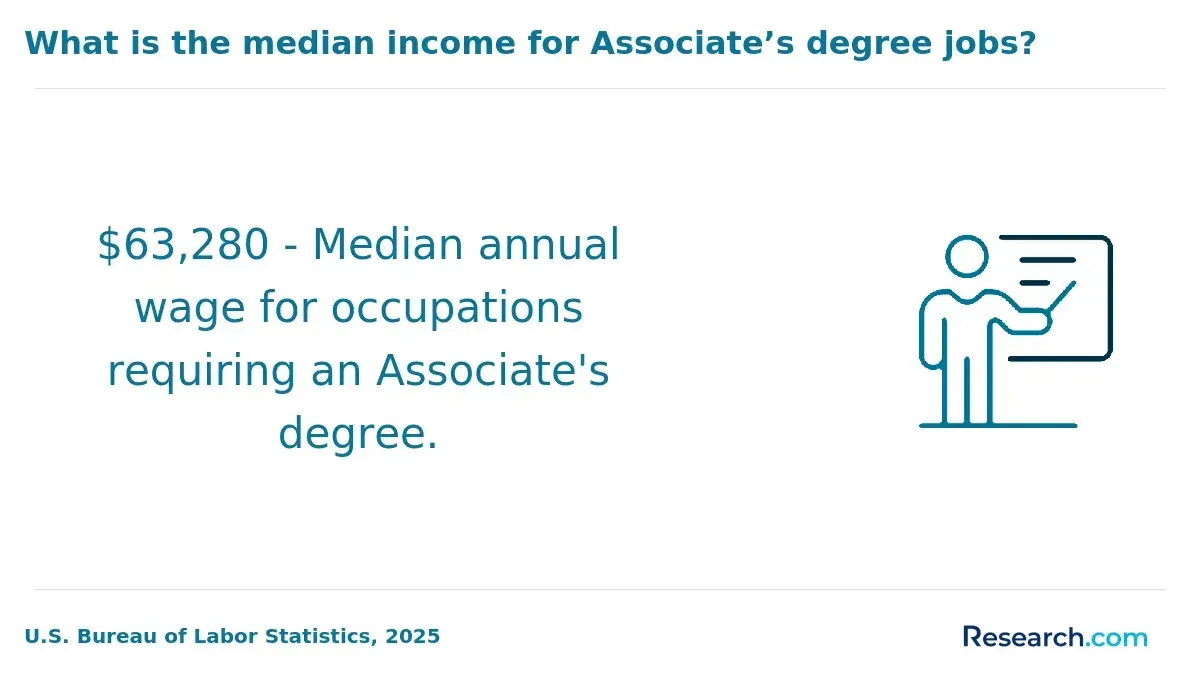
- Early-Career Earnings: Entry-level salaries for graduates with a 2-year sports management degree generally range from $35,000 to $45,000 annually. In contrast, individuals with traditional bachelor's degrees often start higher, between $45,000 and $55,000.
- Long-Term Earning Potential: Bachelor's degree holders typically experience more robust salary growth, with mid-career median salaries approaching $70,000 to $80,000 in sports-related occupations. Meanwhile, associate degree holders often see slower increases.
- Employer Perception and Advancement: Employers tend to favor candidates with bachelor's degrees for promotions and advanced positions, which can lead to faster career progression. Those with 2-year degrees may face extended timelines for advancement unless they pursue further education.
- Accelerated Workforce Entry: Graduates from 2-year programs benefit from entering the workforce 1-2 years earlier, potentially offsetting some salary differentials through cumulative earnings.
- Cost Savings and Financial Impact: Accelerated degrees reduce tuition and living expenses upfront, which can improve short-term financial stability. For some, this trade-off aligns with priorities, especially when compared to more expensive, longer bachelor's programs similar to cheap rn to bsn online programs.
Evaluating these factors alongside the traditional bachelor's degree vs accelerated sports management earnings debate helps individuals make informed decisions based on personal goals and financial realities.
Which Factors Most Affect ROI for Accelerated Sports Management Degrees?
Evaluating the return on investment (ROI) for accelerated sports management degrees is essential for students balancing educational expenses against future career prospects. Making an informed choice depends on understanding how various elements impact both costs and earnings over time.
The following points highlight these critical factors in detail.
- Reduced time-to-completion: Accelerated programs shorten the usual four-year timeline to two or three years, cutting tuition and other related costs. This also enables students to begin their careers sooner, decreasing the period without income.
- Tuition and overall expenses: While the cost per credit hour may match traditional programs, the condensed format often lowers total expenses, including housing and fees. However, some programs may charge higher rates due to their intensive schedule, which can offset potential savings.
- Opportunity cost savings: Completing the degree faster allows earlier entry into the workforce, limiting lost wages during study. Given that sports management graduates tend to earn significantly more than those without a degree, this accelerated pathway can enhance lifetime earnings.
- Employment prospects and salary progression: The sports management sector is expected to grow steadily, offering consistent job opportunities. Graduates benefit from developing a range of marketable skills that support upward salary mobility and career growth.
- Industry demand stability: Growth projections indicate a stable need for professionals in sports-related roles over the next decade, supporting positive employment outcomes for program completers.
- Transferable skills acquired: Accelerated curricula often emphasize versatile competencies like marketing, event coordination, and data analysis, which increase adaptability across various positions in the sports industry.
How Do You Decide If a 2-year Sports Management Degree Is Right for You?
Deciding if a two-year sports management degree fits your needs involves reflecting on your learning preferences, time constraints, and career goals.
Accelerated programs require strong discipline and the ability to handle an intensive workload quickly. If you manage stress well and need to balance studies with family or work, a shorter program may be advantageous.
Consider how urgent it is for you to enter or progress in the sports management field, as this path offers faster access but demands readiness for rapid learning. Assess whether you can commit to an intense schedule without sacrificing the depth of knowledge you need for your ambitions.
From a financial perspective, a two-year program can be significantly less expensive than the traditional four-year alternative, potentially cutting tuition and living costs by half.
While cost savings are appealing, weigh them against possible earning potential and employer expectations, which often include practical experience alongside formal education.
Median salaries in sports management are promising, yet some employers may prefer candidates with more specialized training or advanced degrees down the line. Reflect on how this accelerated path aligns with your long-term career flexibility and whether it supports your professional advancement beyond initial entry-level roles.
What Graduates Say About Their 2-Year Sports Management Degree
- Jireh: "I chose the 2-year accelerated bachelor's degree in sports management because I wanted to jumpstart my career quickly without sacrificing quality. Balancing the intensive schedule was challenging, but the smaller class sizes and supportive faculty made it manageable. Since graduating, the degree has opened doors for me in event coordination with an average cost of attendance that felt like a strong investment in my future. "
- Henrik: "The decision to pursue a 2-year sports management program was driven by my need for flexibility alongside work commitments. The fast pace required excellent time management, which was tough but rewarding. Reflecting now, I see how this focused education helped me secure a managerial role in a sports facility, making the cost and effort truly worthwhile. "
- Weston: "Completing the accelerated sports management degree in just two years was a strategic move to reduce my time out of the workforce and lower expenses, given the average cost of attendance. The demanding schedule pushed me to develop discipline and resilience, skills that have been invaluable as I advance professionally in sports marketing. I'm grateful for the practical experience the program provided. "
Other Things You Should Know About Sports Management Degrees
Graduating sooner from an accelerated program allows for earlier entry into the job market, offering a potential head start in career growth. However, the condensed curriculum may limit networking opportunities and practical experiences, crucial in sports management. Balancing time savings with skill acquisition is essential.
Completing an accelerated bachelor's program in sports management allows students to enter the job market sooner, potentially gaining work experience earlier. This can be advantageous for building professional connections and developing practical skills.
Nevertheless, some employers may prioritize depth of knowledge over speed, so balancing time savings with program quality is important for long-term career growth.
A 2-year Sports Management degree can be as valuable as a 4-year degree, depending on individual career goals and industry needs. While accelerated programs offer quicker completion, some employers may favor the broader educational experience provided by traditional 4-year degrees. Careful consideration of career objectives is essential.
References
- Master’s in Sport Management Online https://www.bakeru.edu/area-of-study/sports-management-degree/
- Sports Management Degree - Everything you need to know - International Institute Of Sports & Management - IISM Mumbai http://iismworld.com/blog/what-is-sports-management/
- Online Bachelor's Degree Programs in Sport Management | Lindenwood https://online.lindenwood.edu/programs/bachelor-arts-sport-management/
- Is a Sports Management Degree Right for You? · PrepScholar https://blog.prepscholar.com/what-is-sports-management-degree
- Your 2025 Guide to a Career in Sports Management https://www.coursera.org/articles/sports-management
- Types of Sports Management Degrees https://www.allbusinessschools.com/sports-management/degrees/
- Choosing The Right Sports Management Major for your Career | Barton College https://www.barton.edu/choosing-a-sports-management-major/
- Two-year degrees https://www.buckingham.ac.uk/study/undergraduate/two-year-degrees/
- Sports and event management: career paths, salary expectations and future trends https://lesroches.edu/blog/sports-and-event-management-career-paths-salary/
- Accelerated Degrees at University Centre Farnborough, Hampshire - Farnborough College of Technology https://www.farn-ct.ac.uk/adult-learners/courses/accelerated-degrees/3405/


