
2027 Which Sports Management Degree Careers Have the Highest Barriers to Entry?

Co-Founder and Chief Data Scientist
A recent graduate aiming for a high-level role in sports agent management quickly found the path blocked by stringent certification processes and extensive licensing requirements. Roles like these often demand not only a bachelor's degree in sports management but also significant industry experience and professional credentials.
According to the Bureau of Labor Statistics, employment in sports-related management roles is projected to grow just 4% through 2032, increasing competition. Understanding which sports management degree careers have the highest barriers to entry-and why-can help students strategically plan their education and professional development to improve their chances of success.
Key Things to Know About Sports Management Careers With the Highest Barriers to Entry
- Extensive education, often including master's degrees and specialized certifications, is required for top-tier sports management roles, limiting entry to highly qualified candidates.
- Competitive hiring practices favor applicants with internships and professional networking experience, making access challenging for less connected individuals.
- Strict credentialing and years of relevant experience define eligibility, with many roles demanding proven industry success before consideration.
Which Sports Management Careers Are Hardest to Get Into?
Some careers in sports management demand crossing exceptionally high barriers due to intense competition and extremely limited availability. For example, certain entry-level professional roles see applicant-to-position ratios as steep as 100:1, highlighting the substantial challenge candidates face. This level of selectivity makes these positions some of the most competitive in the field.
Below are some of the sports management careers that are widely considered the most difficult to enter.
- Professional Sports Agent: The pool of licensed agents is very small, as strict limits exist on who may represent elite athletes. Many qualified candidates compete for a few licensing spots and client opportunities, creating a bottleneck in making progress within this career.
- Team General Manager: These leadership roles are rare and typically filled by insiders with established tenure. The low turnover rates and strategic importance of these positions contribute to their exceptional difficulty in entry.
- Sports Marketing Director: Executive marketing roles in major sports organizations are limited and require a proven history of delivering tangible results. The scarcity of such roles and high performance expectations raise the level of competition significantly.
- Athletic Director at Division I Universities: These prestigious posts involve a small number of openings and attract a highly competitive candidate pool focused on top-tier collegiate sports programs. This combination makes breaking into these roles especially challenging.
- Event Operations Manager for Major Sports Events: Large sports events require select individuals to manage operations, with only a few positions available. The rigorous selection process and limited capacity increase the difficulty of entry greatly.
Those aiming for the most competitive sports management jobs in North America should be prepared for these challenges, as the limited positions combined with high demand require perseverance and strategic positioning. Students interested in advancing within these demanding paths may also consider exploring related options, such as pursuing an SLP online masters program, to diversify their qualifications and career flexibility.
What Academic Requirements Make Sports Management Careers Harder to Enter?
Academic requirements in sports management careers often create significant barriers, especially when advanced education or specialized study is necessary. Many positions demand extended periods of study or higher degrees, limiting accessibility for many candidates. Research shows that about 40% of sports management-related jobs prefer applicants holding a master's degree or higher, emphasizing this academic expectation.
The following academic factors contribute to the challenges in entering some sports management roles:
- Advanced Degrees: Senior positions frequently require a master's degree in sports management, business administration, or related fields. Pursuing these degrees can take two or more years beyond a bachelor's, delaying workforce entry at higher levels.
- Specialized Coursework: Programs emphasizing areas like sports law, facility management, finance, and marketing often include courses not found in general sports management studies. This specialization limits eligibility for positions needing technical expertise.
- Extended Study Timelines: Combined degree programs or those involving substantial research components can span multiple years, increasing the time and effort before entering the field.
- Capstone and Thesis Requirements: Completing a thesis or capstone project demands significant research and writing, potentially prolonging graduation and discouraging candidates without strong academic research experience.
- Prerequisite Backgrounds: Some advanced sports management programs require prior knowledge in business, economics, or kinesiology, which might necessitate completing additional undergraduate credits before admission.
These academic demands raise both the time commitment and qualifications needed, shaping the career paths of those pursuing roles with higher educational barriers in sports management.
What Certifications Are Required for Sports Management Careers?
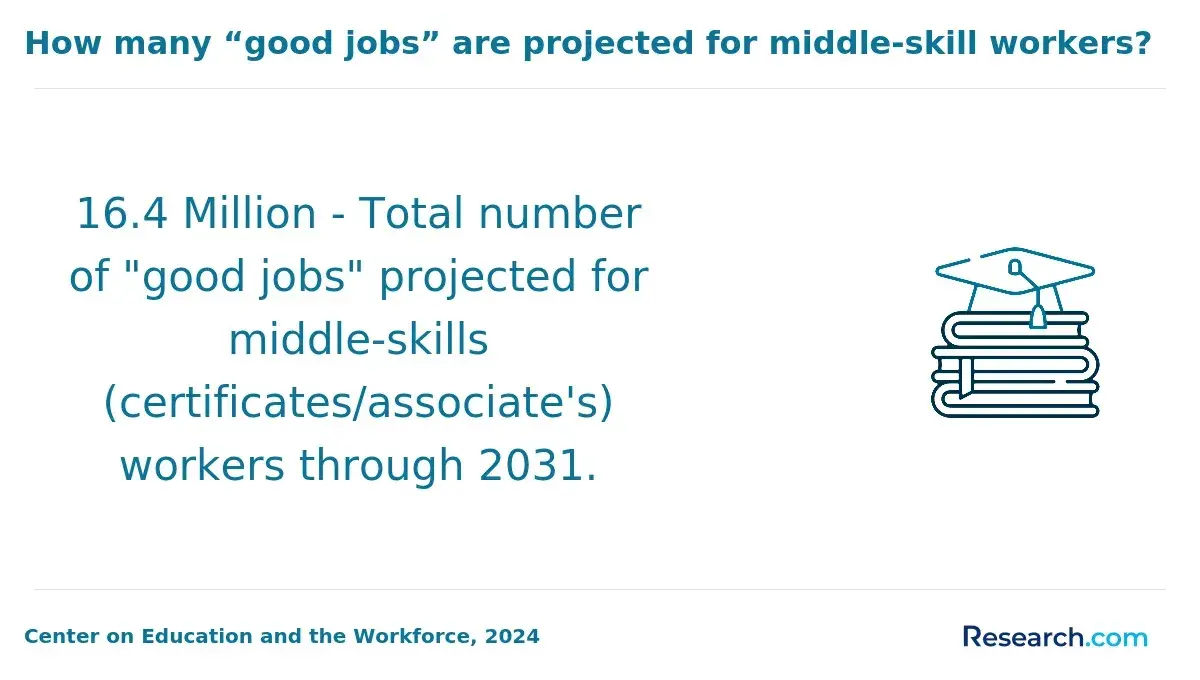
Certifications often act as essential prerequisites in many sports management careers, ensuring professionals meet established industry standards. They serve as mandatory credentials that validate expertise and enable specialization in specific roles. Recent data shows that nearly 45% of positions in sports management require official certification or licensure.
Several key certifications exemplify these formal requirements and help define entry barriers within the field:
- Certified Sports Manager (CSM): This credential confirms a broad understanding of sports management concepts, including areas like finance, operations, and legal issues. It acts as a standard measure of competence for those seeking managerial roles.
- Certified Athletic Administrator (CAA): Targeted at professionals overseeing athletic programs, this certification emphasizes leadership, compliance, and program development skills. It establishes a recognized level of expertise necessary for administrative positions.
- Fitness and Wellness Certifications: Examples such as the Certified Strength and Conditioning Specialist (CSCS) are often mandatory for managers working directly with athlete performance and training. These prove proficiency in health and conditioning standards.
- Sports Marketing Certifications: Designed for specialists in marketing and promotion, these credentials validate knowledge in sponsorship, event management, and strategic communications within sports organizations.
A sports management degree graduate shared how navigating certification hurdles shaped his early career. He described the certification exams as rigorous and time-consuming, involving intense preparation to grasp diverse topics. "It wasn't just about passing tests; maintaining certification through ongoing education was equally demanding," he noted. The process, he said, initially felt like a significant obstacle, but ultimately it helped establish his credibility and opened doors in a competitive job market.
How Much Experience Is Required for Competitive Sports Management Jobs?
Experience requirements significantly influence the competitiveness of sports management careers by acting as a gatekeeper for many applicants. Employers use these thresholds to filter candidates, prioritizing those who demonstrate relevant abilities and readiness for demanding roles. This process raises the bar for entry into more selective positions within the industry.
The necessary experience levels for competitive sports management careers generally fall into distinct categories, including:
- Entry Level: These roles usually require little to no hands-on experience, often open to candidates with internships or volunteer involvement. They serve as opportunities for newcomers to gain foundational exposure.
- Early Career: Positions typically call for one to three years of experience in sports-related environments, where candidates show basic operational understanding and skill development.
- Mid Level: Employers seek three to five years of substantial experience managing projects, teams, or events. These roles demand greater autonomy and responsibility.
- Senior Level: Candidates are expected to have five to ten years of extensive experience, including leadership roles focused on strategic oversight and complex program management.
Top sports management positions typically require long-term experience to navigate complexities and decision-making challenges effectively. Those pursuing these paths may also explore fun majors in college that pay well to complement their career goals.
What Skills Are Required for High-Barrier Sports Management Careers?
Careers in sports management with high barriers to entry often demand a combination of advanced and highly specialized skills. These requirements create a competitive landscape where employers prioritize candidates demonstrating strong expertise in specific areas. In fact, a 2023 industry report found that more than 67% of sports management employers favor applicants with specialized skills over general qualifications.
The following skills are particularly important for accessing these selective roles:
- Strategic Leadership: This involves making pivotal decisions that shape the future of sports organizations. Success here requires visionary thinking and the ability to lead diverse teams, making this skill a key factor in raising entry difficulty.
- Financial Acumen: Managing budgets, analyzing revenues, and ensuring financial sustainability are critical. Mastery in financial areas demands detailed knowledge and analytical capability, heightening the expertise needed for these positions.
- Legal and Regulatory Knowledge: Navigating contracts, compliance, and governance demands precision and a thorough understanding of complex rules, adding significant barriers for candidates lacking this expertise.
- Data Analytics: Using data to guide decisions about performance and operations increasingly defines these roles. Proficiency in interpreting analytics elevates the technical skill threshold.
- Communication and Negotiation: Excelling in stakeholder engagement and contract discussions requires keen interpersonal skills, subtlety, and adaptability, intensifying entry challenges.
A professional with a Sports Management degree recalled how mastering these skills felt like navigating a steep learning curve. She shared that early in her career, the pressure to confidently lead strategic initiatives and interpret complex financial data was daunting but rewarding. "You realize very quickly that it's not just what you know, but how you apply it under pressure," she said. The need to continuously adapt communication styles and negotiate effectively often required intense focus and resilience. Her experience highlighted that beyond technical knowledge, the ability to manage uncertainty and build relationships was crucial to overcoming the profession's high entry barriers.
Do Some Industries Have Higher Barriers to Entry Than Others?
Barriers to entry in sports management careers differ widely based on the industry sector involved. Some areas naturally set higher thresholds due to their organizational demands and competitive environments, making it more difficult for newcomers to break in.
The following points highlight industries within sports management that tend to have particularly steep entry challenges:
- Professional Team Management: Operating within elite sports franchises often requires deep-rooted relationships and an established reputation, which act as significant barriers to fresh entrants eager to manage team operations and business affairs.
- Sports Agency and Athlete Representation: Entrants face difficulties building the trust and networks essential for representing high-profile athletes, due to the exclusive and competitive nature of this sector.
- Sports Media and Broadcasting: The need for verified credentials and existing industry connections, combined with intense competition, raises the hurdle for those seeking to enter this segment.
- Event and Venue Management: Managing large-scale sporting events demands familiarity with complex regulatory, logistical, and operational standards, which limits access for less experienced professionals.
- Sports Technology and Analytics: Rapid advancements and highly specialized expertise in this field can exclude individuals lacking access to cutting-edge tools or professional communities, heightening entry obstacles.
Each of these sectors relies heavily on established social networks and institutional trust, making it difficult for less experienced candidates to gain entry. This dynamic underscores how varying industries within sports management can differ significantly in their openness to new professionals.
Do Certain States or Regions Have Stricter Requirements?
Geographic location plays a significant role in determining the entry requirements for careers in sports management. Different states and regions enforce varying regulatory standards, which can affect the ease or difficulty of accessing certain roles. These differences often stem from local workforce policies and legal frameworks.
Approximately 35% of U.S. states impose specific licensing or certification mandates related to sports management fields, highlighting notable regional variation in regulatory demands.
Several key regional factors contribute to stricter entry barriers in sports management careers, including:
- Licensing Requirements: Some states enforce stringent licensing for roles involving athlete representation, event coordination, or facility oversight, setting a higher bar for entry.
- Workforce Regulations: Requirements such as background checks and legal compliance vary widely across regions, influencing who qualifies for positions.
- Urban vs. Rural Demand: Metropolitan areas with established sports markets often implement tougher standards to maintain professional quality, while rural regions may have more flexible demands.
- Continuing Education: Certain states require ongoing education or periodic recertification to ensure sports management professionals stay updated with industry changes.
- Economic Dependence: Regions heavily invested in professional sports franchises tend to apply enhanced scrutiny to credentials, reflecting the sector's local economic importance.
These regional variations emphasize the need for prospective sports management professionals to consider how location influences the regulatory landscape and career accessibility.
How Competitive Is the Hiring Process for Sports Management Careers?
Competition in the hiring process for sports management careers is heavily influenced by the balance of applicant volume, role availability, and employer selectivity. Many candidates compete for a limited number of positions, creating a highly selective environment where application-to-job ratios can exceed 50:1 in certain roles. This intense competition is part of broader competitive hiring trends in US sports management, where organizations seek candidates with specialized skills tailored to their operational needs. Such high selectivity ensures that only a small fraction of applicants advance through each stage of hiring.
This competitiveness varies widely across different types of positions, reflecting diverse hiring dynamics within the field. Entry-level roles may involve broader applicant pools but lower barriers, while senior management and executive jobs undergo multiple interview rounds and rigorous qualification assessments. These career advancement challenges in sports management industry highlight that some roles attract particularly stringent scrutiny due to their strategic importance. For those exploring opportunities, examining aspects like the best online cyber security degrees can also provide insights into navigating similarly competitive fields.
Which Companies Are Hardest to Get Hired by in Sports Management Fields?
Some organizations in sports management are notably selective, often due to their limited vacancies, high standards, or strong reputations. Research shows that top-tier sports entities can receive more than 1,000 applications per position, with acceptance rates falling below 5%. This intense competition highlights why certain careers in sports management fields are more difficult to enter.
Below are categories of employers known as the hardest companies to get hired by in sports management careers:
- Major Professional Sports Leagues and Teams: These organizations operate at the pinnacle of the industry, attracting a large pool of highly qualified applicants. Their global visibility and limited entry-level roles create substantial hiring barriers.
- National Governing Bodies and International Federations: Charged with setting worldwide sports standards, these entities maintain strict hiring criteria reflecting their significant influence and responsibility.
- Specialized Sports Marketing and Management Firms: Firms serving elite clients or handling exclusive sponsorships demand proven track records and top-tier experience, making them highly competitive employers.
- Large Multi-Sport Complexes and Event Organizers: Handling major tournaments requires candidates capable of managing complex logistics and performing well under pressure, leading to rigorous selection processes.
With such stiff competition, those pursuing sports management careers should consider how these top competitive employers in sports management careers shape their professional goals. For individuals exploring related educational paths, options like paralegal online programs may also offer alternative career advantages within the sports industry's legal and administrative sectors.
Do Difficult Sports Management Careers Lead to Higher Salaries?
Careers in sports management with higher barriers to entry often correspond to greater salary potential, reflecting the specialized expertise and leadership responsibilities these roles demand. Typically, executive or senior positions can earn well above $100,000 annually, which is substantially higher than many entry-level jobs. Industry data shows that top-tier professionals in sports management make about 40% more than those in less competitive roles. This broad trend highlights how difficult career paths may lead to better compensation due to the value placed on advanced skills and experience in the field of sports management.
The impact of high barriers to entry on sports management salary outcomes is more complex than a simple correlation. Some demanding careers, such as sports analytics or legal counsel, are financially rewarding, but others in niche or emerging sectors may not offer immediate high pay. Conversely, professions with lower entry obstacles, like event coordination or marketing support, can sometimes provide competitive salaries based on market demand. Students interested in sports management should weigh these nuances by considering both the challenge of entry and the diverse earning possibilities, just as those pursuing a data scientist degree examine their own career investments.
What Graduates Say About Sports Management Careers With the Highest Barriers to Entry
- Lawrence: "Choosing a sports management degree was not an easy decision given the competitive nature of the industry, but I believed that passion and persistence would make a difference. The key insight I gained is that networking and gaining hands-on experience through internships are crucial steps to overcome the barriers to entry. This degree truly opened doors for me by providing both the practical skills and industry connections needed to advance confidently in my career."
- Yitzchok: "Reflecting on my journey, pursuing a sports management degree meant embracing the challenge of entering a field that demands more than academic success-it requires strategic career planning and resilience. I found that continuously building credentials and seeking mentorship was essential to boost my chances in this competitive arena. The degree equipped me with a comprehensive understanding that not only enhanced my professional abilities but also gave me a clearer vision of how to navigate the industry's complexities."
- Cameron: "From a professional standpoint, the sports management degree was transformative despite the significant hurdles within this career path. What makes the difference is not just the knowledge gained but the proactive steps taken to develop leadership and real-world problem-solving skills. This program helped me build a strong foundation, and it's been essential in positioning myself effectively within a tough job market."
Other Things You Should Know About Sports Management Degrees
Yes, certifications like Certified Sports Event Executive (CSEE) and Sports Management Worldwide (SMWW) can enhance a career in high-barrier sports management roles. Specializations such as data analytics or sports marketing can also provide a competitive edge for candidates aiming for elite positions.
Networking is essential in sports management careers with high entry barriers because many opportunities arise through personal connections and industry contacts. Establishing relationships with mentors, attending industry events, and engaging with professional organizations can provide access to exclusive job openings not widely advertised.
Yes, internships and hands-on experience can significantly reduce the challenges of entering elite sports management roles. Practical exposure demonstrates a candidate's ability to apply theoretical knowledge and build relevant skills, making them more competitive compared to those with purely academic backgrounds.
Subfields such as sports marketing, athlete representation, and venue management require strong business acumen due to their focus on revenue generation, contract negotiation, and operational efficiency. Mastery of budgeting, marketing strategies, and financial analysis is often indispensable in these areas.
References
- Sports Jobs https://www.teamworkonline.com/jobs-in-sports
- Sports Management: Career Options and Considerations - International Career Institute Australia https://ici.net.au/blog/sports-management-career-options-and-considerations/
- What was the hardest class of your Sports Management program? - Sports Management Degrees https://sportsmanagementdegrees.net/what-was-the-hardest-class-of-your-sports-management-program/
- Affiliated Careers https://www.usopc.org/affiliated-careers
- 5 Skills needed to be a Sports Manager | Career as Sports Agent https://www.mywestford.com/blog/skills-required-for-sports-management-professionals/
- Events / Competitions jobs https://www.sportspeople.com.au/jobs/classification/events-competitions-jobs
- Labour shortages and evolutions of the sport labour market in Europe https://www.easesport.eu/labour-shortages-and-evolutions-of-the-sport-labour-market-in-europe/
- Career opportunities in sport - INSEEC https://www.inseec.com/en/guides/career-path-guide/career-opportunities-in-sport/
- Sports Career Conferences | SMWW Official Events https://www.sportsmanagementworldwide.com/conferences
- Find your next move in sport https://hub.globalsportsjobs.com/jobs-event-&-venue-management


