
2027 Most Valuable Data Science Degree Programs Ranking in the West

Co-Founder and Chief Data Scientist
Choosing the right data science degree is a big step toward a rewarding career. Our article introduces the 2027 Most Valuable Data Science Degree Programs Ranking in the West, crafted by the Research.com team of data scientists. This ranking helps you identify programs that offer strong value and opportunity.
Reading this guide makes your decision easier by highlighting top choices tailored for today's job market. If you're excited about turning data into insights, a quality degree can open doors and boost your future success.
Key benefits of getting data science degree in the West
- Salary: Graduates with a data science degree in the West can expect competitive salaries, such as $66,670 for Data Analysts and up to $119,040 for Data Consultants, offering strong financial rewards for their skills.
- Career paths: A typical graduate might pursue roles like Database Administrator or Data Visualization Specialist, with diverse opportunities in tech, healthcare, and finance fields that keep work exciting and impactful.
- Online degrees: Earning a data science degree online offers flexibility for busy learners and can provide the same quality education as traditional programs, empowering graduates to balance life and studies effectively.
- Key benefits of getting data science degree in the West
- What can I expect from data science degree in the West?
- Where can I work with data science degree in the West?
- How much can I make with data science degree in the West?
- 2027 Most Valuable Data Science Degree Programs Ranking in the West
- Key Findings
- How long does it take to complete data science degree in the West?
- What's the difference between online and on-campus data science degree?
- What is the average cost of data science degree in the West?
- What financial aid is available to data science degree students in the West?
- What are the prerequisites for enrolling in data science degree program in the West?
- What courses are typically in data science degree programs in the West?
- What types of specializations are available in data science degree programs in the West?
- How do you choose the best data science degree in the West?
- What career paths are available for data science degree students in the West?
- What is the job market for data science degree in the West?
- Top Trending Data Science Rankings
- See What Experts Have To Say About Studying Data Science
What can I expect from data science degree in the West?
The average cost of a data science degree in the Western US varies widely depending on the institution and degree level but generally ranges between $30,000 and $70,000 for a bachelor's program and $40,000 to over $100,000 for a master's degree. Graduates from universities like those in the University of California system or Stanford often find that the investment reflects the quality of education, internship access, and career opportunities.
Many students appreciate that financial aid, scholarships, and flexible part-time or online options help make these degrees more affordable. For example, some graduates have balanced work and study through part-time programs while benefiting from connections to tech firms in Silicon Valley and Seattle.
Those who focused on hands-on projects, such as building machine learning models for local startups or analyzing large datasets from government partners, often feel their tuition pays off through immediate employability and competitive salaries well above $100,000 annually in the region's thriving job market.
Where can I work with data science degree in the West?
Graduates from data science programs at institutions like the University of California or Stanford often find themselves recruited by tech leaders such as Google and Microsoft, whose Bay Area offices thrive on innovative data projects. These roles typically involve analyzing large datasets, improving machine learning models, or creating AI-driven solutions that impact millions daily, making the work both challenging and rewarding.
Many alumni also venture into healthcare analytics, joining UCLA health systems or biotechnology firms in Seattle, where they contribute to advancing patient care and accelerating clinical research. The direct impact on real-world health outcomes often inspires a strong sense of purpose.
Finance and retail sectors in cities like San Francisco and Los Angeles offer careers focused on fraud detection, risk evaluation, and personalized customer services, allowing graduates to apply analytical skills in dynamic environments. Entrepreneurship hubs across the West further provide opportunities in consultancy and product management, supporting those eager to shape innovative data-driven businesses.
How much can I make with data science degree in the West?
Graduates with a data science degree in the West typically find strong earning potential right after school, especially from well-known programs at universities like UC Berkeley or the University of Washington. Entry-level roles such as data analysts earn a mean annual wage of about $66,670, while marketing analysts command around $83,190. These figures help new graduates feel confident stepping into competitive markets like Silicon Valley and Seattle.
Many alumni moving into specialized roles, such as data consultants, report salaries averaging $119,040 a year, reflecting the value of advanced skills gained during their studies. Database administrators, another common career path, earn roughly $104,810 annually, which fits well with graduates applying machine learning or big data techniques acquired in their master's programs.
Graduates often mention feeling motivated by the tangible return on their investment when they see offers in this range. By targeting tech hubs and refining expertise in AI or data visualization, students boost their chances of landing roles that offer not only base salary but additional benefits such as bonuses and stock options.
2027 Most Valuable Data Science Degree Programs Ranking in the West
How do we rank schools?
Investing in your education is a significant decision that can shape your future, and the Research.com team understands the importance of making informed choices. To assist prospective students in the western United States, we have meticulously crafted the "2027 Most Valuable Data Science Degree Programs Ranking in the West." Our commitment to quality, credibility, and accuracy is reflected in the extensive research and analysis conducted to compile this ranking.
We utilized the following reputable data sources to ensure a comprehensive evaluation of data science degree programs:
By exploring this ranking, readers will gain valuable insights into the most valuable data science degree programs available in the West, empowering them to make well-informed decisions about their educational investments. For more details on our methodology, please visit our Research.com methodology page.


# 3 position
Arizona State University Digital Immersion
Bachelor of Science in Data Science


# 7 position
University of Phoenix-Arizona
Master of Science in Data Science

# 8 position
United States Air Force Academy
Bachelor of Science in Data Science


# 18 position
University of Phoenix-Arizona
Bachelor of Science in Data Science


Key Findings
- Tuition for data science bachelor's degrees in the Western US ranges from $12,000 to $20,000 per year for in-state students, and $30,000 to $55,000 for out-of-state students.
- Master's programs typically cost between $20,000 and $60,000 in total, excluding housing and other expenses.
- Entry-level data science salaries in the region range from $75,000 to $95,000 annually, with mid-career professionals earning between $110,000 and $140,000.
- Employment for computer and information research scientists, including data scientists, is projected to grow by 15% from 2021 to 2031.
- Programs often focus on practical skills such as coding, statistical analysis, and machine learning, supported by internships and industry partnerships.
How long does it take to complete data science degree in the West?
Completing a data science degree in the Western U.S. typically requires a clear plan and understanding of program length. For undergraduates, such as those at the University of California schools, a full-time Bachelor of Science in Data Science usually takes about four years, aligning with 120-130 credit hours. Graduates often express satisfaction with the balance between coursework and hands-on projects, which prepares them well for entry-level jobs.
Master's programs in data science in the West can be completed between 12 and 24 months. Accelerated options, like those at some California institutions, allow motivated students to finish in one year by maintaining a full-time schedule. Many feel energized by the fast pace and the practical experience gained through capstone projects. Part-time options add flexibility but extend completion time, which is ideal for working professionals.
PhD candidates typically spend four to six years, combining research and coursework. Students engaged in funded assistantships often find this path rewarding despite the longer duration. Many graduates at Western universities value the blend of academic challenge and real-world impact as they advance in their careers.
What's the difference between online and on-campus data science degree?
Online and on-campus data science degrees in the Western U.S. differ mainly in structure and experience. For instance, graduates from traditional programs at universities like the University of Washington appreciate the direct interaction with professors and peers, which helped them build strong professional networks through campus workshops and career fairs.
In contrast, students who completed online data science programs from schools such as Arizona State University highlight the flexibility to balance work and family life while accessing course materials anytime. This suits many working professionals who need to fit studying around their busy schedules.
Cost is another factor-on-campus tuition at public universities averages around $10,000 yearly for in-state students, while some online programs reduce fees due to lower overhead. However, prestigious online programs often match on-campus prices, reflecting quality.
Technology needs also vary: on-campus learners benefit from university equipment, while online students must rely on their own devices and stable internet. Success in either path depends on self-discipline and proactive time management.
What is the average cost of data science degree in the West?
The average cost of a data science degree in the West typically revolves around a median total of $57,031 for out-of-state students, with in-state students seeing considerably lower totals near $15,031. Public universities, such as those within the University of California system, often provide a more affordable route for residents, while private institutions in the region can push the cost higher. Graduates from these schools frequently reflect on how balancing tuition with living expenses in expensive cities like San Francisco or Seattle added a valuable but manageable challenge to their journey.
Understanding the full total expenses for data science programs western US includes more than just tuition fees. Textbooks, software licensing, and technology fees often add up, especially for hands-on programs. Many students leverage scholarships or part-time options to navigate these costs without sacrificing educational quality. For those working full-time, exploring the best accelerated online bachelor's degree for working adults can provide both flexibility and cost savings while staying on track.
Undergraduate programs for in-state residents generally cost between $7,000 and $11,000 annually, making these an economical choice. Out-of-state students face higher tuition but gain exposure to top-tier universities offering advanced research opportunities. Graduate data science degrees can be more expensive, with tuition ranging broadly but offering enhanced career prospects for students willing to invest. The overall appeal of the data science field in the West lies in its blend of rigorous academics and access to vibrant tech ecosystems, which alumni often describe as both inspiring and rewarding.

What financial aid is available to data science degree students in the West?
Many data science students in the West successfully reduce costs by leveraging federal financial aid. Applying through FAFSA unlocks Pell Grants up to $7,395 annually, which many undergraduate students at institutions like the University of California benefit from without needing to repay. Graduate students often turn to federal loans for their manageable interest rates and repayment flexibility, helping them focus on their studies without immediate financial pressure.
State and institutional scholarships also play a critical role. For example, at Oregon State University and the University of Washington, numerous merit-based scholarships support high-achieving STEM students. Graduates recall how these awards significantly eased their tuition burden, making an advanced degree feel within reach.
Private scholarships from organizations like the Data Science Association provide additional relief-sometimes granting up to $10,000 yearly. Moreover, tech companies in Silicon Valley and Seattle frequently offer tuition reimbursement programs, allowing students employed in these hubs to invest in their education while working.
Work-study opportunities, especially under federal programs, help many students manage day-to-day expenses while gaining valuable industry experience, making financial aid not just support but a bridge to career success.
What are the prerequisites for enrolling in data science degree program in the West?
To enroll in a data science degree program in the Western US, you must first meet essential academic prerequisites. Most undergraduate programs require a strong foundation in math and science, including algebra, calculus, statistics, and basic computer science. Graduates from well-regarded universities like University of California campuses often share how mastering these subjects early helped them excel in their coursework.
For master's programs, holding a bachelor's degree is crucial-preferably in relevant fields such as computer science, engineering, or statistics. However, many programs at colleges like Stanford or UCLA will consider applicants from non-technical backgrounds if they demonstrate strong programming skills in Python or R and a solid understanding of statistics and linear algebra, sometimes proven through prerequisite courses or professional experience.
Several students highlight that standardized tests like the GRE can still play a role, though submitting scores is often optional. Practical experience in data-related work or research is highly valued; applicants who've developed real-world projects or contributed to software development tend to feel confident and prepared when applying, increasing their chances of acceptance.
What courses are typically in data science degree programs in the West?
Data science degrees in the Western United States typically include courses in statistics and probability, which form the foundation for understanding data behavior. Graduates from universities in California and Washington often emphasize how mastering these topics helped them confidently analyze complex datasets in internships and research projects.
Programming classes focusing on Python and R are essential, enabling students to manipulate and visualize data effectively. Many students recall hands-on coding assignments that built their problem-solving skills, preparing them for real-world data analysis challenges.
Courses in machine learning and artificial intelligence teach students to develop algorithms that detect patterns and automate decision-making. At popular West Coast colleges, learners find these subjects exciting because they connect directly to innovations in tech companies nearby.
Data management using SQL and database systems also features prominently, allowing students to efficiently organize large volumes of information. Visualization courses teach tools like Tableau or Matplotlib, equipping students to clearly communicate insights, a skill highly valued by employers across industries in the Western region.
Applied projects and capstone experiences offered by many Western programs provide practical exposure, often involving real datasets from local businesses and nonprofits. This hands-on approach helps graduates feel confident and ready to contribute immediately upon entering the data-driven workforce.
What types of specializations are available in data science degree programs in the West?
Data science degree specializations in the West typically include tracks such as Machine Learning and Artificial Intelligence, Big Data Analytics, Data Engineering, Healthcare Data Science, and Business Analytics and Decision Science. Graduates from universities in the Silicon Valley area often share how specializing in Machine Learning opened doors to innovative AI projects, reflecting the region's tech-driven economy. Others who chose Big Data Analytics found themselves managing large-scale data platforms, especially relevant to firms around Seattle and San Francisco.
Students focusing on Data Engineering in Western colleges emphasize building scalable systems that support data-driven decisions across industries, while those pursuing Healthcare Data Science gain skills applicable in California's biotech sector, analyzing electronic health records or bioinformatics data that have real-world health impacts. Business Analytics students report success blending statistics with economics for strategic roles in finance and marketing.
This tailored approach helps align studies with the best data science career tracks Western universities offer. For students balancing career and study, popular options include flexible programs you can explore through online college enrollment, helping to fit education into busy lives.
How do you choose the best data science degree in the West?
When choosing the best data science degrees in the West, prioritize programs that combine practical skills with strong theoretical foundations. Graduates from institutions like Stanford or UC Berkeley often highlight how exposure to machine learning projects and industry partnerships boosted their confidence and job readiness. Seek out curricula emphasizing Python programming, data visualization, and hands-on experience with big data tools that match current market demands.
Consider also affordable data science programs Western US offers, especially those within public universities where in-state tuition ranges from $9,500 to $15,000 per year. Several students have shared how scholarships and assistantship options made elite education attainable without excessive debt. Checking for these financial aids ensures your education investment stays manageable.
Location plays a vital role. Graduates in tech hubs like San Francisco or Seattle benefit from internships and networking chances with companies shaping the future. Finally, explore program flexibility, such as online options, to balance studies with personal commitments. If you need a faster route, see the quickest way to get an associate's degree, which some students use before advancing to bachelor's programs.
What career paths are available for data science degree students in the West?
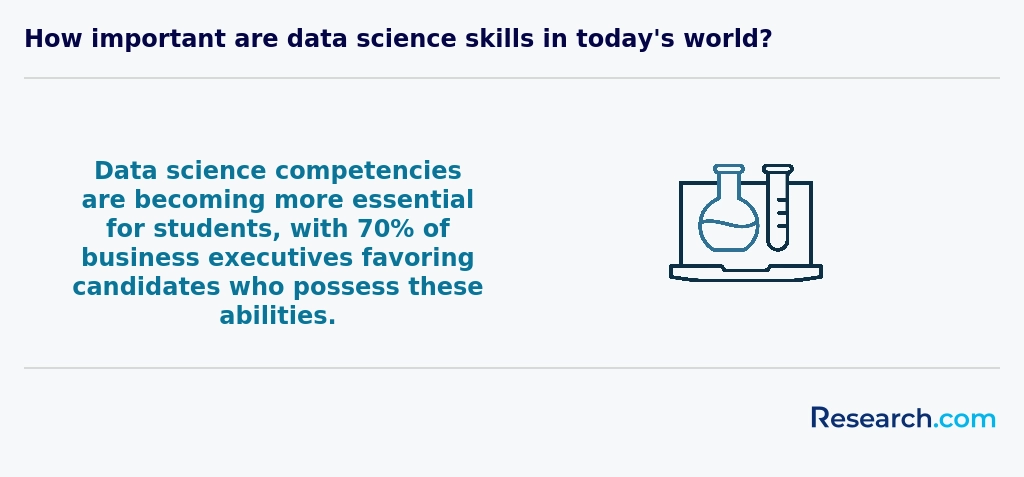
Graduates with a data science degree in the West find diverse career paths tailored to their skills and interests. Many enter roles as data scientists, analyzing complex data to shape business strategies, especially around tech hubs like Silicon Valley or Seattle. Others become data analysts, focusing on cleaning and visualizing data for actionable insights, which is common among graduates from public universities in California or Oregon.
Machine learning engineers and data engineers are highly sought after for designing predictive models and maintaining data systems, especially in companies emphasizing innovation. Business intelligence analysts also thrive by transforming data into impactful reports that improve decision-making across sectors like healthcare and finance. These roles reflect the high paying jobs for data science graduates West, underscoring the value of specialized skills.
Graduates often boost their prospects by earning advanced degrees or certifications offered by institutions such as the University of California system. For students balancing education and career planning, exploring options like easy degrees that pay well can provide practical pathways to success in this competitive field.
What is the job market for data science degree in the West?
The data science job market West 2027 is exceptionally strong, especially for graduates from well-known institutions like the University of California system. Many graduates share how internships in Silicon Valley or Seattle-based startups helped them land competitive roles quickly, reflecting the high demand for candidates skilled in real-world problem-solving. Employers in this region value practical experience, so integrating co-ops and industry projects into your degree is crucial.
The employment outlook for data science graduates West remains optimistic, with starting salaries between $85,000 and $120,000, and experienced professionals earning significantly more. Graduates from public universities enjoy the advantage of affordable in-state tuition while still tapping into these lucrative markets. This financial balance encourages many students to pursue their degrees locally without compromising on career potential.
For those exploring career paths, it's smart to research opportunities closely tied to major tech hubs. Many students combine their education with knowledge of top paying trade school jobs for additional insights on income potential, ensuring their investment in a data science degree pays dividends in the Western job market.
Frequently Asked Questions About data science
Data science degree students in the Western United States can maximize their learning by engaging in practical, hands-on experiences alongside traditional coursework. Universities like UC Berkeley and Stanford emphasize project-based learning, allowing students to work with real datasets. According to the National Science Foundation, interdisciplinary collaboration enhances problem-solving skills vital for data science careers.
Students should also seek internships in tech hubs like Silicon Valley, where over 60% of data science roles in the US are concentrated, per the Bureau of Labor Statistics. Networking with industry professionals through conferences or university events further enriches learning.
Finally, staying updated with evolving tools such as Python, R, and cloud technologies ensures students remain competitive in the fast-changing landscape of data science.
Emerging niches within the data science field in the Western US reflect evolving industry demands and technological advances. Areas like explainable artificial intelligence (XAI) are gaining ground, addressing the need for transparent and interpretable machine learning models. According to a 2023 report by the National Science Foundation, investments in XAI research grew by 25% compared to previous years.
Another expanding niche is data ethics and privacy, propelled by stricter regulations and growing public concern. Universities such as Stanford and UC Berkeley now offer specialized courses in this area, preparing students for challenges around data governance.
Additionally, geospatial analytics is increasingly important, driven by sectors like urban planning and environmental monitoring. The US Bureau of Labor Statistics projects employment in this data science specialization to grow over 15% through 2028.
Graduates with data science degrees in the Western US can enhance job market readiness by focusing on both technical skills and professional experience. According to the Bureau of Labor Statistics, the demand for data scientists is projected to grow 36% from 2021 to 2031, highlighting strong employment opportunities.
Building a robust portfolio with real-world projects is crucial. Many universities encourage internships or cooperative education, offering valuable hands-on experience. Additionally, proficiency in programming languages like Python and R, along with knowledge of machine learning and cloud computing, remain in high demand.
Networking through industry events and joining professional groups, such as the American Statistical Association or local tech meetups, also improves job prospects. Certifications from recognized platforms like Coursera or edX can further validate skills to employers.
Employers in the Western US highly value data science graduates with strong technical skills, including proficiency in programming languages such as Python and R. According to the Burning Glass Labor Insight report (2023), over 70% of job postings require experience with machine learning and statistical modeling. Graduates should also have expertise in data visualization tools like Tableau or Power BI, which are essential for communicating insights effectively.
Analytical thinking and problem-solving are equally important, enabling data scientists to interpret complex datasets and make data-driven decisions. Soft skills like teamwork and communication are critical, as 65% of employers emphasize collaboration in interdisciplinary teams (LinkedIn Workforce Report, 2024).
Knowledge of cloud platforms such as AWS or Azure is becoming increasingly necessary, as many Western organizations use cloud-based data infrastructures.
Finding internships in the Western US for data science students often starts with leveraging university career centers, which connect students to tech firms and startups. According to the National Association of Colleges and Employers (NACE), about 65% of internships in tech fields are secured through university networks. Additionally, websites like Handshake and LinkedIn provide localized opportunities specifically tailored to data science roles in Silicon Valley, Seattle, and Portland.
Attending industry conferences such as the West Coast Data Science Summit can also increase networking chances. Many students find internships by participating in hackathons or joining university-affiliated research projects that collaborate with businesses.
A data science degree significantly enhances career mobility and advancement opportunities in the Western U.S., where demand for skilled professionals continues to grow rapidly. According to the Bureau of Labor Statistics, employment of data scientists is projected to grow 36% from 2021 to 2031, much faster than average for all occupations.
Graduates equipped with analytical techniques, programming, and machine learning skills are in high demand across technology hubs like Silicon Valley, Seattle, and Denver. Many employers prioritize candidates with formal education in data science for roles involving large-scale data analytics and decision-making.
Students with a data science degree often access higher starting salaries, with the Western region offering median entry-level wages around $85,000 per year, per Glassdoor data. Moreover, degree holders report faster promotion rates, as companies seek advanced problem-solving capabilities to gain a competitive edge.
Networking opportunities available through Western universities can further facilitate career growth, connecting graduates to leading firms in artificial intelligence, finance, and healthcare analytics.
Studying for a data science degree in the West, particularly in the United States, equips students with diverse skills that support interdisciplinary roles. Programs often integrate coursework in computer science, statistics, and domain-specific knowledge such as business or healthcare. According to the National Center for Education Statistics, many universities in the West design their curricula to foster collaboration across departments, encouraging students to apply data science methods to real-world problems.
Furthermore, hands-on experience with tools like Python, R, and cloud platforms prepares graduates to work in various industries. Employers increasingly value these interdisciplinary skills; the Bureau of Labor Statistics projects a 36% growth in data science jobs by 2031, especially in fields like finance, technology, and healthcare.
Choosing between a thesis and a non-thesis data science degree in the West depends on your career goals and learning preferences. Thesis programs typically emphasize research skills and require original work, which benefits students aiming for PhD studies or research roles. According to the National Science Foundation, about 30% of data science master's graduates pursue further academic research, making thesis options valuable for them.
Non-thesis programs focus more on practical skills and coursework, suitable for professionals targeting industry jobs. The Bureau of Labor Statistics highlights a growing demand for data scientists with hands-on experience rather than purely academic credentials.
Consider program length, workload, and available faculty expertise when deciding. Many Western universities offer both options, allowing flexibility aligned with your ambitions and time commitments.
Students in the Western US interested in studying data science abroad have multiple options within their region. Top public and private universities including Stanford University, University of California Berkeley, and University of Washington offer highly ranked data science programs recognized nationally. According to the U.S. News & World Report 2024, these schools consistently rank in the top 10 for data analytics and computer science specialties.
Degree options vary from bachelor's degrees, master's degrees, to specialized certificates. Many programs emphasize practical skills in machine learning, big data, and statistics to meet growing industry demand.
Additionally, some universities partner with international institutions, allowing students to participate in exchange programs or dual degrees. This expands opportunities to gain global perspectives while remaining in Western academic environments.
Part-time job opportunities that complement data science education in the Western US often involve roles in technology, analytics, and research. Positions such as data analyst interns, research assistants, and technical support specialists are common. These jobs provide practical experience with data management, statistical software, and coding languages like Python or R, which are essential for data science careers.
Additionally, many companies in tech hubs like Silicon Valley and Seattle offer part-time roles or internships allowing students to apply classroom knowledge in real-world settings. According to the National Association of Colleges and Employers, STEM-related part-time jobs increased by 12% in the West from 2021 to 2023.
Jobs in local government data departments or nonprofit organizations also provide valuable exposure to data-driven decision-making. These roles can help students build strong analytical and communication skills while earning income during their studies.
Data science students in the Western US benefit from diverse networking opportunities offered by universities and local industries. Schools such as Stanford, UC Berkeley, and USC host regular events, including tech talks, career fairs, and hackathons that connect students with leading data science professionals. According to the National Science Foundation, California accounts for nearly 30% of all US data science job postings, highlighting strong industry ties.
Professional organizations like the Silicon Valley Data Science Society provide students with workshops and meetups that foster peer-to-peer learning and mentorship. Additionally, many programs encourage internships with tech giants such as Google and Facebook, amplifying students' real-world connections.
Alumni networks in data science programs across the Western US offer valuable resources for current students. Graduates often provide mentorship, career advice, and job referrals, which can be crucial in a competitive job market. According to a 2023 report by the National Association of Colleges and Employers, 85% of data science graduates found their first job through networking connections, many via alumni.
These networks also facilitate access to exclusive internships and industry events, especially in tech hubs like Silicon Valley and Seattle. Participation in alumni groups often leads to collaboration opportunities on projects, helping students build portfolios and gain practical experience. Overall, alumni engagement strengthens professional ties and improves employment outcomes for data science students in the West.
Customizing a data science degree program in the West allows students to better align their education with specific career objectives. Many universities in the Western US offer flexible curricula where students choose electives that focus on areas like machine learning, big data analytics, or business intelligence.
Students can also pursue interdisciplinary tracks combining data science with fields such as computer science, statistics, or domain-specific areas like healthcare or finance. For example, the University of California system frequently updates its courses to address industry demand, ensuring relevant skill sets.
Additionally, internships and research projects with local tech companies provide practical experience, enhancing employability. According to the Bureau of Labor Statistics, data science roles in the Western states are projected to grow significantly, making tailored coursework crucial for success.
Data science students in the Western United States face several key challenges during their studies. One major obstacle is the rapidly evolving technical skillset required, including proficiency in programming languages like Python and R, as well as machine learning frameworks. According to a 2023 survey by the Computing Research Association, over 65% of students report difficulties keeping up with new tools and software.
Access to quality internships is another challenge. Competition in tech hubs such as Silicon Valley and Seattle is fierce, limiting practical experience opportunities. Additionally, students often struggle with integrating interdisciplinary knowledge, combining statistics, computer science, and domain-specific expertise effectively.
Financial pressure is also notable, with average annual tuition for data science programs in Western public universities ranging from $10,000 to $40,000, according to the National Center for Education Statistics. These factors collectively shape the complex landscape data science students must navigate.
Graduating with a data science degree in the US opens a variety of professional certification opportunities that can boost your career prospects. Popular certifications include the Certified Analytics Professional (CAP), which validates your ability to transform data into valuable insights. Another recognized credential is the Microsoft Certified: Azure Data Scientist Associate, ideal for those working with cloud-based analytics.
Certificates from AWS, such as the AWS Certified Data Analytics - Specialty, are increasingly valued as cloud adoption grows.
According to the US Bureau of Labor Statistics, data science-related jobs are expected to grow 36% from 2021 to 2031 in the Western states, underscoring the importance of strong credentials.
Many professionals also pursue programming-specific certifications like the SAS Certified Data Scientist to demonstrate technical expertise.
Applying to a data science program in the Western US requires a clear demonstration of both technical skills and academic readiness. Admissions committees prioritize strong backgrounds in mathematics, statistics, and programming languages such as Python or R. According to a 2023 report by the National Center for Education Statistics, 85% of top Western data science programs require applicants to submit GRE scores, especially in quantitative sections.
Personal statements should highlight relevant projects, internships, or research that showcase problem-solving abilities. Letters of recommendation from professors or industry professionals who can attest to an applicant's analytical skills are highly valued. Additionally, demonstrating familiarity with emerging tools like machine learning frameworks can make applications stand out.
Data science careers are increasingly recognized as globally valuable, with strong demand especially in Western countries like the United States. According to the U.S. Bureau of Labor Statistics, employment of data scientists is projected to grow 36% from 2021 to 2031, much faster than average. This growth highlights the importance of data skills in industries ranging from healthcare to finance.
Western universities lead in offering specialized degrees that combine statistics, computer science, and domain expertise. Graduates from these programs are sought after worldwide for their ability to analyze large datasets and support data-driven decision-making.
Internationally, data science roles often require proficiency in programming languages such as Python and R, skills emphasized in Western curricula. Moreover, Western companies often set standards for ethical data use and privacy, influencing global data science practices.
Overall, earning a data science degree in the West prepares students for a competitive global job market, supported by extensive research opportunities and industry connections.
Gaining practical experience while studying for a data science degree in the West is essential for career readiness. Many universities offer internships or co-op programs that connect students with local tech companies. According to the National Association of Colleges and Employers, over 60% of data science students in the US secure internships by their junior year.
Participating in research projects under faculty supervision is another valuable option. Students can apply classroom knowledge to real datasets, often contributing to publishable work.
Competitions like Kaggle or university-led hackathons also provide hands-on problem-solving opportunities sought by employers.
Lastly, building a portfolio with personal or open-source projects showcases skills beyond coursework.
Choosing the right concentration within a data science degree program in the West depends largely on your career goals and interests. Popular concentrations include machine learning, big data analytics, artificial intelligence, and business intelligence. According to the U.S. Bureau of Labor Statistics, jobs in these areas are projected to grow by over 30% through 2030, especially in tech hubs like California and Washington.
Consider your background-if you have strong programming skills, advanced analytics or AI may be ideal. For those interested in practical applications, business intelligence focuses on data-driven decision-making in companies.
Review the curriculum carefully and check faculty expertise at Western universities, as top programs often have partnerships with industry leaders in Silicon Valley and Seattle.
Top Trending Data Science Rankings
See What Experts Have To Say About Studying Data Science
Read our interview with Data Science experts

References
- Study Data Science Abroad - Top Universities for Masters, MBA, PhD Degree Programs https://studee.com/degree/abroad/data-science
- Data Science Degree Specializations & Concentrations https://hakia.com/degrees/data-science/specializations/
- My journey into data science https://benjack.io/my-journey-into-data-science/
- Catalog 2025-2026 https://www.westvalley.edu/catalog/programs/data-science-associate-in-science-degree.html
- What is Data Science? Complete Guide to Learn Data Science | Walbrook https://www.walbrook.ac.uk/subjects/data-science/data-science-degree-study-guide/
- How fast can I become a data scientist? | Fast Data Science https://fastdatascience.com/data-science-project-management/how-fast-can-i-become-a-data-scientist/
- The cost of obtaining a master's degree in Data Science in Europe - UCU Applied Sciences Faculty https://apps.ucu.edu.ua/en/articles-and-research/cost-of-masters-degree-in-data-science-in-europe/
- Uncovering Data Science: Skills, Careers and Education https://www.databricks.com/blog/uncovering-data-science-skills-careers-and-education
- How Data Science Can Transform Financial Aid and Enrollment? - The Higher Education Assistance Group, Inc. https://heag.us/how-data-science-can-transform-financial-aid-and-enrollment/
- Data Scientist Jobs in Poland | Hays Technology https://www.hays.pl/en/web/hays-pl-technology/data-science-jobs


