
2027 Most Valuable Engineering Degree Programs Ranking in the South

Co-Founder and Chief Data Scientist
Choosing the right engineering degree program can shape your future in exciting ways. This article presents the 2027 Most Valuable Engineering Degree Programs Ranking in the South, created by the Research.com team of data scientists.
By exploring this ranking, you'll discover which programs offer strong career prospects and valuable skills that align with today's job market. Understanding your options helps you make an informed decision that fits your goals.
Getting an engineering degree opens doors to rewarding opportunities and personal growth. Dive in to find the best path forward in the South.
Key benefits of getting engineering degree in the South
- The average annual salary for engineering graduates in the South includes roles like Electrical Engineer earning about $117,680, Mechanical Engineer around $105,220, and Civil Engineer approximately $101,160, showcasing strong income potential.
- Graduates from universities like Georgia Tech often find diverse career paths in industries such as aerospace, manufacturing, and environmental engineering, allowing flexibility and growth in exciting fields.
- Completing an online engineering degree from institutions like the University of Alabama provides convenience and the ability to balance work and study, making higher education accessible without compromising quality.
- Key benefits of getting engineering degree in the South
- What can I expect from engineering degree in the South?
- Where can I work with engineering degree in the South?
- How much can I make with engineering degree in the South?
- 2027 Most Valuable Engineering Degree Programs Ranking in the South
- Key Findings
- How long does it take to complete engineering degree in the South?
- What's the difference between online and on-campus engineering degree?
- Student Life and Campus Culture in Southern Engineering Programs
- What is the average cost of engineering degree in the South?
- Return on Investment (ROI) for Engineering Degrees in the South
- What financial aid is available to engineering degree students in the South?
- Essential Skills and Competencies for Engineering Success
- What are the prerequisites for enrolling in engineering degree program in the South?
- What courses are typically in engineering degree programs in the South?
- What types of specializations are available in engineering degree programs in the South?
- How do you choose the best engineering degree in the South?
- What career paths are available for engineering degree students in the South?
- What is the job market for engineering degree in the South?
- Top Trending Engineering Rankings
- See What Experts Have To Say About Studying Engineering
What can I expect from engineering degree in the South?
The average cost of pursuing an engineering degree in the South typically ranges from $10,000 to $15,000 per year for in-state students at well-known public universities. Graduates often recall how this affordability made a rigorous education at schools like the University of Texas or Georgia Tech feel more within reach, allowing them to focus on hands-on learning without overwhelming financial stress. This balance of quality and cost creates an encouraging environment where students can immerse themselves in cooperative education programs and internships at local industry leaders without the heavy burden of debt.
Many Southern engineering students value not only the reasonable tuition but also the scholarships and financial aid opportunities targeted specifically at technical disciplines, which help further lower expenses. For instance, a student at North Carolina State University might pair a steady tuition rate with internship stipends from aerospace companies based nearby, making the entire educational journey feel like a seamless bridge into their future careers.
Looking ahead, as engineering fields evolve with emerging technologies, such as renewable energy and smart infrastructure, the cost advantage in Southern universities combined with active industry ties may continue empowering students to pursue innovative paths without prohibitive expenses.
Where can I work with engineering degree in the South?
Graduates from engineering programs at universities like Georgia Tech and the University of Alabama often find themselves stepping into dynamic roles within the South's thriving automotive industry, where companies such as Toyota and Mercedes-Benz seek innovative engineers to enhance manufacturing processes. Imagine working on the factory floor in Tennessee, optimizing production lines and developing new vehicle technologies-opportunities many recent grads have eagerly embraced.
Others gravitate toward aerospace hubs in Florida and Texas, contributing to cutting-edge projects involving spacecraft and aircraft design. At institutions such as the University of Texas at Austin, students gain hands-on experience preparing them for the 5% annual growth in aerospace jobs, instilling excitement for careers that push the boundaries of exploration and innovation.
Energy is another compelling path, with Texas and Louisiana fostering careers in oil, natural gas, and renewables. Graduates from Texas A&M often report a strong sense of purpose working on projects that power communities while advancing environmental goals, blending technical expertise with meaningful impact.
Beyond these sectors, civil engineering roles in urban infrastructure and tech-related positions in cities like Atlanta offer fertile ground for emerging Southern engineers eager to contribute to the region's rapid development and digital future.
How much can I make with engineering degree in the South?
Graduates from engineering programs in the South often step into roles with competitive salaries that reflect both regional demand and national standards. Mechanical engineers, for example, typically earn around $105,220 annually, while civil engineers see about $101,160. Electrical engineers are among the higher earners, averaging $117,680 a year, showcasing the growing opportunities in tech hubs like Atlanta or Austin.
Many recent graduates from schools such as Georgia Tech or the University of Texas marvel at quickly landing positions offering starting salaries between $60,000 and $70,000. With experience, it's common for salaries to rise into the $85,000 to $100,000 range, especially in industries like aerospace or energy that thrive in the South.
For instance, a mechanical engineering graduate working with an aerospace firm in Alabama might begin with a solid wage and envision steady raises as projects expand. These prospects generate excitement and confidence among students who see their degrees opening doors to well-paying, dynamic careers in their home region.
2027 Most Valuable Engineering Degree Programs Ranking in the South
How do we rank schools?
Investing in your education is a significant decision that can greatly influence your career and future opportunities. The Research.com team recognizes the importance of providing trustworthy and accurate information to empower prospective students in selecting the best engineering degree programs in the South. Our dedication to quality, credibility, and precision is evident in the thorough analysis and research conducted to produce the "2027 Most Valuable Engineering Degree Programs Ranking in the South."
We utilized the following reputable data sources to ensure a comprehensive and reliable evaluation:
By consulting this ranking, readers will gain valuable insights into the most valuable engineering degree programs in the South, helping them make well-informed decisions about their education investments. For further information on how the ranking was created, please visit our Research.com methodology page.


Key Findings
- In-state tuition for engineering degrees in Southern public universities ranges from $8,000 to $12,000 annually.
- Private engineering programs in the South typically cost between $25,000 and $40,000 per year.
- Entry-level engineers in the South usually earn between $60,000 and $70,000 per year.
- Median salaries for engineers with five to ten years of experience range from $90,000 to $110,000 annually.
- Southern states like Texas and Florida offer strong job growth in aerospace, automotive, energy, and technology industries.
- Many Southern engineering programs are ABET-accredited, supporting educational quality and employer recognition.
How long does it take to complete engineering degree in the South?
Completing an engineering degree in the South typically takes about four years for full-time students, similar to universities nationwide. Graduates from schools like Georgia Tech and the University of Texas often share how the structured four-year path felt achievable despite the rigor, especially with strong support systems in place. Yet, real-life scenarios reveal some students extend their studies to 4.3 years or more due to internships or course availability challenges.
Many engineering programs integrate cooperative education, allowing students to gain valuable work experience but sometimes lengthening the timeline by a semester or a year. For instance, a student at North Carolina State might pause their coursework for a paid internship, returning with enhanced practical skills that boost confidence and job readiness upon graduation.
Looking ahead, Southern institutions are exploring flexible scheduling and hybrid learning to help students graduate on time, catering to personal circumstances and financial pressures. This evolving approach promises a more personalized journey, making the engineering degree timeline feel less daunting and more within reach for future Southern engineers.
What's the difference between online and on-campus engineering degree?
Online and on-campus engineering degrees in the South offer distinct experiences that shape student life and learning. Graduates from Georgia Tech often recall the energizing buzz of hands-on labs and close mentorship, where face-to-face interactions build teamwork skills vital in engineering careers. Meanwhile, those pursuing online degrees from institutions like Texas A&M cherish the freedom to balance work, family, and study, accessing virtual simulations that bring complex concepts to life on their own schedule.
Future trends suggest these formats will increasingly blend, with on-campus programs adopting more digital components, and online programs integrating occasional in-person workshops at Southern hubs. Imagine a North Carolina State University student starting coursework online, then attending a weekend lab session that enhances their practical skills without uprooting their lives.
This hybrid approach reflects the evolving needs of Southern students, offering both the dynamic campus culture of schools like the University of Texas at Austin and the adaptable, tech-driven convenience that busy professionals value. The emotional rewards of belonging, achievement, and skill mastery remain central, whether virtual or in person.
Student Life and Campus Culture in Southern Engineering Programs
A successful engineering education extends beyond the classroom, and understanding student life and campus culture helps you gauge how well a program fits your personal and professional goals. In many Southern universities, the engineering community is vibrant-with state-of-the-art facilities, dedicated student clubs, and hands-on project competitions that foster collaboration, creativity, and real-world problem solving. These experiences enhance learning by offering networking opportunities with industry professionals and alumni, mentoring programs, as well as access to career fairs and internship placements that bridge academic experiences with professional practice. Students often report a strong sense of community, bolstered by campus events, hackathons, and innovation challenges that encourage interdisciplinary collaborations. Such environments not only ease the transition to university life but also provide a platform for developing soft skills like teamwork, communication, and leadership-attributes highly valued in today’s competitive job market. Even if you're considering a more flexible route, you might explore the best online engineering programs in georgia, which offer a blend of academic excellence and innovative virtual campus communities. Ultimately, a nurturing campus culture paired with robust support systems can be a decisive factor in ensuring your overall success and satisfaction throughout the engineering journey.
What is the average cost of engineering degree in the South?
The average cost of a engineering degree in the South typically centers around $41,610, representing a median out-of-state total for many students. In-state students enjoy a considerable financial advantage, with median total costs closer to $11,450, making public universities in states like Texas and North Carolina quite appealing. Graduates often reflect on the balance between this investment and the value gained, citing hands-on experience and specialized programs as key benefits. Affordability varies widely, but the total expenses for Southern engineering programs include tuition, room and board, and additional fees like labs, which can add a few thousand dollars annually.
Many students pursuing degrees at well-known Southern institutions find that scholarships and state residency make a significant difference in managing costs. For instance, those attending community colleges in the region have an option to start with reduced tuition fees and later transfer credits to four-year programs, easing their financial burden while maintaining quality education. The practical reality of juggling expenses motivates students to seek out targeted scholarships and explore university financial aid packages.
Looking ahead, evolving tuition models and financial aid might lower barriers for aspiring engineers. For those curious about program specifics, exploring the best online engineering programs in georgia offers insight into flexible, cost-effective pathways. Ultimately, understanding the average cost of engineering degree in the South helps students plan strategically for a future in engineering while embracing the excitement of innovation and growth within the region's thriving educational environment.

Return on Investment (ROI) for Engineering Degrees in the South
Evaluating the true value of an engineering degree means looking beyond annual tuition and fees to the long-term return on investment (ROI) you’ll realize through career earnings and debt repayment timelines. In the South, the median starting salary for engineering graduates-often ranging from $70,000 to $90,000-can translate into a payback period of just 3–5 years for in-state students at public universities. By contrast, private institutions may require a slightly longer timeframe but often deliver robust networking and research opportunities that bolster lifetime earnings. To maximize ROI, many students balance program cost against post-graduation salary potential. For those weighing affordable tuition against strong career outcomes, the Low Cost Engineering Degree Programs Ranking in Tallahassee, FL highlights institutions where lower debt burdens coincide with solid starting salaries. This ranking can guide prospective students toward programs that minimize financial strain without compromising on academic quality. Beyond raw earnings, ROI also factors in career advancement and licensure exam pass rates. Programs with high Fundamentals of Engineering (FE) exam success-often exceeding 80%-tend to correlate with employers’ confidence, leading to faster promotions and higher mid-career salaries. When comparing institutions, consider alumni networks, internship placement percentages, and active career services; these components accelerate job searches and enhance salary negotiations, further shortening your investment recovery period. Ultimately, a strategic approach to ROI involves:
- Comparing cumulative tuition, fees, and living expenses against entry-level and mid-career salary data.
- Assessing licensure and certification success rates to predict career trajectory.
- Factoring in internship and co-op participation, which can offer stipends that reduce loan reliance. By blending these metrics, prospective engineering students can identify programs in the South that deliver both top-tier education and a compelling financial return.
What financial aid is available to engineering degree students in the South?
Engineering students in the South often find crucial financial support through federal aid, such as Pell Grants and low-interest federal loans accessed via FAFSA. A graduate from Georgia Tech recalls how a Pell Grant covered a significant part of their tuition, easing financial stress and allowing them to focus on demanding coursework. Beyond federal options, state-specific scholarships like Texas Advance Commitment and Florida's Bright Futures Scholarship have become game changers, rewarding merit and need, which helped a University of Alabama engineering student reduce their tuition by thousands annually.
Many Southern universities add layers of support through departmental scholarships and assistantships. One graduate described securing a research assistantship at Georgia Tech, which not only lightened their financial load but also provided valuable hands-on experience. Private organizations and professional societies, such as the National Society of Professional Engineers, offer additional scholarships recognizing excellence and community engagement.
Looking ahead, these integrated financial aid pathways are likely to grow, creating more tailored and accessible opportunities for Southern engineering students seeking to turn ambition into achievement.
Essential Skills and Competencies for Engineering Success
Becoming a successful engineer in the South requires more than strong academics; it demands a balanced blend of technical expertise, soft skills, and lifelong learning habits. First, technical proficiency forms the backbone of any engineering career. Mastery of programming languages such as Python, C++, or MATLAB enables students to tackle data analysis and algorithmic challenges, while hands-on experience with CAD software and laboratory instrumentation solidifies their understanding of mechanical and electrical systems. Many graduates also emphasize the value of familiarizing themselves early with emerging tools like finite element analysis and IoT platforms to stay ahead in a rapidly evolving landscape. Equally important are soft skills that translate classroom knowledge into real-world impact. Clear communication allows future engineers to present complex designs to diverse stakeholders, whether drafting project proposals or collaborating with multidisciplinary teams. Problem-solving and critical thinking fuel innovation: engineers who can break down a system-level issue into manageable components are better equipped to devise efficient solutions. Adaptability and resilience round out the essential competencies, helping graduates navigate tight deadlines, shifting client requirements, and unexpected technical setbacks with confidence. For those eyeing software-centric roles or pivoting into tech-driven sectors, a strong grasp of software development principles is crucial. Integrating coding exercises into engineering projects helps bridge the gap between hardware and software domains. To deepen your knowledge in this area, consider exploring resources on how to become a software engineer, which covers career pathways, skill checklists, and certification tips that complement traditional engineering curricula. By proactively developing these skills throughout your degree-through internships, hackathons, research assistantships, or campus organizations-you’ll not only enhance your employability but also set the stage for continuous professional growth. Employers in the South value engineers who bring both technical rigor and interpersonal finesse to their roles, making these competencies indispensable for a rewarding career.
What are the prerequisites for enrolling in engineering degree program in the South?
Enrolling in an engineering degree program in the South often begins with a strong academic foundation in math and science, something many graduates from universities like Georgia Tech or the University of Texas embrace enthusiastically. These students recall the value of completing four years of math, including algebra, geometry, and preferably calculus, alongside three or four years of science such as physics and chemistry. Preparing through Advanced Placement (AP) or International Baccalaureate (IB) courses is frequently highlighted as a key step toward competitive admissions.
Many Southern institutions now place great importance on a solid high school GPA, typically around 3.0 or higher, reflecting a student's sustained effort and readiness for the challenge. While some schools still use SAT or ACT scores to measure aptitude, others have adopted test-optional policies, making room for diverse student strengths to shine.
Graduates often share how submitting thoughtful recommendation letters and personal statements helped them convey their passion for engineering, turning hopes of joining specialized fields like aerospace or biomedical engineering into reality. Financial planning is equally crucial, with in-state tuition costs ranging roughly from $25,000 to $40,000, a worthwhile investment many find exciting given the promising futures engineering offers.
Looking ahead, more Southern universities may integrate placement tests or innovative readiness assessments to tailor support for incoming students, ensuring they thrive in evolving engineering landscapes. This personalized approach promises to boost confidence and deepen engagement for future engineers embarking on their academic journeys.

What courses are typically in engineering degree programs in the South?
Engineering degree programs in the South typically start with foundational courses in mathematics, physics, and chemistry that build the essential problem-solving toolkit. Students at universities like Georgia Tech or the University of Texas often recall early challenges in calculus and physics labs that sparked their passion for engineering. These courses lay the groundwork for more specialized classes in areas such as fluid mechanics for civil and mechanical engineering or circuits for electrical engineering.
Graduates frequently highlight how hands-on laboratory work and computer programming courses deepen their understanding, making abstract concepts tangible. For instance, students at North Carolina State University use state-of-the-art simulation software to test designs, experiencing firsthand how engineering innovations come to life.
Beyond technical skills, Southern programs emphasize project management, communication, and ethics, preparing students for real-world teamwork and leadership. This holistic approach allows students to envision their future roles in sustainable design or smart technology development, reflecting the South's evolving industrial landscape and growing tech hubs.
What types of specializations are available in engineering degree programs in the South?
Engineering degree specializations in the South are evolving to meet future demands, with traditional fields like mechanical engineering and civil engineering remaining strong due to regional industries such as automotive in Texas and infrastructure projects in North Carolina. Graduates often share how hands-on collaborations at universities like Georgia Tech propel them into careers shaping state development.
Technology-driven programs in electrical and computer engineering are rapidly expanding, especially near technology hubs in Atlanta and Raleigh. Students here frequently immerse themselves in semiconductor design and software innovation, experiences that fuel their excitement about the South's growing tech scene. These specializations reflect some of the top engineering majors in Southern universities and prepare students for emerging roles that blend hardware and software skills.
The broader environmental engineering focus addresses sustainability challenges unique to Southern climates, appealing to students concerned with water management and pollution control. Many aspiring engineers also explore aerospace, chemical, or industrial engineering, leveraging Southern industry strengths.
Those curious about how to become a software engineer often find foundational skills through these diverse specializations, building a solid base for future growth in the region's evolving engineering landscape.
How do you choose the best engineering degree in the South?
Choosing the best engineering degree in the South means envisioning where technology and industry needs will be in the next decade. Graduates from popular Southern colleges often find success by aligning their studies with emerging sectors like renewable energy and smart infrastructure. For example, students attending universities with strong petroleum engineering programs in Texas are now exploring how their skills can transition into more sustainable energy solutions while maintaining lucrative opportunities.
Many students appreciate how affordable engineering colleges in Southern states offer quality education without overwhelming debt. Graduates often recall how scholarships and practical internships, common at these institutions, provided hands-on experience and built valuable local networks. Programs known for ABET accreditation give students confidence that their degree meets rigorous standards, preparing them well for diverse engineering roles, whether in Houston's oil sector or Atlanta's growing tech hubs.
As industries evolve, the top engineering degree programs in the South increasingly emphasize interdisciplinary learning and adaptability. Students considering such degrees can explore options by reviewing the Low Cost Engineering Degree Programs Ranking in Tallahassee, FL to find affordable paths tailored to future market demands.
What career paths are available for engineering degree students in the South?
Graduates holding an engineering degree in the South are stepping into a landscape rich with evolving opportunities that span traditional and futuristic industries. From civil engineers designing smart, resilient infrastructure projects around booming Southern cities to biomedical engineers innovating at medical research hubs in Houston and Durham, the region's diversity fuels promising career paths. Many graduates from popular institutions like Georgia Tech or the University of Texas find themselves contributing to cutting-edge aerospace advances or sustainable energy initiatives, reflecting the South's expanding role in manufacturing and renewable technologies.
As technology corridors in states like Virginia and Georgia grow, software and systems engineering roles are becoming increasingly vital, offering graduates a chance to shape cyber-physical systems and smart manufacturing. Those pursuing environmental engineering are also uniquely positioned to address pressing regional concerns such as water resource management and green development.
Many engineering students share how the strong industry-university partnerships in the South accelerate their career progress, making the dream of impactful work a reality. For a broader view of career possibilities connected to your degree, explore the college majors list and careers to align your passion with emerging trends. Opportunities abound in this thriving region for those ready to innovate and lead in diverse fields.
What is the job market for engineering degree in the South?
Engineering graduates in the South find themselves well-positioned within a dynamic and growing job market. Major Southern states like Texas and Georgia offer robust career opportunities across energy, aerospace, and advanced manufacturing sectors, reflecting steadily rising demand. For example, graduates from popular institutions such as Georgia Tech and the University of Texas often secure roles quickly in industries ranging from renewable energy to automotive innovation.
The engineering degree job outlook in the South shows promising potential with projected growth slightly exceeding national averages. Many Southern companies value graduates not only for their technical skills but also for their adaptability in navigating a regional economy known for its lower cost of living and expanding infrastructure projects. This creates a sense of optimism among students who see a clear path from classroom learning to rewarding work environments.
Students frequently share that the balance between affordable education costs, offered by public universities throughout the region, and competitive starting salaries contributes to a positive collegiate experience. For those curious about long-term academic goals, exploring what is the easiest phd can be a practical step toward enhancing career prospects further in engineering fields.
Southern states engineering career opportunities also benefit from a diverse industrial base, offering pathways in civil, mechanical, and aerospace engineering. Graduates often note their excitement in joining rapidly evolving sectors like renewable technologies in Texas or defense manufacturing in Florida, emphasizing the region's broad scope for innovation and impact.
Frequently Asked Questions About engineering
Engineering degree students in the South can maximize their learning experience by actively engaging in internships and cooperative education programs. According to the National Society of Professional Engineers, practical experience enhances job readiness and is highly valued by Southern employers. Students should also take advantage of research opportunities offered by universities such as Georgia Tech and the University of Texas at Austin, which are recognized for their engineering research output.
Joining student engineering organizations provides networking and leadership development that complement academic learning. Furthermore, students should focus on developing skills in emerging fields like renewable energy and aerospace, areas growing rapidly in Southern states. Utilizing campus resources, including tutoring centers and career services, also boosts success.
Emerging niches in engineering within the Southern United States align closely with regional economic trends and technological growth. Fields like renewable energy engineering are gaining traction, especially in states such as Texas and North Carolina, driven by investments in solar and wind power. According to the U.S. Bureau of Labor Statistics, jobs in environmental engineering are projected to grow 8% nationally by 2032, with the South experiencing above-average increases due to climate initiatives.
Biomedical engineering is another expanding area, boosted by the growing healthcare sector in cities like Atlanta and Raleigh. Additionally, cybersecurity engineering is a fast-developing niche, reflecting increasing demand for secure infrastructure in a digitized economy. These niches represent promising areas for students seeking engineering degrees in the South.
Preparing for the job market after earning an engineering degree in the South involves several strategic steps. First, gaining practical experience through internships or cooperative education programs is essential. According to the National Association of Colleges and Employers, over 60% of engineering employers prefer candidates with relevant work experience.
Networking is also crucial. Many Southern states host industry-specific career fairs and professional engineering organizations, such as the Texas Society of Professional Engineers, which offer valuable connections. Additionally, obtaining certifications like the Fundamentals of Engineering (FE) exam can improve employability.
Strong communication and teamwork skills are increasingly valued by employers in Southern industrial hubs like Atlanta and Houston, enhancing job prospects significantly.
Employers in the South prioritize a combination of technical and soft skills when hiring engineering graduates. According to a 2023 survey by the National Association of Colleges and Employers, proficiency in computer-aided design (CAD) and data analysis tools ranks highly. These technical skills are crucial for industries like automotive manufacturing and energy, which have strong regional presence.
Beyond technical abilities, communication and teamwork are essential. Southern engineering employers often emphasize the importance of collaborating across diverse teams, reflecting the growing focus on interdisciplinary projects. Problem-solving skills also remain a top priority, supported by research from the Southern Engineering Workforce Report, which highlights innovation as key to regional growth.
Finding internships in the Southern United States for engineering students involves leveraging multiple resources. Many universities in the South, such as Georgia Tech and the University of Texas at Austin, maintain strong partnerships with local industries, offering dedicated internship portals and career fairs. The U.S. Bureau of Labor Statistics reports that engineering jobs in the South are growing steadily, increasing demand for interns.
Students should explore state-specific workforce agencies and professional engineering societies like the South Atlantic ASEE zone, which often list regional opportunities. Networking through professors and alumni networks is invaluable, as many internships are filled through direct connections.
Additionally, applying early and tailoring resumes to highlight relevant skills increases chances of securing an internship. Internships in sectors like aerospace, energy, and manufacturing are particularly prominent in Southern states.
Obtaining an engineering degree in the South significantly improves career mobility and advancement opportunities. According to the National Society of Professional Engineers (NSPE), Southern states like Texas, Georgia, and North Carolina report steady growth in engineering jobs, driven by expanding sectors such as aerospace, energy, and manufacturing.
Graduates often find a strong regional network and access to specialized industries, which eases job transitions and promotions. The U.S. Bureau of Labor Statistics highlights that engineers in Southern metropolitan areas earn competitive salaries, with averages frequently exceeding the national median.
Additionally, many Southern universities have established partnerships with local industries, facilitating internships and cooperative education that enhance employability and career growth.
Studying for an engineering degree in the Southern United States often includes a strong focus on interdisciplinary skills essential for modern careers. Many universities in the South integrate coursework that combines engineering with business, technology, and environmental studies, reflecting the region's growing industries such as aerospace, energy, and manufacturing. For example, institutions like Georgia Tech and the University of Texas at Austin emphasize collaborative projects and internships that promote cross-disciplinary problem solving.
Data from the Southern Regional Education Board shows that over 60% of engineering graduates in the South engage in multidisciplinary research during their studies, preparing them for complex team environments. This approach ensures graduates can adapt to roles requiring both technical proficiency and knowledge of related fields.
Choosing between a thesis and a non-thesis engineering degree program in the South depends largely on your career goals and time availability. Thesis programs emphasize original research and are ideal if you plan to pursue a PhD or work in research-intensive roles. Non-thesis options typically focus on coursework and practical skills, suiting those aiming for immediate industry employment.
According to the American Society for Engineering Education, many Southern universities offer both tracks with around 30-40% of students opting for thesis-based master's degrees, reflecting strong research activity especially in states like Texas and Georgia.
Cost and program length may also influence your choice; thesis programs often require more time and may provide assistantships, while non-thesis degrees usually take less than two years to complete.
Students based in the South seeking to study engineering abroad have several pathways through U.S. institutions offering international partnerships. Many Southern universities participate in exchange programs with engineering schools in Europe and Asia, enabling students to spend a semester or year abroad while earning credits toward their degrees. For example, Georgia Tech and the University of Texas system have well-established study-abroad agreements with engineering programs in Germany and South Korea. These opportunities allow Southern engineering students to gain global experience without interrupting their degree progression.
Additionally, some Southern universities offer dual degree options in collaboration with foreign institutions, providing students with credentials recognized both in the U.S. and overseas. According to the Institute of International Education, about 15% of Southern engineering undergraduates engage in study-abroad programs, reflecting growing interest in global training among this demographic.
Financial aid and scholarships specific to international engineering study are often available, making these opportunities more accessible. Students are advised to consult their university's engineering department and study abroad office early to plan accordingly.
Students pursuing engineering degrees in the South have access to a variety of part-time job opportunities that align well with their academic goals. Internships or co-op positions with local manufacturing companies, aerospace firms, or technology startups provide practical experience while developing technical skills.
Many universities in the South partner with energy sector employers, including firms in Texas and Louisiana, offering roles in project assistance and fieldwork. According to the National Association of Colleges and Employers (NACE), such experiences increase employment prospects post-graduation.
Campus positions such as lab assistants or research aides in engineering departments also allow students to apply classroom knowledge in real research projects while earning income. These jobs help build competency in software tools and laboratory equipment essential for engineering careers.
Engineering students in the South benefit from extensive networking opportunities through university partnerships and regional industry hubs. Many Southern universities have strong connections with Fortune 500 companies, particularly in states like Texas, Georgia, and North Carolina, known for their growing tech and manufacturing sectors. According to the National Society of Professional Engineers, Southern engineering programs emphasize internships and co-op experiences to connect students with employers early.
Student chapters of professional organizations such as the American Society of Civil Engineers (ASCE) and the Society of Women Engineers (SWE) are active on campuses across the region. These groups host career fairs, workshops, and meetups that foster relationships with alumni and industry leaders. Additionally, regional engineering conferences held in cities like Atlanta and Houston create valuable spaces for students to meet professionals and explore job markets.
Alumni networks provide significant advantages for engineering degree students in the South by connecting them with experienced professionals and potential employers. Many Southern universities, such as Georgia Tech and the University of Texas at Austin, maintain strong alumni groups that actively support current students through mentorship programs and job placement assistance.
According to the National Association of Colleges and Employers (NACE), students with access to robust alumni networks have a 20% higher likelihood of securing internships and full-time positions. These connections often lead to opportunities in the region's growing tech and manufacturing sectors.
Furthermore, alumni events and workshops help students build industry skills and stay updated on new engineering trends. This local support system is especially valuable in the South due to its expanding economy and increasing demand for engineers.
Customizing an engineering degree program in the South involves selecting electives and specializations that align with your career goals. Many Southern universities offer concentrations such as aerospace, civil, electrical, or environmental engineering, allowing students to focus on industries prominent in the region. According to the American Society for Engineering Education, institutions like Georgia Tech and the University of Texas provide flexible curricula that include internships and cooperative education, which help students gain practical experience.
Students can also engage in research projects tailored to Southern economic sectors, such as energy, manufacturing, and technology. Choosing minors or certificates in related fields like computer science or business further enhances career readiness.
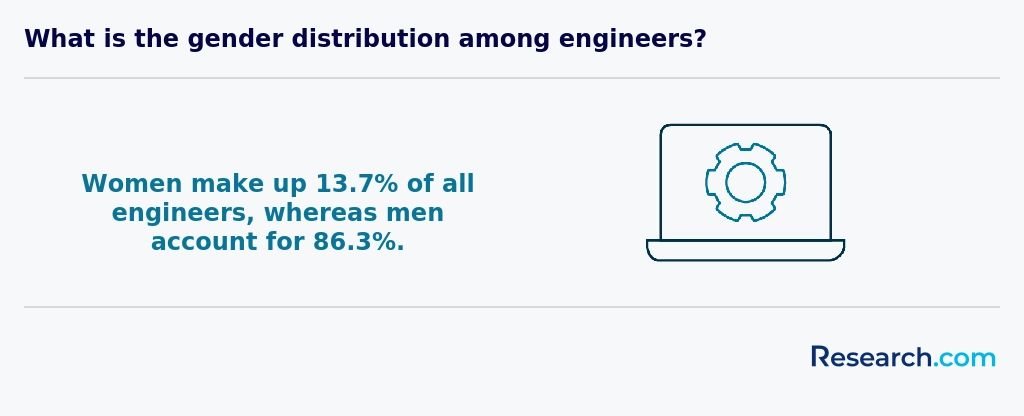
Engineering students in the South encounter several challenges, including limited access to cutting-edge research facilities compared to institutions in other regions. According to the National Science Foundation, Southern engineering programs often receive less federal research funding, impacting opportunities for hands-on learning. Additionally, students face financial barriers; the College Board reports that many Southern states have average in-state tuition rates higher than the national average, making affordability a concern. Another challenge is the underrepresentation of women and minority students in engineering, which can affect campus diversity and peer support. Lastly, job placement rates vary widely, with some rural areas offering fewer internship and employment opportunities.
With an engineering degree obtained in the South, graduates can pursue several key professional certifications to advance their careers. One of the most recognized is the Professional Engineer (PE) license, which requires passing the Fundamentals of Engineering (FE) exam, gaining relevant work experience, and then passing the PE exam. This license is essential for engineers who want to take legal responsibility for engineering projects.
Other valuable certifications include the Certified Manufacturing Engineer (CMfgE) and the Project Management Professional (PMP), which are highly respected in sectors common in the Southern economy like aerospace and manufacturing. According to the National Society of Professional Engineers, Southern states show steady growth in licensed engineers.
Writing a winning application for an engineering program in the South begins with a clear focus on academic achievement. Applicants should highlight strong performance in math and science courses, as these are crucial for engineering success. According to the American Society for Engineering Education, Southern universities value a GPA of 3.5 or higher for competitive programs.
Next, standardized test scores like the SAT or ACT remain important, though many Southern schools have adopted test-optional policies recently. Including practical experience, such as internships or STEM-related extracurricular activities, strengthens the application.
Personal statements should emphasize problem-solving skills and a passion for engineering. Letters of recommendation from science or math teachers also play a vital role in reinforcing the applicant's readiness for rigorous study.
Engineering careers offer strong global opportunities, with U.S. graduates highly regarded worldwide. In the South, universities such as Georgia Tech and the University of Texas at Austin have strong international reputations, attracting students and employers globally.
According to the National Science Foundation, nearly 20% of all U.S. engineering degrees come from Southern institutions, reflecting the region's growing influence in STEM fields. Employers value U.S. engineering degrees for problem-solving skills and technical knowledge.
South-based engineers often find job prospects in multinational companies operating locally, especially in aerospace, energy, and manufacturing sectors. The demand for engineers remains steady, supported by global trends toward sustainability and innovation, as reported by the Bureau of Labor Statistics.
Overall, an engineering degree from the South positions students well for international career options, combining quality education with a market in expansion.
Gaining practical experience while studying for an engineering degree in the South can significantly enhance your career readiness. Many southern universities offer co-op programs and internships with regional industries such as aerospace in Alabama, automotive manufacturing in Tennessee, and energy sectors in Texas. According to the National Association of Colleges and Employers, about 60% of engineering students in the South secure internships during their studies.
Participating in university-sponsored research projects or engineering clubs also provides hands-on learning. Additionally, some schools have partnerships with companies allowing students to work on real-world problems.
These experiences strengthen resumes and often lead to job offers upon graduation.
Choosing the right concentration within an engineering degree program in the South requires understanding regional industries and job markets. Popular specializations often align with the South's strengths, such as aerospace in Alabama, petroleum in Texas, and manufacturing in North Carolina. According to the U.S. Bureau of Labor Statistics, mechanical and civil engineering offer strong employment opportunities across Southern states.
Students should also consider program accreditation and faculty expertise. The Accreditation Board for Engineering and Technology (ABET) ensures quality standards for engineering programs. Researching each school's partnerships with local industries can provide valuable internships and job prospects.
Additionally, reflect on personal interests and career goals. Exploring concentrations through introductory courses or departmental advising helps make informed decisions. Balancing passion with practical data enhances long-term success in engineering careers in the South.
Top Trending Engineering Rankings
See What Experts Have To Say About Studying Engineering
Read our interview with Engineering experts


Bohdan W. Oppenheim
Engineering Expert
Professor Emeritus of Healthcare Systems Engineering
Loyola Marymount University

Joseph Reichenberger
Engineering Expert
Professor of Civil Engineering & Environmental Science
Loyola Marymount University

References
- How Do You Decide Which Engineering Career is Right for You? https://www.straighterline.com/blog/which-engineering-career-right-for-you
- 40 Different Types of Engineering Degrees https://typesofengineeringdegrees.org/
- How Long Does It Take to Earn a Master’s in Engineering? Degree-by-Degree Guide - Educating Engineers https://educatingengineers.com/blog/how-long-to-earn-masters-in-engineering/
- Graduate Engineering Schools That Award Financial Aid to International Students | WorldTrips Travel Insurance https://www.worldtrips.com/resources/graduate-engineering-financial-aid-to-international-students
- Arya College | Best B.Tech College in Jaipur, Rajasthan, India https://www.aryacollege.org/resources/common-challenges-faced-by-engineering-students/
- Engineering Educational and Career Goals: 6 Reasons Why Continuing Your Engineering Education Advances Your Career https://www.pdh-pro.com/pe-resources/engineering-educational-and-career-goals-6-reasons-why-continuing-your-engineering-education-advances-your-career/
- Challenges, difficulties and barriers for engineering higher education https://www.jotse.org/index.php/jotse/article/view/1696/645
- No-Cost Tuition Available for Engineering Programs https://www.tridenttech.edu/landing/scwins_engineering.html
- The Rise of the Niche Engineer https://www.sterling-engineering.com/niche-engineer/
- Department of Engineering https://catalog.tsu.edu/undergraduate/schools-colleges/science-engineering-technology/engineering/


