
2027 Most Valuable Fine Arts Degree Programs Ranking in Missouri

Co-Founder and Chief Data Scientist
Choosing the right fine arts degree program can be a life-changing decision, especially if you're in Missouri. Our article presents the 2027 Most Valuable Fine Arts Degree Programs Ranking in Missouri, carefully developed by the Research.com team of data scientists. This ranking is designed to guide you toward programs that offer strong career potential and personal growth.
Exploring these options can help you find a path that matches your passion and future goals. A fine arts degree offers creativity, expression, and opportunities-let this guide support your journey toward a fulfilling education and career.
Key benefits of getting fine arts degree in Missouri
- Salary advantages: Graduates with a fine arts degree in Missouri can expect competitive salaries, such as animators earning around $109,630 annually and illustrators making approximately $71,420 per year, highlighting strong earning potential in creative roles.
- Career paths: A fine arts graduate from the University of Missouri often pursues diverse jobs like graphic artist or art therapist, combining creativity with meaningful work that suits their passions and skills.
- Online degree benefits: Earning a fine arts degree online from Missouri State University offers flexible scheduling and access to top professors, making it easier to balance life and studies without sacrificing the quality of education.
- Key benefits of getting fine arts degree in Missouri
- What can I expect from fine arts degree in Missouri?
- Where can I work with fine arts degree in Missouri?
- How much can I make with fine arts degree in Missouri?
- 2027 Most Valuable Fine Arts Degree Programs Ranking in Missouri
- Key Findings
- How long does it take to complete fine arts degree in Missouri?
- Student Life and Campus Culture
- What's the difference between online and on-campus fine arts degree?
- Return on Investment for Fine Arts Degrees in Missouri
- What is the average cost of fine arts degree in Missouri?
- Developing a Winning Portfolio for Fine Arts Programs
- What financial aid is available to fine arts degree students in Missouri?
- Next Steps for Aspiring Fine Arts Students
- What are the prerequisites for enrolling in fine arts degree program in Missouri?
- Interdisciplinary Opportunities and Advanced Study
- What courses are typically in fine arts degree programs in Missouri?
- What types of specializations are available in fine arts degree programs in Missouri?
- How do you choose the best fine arts degree in Missouri?
- What career paths are available for fine arts degree students in Missouri?
- What is the job market for fine arts degree in Missouri?
- Related Fine Arts Rankings for Nearby States
- Top Trending Fine Arts Rankings
What can I expect from fine arts degree in Missouri?
The average cost of pursuing a fine arts degree in Missouri typically ranges between $9,000 and $25,000 per year, depending on whether students attend public universities like the University of Missouri or private colleges. Many graduates recall juggling the financial commitment with part-time work or internships, which often enhance their portfolios and open doors in competitive art markets.
As tuition fees steadily evolve, the experiential learning at Missouri institutions adds strong value. Graduates frequently emphasize that access to well-equipped studios and community gallery internships justifies the investment, fostering both artistic growth and professional confidence. This balance turns abstract tuition numbers into tangible experiences, such as refining a sculpture in a state-of-the-art workshop or showcasing photography in a vibrant Kansas City art collective.
Future trends suggest increasing integration of digital art courses and remote learning options, potentially influencing costs and accessibility. Meanwhile, Missouri's artistic communities continue to create enriching environments where students' financial sacrifices are rewarded with priceless networking and creative opportunities.
Where can I work with fine arts degree in Missouri?
Graduates from fine arts programs at institutions like the University of Missouri and Webster University often find themselves immersed in Missouri's vibrant arts ecosystem, where their skills translate into diverse career paths. Many step into visual arts roles within renowned spaces such as the Nelson-Atkins Museum of Art or local galleries in St. Louis and Kansas City, contributing as curators or art educators. These positions offer rewarding opportunities to engage deeply with the state's cultural heritage while developing professional expertise.
Others discover fulfilling teaching careers in Missouri's public and private schools, sharing their passion through K-12 art education or community college instruction. The steady demand for art teachers, noted by the Missouri Department of Elementary and Secondary Education, provides a sense of stability and purpose, often cited by recent graduates as a meaningful way to impact communities.
Creative graduates also explore dynamic roles in performing arts organizations or innovative commercial sectors like graphic design and multimedia agencies. They experience the excitement of blending artistry with technology, reflecting Missouri's growing creative economy and offering a forward-looking career filled with constant growth and new challenges.
How much can I make with fine arts degree in Missouri?
Graduates from fine arts programs in Missouri can expect a range of earnings, influenced by their chosen career paths and experience levels. For example, graphic artists in the state typically earn around $64,700 annually, a figure that resonates with many recent fine arts graduates from institutions like the University of Missouri or Maryville University. These earnings offer a solid foundation as graduates creatively build their portfolios and client networks.
Illustrators report slightly higher mean salaries near $71,420, often reflecting success in freelance commissions and publishing projects. This can be encouraging for graduates who balance academic training with freelance opportunities during or after their studies. Missouri's art graduates working as animators stand out with a substantial average annual wage of $109,630, showcasing how specialization in digital arts can unlock more lucrative possibilities.
Art therapists earn an average salary of approximately $75,660, representing a rewarding blend of creative expression and helping others. Graduates from Missouri State University and other fine arts colleges increasingly pursue this path, motivated by both personal fulfillment and stable income prospects. In Missouri, emerging trends suggest these salaries may rise as demand grows for diverse arts-related roles.
2027 Most Valuable Fine Arts Degree Programs Ranking in Missouri
How do we rank schools?
Investing in your education is a significant decision that can shape your future, and the Research.com team understands the importance of making informed choices. To assist prospective students, we have meticulously crafted the "2027 Most Valuable Fine Arts Degree Programs Ranking in Missouri." Our commitment to quality, credibility, and accuracy is reflected in the extensive research and analysis conducted to compile this ranking.
We utilized the following reputable data sources to ensure a comprehensive evaluation of fine arts programs:
By exploring this ranking, readers will gain valuable insights into the most valuable fine arts degree programs in Missouri, helping them make informed decisions about their educational paths. For more details on our methodology, please visit our Research.com methodology page.


Key Findings
- Four-year fine arts degrees at public universities in Missouri cost between $40,000 and $60,000 for in-state students, including tuition, fees, and living expenses.
- Private institutions in Missouri typically charge more than $70,000 for a similar fine arts degree program.
- Starting salaries for fine arts graduates range from $30,000 to $40,000 annually, with higher wages often found in cities like St. Louis and Kansas City.
- Experienced fine arts professionals can earn between $50,000 and $70,000 per year, especially in roles such as art directors, designers, or educators.
- Employment opportunities are available in education, galleries, design firms, advertising, and public arts organizations, but many jobs require a strong portfolio and relevant experience.
How long does it take to complete fine arts degree in Missouri?
Completing a fine arts degree in Missouri typically requires about four years of full-time study, a reality well understood by many graduates from institutions like the University of Missouri and Missouri State University. These students often recall balancing 15 to 17 credits per semester, weaving studio work with art history and liberal arts, creating portfolios that capture their evolving visions. The steady rhythm of eight semesters equips them with both technical skills and creative confidence, a process many find rewarding despite its intensity.
Looking ahead, some Missouri students embrace opportunities such as internships or study abroad programs, extending their timeline but enriching their artistic perspectives. For example, graduates from Stephens College often speak about how these experiences deepen their connection to the art community, making the extra year feel like an investment rather than a delay.
Meanwhile, those pursuing a Master of Fine Arts in Missouri typically spend two to three years, driven by independent projects and thesis exhibitions that ignite passion and professional growth. These timelines may evolve as digital platforms and accelerated tracks become more prevalent, offering future students flexibility without sacrificing the meaningful journey of artistic development.
Student Life and Campus Culture
Missouri’s Fine Arts programs offer more than top-notch academics; they provide a vibrant, immersive campus culture that helps shape well-rounded artists. Students benefit from a thriving community where creative collaborations extend beyond the classroom. From student-run art clubs and gallery exhibitions to local art festivals and community engagement projects, there are countless opportunities to develop practical skills while building lasting relationships. Many campuses also host regular workshops, panel discussions, and interactive sessions with renowned local and visiting artists, adding invaluable depth to the learning experience. Prospective students researching the best fine arts programs in missouri can discover how creative energy and community support on campus often translate into unique networking opportunities and career breakthroughs. Embracing campus culture means stepping into an environment where passion, innovation, and artistic collaboration are at the forefront, ultimately driving professional success after graduation.
What's the difference between online and on-campus fine arts degree?
Choosing between online and on-campus fine arts degrees in Missouri presents distinct experiences shaped by the student's lifestyle and artistic goals. On-campus students at universities like the University of Missouri enjoy the tactile thrill of working directly in specialized studios, surrounded by peers and mentors who provide instant feedback during critique sessions. Graduates often recall the energizing atmosphere of gallery exhibitions and hands-on workshops that foster both skill and confidence.
Online fine arts students, attending programs affiliated with institutions such as Washington University in St. Louis, appreciate the flexibility to balance art with work or family commitments. Their journeys include virtual galleries and video critiques, which, while different, pave the way for innovative digital portfolios and remote networking opportunities. Some students creatively combine local studio visits with online coursework, blending the best of both worlds.
Missouri's evolving fine arts scene suggests future programs might increasingly integrate hybrid models, offering more personalized pathways. This shift could enrich student experiences by merging immersive campus resources with cutting-edge virtual technologies and flexible learning schedules.
Return on Investment for Fine Arts Degrees in Missouri
When evaluating the true value of a Fine Arts degree in Missouri, it’s essential to balance tuition costs against potential earnings and debt repayment timelines. On average, in-state tuition for a bachelor’s Fine Arts program in Missouri ranges from $9,000 to $12,000 per year, with graduates carrying median debt loads of approximately $25,000. However, starting salaries for entry-level roles such as graphic designers ($45,000) or art teachers ($50,000) can enable borrowers to repay federal student loans within 8–10 years at standard interest rates. High-earning specializations-like animation, where the mean annual wage can reach $111,130-dramatically shorten the payback period to under three years. To optimize your ROI, consider part-time work in campus galleries or community art programs to offset living expenses and build your portfolio. Additionally, exploring comparative tuition data-such as our Low Cost Fine Arts Degree Programs Ranking in Hawaii-can reveal lower-cost alternatives or highlight scholarship opportunities you might otherwise overlook. Ultimately, a clear understanding of net cost, average starting salaries, and loan repayment scenarios will empower you to make a financially sound decision when selecting a Fine Arts degree program in Missouri.
What is the average cost of fine arts degree in Missouri?
The average cost of a fine arts degree in Missouri typically falls around $19,055 for in-state students, reflecting a balance between tuition and additional fees over the course of the program. Public universities such as the University of Missouri-Columbia and Missouri State University offer fine arts degrees at this median total cost, making them appealing options for many local students who want to pursue their passions without incurring excessive debt. Graduates often share how the manageable costs allowed them to focus more on creative growth than financial worries.
For out-of-state students, the cost can rise significantly to approximately $41,188, as universities add non-resident tuition fees that reflect the investment needed to engage fully with vibrant art communities in cities like Kansas City and Columbia. Even with these higher expenses, many find value in the diverse experiences and exposure these institutions provide, which contributes positively to their artistic careers. One graduate from a popular Missouri fine arts program described the value as well worth the cost, highlighting the enriched network and portfolio opportunities.
Prospective students can explore in-depth programs and financial planning by reviewing the best fine arts programs in missouri. This helps in understanding how tuition fees align with program quality and post-graduate success. Future trends suggest that as Missouri's art scene grows, innovative scholarships and digital learning options may emerge to make fine arts education more accessible and economically feasible for a broader audience.
Those considering the average cost of fine arts degree Missouri should also be mindful of ancillary expenses. Supplies, equipment, and studio fees add around $1,200 yearly, but embracing these costs as part of the creative process often enhances the overall educational experience. Many students find joy in this investment, knowing it directly supports their artistic development and future opportunities.

Developing a Winning Portfolio for Fine Arts Programs
Crafting a compelling portfolio is one of the most important steps in your Fine Arts journey. Your portfolio is more than a collection of artworks-it’s a reflection of your artistic evolution, creativity, and technical mastery. Begin by selecting pieces that showcase your strongest skills and unique style, while ensuring diversity in mediums and techniques. Regularly update your portfolio to include recent work so that it reflects your current abilities and growth. Additionally, consider seeking feedback from mentors, attending portfolio review sessions, and participating in local exhibitions to refine your presentation. To further strengthen your application, research what specific Fine Arts programs are looking for in a portfolio. Many top programs not only evaluate technical competence but also seek a coherent narrative that ties your works together. This narrative should highlight your personal influences, ambitions, and the evolution of your artistic voice. For instance, if you’re eyeing the best fine arts programs in missouri, aligning your portfolio to reflect regional artistic themes and contemporary trends can provide a distinct advantage. By tailoring your portfolio to resonate with the program’s ethos and demonstrating an ongoing commitment to your craft, you maximize your chances for admission and set a strong foundation for a successful career in the arts.
What financial aid is available to fine arts degree students in Missouri?
Fine arts students in Missouri commonly benefit from an array of financial aid sources that make their educational pursuits more accessible and exciting. For instance, many graduates recall how federal Pell Grants, offering up to $7,395 annually, directly eased the burden of tuition at public universities like the University of Missouri. These grants often spark hope and relief among students balancing studio supplies and living expenses.
State programs such as the Access Missouri Financial Assistance Program also provide crucial, need-based support for fine arts majors attending Missouri public colleges. Meanwhile, recipients of the Bright Flight Scholarship, which awards up to $3,000 for academic excellence, describe a renewed motivation to excel both artistically and academically.
At institutions like Stephens College and Missouri State University, competitive scholarships tailored to artistic talent and portfolios brighten students' prospects, fostering confidence during auditions or project submissions. Many graduates fondly remember how private and local art foundation scholarships supplemented their academy journeys, enabling them to focus on creativity rather than financial stress.
Federal Work-Study jobs on campus add another dimension, allowing students to gain practical experience while covering part of their costs, creating a sense of empowerment and independence throughout their fine arts education.
Next Steps for Aspiring Fine Arts Students
If you’re ready to take the leap into your creative future, begin by mapping out a clear plan that covers every aspect of your educational journey. Start by researching accredited programs, evaluating their faculty profiles, and understanding the resources each institution offers. Set aside time to develop a strong portfolio, participate in workshops and exhibitions, and seek mentorship from industry professionals-all key ingredients in building your artistic career. Moreover, attending campus open houses and info sessions can provide invaluable insights into program cultures and networking opportunities. As you navigate the application process, ensure you fully explore the potential of financial aid and scholarships to make your decision even more informed. Remember, aligning your academic goals with practical career strategies is crucial for long-term success. For additional guidance and a detailed overview of the available options, click on our comprehensive guide to the best fine arts programs in missouri. Taking these proactive steps not only clarifies your direction but also positions you to thrive in a competitive field where creativity meets opportunity.
What are the prerequisites for enrolling in fine arts degree program in Missouri?
Enrolling in a fine arts degree program in Missouri commonly requires completing a high school diploma or GED, forming the academic foundation needed before diving into creative studies. Graduates from popular institutions like the University of Missouri often recall how submitting a portfolio of their artwork-ranging from paintings to digital media-was key to showcasing their unique style and dedication.
Many students also highlight auditions for performance majors, such as theater or music, as vital moments where passion and skill truly shone. Schools like Stephens College reflect a future trend toward more personalized assessment methods, combining traditional portfolios with digital presentations or virtual auditions, making the process more accessible and flexible.
While some universities still request SAT or ACT scores, test-optional policies are easing entry barriers, especially at institution systems across Missouri. Letters of recommendation and personal essays are often praised by graduates for helping to express their artistic journeys and aspirations, adding depth beyond mere numbers.

Interdisciplinary Opportunities and Advanced Study
Many Fine Arts graduates enrich their practice by combining studio work with academic research in related fields. Pursuing advanced degrees in art history, museum studies or cultural heritage management can deepen your critical understanding of art and open doors to curatorial, archival, and educational roles. For instance, a Master of Arts in Art History equips you with rigorous methodologies for examining artistic movements, while a graduate certificate in Museum Studies teaches best practices for exhibit design and collection care. If you’re seeking flexible graduate options, consider exploring our guide to the best online masters history programs. These programs often offer part-time enrollment, affordable tuition, and access to virtual archives, making it easier to balance professional commitments with coursework. By mastering historical research techniques, you’ll enhance your portfolio with scholarly insights that appeal to galleries, universities, and cultural institutions. In Missouri, universities like Washington University and the University of Missouri–Columbia provide dual-degree pathways, allowing you to earn an MFA alongside an MA in Art History over three to four years. Such interdisciplinary study fosters skills in critical writing, grant proposal development, and public programming-competencies that contemporary employers highly value. Moreover, internships at on-campus museums and partnerships with local art centers give you hands-on experience curating exhibitions, organizing community outreach events, and contributing to scholarly publications. Ultimately, blending Fine Arts practice with advanced academic credentials amplifies your career prospects-whether you aspire to curate groundbreaking shows, publish peer-reviewed research, or teach the next generation of artists.
What courses are typically in fine arts degree programs in Missouri?
Fine arts degree programs in Missouri typically include a dynamic mix of courses that blend traditional artistic techniques with emerging digital trends. Graduates from well-known institutions like the University of Missouri and Webster University often recall foundational classes such as drawing, 2D and 3D design, painting, and sculpture as essential to building their hands-on skills. These courses create a strong creative base that many find deeply rewarding and empowering as they develop their own artistic voice.
Students also engage with contemporary digital media and photography courses, reflecting the evolving nature of art in a digital age. For example, graduates describe the excitement of using advanced software to bring their visions to life, preparing them for careers that merge technology with creativity.
Art history classes remain a vital component, offering insights from ancient to modern periods, helping students contextualize their work culturally. Many Missouri fine arts students appreciate how these classes deepen their understanding and enrich their personal expression.
Professional development courses focused on portfolio building and art business skills anticipate the future needs of artists, ensuring Missouri students feel confident stepping into competitive creative fields.
What types of specializations are available in fine arts degree programs in Missouri?
Fine arts degree specializations Missouri colleges offer blend traditional and emerging fields, reflecting a dynamic artistic landscape. Graduates from popular institutions like the University of Missouri and Missouri State University often describe their experiences in studio art, focusing on hands-on skills such as painting, printmaking, or sculpture that fuel a tangible connection to their craft. Meanwhile, graphic design programs emphasize digital creativity, preparing students for careers in visual communication that evolve alongside new technologies.
Other specializations include photography and ceramics, where students explore both expressive and technical approaches. Many students find that combining art history with practical projects enriches their understanding of cultural context, boosting their confidence when entering galleries or museums. Programs integrating theater and performance arts also attract creative minds eager to experiment with storytelling and production design.
Looking ahead, these art programs with specializations in Missouri increasingly incorporate interdisciplinary approaches, blending digital media and traditional techniques. Students often seek inspiration from alumni who have leveraged these diverse skills in innovative careers. For those weighing options, Missouri offers affordable education with competitive tuition, further enhanced by unique opportunities found in private colleges.
To explore further academic pathways, consider checking out the best online masters history programs that complement fine arts studies with historical perspectives and critical analysis.
How do you choose the best fine arts degree in Missouri?
Choosing the best fine arts degree in Missouri involves envisioning how programs match your evolving creative goals and the vibrant local art scenes. Graduates from institutions like the University of Missouri-Columbia often highlight the value of faculty who merge traditional techniques with emerging digital media trends, helping students stay ahead in a rapidly changing field. For those seeking affordable fine arts colleges Missouri offers options balancing cost and quality, enabling students to focus on their craft without overwhelming debt. Imagine studying in cities like St. Louis, where engaging with galleries and cultural events amplifies your network and portfolio through real-world exposure.
Students emphasize the importance of programs that blend hands-on studio experience with theory and mentorship, fostering confidence and innovative thinking. Since financial considerations are critical, exploring opportunities such as the Low Cost Fine Arts Degree Programs Ranking in Hawaii can inspire strategies for managing expenses. Ultimately, looking into graduation success, employment rates, and specialized internships at Missouri schools can help future artists navigate competitive landscapes with optimism and resilience.
What career paths are available for fine arts degree students in Missouri?
Graduates with a fine arts degree in Missouri find a wide spectrum of career paths shaped by the state's growing arts community and cultural institutions. Many pursue roles as professional artists, including painters and multimedia creators, benefiting from Missouri's lower cost of living that makes building a creative career more accessible. Others explore graphic design, which remains a stable and expanding field in the region. Graduates from popular Missouri institutions often share how hands-on experience and local internships helped them secure graphic design positions with competitive salaries.
Missouri fine arts degree job prospects also extend into education, with growing demand for licensed art teachers in K-12 schools and community arts centers. Many graduates feel a fulfilling connection to teaching, combining creativity with service. Additionally, emerging opportunities in digital animation, museum roles, and arts administration are gaining traction as cultural festivals and theaters invest more in production and design positions.
For those considering accelerated options, many students balance their fine arts education with fast track college courses to enter the workforce sooner. This adaptability highlights the evolving landscape of fine arts career opportunities in Missouri, promising dynamic and rewarding futures.
What is the job market for fine arts degree in Missouri?
The job market for those with a fine arts degree in Missouri presents a unique blend of steady opportunities and competitive challenges. Graduates from popular institutions like the University of Missouri and Webster University often find themselves drawn to the rich cultural scenes in cities such as St. Louis and Kansas City, where public museums and galleries foster a growing demand for creative professionals. These environments offer hands-on experiences and internships that help fine arts graduates build meaningful portfolios and networks essential for success.
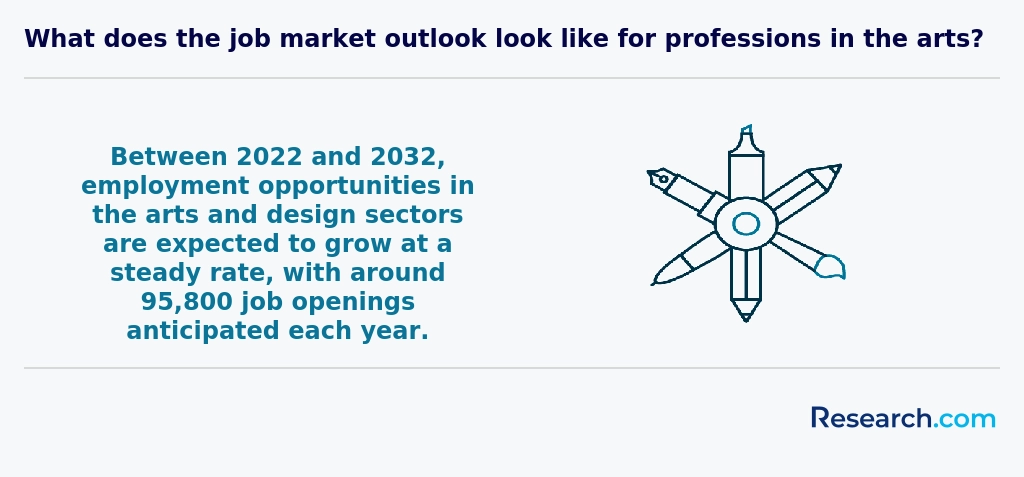
Considering the Missouri fine arts career outlook 2027, growth in arts positions remains modest but consistent, encouraging students to diversify skills-especially in digital arts and design. Graduates frequently secure roles in graphic design firms, museum curation, and art education, contributing to vibrant local creative economies. Salaries typically range from $30,000 to $54,000, which, while competitive regionally, highlight the value of a strong portfolio and networking.
Those exploring options might also look into programs promoting flexibility and accessibility, including some of the easiest degrees to get with relevant artistic components, allowing continued skill development while gaining professional experience.
Frequently Asked Questions About fine arts
Fine arts degree students in Missouri can maximize their learning experience by engaging actively with both academic and extracurricular opportunities available at their institutions. Missouri offers a range of programs with strong studio components and art history coursework, often supported by partnerships with local galleries, theaters, and museums such as the Nelson-Atkins Museum of Art in Kansas City. Participating in internships and community art projects helps students build practical skills and professional networks.
Students should also take advantage of state-wide art festivals and competitions, which offer exposure and feedback. According to the Missouri Arts Council, nearly 50% of fine arts students who participate in internships find employment in their field within a year of graduation. Leveraging resources like university workshops and visiting artist lectures further enriches learning.
The fine arts field in Missouri is evolving, with emerging niches reflecting broader technological and cultural shifts. One growing area is digital media arts, combining traditional skills with digital tools to create animations, interactive installations, and virtual reality experiences. According to the National Association of Schools of Art and Design, Missouri institutions have seen a 15% increase in digital arts enrollments over the past five years.
Another niche gaining traction is community-engaged art, where artists collaborate with local groups to address social issues. This approach aligns with Missouri's strong emphasis on public arts funding, which increased by 10% statewide from 2019 to 2023 (Missouri Arts Council data). Additionally, art therapy programs are expanding, tapping into healthcare and social work sectors.
Graduates with a fine arts degree in Missouri can enhance their job prospects by building a strong portfolio showcasing diverse projects. Missouri's creative industries, including design and media, often seek candidates with proven practical skills. Participating in internships or community art projects provides valuable experience and networking opportunities.
Understanding local job markets is crucial. According to the Missouri Economic Research and Information Center, arts and design jobs grew by 4% from 2018 to 2023, indicating steady demand. Joining professional organizations such as the Missouri Arts Council can connect graduates with statewide resources and job listings.
Additionally, graduates should refine their skills in digital tools relevant to fine arts careers, like Adobe Creative Suite, as employers value technical proficiency. Continued education through workshops or certifications also supports career advancement in this competitive field.
Employers seeking fine arts degree graduates in Missouri prioritize a combination of strong technical skills and creative problem-solving abilities. Mastery in traditional and digital media, including proficiency in software like Adobe Creative Suite, is highly valued.
Communication skills are crucial, as artists must effectively present ideas and collaborate within multidisciplinary teams. According to the Missouri Economic Research and Information Center, cultural and artistic sectors in the state have grown by over 8% in the last five years, increasing demand for versatile graduates.
Adaptability and project management skills also rank highly, helping artists meet deadlines and client expectations in fast-paced environments. These competencies together create a competitive edge for fine arts graduates entering Missouri's evolving job market.
Finding internships in Missouri relevant to a fine arts degree involves leveraging local resources and institutions. Many universities in Missouri, such as the University of Missouri and Missouri State University, maintain partnerships with museums, galleries, and theaters that offer internship opportunities.
The Missouri Arts Council, a state agency, provides information on grants and internship programs specifically targeting arts students. Additionally, cities like St. Louis and Kansas City have vibrant arts scenes with organizations seeking interns for roles in curation, design, and arts administration.
Students can also explore opportunities with the St. Louis Art Museum and the Nelson-Atkins Museum of Art in Kansas City, both frequently offering internships that combine practical experience with professional networking. Checking university career centers and local arts organizations' websites regularly can increase the chances of securing an internship.
A fine arts degree in Missouri can significantly impact career mobility and advancement by providing specialized skills and credentials valued in creative industries. Graduates often find opportunities in art education, graphic design, and media production, fields that have seen modest growth statewide. According to the Missouri Department of Economic Development, arts-related occupations in Missouri grew by approximately 3% between 2019 and 2023, indicating steady demand. Additionally, holding a degree enhances eligibility for higher-paying roles and leadership positions within cultural institutions, galleries, and education sectors. Networking through Missouri's robust arts community further supports career progression for degree holders.
Studying for a fine arts degree in Missouri offers students a broad foundation that encourages collaboration across various disciplines. Many Missouri institutions integrate courses in digital media, design, and communication, equipping students with versatile skills. According to the Missouri Department of Higher Education, nearly 60% of fine arts graduates engage in interdisciplinary careers within five years of graduation.
This approach allows students to apply artistic reasoning beyond traditional studio work, incorporating aspects of technology, marketing, and education. Programs often emphasize project-based learning, promoting teamwork with departments like business or technology. Such experiences prepare graduates for roles in creative industries where multiple expertise areas intersect.
Choosing between a thesis and a non-thesis fine arts degree program in Missouri depends on your career goals and learning style. Thesis programs often require original research or a creative project, benefiting students aiming for academic work or advanced study. Non-thesis programs focus more on coursework and practical skills, ideal for those pursuing professional art careers.
Missouri schools like the University of Missouri offer both options with varying time commitments. According to the National Center for Education Statistics, about 40% of Missouri's arts graduate students opt for thesis tracks, reflecting strong interest in research and deeper specialization.
Consider how each aligns with your ambitions, workload capacity, and future plans when deciding.
Students based in Missouri who wish to study fine arts abroad have several pathways available, typically through partnerships between Missouri universities and international institutions. Many Missouri colleges, such as the University of Missouri and Washington University in St. Louis, offer study abroad programs in countries renowned for fine arts, including Italy, France, and Spain.
These programs often include semesters or summer sessions focused on art history, studio practice, and cultural immersion. According to the Institute of International Education (IIE), about 2% of Missouri students engage in study abroad, with fine arts students benefiting from tailored experiences.
Additionally, some scholarships and grants support Missouri fine arts students' international study, helping to cover costs and encourage global perspectives in art.
Students pursuing fine arts degrees in Missouri have several part-time job opportunities that align well with their studies. Many engage in work at local galleries and museums in cities like St. Louis and Kansas City, gaining practical experience while networking within the art community. According to the Missouri Arts Council, part-time roles such as gallery assistants or event coordinators are common for fine arts students.
Art teaching positions, including private tutoring or assisting in community art programs, also complement educational goals and build communication skills. Additionally, freelance work like graphic design, illustration, or photography can provide income and portfolio development.
Fine arts students in Missouri have access to a variety of networking opportunities designed to enhance their professional growth. Universities like the University of Missouri and St. Louis Community College host art exhibitions, workshops, and guest lectures where students can connect with established artists and industry professionals. Missouri also offers several fine arts organizations such as the Missouri Arts Council, which provides grants and hosts events fostering collaboration among artists statewide.
Additionally, students can participate in local galleries, art fairs, and internships in cities like Kansas City and St. Louis, both recognized for their vibrant art scenes. According to the Missouri Department of Economic Development, these areas have seen a 5% growth in arts-related employment, increasing career prospects for graduates.
Alumni networks are valuable resources for fine arts degree students in Missouri. These networks connect current students with graduates who have established careers in various artistic fields. According to the Missouri Department of Higher Education & Workforce Development, about 65% of fine arts graduates find job opportunities through connections made via alumni networks.
Such networks often offer mentorship, portfolio reviews, and internship opportunities. This is crucial in fine arts, where practical experience and personal connections can strongly influence career growth.
Many Missouri universities hosting fine arts programs maintain active alumni associations, increasing access to local art communities and exhibitions. These connections provide insight into regional markets, galleries, and funding opportunities, enhancing professional development.
Students pursuing fine arts degrees in Missouri have multiple options to tailor their studies to fit specific career goals. Many institutions allow specialization within broader fine arts programs, such as painting, sculpture, graphic design, or digital media. Elective courses can align with interests in art education, gallery management, or art therapy.
Internships and community-based projects are often encouraged, providing practical experience and networking opportunities in Missouri's vibrant art communities, including St. Louis and Kansas City. Some schools also offer flexible course schedules and interdisciplinary studies, enabling students to combine fine arts with business or technology fields.
According to the Missouri Department of Higher Education, customizing curricula through minors or certificates can enhance job readiness in creative industries. This approach supports a personalized education that meets evolving market demands while fostering artistic growth.
Fine arts students in Missouri often face several common challenges during their studies. Financial strain is significant; according to the Missouri Department of Elementary and Secondary Education, many students struggle with tuition and material costs, especially for supplies like paints, canvases, and digital equipment. Limited access to high-quality studio space and specialized technology can also hinder students' ability to complete projects effectively.
Additionally, students may experience difficulty finding internships and networking opportunities within Missouri's relatively small arts market. The National Endowment for the Arts notes that rural communities often have fewer gallery and exhibit options, limiting real-world exposure. Balancing creative development with academic demands remains a consistent challenge in fine arts programs across Missouri.
With a fine arts degree in Missouri, graduates can pursue several professional certifications to enhance their careers. One common path is obtaining teacher certification through the Missouri Department of Elementary and Secondary Education (DESE), allowing graduates to teach art in public schools. This requires completing an approved educator preparation program and passing state exams.
Additionally, artists may seek credentials like Certified Graphic Designer (CGD) or pursue certification from the American Institute of Graphic Arts (AIGA), which, while not state-specific, can improve employment prospects.
For those interested in museum or gallery work, certifications such as Certified Museum Professional (CMP) are valuable. Missouri's fine arts professionals benefit from these recognized qualifications to advance in various creative and educational fields.
Writing a successful application for a fine arts program in Missouri requires careful preparation and attention to detail. Start by researching programs accredited by the National Association of Schools of Art and Design (NASAD) to ensure program quality. Many Missouri institutions, like the University of Missouri and Webster University, emphasize portfolio strength, so prioritize submitting a diverse and well-curated collection of your best artwork.
Include a clear personal statement explaining your artistic vision, goals, and why you chose the specific Missouri program. According to the National Center for Education Statistics, fine arts programs in Missouri saw a 5% enrollment increase from 2018 to 2022, highlighting growing local interest.
Letters of recommendation from professors or art professionals familiar with your work can enhance your credibility. Follow each institution's application requirements precisely to avoid disqualification. Demonstrating passion, technical skill, and a strong understanding of contemporary and traditional art forms will improve your chances of admission.
Fine arts careers are increasingly viewed through a global lens, reflecting expanding opportunities beyond local or national markets. Graduates with fine arts degrees in Missouri can expect to engage in a dynamic field where international collaboration and cultural exchange play key roles. According to the U.S. Bureau of Labor Statistics, employment for fine artists is expected to grow by 3% nationally through 2031, with urban centers like St. Louis and Kansas City serving as creative hubs that connect to global art networks.
Globalization has broadened avenues for exhibitions, digital art sales, and cross-cultural projects. This trend encourages Missouri students to develop adaptable skills applicable worldwide. Resources from the National Endowment for the Arts highlight that artists who utilize digital platforms and interdisciplinary approaches often gain broader recognition and income streams, reinforcing the value of a fine arts education with a global outlook.
Gaining practical experience while studying for a fine arts degree in Missouri involves engaging in internships, studio projects, and community art programs. Many Missouri universities, such as the University of Missouri and Missouri State University, offer partnerships with local galleries and cultural organizations where students can showcase work and collaborate on exhibitions.
Students can also participate in on-campus art clubs and attend workshops led by established artists. According to the National Endowment for the Arts, hands-on learning significantly boosts career readiness for fine arts students.
Furthermore, Missouri's vibrant arts scene, including events like the St. Louis Art Fair, provides avenues for students to network and gain real-world exposure. Seeking part-time jobs in art studios or assisting professional artists also adds valuable experience.
Choosing the right concentration within a fine arts degree program in Missouri begins with understanding your personal interests and career goals. Missouri universities offer a variety of concentrations, including painting, sculpture, graphic design, and photography. According to the National Center for Education Statistics, schools like the University of Missouri and Maryville University have robust fine arts departments with diverse options.
Consider the types of skills each concentration develops and how they align with career prospects. For example, graphic design may offer more job opportunities in digital media, while studio arts focus on traditional techniques. Research the faculty expertise and available facilities at Missouri institutions, as these can significantly impact your learning experience.
Related Fine Arts Rankings for Nearby States
- 2027 Most Valuable Fine Arts Degree Programs Ranking in Kansas
- 2027 Most Valuable Fine Arts Degree Programs Ranking in Nebraska
- 2027 Most Valuable Fine Arts Degree Programs Ranking in Oklahoma
- 2027 Most Valuable Fine Arts Degree Programs Ranking in South Dakota
- 2027 Most Valuable Fine Arts Degree Programs Ranking in Minnesota
- 2027 Most Valuable Fine Arts Degree Programs Ranking in Colorado
- 2027 Most Valuable Fine Arts Degree Programs Ranking in Ohio
- 2027 Most Valuable Fine Arts Degree Programs Ranking in West Virginia
- 2027 Most Valuable Fine Arts Degree Programs Ranking in Texas
- 2027 Most Valuable Fine Arts Degree Programs Ranking in Florida
Top Trending Fine Arts Rankings
References
- Studio Art Study Abroad Programs | Go Overseas https://www.gooverseas.com/study-abroad/arts
- Networking for Artists: Unlocking Opportunities in the Art World - Ceri Hand https://cerihand.com/networking-for-artists/
- Bachelor of Fine Arts in Art & Design (BFA) https://www.ualberta.ca/en/art-design/undergraduate-programs/bfa-art-and-design.html
- Know more about thesis vs non- thesis: what is the difference? https://studyfans.com/en/blogs/816
- Careers in the Arts: Who Stays and Who Leaves? https://snaaparts.org/findings/reports/careers-in-the-arts-who-stays-and-who-leaves
- Alumni Network at Moore https://moore.edu/alumni/
- Challenges in Undergraduate Art Education - Arts Education Partnership https://www.aep-arts.org/challenges-in-undergraduate-art-education/
- MFA Statement of Purpose: The Artist Statement + Academic Goals Hybrid https://gradpilot.com/news/mfa-statement-of-purpose-artist-statement-guide
- Internships and Fellowships - https://www.art-almanac.com.au/internships-and-fellowships/
- What Alumni Say https://www.cityandguildsartschool.ac.uk/ma-fine-art/student-and-alumni-case-studies/


