
2027 Most Valuable Online Colleges Programs Ranking in Minneapolis, MN

Co-Founder and Chief Data Scientist
Choosing the right online college program can feel overwhelming, especially with so many options available. This article introduces the 2027 Most Valuable Online Colleges Programs Ranking in Minneapolis, MN, developed by the Research.com team of data scientists to help you make an informed decision.
By exploring this ranking, you'll discover degree programs that offer real value and promising outcomes, making your education investment worthwhile. Earning a degree not only boosts your skills but also opens doors to new opportunities and personal growth.
Take a confident step toward your future with insights designed to support your success.
Key benefits of getting online degrees in Minneapolis
- Graduates with an online bachelor's degree in Minneapolis earn an average salary of $58,000 annually, while those with a master's can expect around $75,000, showing significant growth as degree levels increase.
- An online nursing graduate from the University of Minnesota has successfully advanced to a leadership role at a local hospital, illustrating a clear career path fueled by practical, flexible education.
- Compared to traditional degrees, online graduates from Metropolitan State University enjoy the freedom to balance work and study, leading to higher satisfaction and career growth without sacrificing income.
- Key benefits of getting online degrees in Minneapolis
- What can I expect from online degrees in Minneapolis?
- How much can I make with online degrees in Minneapolis?
- 2027 Most Valuable Online Colleges Programs Ranking in Minneapolis, MN
- Key Findings
- How long does it take to complete online degrees in Minneapolis?
- What's the difference between online and on-campus degree?
- What is the average cost of online degrees in Minneapolis?
- What financial aid is available to online degree students in Minneapolis?
- What are the prerequisites for enrolling in online degree programs in Minneapolis?
- What courses are typically in online degree programs in Minneapolis?
- How do you choose the best online degree in Minneapolis?
- What career paths are available for online degree graduates in Minneapolis?
- What is the job market for online degree graduates in Minneapolis?
- Top Trending General Rankings
What can I expect from online degrees in Minneapolis?
Enrolling in an online degree program in Minneapolis means embracing a dynamic and supportive learning environment tailored for busy, modern students. Graduates from institutions like the University of Minnesota often share how interactive video lectures and virtual discussion boards created a sense of connection despite physical distance, helping them stay motivated and engaged.
Many students appreciate the flexible scheduling that fits alongside jobs or family commitments, a frequent highlight among Metropolitan State University's online learners. The chance to access expert faculty and comprehensive coursework remotely enables learners to confidently juggle life's demands while advancing their education.
Looking ahead, Minneapolis-based programs are likely to incorporate more cutting-edge virtual labs and AI-powered tutoring, enhancing personalized learning experiences. Financially, students benefit from in-state tuition and flexible payment options, which ease stress and foster positive feelings around affordability.
With local job markets in healthcare or business aligning well with these degrees, graduates feel optimistic about their career prospects, finding opportunities that match their skills without leaving the Twin Cities area.
How much can I make with online degrees in Minneapolis?
Graduates with online bachelor's degrees from Minneapolis institutions like the University of Minnesota often report starting salaries between $65,000 and $75,000, closely matching those who attended traditional programs. Fields such as IT, healthcare, and business stand out; for example, online nursing graduates frequently earn around $75,000 annually, reflecting the strong demand in Minneapolis's healthcare sector. Recent online finance degree holders from colleges like Augsburg University have seen entry salaries near $55,000 but notice rapid growth as experience drives their earnings upwards.
Master's degree recipients pursuing online studies in Minneapolis often experience even more substantial salary gains. Graduates from management or engineering programs at schools such as Hamline University typically earn between $80,000 and $100,000, with some advancing into specialized healthcare roles exceeding these figures. Many alumni share how balancing remote learning with employment lets them boost income while upgrading skills, positioning themselves for career agility in the city's evolving economy.
Looking ahead, online degrees are expected to increase salary potential further as Minneapolis's tech and finance sectors expand. Students describe the flexible, hands-on online experiences as empowering, fueling optimistic career trajectories in a competitive market that values modern, adaptable professionals.
2027 Most Valuable Online Colleges Programs Ranking in Minneapolis, MN
How do we rank schools?
Investing in your education is a significant decision that can shape your future, and the Research.com team understands the importance of making informed choices. To assist prospective students in Minneapolis, MN, we have meticulously crafted the "2027 Most Valuable Online Colleges Programs Ranking in Minneapolis, MN." Our commitment to quality, credibility, and accuracy is reflected in the extensive research and analysis conducted to compile this ranking.
We utilized the following reputable data sources to ensure a comprehensive evaluation of online college programs:
By exploring this ranking, readers will gain valuable insights into the most valuable online college programs in Minneapolis, enabling them to make well-informed decisions about their educational investments. For more details on our methodology, please visit our Research.com methodology page.
# 1 position
Walden University
Doctor of Nursing Practice

# 2 position
Walden University
Master of Nursing
# 3 position
Walden University
Master of Information Technology
# 4 position
Walden University
Master of Healthcare Administration
# 5 position
Walden University
Master of Education
# 6 position
Walden University
Doctor of Nursing
# 7 position
Walden University
Doctor of Public Policy and Administration
# 8 position
Walden University
Master of Accounting
# 9 position
Walden University
Master of Business Administration
# 10 position
Walden University
Master of Information Systems Management
# 11 position
Walden University
Master of Public Administration
# 12 position
Walden University
Master of Criminal Justice
# 13 position
Walden University
Master of Higher Education, Adult Learning (Non-Licensure)
# 14 position
Walden University
Master of Public Health
# 15 position
Walden University
Master of Law and Public Policy
# 16 position
Walden University
Master of Human Resource Management
# 17 position
Walden University
Master of Psychology
# 18 position
Walden University
Master of Early Childhood Studies
# 19 position
Walden University
Master of Industrial and Organizational Psychology
# 20 position
Walden University
Master of Forensic Psychology
Key Findings
- Annual tuition for in-state public universities in Minneapolis ranges from $12,000 to $15,000, with private institutions often exceeding $20,000.
- The Minneapolis job market supports industries like healthcare, finance, technology, and manufacturing, with a median starting salary around $50,000 per year for graduates.
- Mid-career salaries in Minneapolis average near $85,000, reflecting strong long-term earning potential.
- Online programs in Minneapolis meet national accreditation standards and offer flexible options for working adults and non-traditional students.
- State-based financial aid and scholarship programs are available to online students in Minnesota to help reduce education costs.
- Employers in Minneapolis recognize accredited online degrees as equivalent to traditional degrees, enhancing career advancement opportunities.
How long does it take to complete online degrees in Minneapolis?
Completing an online degree in Minneapolis typically spans about two years for associate degrees and around four years for bachelor's programs when pursued full-time. Graduates from institutions like the University of Minnesota often share how flexible scheduling allowed them to balance coursework with family or jobs, making the timeframe feel manageable rather than overwhelming.
Many online students at Minneapolis Community and Technical College find that part-time study, stretching degrees to three or four years, provides the right pace for their lives without sacrificing progress. Accelerated tracks offered by some regional schools open doors to finishing bachelor's degrees in as little as three years, fueling motivation with fast milestones and tangible career advancements.
Graduate degrees, especially professional ones like the MBA, can take one to two years. Local online learners often highlight how Minnesota State's credit transfer system and competency-based options shortened their journey, transforming busy schedules into achievable goals and sparking confidence in reaching graduation sooner than expected.
What's the difference between online and on-campus degree?
Students pursuing degrees at Minneapolis institutions like the University of Minnesota often note how online programs offer freedom unmatched by traditional classes. Imagine finishing coursework after a long day at work without sitting in traffic-something many online learners appreciate given that average commute times around Minneapolis exceed 25 minutes. This flexibility allows balancing family, career, and education smoothly.
Graduates who studied on-campus recall the vibrant social atmosphere-attending campus events, meeting professors face-to-face, and networking in the Twin Cities' lively college scene. While online peers sometimes feel they're missing this, many find virtual discussion boards and collaboration tools effective for building connections remotely.
Cost remains a defining difference. On-campus students often pay extra for housing and parking, while online learners save on these expenses, reducing financial stress. As Minneapolis continues expanding broadband access, we can expect online programs to become even more immersive and interactive, further closing the gap between virtual and in-person education experiences.
What is the average cost of online degrees in Minneapolis?
The average cost of an online degree in Minneapolis generally centers around $42,292, reflecting a blend of tuition, fees, and other expenses for many students. Graduates from institutions popular in the area often share how this investment feels worthwhile, especially when they balance work and life commitments with flexible online coursework. For example, students enrolled in programs at the University of Minnesota have noted that the clarity around total tuition fees online colleges Minneapolis MN requires helps them financially plan and stay motivated throughout their studies.
Because online programs reduce costs tied to commuting and housing, many Minneapolis-based learners find it easier to pursue degrees while maintaining steady incomes. The affordability, paired with quality education, makes the journey feel like a smart long-term decision. Graduates report appreciation for how online access to course materials and student services enhances their overall experience and eases the financial burden beyond tuition.
Looking forward, the evolving educational landscape may offer even more tailored financial options. Prospective students can explore a variety of support and pricing models through resources such as the Minnesota Office of Higher Education. Those seeking affordable online universities for working students will find this insight especially valuable when plotting cost-effective paths toward degree completion.
What financial aid is available to online degree students in Minneapolis?
Online students in Minneapolis often find financial aid options evolving to better support their unique needs. Graduates from prominent local institutions describe leveraging federal aid through FAFSA as their first step, unlocking Pell Grants that ease tuition costs without the pressure of repayment. Imagine a student juggling family and work who, thanks to these grants, experiences genuine relief and motivation.
State-level aid like the Minnesota State Grant further enhances affordability, offering awards that adjust to individual circumstances at universities such as the University of Minnesota. Many online learners enthusiastically share how this tailored support made continuing education feel within reach, even amid financial uncertainty.
Institutional scholarships increasingly target non-traditional students, reflecting Minneapolis colleges' recognition of diverse online cohorts. A graduate from a notable Minneapolis college recalls feeling valued and encouraged by merit-based awards designed just for online learners.
Looking ahead, expanding employer tuition reimbursement programs hold promise for working students, transforming career advancement into an attainable goal. The blend of federal, state, local, and employer-backed aid creates a dynamic future where online education in Minneapolis becomes an inspiring and accessible opportunity.
What are the prerequisites for enrolling in online degree programs in Minneapolis?
Envision enrolling in an online degree program in Minneapolis and being warmly welcomed by requirements designed to prepare you for success. Graduates from universities in Minneapolis often recall submitting their high school diploma or GED as a reassuring first step, confirming their readiness for college-level work. For those pursuing graduate studies, having a bachelor's degree is typically expected, ensuring a solid academic foundation.
Imagine a fellow student navigating the shift toward test-optional admissions, relieved that some Minneapolis institutions now prioritize holistic evaluation over SAT or ACT scores. This change reflects a broader trend making education more accessible and encouraging diverse talents to shine.
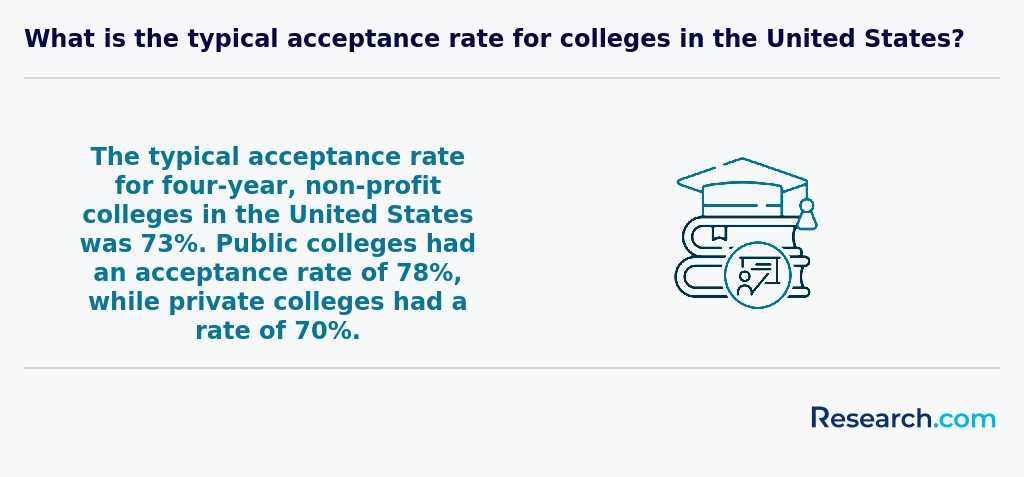
Reliable internet and comfort with technology are everyday essentials for online learners here-picture logging into a live lecture from your Minneapolis apartment without hiccups, feeling confident and connected. Financial planning grounded in locally relevant tuition costs, about $10,150 annually at public four-year colleges, also plays a crucial role in shaping a smooth enrollment journey.
Additional prerequisites tailored to fields like nursing or education remind you that each program respects the importance of professional readiness, just as many Minneapolis graduates experienced firsthand.
What courses are typically in online degree programs in Minneapolis?
Online degree programs in Minneapolis commonly include foundational general education courses such as English composition, mathematics, natural sciences, social sciences, and humanities. Graduates from the University of Minnesota often share how these classes sharpened their communication and critical thinking skills, preparing them for flexible career paths. Many students appreciate how these core courses build a broad knowledge base essential for both personal growth and professional success, particularly when combined with specialized coursework.
Students pursuing affordable online college courses Minneapolis frequently find a balanced curriculum that also reflects real-world relevance. For example, business majors engage in marketing and finance, while nursing students focus on patient care and community health, mirroring Minneapolis's diverse job market. This blend creates dynamic learning experiences that foster optimism and adaptability among learners.
Looking ahead, programs at local colleges may increasingly incorporate personalized electives and practical internships to enhance applied skills. Prospective students seeking the cheapest online bachelor's degree options in Minneapolis might find this evolution particularly encouraging, as it offers more ways to tailor studies to individual passions and career goals.
How do you choose the best online degree in Minneapolis?
Choosing the best online degree programs Minneapolis MN offers requires looking beyond traditional factors, focusing instead on future adaptability and personal lifestyle fit. Many graduates from Minneapolis-based universities describe how flexible class formats-such as fully asynchronous schedules-allowed them to balance work and family life seamlessly, making education feel truly accessible.
Affordability is pivotal when exploring affordable online colleges Minneapolis 2027, with some institutions tailoring competitive tuition and financial aid packages specifically for residents. Students benefit from minimized debt and enhanced peace of mind while pursuing their studies.
Support services also shape success. For example, University of Minnesota - Twin Cities graduates praise robust online tutoring and career counseling that made the virtual journey engaging and reassuring, replicating on-campus support in innovative ways.
Emerging trends include interdisciplinary opportunities like dual degree programs that enable students to combine skills from fields such as business and technology, preparing them for dynamic job markets in Minneapolis's evolving economy.
What career paths are available for online degree graduates in Minneapolis?
Graduates with an online degree in Minneapolis increasingly find abundant career paths across dynamic sectors. For example, those completing programs at popular institutions like the University of Minnesota or Augsburg University often transition into healthcare roles such as health services managers or community health coordinators, benefiting from the region's projected 15% growth in healthcare jobs. A graduate shared how their online public health degree enabled flexible learning while securing a rewarding position nearby.
Job prospects for online graduates Minneapolis also extend into finance, where individuals with degrees in business or accounting tap into opportunities at major employers like U.S. Bank. Graduates highlight personal satisfaction in combining flexible study schedules with high-demand roles in investment or insurance firms based locally.
Another thriving path is technology, where online computer science or cybersecurity programs prepare graduates for competitive roles at tech startups or established companies. Students frequently mention feeling excited by Minneapolis's blend of innovation and community, inspiring career growth.
Beyond these, many graduates explore fields like education and supply chain management, with some consulting trade school careers list and salaries to diversify their skills. This adaptability in online degree career opportunities in Minneapolis MN promises an optimistic future for motivated learners.
What is the job market for online degree graduates in Minneapolis?
The job market for graduates with an online degree in Minneapolis is becoming increasingly promising, fueled by the city's dynamic economy and high demand across sectors. Graduates from well-known local institutions, such as the University of Minnesota and Metropolitan State University, often share stories of landing roles in IT support or healthcare administration shortly after completing their programs. These successes reflect a broader trend in Minneapolis online graduates employment opportunities, where flexibility and digital literacy gained through online education align perfectly with employer expectations.
As healthcare, finance, and technology industries expand, graduates find that a general online degree opens doors to roles with competitive salaries and growth potential. For many, remote or hybrid work options enhance job satisfaction and work-life balance, making this an attractive path. The increasing acceptance of online credentials means that students here have genuine options to pursue career advancement without delaying their education.
Looking ahead, those exploring the job market for online general degree Minneapolis MN can also consider complementary training or certifications to specialize. For example, exploring trade school jobs that pay well alongside a degree can boost employment prospects and income potential.
Frequently Asked Questions
Students in Minneapolis can maximize their online learning experience by leveraging local resources alongside digital tools. The city offers multiple public libraries with free access to high-speed internet and quiet study spaces, essential for focused learning. According to the Minneapolis Public Library system, over 50 locations provide these facilities.
Engaging with local study groups or academic meetups can enhance understanding through peer discussions. Organizations such as the Minneapolis Regional Chamber occasionally host educational workshops beneficial to online learners. Additionally, students should utilize university tutoring and counseling services remotely, which many Minneapolis schools provide without extra cost.
Maintaining a structured schedule and setting clear goals align with best practices recommended by the U.S. Department of Education for online learners nationwide.
After completing an online degree in Minneapolis, preparing for the job market involves several important steps. First, graduates should leverage local resources like the Minnesota Department of Employment and Economic Development, which offers job listings and career counseling tailored to the Minneapolis area. Networking is key; joining professional groups and attending virtual or in-person events can connect candidates with employers.
Minneapolis has a growing tech and healthcare sector, so tailoring your resume to these industries can improve job prospects. According to the U.S. Bureau of Labor Statistics, the Twin Cities metropolitan area expects a 6% job growth through 2028, higher than the national average. Practicing interview skills and developing a strong online presence on platforms like LinkedIn also increases visibility to recruiters.
Employers in Minneapolis prioritize a combination of technical skills and soft skills when evaluating graduates. According to the Minneapolis Regional Chamber, critical thinking and problem-solving abilities top the list, as the region's economy increasingly relies on technology and innovation. Communication skills, both written and verbal, are also highly valued, with 85% of local employers emphasizing teamwork and collaboration in their hiring criteria.
Data from the Minnesota Department of Employment and Economic Development shows a growing demand for digital literacy, especially proficiency in data analysis and software tools common in industries like healthcare, finance, and manufacturing. Adaptability and continuous learning remain essential as companies face rapid changes driven by technology and market shifts.
Finding internships in Minneapolis involves a combination of online research, networking, and utilizing local educational resources. Start by exploring internship databases such as Handshake, which many Minneapolis colleges use to connect students with employers. The Minneapolis-Saint Paul metropolitan area hosts a diverse range of industries including healthcare, technology, and finance, offering ample internship opportunities.
Local organizations like the Minneapolis Regional Chamber of Commerce provide listings and career events. Additionally, students should engage with online professional networks such as LinkedIn, filtering searches for Minneapolis-based internships.
According to the University of Minnesota's Career Services, nearly 70% of local internships lead to full-time employment, underscoring their value for online degree candidates seeking practical experience.
In Minneapolis, earning an online degree significantly impacts career mobility and advancement. The city's diverse economy, spanning healthcare, finance, and technology sectors, values higher education credentials for job promotion and salary growth.
According to the U.S. Census Bureau and local labor market analyses, workers with a bachelor's degree in Minneapolis earn about 65% more annually compared to those with only a high school diploma. Employers increasingly prefer candidates with accredited online degrees, especially when paired with relevant skills and experience.
Moreover, online degrees offer flexible learning schedules, enabling working professionals in Minneapolis to upskill without disrupting their current job roles. This flexibility supports career advancement by allowing continuous education and credential attainment alongside professional responsibilities.
Choosing between a thesis and a non-thesis degree program in Minneapolis depends on your academic and career goals. Thesis programs typically require original research and a written dissertation, ideal for students aiming for research roles or doctoral studies. Non-thesis programs focus more on coursework and practical skills, suited for professionals pursuing advancement or career changes.
Local universities like the University of Minnesota offer both options online, allowing flexibility for working adults. Data from the National Center for Education Statistics shows about 30% of graduate students in Minnesota opt for thesis tracks, reflecting strong academic research opportunities in the state.
Your choice should consider time commitments, interest in research, and future plans, as thesis programs usually take longer to complete.
Students in Minneapolis seeking to study abroad while pursuing online degrees have several pathways available through US higher education institutions. Many local universities, such as the University of Minnesota system, offer study abroad programs integrated with their online curricula. These programs allow students to earn credits abroad without delaying their graduation timeline.
Additionally, partnerships between Minneapolis colleges and international institutions provide virtual exchange options, enhancing global exposure from home. According to the Institute of International Education, about 5% of Minnesota students in 2022 participated in study abroad initiatives, reflecting growing interest in global learning even among online learners.
Financial aid and scholarships specifically for study abroad may also support Minneapolis students, helping offset travel and living costs when in-person components are involved.
Minneapolis offers a variety of part-time job opportunities that can complement your degree education and provide valuable experience. Popular options include internships in healthcare, technology, and business sectors, which align well with many online degree programs.
The city's strong healthcare industry presents roles such as medical assistants or administrative support in hospitals and clinics. According to the Minneapolis Regional Chamber, healthcare jobs grew by 9% in recent years, reflecting demand for qualified workers.
Technology students can explore positions like IT support or junior developer roles within Minneapolis's growing tech scene. The city is home to numerous startups and tech firms, offering flexible opportunities compatible with study schedules.
Business students may find part-time roles in sales, marketing, or finance, gaining practical skills that enhance academic learning. Local small businesses often seek part-time help, providing real-world insights.
Online students in Minneapolis benefit from a variety of networking opportunities connected to the city's robust educational and professional environments. Many local universities offering online degrees, such as the University of Minnesota and Metropolitan State University, provide virtual career fairs, webinars, and alumni events that foster connections among students and industry professionals.
Additionally, Minneapolis is home to numerous professional organizations and industry groups that host regular meetups and workshops, accessible both in-person and virtually. According to the Minneapolis Chamber of Commerce, these events support over 10,000 business professionals, creating valuable networking avenues for students.
Local coworking spaces and innovation hubs also serve as networking venues for online learners seeking face-to-face engagement. These combined resources help bridge the gap between remote study and real-world connections.
Alumni networks provide critical support for online degree students in Minneapolis by fostering connections that can lead to job opportunities and mentorship. Studies show that graduates with active alumni ties have a 20% higher chance of securing employment within six months post-graduation, according to the University of Minnesota's career placement data.
These networks often host local events in Minneapolis, allowing online students to meet professionals and enhance their industry knowledge. Networking within a trusted community helps in navigating the local job market, which is especially valuable given Minneapolis's competitive sectors like healthcare and finance.
Furthermore, alumni connections can offer guidance on career advancement and access to resources such as internships or exclusive job listings. For online students, who may miss out on traditional campus interactions, these networks help create a sense of belonging and professional identity.
Minneapolis students seeking online degrees can tailor their programs by choosing specialized tracks or concentrations aligned with career goals. Many accredited institutions offer options in industries like healthcare, business, and technology. For example, the University of Minnesota system provides flexible coursework allowing learners to combine core requirements with electives that match local job market demands.
Minneapolis employers increasingly value competencies in data analytics and project management, which online degrees often incorporate as certificates or minors. Additionally, students can customize schedules with asynchronous classes to balance work and education efficiently.
According to the Minnesota Office of Higher Education, over 70% of local online degree seekers report that customizable options helped them meet professional advancement targets.
Online students in Minneapolis face several challenges typical to remote higher education in the US. One significant issue is maintaining a reliable internet connection, as nearly 10% of Minneapolis households reported limited broadband access according to the 2022 American Community Survey. This can hinder participation in live lectures and timely submission of assignments.
Another challenge is balancing coursework with work and family obligations. Minneapolis has a sizable population of working adults pursuing degrees, and managing time effectively remains difficult. Additionally, limited in-person support services can affect student engagement and motivation.
Finally, navigating financial aid and understanding transfer credits within Minnesota's public university systems can be complex for online learners.
When applying for online degree programs in Minneapolis, it is crucial to tailor your application to highlight your strengths clearly. Start with a well-crafted personal statement explaining why you chose your field and how the program fits your career goals. Admissions officers value clarity and genuine motivation.
Include all required documents, such as transcripts and letters of recommendation, ensuring they reflect your academic achievements. Minneapolis institutions like the University of Minnesota emphasize holistic review, so volunteer work or relevant experience can strengthen your profile.
Proofread carefully to avoid errors and meet all deadlines. According to Minneapolis Community and Technical College, submitting early can improve your chances.
Students pursuing online degrees in Minneapolis can gain practical experience through internships, cooperative education (co-op) programs, and volunteering with local organizations. The Twin Cities area is home to many companies and nonprofits seeking remote and in-person interns, especially in industries like healthcare, technology, and finance. According to the Minneapolis Regional Chamber of Commerce, over 60% of recent graduates from Minnesota colleges participate in internships before graduating.
Additionally, Minnesota colleges often partner with local employers to offer virtual internships that fit online study schedules. Platforms such as the Minnesota Workforce Center help students find remote positions gaining skills directly related to their studies.
Lastly, joining professional associations based in Minneapolis can provide networking, mentorship, and project opportunities, helping students apply their online learning in real-world scenarios.
Choosing the right concentration within an online degree program in Minneapolis involves several key steps. First, assess your career goals and how each specialization aligns with local job markets. Minneapolis supports diverse industries like healthcare, finance, and technology, which can guide your choice.
Next, review program details from Minneapolis-area schools, including course content, faculty expertise, and available resources. Institutions like the University of Minnesota offer specialized options backed by strong regional employer connections.
Also, consider salary data linked to each concentration. For example, healthcare concentrations often lead to higher median wages in Minneapolis compared to other sectors, according to the Minnesota Department of Employment and Economic Development.
Finally, evaluate flexibility and support services for online learners to ensure the program fits your lifestyle and commitments.
Related General Rankings for Nearby Cities
- 2027 Most Valuable Online Colleges Programs Ranking in St. Paul, MN
- 2027 Most Valuable Online Colleges Programs Ranking in Winona, MN
- 2027 Most Valuable Online Colleges Programs Ranking in Duluth, MN
- 2027 Most Valuable Online Colleges Programs Ranking in Cedar Falls, IA
- 2027 Most Valuable Online Colleges Programs Ranking in Brookings, SD
- 2027 Most Valuable Online Colleges Programs Ranking in Sioux Falls, SD
- 2027 Most Valuable Online Colleges Programs Ranking in Madison, SD
- 2027 Most Valuable Online Colleges Programs Ranking in Fargo, ND
- 2027 Most Valuable Online Colleges Programs Ranking in Madison, WI
- 2027 Most Valuable Online Colleges Programs Ranking in Grand Forks, ND
Top Trending General Rankings
References
- Build Your Career with a Goal-Oriented Development Plan – Step by Step https://sundancecollege.com/blog/goal-oriented-career-development-plan-guide/
- Teen Challenge Boarding Schools in Minneapolis, Minnesota https://teenchallengeschools.com/teen-challenge-for-teenagers-in-minneapolis-minnesota/
- Minnesota college students increasingly facing basic economic, mental health challenges - Minnesota Budget Project https://mnbudgetproject.org/blog/minnesota-college-students-increasingly-facing-basic-economic-mental-health-challenges
- A student’s perspective: “I’m learning more with distance learning” https://www.americanexperiment.org/a-students-perspective-im-learning-more-with-distance-learning/
- Study Abroad Programs | Go Overseas https://www.gooverseas.com/study-abroad
- 60 Career Development Goals Examples: 30 Short-Term & 30 Long-Term Goals https://www.qooper.io/blog/career-development-goals-examples
- Urban Scholar application and eligibility https://www.minneapolismn.gov/government/programs-initiatives/urban-scholars/eligibility-requirements/
- Business Networking – Bloomington, MN – Network in Action https://www.niatwincities.com/
- 5 Steps to Align Your Career Goals with University and Degree Selections https://www.dwtutoring.com/post/5-steps-to-align-your-career-goals-with-university-and-degree-selections
- The eight graduate skills employers want https://www.unitemps.com/career-advice/the-eight-graduate-skills-employers-want/


