2027 Different Types of Radiology Technician Degrees and Their Salaries

Co-Founder and Chief Data Scientist
The demand for skilled radiology technicians continues to rise as healthcare advances and diagnostic imaging plays a crucial role in patient care. According to recent labor statistics, employment in this field is projected to grow significantly faster than the average for all occupations, reflecting a robust need for qualified professionals. Selecting the right educational path is essential to meeting industry standards and maximizing career opportunities. This article provides a detailed overview of the various types of radiology technician degrees available and outlines the potential earnings for graduates of each program, offering clear guidance for those planning a future in this vital healthcare sector.
Key Points About Different Types of Radiology Technician Degrees and Their Salaries
- Obtaining an associate degree in radiology technician typically leads to entry-level positions, with an average salary around $60,000 per year according to U.S. Bureau of Labor Statistics data, making it the most common and accessible path into the field.
- A bachelor's degree in radiologic technology can open doors to specialized roles and supervisory positions, often resulting in salaries up to 20% higher than those with an associate degree, reflecting enhanced career advancement and responsibilities.
- While master's degree programs in radiology are less common, they prepare professionals for leadership, educational, or advanced clinical roles, with salaries frequently exceeding $90,000 annually, highlighting long-term growth potential in managerial and research-focused careers.
What are the different types of radiology technician degrees available?
Understanding the different types and levels of radiology technician degrees is crucial for students before selecting a program because each degree addresses unique educational needs and career goals. Choosing the right degree ensures alignment with professional ambitions and helps build a solid foundation for future opportunities.
Below is an overview of the main types of radiology technician degrees and what distinguishes each one:
- Certificate or Diploma in Radiologic Technology: Provides foundational instruction in basic radiographic procedures and patient care. Coursework emphasizes introductory medical imaging concepts and practical training for entry-level roles in limited practice settings.
- Associate Degree in Radiologic Technology: Covers core topics such as radiology fundamentals, medical terminology, anatomy, patient positioning, and radiation protection. The curriculum prepares students for national certification and routine clinical tasks.
- Bachelor of Science in Radiologic Technology: Offers comprehensive study including advanced medical imaging science, anatomy and physiology, healthcare management, and medical ethics. Students gain clinical skills, decision-making abilities, and exposure to leadership and specialized imaging techniques.
- Master's Degree in Radiologic Technology: Focuses on advanced imaging methods, research, and leadership within radiologic sciences. Coursework includes detailed human anatomy, clinical pharmacology, pathologic pattern recognition, and culminates in a thesis or research project.
- Online and Hybrid Radiology Programs: Available at associate, bachelor's, and master's levels, these programs combine online coursework with required in-person clinical training, offering flexibility without compromising hands-on experience.
The median salary for radiologic technologists, who usually hold at least an associate degree, was $67,180 as of May 2024, with advanced degrees often leading to higher earning potential. For those interested in flexible options, exploring top online associate degrees in 6 months can be a practical way to begin a career while accommodating other commitments.
What specializations are available in radiology technician degrees?
Specialization is a crucial factor when choosing a radiology technician degree because it allows students to tailor their education to specific career objectives and industry demands. Focusing on a particular niche enhances technical skills, which can lead to more targeted job opportunities and higher earning potential.
The following are some common Radiology Technician specializations that students can pursue to align their training with professional goals and workplace environments:
- Radiology Technician: General Radiography: Focuses on producing standard X-ray images used for diagnosing various medical conditions. Key skills include patient positioning and operating radiographic equipment. Graduates typically find roles in hospitals, clinics, and urgent care centers.
- Radiology Technician: Computed Tomography (CT): Specializes in operating CT scanners to create detailed cross-sectional body images. Skills emphasized include administering contrast media and using 3D imaging software. Employment opportunities are common in trauma centers and diagnostic laboratories.
- Radiology Technician: Magnetic Resonance Imaging (MRI): Involves working with MRI machines that produce highly detailed images without radiation exposure. Technologists gain expertise in magnetic fields and anatomical knowledge. Careers often exist in hospitals and outpatient imaging facilities.
- Radiology Technician: Mammography: Centers on breast imaging primarily for cancer screening and diagnosis. This specialization develops skills in patient care and sensitive communication. Mammographers usually work in women's health clinics and hospitals.
- Radiology Technician: Nuclear Medicine: Uses radioactive substances to perform imaging and treat certain diseases. Training covers radiation safety protocols and pharmacology. Graduates often find jobs in hospitals and specialized nuclear medicine laboratories.
- Radiology Technician: Cardiovascular Interventional Technology: Focuses on imaging and assisting with minimally invasive cardiovascular procedures. Skills include catheter use, managing contrast agents, and advanced imaging techniques. Careers commonly span cardiac care units and catheterization labs.
Students interested in furthering their education can explore the top college courses for older adults online, which offer flexible paths to specialize in radiology technician roles while balancing other commitments.
How long does it take to complete each type of radiology technician degree?
Understanding the duration of radiology technician programs is crucial for students planning their education and career paths. Knowing how long each degree takes helps set realistic expectations and manage timelines effectively. Below is an overview of the main radiology technician degree types with their typical completion times.
- Associate Degree in Radiology Technician: This is the most common entry-level program, typically requiring about two years of full-time study. Some students may finish sooner if they transfer credits from previous coursework or attend accelerated programs. Part-time and online options are increasingly available, which can extend the timeline depending on the student's pace.
- Bachelor's Degree in Radiology Technician: Usually taking four years to complete, a bachelor's degree provides more in-depth training and broader opportunities in healthcare. Students who already hold an associate degree may shorten this timeline by transferring credits. Flexible scheduling and online classes can influence program length as well.
- Master's Degree in Radiology Technician: For those pursuing advanced specialization or leadership roles, master's programs generally take about 1.5 to 2 years after completing a bachelor's degree. Accelerated tracks and part-time studies exist, offering options to tailor the length but typically require a significant time commitment.
Are there accelerated radiology technician degree programs?
Yes, there are accelerated radiology technician degree programs available in the United States that offer a faster route to entering the workforce compared to traditional programs. These accelerated options shorten the typical two- or four-year timelines by condensing coursework and clinical training into a much shorter period, sometimes as brief as 8 to 15 months for certificate or associate-level programs, and about 11 months for certain bachelor's degrees.
Common formats for these programs include condensed courses that cover more material each term, year-round schedules with minimal breaks between sessions, and the acceptance of transfer credits for previous healthcare experience or relevant coursework. Some programs, like the University of Utah's certificate, balance weekly classes with hands-on labs and extensive clinical practice, while others, such as ECPI University's bachelor's in radiologic sciences, are structured to be completed in just under a year thanks to continuous terms. These formats aim to accelerate skill development and clinical readiness, allowing students to move quickly into employment.
However, prospective students should carefully consider the substantial workload and strict eligibility requirements that come with accelerated radiology technician programs. The intensity is high, with many programs demanding full-time commitment and up to 40 hours per week in clinical settings. Eligibility often requires maintaining a solid GPA (commonly around 3.0), completing prerequisite coursework, passing background checks and drug screenings, and holding certifications like Basic Life Support.
Admissions may also require proof of patient care experience and letters of recommendation. Graduates of accredited accelerated programs are generally eligible to take the ARRT certification exam, essential for career advancement and job eligibility. Though demanding, these programs can offer a faster pathway to competitive salaries in the radiologic technology field, appealing to motivated individuals eager to begin their healthcare careers quickly.
When I spoke with a graduate of an accelerated radiology technician degree program, he reflected on the unique challenges and rewards of his experience. He described the program as an intense but highly focused journey, mentioning that "managing the fast pace was tough at first, especially balancing the heavy clinical hours alongside condensed coursework." He appreciated how the hands-on labs reinforced his learning each week, stating that "the clinical hours helped me build confidence quickly, even if it was exhausting."
He also noted that time management became his "most valuable skill" as the nonstop schedule left little room for anything outside of school and work. Despite the pressure, he emphasized feeling well-prepared for the certification exam and early job opportunities, reflecting that the accelerated format suited his goal of entering the workforce swiftly without sacrificing the quality of instruction. Overall, his experience highlighted how accelerated programs can be rigorous but ultimately rewarding for dedicated students.
Are online radiology technician degrees as credible as traditional ones?
Both online and traditional radiology technician degree programs adhere to similar academic standards due to the requirement for accreditation by the Joint Review Committee on Education in Radiologic Technology (JRCERT). Accredited online programs deliver core coursework such as anatomy, patient care, and radiation safety through virtual lectures, online discussion boards, and sometimes simulations. However, they still mandate in-person clinical training at approved local healthcare facilities to ensure hands-on experience. T
raditional programs cover these same subjects via in-person lectures and hands-on labs on campus, providing students with direct access to equipment and instructors for immediate feedback. This hybrid model in online programs ensures that graduates gain practical competencies equivalent to those from traditional settings, maintaining the rigor necessary for certification.
Recent trends show growing employer acceptance of online radiology technician degrees, as long as the programs are properly accredited. Employers tend to prioritize the quality and accreditation status of the degree over whether the coursework was completed online or in a classroom. Most online options are offered at the bachelor's level for working professionals, with associate degrees available for entry-level students.
The demand for radiology technicians is rising, and the median annual wage reported in 2023 is $61,370 regardless of how the degree was earned. Ultimately, the credibility of a radiology technician degree relies much more on the institution's reputation and accreditation than on the format of instruction, reassuring prospective students that choosing an online path does not compromise their job market standing if academic standards are met.
How much does each type of radiology technician degree typically cost?
Understanding the differences in tuition costs across various radiology technician degree levels is essential for effective budgeting and financial planning. These expenses can vary considerably depending on the degree type, institution, and residency status. Below is a breakdown of typical tuition costs for each kind of Radiology Technician degree to help prospective students make informed decisions.
- Certificate or Diploma in Radiology Technician: Tuition for certificate or diploma programs typically ranges from $1,683 to $31,036. These programs are often offered at community colleges or technical schools, with in-state students generally paying lower rates than out-of-state or private school attendees. Students can access federal Pell Grants, state scholarships, and institutional financial aid to help offset these costs.
- Associate Degree in Radiology Technician: The associate degree, being the most common entry-level credential, averages about $9,454 annually for in-state students and can rise up to $24,148 for out-of-state attendees. Public colleges tend to have lower tuition than private institutions, and financial aid options include federal grants, work-study programs, and healthcare-specific scholarships.
- Bachelor's Degree in Radiology Technician: Bachelor's programs have tuition rates ranging roughly from $9,750 per year at public universities to $35,248 at private schools. Online programs might charge per credit-usually between $200 and $800. Cost variability depends on residency, school type, and mode of delivery. Students pursuing this degree can apply for federal loans, grants, and specialized scholarships.
- Master's Degree in Radiology Technician: While less common, master's programs typically cost between $9,746 and $25,894 annually, with some online options offering reduced rates. Graduate students can take advantage of federal and private loans, graduate assistantships, and scholarships from professional organizations to manage tuition fees.
When discussing tuition costs, a graduate of a Radiology Technician degree program shared how she navigated the financial challenges of her education. She reflected, "I was initially overwhelmed by the cost estimates but found that a combination of scholarships and part-time work made it manageable." She emphasized that researching every available assistance option was crucial to her success.
Her experience also highlighted the value of choosing a reputable program that balanced cost with quality, ultimately allowing her to secure a stable job quickly after graduation. This practical approach to handling tuition expenses is a valuable lesson for prospective radiology technicians considering their educational investments.
What jobs can you get with each type of radiology technician degree?
The degree level you earn as a radiology technician significantly influences the range of career opportunities and the complexity of roles for which you qualify. Higher degrees and certifications often lead to advanced imaging positions and management roles, while entry-level degrees typically prepare graduates for foundational healthcare imaging jobs.
Below is an overview of common jobs associated with each radiology technician degree level to help you understand your potential career path.
- Associate Degree in Radiologic Technology: Graduates generally work as radiologic technologists or radiology technicians, performing X-rays and basic diagnostic imaging in hospitals, clinics, and outpatient centers. These professionals support medical diagnosis by capturing essential images and typically earn a median salary of around $61,220, with job growth faster than average.
- Bachelor's Degree in Radiologic Sciences: This degree prepares students for specialized positions such as MRI technologist, CT technologist, or mammography technologist. Bachelor's graduates may also advance into supervisory or educational roles and pursue certifications for specific modalities. Salaries in these roles vary, with MRI technologists earning between $50,000 and $94,000 and mammography technologists earning between $41,000 and $87,000.
- Specialized and Post-Baccalaureate Certifications: Technicians with additional certifications or bachelor's degrees can qualify for highly specialized jobs like nuclear medicine technologist, radiation therapist, or cardiovascular technologist. These jobs involve complex imaging or therapeutic radiation procedures, with median salaries around $85,000. Such professionals commonly work in major hospitals, cancer centers, or research institutions.
- Master's Degree or Advanced Practice: A master's degree offers pathways to administrative and managerial roles, including radiology manager or radiologist assistant. These positions focus on department leadership, staff coordination, and regulatory compliance, with radiology managers earning approximately $85,242 annually.
Exploring these options can help you align your education with your desired career in medical imaging and healthcare support, especially if you want to focus on some of the more lucrative majors within this field.
How do salaries differ by radiology technician degree type?
Degree level often influences the earning potential for radiology technicians, with higher education typically leading to better salary prospects and career advancement opportunities. Understanding how salaries differ by degree type can help students make informed decisions about their education and future career path.
Below is a summary of typical salary ranges for each radiology technician degree type, along with key factors affecting pay.
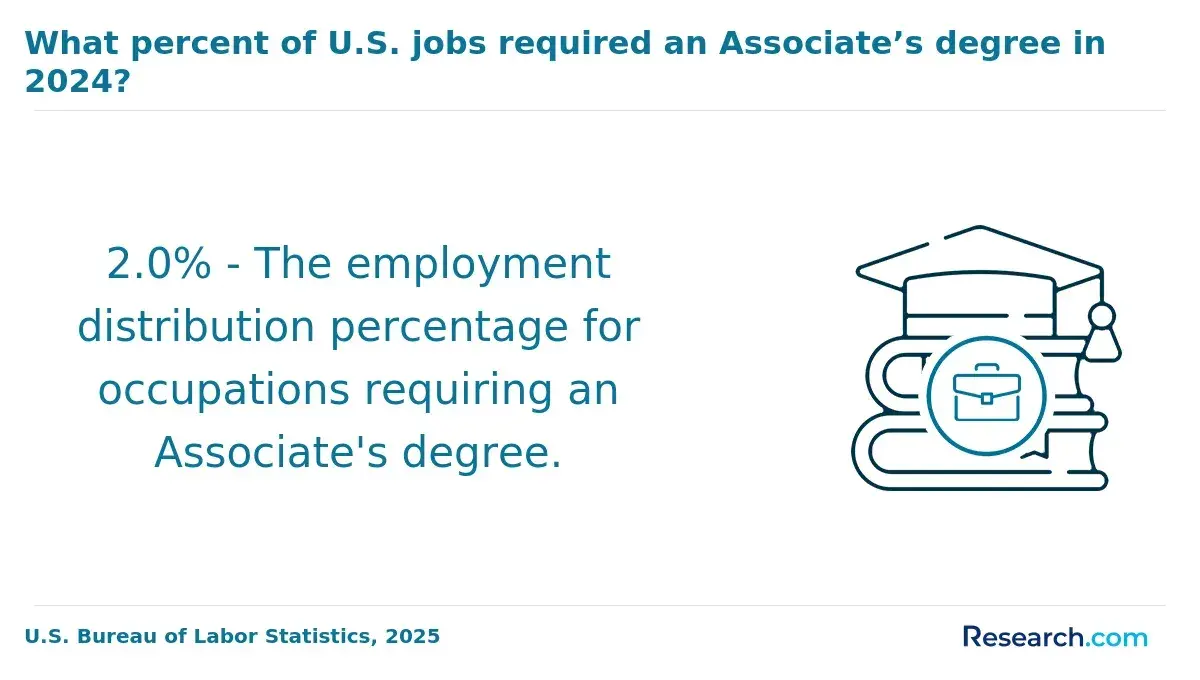
- Associate Degree in Radiology Technician: This is the minimum educational requirement to begin working as a radiology technician in the U.S. Entry-level salaries usually start around $65,000 per year, with a median wage near $77,660 as of May 2024. Factors such as location and employer type, including outpatient care centers or metropolitan hospitals, can lead to higher earnings.
- Bachelor's Degree in Radiologic Sciences: Obtaining a bachelor's degree opens opportunities for supervisory roles or specialization in advanced imaging techniques. Salaries for these positions typically exceed $90,000 annually, influenced by job responsibilities and certification attainment, which also contribute to long-term earning growth.
- Advanced Certifications and Modalities: Technicians with certifications in specialized areas, like MRI or CT, frequently command higher pay regardless of their base degree. For example, MRI technologists had a median salary of $88,180 in May 2024. Cross-training and multiple certifications are especially valued in smaller rural hospitals where broader skills are needed.
- Geographic and Workplace Variation: Salary ranges vary widely depending on the state and facility. Radiology technicians in states such as Washington often earn annual salaries above $100,000, while major metropolitan areas such as New York report averages between $72,000 and $88,000, reflecting regional cost-of-living differences and demand.
Those considering pursuing radiology technician education might explore options at the most affordable online schools that accept FAFSA to balance cost with quality and maximize future earning potential.
Is there high demand for radiology technician degree holders in the job market?
There is a notably high demand for radiology technician degree holders in the U.S. job market, driven by several key factors. Workforce shortages are a primary contributor, with the American Society of Radiologic Technologists reporting an 18.1% vacancy rate in 2023, a significant jump from 6.2% just three years earlier.
This shortage creates strong job prospects nationwide, especially as healthcare facilities seek to fill positions by offering incentives like signing bonuses and flexible schedules. Additionally, emerging medical imaging technologies such as MRI, CT, and ultrasound have expanded the scope and complexity of diagnostic procedures, further increasing the need for skilled professionals.
The aging population also plays a role, as older adults require more frequent imaging for conditions like osteoporosis and cancer. Regional differences affect demand as well; rural and underserved areas often have the most acute shortages and may provide extra benefits such as loan forgiveness or relocation assistance to attract qualified radiology technicians. This environment reflects a robust and expanding field, appealing to those interested in entering healthcare with a stable and rewarding career focus.
Salary trends further underscore the strength of this demand. The national average salary for radiologic technologists reached $86,484 in 2023, with specialists like nuclear medicine technologists earning over $100,000 annually. Those who pursue additional certifications and multi-modality expertise-in MRI, CT, or sonography-enhance their marketability and earning potential.
For students exploring career options, radiology technician programs offer promising outcomes supported by labor market data. It is worthwhile to consider radiology technician degrees in the context of broader trade careers, which collectively are seeing increased opportunities due to technological advances and workforce demands.
Overall, the outlook for radiology technician degree holders entering the workforce is strong and stable, with diverse opportunities for career growth especially in high-need regions and specialties.
What factors should you consider when picking a type of radiology technician degree?
Choosing the right degree level for a radiology technician is a critical decision that directly impacts your career trajectory, earning potential, and ability to balance education with personal obligations. Selecting the appropriate program ensures your education aligns with your professional goals and personal circumstances. To make an informed choice, consider these key factors:
- Career Goals: Your professional aspirations shape the degree that best suits you. An associate degree prepares you for entry-level roles, while a bachelor's degree opens opportunities for advanced specialties, supervisory positions, or educational and management roles with potential salaries ranging from $84,683 to $109,939 annually.
- Time Commitment: Associate degrees usually require two years, allowing faster entry into the workforce. Bachelor's degrees take about four years and offer broader opportunities and higher earning potential. Assess how much time you can dedicate to full-time or part-time study, including accelerated options.
- Salary Potential: Median wages for radiology technologists with an associate degree are about $67,180 annually, but specialized or managerial roles with higher degrees often command substantially higher pay. Understanding salary expectations can help you weigh the return on investment for your education.
- Licensure and Certification Requirements: Most states mandate licensure or certification, and employers prefer ARRT certification. Ensure your chosen degree meets eligibility requirements for state licensure and certification exams.
- Program Flexibility and Support: Flexible scheduling, online coursework, and strong student support services are important, especially if you balance education with work or family. Evaluate program options that accommodate your lifestyle.
- Personal Interests and Aptitude: Success in radiology technology depends on strengths in science, math, and communication. Reflect on your skills and interests to select a degree and program focus that match your abilities and career vision.
What Radiology Technician Graduates Say About Their Degree and Salary
- Jasmine: "Completing my associate degree in radiology technician was truly a transformative experience. The hands-on clinical rotations provided me with invaluable real-world skills, enabling me to confidently start my career at a major hospital right after graduation. I appreciate how this path balanced practical training with solid theoretical knowledge, which made finding a job in this competitive field much smoother than I expected. Knowing that I contribute daily to patients' health and recovery gives me a deep sense of fulfillment and purpose."
- Diego: "Opting for a bachelor's degree in radiology technician opened numerous doors for my professional growth, allowing me to specialize in advanced imaging techniques. The program also expanded my understanding of healthcare systems, helping me transition into leadership roles sooner than I anticipated. Reflecting on this journey, I'm grateful for the comprehensive curriculum that challenged me intellectually while fueling my passion for community health. Now I mentor new students, eager to pass along the guidance I once received."
- Amina : "After earning my certificate in radiology technician, I quickly realized the unique advantage of entering the workforce in less time while gaining essential skills. This route gave me flexibility and accelerated my ability to impact patient care, especially in underserved communities where diagnostic imaging is crucial. The certificate program was intense but rewarding, and it strengthened my interpersonal skills as I worked closely with diverse patient populations. My career continues to thrive because of the quick start my education allowed."
Other Things You Should Know About Radiology Technician Degree Programs & Salaries
In 2027, aspiring radiology technicians can pursue several types of degrees: an Associate of Applied Science (AAS) in Radiologic Technology, a Bachelor of Science (BS) in Radiology, or a Radiologic Technology diploma. Each path offers distinct career opportunities and salary potentials.
In 2027, acquiring additional certifications can enhance a radiology technician's salary potential. While base salaries vary by degree type, technicians with specialized certifications may command higher pay due to increased qualifications and expertise, reflecting their specialized knowledge and ability to perform advanced procedures.
Yes, salaries for radiology technicians often increase with additional certifications. Obtaining specialized certifications like CT or MRI can boost a technician's expertise, making them more valuable to employers and often leading to higher pay. This trend persists in 2027 as demand for specialized skills grows.
References
- Radiologic Technology | Washburn University https://www.washburn.edu/radiologic-technology
- 11 radiology specialties and what they do - Children's Minnesota https://www.childrensmn.org/blog/radiology-specialties/
- Radiologic Technology (AS) https://www.fsw.edu/academics/programs/asradiologictechnology
- LibGuides: Radiography Resources: Websites that are Credible https://library.icc.edu/c.php
- Why Radiologic Technologists Are in Demand in 2023 https://www.cambridgehealth.edu/radiologic-tech/radiologic-technologist-career/why-radiologic-technologists-are-in-demand-in-2023/
- 7 Radiology Specialties That Go Beyond X-Rays https://www.rasmussen.edu/degrees/health-sciences/blog/radiology-specialties-beyond-xrays/
- Feasibility of radiology online structured oral examination for undergraduate medical students - Insights into Imaging https://insightsimaging.springeropen.com/articles/10.1186/s13244-022-01258-9
- Medical students’ attitudes toward AI in education: perception, effectiveness, and its credibility - BMC Medical Education https://bmcmededuc.biomedcentral.com/articles/10.1186/s12909-025-06704-y
- How Much Is a Radiology Technology Program? https://medcareernow.com/articles/how-much-is-a-radiology-technology-program
- 9 High-Paying Radiology Tech Jobs with a Bright Future https://www.mtmi.net/blog/9-high-paying-radiology-tech-jobs