
Top 5 Tips for Implementing Automated SMS in Online Education Successfully

Co-Founder and Chief Data Scientist
Consider this: when your phone vibrates and you glance at it eagerly. It's often, for a reason right? Text messages hold significance in our lives! In the realm of education where students may often feel isolated or distant from their learning environment; texting can truly make a significant impact and revolutionize the way we engage with one another academically. On average, college students spend 94 minutes per day texting, which make it an effective channel to foster meaningful academic connections.
Just sending out messages won't cut it – you've got to have a thought out strategy, in place for effective communication with online learners without being a nuisance! Lets delve into the five strategies that can transform texting into an asset, in your virtual classroom.
Selecting the SMS automation platform is crucial
Selecting the SMS automation platform holds importance, for schools aiming to utilize text messaging for communication purposes effectively and efficiently in the educational sector; below is an elaboration, on its significance and key aspects to consider based on your initial insights:
Seamless LMS/SIS Integration
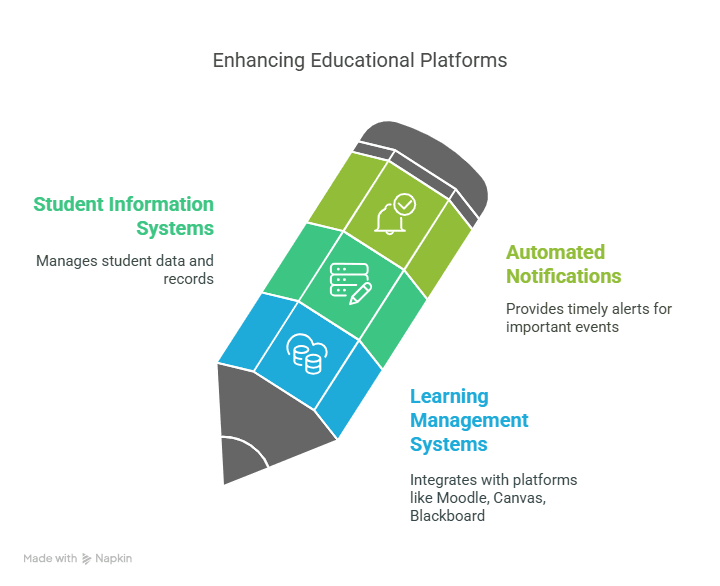
Explore beyond connections. Delve into comprehensive integration, with your Learning Management Systems for education such as Moodle, Canvas and Blackboard along with Student Information Systems.This facilitates automated and timely alerts for occurrences like submission deadlines, grade distributions and critical updates within the platforms your stakeholders are already accustomed, to.Prioritize platforms that offer APIs or specific plugins tailored to your educational technology environment guaranteeing seamless real time data synchronization for precise and current communication.
Advanced Segmentation and Scheduling
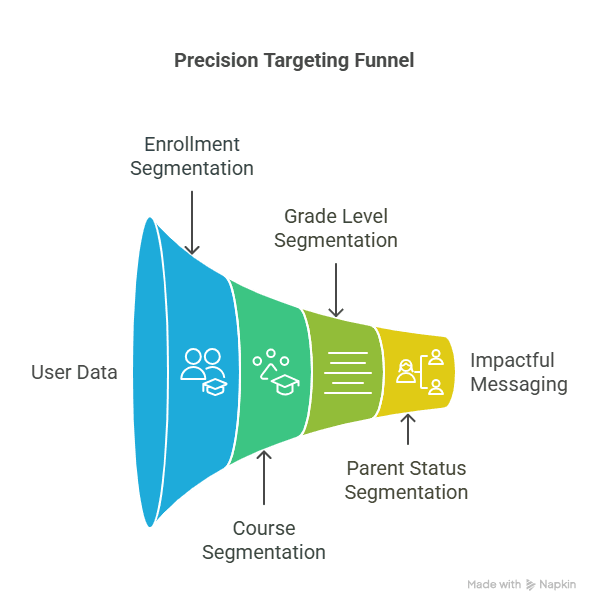
Using broadcasts is usually not very effective, in reaching your audience effectively and engagingly tailored messages to groups based on classes or parent status can make a big impact, with the right audience members at the right time zone without needing manual adjustments thanks to smart scheduling features that handle recurring messages smoothly. Also, using strategies like live chat software in education can complement SMS by providing additional, non-intrusive communication channels for targeted and segmented outreach.
Dedicated Adherence and Consent Oversight
Navigating through regulations such, as GDPR and TCPA is a must do task that cannot be overlooked. The platform you select should offer tools for handling both opt in and opt out procedures to make sure that explicit consent is received and respected. Elements like signing up using keywords or integrating web forms as providing simple opt out options (like using "STOP") are crucial for staying within the legal boundaries and establishing trust, with your audience. Keeping track of consent comprehensively is also essential to show that you are following privacy rules diligently.
Actionable Analytics and Optimization Tools
When communicating without tracking results is, like taking a shot in the dark! Focus on using platforms that have analytics dashboards to monitor how your messages are being received – looking at things like engagement rates (such as click through rates for links) and response rates is key! Opt, for platforms that also let you do A/B testing so you can try out message styles and send times to figure out what clicks with your audience best and keep improving your communication plan. In fact, the growing demand for AI software has led to the development of smarter educational tools that enhance SMS campaigns through predictive analytics.
Here's a helpful tip, for you. Remember to look beyond the features when choosing a platform! Take into account factors like user friendliness of the system. How reliable the customer support is, for long term scalability that aligns with your institutions changing requirements over time.
Tip 2: Elevate Engagement Through Personalized Messaging
Frequent messages can sometimes become unnoticeable over time. Adding a touch to text messages fulfills a basic human need. The need to feel acknowledged and empathized with.This personal touch leads to rates of opening and responding to the messages.When students believe that the messages are customized for their experiences and requirements they tend to be attentive participate, in the conversation and sense encouragement, from the educational institution
Significant Applications in the Field of Education:
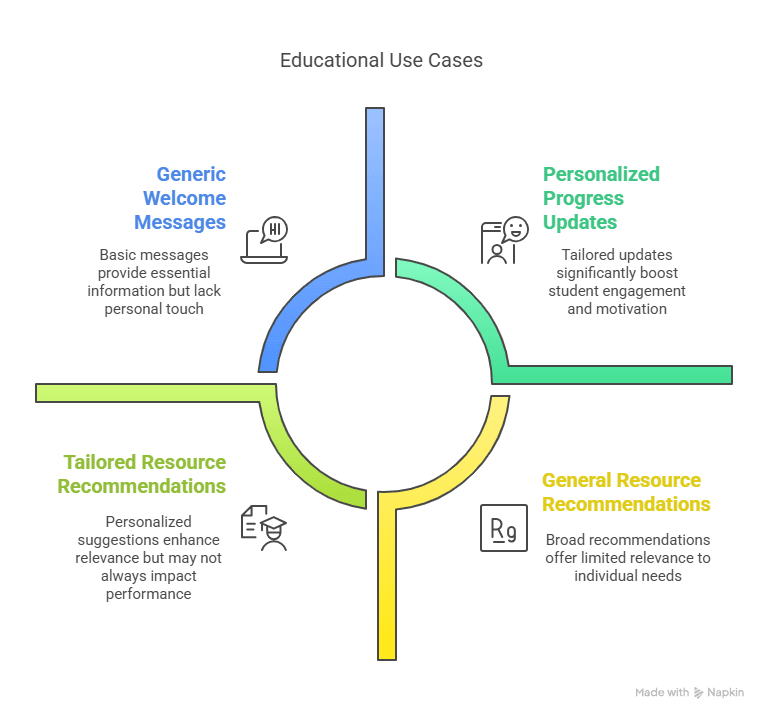
Upon enrollment, in a course it is recommended to send welcome messages containing the students name and the particular course they have enrolled in. This gesture helps establish an impression and delivers important introductory details.
Rather, than sending reminders to check your grades for updates and encouragements in the learning process, for students based on specific assignments or modules to provide motivation and support tailored to their progress and upcoming challenges.
Here are some suggestions to help students, with their pursuits and interests by providing recommendations, for educational materials and upcoming events or services that could support them effectively in achieving their goals and personal growth.
Key Implementation Strategies:
- Utilizing Merge Tags Strategically: Harness the capabilities of your
- Automating Responses Based on Behavior: Move, past schedules by incorporating triggers driven by student behaviors in the learning setting to automate tailored communications. For example. If a student has not logged into the course platform for a week A gentle reminder, with suggestions or an offer of assistance can be automatically sent out.Additionally c acknowledge students completion of a module. Reaching a grade milestone.
Tip 3. Make Communication More Efficient, with Automated Reminders and Alerts
Ensuring students receive information is essential, for their success. Helps administrative processes run smoothly. By automating reminders and alerts to deliver information to students can help them avoid missing deadlines and improve attendance while also aiding in the smooth completion of administrative tasks on time.
Key Things to Keep in Mind About Automation:
Sending notifications a couple of days prior, to and the day of assignment deadlines can assist students in staying well prepared and meeting submission deadlines promptly which could lead to enhanced achievements.
Inform students about the schedule, for classes and any updates or adjustments that may occur unexpectedly (such as cancellations or rescheduling). Use automated notifications to help them stay up, to date and not miss out on any sessions.
Automate notifications, for payment deadlines. Course renewal dates, in educational institutions that have fee structures or offer subscription based courses to enhance cash flow and streamline administrative tasks effectively.
Essential Guidelines for Successful Automation:
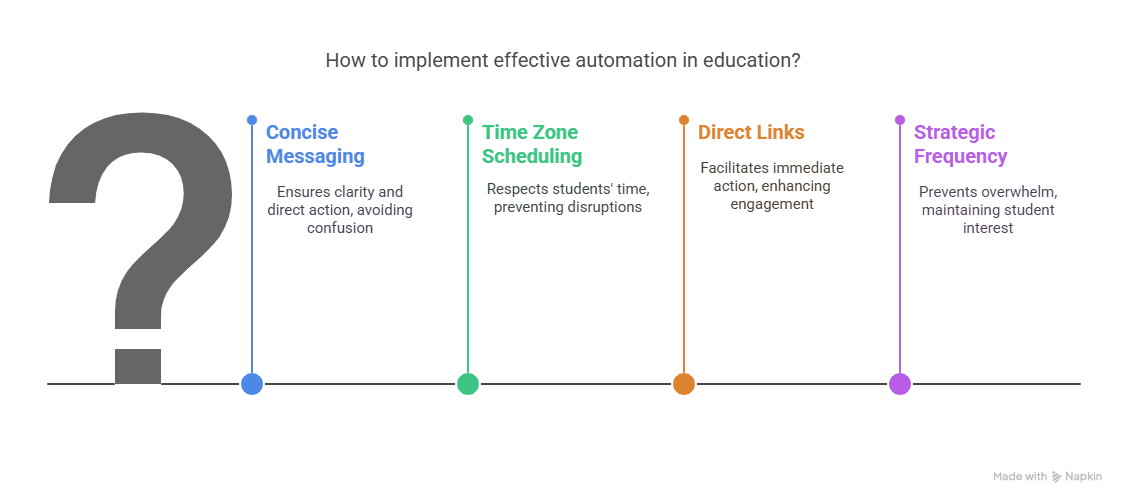
Keep it short and to the point when sending reminders! Make sure they are clear, about the purpose and include a call to action, like this example. " A friendly reminder that [Assignment Name]s deadline is [Date and Time]."
Ensure your automated system can schedule messages to reach students in time zones at times to avoid interrupting them late at night or early, in the morning for a seamless experience, across all regions of your student body.
Immediate Call to Action Links: Simplify the process for students to follow through with the required actions by providing traceable links, for joining classes (Zoom or Google Meet) accessing assignment submission sites or making payments promptly. For instance; "Join the session for [Course Name] beginning in 15 minutes here;[Link to Zoom class]."
Strategic Timing, to Prevent Overload: Although useful reminders can be beneficial for students engagement and awareness levels receiving an amount of messages may cause fatigue. Lead to overlooking important information. It is advisable to establish limits, for message frequency and provide students with options to tailor their notification settings based on their preferences. Moreover when scheduling the delivery of messages it is crucial to consider the significance and time sensitivity of the content being communicated.
Tip 4: Foster Engagement with Two-Way SMS Communication
Text messages can be more, than a one form of communication; they can become an interactive platform for engaging with students and providing support and feedback in a two-way sms when you enable them to respond directly to create opportunities, for active interaction and enhance the learning environment by making it more connected and responsive.
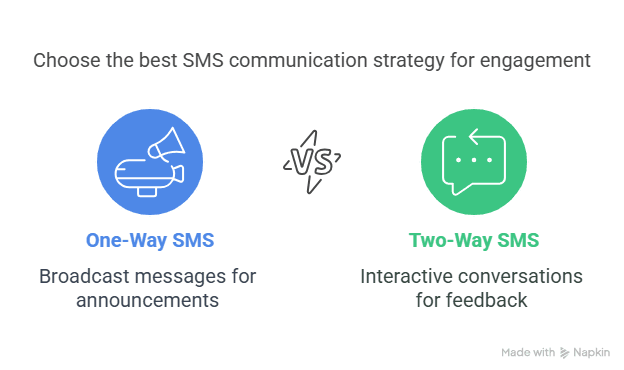
The Diverse Benefits of Engaging Communication:
Facilitating Student Inquiry and Verification; Encourage students to ask questions regarding assignments, schedules or administrative procedures, with ease. Provide options, for confirming event participation or acknowledging the receipt of information thus improving communication efficiency and minimizing ambiguity.
Answer questions efficiently using keywords to save time for staff members, in charge of tasks while soliciting opinions and collecting quick feedback, on course materials or activities through brief surveys or straightforward multiple choice assessments that require keyword responses.
By using Two way SMS students can quickly access support when dealing with concerns fostering a sense of community and belonging within the school environment through timely responses.
Implementing Effective Response Logic:
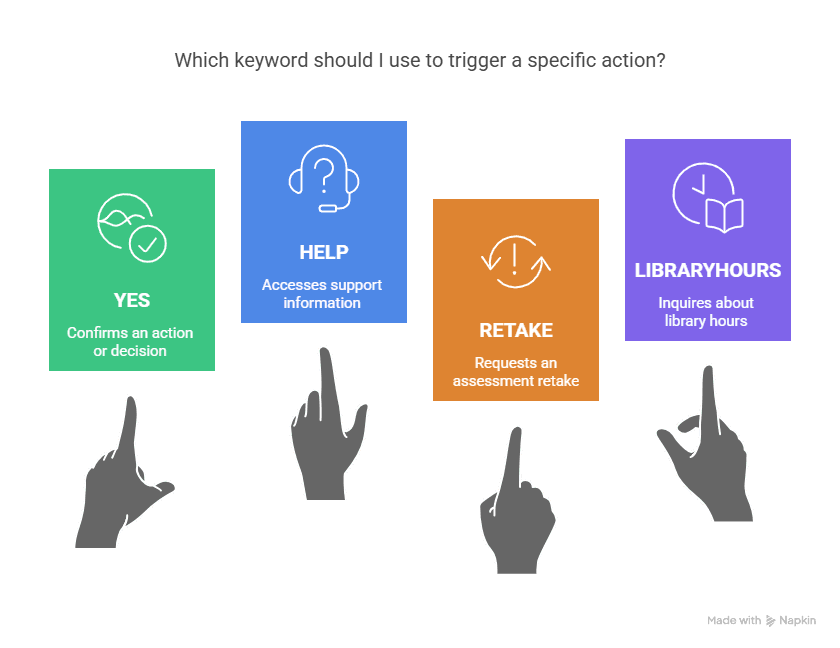
Define keywords that students can employ to prompt automated replies or start tasks such, as confirming with "YES " seeking help with "HELP," requesting to retake assessments using "RETAKE," or using keywords associated with specific frequently asked questions, like "LIBRARY HOURS." Make sure to inform students about these keywords.
- Intelligent Autoresponder Setup: Create automated responses, for asked questions linked to your specified keywords. These automatic replies can offer information. Provide links to resources and guidance on next steps. For instance if a student texts "HELP " they might get a message with contact details, for support services that could help.
- Achieving Smooth Integration with Support Systems: To handle queries effectively, through SMS platforms is by integrating them with current support tools or ticketing systems This will facilitate a seamless progression from an initial SMS inquiry, to a more thorough support interaction to guarantee no student worries are missed.
Tip 5: Drive Continuous Improvement Through Performance Monitoring and Optimization
Texting back and forth is the beginning of it all! To really make the most out of your SMS strategy make sure to keep an eye on how its doing and tweak things based on what the data tells you. By treating your SMS efforts as a work, in progress that gets better with each round of adjustments made using insights obtained from data analysis.
Important SMS Metrics to Monitor Closely:
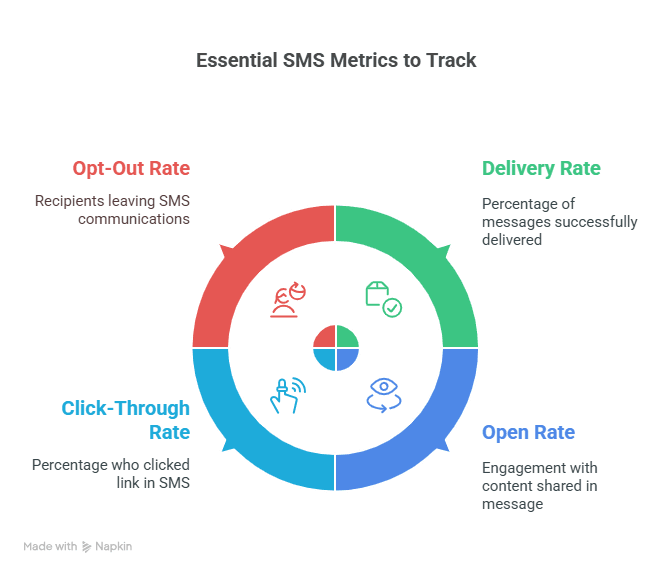
- Open Rate (with Link Tracking) When you have links in your messages and want to see how many people are clicking them to interact with the content you're sharing. That's what you should keep an eye out for! It helps you understand how interesting and attractive your message content is, to your audience.
- The Click, through Rate (CTR) signifies the proportion of individuals who clicked on a link in your SMS message as a measure of engagement with calls, to action mentioned earlier.
- The rate at which people choose to stop receiving your text messages is important to keep an eye on to see if they are getting tired or unhappy, with how you message them or what you are sending them in the messages.The opt out rate being consistently high means you should take a look, at your plan away.
Utilizing Data to Enhance Campaigns:
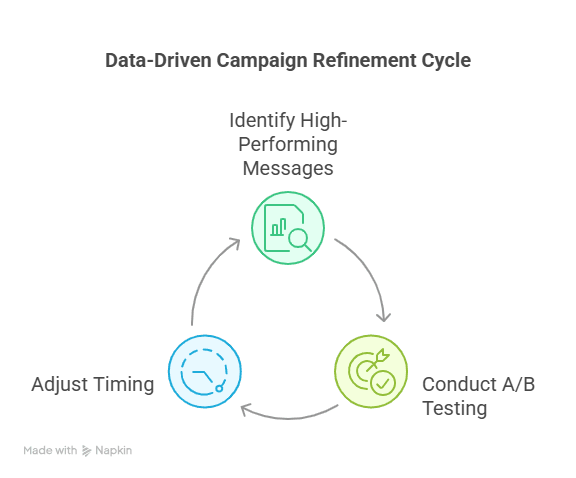
Discover Top performing Messages; Examine your data to identify the kinds of messages or content that regularly generate engagement (such, as opens and clicks) positive responses or achieve desired results (, like event participation or submission completion). Incorporate these strategies into your campaigns.
Engage in A/B testing by trying out aspects of your SMS messages, like the tone (formal or informal) the timing of sending (morning or afternoon) and the language used in your calls, to action. A/B testing helps you impartially identify which variations connect effectively with your audience and make improvements accordingly.
Analyzing delivery and engagement patterns, over time can help you uncover that sending reminders at times of the day can lead to outcomes allowing you to refine your scheduling, for maximum effectiveness.
Establishing an Effective Feedback Loop:
Regularly send focused SMS surveys to obtain input, on how useful and applicable your messages are perceived to be by the recipients. Make sure the surveys are brief and straightforward using to understand rating scales or brief ended queries. Certain platforms offer integration of tools, for conducting SMS polls and surveys.
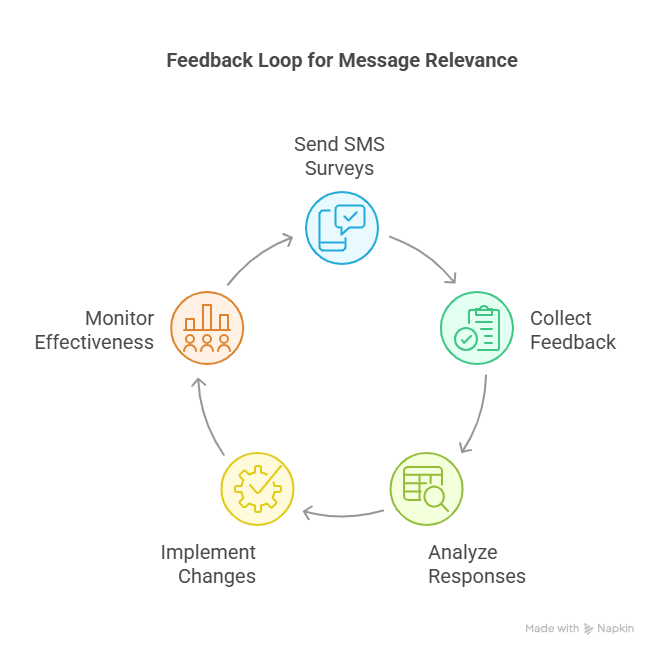
Create a collection of message templates, for communication situations like reminders for tasks or events and greetings, for members of the community This approach not only guarantees uniformity but also accelerates the creation and delivery of fresh text message campaigns which in turn enables quicker adjustments depending on how well they perform.
In summary:
Don't allow your online educational platform to become an environment! Implementing SMS automation can greatly enhance engagement levels. Increase completion rates while also building strong student loyalty that lasts over time. Picture a learning setting where each student experiences a sense of connection and receives information and support when needed. No need to just imagine it – take action now to make it a reality!


