When Should You Refinance Student Loans in 2027

Student Finance & Loan Expert
In 2023, 44% of families didn't discuss student loan repayment plans, even though 98% expected their students to help repay the loans. This lack of communication can lead to financial stress and poor decisions for graduates. As a result, many students turn to refinancing to manage their loans more effectively. However, understanding when to refinance can be challenging. In this article, I will draw on my 10+ years of experience as a career planning expert to guide you through refinancing, helping you make informed and effective financial choices.
Key Things You Should Know About Refinancing Student Loans
- Refinancing student loans can be beneficial soon after graduation when borrowers have established credit and stable income.
- To refinance student loans, borrowers typically need a good credit score and a steady income. Some lenders may also require a cosigner.
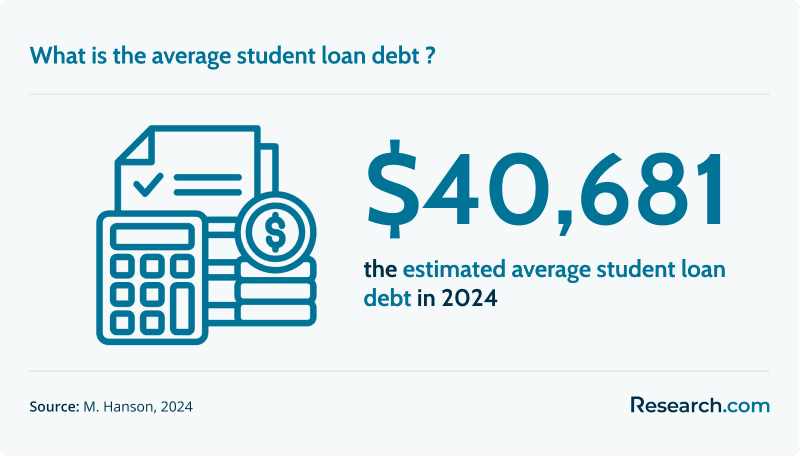
- Refinancing can reduce the total cost of a student loan by securing a lower interest rate, potentially saving thousands of dollars over the loan term. In 2024, the average student loan debt was $40,681.
- Borrowers can refinance their student loans more than once, allowing them to take advantage of better rates as their financial situation improves.
- In 2023, 44% of families didn't discuss student loan repayment plans, yet 98% expected their students to help pay back the loans. This highlights the importance of financial planning and communication.
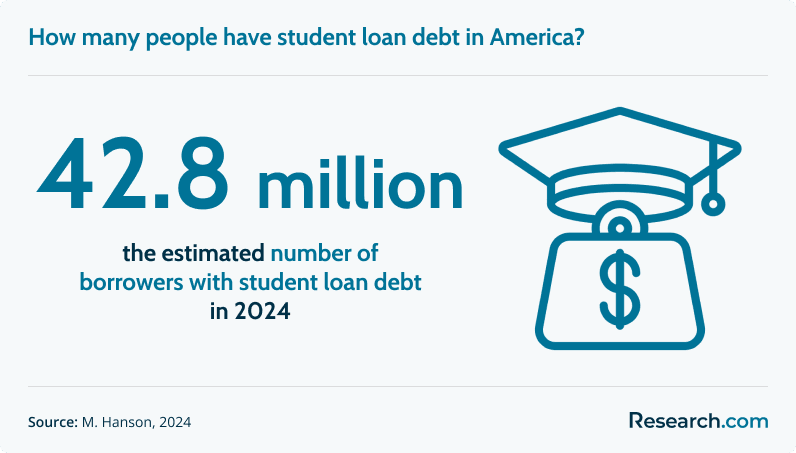
- In 2024, there were an estimated 42.8 million borrowers with student loan debt in America, emphasizing the widespread impact of student loan repayment issues.
- When should you refinance student loans?
- What is student loan refinancing and how does it work?
- Who is eligible to refinance student loans?
- How does refinancing affect the terms of my student loans?
- Does refinancing student loans save money?
- What should I consider before refinancing my student loans?
- Is it better to refinance student loans soon after graduation?
- Can I refinance my student loans more than once?
- When shouldn’t you refinance student loans?
- Other Things You Should Know About When Should You Refinance Student Loans
When should you refinance student loans?
Deciding when to refinance student loans can significantly impact your financial situation. Consider refinancing under the following conditions:
- After Graduation. Refinancing shortly after graduation can be beneficial if you have secured a stable job and have a good credit score. For example, if you’ve recently landed a well-paying job, you may qualify for better rates than when you were still in school.
- Improved Financial Situation. If your financial situation improves, such as receiving a salary increase or achieving a higher credit score, refinancing can help you take advantage of lower interest rates and reduce your monthly payments.
- Lower Interest Rates. If interest rates decrease significantly, it might be a good time to refinance. For instance, if the average student loan interest rate drops from 6% to 4%, refinancing could help you save money over the loan term.
- Consolidating Loans. When you have multiple student loans with varying interest rates, refinancing can consolidate them into a single loan with a potentially lower overall rate. This can simplify your payments and sometimes reduce your interest rate.
- Change in Loan Terms. If you wish to adjust the terms of your loan, such as extending the repayment period to lower monthly payments or shortening it to pay off the loan faster, refinancing can provide flexibility.
The cost of college has become quite high and, understandably, millions of Americans cover a good chunk of it through borrowed money. In fact, 19% of families use borrowed money to pay for college. However, around half of the college cost is typically covered by family income and savings. See the chart below for how American families paid for college in 2023.
What is student loan refinancing and how does it work?
Student loan refinancing involves taking out a new loan to pay off existing student loans, typically at a lower interest rate. This process combines one or more of your current loans into a single loan with new terms. The goal is to reduce the interest rate, lower monthly payments, or extend the repayment term.
When you refinance, the new lender pays off your existing loans, and you begin making payments to the new lender under the agreed-upon terms. This can simplify your finances by consolidating multiple payments into one and may lead to savings on interest over the life of the loan.
According to the latest student loan debt statistics, the average cost of college reached $40,681 in 2024.
Who is eligible to refinance student loans?
Eligibility for refinancing student loans typically depends on several factors. Here are the key criteria:
- Credit Score. A good credit score is crucial for refinancing. Lenders use it to assess your creditworthiness and determine the interest rate. For instance, a credit score above 650 is often required to qualify for favorable refinancing terms.
- Income. A stable and sufficient income demonstrates your ability to repay the loan. Lenders generally look for borrowers with a steady job and an income level supporting their ability to make monthly payments.
- Existing Loan Types. Most lenders refinance both federal and private student loans. However, refinancing federal loans into a private loan means losing federal benefits, so it is essential to weigh this decision carefully.
- Debt-to-Income Ratio. Lenders assess your debt-to-income ratio to evaluate your financial health. A lower ratio indicates that you have manageable debt levels relative to your income, which can improve your chances of refinancing approval.
- Cosigner. If you have limited credit history or a lower credit score, having a cosigner with strong credit can improve your chances of qualifying for refinancing and securing a better interest rate.
The total student loan debt has increased from $1.729 trillion in Q4 of 2023 to $1.753 in Q1 of 2024.
How does refinancing affect the terms of my student loans?
Refinancing student loans can significantly alter the terms of your existing loans. Here’s how:
- Interest Rate Changes. Refinancing often results in a new interest rate. If you secure a lower rate, your monthly payments may decrease. For example, if you refinance a loan with a 6% interest rate to a new rate of 4%, you could save money over the life of the loan.
- Loan Term Adjustments. You can choose a new loan term when refinancing. Opting for a longer term can lower monthly payments but might increase the total interest paid. Conversely, a shorter term can increase monthly payments but reduce the total interest paid. For example, refinancing a 10-year loan into a 15-year loan will lower monthly payments but extend the repayment period.
- Monthly Payment Changes. Adjusting the loan term and interest rate will directly impact your monthly payments. For instance, refinancing a loan from a 10-year term at 6% to a 15-year term at 4% might reduce your monthly payment but increase the total amount paid over the life of the loan.
Ultimately, refinancing allows you to adjust terms based on your current financial situation, but it is important to carefully consider how these changes will affect your long-term financial goals.
Does refinancing student loans save money?
Refinancing student loans can indeed save money, but the extent of the savings depends on various factors. One primary way refinancing saves money is by securing a lower interest rate. For instance, if you refinance a $40,000 loan from an interest rate of 6% to a new rate of 4%, you could save a substantial amount in interest over the life of the loan.
Additionally, refinancing can reduce monthly payments if you choose a longer repayment term or a lower interest rate. However, while lower monthly payments can ease financial pressure, extending the loan term may increase the total interest paid. Therefore, it is crucial to weigh the potential savings from a lower interest rate against any fees associated with refinancing and the impact on your overall loan costs.
What should I consider before refinancing my student loans?
Before refinancing your student loans, several key factors should be carefully considered to ensure it will align with your financial goals:
- Interest Rates. Compare current interest rates with those offered through refinancing. Ensure that the potential savings from a lower rate exceed any refinancing fees.
- Federal Loan Benefits. Be aware that refinancing federal student loans into a private loan means losing federal protections, such as income-driven repayment plans and loan forgiveness options.
- Credit Score and Financial Stability. Assess your credit score and overall financial stability. A strong credit score and steady income are essential for securing favorable refinancing terms.
- New Loan Terms. Review the terms of the new loan, including the interest rate, repayment period, and fees. Ensure that these terms align with your long-term financial goals and are manageable within your budget.
Considering these factors can help you make an informed decision about refinancing and optimize your financial outcomes. In 2024, more than 42 million Americans have student loan debt.
Is it better to refinance student loans soon after graduation?
Refinancing student loans soon after graduation can be advantageous if certain conditions are met. Graduates who have secured stable employment and built a good credit score may benefit from refinancing at this early stage. For example, if you graduate with a solid job offer and a credit score above 700, you might qualify for lower interest rates that can reduce your overall loan cost.
Additionally, refinancing shortly after graduation can help streamline your finances by consolidating multiple loans into a single payment with potentially better terms. For instance, if you graduated with multiple loans from different servicers, refinancing them into one loan with a lower interest rate can simplify your payments and potentially lower your monthly obligations. However, it is essential to ensure that your financial situation is stable and that refinancing provides benefits compared to sticking with your existing loan terms.
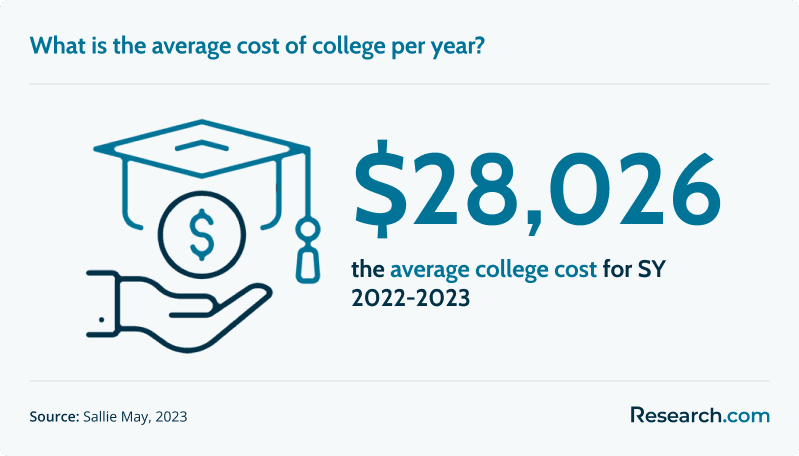
The cost of college is getting higher. As such, before taking out loans, families should research grants and scholarships. There are many out there today, even scholarships for online college. In SY 2022-2023, American families pay $28,026 for college on average.
Can I refinance my student loans more than once?
Yes, you can refinance your student loans more than once, and it may be beneficial depending on your financial situation. For example, if you initially refinanced your loans to secure a lower interest rate but later find that interest rates have dropped further or your credit score has improved significantly, you might consider refinancing again to achieve even better terms.
Refinancing multiple times can allow you to continuously take advantage of lower rates or more favorable loan conditions. For instance, if you refinanced your loans when rates were at 5% but then rates dropped to 3%, refinancing again could reduce your monthly payments and total interest paid. However, it is crucial to evaluate any fees associated with refinancing and ensure that the potential savings outweigh the costs of a second refinance.
When shouldn’t you refinance student loans?
Refinancing student loans may not be advisable in the following situations:
- Loss of Federal Protections. If you are benefiting from federal loan protections such as income-driven repayment plans or loan forgiveness programs, refinancing into a private loan will forfeit these benefits. For example, if you are on a path to Public Service Loan Forgiveness (PSLF), refinancing could eliminate your eligibility for this program.
- Unfavorable Credit Score. If your credit score has declined since you first took out the loan, refinancing might result in higher interest rates or less favorable terms. For instance, if your credit score has dropped from 750 to 620, you may not qualify for a better rate, and refinancing could increase your monthly payments.
- Unstable Financial Situation. If your income or job stability is uncertain, refinancing might not be beneficial. For example, if you recently experienced a job loss or significant pay cut, refinancing might not provide the financial relief you need and could lead to less favorable loan terms.
- High Refinancing Fees. If the fees associated with refinancing outweigh the potential savings, it may not be worth the effort. For instance, if refinancing fees are high and the savings from a lower interest rate are minimal, the overall benefit may not justify the costs.
Here's What Graduates Have to Say About Refinancing Student Loans
- I refinanced my student loans right after graduation, and it was one of the best financial decisions I've made. With a significantly lower interest rate, I'm saving hundreds of dollars each month. This extra money has greatly impacted my budget, allowing me to build savings and reduce financial stress. I wholeheartedly recommend refinancing to anyone with stable employment and manageable debt. Lena
- Discussing repayment plans with my family was crucial. We didn't talk about it initially, but once we did, it became clear that refinancing was the best way to manage my debt effectively. By working together, we created a financial plan that reduced my monthly payments and gave me peace of mind. Now, I can focus on saving for the future without the constant stress of high student loan payments hounding me. Julianne
- I refinanced my student loans right after completing my residency. It was the perfect time since my income had increased, and I could lock in a much lower interest rate. As a result, my monthly payments are significantly lower now. I'm already feeling less financial stress and can focus on building my future. Bryan
Key Findings
- As of 2024, the average student loan debt is $40,681, highlighting the significant financial burden many graduates carry.
- The total amount of student loan debt in the US reached $1.753 trillion in Q1 of 2024, reflecting a steady increase in educational borrowing.
- The average annual cost of college for the 2022-2023 school year was $28,026, underscoring the rising expense of higher education.
- In 2023, 19% of college payments were covered by borrowing, demonstrating the reliance on student loans for funding education.
- In 2023, 50% of college payments were made from family income and savings, indicating a major funding source for higher education.
Other Things You Should Know About When Should You Refinance Student Loans
Can you refinance your student loan?
Yes, you can refinance your student loan. Refinancing involves taking out a new loan to pay off your existing student loans, typically with a lower interest rate or better terms. For example, if you have federal student loans and qualify for a private loan with a lower interest rate, refinancing can reduce your monthly payments and total interest. However, refinancing federal loans into a private loan means losing federal protections, such as income-driven repayment plans and loan forgiveness programs.
Will refinancing my student loans hurt my credit score?
Refinancing student loans can temporarily impact your credit score. When you apply for refinancing, the lender will perform a hard inquiry on your credit report, which may cause a slight drop in your score. However, if you make timely payments on your new loan, it can positively affect your credit score over time. For instance, consolidating multiple loans into one and maintaining a consistent payment record can improve your credit profile in the long run.
What is the Zero Percent Student Loan Refinancing Act?
The Zero Percent Student Loan Refinancing Act is a proposed legislation aimed at providing zero percent interest rates on refinanced student loans. If enacted, this act would significantly reduce the financial burden on borrowers by eliminating interest payments on their loans. For example, if a borrower refinances their student loans under this act, they would only need to repay the principal amount without any additional interest costs, potentially saving thousands of dollars.
Can I refinance my student loans with bad credit?
Refinancing student loans with bad credit is challenging but possible. Lenders typically require a good credit score to offer favorable terms. However, if your credit is less than ideal, you may still be able to refinance by applying with a co-signer who has better credit. For example, a parent or spouse with a strong credit history might help secure a lower interest rate on your refinanced loan, making it more manageable despite your credit situation.
References:
- Hanson, M. (2023, September 10). Student loan debt statistics [2023]: Average + total debt. Education Data Initiative. Retrieved July 29, 2024, from EDI.
- The Institute for College Access & Success. (2023). Quick facts about student loan debt. TICAS.
- Sallie Mae. (2023). How America pays for college 2023. Sallie Mae.
Other Things You Should Know About
Most lenders require borrowers to have a current and positive payment history before approving a refinance application. If you have missed payments, you may face difficulty qualifying for refinancing or may be offered higher interest rates. It is generally advisable to bring your loans current and maintain a steady payment record for several months before applying to refinance.
Refinancing federal student loans into a private loan eliminates eligibility for federal income-driven repayment plans. These plans are only available for federal loans and provide flexible monthly payment options based on your income. After refinancing with a private lender, you will no longer access these federal borrower protections or benefits.
Consider refinancing student loans in 2027 when interest rates are low, your financial situation has improved, or you can secure better loan terms. Refinancing might help you save money over time, but evaluate whether it will affect any benefits tied to existing federal loans, such as forgiveness programs.
Applying for refinancing typically involves a hard credit inquiry, which may cause a small, temporary dip in your credit score. Successfully refinancing and establishing a consistent payment history on the new loan can improve your credit over time. However, closing old accounts and opening a new loan account may impact your credit mix and length of credit history, so consider timing and credit health before refinancing.