2027 AI, Automation, and the Future of Physical Education Degree Careers

Co-Founder and Chief Data Scientist
Imagine a physical education teacher tasked with designing personalized fitness plans but overwhelmed by growing student diversity and limited time. Increasingly, schools adopt AI-driven tools to assess students' health metrics, with studies showing 45% of physical educators now use some form of automation in curriculum planning. This shift challenges professionals to adapt their skills beyond traditional methods. Rising automation demands proficiency in technology integration while preserving human interaction's core value. This article explores how AI and automation transform physical education degree careers, highlighting evolving job roles and essential competencies to help readers prepare for a future where technology and teaching intersect.
Key Things to Know About AI, Automation, and the Future of Physical Education Degree Careers
- AI and automation are reshaping physical education degree careers by integrating wearable tech and data analytics, enhancing personalized training and injury prevention methods.
- Employers increasingly prioritize skills in technology management, data interpretation, and virtual coaching alongside traditional physical education competencies.
- Automation may streamline routine tasks, fostering specialization and advancement, but career stability depends on adaptability to evolving tech-driven roles within physical education.
What Physical Education Industries Are Adopting AI Fastest?
Tracking which physical education industries are adopting AI fastest is essential for assessing evolving career demands and skill requirements. These shifts reflect broader AI integration trends in physical education sectors and automation impact, highlighting where opportunities will expand. The key industries driving this transformation include:
- Sports Performance and Analytics: This sector leverages AI to analyze detailed athlete data, enabling optimized training regimens and personalized coaching. AI-driven analytics provide deeper insights into performance metrics, pushing the limits of athletic development.
- Rehabilitation and Physical Therapy: AI tools support tailored recovery programs and continuous patient monitoring. Integration of robotics and sensor technologies enhances therapy precision and improves rehabilitation outcomes.
- Fitness and Wellness Technology: The rise of wearable devices and intelligent exercise equipment depends heavily on AI to monitor movements and deliver real-time feedback. These technologies promote healthier lifestyles through personalized, data-driven recommendations.
For individuals pursuing physical education degrees, gaining familiarity with AI tools is increasingly important. This knowledge equips professionals to navigate the impact of automation and to leverage technological advancements effectively. Students and career changers interested in related fields may also explore options like online slp degrees as complementary educational pathways within health and wellness domains.
Which Physical Education Roles Are Most Likely to Be Automated?
Automation is transforming many aspects of physical education careers, making it essential for students and professionals to recognize which roles face the highest risk. A 2023 World Economic Forum report estimates that about 50% of tasks in education-related fields may be automated by 2030. This shift highlights the importance of adapting skillsets accordingly. Here are three physical education roles particularly vulnerable to automation:
- Fitness Tracking and Monitoring Specialists: Wearable devices and automated software now collect and analyze physical performance and health metrics, significantly reducing the need for manual data entry and oversight.
- Basic Coaching Assistants: AI-driven applications deliver personalized workout plans and technique feedback, which can substitute many routine coaching responsibilities at the entry level.
- Administrative Coordinators: Tasks such as scheduling, attendance tracking, and reporting are increasingly managed by automated systems, streamlining operations but limiting administrative roles.
These physical education roles vulnerable to automation often involve repetitive or data-driven activities, making them easier to replace with technology. As automation impact on physical education careers grows, developing complex interpersonal and adaptive skills will be crucial for staying relevant. Students interested in broadening their career options might consider complementary fields; for example, pursuing a fast track psychology degree can provide valuable insights into athlete motivation and behavior.
What Parts of Physical Education Work Cannot Be Replaced by AI?
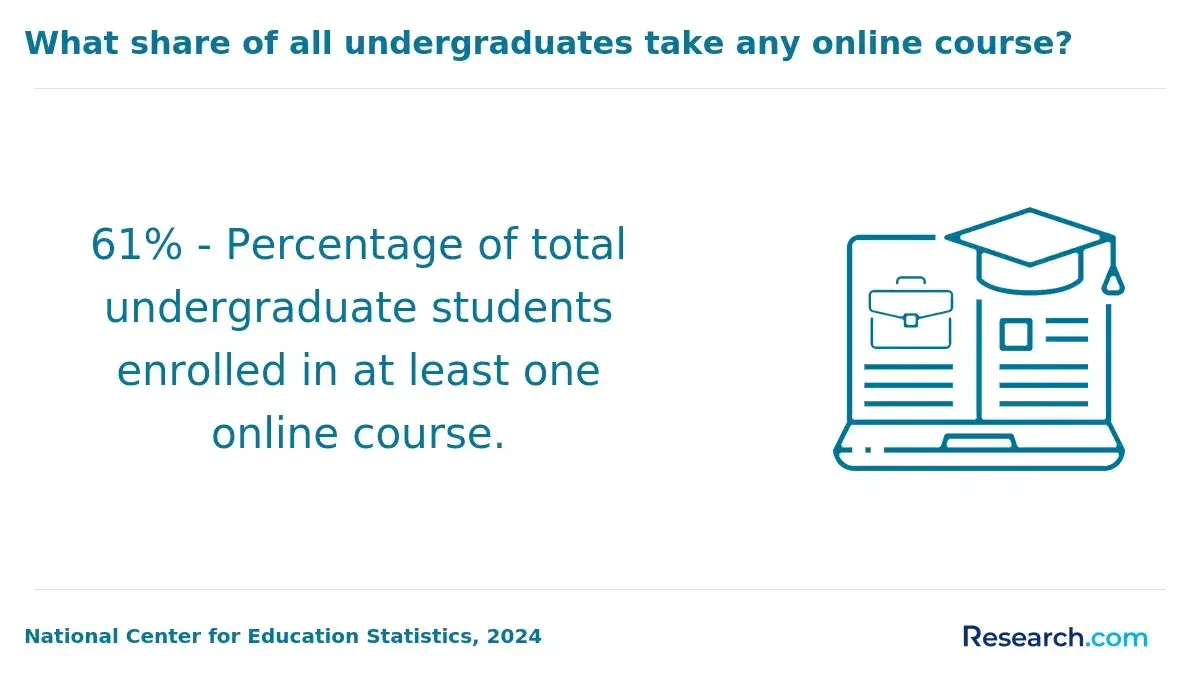
Recognizing which aspects of physical education careers resist automation is vital for students and professionals aiming to build skills that emphasize human interaction and empathy. A 2023 World Economic Forum report projects that over 70% of positions requiring emotional intelligence and interpersonal communication will remain human-led through 2030. These trends underscore the importance of cultivating uniquely human skills, especially in physical education roles that require nuanced personal engagement.
- Personalized Coaching: Tailoring motivation and feedback to individual needs involves understanding personal goals and emotions, an area where AI falls short. Human coaches can adapt dynamically to subtle changes in a learner's mindset, fostering deeper engagement.
- Emotional and Psychological Insight: Assessing mental and emotional factors influencing physical performance calls for empathy and active listening. These essential skills in physical education careers resistant to automation enable trainers to respond appropriately to stress, anxiety, or motivation fluctuations.
- Adaptive Lesson Planning: Crafting flexible lesson plans requires real-time observation and creativity, allowing instructors to modify techniques based on immediate feedback. This intuitive adaptability remains challenging for AI systems.
- Building Trust and Rapport: Developing genuine relationships through communication and shared experiences is core to successful physical education. The subtle social cues and emotional bonds established are inherently human and difficult to automate.
To thrive in this evolving landscape, physical education students might also consider complementary studies like a library master's degree to diversify their expertise and strengthen their human-centered career resilience.
How Is AI Creating New Career Paths in Physical Education Fields?
The integration of AI technologies is rapidly creating new roles and broadening career opportunities for physical education professionals. The World Economic Forum projects a more than 40% increase in demand for AI-related skills within health and fitness industries over the next ten years. Below are several emerging career paths shaped by AI's impact in physical education.
- AI Fitness Data Analyst: These professionals leverage AI algorithms to process extensive biometric and performance data, enabling the creation of tailored training regimens. Success in this role requires expertise in data analysis combined with a solid understanding of exercise science.
- Virtual Reality Physical Therapist: By merging VR technology with AI, these therapists develop immersive rehabilitation programs that enhance patient recovery beyond conventional therapy methods. This position demands knowledge in both therapeutic techniques and advanced digital tools.
- Wearable Technology Developer: Specialists in this area design and refine AI-driven fitness devices that track physiological functions in real time. They must blend skills in engineering, biomechanics, and physical education principles to innovate effective wearables.
- AI-Driven Coaching Consultant: These consultants guide sports organizations in integrating AI tools for boosting athletic performance, combining hands-on coaching experience with technical proficiency in AI applications.
- Sports Biomechanics AI Researcher: Focused on utilizing AI to analyze movement and prevent injuries, this research role necessitates a strong foundation in biomechanics and machine learning methods.
AI is advancing the physical education profession by merging traditional practice with analytical and technological expertise, opening interdisciplinary paths for future career growth.
What Skills Do Physical Education Graduates Need to Work with AI?
As artificial intelligence continues to transform the field of physical education, graduates need proficiency in AI to remain competitive. Recent data indicates that almost 60% of jobs connected to physical education now demand familiarity with AI tools and technologies. Below are five key competencies required to navigate this changing landscape.
- Data Literacy: Understanding how to analyze and interpret data from wearable tech and AI-powered fitness devices is critical. This skill allows educators to tailor programs and track progress more precisely, improving student outcomes.
- Technical Aptitude: Being comfortable with AI software and platforms enables physical education professionals to integrate advanced technology into lessons and training regimens, modernizing their approach.
- Critical Thinking: The ability to assess AI-derived recommendations rigorously ensures that decisions regarding student health and performance are evidence-based and balanced, avoiding blind reliance on automation.
- Communication Skills: Effectively conveying AI-driven findings and methods to students, parents, and colleagues helps build confidence and understanding around innovative practices.
- Adaptability: Keeping pace with rapid AI advances and continuously updating instructional methods equips educators to embrace emerging tools and stay relevant in their careers.
A professional with a Physical Education degree shared insights when asked about the skills needed to work with AI. He recalled feeling overwhelmed at first by the steep learning curve of new technologies but described gradually building confidence through hands-on experience and self-study. "It wasn't just about knowing tech," he explained, "but understanding how to translate that technology into meaningful improvements for my students."
The challenge of adapting traditional teaching methods while maintaining personal connection required patience and creativity. This blend of skills, he noted, ultimately deepened his engagement with both the subject matter and his students' progress.
Are Physical Education Degree Programs Teaching AI-Relevant Skills?
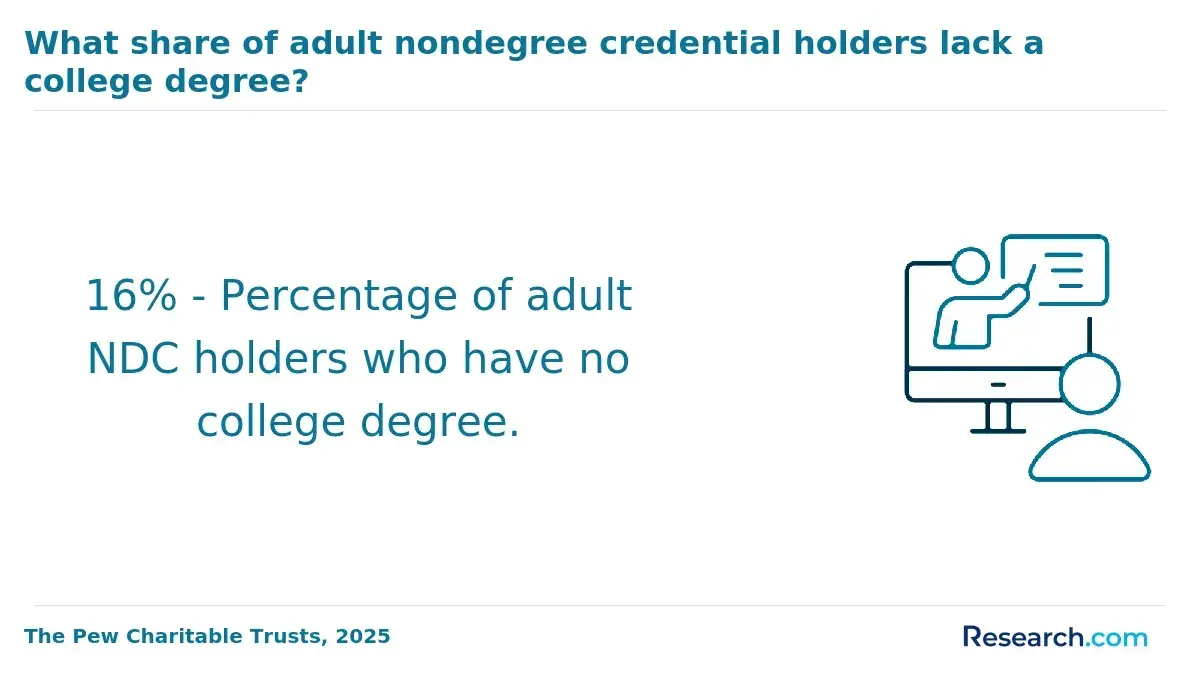
Knowing whether physical education programs provide training in AI-related skills is crucial for students preparing to enter a workforce increasingly influenced by automated technologies. A 2023 survey found that fewer than 30% of these programs have formally integrated AI or automation concepts into their courses. The following points illustrate how physical education curricula are addressing-or not fully addressing-these emerging competencies.
- AI-Driven Coursework: Some programs incorporate classes focused on data analysis and biomechanical modeling, which are essential for understanding automated fitness devices. These courses help students engage with quantitative tools that inform exercise and training strategies.
- Hands-On Technology Use: Practical experience with AI-powered systems like motion capture and performance monitoring tools is becoming more common. This direct exposure enhances students' ability to utilize innovative devices in real-world settings.
- Interdisciplinary Collaboration: Several curricula support projects that merge exercise science with introductory programming and machine learning principles. This approach builds a foundation for more advanced exploration of AI applications in physical health.
- Ethical and Practical Gaps: Despite advancements, many programs have yet to offer dedicated lessons on the ethical implications of AI in health tracking or sufficient training with AI rehabilitation technologies. These omissions may limit graduates' readiness to handle complex, technology-driven challenges.
Overall, while some physical education degrees are evolving to include AI skills that boost career adaptability, many still face notable development areas, particularly in balancing technical training with critical thinking about automation's role in human performance enhancement.
What Certifications or Training Help Physical Education Graduates Adapt to AI?
Physical education graduates aiming to stay competitive in an AI-driven workforce must pursue specialized certifications and training that build skills aligned with emerging technologies. These programs enhance the ability to leverage data and automation for more effective fitness instruction, coaching, and wellness program development. Below are key certifications and courses that can strengthen AI-related competencies in this field:
- Certified Fitness Technology Specialist (CFTS): This certification focuses on integrating fitness tracking devices, apps, and AI-powered platforms to monitor physical performance. Graduates learn to apply these technologies to design personalized, tech-enhanced training programs.
- AI and Machine Learning Fundamentals Courses: Available through online platforms, these courses cover core AI concepts like data analysis and predictive modeling. They enable graduates to interpret biometric data and tailor fitness plans with data-driven insights.
- Health Informatics Certificate: This training emphasizes managing digital health records and utilizing AI tools to track client progress in rehabilitation or wellness contexts. It equips graduates with skills to improve clinical decision-making and program outcomes.
- Sport Analytics Certification: This program trains graduates on AI applications in performance analysis, biomechanical data interpretation, and injury prevention. It prepares them for roles integrating automation and analytics in sports science and coaching.
When I asked a graduate of a physical education degree program about her experience adapting to AI through additional training, she shared, "Initially, the amount of new technical skills felt overwhelming, especially transitioning from traditional teaching methods. But as I completed certifications focused on data analytics and digital tools, I noticed a shift in how confidently I could engage clients using evidence-based programs."
She recalled struggling to interpret complex biometric data at first but emphasized that patience and targeted coursework made the difference. "These certifications didn't just boost my resume - they genuinely changed how I approach physical education, making my services more personalized and effective."
How Does AI Affect Salaries in Physical Education Careers?
AI adoption reshapes compensation trends in physical education careers by emphasizing technical expertise and enhancing efficiency. Studies show professionals using AI-driven tools earn about 15% more than those relying solely on traditional methods, highlighting a wage premium tied to AI integration. The following points detail how AI influences salary structures in this field:
- Growing Skill Demand: Employers prioritize candidates proficient in AI-based monitoring and coaching technologies, elevating earning potential for those with specialized skills.
- Task Automation: Automating routine administrative and data collection duties reduces time spent on mundane work, allowing professionals to focus on client interaction and effectiveness, thus boosting their value.
- New High-Paying Roles: Emerging positions like AI fitness consultants and technology integration specialists offer lucrative career paths unavailable before the AI era, expanding opportunities for advancement.
- Insight Interpretation: Professionals who can analyze and apply AI-generated data to tailor physical education programs are rewarded with premium compensation due to their ability to enhance client outcomes.
Where Is AI Creating the Most Demand for Physical Education Graduates?
Pinpointing where AI creates the most demand helps students and professionals evaluate physical education degree pathways more strategically. The sports technology market, for example, is expected to grow by over 20% annually, illustrating how AI drives workforce expansion. Below are key areas where AI is shaping physical education careers influenced by automation and AI:
- Sports Analytics and Performance: AI tools analyze vast amounts of athlete data to improve training efficiency and reduce injuries. Graduates skilled in physical education and data interpretation are increasingly sought after to collaborate in this evolving field.
- Rehabilitation and Physical Therapy: AI-powered robotics and virtual reality enable personalized recovery programs. Professionals who understand human movement and can work alongside these technologies are in growing demand within healthcare settings.
- Education and Community Programs: AI-driven fitness tracking and adaptive learning modules help educators design more engaging and informed curriculums. This creates new opportunities for physical education careers influenced by automation and AI in school and community environments.
- Regional Demand in the U.S.: States like California, Texas, and Florida, with advanced healthcare and strong sports industries, see rising job opportunities for physical education professionals familiar with AI tools. Telehealth platforms further expand roles in remote physical assessment and coaching.
Aligning skills with these AI-driven demand areas is crucial for current and prospective physical education majors. To explore further educational options, some students turn to the cheapest online edd programs, which offer flexibility while preparing for evolving career landscapes shaped by automation and artificial intelligence.
How Should Students Plan a Physical Education Career in the Age of AI?
Proactive planning is essential for students pursuing a physical education career as AI and automation increasingly influence job roles and expectations. Staying competitive requires anticipating changes and developing relevant skills. The following strategies guide students in planning a physical education career with AI advancements:
- Digital Literacy: Mastering AI-related tools used for performance analysis and personalized training enhances a student's ability to interpret data and apply insights effectively. This fluency is crucial as technology becomes embedded in every facet of wellness and sports science.
- Interdisciplinary Skills: Combining physical education knowledge with computer science, biomechanics, or data analytics broadens career pathways. Such integration fosters innovation and supports adapting to evolving automation-driven environments.
- Soft Skills Development: Cultivating communication, empathy, and motivation remains vital since these traits are difficult for AI to replicate. Strong interpersonal skills enhance coaching effectiveness and human-centered mentorship.
- Continuous Learning: Engaging in certifications and workshops on emerging AI applications in health and sports ensures students stay updated on cutting-edge trends. This ongoing education supports career longevity in the automation era.
- Practical Experience: Participating in internships or projects involving AI-driven fitness technologies provides real-world insight into benefits and limitations. Hands-on experience solidifies understanding and builds professional readiness.
By integrating these approaches, students acquire physical education career skills for automation era challenges and opportunities. To further enhance credentials, exploring fast online degrees can provide flexible learning options suited to evolving career demands.
What Graduates Say About AI, Automation, and the Future of Physical Education Degree Careers
- Jason: "AI and automation have completely transformed my job as a physical education specialist, allowing me to create personalized fitness plans through data analytics I never imagined before. The hands-on experience from my degree helped me understand biomechanics deeply, which is crucial when interpreting AI-generated insights. I'm genuinely excited about how these tools will grow with me throughout my career and open new leadership roles."
- Camilo: "Reflecting on my journey, the integration of AI in physical education has reshaped how I approach training programs, but it also demands continuous learning. My degree provided a strong foundation in human physiology and movement science, which helps me critically assess automated systems rather than blindly trusting them. Long-term, I believe adapting these skills is key to maintaining job stability in an evolving landscape."
- Alec: "From a professional standpoint, AI-driven automation in physical education has increased efficiency but also added complexity to the roles involved. My studies gave me essential analytical skills and a comprehensive understanding of physical development, which are vital when collaborating with tech developers or interpreting AI outputs in real-world settings. This synergy between traditional knowledge and technology positions me well for future growth and innovation within the field."
Other Things You Should Know About Physical Education Degrees
In 2027, AI is set to transform continuing education in Physical Education by offering personalized learning paths and data-driven feedback. This will enable professionals to continually refine their skills and stay updated on the latest methodologies, ensuring better career advancement opportunities.
One key challenge is the need for adequate training to understand AI systems and integrate them effectively. Resistance to change and concerns over job security can also hinder adoption. Additionally, limited budgets and infrastructure in some institutions may restrict access to AI technologies, slowing overall implementation in Physical Education settings.
By 2026, AI may create new roles such as virtual coaching specialists, but could reduce demand for traditional PE teaching positions. It could also advance personalized fitness programs, requiring PE professionals to focus on human-centered approaches and skills that differentiate from automated solutions.
References
- Empowering Adapted and Inclusive Physical Education Through Artificial Intelligence: A Systematic Review https://www.asianinstituteofresearch.org/post/empowering-adapted-and-inclusive-physical-education-through-artificial-intelligence-a-systematic-re
- Career opportunities in AI applied to sport: where can you work? | LaLiga Business School https://business-school.laliga.com/en/news/career-opportunities-in-ai-applied-to-sport-where-can-you-work-s
- Artificial Intelligence (AI) in PE - PE Scholar https://www.pescholar.com/insight/artificial-intelligence-ai-in-pe/
- Introduction to AI for Physical Education Teachers (Part One) https://www.thephysicaleducator.com/blog/introduction-to-ai-for-physical-education-teachers-part-one
- AI impact hits mid-to-high wage occupations like IT the most https://www.theregister.com/2025/02/11/ai_impact_hits_midtohigh_wage_jobs/
- Revolutionizing Sports Education: The Role of AI in Enhancing Physical Training - Oreate AI Blog https://www.oreateai.com/blog/revolutionizing-sports-education-the-role-of-ai-in-enhancing-physical-training/9f9f29912360882f5731ceeee6313baa
- 79 jobs that are AI-proof, for now that is https://www.winssolutions.org/79-jobs-that-are-ai-proof-for-now-that-is/
- Physical education teaching mode assisted by artificial intelligence assistant under the guidance of high-order complex network - Scientific Reports https://www.nature.com/articles/s41598-024-53964-7
- Is Artificial Intelligence an educational resource in Physical Education? A systematic review - INEFC https://revista-apunts.com/en/is-artificial-intelligence-an-educational-resource-in-physical-education-a-systematic-review/
- Potential benefits and challenges of integrating technology and AI in PE https://activeeducationaustralia.edu.au/2023/09/potential-benefits-and-challenges-of-integrating-technology-and-ai-in-pe/