2027 GPA, Test Scores, and Experience Needed for Physical Education Degree Programs

Co-Founder and Chief Data Scientist
Imagine a prospective student unsure if their 2. 8 GPA will meet admission requirements for a physical education degree program. With many programs reporting average admitted GPAs around 3. 0, navigating these benchmarks becomes critical. Additionally, over 60% of programs no longer require standardized test scores, shifting emphasis toward relevant experience. This evolving landscape leaves applicants questioning which qualifications will strengthen their candidacy. This article examines GPA thresholds, test score policies, and experience expectations across physical education programs, providing clear guidance to help students and professionals make informed decisions about their academic paths in this competitive field.
Key Things to Know About GPA, Test Scores, and Experience Needed for Physical Education Degree Programs
- Most physical education programs require a minimum GPA of 2.5 to 3.0, emphasizing consistent academic performance in science and health-related courses.
- Test score requirements vary; many programs adopt test-optional policies, focusing more on holistic review rather than standardized exams like the SAT or ACT.
- Relevant experience, such as coaching, volunteering, or internships, strengthens applications by demonstrating practical skills and commitment to the physical education field.
What Are the Admission Requirements for Physical Education Degree Programs?
Meeting admission expectations is essential for applicants aiming to enter physical education degree programs, especially as many institutions now apply holistic review methods to evaluate candidates more comprehensively beyond test scores and GPAs. This approach reflects a broader trend of increasing flexibility in graduate admissions, allowing admissions committees to assess potential in diverse ways. To better prepare, applicants should be aware of several foundational requirements.
Common components of physical education degree admission criteria include the following:
- Application materials: Candidates must submit an official application form along with any applicable fees. A personal statement or essay is typically required to articulate motivation and goals within the field.
- Prerequisite coursework: Academic transcripts are needed to verify completion of required courses that demonstrate readiness for the curriculum.
- Letters of recommendation: These should provide insight into an applicant's character, commitment, and suitability for physical education studies.
- General eligibility: Applicants must meet educational background standards, such as holding a high school diploma for undergraduate programs or a bachelor's degree for graduate admission.
- Deadlines and evaluation timelines: Awareness of varied submission deadlines and review processes-ranging from rolling admissions to fixed cutoff dates-is important for timely application preparation.
Prospective students comparing GPA and test score requirements for physical education programs may also consider exploring accredited online mba programs as an example of evolving admissions practices that embrace diverse applicant profiles. This broad perspective can help clarify the landscape of admission expectations in physical education and related fields.
What GPA Do You Need for a Physical Education Degree Program?
Admission into physical education degree programs generally requires a minimum GPA of around 2.5 to 3.0 on a 4.0 scale. This range reflects the lowest acceptable academic standing schools consider, but competitive applicants often present higher GPAs, typically above 3.0, especially for specialized tracks or programs with limited enrollment. Minimum GPA requirements for physical education degrees vary depending on the institution's selectivity, the program's focus, and whether the program is online or on-campus. Some candidates also explore options through flexible formats such as online engineering programs that similarly weigh GPA criteria for admission.
Admissions committees assess GPA as part of a broader, holistic review. They value not only the overall GPA but also factors such as an upward trend in grades, the rigor of completed coursework, and relevant classes that demonstrate preparedness for kinesiology, health sciences, or physical education content. This comprehensive evaluation means strong performance in foundational courses can positively influence decisions beyond a simple GPA cutoff. Applicants aiming to meet physical education degree GPA criteria for admission should focus on maintaining consistent academic improvement and choosing coursework relevant to their discipline.
Do Physical Education Degree Programs Require the GRE or GMAT?
Standardized tests like the GRE (Graduate Record Examination) and GMAT (Graduate Management Admission Test) are commonly used in graduate admissions to evaluate academic readiness and critical thinking skills across diverse educational backgrounds. These tests provide a uniform measure that helps admissions committees compare applicants effectively.
When it comes to physical education degree programs, standardized test requirements can differ significantly. Here are some key considerations regarding GRE or GMAT policies:
- Test-optional policies: Many physical education programs have adopted test-optional policies, especially following the COVID-19 pandemic. This flexibility allows applicants to demonstrate their qualifications through undergraduate GPA or relevant experience instead of relying solely on standardized test scores.
- Academic focus: Programs with research-oriented or health sciences specializations often place more emphasis on GRE scores, whereas practice-based coaching tracks might not require them.
- Standardized test preferences: The GMAT is rarely required for physical education degrees, as it primarily aligns with business-related graduate programs.
- Experience consideration: Applicants with strong professional backgrounds in physical education, coaching, or sports management may receive waivers for GRE or GMAT scores.
- Institutional alternatives: Some universities offer alternatives such as interviews, portfolios, or additional coursework to assess candidate potential instead of standardized test scores.
Prospective students should carefully review admissions guidelines for each program due to varying expectations about standardized test scores in physical education. For those interested in alternative graduate degree options, consider exploring online marriage and family therapy programs that may have different admissions criteria.
Do Physical Education Programs Require Relevant Professional Experience?
Physical education programs generally do not mandate relevant professional experience for admission. However, including work experience can enhance an application by showcasing practical knowledge and dedication. Approximately 30% of graduate programs value such experience, although many waive this requirement for applicants with strong academics or who recently graduated.
Below are some essential considerations regarding the role of professional experience in physical education admissions:
- Experience Expectations: Most undergraduate programs prioritize GPA and test scores over work history, making experience optional rather than compulsory.
- Recent Graduates: Applicants with recent degrees or excellent academic records often have experience requirements waived to encourage broader access.
- Alternative Demonstrations: Internships, volunteer roles, or certifications related to physical activity can substitute for formal work experience to prove commitment and readiness.
- Program Specialization: Specialized fields such as kinesiology or sports management may expect more relevant experience compared to general physical education tracks.
- Online Program Flexibility: Distance learning options frequently offer more lenient experience criteria compared to on-campus programs, accommodating diverse applicant backgrounds.
Are Admission Requirements Different for Online Physical Education Programs?
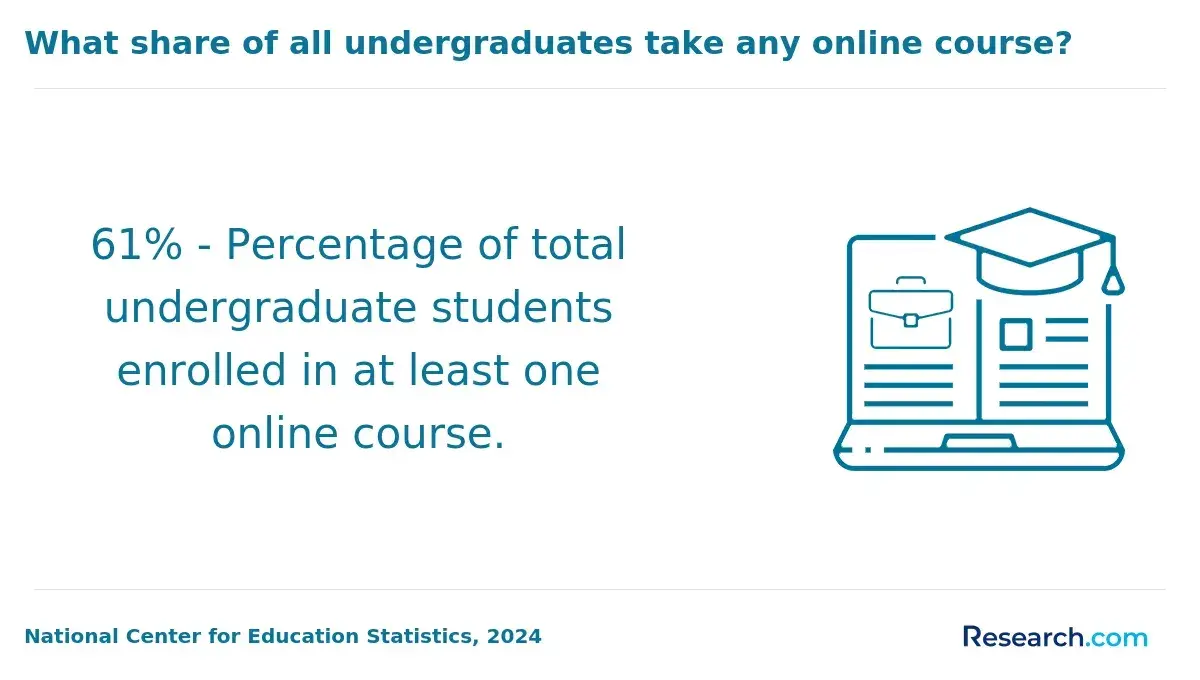
Admission requirements for online physical education programs share many core elements with on-campus ones but differ in ways that accommodate remote learning and adult students. For example, enrollment in online graduate programs has surged by nearly 30% recently, highlighting growing demand among working professionals seeking flexibility. These distinctions often affect GPA standards, testing policies, and experience prerequisites.
Key variations in admissions criteria for online physical education programs include:
- GPA Expectations: Online programs tend to accept slightly lower GPAs since they attract many students returning to education after workforce experience. Still, thresholds vary by institution and program level.
- Standardized Testing: Requirements for tests like the SAT or ACT are more frequently waived for online applicants, especially at the master's level, depending on specialization and school policies.
- Professional Experience: Relevant work in coaching, fitness, or physical education fields can often replace or enhance academic qualifications, reflecting online programs' emphasis on practical backgrounds.
- Application Materials: Online applications may place greater emphasis on letters of recommendation and detailed professional statements to assess readiness for the demands of remote study.
- Flexibility for Working Students: Admissions deadlines and part-time enrollment options are often more accommodating to balance education with other responsibilities.
A graduate of an online physical education degree I spoke with recalled feeling both relieved and challenged by the application process. He mentioned how his work experience in community fitness programs played a crucial role in strengthening his application, particularly since his GPA wasn't as high as typical on-campus applicants'. He also appreciated the flexibility of deadlines, which allowed him to submit materials while managing a full-time job. "It wasn't just about test scores or grades," he shared, "but showing that I was ready and committed to learning in an online environment." This approach made the process feel more personalized and accessible, reinforcing how online programs can adapt to unique student situations.
Are English Proficiency Tests Required for Physical Education Admissions?
Most physical education degree programs in the U.S. require proof of English proficiency, with around 80% mandating standardized tests like TOEFL or IELTS to confirm applicants' language skills. However, an increasing number of programs accept alternative methods to verify proficiency beyond traditional exams.
Key considerations for demonstrating English competence include the following:
- Standardized tests: TOEFL and IELTS remain the primary accepted assessments. Programs typically expect minimum scores of 70 to 80 on the TOEFL iBT or between 6.0 and 6.5 on the IELTS.
- Testing waivers: Some programs may exempt applicants from English tests if they hold degrees from institutions where English was the main language of instruction, or possess relevant professional experience in English-speaking settings.
- Alternate proof: Academic transcripts indicating prior education conducted in English or documented English-related work experience can sometimes replace formal test results.
- Online program flexibility: Physical education programs offered online often have more lenient language requirements, making waivers for English assessments more common.
- On-campus requirements: In contrast, on-location programs usually enforce stricter proficiency standards to facilitate effective in-person communication and classroom interaction.
Breakdown of Public Fully Online Title IV Institutions

How Much Do Physical Education Degree Program Admission Requirements Cost?
Costs linked to admission for physical education degree programs often accumulate from application fees, testing requirements, and document preparations. Recent data shows that graduate application fees in the U.S. have risen, averaging between $50 and $100 per submission. These expenses can vary widely depending on the institution and additional requirements.
Below are common charges prospective students may encounter:
- Application fees: Generally range from $40 to $100 and cover processing costs. Fees may fluctuate by program and are occasionally waived for certain applicants based on early submission or financial need.
- Standardized tests: If required, tests such as the GRE typically cost between $200 and $300. This fee includes exam administration and score reporting. Requirements and costs differ by program.
- Transcript fees: Official transcripts usually cost $10 to $20 each to send. This is a necessary step to verify academic records and is almost always mandatory.
- Credential evaluations: International applicants pay about $100 to $200 to have foreign degrees assessed. This fee is optional for domestic students but critical for verifying international credentials.
- English proficiency exams: Non-native English speakers often need to take exams like TOEFL or IELTS, which cost roughly $150 to $250. This establishes language ability and is required by most programs.
When I spoke with a graduate of a physical education degree about her experience with these costs, she reflected on the financial balancing act required. She recalled, "It was surprising how quickly the fees added up-not just the standard application charges but also paying for test retakes and document preparations." She shared how she had to budget carefully and prioritize which exams to take first to avoid unnecessary expenses. "The paperwork felt overwhelming at times, but knowing where each dollar went helped me stay organized and calm," she explained, highlighting the importance of early planning. Her insights emphasize that admission expenses can be challenging but manageable with foresight.
Do Schools Provide Academic Support for Students Admitted With Lower Metrics?
Institutions often admit students with diverse academic profiles into physical education degree programs to foster inclusivity and create opportunities for motivated individuals. Since admissions help for students with low GPA or limited experience is crucial, schools provide targeted academic support services that promote retention and academic success. Below are common types of assistance available to students facing academic challenges.
- Tutoring and Supplemental Instruction: Personalized academic help is offered to support understanding of complex coursework and key concepts. This approach helps bridge gaps created by uneven academic backgrounds and reinforce student confidence.
- Bridge or Foundational Courses: These courses provide refresher content designed to strengthen essential skills before students engage with advanced material, ensuring a smoother transition into core physical education topics.
- Academic Advising: Advisors assist in planning course loads strategically, addressing potential issues early, and offering guidance tailored to individual student needs to enhance educational outcomes.
- Skills Workshops: Workshops focus on practical study habits, time management, and exam preparation. These sessions equip students with tools necessary for academic performance and long-term success.
- Probation Policies and Early Intervention: Academic progress is closely monitored through early alert systems, enabling timely support or intervention to prevent failure or dropout, thereby encouraging persistence toward degree completion.
Academic support for physical education students ensures that even those admitted with lower GPA or limited standardized test scores have a fair opportunity to advance through their programs. For students seeking flexible options, exploring accelerated online bachelor degree programs can also offer tailored pathways suited to diverse academic backgrounds.
What Questions Should You Ask Admissions Counselors Before Applying?
Speaking with admissions counselors before applying to a physical education degree program helps clarify application expectations, strengthen your submission, and avoid costly surprises. According to recent studies, students who engage with admissions staff have a 25% higher chance of enrollment success, underscoring the impact of direct communication in admission decisions.
Key questions to ask can guide you through understanding what admissions committees prioritize and how to improve physical education degree acceptance chances. Consider the following:
- How flexible are GPA and test score requirements? Admissions criteria can vary, and understanding flexibility allows you to assess your competitiveness and strategize improvements if needed.
- Are there prerequisite courses or experience needed? Knowing specific academic or practical prerequisites ensures you meet all foundational criteria, preventing delays in the admission process.
- What program formats and scheduling options are offered? Clarifying availability of part-time, online, or evening classes helps align the program with your personal and work commitments, especially when exploring online college programs.
- What financial aid opportunities and additional fees exist? Transparent information about scholarships, grants, and hidden costs allows realistic budgeting and avoids unexpected expenses during your studies.
- What academic support and career services are provided? Understanding available resources reveals how the program supports not only your academic progress but also your professional development after graduation.
When researching physical education program admission requirements, prioritize conversations that help you map out clear steps and identify areas where you can bolster your application profile. This approach significantly enhances your positioning within competitive applicant pools.
Are Physical Education Programs With Higher Admissions Standards Associated With Better Salaries?
Applicants frequently believe that physical education programs with more stringent admissions requirements lead to higher salaries after graduation, as selectivity is often associated with quality and prestige. However, a 2023 workforce analysis indicates that salary variations among physical education graduates depend more on professional experience and geographic job markets than on program selectivity.
Consider these key factors influencing the connection between admissions standards and earnings:
- Reputation impact: Well-known institutions may provide access to expansive alumni networks, which can enhance job prospects and salary potential beyond admissions difficulty.
- Curriculum focus: Programs emphasizing hands-on skills and industry-recognized certifications tend to better equip students for employment compared to those relying solely on selective entry criteria.
- Job market variability: Regional employer demand and specific job types significantly shape wages, often independent of the physical education program attended.
- Experience value: Prior internships, coaching, or related work experience frequently have a stronger influence on salary than GPA or standardized test scores used in admissions.
- Limitations of selectivity: Strict admissions standards are an imperfect predictor of future earnings, as many successful professionals come from less selective programs but gain critical experience after graduation.
What Graduates Say About Their GPA, Test Scores, and Experience Needed for Physical Education Degree
- Jason: "Getting into the physical education program was challenging-I maintained a solid GPA and prepared thoroughly for the entrance tests. The overall cost, from application fees to completing the degree, was around $30,000, which felt like a valuable investment. Now, as a certified coach, I see firsthand how this degree opened doors to exciting career opportunities."
- Camilo: "Reflecting on my journey, balancing the GPA requirements and gaining hands-on experience was demanding but rewarding. The total expenses summed up to approximately $28,500, including tuition and materials. Earning my physical education degree has profoundly impacted my professional life, allowing me to work confidently in school health programs and advocate for student wellness. "
- Alexander: "As a professional who appreciates structured learning, I approached the program's entrance demands-GPA, tests, and experience-with a strategic mindset. The cost to complete the physical education degree was roughly $32,000, a figure that aligns with the average but represents a smart career investment. Completing this program significantly enhanced my qualifications and credibility in the health and fitness field. "
Other Things You Should Know About Physical Education Degrees
In 2027, most physical education degree programs expect a minimum GPA of 2.5. Competitive programs often require SAT scores of 1000 or ACT scores of 20. Practical experience, such as coaching or volunteer work in sports, can enhance an application. Some schools may have additional requirements, so it's crucial to check specific program details.
Some physical education programs accept relevant work experience in lieu of formal prerequisites, especially for non-traditional or transfer applicants. Experience in coaching, fitness training, or health promotion may fulfill practical knowledge requirements. However, policies vary by school, so candidates should review specific program guidelines.
References
- How to get into PE teaching https://study.uq.edu.au/stories/how-to-get-into-PE-teaching
- Australian College of Physical Education English language proficiency requirements https://www.uac.edu.au/institutions/australian-college-of-physical-education/english-language-proficiency
- Physical Education https://al.edu.pl/en/studies/full-time-english-studies/physical-education
- Physical Education PK-12, B.S. https://catalog.southernct.edu/undergraduate/programs-and-degrees/physical-education-bs-concentration-pk-12-teacher-certification.html
- Tuition Fees - Faculty of Physical Education and Sport https://ftvs.cuni.cz/FTVSEN-413.html
- Physical Education https://international.pwsztar.edu.pl/studying/faculty-of-health-sciences/physical-education/
- Online Master's in Physical Education P-12 (MEd) | UWA Online https://online.uwa.edu/online-degrees/med-masters-education-physical-education-p-12/
- Physical Education Teacher Education Major (BS) https://www.brockport.edu/live/profiles/physical-education-teacher-education-major
- Department of Sport and Physical Education – Poznań University of Economics and Business https://ue.poznan.pl/en/students/department-of-sport-and-physical-education/