2027 Are There Any One-Year Online Physical Education Degree Programs Worth Considering?

Co-Founder and Chief Data Scientist
If you are searching for a one-year online Physical Education degree, the first thing to know is that the term can be misleading. A complete online bachelor's degree in Physical Education is usually not designed to be finished in one year because undergraduate programs require extensive coursework, field experiences, and, for teaching pathways, supervised practice tied to state requirements.
One-year options are more realistic for students who already have significant college credit, a completed bachelor's degree, or professional experience in teaching, coaching, fitness, kinesiology, or health education. In practice, the fastest online Physical Education pathways are usually accelerated master's degrees, degree-completion routes, or programs that combine online coursework with local practicum experiences.
This guide explains what is and is not feasible, which types of programs exist, what to check before applying, how costs and financial aid work, and how to decide whether an accelerated Physical Education program fits your career goals.
Key Points About One-Year Online Physical Education Degree Programs
- One-year online Physical Education degrees are rare due to required practical components and certification standards that often demand more extensive in-person training than traditional degrees.
- Students should expect accelerated coursework focusing on theory, health sciences, and pedagogy, but limited hands-on practice compared to conventional multi-year programs.
- These programs primarily suit professionals seeking continuing education or certifications rather than first-time degree seekers aiming for licensure or comprehensive skill development.
Is It Feasible to Finish a Physical Education Degree in One Year?
Finishing a full bachelor's degree in Physical Education online in one year is generally not realistic for a first-time college student. Most bachelor's programs require 120 to 154 credit hours, and many include methods courses, movement-based instruction, observation hours, practicum work, or student teaching. Those requirements are difficult to compress because they involve supervised experience, not just online assignments.
A one-year timeline becomes more feasible in three situations: the student already has many transferable credits, the program is at the graduate level, or the credential is a certificate or endorsement rather than a full bachelor's degree. Accelerated master's programs are the most common legitimate one-year option because applicants have already completed undergraduate study and can move directly into advanced coursework.
| Student situation | Is one year realistic? | What to verify |
| First-time bachelor's student | Usually no | Total credit hours, fieldwork, and teaching requirements |
| Student with many transfer credits | Possibly, depending on credits accepted | Official transfer evaluation before enrollment |
| Applicant with a bachelor's degree | More realistic for a master's program | Admission prerequisites and program pacing |
| Licensed teacher seeking added preparation | Potentially realistic for an accelerated graduate or endorsement pathway | State licensure rules and district recognition |
The key question is not simply whether a school advertises a fast format. Ask whether the program leads to the credential you actually need, whether it is accredited, whether it satisfies licensure expectations in your state, and whether you can complete any required field experiences on the proposed schedule.
Are There Available One-year Online Physical Education Degree Programs?
Traditional one-year online Physical Education degree programs in the US do not currently exist at the bachelor's level. A bachelor's degree in Physical Education typically requires 120-180 credit hours and takes about four years of full-time study. The one-year programs prospective students are most likely to find are accelerated master's degrees or combined pathways intended for students who already have substantial academic preparation.
For career changers, working teachers, coaches, and health education professionals, these faster graduate-level options can be useful. They may allow students to continue working while completing online coursework, although some programs may still require local practicum, field-based assignments, or evidence of current professional practice. Students comparing fast graduate routes can also review 1 year masters programs USA to understand how accelerated master's formats are structured in other fields.
- Georgia State University: Offers an online Master of Education in Health and Physical Education that can be completed in as little as one year through an accelerated 30-credit format spread over four semesters. It is designed for working professionals.
- Longwood University: Provides a fully online Master of Science in Health and Physical Education that can be finished in one year of full-time study. Students who need a slower pace may choose flexible part-time options with completion over two to five years.
- Arizona State University: Offers an accelerated combined bachelor's plus master's degree program that enables students to earn both degrees in approximately five years, which shortens the total timeline compared with completing the two degrees separately.
Before applying, confirm whether the program is a full degree, a combined degree pathway, a licensure-focused program, or a professional development credential. These categories can sound similar in marketing language but lead to different outcomes.
Why Consider Taking Up One-year Online Physical Education Programs?
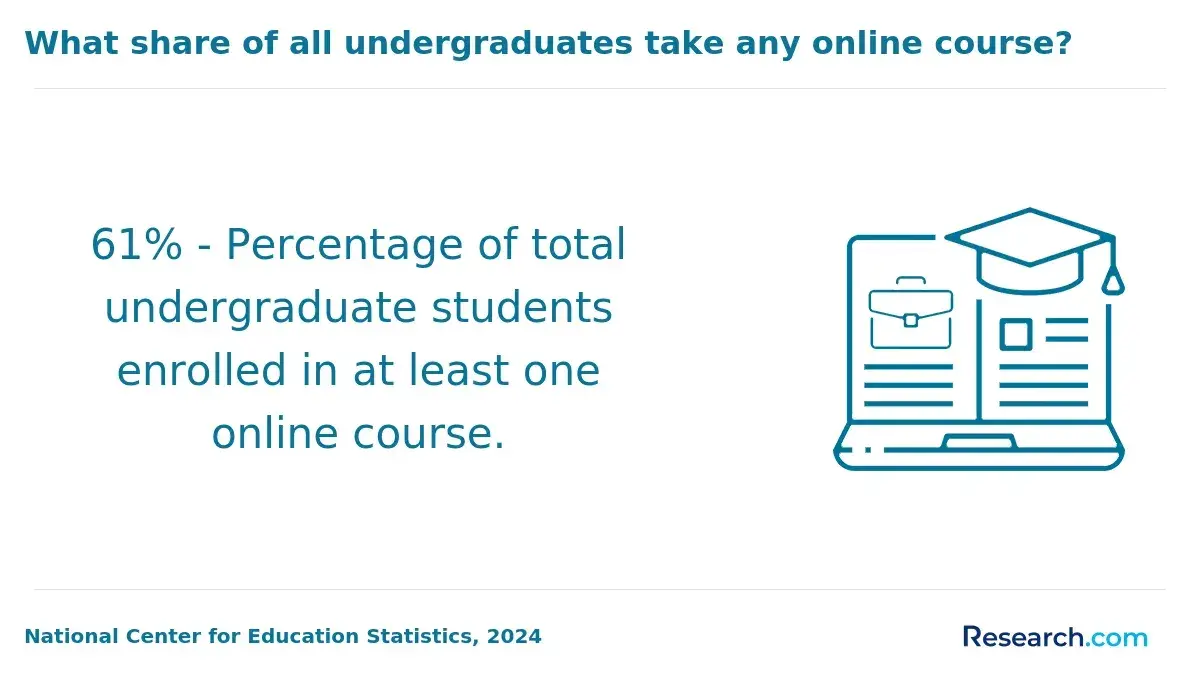
A one-year online Physical Education program can make sense when the goal is targeted advancement rather than starting from zero. The strongest candidates are usually current educators, coaches, fitness professionals, or graduates of related fields who want a faster way to deepen their expertise, qualify for new responsibilities, or complete an advanced credential.
- Flexibility: Online delivery can make graduate study more manageable for students who are already teaching, coaching, or working in health and fitness settings. Asynchronous courses are especially helpful when class schedules must fit around work hours.
- Career advancement: Accelerated PE programs can help educators build stronger skills in curriculum design, health education, assessment, adapted physical education, coaching, and wellness programming. For some professionals, a graduate degree may support movement into leadership, specialized instruction, or district-level roles.
- Faster return on effort: Completing a program in a shorter timeframe can help students apply new methods sooner. This is valuable in a practice-based field where updated approaches to movement, wellness, and student engagement can be used immediately.
- Potential cost control: A shorter enrollment period may reduce some expenses compared with a longer program, although students should compare total tuition, fees, books, travel for any field requirements, and lost work time.
These programs are less suitable for students who need extensive in-person preparation, have weak academic foundations in human movement or education, or need a bachelor's degree for initial teacher licensure. For example, the University of West Alabama offers an online Master's in Physical Education designed for rapid completion and career growth, but students should still confirm whether a program's outcome matches their state, employer, and career requirements.
Students comparing broader online options may also find it useful to review what is the easiest degree to get online, especially if they are deciding between Physical Education and adjacent majors that differ in workload, field requirements, and career direction.
What Are the Drawbacks of Pursuing One-year Online Physical Education Programs?
The main drawback of a one-year online Physical Education program is compression. Physical Education is not only an academic subject; it also requires demonstration, observation, feedback, coaching, assessment, and safe supervision of movement. A fast online format can work, but only if the program has a credible way to build and evaluate practical skills.
- Heavy workload: Accelerated courses move quickly. Students may be reading, completing projects, preparing teaching materials, and coordinating field experiences at the same time.
- Limited hands-on practice: PE students often need to demonstrate skills, observe movement, adapt activities, and teach in real settings. Online coursework alone may not provide enough practice.
- Fieldwork complications: Even when coursework is fully online, practicum or student teaching may need to happen at an approved local site. Arranging placements can take time.
- Less face-to-face feedback: Feedback from instructors and peers is especially useful when learning coaching cues, safety procedures, and instructional techniques. Online programs must replace that interaction with strong video, supervision, and communication systems.
- Difficulty with technical subjects: Topics such as exercise physiology and biomechanics can require careful explanation, applied examples, and time for review. A compressed schedule leaves less room to recover if a student falls behind.
- Scarcity of true one-year options: Accredited one-year online Physical Education degrees are uncommon, particularly at the bachelor's level. Some advertised fast pathways depend heavily on transfer credits, prior degrees, or local practicum completion.
A common mistake is choosing the fastest program before checking whether it is recognized by employers, accepted for salary advancement, or aligned with licensure requirements. Speed should not outweigh legitimacy.
What Are the Eligibility Requirements for One-year Online Physical Education Programs?
One-year online Physical Education programs usually have stricter eligibility requirements than standard programs because they assume students are ready for advanced or compressed study. Requirements vary by university, but most accelerated options are built for applicants who already have college coursework, a bachelor's degree, professional experience, or prerequisite knowledge in education, health, or movement science.
Applicants should not rely only on the admissions page summary. Ask for a written evaluation of your transcript, a clear explanation of any fieldwork requirements, and confirmation of whether the program is appropriate for your intended role.
- Prior college credits: Degree-completion routes may require a substantial number of transferable college credits, often from education, health sciences, kinesiology, or related fields.
- Completed bachelor's degree: Accelerated master's programs generally require applicants to already hold a bachelor's degree before enrollment.
- Professional experience: Teaching, coaching, fitness training, or other hands-on experience may strengthen an application and help students manage applied assignments.
- Prerequisite coursework: Some programs expect prior study in anatomy, kinesiology, exercise physiology, pedagogy, or related subjects.
- Placement exams: Certain institutions may use placement tests to determine whether applicants are ready for graduate-level or accelerated coursework.
- Background checks: Programs connected to schools, youth programs, or teaching roles often require background screening before field placement.
- Interviews: Some programs may interview applicants to assess motivation, readiness, communication skills, and fit with the program's teaching philosophy.
Students evaluating the financial value of different degree paths may also compare career outcomes across majors by reviewing what 4 year degree pays the most. That comparison can help clarify whether a Physical Education pathway fits both professional interests and expected return on investment.
What Should I Look for in One-year Online Physical Education Degree Programs?
The best one-year online Physical Education program is not necessarily the fastest one. It is the program that is properly accredited, realistic for your schedule, aligned with your career goal, and clear about field experience, licensure, and total cost. Because options are limited, careful comparison matters.
| Factor to check | Why it matters | Question to ask |
| Accreditation | Employers, graduate schools, and licensing agencies may require recognized accreditation. | Is the institution regionally accredited, and is any relevant programmatic accreditation identified? |
| Licensure alignment | Teaching requirements are state-specific and may include supervised practice. | Does this program meet requirements in the state where I plan to work? |
| Curriculum | A strong program should cover both theory and applied PE instruction. | Are kinesiology, exercise physiology, health behavior theories, pedagogy, assessment, and technology integration included? |
| Faculty expertise | Instructors with K-12 teaching, coaching, or health promotion experience can connect coursework to real practice. | Who teaches the courses, and what professional experience do they bring? |
| Delivery format | Asynchronous learning adds flexibility, but practicum requirements may still be scheduled. | Are courses asynchronous, synchronous, or mixed, and are there any in-person requirements? |
| Credit transfer policy | Transfer credit may determine whether a one-year completion plan is possible. | How many credits will the university accept, and will I receive an official evaluation? |
| Student support | Online students need accessible advising, tutoring, library support, writing help, and technical assistance. | What support is available outside standard business hours? |
| Cost | Online Physical Education programs vary, typically from $6,000 to $15,000 annually. | What is the full cost, including fees, books, technology, and field placement expenses? |
Also pay close attention to terminology. A "one-year program" may mean one year of full-time graduate study, a degree-completion option for transfer students, or an accelerated track that requires specific prior coursework. Ask the admissions office to show exactly how your personal completion plan fits into one year.
Because cost and accreditation vary widely, comparing programs through the best and most affordable online colleges can help you identify schools that fit both your academic needs and budget.
How Much Do One-year Online Physical Education Degree Programs Typically Cost?
One-year online Physical Education degrees are uncommon, and most online bachelor's programs require at least two years of full-time study unless a student transfers significant credit. For a single academic year, costs typically average around $12,200 for tuition and fees, excluding books and other expenses.
Per-credit costs generally fall between $380 and $520. Total price depends on the institution type, residency rules, the number of credits required, transfer credit accepted, and program fees. Public schools often charge less than private institutions, although many online programs use flat tuition rates regardless of location. Additional charges may include technology, graduation, and course-specific fees.
| Cost item | What to check |
| Tuition and fees | Confirm the full program cost, not only the per-credit rate. |
| Books and materials | Ask whether digital materials, textbooks, software, or assessment tools are required. |
| Technology fees | Review online learning, platform, and student service fees. |
| Practicum expenses | Check for background checks, travel, site requirements, or supervision fees. |
| Transfer credits | Find out how accepted credits affect both cost and completion time. |
Compared with traditional four-year Physical Education degrees, which can cost $22,000 to $50,000 or more, a one-year option may reduce time and overall expense. However, a lower price is not a good deal if the program lacks appropriate accreditation, does not support licensure, or fails to provide the practical preparation needed for your career goal.
What Can I Expect From One-year Online Physical Education Degree Programs?
A one-year online Physical Education program is usually intensive, structured, and career-focused. Students should expect a faster pace than a traditional program, with limited downtime between courses and a greater need to manage assignments, projects, and any fieldwork independently.
Coursework may include educational planning, statistics, technology integration, advanced teaching strategies, curriculum design, assessment, health promotion, and applied movement concepts. Programs designed for educators may emphasize instructional planning and student engagement, while programs serving coaches or wellness professionals may focus more on performance, fitness, and community health applications.
Even when the academic courses are online, practical learning remains important. Online Physical Education degree practicum requirements may involve partnerships with local schools, community centers, youth programs, or fitness organizations. Students may need to record teaching demonstrations, submit lesson plans, complete supervised hours, or document applied projects.
- Weekly workload: Expect concentrated reading, discussion, assignments, and applied projects because the schedule is compressed.
- Online format: Many programs use asynchronous learning, but some courses may include scheduled meetings, presentations, or instructor conferences.
- Assessment methods: Students may be evaluated through lesson plans, teaching videos, research-based projects, exams, reflective journals, and practicum documentation.
- Professional outcomes: Graduates may be better prepared to design PE curricula, support physical activity, integrate technology, and use research-informed teaching or coaching strategies.
The accelerated pace can be demanding, especially for students working full time. Before enrolling, map out the program calendar, practicum deadlines, work obligations, and family responsibilities. If the schedule already looks unrealistic, a part-time option may lead to a stronger outcome than forcing a one-year timeline.
Prospective students comparing related hands-on career pathways may also explore the best vocational colleges online for additional program types and training models.
Are There Financial Aid Options for One-year Online Physical Education Degree Programs?
Yes, financial aid may be available for eligible students in accredited online Physical Education programs, including accelerated options. The exact aid package depends on the credential level, enrollment status, school participation in aid programs, financial need, and whether the student meets undergraduate or graduate aid rules.
- Federal and state aid: Students attending accredited programs at least half-time can submit the FAFSA to apply for federal aid. Options may include Direct Loans, Pell Grants for undergraduates with financial need, and work-study roles. Some states also offer grants to residents enrolled in local institutions, with eligibility criteria set by state education agencies.
- Scholarships and grants: Discipline-specific scholarships may be available through organizations such as the Society of Health and Physical Educators (SHAPE America). Universities that offer online Physical Education courses may also provide institutional scholarships, especially for graduate students. Competitive awards often require early applications.
- Employer tuition assistance: Current Physical Education teachers and coaches may be able to use tuition reimbursement from school districts or employers. These programs usually cover between $2,000 and $5,000 annually and may require employees to remain with the organization for a set period after completing the degree.
- Private loans: Private loans can fill funding gaps but generally have higher interest rates than federal aid options. They should usually be compared carefully against federal loans, payment plans, scholarships, and employer support.
Before accepting an aid package, calculate the net cost after grants and scholarships, not just the sticker price. Also confirm whether aid will cover summer terms, accelerated sessions, or practicum-related costs if the program uses a nontraditional calendar.
What Physical Education Graduates Say About Their Online Degree
- Jason: "Completing my one-year online Physical Education degree was a game-changer for my career. The accelerated format allowed me to enter the workforce faster without sacrificing quality, and the average cost was surprisingly affordable compared to traditional programs. I'm now working as a fitness coach and feel confident in the knowledge I gained during the program."
- Camilo: "The competency-based Physical Education program gave me the flexibility to learn at my own pace while still finishing within a year. It was a deeply reflective experience that enhanced both my personal fitness goals and my understanding of human movement. I appreciated how the curriculum was practical and applicable to everyday life."
- Alexander: "As a professional seeking to expand my qualifications, the online one-year Physical Education degree delivered exactly what I needed: efficient learning with strong outcomes. The program balanced theoretical knowledge and real-world application, and the concise timeline respected my busy schedule. The overall investment felt worthwhile given the doors it's opened in my field."
Other Things You Should Know About Pursuing One-Yeas Physical Education Degrees
In 2027, most one-year online Physical Education degrees incorporate practical components through virtual simulations, webinars, and local partnerships. These programs are designed to ensure students gain necessary hands-on experience, often requiring coordination with local facilities for practical application.
Accreditation ensures that the program meets specific academic standards and is recognized by employers and licensing bodies. For Physical Education degrees, regional accreditation or program-specific accreditation by recognized organizations is crucial. Without proper accreditation, credits may not transfer, and qualifications might not be accepted for professional practice.
After earning a one-year online Physical Education degree, it's crucial to understand that certification requirements vary by state. Graduates should review state-specific criteria, which may include additional exams, teaching experience, or coursework to qualify for licensure and begin teaching careers.
References
- Advantages and disadvantages to teaching Physical Education Teacher Education through emergency remote delivery: experiences from a collaborative self-study: Curriculum Studies in Health and Physical Education: Vol 0, No 0 - Get Access https://www.tandfonline.com/doi/full/10.1080/25742981.2025.2515023
- Computer Science https://www.math.uni.lodz.pl/en/cs/courses/physical-education
- Online Master's in Physical Education Degree | UWA Online https://online.uwa.edu/online-degrees/ms-masters-physical-education/
- Education: Physical Education https://www.stmarys.ac.uk/courses/postgraduate/physical-education
- Master of Education in Physical Education https://online.uark.edu/programs/master-education-physical-education.php
- Online Health Science Degrees with Financial Aid https://www.edumed.org/online-schools/health-science-degrees/financial-aid/
- Top 6 Low-Cost Online Bachelor's in Physical Education https://www.greatvaluecolleges.net/rankings/online-bachelors-physical-education/
- Online Bachelor's Degree Completion Financial Aid https://www.hamline.edu/admission-aid/financial-aid/online-bachelors
- Top five reasons to study a Physical Education degree at ACPE https://acpe.edu.au/blog/education/top-five-reasons-to-study-a-physical-education-degree-at-acpe/