2027 Animal Science Internship Requirements: Hours, Placements, and Supervision

Co-Founder and Chief Data Scientist
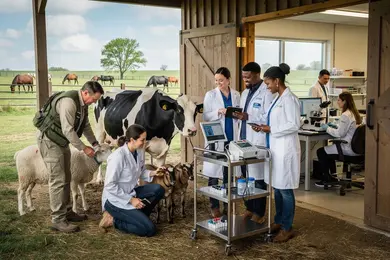
What do internship requirements in animal science typically involve, and how do they shape a student's career readiness? Many programs mandate a set number of hours, often ranging from 120 to 200, to ensure hands-on experience in diverse settings such as farms, research labs, or veterinary clinics. Supervision plays a critical role, with guidance usually provided by qualified professionals who evaluate student progress.
Position placements require coordination between academic advisors and industry partners to match skills with opportunities. With employment in animal science expected to grow by 4% through 2031, understanding these requirements is essential. This article clarifies key aspects of hours, placements, and supervision to aid students in meeting internship expectations effectively.
Key Things to Know About Animal Science Internship Requirements
- Internship hour requirements typically range from 120 to 240 hours, requiring careful scheduling to balance academic workloads and seasonal industry cycles.
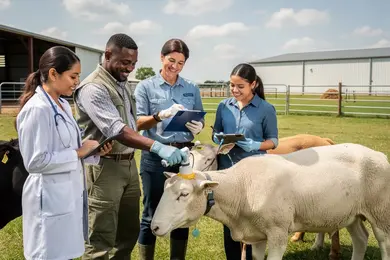
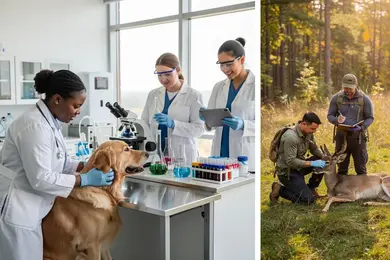
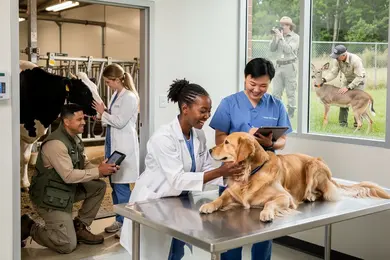
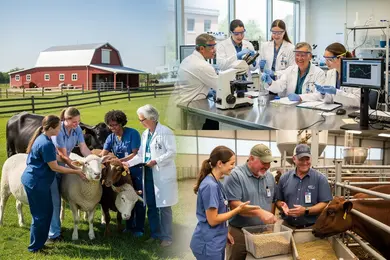
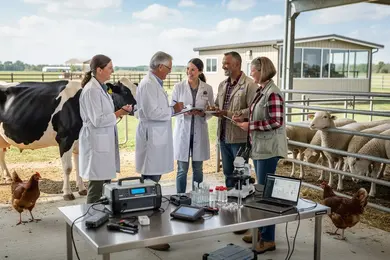
- Placement depends on site availability, often limiting locales to research farms, zoos, or veterinary clinics, which impacts student flexibility and networking opportunities.
- Supervision standards demand regular mentor evaluations, with criteria focusing on skill development and professional conduct to ensure meaningful experiential learning.
Do All Animal Science Degrees Require an Internship?
Internships often serve as a bridge between academic theory and practical application, preparing students for real-world roles in animal science fields. About 65% of accredited animal science programs require or strongly encourage internships to enhance experiential learning.
Various factors influence internship requirements, reflecting the diverse structures of these degree programs.
- Program Type: Bachelor's degrees with applied or professional focuses typically mandate internships to ensure practical readiness, while research-intensive or academic tracks may leave internships optional.
- Accreditation Expectations: Accrediting bodies sometimes set standards that recommend or require hands-on experiential components, including internships, to uphold program quality and relevance.
- Specialization Tracks: Certain focus areas like veterinary technology, wildlife management, or animal production often embed internships within the curriculum, whereas foundational studies may not.
- Alternative Experiential Options: Some programs accept substitutes such as cooperative education, research projects, or extended fieldwork as alternatives to traditional internships, fulfilling practical experience requirements through different formats.
Students looking into an animal science degree internship placement and supervision requirements should carefully review program specifics since these vary widely. For those interested in related fields like pharmacy, institutions offering the best online pharmacy school options also emphasize practical exposure integrated within degree plans.
What Requirements Must Be Met Before Starting an Animal Science Internship?
Internship programs often establish prerequisites to ensure students are sufficiently prepared for practical experiences in animal science. These requirements help maintain academic rigor and safeguard both interns and host organizations. Research shows that about 85% of animal science internships mandate foundational coursework and other clear eligibility criteria before students can begin.
Below are common eligibility requirements students typically must meet.
- Minimum GPA: Most programs require a minimum grade point average between 2.5 and 3.0 to confirm academic competence and dedication. This standard helps select students with a solid knowledge base ready for internship challenges.
- Foundational Coursework: Completion of core courses related to animal biology, nutrition, physiology, or genetics is essential. These classes provide the theoretical framework necessary to engage effectively in hands-on internship tasks.
- Application Approval: Students usually need formal approval of their internship application by an academic advisor or program coordinator. This ensures that all academic and administrative criteria are met and facilitates proper placement matching.
- Health and Safety Clearances: Many internships require proof of immunizations or background checks, particularly when working with animals in agricultural or clinical environments. These measures protect both the student and hosting organization.
How Many Internship Hours Are Required for Animal Science Degrees?
Internship hours are a critical component of animal science degree programs, designed to bridge academic learning with practical experience. Typically, students complete between 120 and 200 internship hours, which usually translates to about 3 to 6 academic credits, with one credit representing roughly 40 hours of hands-on work.
Several factors determine the exact number of hours required for each program.
- Program Type: Bachelor's degree tracks often demand more extensive internship hours compared to associate degrees or certificate programs, reflecting their more comprehensive curriculum and career preparation focus.
- Academic Credit Equivalencies: Institutions set internship hours based on their credit hour policies, leading to variation in required hours even among similar programs.
- Accreditation Expectations: Accredited programs must comply with standards that often specify minimum hours to ensure students receive adequate experiential learning.
- Scheduling Format: Full-time and part-time students may have different requirements or flexible timelines, influencing how many internship hours they complete per semester.
When asked about the hours expected in animal science internships, a recent graduate shared that the process was more demanding than anticipated. He explained that balancing the internship hours with coursework required careful time management, especially since some projects involved unpredictable workdays and hands-on livestock care.
"It wasn't just the hours logged but also the quality of the experience," he noted, emphasizing how certain weeks demanded longer days to meet the program's expectations. Despite occasional stress, he felt the intense exposure deeply enhanced his skills and confidence in the field.
Where Do Animal Science Students Complete Internships?
Internship placement environments are critical to developing practical skills and real-world understanding in animal science programs. Over 40% of these internships are hosted by private corporations, reflecting strong industry demand. The varied settings allow students to tailor experiences to their career goals and improve professional readiness.
Common sites for internships include:
- Corporate Businesses: These internships often involve livestock management, product innovation, or quality control within agricultural and animal production companies. Students gain exposure to industry practices crucial for career growth.
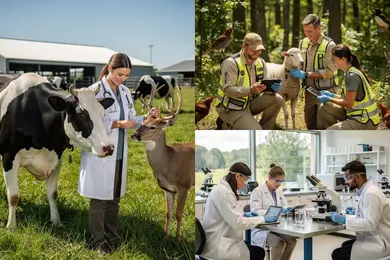
- Government Agencies: Roles at federal, state, and local levels focus on regulatory compliance, animal health monitoring, and policy research. These positions provide insight into the public sector's role in animal science.
- Nonprofit Organizations: Interns may work with animal rescue, habitat restoration, or advocacy groups. This setting emphasizes animal welfare and community education.
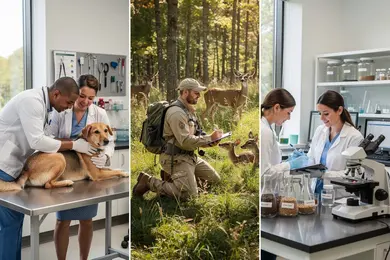
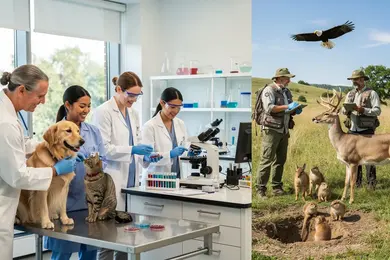
- Research Institutions: Academic and private labs offer experience in experimental design, data analysis, and emerging technologies, fostering innovation skills essential for scientific careers.
Students seeking animal science internship placement opportunities near me often find that these diverse environments help them apply classroom knowledge in meaningful ways. For those exploring typical animal science student internship sites in the United States, understanding these distinct sectors guides better decision-making.
For further educational options, exploring the best online nursing programs can offer additional insights into professional degree pathways.
How Are Internship Placements Assigned in Animal Science Programs?
Internship placements in animal science programs are carefully organized to align student interests with real-world opportunities. Institutions collaborate with industry partners and use structured processes to ensure meaningful matches. According to a recent survey, nearly 70% of animal science students are placed using combined faculty and employer input, highlighting the integration of academic guidance and professional needs.
Below are common approaches to internship assignments in these programs.
- Faculty-Guided Matching: Academic advisors and faculty members play a key role in recommending placements based on a student's skills, goals, and academic performance. They often leverage relationships with employers to find suitable internships aligned with curriculum objectives.
- Student-Driven Applications: Some programs encourage students to independently seek out opportunities and apply directly to employers. Placements then require approval by program coordinators to ensure the experience fits educational standards.
- Partnership-Based Assignments: Established partnerships with farms, labs, and companies allow programs to reserve internship spots. Students are assigned to these locations depending on availability and mutual interest, often after a preliminary screening.
- Centralized Placement Systems: Larger institutions may use formalized placement platforms where students submit preferences and profiles. These systems use competitive ranking or matching algorithms to allocate internships evenly.
When asked about how internship placements are assigned in her animal science program, a current student shared that navigating the process was initially stressful but ultimately rewarding. "I remember feeling overwhelmed with so many options and the pressure to find a good fit," she said.
"Having support from a faculty mentor was crucial-they helped me focus on opportunities that matched my career goals." She also appreciated the flexibility to explore different placements until she secured an internship that felt like a practical step forward in her education. This balance between guidance and independence gave her valuable insight into professional pathways she hadn't fully considered before.

Are Virtual or Remote Internships Available?
Remote work has increasingly influenced how internships are structured, with a noticeable shift toward virtual opportunities in many fields, including animal science. Studies indicate that roughly 35% of internships in agricultural and biological sciences now incorporate remote or hybrid formats, highlighting a significant rise in digital engagement.
This change reflects broader workplace trends and supports students juggling multiple responsibilities. The growing prevalence of these internships invites a closer look at their practical implementation within animal science programs.
Virtual or hybrid internships offer flexibility, enabling students to fulfill requirements without being confined to a physical location. They often employ digital tools such as video calls, collaborative documents, and specialized software to manage projects and maintain supervision.
This approach opens doors to a wider variety of employers, allowing students from remote or underserved regions to connect with organizations nationwide or globally. However, the availability of such options depends on specific program goals, with hands-on, field-focused programs tending to offer fewer remote opportunities compared to those centered on research or data analysis.
Are Part-Time Internships Allowed for Working Students?
Part-time internships are vital for many animal science students who juggle work and academics. Nearly 43% of full-time undergraduates in the U.S. work while enrolled, underscoring the need for flexible internship formats.
Animal science programs often accommodate this by offering part-time internship options that support students' varied schedules.
Scheduling Flexibility: These internships allow students to distribute required hours over an extended period instead of full-time blocks. This helps students manage their job commitments without missing out on essential practical experience.
Employer Accommodation: Participating employers often adapt by permitting interns to work during evenings, weekends, or other non-traditional hours. This arrangement benefits students and employers by preserving learning outcomes alongside operational needs.
Academic Workload Balance: Part-time internships enable students to balance coursework and internship duties more effectively. This reduces stress and encourages consistent professional development throughout the semester.
Program Restrictions: Some animal science departments may enforce minimum weekly hour requirements or limit the allowable duration for completing internship credits. These rules ensure internships remain meaningful components of degree progress despite flexible scheduling.
What Supervision Is Required During an Animal Science Internship?
Effective supervision is essential in animal science internships to ensure students develop both practical skills and professional competencies. Studies show that 83% of interns value strong mentorship as a critical factor in their success, highlighting the importance of structured oversight.
The following supervision elements are commonly required during an animal science internship to support student learning and accountability.
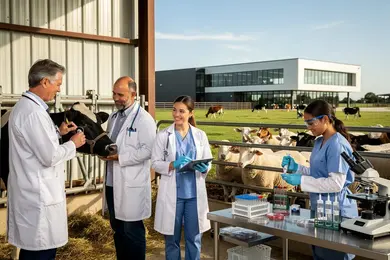
- Faculty Oversight: Academic faculty set clear learning objectives and advise students on the necessary skills to cultivate. This guidance helps bridge theoretical knowledge with real-world experience, aligning internship activities with undergraduate program goals.
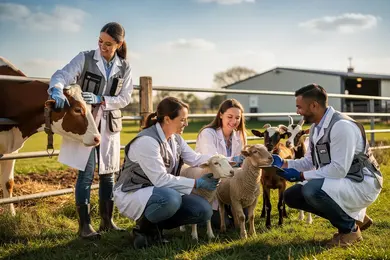
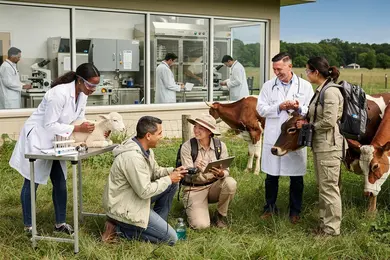
- Workplace Mentors: Experienced supervisors at internship sites provide daily direction, hands-on training, and model industry best practices. Such mentorship enhances skill development and fosters understanding of professional workplace culture.
- Progress Monitoring: Regular check-ins involving faculty, mentors, and students help track accomplishments and address challenges. Continuous feedback throughout the internship encourages reflective learning and performance improvement.
- Collaborative Support: The combined efforts of academic and workplace supervisors ensure students receive comprehensive support. This partnership is a key requirement in animal science internship supervision requirements, promoting a balanced educational experience.
Many students pursuing animal science internships also consider related educational paths, such as a fast track medical program, where supervision and mentorship similarly impact learning outcomes.
How Are Animal Science Internships Evaluated?
Evaluating animal science internships is essential to ensure students develop practical skills and meet learning goals. Research indicates that approximately 75% of students feel more confident in applied skills after internships with formal evaluation methods.
Below are key components commonly used to assess how internships contribute to student growth and academic success.
- Supervisor Reviews: These are central to evaluating internship performance, focusing on a student's technical abilities, professionalism, and adherence to workplace protocols. Supervisors typically complete standardized forms offering both ratings and qualitative feedback to guide student development.
- Reflective Assignments: Students complete journals, reports, or presentations that demonstrate critical thinking about their internship experiences. These reflections connect practical work to academic goals, showing personal growth and deeper learning beyond technical proficiency.
- Faculty Assessments: Faculty members review supervisor evaluations and student reflections to ensure the internship aligns with academic standards and program objectives. Sometimes, they use performance benchmarks like technique mastery or project completion to quantify achievement.
- Performance Benchmarks: Some programs establish specific criteria, such as proficiency in key skills or achieving project outcomes, to measure student success objectively. These benchmarks help standardize evaluation and clarify expectations.
- Academic Alignment: Ensuring internship experiences complement coursework and degree requirements is essential. This alignment supports students in applying knowledge practically while fulfilling program criteria, including those relevant in specialized fields like a online doctor of pharmacy program.
These comprehensive evaluation methods contribute to consistent and meaningful assessment of student performance in animal science internships, supporting their readiness for advanced study or careers.
What Challenges Do Animal Science Students Face During Internships?
Internships offer vital hands-on experience for animal science students but often come with significant challenges. A 2022 survey revealed that over 60% of students undertaking animal science internship challenges in the United States experience moderate to high stress levels. These difficulties can affect academic performance and personal well-being.
Common obstacles include:
- Balancing Schedules: Managing coursework alongside internship hours is demanding, frequently causing stress as students juggle academic deadlines and professional responsibilities.
- Adapting to Workplace Expectations: Many students face challenges adjusting to professional environments, requiring swift development of communication, time management, and teamwork skills.
- Transportation Issues: Internships often take place in rural or farm settings with limited public transit, making reliable transportation a recurring problem for many participants.
- Financial Strain: Unpaid or low-paid internships create financial pressure, forcing students to navigate living expenses without adequate income.
- Professional Responsibility: First-time management of real work tasks tests students' problem-solving abilities as they transition from academic learning to practical application.
Despite these hurdles, internships remain essential for skill-building and career development. Students may explore additional educational opportunities through kinesiology courses online to complement their animal science studies and improve their readiness for demanding roles.
What Graduates Say About Animal Science Internship Requirements
- Callen: "My animal science degree internship was an eye-opening experience, requiring a commitment of over 300 hours across multiple placements including veterinary clinics and research farms. The supervised internship format ensured I received consistent feedback, which really helped deepen my practical skills. This hands-on experience proved invaluable in securing my first job, as employers recognized my ability to apply theory in real-world settings."
- Koen: "Reflecting on my time in the animal science internship, I appreciated how structured the program was with scheduled supervision hours that made the learning process feel very guided and supportive. Having the chance to work in both a lab and a livestock environment broadened my understanding of the field immensely. These internships shaped my professional outlook and gave me a solid foundation that continues to influence my career decisions."
- Owen: "The animal science internships I completed were pivotal in transitioning from student to professional, involving roughly 400 hours split between conservation projects and animal welfare organizations. The requirement to work under the supervision of experienced mentors made the challenges manageable and the learning sharp. This practical exposure was critical for me to build confidence and credibility in the job market."
Other Things You Should Know About Animal Science Degrees
During an animal science internship, students should focus on developing practical skills such as animal handling, data collection, and the application of welfare standards. They should also enhance communication skills by interacting with professionals in laboratory, farm, or research settings. Gaining experience in record-keeping and understanding ethical considerations in animal care is also essential.
In 2027, animal science interns are generally required to complete a minimum of 200 hours over the course of their internship. This requirement ensures that students gain sufficient practical experience and skills needed in their future careers in the animal science field.
Internships provide hands-on experience that employers highly value, offering students the opportunity to apply theoretical knowledge in real-world environments. They build professional networks and often lead to job offers or recommendations within agriculture, research, or veterinary-related fields. Completing an internship can distinguish candidates during job searches by showcasing practical competencies.
Animal science interns are commonly responsible for monitoring animal health, assisting with data entry, and supporting the daily care routines of animals. They may also participate in sample collection, help conduct experiments, and maintain clean and safe working environments. Tasks are assigned based on the intern's experience level and the goals of the hosting organization.
References
- Animal Internships Abroad: Programs - RealStep https://www.real-step.com/en/ngo-internship/animal-internship/
- Animal Science and Veterinary Research Intern https://www.flolabs.international/internships/animal-science-and-veterinary-research-intern
- Animal Science Internships For Students & Graduates https://www.internhq.com/industries/animal-sciences/
- Virtual Veterinary Internship https://www.vin.com/vvi
- BIAZA - British and Irish Association of Zoos and Aquariums https://biaza.org.uk/work-experience-in-biaza-zoos-and-aquariums
- Making the Most of Your Animal Science Degree https://unity.edu/distance-education-blogs/animal-science-internships/
- Animal Welfare Internships | Humane World for Animals https://www.humaneworld.org/en/internships
- Environmental science and animal studies Internships https://www.kayavolunteer.com/intern-abroad/academic-areas/environmental-science-and-animal-studies/
- Vol.56 - Num 2, June 2012 https://nactaarchives.org/index.php/vol56-num-2-june-2012/1973-elements-and-analysis-of-an-internship-program-in-animal-science
- How Do I Get An Internship Working With Animals? | Handshake https://joinhandshake.com/blog/students/how-do-i-get-an-animal-internship/