
2027 Are Online Clinical Psychology Degrees Respected by Employers?

Co-Founder and Chief Data Scientist
Online clinical psychology degrees have surged in popularity as flexible education options expand. Recent data shows that over 75% of employers recognize online degrees as equivalent to traditional ones when accredited properly. This article aims to clarify how employers currently view online clinical psychology qualifications and what key factors influence their acceptance. Understanding these perceptions is vital for prospective students navigating degree options and planning careers in psychology. Insight into employer standards and accreditation will help clarify the true value of online clinical psychology degrees in the competitive job market.
Key Benefits of Online Clinical Psychology Degrees Respected by Employers
- Employers increasingly recognize online clinical psychology degrees from accredited institutions as comparable to traditional programs, with over 75% of hiring managers reporting positive perceptions in recent industry surveys.
- Graduates develop critical skills such as evidence-based assessment, client communication, and ethical decision-making that are essential for success in diverse clinical settings.
- Online clinical psychology degrees often lead to improved career outcomes, including competitive salaries and faster job placements, with data showing a 20% higher employment rate within six months compared to non-degree holders.
Which Accrediting Bodies Make an Online Clinical Psychology Degree Legitimate?
Accreditation is essential for ensuring the quality and employer recognition of online clinical psychology degrees, serving as a critical benchmark that verifies a program meets established standards in education and professional preparation. Without it, graduates may encounter difficulties in licensure, employment, and further academic pursuits. Understanding the types of accreditation relevant to these degrees helps clarify their value and acceptance in the workforce. The main types of accreditation pertinent to online clinical psychology programs include the following:
Regional Accreditation
This institutional accreditation is the foundational level in the U.S., granted by agencies such as the WASC Senior College and University Commission (WSCUC). Regional accreditation ensures overall academic quality, financial stability, and student services, which support credit transferability and access to federal financial aid. For example, Notre Dame de Namur University's online Master of Science in Clinical Psychology holds WSCUC accreditation, underscoring its institutional legitimacy and broad acceptance.
Programmatic Accreditation
Focused on specific degree programs, programmatic accreditation ensures compliance with profession-specific standards. The gold standard for clinical psychology at the doctoral level is APA accreditation for psychology programs, which guarantees a curriculum aligned with licensure requirements.
However, few master's programs-and virtually no fully online ones-have APA accreditation, making this a critical consideration for students aiming for clinical licensure. Other accreditors like the Psychological Clinical Science Accreditation System (PCSAS) and Master's in Psychology and Counseling Accreditation Council (MPCAC) offer recognition for research-intensive or master's programs. Specialized
Counseling Accreditation
While not specific to clinical psychology, councils such as the Council for Accreditation of Counseling and Related Educational Programs (CACREP) provide accreditation for counseling-focused degrees. This accreditation enhances employability in counseling and mental health fields, but does not confer the clinical psychology licensure advantages offered by APA accreditation.
Additional Recognized Accreditors
Agencies like COAMFTE and the National Addiction Studies Accreditation Commission accredit related mental health programs, broadening opportunities in specialized areas but not replacing core clinical psychology accreditation.
Prospective students seeking an accredited online psychology degree in the U.S. should prioritize regional accreditation at a minimum and carefully evaluate programmatic accreditation, especially APA accreditation for psychology programs, to align with career goals. For those balancing work and study, exploring fast adult degree programs online might offer flexible, accredited options that maintain professional credibility.
Does University Reputation Affect Employer Views of Online Clinical Psychology Degrees?
University reputation plays a significant role in shaping employer perceptions of online clinical psychology degrees. Institutional prestige often acts as an initial indicator of program quality, with hiring managers more inclined to trust degrees from well-established universities. This enhanced trust extends to alumni success stories and the university's partnerships with clinical organizations, which further validate the program's real-world relevance and rigor.
Employers prioritize the employer perception of accredited clinical psychology programs, especially those with accreditation from recognized bodies like the American Psychological Association. Accreditation serves as a quality assurance marker that the curriculum meets professional standards and regulatory requirements. Thus, a degree from a reputable, accredited institution generally carries more weight during hiring processes than one from an unknown or unaccredited provider.
Despite the advantage conferred by university recognition, skills and experience remain crucial to employment outcomes in clinical psychology. State licensure, practical competency gained through internships or practicum work, and a solid professional network often become the deciding factors once candidates enter the job market. As such, reputation helps open doors, but the applicant's proven clinical abilities and credentials ultimately secure career progression.
For those weighing options in graduate education, understanding the impacts of reputation alongside practical skill development is essential. For example, individuals curious about which degree programs balance accessibility and credibility can explore resources like what is the easiest master degree to get to inform their decisions.
Do Employers Treat Online and On-campus Clinical Psychology Degrees Equally?
Employer perceptions of online clinical psychology degrees have shifted notably in recent years, with increasing recognition of quality online education. Many hiring managers now acknowledge that well-designed online programs from accredited and reputable institutions can match the rigor of traditional on-campus degrees.
Despite this progress, some U.S. employers, especially in certain fields, remain cautious, reflecting a more conservative stance compared to international counterparts. Overall, the trend is moving toward greater acceptance, provided that key quality standards are met.
When evaluating candidates, employers consider more than just the mode of education delivery. Accreditation by recognized bodies remains the most critical factor in establishing credibility, whether the degree is earned online or in person. Additionally, the reputation of the awarding university heavily influences employer trust, with degrees from established institutions carrying more weight.
Practical experience, such as internships, research projects, or supervised training, is equally important and enhances a graduate's job readiness. It's important to note that for clinical positions requiring licensure, an online certificate alone is insufficient; full degree programs with supervised training remain necessary.
However, in non-clinical roles, online credentials can effectively demonstrate foundational knowledge and commitment. Graduates seeking equal regard should select accredited programs from respected universities that offer practical learning opportunities and be prepared to clearly communicate their education's relevance and rigor during hiring processes.
Do Employers Trust Online Clinical Psychology Degrees from AI-powered Virtual Classrooms?
AI-powered virtual classrooms incorporate advanced technologies such as adaptive learning systems, virtual simulations, and AI tutors that significantly enhance the quality and credibility of online clinical psychology education. Adaptive learning systems personalize coursework to meet individual student needs, enabling more efficient mastery of complex psychological concepts. Virtual simulations let students practice clinical assessment and intervention in a safe, realistic setting, building competence before in-person training.
AI tutors provide immediate feedback and tailored guidance, supporting continuous improvement and filling potential gaps in remote learning. Together, these innovations aim to replicate or even surpass traditional classroom experiences, especially when combined with mandatory in-person residencies and supervised clinical internships that maintain accreditation standards.
Employer perception of online clinical psychology degrees is evolving alongside these technological advancements. Many employers now recognize the value of accredited online programs, particularly those endorsed by reputable organizations like the American Psychological Association (APA) or the Higher Learning Commission.
AI-driven enhancements improve interactivity, skill verification, and individualized support, helping to alleviate concerns about the rigor and integrity of online training. However, some skepticism remains, mainly stemming from unfamiliarity with AI-based education methods and questions regarding virtual assessment reliability.
Most respected programs' requirement for in-person clinical components further reassures employers about graduates' practical readiness. Ultimately, acceptance varies but tends to favor online degrees that combine accredited curricula with AI-powered learning and hands-on experiences, supporting positive hiring decisions in the clinical psychology field.
What Skills Do employers Value from Online Clinical Psychology Graduates?
Online clinical psychology graduates are highly competitive in the job market due to their strong professional capabilities and essential soft skills. They master critical thinking, empathy, communication, and ethical responsibility, which are crucial for success in both clinical roles and diverse work environments. Employers particularly value a range of skills developed through online clinical psychology degree programs, such as the following:
- Critical Thinking: Online Clinical Psychology programs enhance critical thinking by challenging students to analyze psychological theories and apply them to complex cases. This skill is essential for accurate diagnosis and effective treatment planning, making graduates valuable problem solvers in any clinical or organizational setting.
- Empathy and Sympathy: These programs simulate clinical environments and patient interactions to boost empathy and sympathy. Developing the ability to connect emotionally with others helps graduates build trust and rapport, which are vital in therapeutic and support roles.
- Communication Skills: Strong written and oral communication are emphasized through assignments and collaborative projects. Graduates learn to clearly convey treatment plans and cooperate with healthcare teams, ensuring their ideas are understood and properly implemented.
- Social Responsibility: Students are trained in ethics and confidentiality, reinforcing the importance of social responsibility in handling sensitive information. This foundation prepares graduates to work with integrity and maintain trust across diverse clinical scenarios.
- Analytical Thinking: Interpreting data and research results is a key component of online studies. Graduates contribute meaningfully to mental health research and policy development thanks to the robust analytical skills gained.
- Adaptability: Navigating various digital platforms in online learning builds adaptability, a crucial trait in today's evolving healthcare landscape. Graduates are prepared to embrace new technologies and changing treatment methodologies efficiently.
Prospective students interested in affordable options for advancing their clinical psychology careers might explore the most affordable online doctoral programs, which combine quality education with valuable skills transferability. This highlights the increasing recognition of transferable psychology skills for clinical careers across many sectors beyond traditional mental health roles.
Do Professional Certifications Help Validate Online Clinical Psychology Degrees?
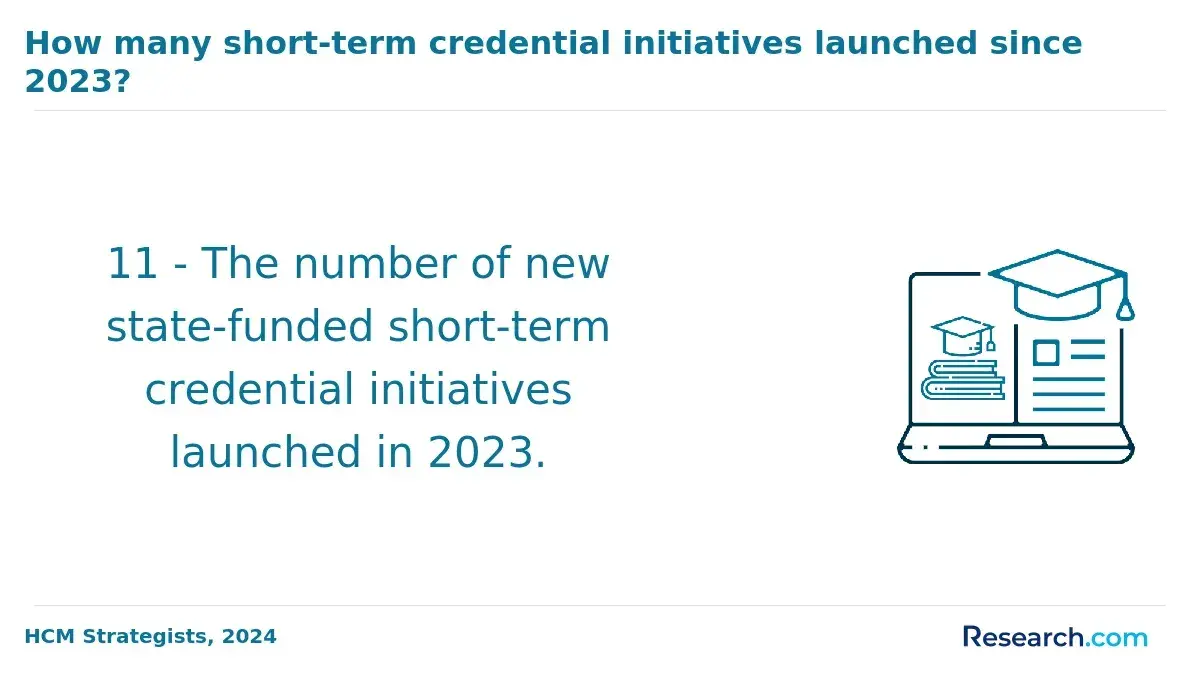
Earning professional certifications alongside an online clinical psychology degree can significantly enhance the credibility of your academic credentials and demonstrate industry-specific competencies. These certifications provide concrete evidence of specialized skills that employers recognize and value. Here are some key ways professional certifications strengthen the value of online clinical psychology degrees in the eyes of employers:
- Specialized Training and Skill Validation: Certifications such as the Certified Clinical Trauma Professional (CCTP) or training in evidence-based modalities like DBT and EMDR highlight your expertise beyond a general degree. They validate the ability to apply current therapeutic techniques and assessment methods, making you more marketable for trauma-informed care, behavioral health consulting, and specialized treatment roles.
- Career Advancement Pathways: Many employers favor candidates who pair their degree with targeted certificates like the Integrated Behavioral Health Clinical Graduate Certificate. These credentials open doors to advanced positions such as behavioral health consultants or program directors and serve as stepping stones toward doctoral study or further specialty training.
- Enhanced Employer Trust and Recognition: Holding certificates from accredited institutions reinforces your degree's legitimacy by showing that you meet established professional standards. Employers report that certifications help create a shared language for team-based care, improving trust in online graduates and boosting their competitiveness in hiring.
- Real-World Application and Practical Experience: Programs featuring supervised practical components-such as case conceptualization and treatment planning certificates-demonstrate your ability to translate learning into clinical practice. This hands-on experience is often a key differentiator for online graduates seeking direct care or assessment roles.
One professional who pursued an online clinical psychology program shared his firsthand experience about whether certifications help validate online degrees. He explained that initially, he felt uncertain about how employers would view his online qualification. However, as he earned certifications in trauma-focused care and integrated behavioral health, he noticed a tangible shift in how hiring managers engaged with his resume.
"The certification showed that I wasn't just learning theory online-I was committing to hands-on, practical skills valued by employers," he said. Navigating the additional coursework and supervised training was challenging but rewarding, helping build confidence and clarify his career direction. He found that certifications strengthened his profile, bridged the gap between online learning and clinical practice, and proved his degree’s value in a competitive job market.
Do Online Clinical Psychology Graduates Earn the Same Salaries as On-campus Graduates?
Available national data and employer surveys show there is no significant salary difference between clinical psychology graduates who earned their degrees online and those who attended on-campus programs, as long as the online degree is from a regionally accredited and APA-accredited institution. In fact, employer attitudes have shifted such that salary parity between online and traditional graduates is increasingly common in today's job market. The average salary for online clinical psychology graduates in the U.S. is largely influenced by several key factors that also affect on-campus graduates; understanding these can help clarify why salaries are comparable:
- Accreditation of Degree Program: The accreditation status of a clinical psychology program is the most critical factor impacting salary and employment prospects. Employers and licensing boards recognize degrees from APA-accredited programs equally, whether completed online or on campus, ensuring graduates meet the same professional standards.
- State Licensure and Clinical Experience: Salary offers depend heavily on licensure and supervised clinical hours rather than degree delivery mode. Both online and campus graduates must fulfill similar requirements, including passing licensing exams and completing clinical hours, which uphold salary equity.
- Reputation and Prestige of Institution: The standing of the institution, regardless of whether the program is online or on-campus, can influence starting salaries. Many reputable universities offer online clinical psychology programs with faculty and curriculum identical to their campus offerings.
- Geographic Location and Job Setting: Variations in salaries often reflect geographic and practice setting differences rather than the nature of the degree itself. For example, clinical psychologists in some states earn considerably more due to demand and cost of living.
- Specialization and Career Path: Graduates who specialize in high-demand fields such as neuropsychology or forensic psychology, or who pursue private practice, may see increased earnings. Different programs may offer varying opportunities for specialization that indirectly impact salary.
For those exploring options, researching no application fee accredited online colleges can be a practical step toward selecting a reputable program that supports both career goals and financial outcomes.
How Do Online Clinical Psychology Degrees Impact Career Growth and Promotions?
Earning an online clinical psychology degree can profoundly influence long-term career advancement and promotion opportunities across various industries by providing recognized credentials and specialized skills. This credential not only enhances professional credibility but also offers the flexibility to continue working while advancing education, enabling smoother career transitions and upward mobility. Several key aspects highlight how online clinical psychology degrees support professional growth and open doors for promotions and leadership roles:
- Specialized Expertise and Credibility: Graduates gain advanced knowledge in mental health assessment and evidence-based treatments, making them strong candidates for supervisory and leadership roles. Employers value this clinical proficiency combined with the ability to mentor others, enhancing promotion potential within healthcare and related fields.
- Career Diversification Across Industries: The skills acquired extend beyond traditional psychology roles into sectors such as human resources and organizational development. This adaptability allows degree holders to pursue leadership positions in corporate environments that increasingly prioritize employee wellness and organizational culture improvements.
- Foundation for Advanced Credentials: An online clinical psychology degree often acts as a stepping stone to doctoral programs and licensure, critical for accessing higher-level roles and independent practice. Licensed psychologists generally enjoy greater responsibility, higher earnings, and expanded career pathways.
- Continuous Professional Development: The program cultivates habits of lifelong learning, equipping graduates to stay current with evolving industry standards. This ongoing professional growth ensures adaptability and readiness for promotional opportunities requiring up-to-date knowledge and skills.
- Enhanced Problem-Solving and Communication Skills: Clinical psychology training sharpens analytical thinking and interpersonal communication, highly prized in management and consulting roles. These capabilities increase marketability and readiness for advanced positions beyond clinical settings.
When I spoke with a professional who pursued an online clinical psychology program, she reflected on how the degree reshaped her career trajectory. Initially balancing full-time work and studies, she found the program's flexibility crucial for managing both demands. She shared that acquiring deeper clinical insight and a broader understanding of human behavior empowered her to lead cross-departmental projects focused on employee mental health.
This direct application of her studies led to her promotion to a senior role where she now influences organizational policy. She noted, "Completing the online program gave me the confidence and credentials I needed to advocate for systemic change and seize leadership opportunities that weren't accessible before." Her experience illustrates how an online clinical psychology degree can serve as a catalyst for meaningful professional advancement.
What Companies Actively Hire Graduates from Online Clinical Psychology Programs?
Employers across a diverse range of industries are increasingly open to hiring candidates with online clinical psychology degrees, reflecting the growing credibility of online education in the health and behavioral sciences sector. This is especially true as remote work and digital therapy platforms continue to expand, creating new opportunities for graduates. Below are examples of company types and industry sectors that regularly hire graduates from online clinical psychology programs:
- Healthcare Systems and Hospitals: These organizations employ clinical psychology graduates in patient assessment, therapy, and integrated care teams. Online degree holders are valued for delivering evidence-based interventions and adapting to both in-person and telehealth environments efficiently.
- Telehealth and Virtual Therapy Providers: With the rise of remote mental health services, these companies actively recruit online clinical psychology graduates as licensed therapists and counselors. The flexibility and tech proficiency gained through online programs make them especially competitive for remote clinical psychology jobs for degree holders in the United States.
- Community Mental Health Centers: Nonprofit and government-funded clinics hire clinical psychologists to provide therapy, crisis intervention, and assessments for diverse populations. Online degrees are accepted when candidates meet state licensure and demonstrate strong clinical competence.
- Academic and Research Institutions: Universities and private research organizations seek graduates as adjunct faculty, research associates, and program facilitators. Many online clinical psychology programs emphasize research literacy and teaching skills, enabling graduates to fill educational and research support roles effectively.
- Corporate Wellness and Employee Assistance Programs (EAPs): Corporations invest in mental health support and hire clinical psychologists for counseling, workshops, and program development. Employers appreciate the communication and assessment capabilities fostered by online education and the aptitude for providing remote support, a growing area for companies hiring online Clinical Psychology graduates in Texas.
Recent industry surveys show that online degrees are increasingly regarded as equivalent to their traditional counterparts when accredited and professionally recognized. For those exploring additional ways to enhance their credentials, looking into entry level certifications that pay well can be a strategic step toward career advancement.
What Future Trends Will Shape Online Clinical Psychology Degrees' Credibility?
Technology, accreditation standards, and employer attitudes continue to evolve rapidly, significantly influencing how online clinical psychology degrees are perceived in the job market. These shifts are creating new opportunities for online programs to gain recognition and credibility among educators and employers alike. The following key trends are expected to strengthen the legitimacy and acceptance of online clinical psychology programs in the coming years:
- AI-Driven Learning Validation: Artificial intelligence tools are increasingly used to verify student competencies and learning outcomes in real time. By providing objective evidence through assessment analyses and simulated clinical interactions, AI enhances employer confidence in the practical skills of online graduates.
- Global Accreditation Collaboration: Accrediting bodies worldwide are working toward consistent standards and mutual recognition agreements. This ensures that online clinical psychology programs adhere to high-quality benchmarks across borders, improving the portability and trustworthiness of credentials.
- Increased Employer Partnerships: Universities are forging direct collaborations with healthcare providers and organizations to align curricula with real-world demands. Such partnerships lead to practical training opportunities like joint practicum placements, enhancing the job readiness of online graduates.
- Skill-Based Hiring Practices: Employers are shifting focus toward demonstrated competencies rather than the education delivery format. Online programs that integrate hands-on practicums and competency assessments enable graduates to showcase portfolios that directly reflect their abilities in clinical psychology roles.
Here's What Graduates of Respected Online Clinical Psychology Programs Have to Say About Their Degree
- Aina: "Completing my online clinical psychology degree was a pivotal moment that opened doors to diverse healthcare environments, from community clinics to private practices. The flexibility of the program allowed me to balance work and study, which was crucial for maintaining my financial stability while advancing my education. I've since secured a position specializing in adolescent mental health, where I'm able to apply evidence-based techniques learned through my coursework. This degree truly empowered me to make a tangible difference in the lives of young people struggling with mental health issues, fueling my passion for community well-being. "
- Sawyer: "Finishing an online clinical psychology program gave me the unique advantage of integrating practical skills with a flexible schedule that suited my active lifestyle. Starting my career with this degree, I found employers valued my self-discipline and ability to manage complex projects independently. The online format also introduced me to a network of professionals across the country, which has been invaluable for professional development and mentorship. Reflecting on my journey, I appreciate how this path not only boosted my career but also deepened my understanding and empathy for clients' diverse backgrounds. "
- Wright: "Pursuing my clinical psychology degree online equipped me with cutting-edge knowledge and the adaptability needed in today's evolving mental health field. This credential helped me transition smoothly into leadership roles focused on program development within nonprofit organizations. The digital format strengthened my tech skills and exposed me to innovative teletherapy practices, giving me a competitive edge in expanding access to care. Achieving this degree was a testament to my commitment both to personal growth and to enhancing our community's mental health resources. "
Other Things You Should Know About Respectable Online Clinical Psychology Degree Programs
As of 2027, online clinical psychology degrees are increasingly being viewed as credible by employers, especially if the degree is obtained from an accredited and reputable institution. Employers tend to value the skills and qualifications that come from accredited programs, regardless of the mode of delivery.
In 2027, online clinical psychology degrees are becoming more respected by employers, provided the program is accredited by a recognized body such as the American Psychological Association (APA). Employers also value programs that offer strong clinical placements and real-world training opportunities alongside theoretical coursework.
References
- Jobs You Can Obtain With a Psychology Degree | CCU Online https://www.ccu.edu/blogs/cags/2019/03/8-Jobs-You-Can-Land-With-A-Bachelors-in-Psychology/
- What Can You Do With A Psychology Degree? | Psychology.org https://www.psychology.org/resources/alternative-careers-for-psychology-majors/
- The Impact of AI and Machine Learning on Elearning Platforms for HR Training https://blogs.psico-smart.com/blog-the-impact-of-ai-and-machine-learning-on-elearning-platforms-for-hr-training-168501
- Opportunities And Challenges Using AI In Personalized Online Education https://elearningindustry.com/opportunities-and-challenges-using-ai-in-personalized-online-education
- AI study: Over 60 per cent use Artificial Intelligence at work – almost half of all employees are worried about losing their jobs | Deloitte Switzerland https://www.deloitte.com/ch/en/about/press-room/ai-study-almost-half-of-all-employees-are-worried-about-losing-their-jobs.html
- Western State University California || online-ms-psychology-degree-job-roles-and-career-opportunities https://wsu.university/media/blog/online-ms-psychology-degree-job-roles-and-career-opportunities/67d913c853aef998b2cec2ff
- Psychology Skills to Level Up Your Career https://onlineprograms.ecu.edu/blog/psychology-skills/
- Datapoint: How much do psychology graduates earn? https://www.apa.org/monitor/2021/11/datapoint-earn
- Psychology certificates | edX https://www.edx.org/certificates/psychology-certificates
- Top 5 Reasons to Transition to a Career in Psychology https://www.montclair.edu/online/2024/07/22/top-5-reasons-to-transition-to-a-career-in-psychology/


