
2027 Are Online Geoscience Degrees Respected by Employers?

Co-Founder and Chief Data Scientist
The popularity of online geoscience degrees has surged, reflecting broader trends in remote education. Recent data shows that over 40% of STEM graduates now hold online credentials, signaling growing acceptance. Understanding employer attitudes toward these degrees is crucial for prospective students navigating their career paths. This article examines how hiring managers perceive online geoscience qualifications and explores the factors that shape their credibility in the job market. Readers will gain insight into whether earning a geoscience degree online can meet professional expectations and open doors to relevant employment opportunities across industries.
Key Benefits of Online Geoscience Degrees Respected by Employers
- Employers recognize online geoscience degrees from accredited programs as equivalent to traditional degrees, with 78% of hiring managers reporting no preference between online and campus degrees in recent industry surveys.
- Graduates develop critical skills in data analysis, geographic information systems (GIS), and fieldwork simulation, aligning with the competencies highly sought by 85% of geoscience employers.
- Online degree holders often experience improved career outcomes including a 12% higher rate of job placement within six months compared to non-degree holders, reflecting growing trust in online education pathways.
Which Accrediting Bodies Make an Online Geoscience Degree Legitimate?
Accreditation is essential for ensuring the quality and employer recognition of online geoscience degrees. It verifies that the program adheres to rigorous academic standards, which supports career advancement and facilitates the transfer of credits between institutions. Understanding the types of accreditation available helps prospective students identify programs that are respected in the field and enhance their professional prospects. The main types of accreditation relevant to online geoscience degrees include:
- Regional Accreditation: This is the most widely recognized form of accreditation for U.S. institutions and applies to the university as a whole. Regional accrediting agencies, such as the Higher Learning Commission (HLC) or the Commission on Institutions of Higher Education, ensure that an institution meets comprehensive quality standards. While it does not specifically accredit geoscience programs, regional accreditation is crucial because it validates the overall credibility of the college or university, thus indirectly supporting the legitimacy of its online geoscience degrees.
- Programmatic Accreditation: For technical fields like geoscience, program-specific accreditation is particularly valuable. Organizations such as ABET provide this type of accreditation, which focuses on outcomes-based learning and the alignment of curriculum with industry requirements. ABET accreditation for online geoscience degrees signals that the program equips graduates with the professional skills necessary for workforce success, enhancing job prospects and employer trust in the qualification.
- National Accreditation: Although less common for geoscience programs, national accreditation can apply to specialized or non-traditional educational offerings. However, national accreditation is generally not as widely recognized in the United States as regional accreditation, and its impact on credit transferability and employer recognition is more limited.
Choosing a program accredited by recognized geoscience accrediting bodies in the United States ensures that your degree will hold value in the job market and offers greater flexibility if you decide to continue your studies elsewhere. For students seeking expedited options without sacrificing quality, exploring the quickest online undergraduate degrees for working adults can be a valuable starting point.
Does University Reputation Affect Employer Views of Online Geoscience Degrees?
University reputation plays a crucial role in shaping employer perception of online geoscience degrees. The university ranking impact on online geoscience degrees often determines how employers weigh the credibility and career value of such qualifications. Graduates from well-established institutions with recognized geoscience programs tend to gain stronger employer trust, especially when the degree's delivery method is not explicitly stated.
Institutional prestige is one of the primary factors influencing employer perception of top online geoscience programs. Employers value degrees from universities known for academic rigor and alignment with industry standards. Alumni success, indicated by graduates who secure relevant geoscience positions or advance to graduate studies, further reinforces confidence in the degree's worth. Surveys indicate that a high percentage of online program graduates perceive a positive return on investment, signaling robust career outcomes.
Accreditation status is another significant element. Employers often require that online degrees come from regionally accredited schools and programs endorsed by relevant geoscience professional bodies. Accreditation assures that academic and industry standards are met, which helps alleviate concerns over the quality of online instruction. Additionally, partnerships with industry that provide internships, networking, and industry-driven curricula enhance the practical relevance and desirability of graduates.
Despite the importance of university reputation, employers consistently emphasize the value of skills and hands-on experience. Many roles in geoscience demand demonstrated technical competence and real-world application, sometimes more so than the credential itself. For those interested in practical pathways, exploring certificate programs that pay well can also complement an online degree and improve employment prospects.
Do Employers Treat Online and On-Campus Geoscience Degrees Equally?
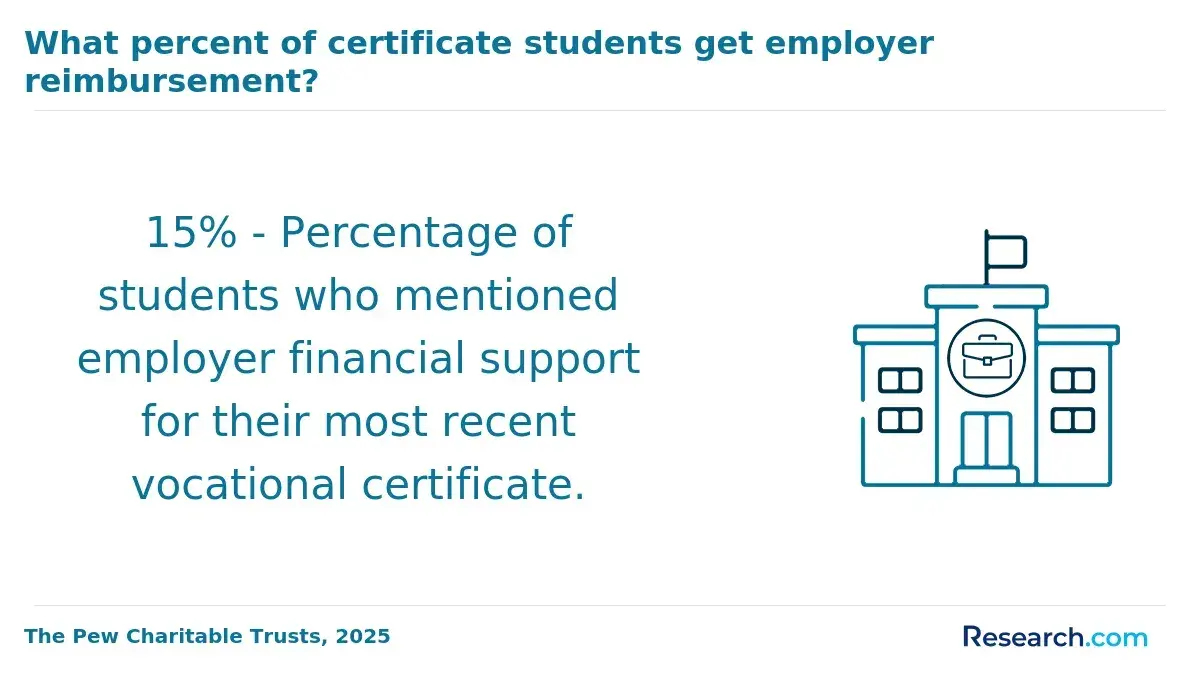
Employer perceptions of online geoscience degrees have notably improved over recent years. Where skepticism once dominated, a growing number of hiring managers now recognize the legitimacy and rigor of accredited online programs. This shift aligns with rising remote work and digital collaboration trends. A 2025 report shows 83% of HR professionals view accredited online degrees as equal to traditional ones. However, U.S. acceptance remains limited, especially in hands-on fields like geoscience.
When comparing online to traditional geoscience degrees, employers weigh several critical factors. Accreditation remains the most important, with regionally accredited programs gaining greater respect regardless of delivery method. University reputation also influences perception; degrees from well-established, research-active institutions-whether earned online or in person-tend to carry more weight.
Since geoscience relies heavily on fieldwork and laboratory skills, practical experience is key. Online programs that integrate internships, projects, or hands-on training tend to be favored by employers over purely theoretical curricula. Graduates can improve their prospects by choosing reputable, accredited online programs that provide clear opportunities for practical experience and by emphasizing relevant skills and projects on their resumes to demonstrate their workforce readiness.
Do Employers Trust Online Geoscience Degrees from AI-Powered Virtual Classrooms?
AI-powered technologies such as adaptive learning systems, virtual simulations, and AI tutors are significantly enhancing the quality and credibility of online geoscience education. Adaptive learning platforms personalize coursework to build mastery in complex subjects like geostatistics and earth system science. Virtual simulations replicate fieldwork and lab experiments, providing hands-on experience with geoscience tools and scenarios. Additionally, AI tutors and automated assessments provide immediate, personalized feedback that deepens understanding and encourages the practical application of concepts. These innovations not only engage students more effectively but also promote the development of critical problem-solving and research skills essential for careers in geoscience, thereby strengthening the overall value of online programs.
Employer perceptions of online geoscience degrees earned through AI-enhanced virtual classrooms are gradually becoming more favorable, especially for graduates from well-accredited institutions. Employers increasingly appreciate that online students, particularly those trained in data analytics and modern geotechnologies, possess relevant, workforce-ready skills. For instance, high student satisfaction rates reported by some universities suggest that these programs effectively prepare graduates for professional roles. However, skepticism remains among some employers regarding whether virtual experiences can fully substitute traditional hands-on fieldwork. Many employers prioritize degrees from regionally accredited schools and may require additional credentials, such as the Professional Geologist (PG) certification, to validate competence. AI-driven online education is gaining trust, but reputation and certifications remain key in geoscience hiring.
What Skills Do Employers Value from Online Geoscience Graduates?
Online geoscience graduates stand out in the competitive job market by combining robust professional expertise with essential soft skills. These individuals are well-equipped to navigate complex scientific challenges while excelling in teamwork and communication. Employers consistently seek candidates who demonstrate a balance of technical knowledge and interpersonal abilities. Below are the most in-demand skills developed through online geoscience degree programs that prepare graduates for successful careers in this evolving field.
- Data collection and interpretation skills in geoscience: Online programs emphasize handling diverse and large datasets using advanced analytical tools like Geographic Information Systems (GIS). Students become proficient in managing "big data" from remote sensing and satellite sources, which is crucial for modern geoscience roles.
- Communication and project management skills for geoscience careers: Effective communication is central to online coursework, with frequent technical writing, virtual presentations, and collaborative assignments. This fosters strong project management abilities, including time organization and remote teamwork, highly valued by employers.
- Technical computing: Many online curricula integrate programming, quantitative methods, and machine learning to equip students with essential coding and data science skills. This technical computing foundation prepares graduates for data-driven roles across industry and research sectors.
- Teamwork and collaboration: Despite the virtual format, online students engage in group projects that enhance their ability to work effectively across geographic and cultural boundaries. This adaptability is critical for employers in both government and private sectors.
- Adaptability and self-motivation: The nature of online learning requires a self-directed approach that cultivates resilience and independent problem-solving. Employers recognize these traits as indicators of a strong work ethic and initiative.
For those interested in advancing their education, many affordable doctorate programs are available online, providing an excellent pathway to deepen expertise and improve career prospects. Exploring options like affordable doctorate programs can help prospective students find suitable advanced degrees.
Do Professional Certifications Help Validate Online Geoscience Degrees?
Earning professional certifications can significantly enhance the credibility of an online Geoscience degree by demonstrating industry-specific competencies and verified skills to employers. These credentials not only validate technical knowledge but also highlight a graduate's commitment to maintaining professional standards within the geoscience field. This added layer of validation helps bridge any skepticism associated with remote learning. The following points outline the main ways professional certifications strengthen the value of online Geoscience degrees in the eyes of employers:
- Professional Geologist (PG) Licensure: This licensure is often required or highly preferred in fields such as environmental consulting and government agencies. Certificate programs, like the graduate-level Environmental Geology certificate from the University of Illinois, help meet educational criteria needed for PG licensure, signaling that the candidate adheres to rigorous professional standards.
- Graduate Certificates in Specialized Fields: Programs such as the Energy Geoscience Certificate or Applied Geosciences Graduate Certificates provide focused expertise in niche areas, from energy resources to hydrogeology. These certificates allow online graduates to showcase mastery of specific topics that align well with evolving industry demands.
- Industry-Specific Skills Validation: Advanced certificates with concentrations in Geographic Information Science & Technology or Petroleum Data Management demonstrate proficiency in specialized tools and data analysis techniques. Such credentials attest to a graduate's readiness for technical roles in sectors like oil & gas and environmental management.
- Career Advancement and Employer Trust: Online certificates are designed to equip professionals for promotions or career shifts by enhancing workplace-relevant skills. Employers often view these certifications as proof of a candidate's dedication to lifelong learning, helping reduce concerns about the quality of online education.
- Broader Career Opportunities: Certification holders qualify for diverse roles, including environmental consulting, hazard assessment, and education. For instance, completing online geology certificates can open doors to teaching positions and land-use planning jobs where verified subject knowledge is essential.
In a conversation with a professional who completed an online Geoscience degree, he shared how pursuing certifications had a profound impact on his career trajectory. Initially, he faced skepticism from some employers about his online degree, which motivated him to seek additional credentials. The challenging process of preparing for the Professional Geologist licensure test both his knowledge and discipline, but earning it "felt like definitive proof" of his competence.
He described the certifications as "a bridge that connected my academic background with real-world expectations," providing not only technical validation but also increasing his confidence in interviews and project roles. Through this journey, he emphasized that professional certifications were crucial in transforming perceptions, turning what once felt like a hurdle into an opportunity for recognition and professional growth.
Do Online Geoscience Graduates Earn the Same Salaries as On-Campus Graduates?
Current national data show that geoscientist salary comparison online vs on-campus reveals largely comparable earnings, assuming degrees come from accredited and reputable institutions. Industry trends indicate that employers prioritize degree quality and practical experience over whether a degree was earned online or in person, supporting salary parity in the field. The average salary for online geology graduates in the United States can be influenced by several key factors that also determine outcomes for traditional graduates; these factors highlight what employers consider most valuable when hiring candidates for geoscience roles.
- Institutional Reputation and Accreditation: Graduates holding degrees from recognized, accredited universities typically see strong career outcomes regardless of study mode. Employers look for reputable institutions, such as the University of Florida or Texas A&M University, valuing this over the delivery method of the degree.
- Field Experience and Practical Training: Hands-on training via labs, internships, or field courses is crucial in geoscience careers. Online programs incorporating these elements prepare students effectively, enabling them to compete with on-campus graduates for better salaries.
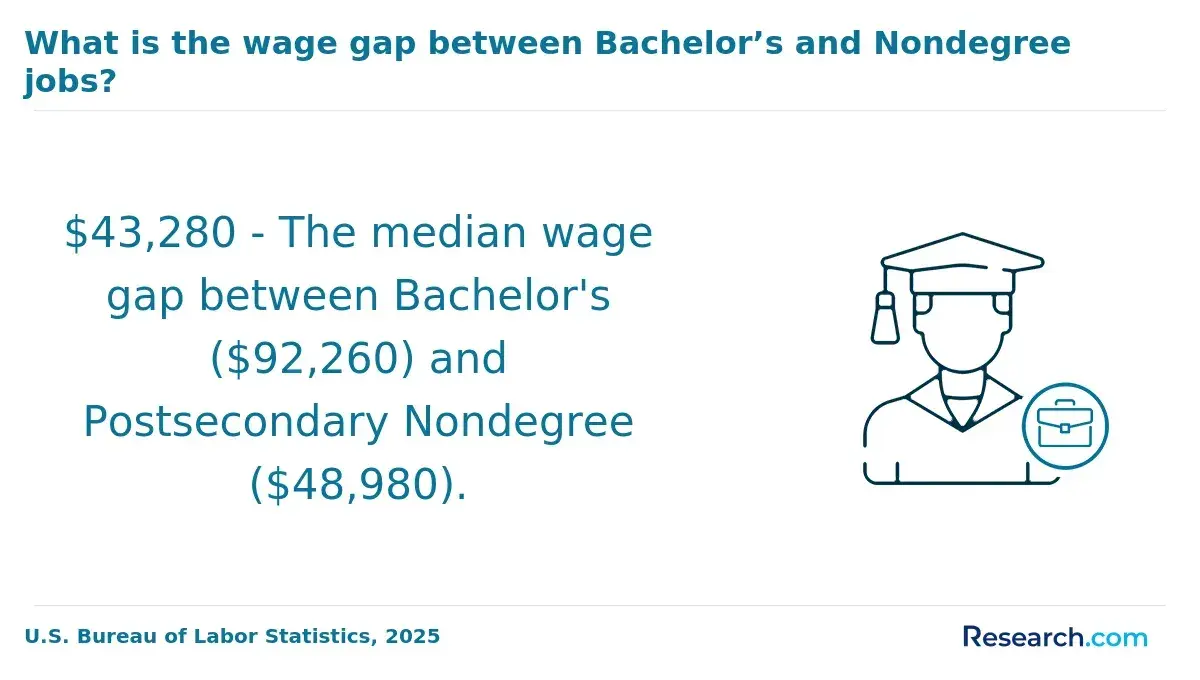
- Degree Level and Specialization: Advanced degrees, like master's in geoscience, come with higher median salaries-around $130,919 compared to $107,263 for bachelor's holders. Specializing in areas such as petroleum data management also enhances earning potential for graduates from either format.
- Employer Perceptions and Industry Norms: Hiring decisions focus on technical skills, certifications, and relevant experience rather than on the specific format of the degree. Online graduates from top programs have comparable job prospects and return on investment.
- Networking and Professional Connections: While traditional programs offer more in-person networking, many online degrees now provide virtual career services and alumni networks to connect students with industry opportunities.
For prospective students, exploring options among colleges that accept financial aid can help in finding reputable online geoscience programs that offer strong salary prospects aligned with these factors.
How Do Online Geoscience Degrees Impact Career Growth and Promotions?
Earning an online geoscience degree can significantly enhance long-term career advancement and promotion opportunities across diverse industries such as environmental consulting, energy, government, and education. This flexible learning pathway equips professionals with specialized knowledge and skills that employers value for leadership and technical roles. These main advantages highlight why an online geoscience degree can be a strategic investment for career development:
- Expanded Career Options: Graduates gain a versatile skill set that opens doors to varied roles including environmental consulting, water resource management, and government positions. This broad expertise also enables movement into related fields like law or finance, increasing overall employability and promotion potential.
- Increased Demand and Job Security: The growing need for geoscience professionals, as forecasted by labor statistics, ensures strong job prospects and stability. Employers seek candidates with advanced education who can adapt to evolving environmental challenges, positioning graduates for sustained career growth.
- Higher Salary Potential: Holding an advanced degree in geoscience often correlates with higher median salaries and improved competitiveness for promotional roles. Master's degree holders especially benefit from superior earning opportunities in both entry-level and senior positions.
- Professional Credentials and Advancement: Online programs frequently offer pathways to certifications such as OSHA HAZWOPER or Licensed Professional Geologist status. These credentials improve credibility and qualify graduates for supervisory or specialized roles requiring recognized expertise.
- Transferable and Technical Skills Development: Coursework emphasizes data analysis, scientific methods, and communication, all valued in leadership and interdisciplinary roles. This skill set supports continual professional development and effective response to industry advancements.
When I spoke with a professional who pursued an online geoscience program, she shared how the degree was pivotal in overcoming initial career stagnation. Balancing full-time work and study was challenging, but she found the flexible structure allowed her to deepen technical knowledge while applying new skills directly on the job. This real-world applicability led to her securing a promotion to a project supervisor role within two years of graduation.
She emphasized that gaining industry-recognized certifications through the program boosted her confidence and employer trust, enabling a shift from technical tasks to leadership responsibilities. Reflecting on her journey, she noted, "The online degree didn't just change my resume - it changed how I approach problems and lead teams," capturing the lasting impact on her professional trajectory.
What Companies Actively Hire Graduates from Online Geoscience Programs?
Employers across a broad spectrum of industries are increasingly open to hiring candidates with online geoscience degrees, recognizing the growing respect for flexible and remote education formats in technical fields. This acceptance reflects the value placed on the strong analytical and technical skills these programs foster. Several industries are known to actively seek graduates from online geoscience programs, showing strong demand for their expertise in various roles:
- Environmental Consulting Firms: These firms frequently hire geoscience graduates as environmental scientists, project managers, and remediation specialists. They value the practical skills in environmental assessment and regulatory compliance that online programs develop.
- Government Agencies: Federal, state, and local agencies employ graduates to work in environmental protection, resource management, and disaster response. The ability to work independently and handle technical tasks remotely makes online degree holders an ideal fit for many government roles.
- Energy and Natural Resources Companies: Employers in oil, gas, renewable energy, and mining sectors rely on these graduates for exploration, GIS analysis, hydrogeology, and environmental monitoring. Their programs' emphasis on data-driven decision making aligns well with industry needs.
- Engineering and Construction Firms: These companies engage graduates to conduct site condition assessments, geotechnical analysis, and support infrastructure projects. The capability to interpret complex geoscience data remotely is prized in these multidisciplinary teams.
- Technology and GIS Services: Firms specializing in Geographic Information Systems and geospatial analytics hire graduates for roles involving data analysis, GIS development, and application support. The strong technical and computational training received online directly applies to these growing sectors.
Job postings in the last year highlight more than 100 remote geoscience opportunities that span multiple sectors such as environmental science, GIS, and engineering, underscoring the availability of remote geoscience jobs for graduates. For those considering career paths aligned with their personality traits, exploring what is the best career for introverts can also provide valuable guidance.
What Future Trends Will Shape Online Geoscience Degrees' Credibility?
Technology, accreditation standards, and employer attitudes continue to evolve rapidly, shaping how online geoscience degrees are perceived in the U.S. job market. As digital learning grows more sophisticated and industry connections strengthen, the value of online geoscience programs is becoming increasingly recognized. Key trends are emerging that will further solidify the legitimacy and acceptance of these degrees among employers and academic circles, including:
- AI-Driven Learning Validation: Artificial intelligence and machine learning are being integrated into online geoscience education to assess student performance and customize learning paths. These tools provide objective, data-driven proof of competency, which boosts employer confidence in graduates' skills.
- Global Accreditation Collaboration: Efforts toward harmonizing international accreditation standards are helping online programs meet high academic and professional criteria. This global alignment enhances the competitiveness of graduates in national and international job markets.
- Virtual Fieldwork and Simulation: Virtual reality and simulation technologies offer immersive field experiences and practical training online. By replicating core geoscience activities such as outcrop analysis and GIS applications, these innovations bridge the gap between remote and traditional learning environments.
- Increased Employer Partnerships: Universities are collaborating more closely with industry partners to tailor curricula and provide real-world project experiences. These partnerships ensure that online graduates acquire relevant technical skills and practical knowledge sought by employers.
- Skill-Based Hiring Trends: The hiring focus is shifting from formal degrees to demonstrated skills, particularly digital fluency and data analysis capabilities. Online geoscience programs emphasizing coding, GIS, and analytics prepare students to meet evolving workforce demands effectively.
Here's What Graduates of Respected Online Geoscience Programs Have to Say About Their Degree
- Pete: "Completing my online geoscience degree opened doors I never thought possible, especially since I was able to balance work and study from home. Right after graduation, I landed a role with a leading environmental consulting firm where my skills in data analysis and field research were immediately valued. The flexibility of the program meant I could continue working while building a solid resume, leading to rapid career advancement. It feels incredible to contribute to sustainable projects that protect our natural resources daily. "
- Rebecca: "Reflecting on my journey, earning an online geoscience degree gave me the confidence to shift careers entirely. The program's strong emphasis on real-world applications helped me secure a position in the oil and gas industry within months of finishing. Beyond career growth, I've felt personally empowered to support my community by educating them about natural disaster preparedness. This degree didn't just change my job title; it transformed my entire outlook on how science can serve people. "
- Imani: "My professional development skyrocketed after I finished my geoscience degree online. Having access to a diverse network of professionals and expert instructors allowed me to deepen my expertise in geospatial technology, a field with growing demand and impressive job stability. The ability to study remotely while staying engaged in local conservation projects was invaluable. Ultimately, the degree positioned me to take on leadership roles and mentor aspiring geoscientists. "
Other Things You Should Know About Respectable Online Geoscience Degree Programs
In 2027, employers increasingly recognize the value of online geoscience degrees, though perceptions may vary based on program reputation and accreditation. Employers appreciate skills and competencies over the mode of education, but networking and practical experience can enhance job prospects for online graduates.
Yes, the program's reputation and accreditation significantly influence employer perception in geoscience. Graduates from well-known or regionally accredited schools tend to have better employment opportunities than those from lesser-known or unaccredited programs.
References
- Online Geology Undergraduate Tutors Spires™ | What Jobs Can I Get With A Degree In Geology? https://spires.co/online-geology-tutors/undergraduate/what-jobs-can-i-get-with-a-degree-in-geology
- Employers See Online Degrees as Comparable to In-person Degrees https://www.naceweb.org/talent-acquisition/candidate-selection/employers-see-online-degrees-as-comparable-to-in-person-degrees
- Artificial intelligence for geoscience: Progress, challenges, and perspectives - ScienceDirect https://www.sciencedirect.com/science/article/pii/S2666675824001292
- Professional Programs & Certifications https://www.uh.edu/nsm/earth-atmospheric/professional-programs/index.php
- The Impact of AI and Machine Learning on E-learning Platforms for HR Training https://blogs.psico-smart.com/blog-the-impact-of-ai-and-machine-learning-on-elearning-platforms-for-hr-training-168501
- Superagency in the workplace: Empowering people to unlock AI’s full potential https://www.mckinsey.com/capabilities/mckinsey-digital/our-insights/superagency-in-the-workplace-empowering-people-to-unlock-ais-full-potential-at-work
- Opportunities And Challenges Using AI In Personalized Online Education https://elearningindustry.com/opportunities-and-challenges-using-ai-in-personalized-online-education


