
2027 Are Online Software Development Degrees Respected by Employers?

Co-Founder and Chief Data Scientist
Online software development degrees have surged in popularity as more students seek flexible, accessible education pathways. Recent studies show that 78% of employers consider online degrees from accredited institutions as credible as traditional ones when evaluating candidates. This article aims to clarify how employers currently perceive online software development degrees and identify key factors influencing their acceptance. Understanding these perspectives helps prospective students make informed decisions about their education and career prospects. The following content offers a thorough overview of employer attitudes without delving into specific programs or credentials, ensuring a clear and objective introduction to this evolving topic.
Key Benefits of Online Software Development Degrees Respected by Employers
- Employers increasingly regard online software development degrees from accredited institutions as equivalent to traditional degrees, with 85% of hiring managers reporting no preference between formats in a recent National Association of Colleges and Employers survey.
- Graduates gain practical coding, problem-solving, and collaboration skills through project-based online curricula that reflect current industry standards, enhancing job readiness.
- Data shows that holders of online software development degrees experience a 15% higher employment rate within six months of graduation compared to those without such qualifications, underscoring improved career opportunities.
Which Accrediting Bodies Make an Online Software Development Degree Legitimate?
Accreditation is essential for ensuring the quality and employer recognition of online software development degrees. It verifies that a program meets established academic and industry standards, which is crucial for credibility, credit transferability, and career prospects. Below are the main types of accreditation relevant to software development programs and their impact:
- Regional accreditation for online software development programs in the United States is the most respected form of institutional accreditation, granted by one of six regional accrediting bodies such as the Higher Learning Commission (HLC) or Southern Association of Colleges and Schools Commission on Colleges (SACSCOC). This accreditation ensures the overall quality and integrity of the college or university, including its online software development courses. Degrees from regionally accredited institutions are widely accepted by employers and required for admission to graduate or professional schools. Additionally, credits earned are most likely to transfer between institutions, allowing greater educational mobility.
- National accreditation is offered by agencies like the Distance Education Accrediting Commission (DEAC) and typically applies to for-profit or vocational schools. Although recognized, national accreditation is generally considered less prestigious than regional accreditation. Credits earned at nationally accredited schools often do not transfer to regionally accredited institutions, which can restrict further education options. Employers and graduate schools may view degrees from nationally accredited or unaccredited institutions less favorably.
- Programmatic accreditation, including ABET accreditation for online software engineering degrees, focuses specifically on the quality of software engineering and computing programs. The Accreditation Board for Engineering and Technology (ABET) is the leading agency in this area. ABET accreditation assures that a program meets rigorous industry and educational standards, which is especially valued by technology employers and required by some graduate schools and government employers. Over 200,000 students graduate annually from ABET-accredited programs worldwide, highlighting its global recognition and importance.
For those seeking reputable and recognized qualifications, pursuing degrees with regional and ABET accreditation provides the best assurance of quality and career opportunities. Students interested in accelerated pathways may consider fast online programs for working adults to advance efficiently while earning accredited credentials.
Does University Reputation Affect Employer Views of Online Software Development Degrees?
University reputation plays a significant role in shaping how employers perceive online software development degrees. Many hiring managers place considerable weight on the brand and prestige of the institution awarding the degree, which can influence the overall value and credibility attributed to the credential.
Several factors drive this employer perception: institutional prestige is paramount, with surveys showing that a majority of employers regard degrees from well-known universities as more valuable, regardless of online or traditional delivery. Alumni success further enhances this perception; renowned schools with strong networks tend to inspire greater employer trust in their graduates. Additionally, accreditation status ensures that degrees come from institutions meeting rigorous standards, which is crucial for employer confidence. Partnerships with industry leaders and internship opportunities also signal that the program's curriculum aligns with current market demands, increasing appeal to potential employers.
However, while university reputation and online software development degrees from accredited universities can open doors, employers increasingly emphasize practical skills and hands-on experience. Technical proficiency, relevant projects, and a strong portfolio often weigh equally or more than the institution's name. This balanced view acknowledges that successful employment outcomes depend not just on where a degree comes from but also on a candidate's demonstrated abilities.
For those considering advancing their career in technology, exploring online certifications that pay well can also complement a degree by validating specific skills highly valued by employers.
Do Employers Treat Online and On-campus Software Development Degrees Equally?
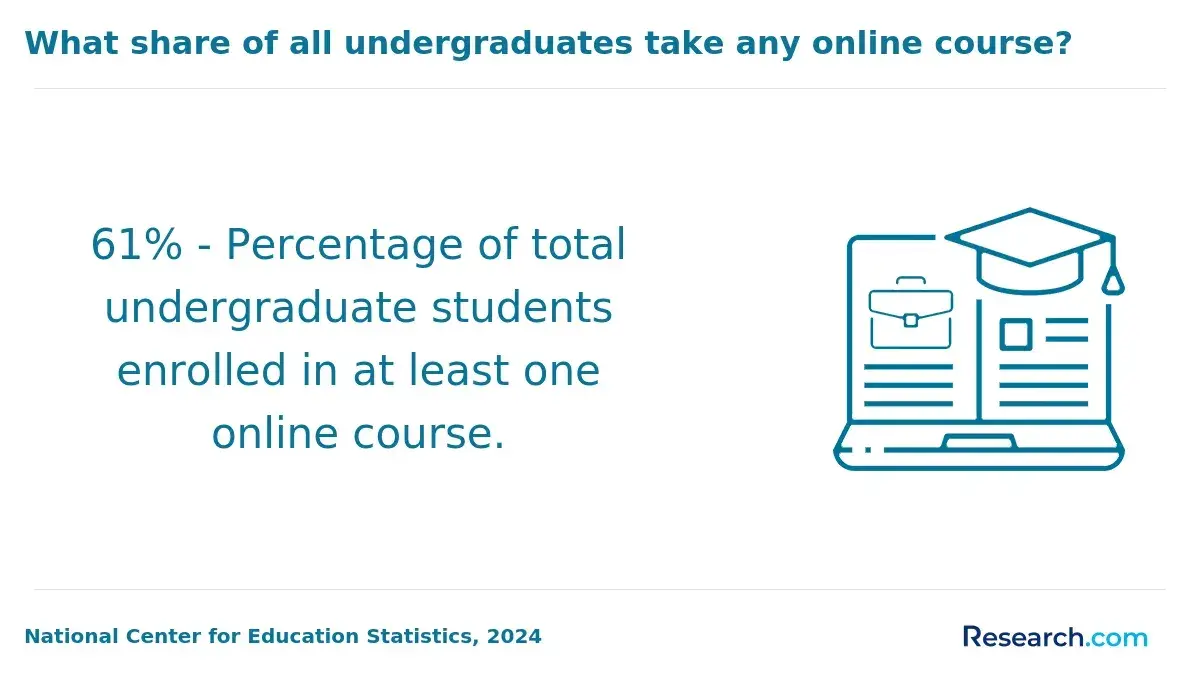
Employer perceptions of online software development degrees have shifted significantly in recent years, with many now viewing them as comparable to traditional, on-campus credentials. According to recent surveys, a majority of employers have hired graduates holding online degrees and often pay them the same starting salaries as in-person degree holders. This growing acceptance reflects improvements in the rigor and technological relevance of online programs, making them a viable path to entering the software development field.
However, hiring managers still weigh several factors when evaluating online versus traditional credentials. Accreditation and the reputation of the university remain critical components influencing employer trust in an online degree. Practical experience, including internships, coding projects, or contributions to open-source work, often carries significant weight regardless of how the degree was earned.
Some skepticism persists, especially concerning the hands-on training and interpersonal skills developed through online programs, but this is usually directed at less reputable or poorly designed curricula. In the United States, only a portion of employers fully equate online and on-campus degrees, highlighting the importance for graduates to carefully select accredited programs with strong industry ties. To ensure an online software development degree is respected, students should prioritize these elements and actively demonstrate both their technical expertise and soft skills during the hiring process.
Do Employers Trust Online Software Development Degrees from AI-powered Virtual Classrooms?
AI-powered virtual classrooms utilize advanced technologies such as adaptive learning systems, virtual simulations, and AI tutors to significantly enhance the quality and credibility of online software development education. These tools personalize coursework by tailoring assignments and feedback to the individual student's pace and learning style, making the experience more engaging and effective. Virtual simulations offer realistic project environments that replicate real-world software development challenges, fostering practical skills that align closely with industry needs.
Meanwhile, AI tutors provide instant support, extending learning opportunities beyond scheduled classes. Together, these innovations create a hands-on, collaborative educational experience that rivals traditional, in-person programs. Universities employing these technologies report high recommendation rates and strong graduate outcomes, demonstrating that AI-enhanced online programs can deliver rigorous and relevant software development education.
Employer perception of online software development degrees is evolving alongside these advances, with growing acceptance fueled by improved program quality and demonstrated graduate success. Many employers now value demonstrable skills and relevant project experience over the learning format, recognizing that well-accredited online programs emphasize practical, project-based learning supported by AI.
However, some skepticism remains, often due to concerns about program consistency and the lack of face-to-face interaction. Despite this, leading universities with strong graduate earnings and high recommendation rates are helping to shift attitudes. The demand for software developers, projected to grow 25% through 2032 with median salaries exceeding $120,000, increasingly encourages employers to focus on candidate competencies and proven project outcomes rather than the degree's delivery method, a trend accelerated by AI-driven education and the tech industry's remote collaboration norms.
What Skills Do employers Value from Online Software Development Graduates?
Employers highly value online software development graduates for their blend of professional technical expertise and essential soft skills, making them competitive candidates in today's dynamic job market. These graduates not only demonstrate strong coding abilities but also show adaptability, effective communication, and self-motivation that employers seek.
Below are the most in-demand skills employers look for in online Software Development degree graduates, reflecting how online programs nurture both practical and interpersonal capabilities.
- Programming Languages: Mastery in languages like JavaScript, Python, and Java is critical. Online courses emphasize building a coding portfolio for online software development graduates through hands-on projects, ensuring proficiency and demonstrable expertise that employers prioritize.
- Web and App Development: Graduates gain experience with front-end technologies such as HTML, CSS, and JavaScript, along with back-end frameworks like Node.js and Django. This comprehensive skill set prepares them for full-stack roles demanded by modern employers.
- Version Control: Familiarity with Git and GitHub is a key part of online curricula, teaching collaboration in distributed teams. These tools are vital for managing code changes and enabling smooth teamwork, especially in remote environments.
- Data Analysis and Databases: Skills in SQL, NoSQL, and data interpretation allow graduates to contribute to data-driven decision-making. Online programs incorporate real-world database projects that simulate actual business needs.
- Cloud and DevOps Fundamentals: Understanding cloud platforms like AWS and Azure, along with deployment pipelines, equips graduates for modern software delivery. Employers see this knowledge as essential for scalable and efficient development pipelines.
- Communication and Remote Collaboration: Through virtual group work and presentations, graduates excel in digital communication and teamwork. These soft skills are indispensable for remote and hybrid work models prevalent today.
For those exploring accelerated options, an fast associate degree can be a strategic starting point toward building these competent skills valued by employers.
Do Professional Certifications Help Validate Online Software Development Degrees?
Earning professional certifications can significantly enhance the credibility of an online software development degree by providing third-party validation of technical expertise and current industry knowledge. These certifications demonstrate a candidate's mastery of key competencies required in today's software development roles, beyond what an academic credential alone can convey. The following points outline how professional certifications strengthen the value of online software development degrees in the eyes of employers, highlighting critical benefits that support graduates' career prospects and professional recognition.
- Industry-Recognized Skills Validation: Certifications such as AWS Certified Solutions Architect Associate, Microsoft Azure Developer Associate, and Oracle Certified Professional Java SE Developer confirm that candidates have mastered in-demand technical skills aligned with international industry standards. This validation offers employers objective assurance of practical ability, which is especially important for graduates from online programs where hands-on skills are paramount.
- Enhanced Employer Trust: Employers tend to place greater confidence in online software development degrees when candidates also hold respected certifications. These credentials reduce perceived hiring risks by demonstrating competence that meets established benchmarks irrespective of the degree's delivery format.
- Career Advancement and Salary Potential: Certified developers often experience faster promotions and higher earning potential than their non-certified counterparts, with salary increases between 10% and 35% linked to prominent certifications. This advantage is critical for accessing competitive roles, including remote and international opportunities, where certification lends additional credibility.
- Commitment to Lifelong Learning: The pursuit and maintenance of certifications signal a dedication to continuous professional growth. This ongoing learning mindset is highly valued in the fast-evolving software development landscape and helps graduates stand out in a crowded job market.
- Bridging the Skills Gap: Certifications help transform academic knowledge into practical, job-ready skills. For online graduates, this bridge between theory and application increases marketability and reassures employers of immediate contribution potential.
In speaking with a professional who completed an online software development program and later pursued certifications, he shared that the process was initially daunting, balancing work commitments with rigorous exam preparation.
However, he found that earning an AWS certification opened doors in job interviews where his online degree alone had raised questions about practical experience. "Having that certification made the difference-it was concrete proof I had the skills to deliver," he recalled.
Beyond the technical validation, he felt a boost in confidence and motivation to keep learning. The certification journey also helped him develop a clearer understanding of industry expectations and better articulate his capabilities to employers. This personal experience highlights how professional certifications can effectively complement an online software development degree, transforming potential employer skepticism into tangible trust and career opportunities.
Do Online Software Development Graduates Earn the Same Salaries as On-campus Graduates?
There is little difference in salary between online and on-campus software development graduates, with national data showing comparable outcomes for both groups. Industry trends highlight that employers prioritize skills and accreditation rather than the mode of education delivery, reflecting a shift in how degree value is assessed.
Several key factors influence salary outcomes for online versus on-campus graduates, which help explain the observed parity:
- Accreditation and Institutional Reputation: Employers tend to focus on whether a degree comes from an accredited and well-regarded university. Leading online programs from institutions like Arizona State University report median salaries over $100,000, demonstrating that institutional reputation holds strong influence on earnings regardless of the learning format.
- Program Rigor and Curriculum: Online degrees mirroring the rigor and up-to-date content of traditional programs tend to yield similar salary results. Courses that emphasize real-world projects and advanced technical skills better prepare students for competitive salaries comparable to on-campus graduates.
- Employer Perception and Market Trends: The software development sector increasingly values proven skills and experience over degree modality. Current remote software engineer salary comparison data shows starting pay ranges between $77,000 and $120,000, emphasizing that degree format plays a minimal role when credentials are recognized.
- Professional Experience and Networking: Practical experience such as internships and industry connections significantly impact salary. Both online and on-campus students benefit from internships and networking opportunities, and students who actively engage with virtual career services see similar salary prospects.
- Location and Industry Demand: Geographic factors and market needs strongly influence wages. Graduates located in tech hubs or at top companies command higher salaries regardless of graduation pathway.
Prospective students seeking affordable options may also consider accredited nonprofit online universities free to apply, providing access to quality education without upfront costs.
How Do Online Software Development Degrees Impact Career Growth and Promotions?
Earning an online software development degree can have a profound effect on long-term career advancement and promotion opportunities across a wide range of industries. As employers increasingly recognize online education, graduates find themselves well-positioned to move up the professional ladder and access more senior roles.
This section highlights the primary ways online software development degrees support growth and upward mobility in today's competitive job market.
The following key benefits illustrate how completing an online software development program enhances professional development and promotion prospects:
- Access to Higher-Paying Roles: An accredited online degree meets the educational requirements for many advanced tech positions, unlocking opportunities for higher salaries and senior roles. With technology companies often requiring a bachelor's degree or above, graduates can qualify for lucrative jobs such as senior software engineer or development lead.
- Expanded Career Pathways: Formal study provides a broad foundation in software principles, coding, and systems management, enabling degree holders to pursue diverse roles. This versatility allows professionals to specialize or pivot easily within the tech field, facilitating career growth and targeted promotions.
- Industry Demand and Job Security: Rapid growth in software development jobs means graduates enjoy strong job security and frequent promotion opportunities. The increasing reliance on technology in all sectors continues to drive demand for skilled developers.
- Credibility and Employer Perception: Online degrees from accredited institutions have gained wide respect, helping candidates stand out amid competition. Employers value formal credentials as indicators of essential skills and commitment, boosting chances for advancement.
- Leadership and Management Skills: Advanced coursework often includes project management and collaboration training, preparing graduates for supervisory positions. These skills are crucial for promotions into team lead or managerial roles in tech environments.
- Flexibility and Work-Life Balance: Completing a degree online equips professionals with time management and remote work skills highly valued in hybrid workplaces. This adaptability can lead to roles offering better work-life balance while supporting ongoing career growth.
When I asked a professional who pursued an online software development program about her career trajectory, she shared how the degree transformed her path. Balancing full-time work with study was challenging, especially mastering new technologies and juggling deadlines. However, she emphasized that the program's flexible format allowed her to learn at her own pace while applying skills directly to real projects at her job. This hands-on experience boosted her confidence and technical expertise, enabling her to take on increasingly complex responsibilities. Within two years of graduation, she earned a promotion to lead developer, attributing the achievement to the comprehensive knowledge and leadership skills gained from the degree. Reflecting on her journey, she noted, "The online program didn't just give me credentials-it prepared me to step into roles I never believed I could reach before." Her story illustrates how online software development degrees can drive tangible professional growth and open doors to leadership opportunities in tech careers.
What Companies Actively Hire Graduates from Online Software Development Programs?
Employers across various industries are increasingly open to hiring candidates with online software development degrees, recognizing the practical skills and adaptability these graduates bring to the workplace. This shift reflects growing acknowledgment that accredited online programs deliver education relevant to today's technology needs.
Below are examples of companies and industry sectors that actively hire graduates of online software development programs, showcasing the diverse opportunities available for these professionals.
- Tech startups: Fast-growing startups often prioritize skills and adaptability over traditional educational backgrounds. Graduates from online software development programs are valued for their ability to quickly learn new technologies and contribute as full stack developers or software engineers in agile teams.
- Large technology firms: Established tech companies recruit online degree holders for roles in software engineering, cloud solutions, and data analytics. These firms appreciate their practical experience, self-motivation, and ability to collaborate remotely.
- Remote-first companies: Organizations emphasizing distributed teams, such as SaaS providers and consulting agencies, frequently hire online graduates for development, quality assurance, and DevOps positions. These professionals are especially prepared for remote collaboration and project management, matching the demand for remote software engineer jobs for online degree holders.
- Financial services and fintech: Banks and fintech firms seek software developers skilled in building secure, scalable platforms. The analytical and technical rigor gained from online programs is especially valued in backend development and cybersecurity roles.
- Healthcare technology firms: Companies focusing on digital health solutions employ online graduates to develop compliant and user-friendly software for complex healthcare environments. Mobile app development and health IT are common areas where these graduates contribute.
Job postings indicate starting salaries for online software development graduates often exceed $80,000, highlighting strong market demand and career potential. Those interested in exploring career paths further may find valuable insights into the best paying trades as part of their research and planning.
What Future Trends Will Shape Online Software Development Degrees' Credibility?
Technology, accreditation standards, and employer attitudes continue to evolve rapidly, shaping how online software development degrees are viewed in the job market. These changes influence the credibility and value of such degrees in real-world hiring scenarios. The following key trends are expected to strengthen the legitimacy and recognition of online software development programs:
- AI-Driven Learning Validation: New platforms use artificial intelligence to personalize coursework, track skill mastery, and deliver rigorous, data-backed assessments. This ensures graduates demonstrate current, relevant skills, boosting employer confidence in their competencies.
- Global Accreditation Collaboration: Online programs are engaging in international accreditation efforts to establish unified quality standards. This enhances academic credibility worldwide, as 83% of business leaders prioritize degrees from accredited and reputable institutions equally to traditional on-campus credentials.
- Increased Employer Partnerships: Leading online software development degrees collaborate directly with tech companies through internships, capstone projects, and advisory boards. These relationships keep curricula aligned with industry needs and provide students with practical experience, improving job readiness and degree respect.
- Skill-Based and Project-Based Hiring: Employers increasingly focus on candidates' practical skills and portfolios rather than degree format alone. Online programs emphasizing real-world challenges help students build competitive portfolios that match current hiring preferences.
- Emergence of Hybrid and Integrated Learning Models: Combining online and traditional learning approaches is gaining favor, with 92% of employers viewing hybrid programs more positively than online-only options. This blend balances flexibility with the prestige of established institutions.
Here's What Graduates of Respected Online Software Development Programs Have to Say About Their Degree
- Angela: "Completing my online software development degree transformed my career trajectory. The flexibility allowed me to balance work and studies while gaining critical skills that immediately made me attractive to employers. Within months of graduation, I landed a developer position at a top tech firm, proving that remote education can match traditional degrees in credibility and opportunity. This program truly opened doors that I hadn't imagined possible. "
- Ravi: "Earning my software development degree online gave me the confidence to pivot careers and dive into a field I'm passionate about. The interactive learning environment and community support helped me grow both professionally and personally. Since graduating, I've contributed to several open-source projects and secured a role where I mentor junior developers, fostering diversity and inclusion in tech. It's inspiring to know my education has a broader impact beyond just my job. "
- Monica: "The structured curriculum of my online software development program equipped me with the latest tools and frameworks, which have been crucial for career advancement. Employers respect the discipline required to succeed with remote learning, and I've leveraged this reputation to negotiate leadership roles and manage larger projects. This degree gave me a competitive edge during downturns in the market by emphasizing continuous learning and adaptability. It's a solid investment for sustained professional growth. "
Other Things You Should Know About Respectable Online Software Development Degree Programs
Many employers now consider online software development degrees comparable to traditional degrees if the program is properly accredited and rigorous. However, reputation and hands-on experience remain key factors.
The respectability of online software development degrees in 2027 is primarily influenced by program accreditation, the institution's overall reputation, and the curriculum's alignment with current industry standards. Additionally, employers consider a graduate's practical experience, portfolio, and demonstrated skills when evaluating the degree's credibility.
References
- Best Online Software Engineering Degrees Of 2025 https://www.forbes.com/advisor/education/it-and-tech/best-online-software-engineering-degree-programs/
- Barriers to AI skills development https://www.gov.uk/government/publications/ai-skills-for-the-uk-workforce/barriers-to-ai-skills-development
- Are Online IT Degrees Worth It? | University of Phoenix https://www.phoenix.edu/articles/it/are-online-it-degrees-worth-it.html
- Software Engineering Bachelor's Degree Online - Penn State World Campus https://www.worldcampus.psu.edu/degrees-and-certificates/penn-state-online-software-engineering-bachelor-of-science-degree
- Insights from the Job Demands–Resources Model: AI's dual impact on employees’ work and life well-being - ScienceDirect https://www.sciencedirect.com/science/article/pii/S0268401225000192
- Do Employers Look at Degrees in Web Development From Online Schools Differently Than Campus-Based Schools? - DegreeQuery.com https://www.degreequery.com/computer-science-degrees/do-employers-look-at-degrees-in-web-development-from-online-schools-differently-than-campus-based-schools/
- How Employers View Online Degrees and Distance Learning Programs https://londongatecollege.com/how-employers-view-online-degrees-and-distance-learning-programs/
- The impact of professional education programs on career development | Higher Education Evaluation and Development | Emerald Publishing https://www.emerald.com/heed/article/doi/10.1108/HEED-10-2024-0046/1249621/The-impact-of-professional-education-programs-on
- Home https://www.husson.edu/online/blog/2023/04/why-earn-a-software-development-degree
- Do employers value online degrees equally? | Schiller International University https://www.schiller.edu/blog/do-employers-value-online-degrees-equally/


