
2027 Audio & Music Degree Programs for Career Changers

Co-Founder and Chief Data Scientist
Many working professionals face challenges when shifting to audio & music careers, struggling with outdated skills and competitive industry demands. Adult learners often lack clear pathways to enter audio production or sound engineering jobs. According to the National Center for Education Statistics, enrollment of students aged 25 and older in audio & music programs has increased by 15% over the past five years, reflecting growing interest among career changers. This article explores degree program options tailored to adult learners and outlines strategies to bridge knowledge gaps, enabling efficient and confident transitions into the evolving audio & music industry workforce.
Key Things to Know About Audio & Music Degree Programs for Career Changers
- Many programs offer flexible scheduling with evening, weekend, or asynchronous online classes, enabling working adults to balance studies and employment efficiently.
- Hybrid and fully online formats increase accessibility and allow career changers to gain skills without relocating or pausing their current jobs.
- Accelerated courses and tailored support services improve completion rates, with 65% of graduates reporting direct employer recognition and job-role relevance.
What Audio & Music Programs Accept Career Changers?
Many audio and music degree programs are tailored to meet the needs of working adults and professionals seeking a career shift. These programs often offer flexible prerequisites and focus on practical, transferable skills, making them ideal for those without a traditional music background.
Approximately 40% of graduate students in creative fields are adult learners undergoing career changes, demonstrating the rising demand for continued education among professionals.
Common types of undergraduate audio and music programs accepting career changers include:
- Bachelor's in Audio Production: These programs start with foundational courses suitable for beginners, allowing students new to the field to build essential skills. They also typically include hands-on studio work and adaptable scheduling to accommodate busy adults.
- Certificate in Music Technology: Focused on industry-standard software and tools, these shorter programs help career changers quickly gain technical expertise without the time commitment of a full degree.
- Master's in Music Business: Designed for professionals from diverse backgrounds, this program emphasizes management, marketing, and other transferable skills crucial for navigating the music industry.
- Online or Hybrid Audio Engineering Degrees: Offering flexible access through digital platforms, these programs combine practical training with the convenience necessary for working adults balancing multiple commitments.
For those exploring options beyond music, related fields such as social work also offer accessible paths for career changers, as seen in some MSW programs online.
What Audio & Music Specializations Are Best for Career Changers?
Selecting the right audio & music specialization is essential for career changers looking to build on their existing skills and enter a dynamic industry. Employment in sound engineering and related fields is expected to grow by 9% over the next decade, signaling strong hiring demand for professionals with specialized expertise.
The following four specializations are particularly well-suited for career changers aiming to leverage transferable skills and maintain career mobility.
- Audio Engineering: Ideal for individuals with technical or IT backgrounds, this specialization centers on sound recording and mixing. It allows career changers to apply electronic and technical skills directly to the craft of capturing and refining sound.
- Music Production: Combining technical knowledge with creative artistry, this track appeals to those transitioning from artistic or media-related professions. It supports a smooth shift by blending familiar creative skill sets with new production techniques.
- Sound Design: Focused on creating audio for film, games, and theater, this specialization is well suited for professionals with digital media or design experience. It offers accessible entry points while emphasizing innovative sound creation for diverse entertainment formats.
- Music Business: Geared toward those from business or marketing sectors, this area covers management, marketing, and legal aspects of the industry. It provides career changers with a practical understanding of the commercial side of audio & music production.
Adult learners and nontraditional students might also consider exploring the best audio and music degree tracks for nontraditional students to find programs tailored to their unique life circumstances. For those interested in further enriching their education path, an accelerated psychology bachelors degree online can complement audio & music skills by deepening knowledge of human perception and cognitive processes.
What Are the Admission Requirements for Career Changers Applying to a Audio & Music Program?
Admission requirements hold added significance for career changers applying to an audio & music program, as these individuals often hail from varied professional backgrounds and must demonstrate both relevant skills and genuine motivation. According to the National Center for Education Statistics, more than 40% of adult learners in higher education pursue nontraditional pathways, underscoring the need for flexible admissions policies.
Below are key prerequisites for nontraditional students in audio and music degrees.
- Academic Transcripts: Applicants should typically provide transcripts from previous education. Institutions may consider coursework from varied fields, reflecting the diverse backgrounds of career changers.
- Portfolio or Audition: Demonstrating musical ability or audio production skills through a portfolio or live audition is often mandatory. This requirement allows applicants to showcase creativity and technical proficiency.
- Personal Statement: A statement outlining career objectives and reasons for switching fields helps admissions officials understand applicants' motivations and commitment.
- Letters of Recommendation: Recommendations emphasizing transferable skills such as project management, teamwork, or technical expertise strengthen applications by highlighting relevant professional experience.
- Alternative Qualifications: Many programs recognize professional experience by offering credit for prior learning, competency-based assessments, or hybrid flexible schedules. These pathways accommodate adult learners balancing work and study.
Applicants are encouraged to reach out to admissions offices to discuss tailored options like part-time enrollment or evening classes. For those exploring academic affordability, reviewing the cheapest psychology degree online programs can provide perspective on cost-effective pathways in higher education.
What Is the Coursework for a Audio & Music Degree for Career Changers?
For those switching careers, knowing what coursework involves in an audio & music degree helps in making informed decisions and managing time effectively. The curriculum typically balances essential theory with hands-on learning tailored for adult students.
Below are the primary areas covered:
- Music Theory and History: Introduces foundational concepts like notation and genre evolution, providing context needed for deeper study without overwhelming pace.
- Audio Engineering and Production: Emphasizes practical skills in recording, mixing, and mastering using current digital audio workstations, designed to mirror real industry environments.
- Technology and Software Training: Focuses on mastering relevant software and hardware tools, ensuring students can confidently handle modern music production technology.
- Performance and Composition: Encourages creative skills by offering chances to write, arrange, and perform music collaboratively or independently.
- Music Business and Industry Practices: Covers important aspects of licensing, marketing, and entrepreneurship to guide career development within the music field.
What Audio & Music Program Formats Are Available for Career Changers?
Many adult learners returning to education juggle personal and professional responsibilities, prompting a rise in flexible audio & music degree options. Nearly 40% of U.S. postsecondary students are age 25 or older, highlighting the growth of programs that accommodate nontraditional schedules.
Below are common formats designed to support career changers.
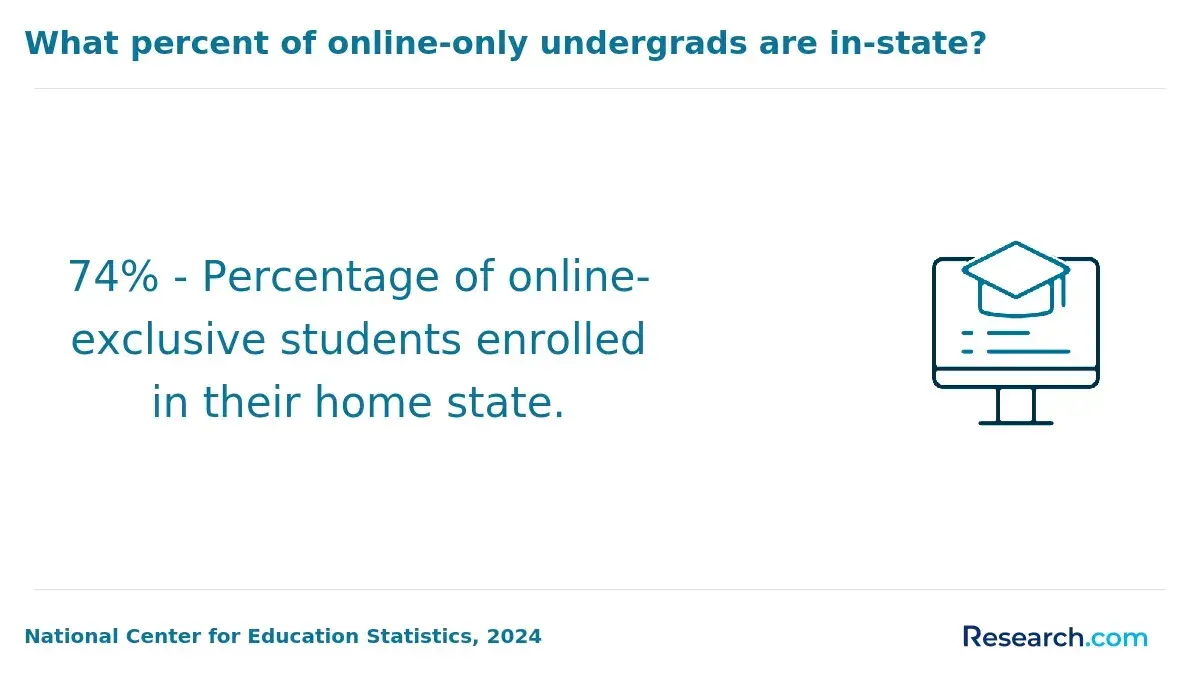
- Fully Online: Students access all coursework remotely, enabling them to study at their own pace and from any location. This format suits working professionals seeking maximum scheduling freedom without commuting.
- Hybrid: Combining online classes with occasional in-person sessions, hybrid programs deliver a blend of convenience and hands-on experience. This helps students balance flexibility with opportunities for direct interaction and networking.
- Evening & Weekend: These classes take place outside typical business hours, giving full-time workers the chance to attend in-person instruction without disrupting their job schedules. This format fosters community while accommodating busy lifestyles.
- Part-Time Enrollment: By spreading coursework over an extended period, part-time study reduces immediate workload pressures. It allows students to maintain employment while steadily progressing toward the degree.
Each option caters to the unique demands of adult learners transitioning careers, offering adaptable pathways into the audio & music field.
What Skills Do Career Changers Gain in a Audio & Music Program?
For career changers, mastering new skills is essential to adapt and thrive in unfamiliar industries. Research shows that 53% of workers believe retraining is necessary to keep pace with shifting job requirements. With that in mind, audio & music programs focus on equipping students with versatile competencies that boost their chances in competitive creative and technical fields.
Key abilities developed typically include:
- Technical Proficiency: Gaining hands-on experience with industry-standard recording software and audio hardware helps students transition quickly into audio production roles, ensuring they meet professional expectations.
- Music Theory and Composition: Learning foundational musical principles supports creative work such as songwriting and scoring, providing career changers with a strong base for roles in media and entertainment.
- Critical Listening: Training the ear to detect details and sound quality issues enhances capabilities in sound engineering and quality assurance, vital for producing polished audio content.
- Project Management: Developing skills in organizing schedules, budgets, and team coordination prepares learners for leadership and collaborative tasks common in studios or freelance environments.
- Communication: Building effective interaction techniques with artists, clients, and technical crews ensures smooth collaboration and client satisfaction, a highly transferable business skill.
How Much Does a Audio & Music Degree Cost for Career Changers?
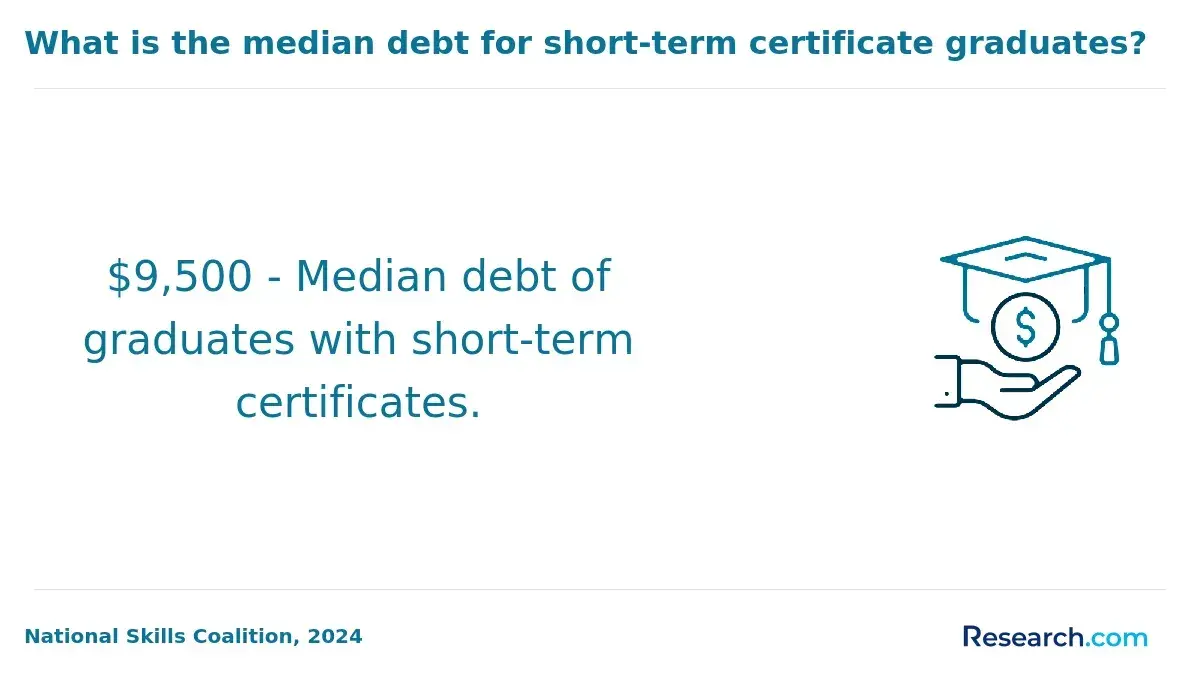
Cost is a critical factor for career changers pursuing an audio & music degree, especially as many balance existing financial commitments. Graduate education in the U.S. often leads to significant debt; for instance, the average student loan debt for bachelor's degree recipients is approximately $30,000, illustrating the need for careful financial planning.
Below are the main cost components to consider.
- Tuition and Fees: These make up the largest portion of expenses and vary widely, from around $5,000 per year at some public institutions to $30,000 or more annually at private schools. For working professionals, programs with flexible payment plans or employer tuition reimbursement can help manage these costs.
- Textbooks and Supplies: Costs include books, sheet music, and specialized software, typically adding several hundred to a few thousand dollars over the program duration. Adult learners should look for programs offering digital resources or discounts to reduce expenses.
- Technology and Equipment: Additional investments may be required for instruments, recording gear, or software licenses. Considering used equipment or programs that integrate technology fees into tuition can lessen the financial burden.
- Lab and Studio Fees: Some audio & music degrees charge extra for access to recording studios or performance labs. Online degree programs often reduce or eliminate these fees, making them an appealing option for career changers seeking lower overall costs.
- Program Format and Duration: Accelerated or competency-based options can shorten time to degree completion, potentially lowering tuition and related costs. Many working professionals benefit from exploring an accelerated bachelor's degree online to transition faster into a new career path.
How Does a Audio & Music Curriculum Support Career Transitions?
For career changers, curriculum design in audio & music degree programs plays a critical role in facilitating a smooth transition by tailoring education to the unique needs of adult learners. These programs emphasize relevant skills while accommodating busy schedules, ensuring learners develop both foundational and specialized expertise.
Here are key ways a well-designed curriculum supports career transitions:
- Applied Learning: Curriculum incorporates hands-on experiences like studio work and live performance, directly connecting students with industry practices and building practical skills essential for immediate application.
- Transferable Skills: Programs emphasize skills such as audio editing, critical listening, project management, and teamwork, which broaden adaptability and effectiveness in various music and audio careers.
- Flexible Scheduling: Many courses offer online options and adaptable pacing to fit the commitments of working professionals, enabling steady progress without sacrificing current responsibilities.
- Real-World Projects: Integrating portfolio development and collaborative projects helps learners demonstrate their practical achievements to potential employers or clients, enhancing job readiness.
- Industry-Relevant Tools: Training focuses on current software and technologies widely used in the field to ensure graduates have up-to-date competencies valued by employers.
Adult learners exploring audio and music degree programs for career changers can find options that suit their financial situation, especially through online colleges with financial aid, which offer greater accessibility and affordability during this career shift.
What Careers Can Career Changers Pursue With a Audio & Music?
Recognizing potential career paths helps career changers align their prior experience with new roles, improving success in transitioning fields. Employment in arts, design, entertainment, sports, and media occupations is expected to grow 8% from 2022 to 2032, indicating strong job prospects.
Below are common careers for audio & music degree holders.
- Audio Engineers: Responsible for capturing, mixing, and mastering audio content, this role leverages technical problem-solving and attention to detail skills. Past experience with equipment or technology aids smooth adaptation to these tasks.
- Music Producers: These professionals guide projects from initial concept through final production, requiring coordination, creative decision-making, and teamwork. Skills in organization and collaboration from previous careers translate well here.
- Sound Designers: Creating sound effects and audio environments for various media, sound designers benefit from knowledge of acoustics and proficiency with digital tools. Prior technical abilities support transitioning into this creative role.
- Music Therapists: Using music therapeutically to improve patients' emotional and physical health, this career suits those with strong interpersonal skills and empathy, often developed through experience in supportive professions.
- Music Educators: Teaching theory or performance, educators draw on communication and planning abilities honed in earlier roles to effectively engage students and manage curricula.
What Is the Average Salary After Earning a Audio & Music Degree as a Career Changer?
Salary expectations play a vital role for career changers pursuing an audio & music degree, as they influence financial planning during the transition. Research indicates that professionals reskilling into creative fields experience an average salary increase of about 12% within two years of completing their new qualifications.
Here are typical compensation ranges and factors to consider in this field:
- Audio Engineers: Annual earnings commonly range from $40,000 to $70,000, depending on the size of the studio and geographic location. Professional experience in related industries can help boost these figures.
- Music Producers: Salaries vary widely, generally falling between $50,000 and $100,000, with reputation and project scale being key contributors to higher pay.
- Sound Designers: Compensation typically spans from $45,000 to $80,000, especially elevated within gaming and film sectors, reflecting demand for specialized skills.
- Experience and Skills: Technical proficiency and years in the industry may increase earnings by 20% to 30% over base wages within five years.
- Freelance and Contract Work: Income levels are highly variable, ranging from $30,000 up to more than $100,000 annually, influenced by the number of projects and client relationships.
What Graduates Say About Their Audio & Music Degrees for Career Changers
- August: "Deciding to leave my corporate job and dive into an audio & music degree felt daunting at first, especially considering the average cost of attendance hovers around $30,000. However, the investment was worth every penny, as this program equipped me with practical skills and industry connections that accelerated my career transition. I'm now thriving in the music production world, and I couldn't be more grateful for taking that leap."
- Royal: "Changing careers to pursue an audio & music degree was a thoughtful decision after I realized my passion for sound design. The cost-about $25,000 on average-was a significant consideration, but I found the curriculum's depth and hands-on approach invaluable in reshaping my professional path. Completing this degree truly transformed my perspective and gave me the confidence to enter the competitive audio industry."
- Leni: "As someone who spent years in a different field, enrolling in an audio & music degree program was both a financial and emotional commitment, with tuition averaging near $28,000. Looking back, the structured learning and mentorship I received made all the difference in successfully changing careers. This program not only taught me technical expertise but also how to navigate the evolving landscape of the audio profession with a new sense of purpose. "
Other Things You Should Know About Audio & Music Degrees
Yes, prior experience in fields such as technology, business, or the arts can be advantageous. It often helps students approach audio and music from unique perspectives, enhancing creativity and problem-solving skills. Many programs value diverse backgrounds as they enrich collaborative projects and broaden career opportunities post-graduation.
In 2027, career changers enrolling in audio & music degree programs can access various financial aid options, including scholarships, grants, and federal student loans. Additionally, some programs offer specific grants tailored for adult learners and career changers to ease the financial transition.
Career changers should evaluate program length and flexibility to fit their schedules, especially if balancing work or family. Many programs offer part-time, evening, or online formats to accommodate adults. Understanding practicum, internship, or performance requirements is essential, as these may demand on-site attendance.
In 2027, many audio & music degree programs provide tailored support services for career changers, including career counseling, mentorship opportunities, and workshops on transitioning skills from previous fields. This support aims to make the transition smoother and enhance career prospects.
References
- Careers You Can Pursue With a Music Production & Audio Engineering Degree https://www.pointblankmusicschool.com/blog/careers-you-can-pursue-with-a-music-production-and-audio-engineering-degree/
- 5 Career Paths for Audio Engineering Graduates | ICMP London https://www.icmp.ac.uk/blog/five-career-paths-audio-engineering-graduates
- Audio and Music Production https://www.ljmu.ac.uk/study/courses/undergraduates/2026/32551-audio-and-music-production-bsc-hons
- Top Music and Audio Careers You Can Start Without a 4-Year Degree - Dark Horse Institute - Audio Engineering & Music Business School https://darkhorseinstitute.com/audio-careers-you-can-start-without-a-4-year-degree/
- Department of Sound Engineering https://chopin.edu.pl/university/departments/department-of-sound-engineering
- 10 Types of Music Degrees - Inside Music Schools https://insidemusicschools.com/blog/the-10-different-types-of-music-degrees/
- Main navigation https://careersportal.ie/sectors/courses.php
- BA (Hons) Music and Sound Recording https://www.york.ac.uk/study/undergraduate/courses/ba-music-sound-recording/
- So You Want a Music Degree: Here's What You Need to Know to Make the Right Decision https://blog.sonicbids.com/so-you-want-a-music-degree-what-you-need-to-know
- Music Industry Programs | Harris Institute https://harrisinstitute.com/music-industry-programs/


