
2027 How Long Does It Take to Earn an Online Audio & Music Degree?

Co-Founder and Chief Data Scientist
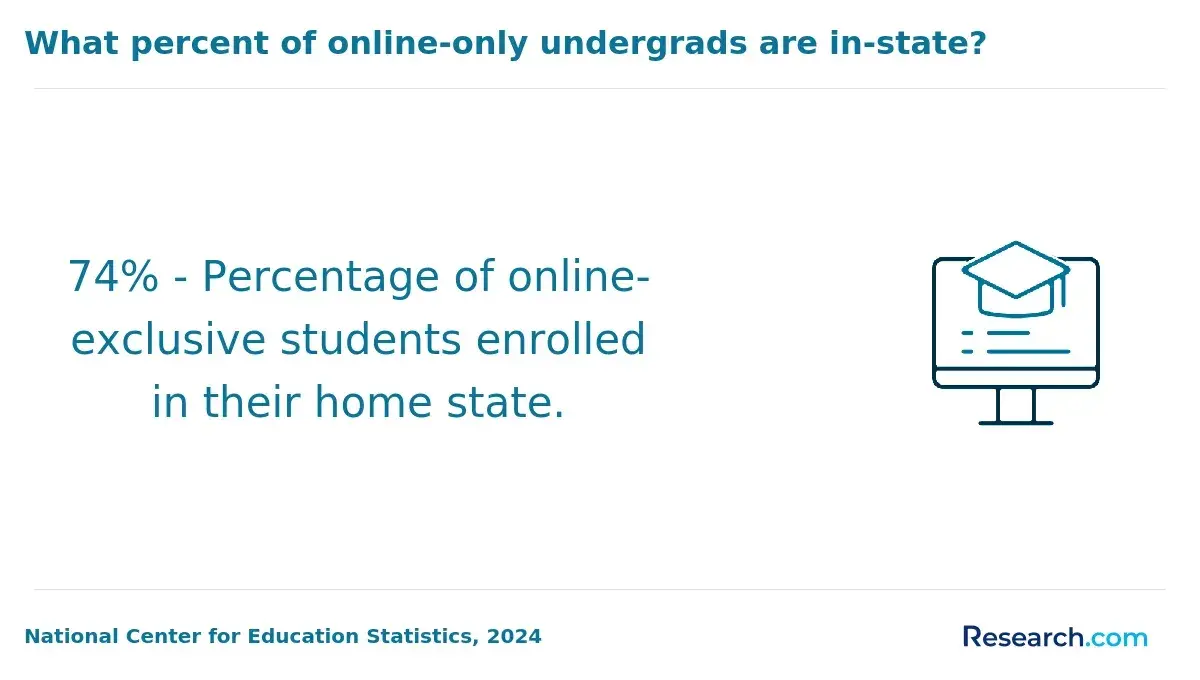
Online education offers unparalleled flexibility and convenience, making it an increasingly popular choice for students pursuing creative fields like audio & music. According to the National Center for Education Statistics, online degree programs have grown significantly in enrollment, reflecting broader industry demand for skilled audio professionals. Understanding how long does it take to earn an online Audio & Music degree is crucial for planning academic and career paths effectively.
This article explores average completion times, key factors influencing program length, and strategies to select a program that fits individual goals and schedules. It aims to empower readers to make informed, confident decisions about their education.
Key Benefits of Online Audio & Music Degree
- Most online audio & music degrees can be completed in about 2 to 4 years, depending on whether students attend full-time or part-time, offering flexibility for working professionals.
- Accelerated programs and credit transfers can shorten the timeline, with some students finishing in as little as 18 months by leveraging previous coursework or experience.
- Fully online formats allow students to set their own schedules, accommodating personal and work commitments while progressing steadily toward graduation without the constraints of fixed class times.
What is the Average Completion Time for Online Audio & Music Programs?
Online audio & music programs typically take anywhere from several months for certificate studies to about four years for a bachelor's degree to complete. The following breakdown clearly outlines the average length of online audio production degree programs by degree level to help prospective students understand typical timelines.
- Certificate Programs: These are often designed for working professionals aiming to gain foundational audio engineering skills quickly. The average completion time is around 9 months of part-time study, with many programs scheduled during evenings or weekends for convenience.
- Associate Degrees: Less common in fully online formats, associate degrees generally take about 2 years of full-time study. They introduce students to music theory, audio production, and basic sound engineering, preparing them for entry-level roles or transfer to bachelor's programs.
- Bachelor's Degrees: Usually requiring about 4 years of full-time study, these programs cover comprehensive topics such as music theory, audio engineering, performance, and digital production. This duration reflects the standard how long does it take to finish online music degree format seen at many institutions.
- Master's Degrees: Advanced master's degrees in music technology or production typically take 2 years full-time. These programs focus on specialized expertise in areas like sound design and often include a final project or capstone paper for completion.
Completion times may vary based on factors such as part-time enrollment, transfer credits, and individual pacing. For professionals seeking flexible options, several fast online degree programs for working adults can accelerate these timelines without compromising quality or content.
What Factors Can Affect How Long It Takes to Earn an Online Audio & Music Degree?
Several key factors can influence how long it takes to earn an online audio & music degree, ranging from academic structures to personal circumstances. Understanding these elements can help students anticipate the duration of their studies and plan accordingly.
Below are the main factors that affect program length and how course format affects online music degree duration:
- Program Structure and Format: Programs may be accelerated, semester-based, or self-paced. Accelerated courses help motivated students graduate faster but often require a significant weekly time investment, while traditional or flexible formats may take longer.
- Enrollment Status (Full-Time vs. Part-Time): Full-time students generally complete bachelor's degrees within 2-3 years, whereas part-time enrollment, which suits working professionals, can extend the timeline beyond 4 years.
- Transfer Credits and Prior Learning: Acceptance of transfer credits or credit for professional experience can reduce the total coursework, shortening the path to graduation.
- Course Load and Scheduling Flexibility: Taking multiple courses simultaneously or enrolling in summer terms accelerates completion; fewer courses per term increase the duration.
- Student's Background and Experience: Prior expertise in music production or audio engineering may allow students to waive foundational courses, speeding up progress.
- Access to Resources and Technology: Reliable audio equipment and software access are critical to avoid technical delays and maintain steady progress.
- Personal Circumstances and Motivation: Life events, work duties, and personal drive affect pacing. Strong support systems and good time management enhance persistence.
Students interested in exploring easy majors may also find relevant options within audio & music degrees that align with their scheduling and commitment preferences.
What Are the Different Types of Online Audio & Music Programs Available?
Online audio & music programs offer a variety of specializations that cater to different career paths within the music and sound industries. These programs provide flexible options for students aiming to develop technical, creative, or business skills, allowing them to select a focus that best matches their professional goals.
Here are some of the main types and concentrations available in online audio & music education:
- Music Production Degrees: These programs concentrate on the creative and technical processes of producing music, including recording, mixing, editing, and mastering. Students work extensively with digital audio workstations and industry software, making this path ideal for aspiring producers and studio engineers.
- Audio Engineering Technology: Focused on the scientific and technological aspects of sound, these degrees cover acoustics, signal processing, and studio equipment. They prepare students for roles in recording studios, broadcasting, or live sound environments by emphasizing both artistic and technical knowledge.
- Music Business and Industry Programs: Combining music with business, law, marketing, and management, these programs suit those interested in behind-the-scenes roles like artist management and music publishing. Some institutions offer specific concentrations such as Music Industry Business or Music Production within this track.
- Sound Design for Visual Media: Designed for students passionate about audio storytelling, these degrees teach skills related to film, television, animation, and game sound production. Coursework typically includes sound effects creation and audio post-production techniques.
- Songwriting and Performance: Emphasizing songwriting, composition, and live or studio performance skills, these programs cater to aspiring artists looking to enhance both their creative and technical abilities in music creation and delivery.
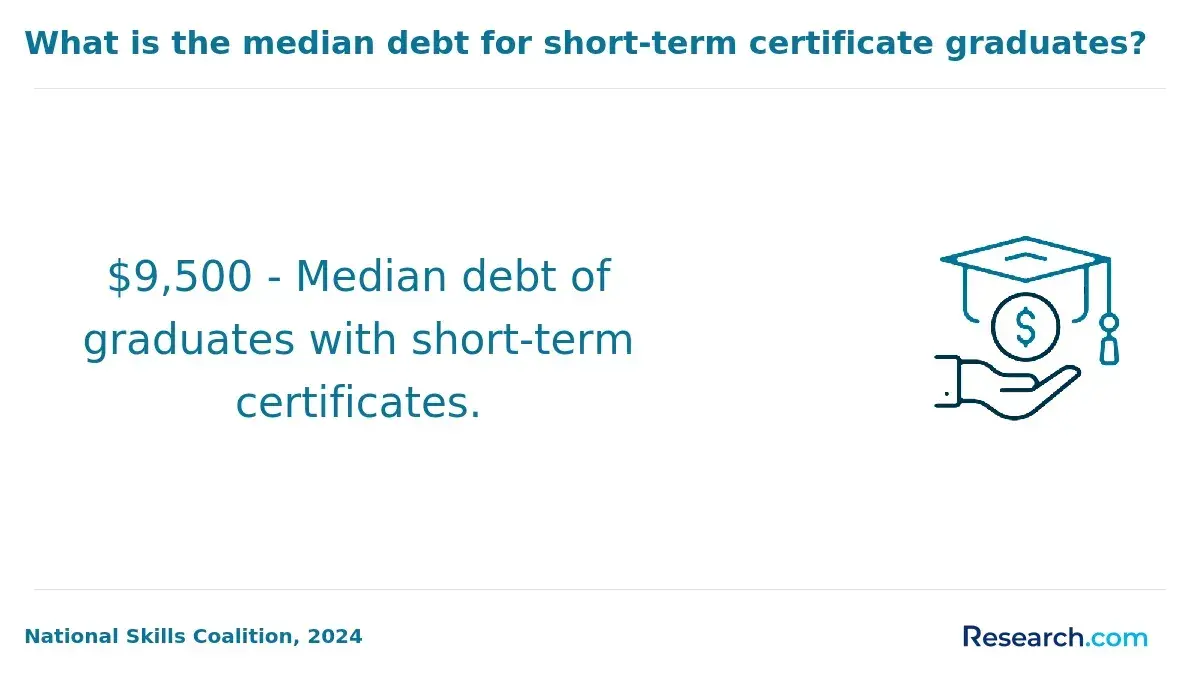
- Certificates and Short-Term Programs: Ideal for those seeking targeted education or professional development, these offer focused training in areas like electronic music production, DJ performance, or studio recording technology, often on an accelerated timeline.
How Many Credit Hours Are Required for an Online Audio & Music Degree?
Online Audio & Music degree programs in the United States generally require a range of credit hours to complete, depending on the level of study and program format. Understanding these credit hour requirements can help prospective students plan their time and coursework effectively.
The following breakdown by degree type highlights the typical credit hour expectations and factors influencing completion time.
- Associate degree (A.S. in Music or Audio): These programs usually require about 60 credit hours. Full-time students often complete the program in two years, while part-time study can extend this timeframe. Some programs accept transfer credits, which may shorten the total time needed.
- Bachelor's degree (B.A., B.S., or Bachelor of Applied Science in Audio): Bachelor's programs typically demand between 120 and 128 credit hours. Full-time enrollment often leads to four-year completion, but part-time study and transfer credits can adjust this timeline based on individual circumstances.
- Graduate certificate (Audio Engineering): Designed for skill specialization, these certificates usually require around 12 credit hours. They can often be completed in less than a year, frequently offered in accelerated formats suited to working professionals.
- Master's degree (M.M., M.A., or M.S. in Music or Music Production): Master's programs commonly involve 30 to 36 credit hours. Full-time students typically finish within one to two years, though part-time study may extend the duration depending on workload and personal commitments.
- Doctoral degree (Ph.D. or D.M.A. in Music): Less common online, doctoral programs generally require at least 60 credit hours beyond the master's degree. Completion time varies by enrollment status and whether the focus is academic research or professional practice.
Speaking with a graduate of an online Audio & Music degree offered unique insights into the journey beyond credit hours. They shared how balancing coursework with a full-time job demanded careful time management and occasional sacrifices, such as skipping social events to meet deadlines.
The graduate emphasized the satisfaction of progressing through hands-on projects and collaborative online sessions, which brought a real-world feel despite distance learning. They recalled moments of self-doubt during particularly intense semesters but noted that the flexibility of online scheduling helped them stay motivated. This personal experience highlights how meeting credit requirements is not just about numbers but includes navigating challenges and building resilience along the way.
What Courses Are Included in a Standard Online Audio & Music Curriculum?
A standard online audio & music curriculum typically includes a variety of core and specialized courses designed to build technical proficiency and prepare students for diverse careers in the music and audio industries.
Below is an overview of common courses and subject areas you can expect to find, each focusing on different skills and knowledge essential for success in this field.
- Musicianship Fundamentals: Students learn essential music theory, ear training, and sight reading to understand musical structures and communicate effectively with industry professionals, forming a foundation for advanced audio and music work.
- Keyboard and Piano Skills: Instruction covers keyboard harmony and piano proficiency, enabling students to compose, arrange, and perform music both digitally and acoustically, which is crucial for producers and composers.
- Music History and Analysis: Courses survey classical and popular music traditions to provide context for contemporary trends and enhance creative capabilities in production and education.
- Digital Music Technology: Training focuses on industry-standard software like Ableton Live and Avid Pro Tools, teaching recording, editing, and digital audio production skills vital for producers, sound designers, and recording engineers.
- Sound Recording and Audio Engineering: Students learn microphone techniques, signal flow, mixing consoles, and acoustics, equipping them to capture and shape high-quality sound in various professional settings.
- Mixing and Mastering: Advanced courses develop skills in balancing tracks, applying audio effects, and finalizing masters to produce professional-grade sound for diverse media formats.
- Digital Composition and Beat Making: This area explores electronic music production, sound synthesis, and track creation using modern DAWs, preparing students for roles as electronic artists and hip-hop producers.
- Show Production and Live Sound: Focus on live event technologies including sound reinforcement and stage management equips students for careers in event production and touring sound engineering.
- Interactive and Media Audio: Specialized training integrates audio with video games, film, and multimedia through sound design and interactive audio systems, ideal for game and film audio careers.
- Music Business and Entrepreneurship: Courses cover intellectual property, digital distribution, and career management to help students navigate the business side of music and launch successful independent ventures.
- Capstone Projects or Portfolios: Final projects showcase students' best work in recording, production, or composition, serving as a professional portfolio to support job placement or further education.
How Often Do Online Audio & Music Programs Start During the Year?
Online audio & music programs typically offer multiple start dates throughout the year, giving students considerable flexibility to begin their studies when it best suits their personal and professional lives. This ensures that working adults, career changers, and busy professionals can enroll without waiting for traditional semester schedules.
Below is a summary of the most common enrollment or start options available for these programs.
- Traditional Academic Calendar: Many programs adhere to the standard fall, spring, and summer terms with set start dates two or three times annually. This schedule is perfect for students who prefer the predictability and structured pacing of a conventional academic year.
- Multiple Start Dates Per Year: Some institutions offer as many as four or more start dates spaced across different sessions, such as fall, spring, and summer. This option fits students who want more flexibility yet appreciate organized cohort entry points for networking and support.
- Monthly or Quarterly Starts: Increasingly popular, this model allows new students to begin nearly every month or on a quarterly basis. It is ideal for motivated learners eager to start immediately rather than waiting for the next official semester.
- Rolling Admissions or Self-Paced Options: Certificate and short-course providers often offer enrollment and start at any time, maximizing flexibility. This suits independent learners or professionals seeking targeted skills without committing to full degree programs.
How Much Faster Can You Complete an Accelerated Online Audio & Music Degree?
Accelerated online Audio & Music programs significantly reduce the time needed to earn a degree compared to traditional classroom formats by offering streamlined and flexible learning options. These programs use innovative approaches to help motivated students graduate much faster.
Below are the key features that enable faster completion of an online Audio & Music credential.
- Shorter Course Terms: These programs often replace standard 15-week semesters with shorter 7- or 8-week courses, allowing students to complete more classes annually. This condensed schedule lets learners advance through their required curriculum at a speed that traditional formats rarely allow.
- Year-Round Enrollment: Offering multiple start dates throughout the year, including summer sessions and breaks, helps students avoid long gaps between terms. Continuous enrollment options allow for quicker progression toward graduation.
- Transfer Credits: Some programs accept previous college credits or relevant work experience, enabling students to bypass introductory courses and concentrate on advanced material. This credit flexibility can substantially shorten the total time to degree completion.
- Competency-Based Learning: By allowing students to demonstrate mastery rather than spending fixed time in classes, this approach gives an edge to those with prior knowledge or skills. It provides a personalized pace that accelerates course completion without sacrificing learning quality.
- Accelerated Program Structures: Designed to be completed within 9 to 24 months, certain online certificates and degrees optimize coursework and scheduling for time efficiency. These compact timelines suit full-time students aiming to enter the industry quickly.
A graduate of an online accelerated Audio & Music degree shared that while juggling a part-time job and family responsibilities, the compressed course terms felt intense but highly rewarding. They appreciated how the flexibility to start courses at multiple points in the year meant no long waiting periods and allowed consistent momentum. The competency-based assessments were both a challenge and an encouragement to focus deeply on mastering skills rather than just completing hours.
Despite occasional stress, the sense of progress every few weeks kept motivation high, and the total program duration felt surprisingly short given the depth of the material covered. This graduate's journey highlights the balance between dedication and flexibility that defines accelerated online Audio & Music programs.
Does Finishing an Online Audio & Music Degree Faster Save You Money?
Completing an online Audio & Music program in less time can lead to significant cost savings by reducing overall education expenses. Accelerating your studies not only shortens your enrollment period but also lowers various associated costs, making it a valuable strategy for budget-conscious students.
The main ways accelerated completion can help save money include the following:
- Lower Tuition Costs: Many online Audio & Music programs charge tuition per credit or semester, so finishing faster means paying for fewer credits or semesters overall. Programs like Berklee Online offer per-course pricing, and accelerated study reduces the total number of payments, directly cutting tuition expenses.
- Reduced Living Expenses: While online learning eliminates campus housing fees, students still face living costs such as rent, utilities, and internet. Shortening your program duration means fewer months to cover these ongoing expenses, which can add up to noticeable savings during your education.
- Earlier Entry Into the Workforce: Graduating sooner opens the door to earning income earlier, which helps offset the cost of your education. Programs such as The Recording Connection allow graduates to enter the job market in under a year, reducing opportunity costs and enabling quicker repayment of any student loans.
- Less Time Off Work: Many students balance work and study, so finishing your degree faster minimizes time away from full employment or reduces reliance on part-time work. This stability can help maintain consistent income and lower the need for financial support during your studies.
For those considering cost-effective paths, understanding how tuition reduction for accelerated online music degree options work is essential. Additionally, exploring what masters degrees pay the most can provide insight into how investing time wisely in your education may pay off financially over the long term.
How Soon Can Graduates Start Working After Earning Their Online Audio & Music Degree?
Graduates can often start working fairly soon after earning their online audio & music degree, though timing varies widely. Some secure jobs or freelance roles within weeks, especially if they have prior work experience or strong portfolios. The time frame depends greatly on the specialty-fields like audio engineering, live sound, and music production each have different levels of competition and job availability.
Additionally, job demand fluctuations in post-production and other sectors can impact how quickly a graduate finds work. Ultimately, how quickly can you get an audio engineering job often hinges on the connections and experience built during the program.
Online programs frequently enable students to gain practical work experience, complete internships, or network with industry professionals while still enrolled. This hands-on approach supports smoother job placement after online audio and music degree completion by building a portfolio and industry contacts early.
Some schools also provide career coaching or partnerships with studios to assist graduates for up to a year post-graduation. Students interested in exploring options should consider accredited universities online with no cost to apply, which may offer flexible scheduling to balance work and study. These combined experiences allow many graduates to transition quickly into paid roles or freelance projects upon finishing their studies.
How Much Do Online Audio & Music Graduates Earn on Average?
Online Audio & Music graduates in the United States typically earn between $30,000 and $150,000 annually, depending largely on their career path, experience, and specialization. Here are typical earnings by career stage and specialization for those with an online Audio & Music degree:
- Entry-Level Roles: Graduates starting out as audio engineers or studio assistants often earn between $30,000 and $40,000 per year. Many begin as interns or assistants building their skills and networks, which are essential for advancement.
- Mid-Career Professionals: After gaining several years of experience, salaries generally increase to the $50,000-$70,000 range. At this stage, expertise in technical roles or live sound management contributes to higher pay, with geographic location playing a significant role.
- Specialized Positions: Those who become mastering engineers, sound designers, or work on major tours can earn from $80,000 to over $150,000 annually. These positions require advanced skills and a strong reputation, with income often influenced by freelance contracts.
- Leadership Roles: Senior engineers and studio managers may command salaries near or above $100,000, especially in prominent markets or prestigious studios. Leadership and technical mastery are both key to reaching these levels.
- Industry Variations: Audio engineer salary with online degree varies by sector-media production, game audio, and live music present different pay scales. Freelance work offers flexibility but may lead to variable income.
While finishing your degree faster can reduce upfront costs, maximizing earnings in this field depends more on gaining experience and specialization than on the speed of degree completion. Prospective students interested in affordable options might explore low cost online colleges for working adults to balance cost with career goals.
Here's What Graduates of Online Audio & Music Programs Have to Say About Their Degree
- Corbyn: "Completing my online audio & music degree completely transformed how I approach sound design and production. The flexible schedule allowed me to continue working part-time, while gaining critical technical skills and industry insights. I felt supported by my instructors who encouraged creative experimentation, which boosted my confidence tremendously. Now, I'm working as a freelance audio engineer and loving the freedom to collaborate with diverse artists around the country."
- Jorge: "Reflecting on my online audio & music education, I realize it wasn't just about mastering the software or theory-it was about personal growth and embracing a community of passionate peers. Despite the challenges of remote learning, it gave me the opportunity to balance family life and study while still diving deep into music production. I'm proud to say that I now help mentor younger students in underserved communities, sharing what I learned to inspire their own creative journeys."
- Leila: "The professional development I experienced while pursuing my online audio & music degree was exemplary. The career services connected me with internships that led to a full-time position in a major studio, where my résumé stood out because of the comprehensive training I received online. The emphasis on both technical proficiency and networking truly prepared me to advance quickly in this competitive field, and I'm excited about where this path is taking me."
Other Things You Should Know About Online Audio & Music Degree Programs
In 2027, industry certifications enhance online Audio & Music degrees by providing students with recognized credentials in specific software or practices, boosting employability. Many programs incorporate certification prep to align academic knowledge with industry standards, making graduates more competitive in the job market.
Most online Audio & Music programs require students to use professional digital audio workstations like Pro Tools, Ableton Live, or Logic Pro. Students typically need access to a compatible computer and potentially additional hardware like audio interfaces or MIDI controllers, which programs usually specify before enrollment.
The duration of an online Audio & Music degree in 2027 depends on several factors, including the program structure, whether it's full-time or part-time, transfer credits, and course load per semester. Many degrees can be completed in 2-4 years, with shorter courses available for accelerated programs.
References
- The 7 Best Online Music Schools & How Online Music Degrees Work https://www.careersinmusic.com/online-music-school/
- “As production becomes more cloud-oriented, many are questioning whether desktop DAWs are beginning to show their limitations”: How online DAWs are ushering in a new era for music making https://www.musicradar.com/music-tech/daws/how-online-daws-are-ushering-in-a-new-era-for-music-making
- Online Music Production Degree | Rocky Mountain College of Art + Design https://www.rmcad.edu/academics/program/online/music-production/
- Undergraduate student handbook https://www.colorado.edu/music/academics/undergraduate-advising/undergraduate-student-handbook
- 2025-2026 Undergraduate Catalog Major in Creative Technologies, Audio and Music Production Sequence Degree offered: B.S. or B.A. https://illinoisstate.edu/catalog/undergraduate/creative-technologies/audio-music-production-course-requirements/


