2027 Best Online English Degree Master's Programs for Working Professionals

Co-Founder and Chief Data Scientist
Working professionals often struggle to advance their careers due to time constraints and rigid program schedules. Nearly 40% of graduate students in the United States pursue online degrees to balance education with work and personal commitments. However, selecting an online English master's program that offers academic rigor, accreditation, and flexibility can be overwhelming.
This article examines key factors such as admission standards, curriculum design, tuition costs, and faculty qualifications. It also highlights financial aid options and career outcomes. Readers will gain clear guidance to identify programs that align with their goals, ensuring informed decisions for professional growth without disrupting their employment.
Key Things to Know About the Best Online English Degree Master's Programs for Working Professionals
- Eligibility typically requires a bachelor's degree with a minimum GPA, letters of recommendation, and a statement of purpose demonstrating relevant professional experience and academic readiness.
- Application procedures often include submitting transcripts, writing samples, and standardized test scores where applicable, with some programs offering rolling admissions or multiple start dates for flexibility.
- Compare programs by evaluating accreditation, curriculum relevance, faculty qualifications, tuition fees, online delivery format, and availability of career services to ensure alignment with professional and financial goals.
What Are the Best Online English Master's Programs Available for Working Professionals Today?
Working professionals seeking career advancement often require flexible and reputable online master's programs in English. As demand for advanced English degrees grows-projected by the U.S. Bureau of Labor Statistics to increase 8% in related fields over the next decade-these programs cater specifically to employed students balancing work and study. Below are five nationally recognized options noted for accessibility, strong faculty, and positive career outcomes.
- Arizona State University: ASU's fully online MA in English offers concentrations such as creative writing and rhetoric. It emphasizes asynchronous learning, which supports flexible scheduling, and features faculty with extensive academic credentials alongside robust student support services.
- University of Central Florida: UCF's online MA emphasizes professional writing and literature with minimal residency. It is recognized for affordable tuition and an active alumni network, aiding graduates in diverse English-related professions.
- New York University: NYU delivers a hybrid MA combining online coursework with optional in-person seminars. Known for its rigorous curriculum and institutional prestige, it supports careers in academia and publishing.
- University of Illinois Springfield: UIS offers a fully online MA focusing on digital rhetoric and professional communication. Accredited by the Higher Learning Commission, it provides flexible pacing suited to working adults.
- Seattle University: Seattle's online MA centers on literary studies and cultural criticism, blending synchronous and asynchronous sessions. The program prioritizes mentorship and career development opportunities.
These programs were selected based on accreditation, curriculum relevance for diverse careers, faculty expertise, and strong alumni outcomes reported by institutions and rankings such as Peterson's. Their design reflects the best flexible English graduate programs for career advancement, balancing academic rigor with practical scheduling needs. For those considering further progression, including research degrees, examining options like a phd online may also be worthwhile.
What Accreditation Standards Should an Online English Master's Program Meet?
Accreditation plays a crucial role in credential recognition, employer acceptance, and eligibility for federal financial aid when pursuing an online English master's program. Regional accreditation ensures the institution meets rigorous academic standards, while programmatic accreditation evaluates the quality of specific specialties within English studies. According to the U.S. Bureau of Labor Statistics, demand for advanced communication skills is expected to grow 7% through 2032. Here are key factors to consider:
- Regional vs. Programmatic Accreditation: Regional accreditation bodies, such as the Southern Association of Colleges and Schools Commission on Colleges (SACSCOC) and the Higher Learning Commission (HLC), assess institutions as a whole. Programmatic accreditation focuses on specialized fields like language, literature, or teacher education within an English program.
- Credential Recognition: Completing a program that meets accreditation standards for online English master's programs ensures your degree is recognized by employers and respected graduate schools, enhancing career opportunities.
- Federal Financial Aid Eligibility: Only students enrolled in regionally or programmatically accredited programs qualify for federal loans and grants, avoiding financial risk.
- Verification Tools: Prospective students should use trustworthy sources like the U.S. Department of Education's database and the Council for Higher Education Accreditation (CHEA) to confirm accreditation status and avoid diploma mills.
- Red Flags of Diploma Mills: Be cautious of programs lacking clear accreditation, offering unusually low tuition, using vague descriptions, or applying aggressive recruitment tactics that suggest low academic standards.
For those exploring options, comparing programs and their credentials is essential. To learn about an easiest online master's degree that may fit your schedule, review accredited offerings carefully within the context of regional accreditation requirements for graduate English degrees.
What Is the Minimum GPA Requirement for an Online English Master's Program?
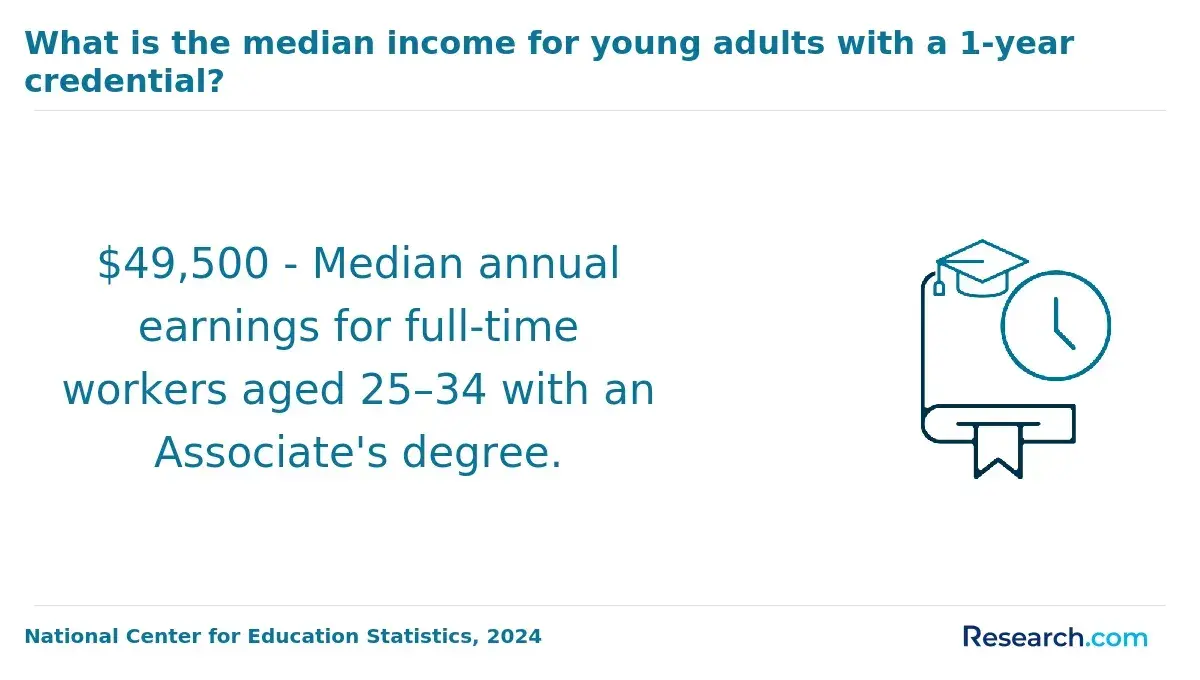
For working professionals pursuing an online English master's degree to advance their careers, knowing GPA expectations helps clarify eligibility and application strategy. Around 40% of programs use comprehensive admissions evaluations beyond numbers, blending GPA with other strengths. Here are key factors to consider:
- Typical GPA Requirements: Most programs set a minimum around 3.0 on a 4.0 scale, establishing a general baseline for competitive applicants across accredited institutions.
- Conditional Admission Options: Some schools accept candidates with slightly lower GPAs through provisional status, allowing time to prove readiness while taking courses or working professionally.
- Holistic Review Processes: Admissions committees frequently balance GPA against relevant work experience, strong recommendation letters, and persuasive personal statements to identify well-rounded applicants.
- Strengthening Low GPA Applications: Enrolling in post-baccalaureate coursework or earning professional certifications can highlight an applicant's commitment and preparedness for graduate study.
- Selective vs. Accessible Programs: Top-tier programs often require GPAs above 3.5, whereas more inclusive offerings may admit students with GPAs near 2.75 to 3.0, offering a realistic spectrum for many candidates.
A graduate of an online English master's degree program shared that despite initially struggling with GPA expectations, they benefited greatly from their program's support network and flexible structure. "Balancing a full-time job while meeting academic standards was tough," they admitted, "but conditional acceptance gave me confidence to start, and completing additional coursework boosted my skills and resume." Their journey illustrated how persistence and the right program choice are vital for success in such demanding paths.
What Prerequisites and Prior Educational Background Are Required for an Online English Master's Program?
Working professionals exploring an online English master's degree must carefully assess their prior educational background required for a master's in English to ensure they meet the academic criteria. Considering these prerequisites early in the decision-making process helps to avoid application delays and supports a successful transition into graduate coursework. Below is a checklist to audit academic and professional readiness against common prerequisite standards.
- Relevant Undergraduate Degree: Most programs require a bachelor's degree in English, literature, writing, or a related field. Liberal arts or humanities degrees with substantial English coursework are frequently accepted as well.
- Foundational Coursework: Prerequisites often include classes in literary analysis, composition, linguistics, and critical theory. Applicants who lack these may need to complete leveling or bridge courses to meet program expectations.
- Bridge or Leveling Courses: Some online English master's programs offer pre-master's courses designed for candidates coming from adjacent disciplines such as communications or education. These help fill knowledge gaps in literary theory, research methods, or advanced writing skills, aiding those who do not have a traditional English background.
- Professional Experience: Programs with a practical focus may accept relevant work experience in teaching, writing, editing, or communications to supplement or sometimes substitute academic prerequisites, especially when formal coursework is limited.
- Academic Performance: A minimum GPA-commonly around 3.0 on a 4.0 scale-is usually required. Admissions committees also value writing samples and recommendation letters that reflect strong scholarly ability and readiness for graduate study.
Working professionals should take time to thoroughly evaluate these components to align their backgrounds with program demands. For those seeking flexible and reputable advanced degrees, understanding these prerequisites supports a smoother enrollment path. More broadly, professionals might explore related flexible options like the best online executive mba programs to complement their career advancement strategies.
What Does the Curriculum of an Online English Master's Program Look Like for Working Professionals?
Evaluating the curriculum is a crucial step for working professionals considering an online English master's program. Understanding course requirements, delivery formats, and learning pathways helps determine how well a program fits alongside job commitments and career goals. Below are key factors often found in these programs:
- Core Courses: Programs generally focus on advanced topics like literary analysis, critical theory, research methodologies, and writing instruction. These foundational classes provide the academic rigor essential for mastery in English studies.
- Elective Options: Students can usually tailor their studies by choosing electives aligned with interests such as creative writing, professional communication, or cultural studies, allowing greater flexibility and relevance.
- Capstone and Thesis: Most curricula include a significant project or thesis requirement to synthesize learning through original research or creative work, fostering deeper academic engagement.
- Practicum and Internships: Practical experiences may be offered to bridge theory and real-world application, especially beneficial for those targeting roles in education, publishing, or media.
- Flexible Scheduling: To accommodate busy professionals, many programs break content into 8-week terms, weekend intensives, or fully asynchronous courses, enabling steady progress without extensive work interruptions.
- Competency-Based vs. Credit-Hour Models: Competency-based education (CBE) allows accelerated advancement through demonstrated mastery, ideal for self-paced learners. In contrast, traditional credit-hour models provide structured timelines suited for students who prefer scheduled interaction.
Prospective students are advised to review sample syllabi and consult academic advisors to ensure alignment between the curriculum and their professional aspirations.
When discussing what the curriculum looked like, a graduate reflected on how managing work and study was challenging but made easier through the program's modular design. "Balancing my job with coursework was tough," they remarked, "but the 8-week format and asynchronous classes meant I could fit studies around my schedule. The capstone project allowed me to focus deeply on a subject I'm passionate about without rigid deadlines." This flexibility reduced stress and helped maintain momentum during busy periods, making the experience both demanding and rewarding.
How Long Does It Take to Complete an Online English Master's Degree?
Online master's programs in English offer varying timelines depending on enrollment intensity and program design. Full-time students generally finish within 12 to 18 months by taking a heavier course load, while part-time learners often spread their studies over 2 to 3 years to balance work and personal life. Accelerated tracks, available at some institutions, enable completion in under 12 months but require a rigorous pace that may not be feasible for everyone. Transfer credits, prior learning assessments, and dual-enrollment options can significantly shorten the path to graduation for working professionals.
Several factors can extend the time needed to complete the degree, including challenges with work-life balance, interruptions in funding, and changes in program requirements. According to recent data, about 30% of graduate students enroll on a part-time basis, illustrating the demand for flexible schedules that accommodate professional commitments. The following points highlight key considerations for planning a realistic completion timeline:
- Full-Time and Accelerated Options: Completing a master's degree full time typically takes 12 to 18 months with a heavier course load. Accelerated programs condense terms and reduce breaks, allowing for graduation in under a year but demand significant time and energy.
- Part-Time Study: Spreading coursework over 2 to 3 years suits those balancing jobs or family responsibilities. This approach eases workload but requires extended commitment and careful scheduling.
- Credit Transfers and Prior Learning: Utilizing transfer credits or assessments of previous experience can reduce semesters needed, enabling faster progression without compromising program quality.
- Work and Life Challenges: Unexpected job demands, personal obligations, or financial interruptions frequently delay completion, necessitating contingency planning and ongoing communication with academic advisors.
- Strategic Planning: Early evaluation of course load capacity, financial aid eligibility, and time availability helps students set attainable goals. Maintaining steady progress while working full time requires disciplined scheduling and often leveraging program flexibility.
How Much Does an Online English Master's Program Cost and What Are the Total Expenses for Working Professionals?
Costs for an online English master's program vary significantly, typically ranging between $400 and $1,200 per credit hour, depending on the school. Many universities now charge a flat online tuition rate regardless of residency, benefiting out-of-state students by eliminating differential fees. Total tuition tends to fall between $15,000 and $40,000 for completion, based on an estimated 30 to 36 credit hours. Additional mandatory charges may include technology fees ranging from $100 to $300 per semester, thesis submission costs, or short-term residency requirements that some institutions still enforce despite primarily offering online formats.
Working professionals should also budget for indirect expenses often overlooked in initial cost comparisons. Textbooks alone can add $500 to $1,000 over the program duration. Software subscriptions, especially for writing tools or research databases, and memberships in professional organizations frequently range from $50 to $200 annually. Some programs require comprehensive exam or portfolio fees that might total $100 to $300.
Admissions to online graduate programs in English have seen modest growth-in fact, the National Center for Education Statistics notes a 5% increase in enrollments over recent years. For accurate budgeting and comparison, prospective students are advised to use resources such as the College Scorecard and program-specific Net Price Calculators, which factor in financial aid and scholarships. The following key points summarize critical cost considerations:
- Per Credit Hour Tuition: Online English master's programs charge approximately $400 to $1,200 per credit hour, with most requiring 30 to 36 credits total.
- Flat Rate Tuition Structure: Many schools apply a consistent tuition fee regardless of residency, which can greatly benefit working professionals living out-of-state.
- Additional Fees: Technology fees, thesis submissions, and occasional residency requirements can add hundreds to your total program cost.
- Indirect Expenses: Textbooks, software, and professional memberships should not be overlooked; they may add $650 or more to the total investment.
- Use of Financial Tools: Leveraging the College Scorecard and Net Price Calculators helps tailor cost expectations and includes financial aid considerations.
For professionals exploring educational paths beyond the master's degree, programs such as a doctorate organizational leadership can offer advanced career opportunities aligned with their long-term goals.
What Financial Aid, Scholarships, and Employer Tuition Benefits Are Available for Online English Master's Programs?
Financial aid is a crucial consideration for working professionals pursuing online master's degrees in English. Understanding available funding sources can ease the burden of tuition and make graduate studies more accessible. Below is a concise overview of key financial aid opportunities relevant to these students.
- Federal Loans: Graduate students can apply for Direct Unsubsidized Loans and Graduate PLUS Loans through the Free Application for Federal Student Aid (FAFSA). Completing the FAFSA annually is essential, requiring verification of income and enrollment status; prior undergraduate aid typically does not impact eligibility.
- Field-Specific Scholarships and Fellowships: Scholarships targeted to English disciplines are offered by organizations like the Modern Language Association and the National Council of Teachers of English. Award amounts often exceed $5,000, with eligibility based on academic merit or interest in literary studies. Reliable databases such as Fastweb and Scholarships.com list these opportunities, which generally have application deadlines from fall to early spring.
- Employer Tuition Reimbursement: Many working professionals can reduce educational costs by utilizing employer-sponsored tuition reimbursement programs. Success in leveraging these benefits often depends on aligning course schedules with employer payment policies and negotiating terms to secure partial or full coverage, sometimes contingent on continued employment post-graduation.
- Graduate Assistantships and Fellowships: Although less prevalent for online students, some programs offer assistantships or fellowships in exchange for teaching or research support. These positions may provide stipends and tuition waivers, enhancing affordability without interrupting professional commitments.
How Do Online English Master's Programs Support Working Professionals Through Flexible Scheduling and Delivery Formats?
Working professionals pursuing an online English master's degree need programs that adapt to their busy and often unpredictable schedules without sacrificing quality. Flexible course delivery formats and supportive resources are crucial to help them balance work, study, and personal commitments effectively. The following features highlight how programs are tailored to meet these needs:
- Synchronous, Asynchronous, and Hybrid Formats: Many programs offer live classes alongside self-paced modules, enabling students to engage in real-time discussions or study on their own time. Hybrid options may include occasional on-campus or live sessions, providing added interaction while preserving flexibility.
- Cohort-Based Learning: Grouping students into cohorts promotes peer collaboration and consistent pacing, which can motivate working adults and diminish the isolation often felt in online education.
- Evening and Weekend Classes: Scheduling courses outside of typical work hours allows students to participate fully without compromising their jobs. This feature is commonly found in reputable, accredited programs.
- Recorded Lectures and Mobile Accessibility: Access to recorded sessions ensures learners can review content as needed, and mobile-optimized platforms allow studying during commutes or breaks, maximizing limited free time.
- Dedicated Support Services: Programs designed for adult learners often provide academic coaching, specialized support staff, and peer mentoring to help with time management, writing skills, and technical navigation.
- Trial of Learning Platforms: Prospective students benefit from attending open houses or demo sessions to test the learning management system beforehand. Familiarity with the platform helps prevent technical issues and confirms the program suits their learning style.
What Technology, Tools, and Technical Requirements Are Needed for an Online English Master's Program?
Preparing your technology setup is essential for success in an online English master's program, especially for working professionals balancing career and study. Ensuring your hardware, software, and internet meet program requirements streamlines participation and minimizes technical disruptions.
- Hardware and Operating System: Programs commonly require a reliable computer running Windows 10 or later, macOS 10.14 or newer, or updated Linux distributions. Older devices may struggle with course software or video streaming.
- Internet Speed and Stability: A stable connection with at least 5 Mbps download and 1 Mbps upload speed is recommended to support streaming lectures, live discussions, and assignment uploads smoothly. Unreliable internet can hinder access to course content.
- Standard and Specialized Software: Basic tools include word processors like Microsoft Word or Google Docs and PDF readers. Learning management systems such as Blackboard, Canvas, or Moodle deliver materials. Some curricula may require literary analysis or citation software, typically provided or available at discounted rates.
- Accessibility Features: Programs prioritize ADA compliance with screen reader compatibility, closed captioning, and keyboard navigation. Assistive technologies and resources are often available on request to support students with disabilities.
- Technology Readiness Self-Assessment: Prospective students should evaluate hardware age, software updates, internet reliability, and any special accommodations needed before enrollment to ensure readiness for the demands of an online English master's program technology requirements.
To explore options that fit your career goals and budget, consider reviewing the online masters for data science programs, which offer insight into cost and flexibility strategies applicable to online degree planning.
What Career Outcomes and Salary Expectations Follow an Online English Master's Degree for Working Professionals?
For working professionals, understanding career outcomes after completing an online English master's degree is essential to gauge the return on investment and potential career growth. Key factors such as income, job advancement, and employment sectors vary based on how the degree is utilized.
- Upward Mobility and Title Advancement: Graduates often experience enhanced career progression in education, publishing, communications, and technical writing. An advanced degree can unlock opportunities for roles like senior editor, curriculum developer, or content strategist, improving professional standing.
- Salary Negotiation Leverage: Holding a master's in English generally increases the ability to negotiate higher salaries and take on expanded responsibilities, especially for those continuing in their current industries. Data from the U.S. Bureau of Labor Statistics suggests median starting salaries typically range from $55,000 to $75,000, influenced by location and sector.
- Career Pivot Considerations: For individuals shifting into new fields such as digital marketing or corporate communications, the degree may facilitate entry and skill development, though salary gains can be more variable and depend on the target industry's dynamics.
- Data Transparency and Verification: Prospective students should actively seek detailed outcome information from program admissions, including graduate employment rates, median salaries, and employer profiles. This helps in assessing the program's effectiveness and alignment with career goals.
What Graduates Say About Getting Accepted in Online English Degree Master's Programs for Working Professionals
- Cade: "Applying to an English master's program tailored for working professionals was a game-changer for me. The flexibility allowed me to balance my job and studies without compromising on quality. Navigating the application process was straightforward once I identified programs that fit my schedule and career goals, making the entire experience highly rewarding."
- Suhair: "Choosing an accredited institution among the numerous online English master's programs was initially overwhelming. I spent considerable time consulting official academic catalogs and federal education resources to ensure the program met rigorous standards. This research not only assured me of the program's credibility but also helped me understand how to manage degree requirements effectively."
- Axel: "I found that relying on accrediting agencies to verify online English master's degrees designed for working professionals significantly eased my decision-making process. The clarity in program structure and expectations, drawn from official resources, empowered me to complete my degree confidently. Reflecting on my journey, this informed approach was crucial to my academic and professional success."
Other Things You Should Know About English Degrees
In 2027, online English master's programs for working professionals offer flexibility without compromising quality. Accredited programs maintain rigorous standards, and employers increasingly recognize the value of online degrees. The asynchronous format provides accessibility, while robust virtual support ensures a comprehensive learning experience.
Faculty qualifications in online english master's programs typically mirror those of on-campus programs, requiring professors to hold doctoral degrees in english or related fields. Research activity is often evaluated through faculty publications, participation in academic conferences, and ongoing scholarly projects. Programs that highlight active faculty engagement in research provide students with a richer academic experience and up-to-date knowledge in literary studies, writing, and critical theory.
Most online english master's programs offer a range of support services tailored to remote learners. These often include academic advising, virtual libraries, writing centers, and technical support. Career services and networking opportunities through alumni platforms are also increasingly common, helping working professionals build connections and access job resources while completing their degree.
References
- Online master's degree guide: Programs, costs, and how to apply https://www.edx.org/resources/guide-to-online-masters-degrees
- Quality Online Programs | National Standards for Quality Online Learning https://nsqol.org/the-standards/quality-online-programs/
- Are Online Master’s Degrees Respected? https://www.snhu.edu/about-us/newsroom/education/are-online-masters-degrees-respected
- MA study programme: Digital Teacher of English https://e-nauczyciel.uken.krakow.pl/digital-teacher-of-english-study-programme/
- Business Studies in English - ONLINE https://www.kozminski.edu.pl/en/programs/postgraduate-programs/business-studies-english-online
- M.A. in General English Studies | Online Programs | Northern Illinois University https://www.niu.edu/online/graduate-programs/ma-english.shtml
- The Benefits of Online Graduate Education for Working Professionals and Recent Graduates https://www.lincolnu.edu/news/2024/10/benefits-online-graduate-education.html
- Explore the Best Online Master's Degree Programs in 2025 https://comparevidya.com/blog/best-online-masters-degree-programs/
- What are the technical requirements for distance learning studies? https://www.pfh.de/en/blog/what-are-technical-requirements-distance-learning-studies
- OAB-UK Standards https://oxfordab.co.uk/international-accreditation-standards/