2027 Can You Get Licensed With an Online Education Degree? Requirements, Rules, and What to Know

Co-Founder and Chief Data Scientist
Many prospective teachers hesitate before enrolling in online education degree programs due to uncertainty about licensure eligibility. Approximately 70% of education graduates pursue teacher certification, yet less than half understand how completing an online program may affect state licensing requirements. This gap can delay career entry and reduce job opportunities. Understanding which states accept online coursework for licensure, the necessary supervised field experience, and accreditation standards is crucial for aspiring educators.
This article clarifies the pathways to licensure with an online education degree, detailing regulatory rules and offering practical guidance for securing professional credentials nationwide.
Key Benefits of Getting Licensed with an Online Education Degree
- Licensure with an online education degree validates professional credibility, meeting state requirements to teach and ensuring eligibility for certified educational roles nationwide.
- It broadens employment opportunities beyond local districts, allowing licensed educators to access diverse school systems and benefit from greater job mobility.
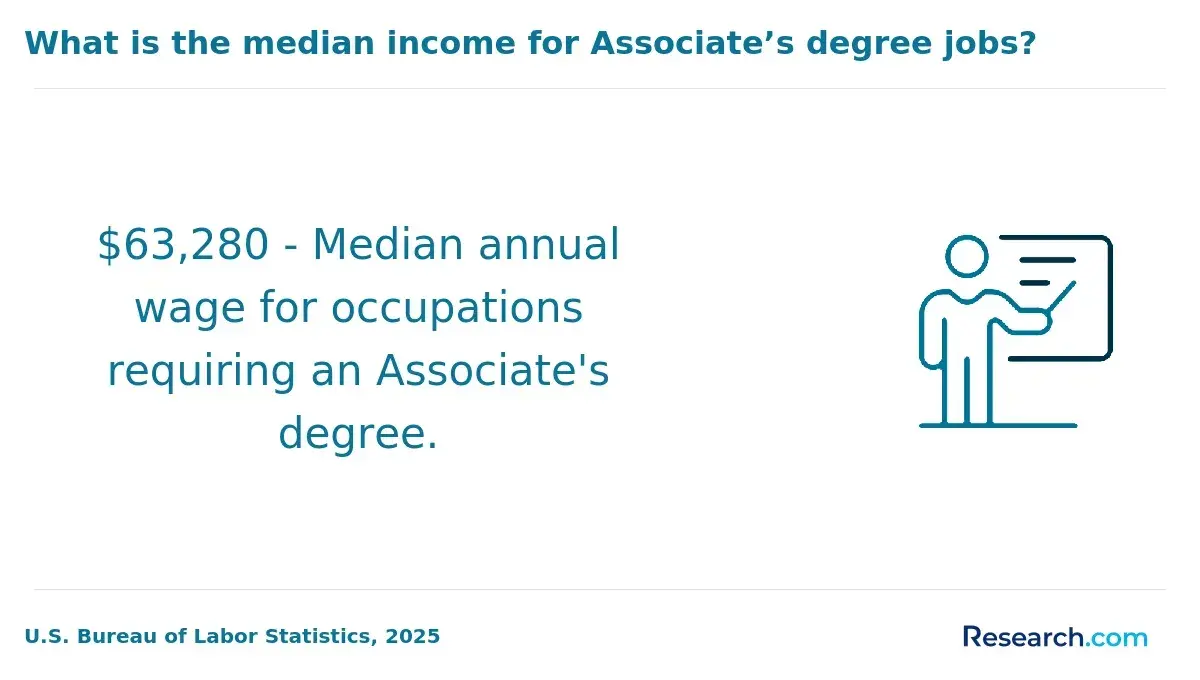
- Licensed educators typically experience higher long-term earning potential and improved promotion prospects, with data showing certified teachers earn on average 10-15% more than non-licensed counterparts.
Can You Get Licensed With an Online Education Degree?
Obtaining a teaching license with an online education degree is possible when the program meets state licensure requirements. Accredited online programs typically include essential coursework covering pedagogical theory, subject-specific content, and practical experiences such as student teaching or practicum components that prepare candidates for professional practice.
These programs are designed to align with the same standards as traditional education degrees, ensuring graduates complete supervised classroom internships and meet criteria needed to apply for licensure. Candidates must also fulfill state-specific licensing exams and other requirements, which vary by jurisdiction, reflecting the requirements for online education degree licensure.
Licensing through an online education program provides valuable career advantages, including access to regulated teaching positions in public and private schools. Licensed educators often qualify for specialized roles that carry increased responsibilities and leadership opportunities.
Additionally, obtaining a license can lead to higher salary scales compared to unlicensed teachers, boosting professional advancement. Prospective students should confirm their chosen program's accreditation and how it aligns with their state's licensing board to ensure eligibility. For those interested in expanding credentials within education fields, exploring an accredited BCBA degree might also be worthwhile when considering broader licensure pathways and professional certifications.
Do Licensing Requirements for Education Vary by State?
Licensing requirements for education professionals exist to ensure high standards of professional competence and safeguard student welfare. These requirements vary significantly by state, with around 30% of states mandating a subject-specific exam in addition to a basic teaching assessment. Such variation highlights the importance of knowing state-by-state differences when pursuing licensure.
Key areas where state teacher licensure requirements differ include:
- Exams: States require different types of exams, including basic skills tests, content knowledge assessments, or pedagogical evaluations. These differences impact preparation strategies and eligibility for licensure in various locations.
- Supervised Experience: The length and nature of required student teaching or internships vary by state. Some states mandate extensive hands-on experience, which can affect the time needed before obtaining a license.
- Continuing Education: Some states require regular professional development to renew education licenses, while others have no such policies. This affects ongoing career planning and professional growth obligations.
- Scope of Practice: Definitions of teaching roles, grade levels, or subjects authorized under a license may differ. Understanding these distinctions is critical, especially for educators exploring opportunities across state lines.
- Renewal Policies: Frequency of license renewal and required documentation are not consistent nationwide. This influences long-term compliance and administrative planning for licensed educators.
These variations in education license rules by state can also affect those pursuing online degrees or considering relocation. It is advisable for candidates interested in a fast track social work degree online or any education-related program to research specific regional licensure requirements to ensure eligibility and regulatory compliance.
Are Online Education Programs Different From Campus Programs for Licensure?
The format of an education program, whether online or on-campus, does not typically affect eligibility for licensure in most U.S. states. Increasingly, state boards accept accredited online degrees, with a 2023 study showing that about 72% of school leaders consider candidates with online credentials equally qualified for teaching roles.
- Curriculum Standards: Both online and campus programs must adhere to identical accreditation standards, ensuring candidates cover the same essential subjects and competencies needed for licensure exams.
- Practical Experience: Hands-on components like student teaching or practicums remain mandatory regardless of format and are arranged locally for online students to fulfill licensure requirements.
- Assessment Methods: Exams and performance evaluations used to measure candidate readiness for licensure closely mirror those in traditional programs, maintaining consistent evaluation criteria.
- Skill Development: While some skepticism exists about online formats supporting interpersonal skill growth, many programs incorporate interactive elements and local placements to bridge this gap.
- Employer Acceptance: Although acceptance of online credentials has grown, a minority of employers remain cautious, largely due to concerns about practical experience and communication skills developed in remote settings.
A licensed professional who pursued an online education degree shared that selecting elective classes was surprisingly flexible, allowing him to tailor his learning to specific interests. He noted initial uncertainty about how well the electives would prepare him in comparison to traditional offerings but found the virtual discussions and assignments engaging.
Coordinating the practicum was a challenge at first, requiring frequent communication with local schools, but ultimately it provided valuable real-world experience. Reflecting on his journey, he said, "The experience felt rigorous and authentic, and although it was different from campus life, I never doubted that I was ready for licensure."
Does an Online Education Degree Require Clinical or Practicum Hours?
Online education degree programs typically require clinical or practicum hours to provide essential hands-on experience that prepares students for licensure and effective teaching practice. These supervised hours help candidates apply theoretical knowledge in real classroom environments, which is crucial for developing professional skills and meeting state requirements.
The practicum hours for online teaching degree programs usually vary based on state regulations and program standards, often ranging from 300 to 600 hours. This balance ensures candidates gain sufficient exposure to practical settings while completing online coursework.
- Required Hours: Clinical or practicum hours generally range between 300 and 600, depending on state licensure rules. These hours ensure students achieve the practical experience necessary for certification and employment.
- Placement Settings: Students complete their placements in public or private schools, engaging directly with students under the supervision of certified educators or mentors. This supervised environment guarantees quality training and adherence to professional standards.
- Supervision and Feedback: Regular mentoring and evaluation by experienced teachers provide critical feedback that enhances skill development and classroom readiness.
- Skill Development: Candidates gain competencies in classroom management, lesson planning, student assessment, and effective communication, all vital for successful teaching careers.
- Online Program Support: Many online programs collaborate with local schools to arrange nearby clinical placements, allowing students to fulfill the in-person requirements of an online education degree clinical hours requirement conveniently.
Prospective students exploring advanced education options may also consider flexible opportunities such as the executive MBA for balancing career growth with professional learning.
What Licensing Exam Is Required After Earning an Online Education Degree?
The licensing exam validates that candidates possess the essential skills and knowledge to enter the teaching profession, confirming their readiness to meet classroom demands. Nationwide, around 75% of first-time test-takers pass this exam, underscoring its role in shaping qualified educators. Below are key details about the licensing exam required after completing an online education degree.
- Exam Name: Most states require the Praxis Series exams, including the Praxis Core Academic Skills for Educators and the Praxis Subject Assessments aligned with the intended teaching field.
- Content Areas: Tests cover reading, writing, math, pedagogy, and specific subject knowledge, ensuring comprehensive evaluation of teaching aptitude.
- Exam Format: Typically, the exam has multiple-choice questions combined with constructed-response or essay items to gauge both factual understanding and instructional skills.
- Preparation Strategies: Candidates benefit from targeted study guides, practice exams, and review courses, which address gaps in hands-on experience common among online degree earners.
- Retake Policies: Most states permit several retakes with varying waiting periods, allowing candidates to improve their scores if necessary.
- Significance for Online Graduates: The exam ensures that online-trained teachers meet professional licensing benchmarks, bridging any experiential differences from traditional programs.
Speaking with a licensed professional who completed her education degree online, she shared that passing the licensing exam was initially daunting due to limited classroom practice during her studies. She emphasized how rigorous preparation through practice tests helped build her confidence.
"I was grateful for the retake option, which took away some pressure," she said, reflecting on how the process strengthened her commitment to teaching. Her experience highlights how perseverance and targeted study can successfully prepare online graduates for credentialing requirements in education.
Is Supervised Work Experience Required After an Online Education Degree?
Supervised work experience is generally required after completing an online education degree, particularly for individuals pursuing teacher licensure. This hands-on training phase serves to cultivate practical skills and confirm that graduates are prepared for professional responsibilities. Nearly 90% of U.S. states mandate a supervised teaching period lasting one semester or roughly 12-16 weeks. Below are key elements of this essential requirement for education professionals.
- Duration: Typically spans one academic semester or longer, depending on state mandates, providing ample time for real-world teaching practice.
- Placement Settings: Usually conducted in public K-12 classrooms or varied educational environments to expose candidates to diverse student populations and learning contexts.
- Mentorship: Supervision by certified educators ensures candidates receive constructive feedback and guidance to refine their instructional techniques and classroom management.
- Skill Development: Focuses on applying teaching strategies, engaging students effectively, and managing classroom dynamics under professional observation.
- Licensure Impact: Completion of supervised experience is critical for meeting state certification standards and launching a successful career in education.
Does Licensure Reciprocity Apply to Online Education Graduates?
Licensure reciprocity allows education professionals to transfer their credentials and practice in different states without repeating the full licensure process. This flexibility matters for those who relocate or seek employment in regions with varying certification requirements. Here are key factors affecting licensure reciprocity for online education graduates.
- Eligibility Criteria: States may require passing specific exams or submitting formal applications for reciprocity. These conditions vary, meaning graduates must verify what each state demands to transfer their credentials smoothly.
- Program Requirements: States typically insist that the education degree and certification program meet their standards, including regional accreditation and curriculum alignment. Not all online degrees meet these benchmarks, so confirming program recognition is essential for graduates.
- State Agreements: Reciprocity agreements differ widely; some states participate fully, while others impose additional conditions or limit recognition of online education credentials. This means reciprocal acceptance is not uniform across all states.
- Application Process: Even with reciprocity, educators often need to submit detailed applications outlining their credentials and certification history. Understanding each state's process can prevent delays and improve chances of approval.
- Potential Limitations: Some states restrict or add requirements for teacher license transfer for online graduates, reflecting caution about program quality or curriculum relevance. Graduates must research these nuances to avoid surprises in licensing mobility.
Because licensure is a vital step in advancing an education career, prospective candidates should examine programs carefully. For those interested in affordable options, exploring cheapest online EDD programs can be a helpful starting point to balance cost with licensure compatibility.
What Are the Pros and Cons of Online Education Programs for Licensure?
Online education programs have seen enrollment surge by over 30% in the last decade as more students prioritize licensure outcomes to ensure state teaching credentials. With evolving accreditation and licensure standards, understanding the benefits and drawbacks of these programs is essential for prospective students.
Below is an overview of the primary advantages and challenges linked to online education programs for licensure.
Pros
- Flexibility: Allows students to manage work, family, and coursework without relocating, facilitating timely program completion while maintaining other commitments.
- Accessibility: Opens opportunities for individuals in remote or underserved areas and those with mobility limitations to pursue licensure-focused degrees.
- Convenience: Enables study from any location and often offers asynchronous courses, improving study-life balance and sustained engagement.
- Continued Employment: Supports working professionals who wish to advance licensure credentials without taking career breaks.
Cons
- Limited Hands-on Training: Difficulties in securing supervised classroom hours remotely may delay fulfillment of practical experience needed for licensure.
- Reduced Networking: Fewer in-person interactions can hinder relationship building, impacting career opportunities post-graduation.
- Perception Challenges: Some employers and licensing boards remain skeptical about the rigor and acceptance of certain online programs, though this is gradually improving.
Does Getting Licensed With an Online Education Degree Affect Salary?
Licensure plays a significant role in enhancing earning potential for educators, especially those with an online education degree. Data from the U.S. Bureau of Labor Statistics shows that licensed teachers earn approximately 10% to 15% more than their non-licensed counterparts. This difference highlights the value employers place on formal certification and the professional credibility it provides. Below are some ways in which getting licensed can affect your salary and career growth.
- Access to higher-paying specialized roles: Licensure qualifies educators for specialized positions such as special education teachers or curriculum coordinators, which typically offer higher salaries due to the advanced skills and responsibilities involved.
- Eligibility for leadership opportunities: Many administrative and leadership roles within schools require formal certification. Obtaining licensure opens the door to these positions, expanding both career and salary potential.
- Improved job security and tenure: Licensed educators often have greater job stability and more tenure options, particularly in public school systems, which can lead to consistent salary growth over time.
- Increased salary increments through certifications: Additional certifications and endorsements earned after licensure can further boost salary by qualifying teachers for pay raises tied to advanced credentials.
Graduates with an online education degree considering licensure should also be aware of state-specific certification requirements, as these directly impact both eligibility and salary benefits. Completing a degree at accredited online schools that accept fafsa can be instrumental in maintaining full licensure potential and maximizing salary advantages in education. Ensuring your program meets these standards is vital to fully benefit from licensure-related salary increases and career opportunities.
What Jobs Can You Get With or Without a License as an Online Education Degree Holder?
Holding a license significantly shapes the range of career opportunities available to online education degree holders, though many graduates also find fulfilling roles without one. Licensed positions usually require meeting state standards, while non-licensed jobs often emphasize broader educational skills. Data from the U.S. Bureau of Labor Statistics shows that licensed educators generally enjoy lower unemployment rates and greater job stability. Below is a breakdown of typical roles available in both categories.
Jobs With a License
- Public School Teacher: Responsible for classroom instruction in K-12 public schools, focusing on curriculum delivery, student assessment, and fostering a safe learning environment. Licensed teachers typically access stronger salary growth and job security.
- Special Education Teacher: Works with students who have diverse learning needs, tailoring educational plans to individual challenges. Licensure ensures specialized training and often leads to higher demand and compensation.
- Instructional Coordinator: Designs and oversees curriculum implementation, providing guidance to teachers and staff. Many states require licensure, which supports advancement into leadership roles within schools or districts.
Jobs Without a License
- Education Consultant: Advises schools, organizations, or businesses on instructional strategies and program development. This role leverages education expertise without requiring traditional teaching credentials.
- Corporate Trainer: Develops and delivers training programs for employees in various industries, focusing on skill-building and professional development rather than classroom teaching.
- Curriculum Developer: Creates educational materials and courses for schools or educational technology companies, emphasizing content design over direct instruction and often offering flexible career paths.
What Graduates Say About Getting Licensed with an Online Education Degree
- Luka: "Choosing an online education degree was a strategic decision based on cost-effectiveness and convenience, with my total expenses well below traditional programs. The user-friendly platform and supportive instructors made the learning process engaging and manageable. Achieving licensure through this program has not only enhanced my credentials but also significantly boosted my professional growth and opportunities."
- Cruz: "Reflecting on my journey, the cost of the online education degree was a worthwhile investment given the career advancements it enabled. The coursework was rigorous but accessible, designed to prepare us thoroughly for licensure exams. Thanks to this experience, I now hold a licensed professional status and feel confident in my ability to impact students positively every day."
- Taylor: "I was pleasantly surprised by how affordable the online education degree program was, especially considering the average cost hovered around $15,000. The flexibility of the courses allowed me to balance work and study effectively, which was crucial for my success. Earning my degree online opened doors to licensure and ultimately helped me secure a teaching position much faster than I expected."
Other Things You Should Know About Education Degrees
Yes, an online education degree can qualify you for teaching licenses in 2027, provided it meets specific accreditation standards and state-specific requirements. You may need to complete supervised teaching experiences and pass required exams, depending on the state's guidelines.
Some specialized teaching areas, such as special education or ESL, may have additional certification requirements beyond a general education license. Graduates of online education programs must ensure their coursework aligns with these specific certification standards to qualify for specialized licenses.
In 2027, an online education program must be accredited by a body recognized by the U.S. Department of Education or the Council for Higher Education Accreditation. This ensures the program meets quality standards and makes the degree valid for licensure consideration in most states.
References
- Find your state requirements https://praxis.ets.org/state-requirements.html
- 50-State Comparison: Teacher License Reciprocity https://www.ecs.org/50-state-comparison-teacher-license-reciprocity/
- What Is Teaching License Reciprocity? | ACE Blog https://ace.edu/blog/what-is-teaching-license-reciprocity/
- Online Education Licensure | Illinois College https://www.ic.edu/education-licensure
- SEHS Online https://educationonline.udayton.edu/principal-licensure-preparation-program/
- Can I Get an Education Degree Online? Full Guide 2025 https://pkg-12.com/can-i-get-an-education-degree-online/
- How to Get Your Teaching License While Working Abroad https://www.teachingnomad.com/blog/blog/how-to-get-your-teaching-license-while-working-abroad/
- How College Students Can Gain Work Experience Virtually https://teach.com/resources/students-virtual-work-experience/