
2027 Best Security Management Degrees for Working Adults

Co-Founder and Chief Data Scientist
Balancing a full-time job while pursuing a security management degree is a common challenge for working adults seeking career growth. The security management field demands up-to-date skills to tackle rising cyber and physical threats. According to the U. S. Bureau of Labor Statistics, employment in security management is projected to grow 7% from 2022 to 2032, faster than average for all occupations. This article explores flexible, accredited security management degree options designed to fit the schedules of working professionals. It aims to guide readers toward programs that enhance career potential without sacrificing current job commitments.
Key Things to Know About Security Management Degrees for Working Adults
- Many security management programs offer flexible scheduling with online or hybrid formats, enabling working adults to balance education and employment effectively.
- Accelerated degree options are increasingly available, allowing professionals to complete their studies faster without sacrificing quality.
- Programs often collaborate with employers to ensure curriculum aligns with industry demands, enhancing job placement and career advancement opportunities.
What Are the Best Security Management Degrees for Working Adults?
The best security management degrees for working adults vary based on factors such as schedule flexibility, career alignment, and return on investment. As nearly half of college students enroll part time, many programs now offer online or hybrid courses to accommodate busy professionals. This trend supports adult learners balancing full-time jobs while advancing their education.
Below are some well-suited security management degree options for working adults:
- Cybersecurity Management: Focuses on protecting digital assets with many courses available online, designed to provide practical skills for real-world IT environments and employer demand.
- Corporate Security Management: Emphasizes risk assessment and loss prevention in business, offering applied knowledge and flexible delivery formats that fit professional schedules.
- Homeland Security and Emergency Management: Combines crisis response training with security strategy, frequently offered in evening or accelerated formats to accommodate working students.
- Information Security Management: Centers on safeguarding information systems with flexible pacing and integration of certifications, making it ideal for employed learners.
- Physical Security and Asset Protection: Covers facility and personnel safety, blending online theory with hands-on learning opportunities suited for adult students balancing work.
For those seeking the best online security management degrees for working adults or exploring top affordable security management programs for professionals, programs with flexible delivery and practical curricula offer significant career advancement. Explore the best MBA programs online to compare flexible education options alongside security management studies.
What Are the Admission Requirements for Working Adults in Security Management Degree Programs?
Admission requirements for working adults pursuing security management degree programs often differ from those designed for traditional students, primarily to accommodate professional experience and scheduling constraints. With nearly 40% of graduate students in the U.S. enrolled part-time, there is a clear trend toward more flexible education models suited to adult learners balancing careers.
Many programs take into account the unique needs of working professionals by adjusting eligibility criteria. The following key admission considerations typically apply to working adults seeking a security management degree program:
- Relevant Prior Work Experience: Many programs value related professional experience highly, sometimes allowing it to substitute for conventional academic prerequisites, recognizing that workplace skills are critical to success in security management.
- Flexible GPA Expectations: While minimum GPA requirements remain important, they are often more lenient for working adults, acknowledging their non-traditional educational paths and life responsibilities.
- Standardized Test Waivers: To reduce barriers for professionals, many security management degree program eligibility criteria include waivers of standardized tests like the GRE, especially when applicants demonstrate substantial work history and accomplishments.
- Professional Recommendations: Letters of recommendation typically emphasize workplace achievements, leadership, and practical skills relevant to security management rather than purely academic credentials.
- Support for Part-Time or Online Formats: Programs frequently offer flexible scheduling options-including online or evening classes-to accommodate working adults, supporting their need to balance full-time employment with academic advancement.
For those interested in related fields, exploring counseling degrees online accredited can provide additional flexible learning options. Careful attention to admission requirements ensures that working adults can find programs that support both their career progression and educational goals.
What Coursework Is Required in Security Management Degree Programs for Working Adults?
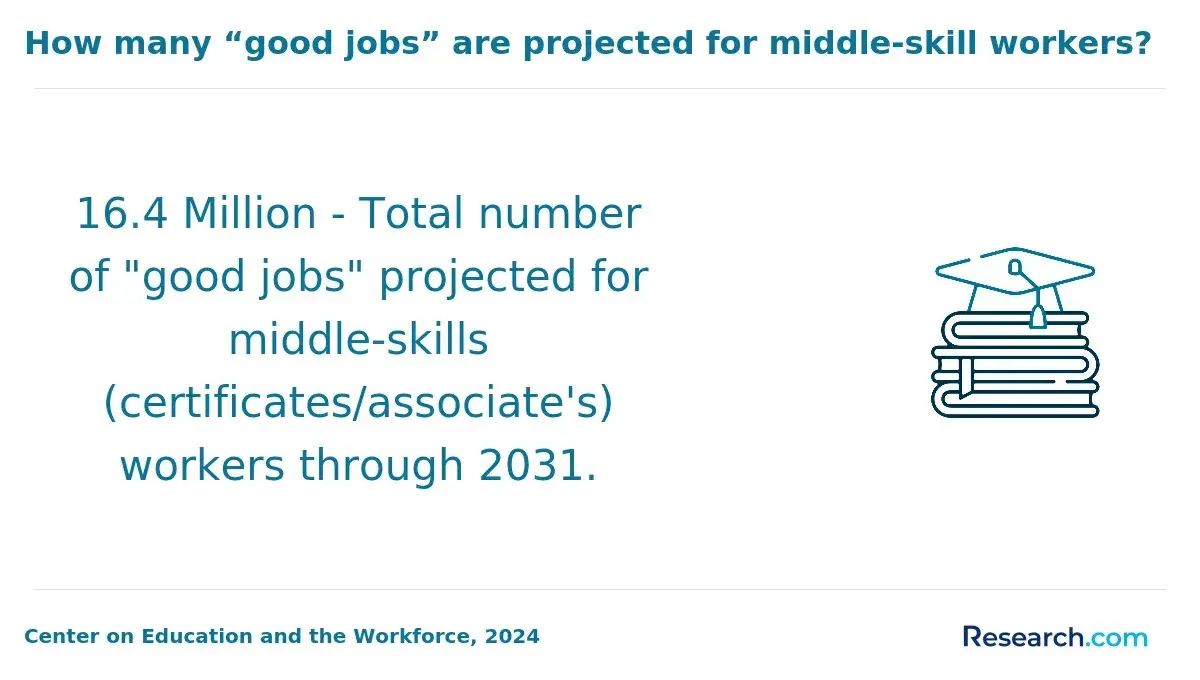
Security management degree coursework for working adults is designed to balance career relevance, practical skills, and flexible learning schedules to accommodate full-time employment. A rising trend shows that about 55% of adult learners in these programs prefer part-time or online formats. This flexibility supports students in applying new knowledge directly to their jobs while managing professional responsibilities.
Core required classes in security management programs typically emphasize practical and leadership skills essential for career growth. Key areas include:
- Risk Assessment and Crisis Management: Concentrates on identifying security threats and crafting response strategies, a vital skill set for protecting assets and personnel in diverse workplaces.
- Cybersecurity Fundamentals: Provides foundational knowledge of digital security, including threat detection and prevention, which is increasingly necessary in technology-driven environments.
- Legal and Ethical Issues: Addresses compliance, privacy laws, and ethical standards, equipping students to navigate complex regulatory frameworks effectively.
- Physical Security Systems: Covers planning and managing surveillance, access control, and safety systems, applicable to many security roles.
- Leadership and Organizational Behavior: Develops capabilities to manage security teams and coordinate with other departments, vital for advancing into leadership positions.
Adult learners interested in balancing career and education might also explore related fields, such as the cheapest MLIS degree online to expand their skillset. These carefully structured programs ensure working professionals gain relevant expertise while accommodating their demanding schedules.
How Long Does It Take to Complete a Security Management Degree While Working?
Completion times for working adults pursuing a security management degree vary widely due to the need to balance employment and education. On average, many earners finish in about four years, reflecting an extended timeframe compared to traditional full-time students. Several key factors affect how quickly individuals can progress toward their degree.
These elements shape the duration of study:
- Program Format: Online and hybrid classes provide flexibility, allowing learners to adapt study hours around work. This can either speed up or prolong completion depending on personal scheduling preferences.
- Course Load: Enrolling in fewer classes each term eases pressure but may lengthen the timeline, while heavier course loads expedite graduation but demand enhanced time management.
- Prior Credits: Transferring previous academic credits or professional certifications can significantly reduce course requirements and shorten the path to a degree.
- Work Schedule: Jobs with irregular or demanding hours can hinder steady study progress, whereas predictable work shifts support consistent academic engagement.
- Accelerated Options: Some programs offer fast-track paths or condensed terms, permitting motivated students to finish sooner if they can dedicate extra effort.
When I spoke with a professional who completed an online security management degree while employed full-time, he described the struggle of juggling work deadlines with coursework. "There were weeks when I barely had time to breathe," he recalled, managing night shifts and early morning classes. He emphasized the importance of discipline and support from family, noting that digital resources made a difference in staying connected and motivated. Although it felt overwhelming at times, finishing the degree brought a sense of accomplishment and opened doors for career advancement that made the challenges worthwhile.
How Much Does a Security Management Degree Cost for Working Adults?
For employed students pursuing a security management degree, cost is a crucial factor due to its impact on budgeting alongside full-time work and personal responsibilities. Studies show that adult learners typically pay 20% to 30% more per credit hour than traditional full-time students, largely because of program flexibility and support services tailored to their needs.
Several elements affect the overall expenses for these students, including:
- Tuition per credit: Charges vary significantly depending on whether courses are taken part-time or online, with some formats costing more per credit than traditional full-time programs.
- Program duration and format: Accelerated and hybrid options can shorten the time to completion, reducing costs, whereas longer programs increase tuition and related fees.
- Additional fees: Beyond tuition, students should account for technology, registration, and lab fees, which can cumulatively add to the total cost.
- Course materials: Expenses for textbooks and resources differ; digital materials or programs that include materials in fees may lower these costs.
- Financial aid options: Employer tuition reimbursement, scholarships, and federal grants or loans provide valuable assistance that can offset tuition expenses for working adults.
What Financial Aid Options Are Available for Working Adults in Security Management Degree Programs?
Balancing full-time work, family duties, and pursuing a security management degree creates financial challenges that make aid essential for many working adults. Securing financial support can reduce stress and allow focus on both career and education.
Some common financial aid options designed for adults juggling these responsibilities include:
- Federal Financial Aid: This includes grants, loans, and work-study opportunities accessible through the Free Application for Federal Student Aid (FAFSA). Eligibility often hinges on factors like income, enrollment status, and satisfactory academic progress.
- Employer Tuition Assistance: A number of employers offer tuition reimbursement or assistance programs to encourage employees' professional growth, particularly when coursework relates to their current job.
- Scholarships for Adult Learners: Various scholarships target adult students, including those in security management, aimed at easing the financial burden for non-traditional learners.
- Grants: These are typically need-based and provided by federal or state entities. Unlike loans, grants don't require repayment and can meaningfully offset education expenses.
- Payment Plans: Flexible payment options allow tuition costs to be broken into manageable installments, making budgeting easier without sacrificing progress.
A professional who completed a security management degree while working shared her experience. She recalled feeling overwhelmed at times by balancing job demands and school deadlines but noted how carefully researching and applying for employer tuition assistance made a significant difference. "Knowing that a portion of my tuition would be reimbursed lifted a huge weight," she said. She emphasized that combining this aid with a manageable payment plan helped maintain financial stability throughout her studies. "It wasn't easy, but having access to various supports kept me motivated and helped me stay on track," she reflected. Her story highlights how leveraging multiple financial aid sources can empower working adults to complete their degrees without sacrificing career growth or personal responsibilities.
What Support Services Help Working Adults Succeed in a Security Management Program?
Working adults pursuing a security management degree often face the challenge of balancing studies with full-time employment and personal commitments. Support services tailored to these learners are essential for helping them manage these demands and achieve academic success.
- Academic Advising: Advisors provide customized course planning to align with students' work schedules and career aspirations. This guidance helps prevent overload and ensures students maintain steady progress toward their degree.
- Flexible Scheduling: Offering evening, weekend, and online classes allows students to fit learning into their busy routines without sacrificing job responsibilities or family time.
- Online Learning Support: Technical help and instructional resources assist students in navigating virtual platforms smoothly, fostering greater engagement and reducing barriers to completing coursework.
- Career Services: Workshops on resumes, networking events, and job placement support connect learners to opportunities relevant to the security management field, enhancing their career prospects.
- Mental Health Resources: Counseling services provide essential support for managing stress and maintaining well-being, which is crucial during periods of high academic and professional demand.
Are Security Management Degrees for Working Adults Accredited?
Accreditation for security management programs involves evaluation by independent agencies to ensure academic excellence, qualified faculty, and strong student support. For working adults, this validation is essential because it assures the degree meets industry standards and holds value with employers. Accredited programs consistently deliver quality education, which helps graduates develop relevant skills for the field. Additionally, many employers require degrees from accredited institutions, improving job opportunities and career growth. Approximately 40% of graduate students in the U.S. balance education with work and family, emphasizing the need for trusted, flexible programs.
Accreditation also plays a key role in maintaining a security management degree's long-term worth. It allows credits earned to transfer easily to other schools or advanced degrees, offering flexibility for continued education. Graduates from accredited programs are often eligible for professional licenses or certifications that can enhance their qualifications. Ultimately, this recognition supports better career prospects, credibility in the job market, and the possibility of higher salaries for working adults.
Does a Security Management Degree Increase Salary for Working Adults?
Salary growth is a major driving factor for working professionals pursuing a security management degree, with typical annual salaries ranging from $55,000 to over $110,000 depending on experience, location, and role. This degree can open doors to higher-paying positions in risk assessment, corporate security, and emergency management, making it a practical investment for career changers and adult learners.
- Industry Demand: Certain sectors such as government, finance, and healthcare show strong need for qualified security managers to protect assets and ensure regulatory compliance. These industries often offer competitive salaries for professionals with a security management degree salary increase, recognizing the specialized expertise required.
- Role Advancement: Earning this degree frequently qualifies holders for supervisory or specialist roles, which come with higher pay and greater responsibilities. Career growth with security management degree credentials often means moving into management or consulting positions.
- Employer Policies: Companies vary in how they reward additional education. Some provide salary incentives, bonuses, or tuition reimbursement linked to obtaining a security management degree, impacting overall compensation packages.
- Years of Experience: Combining a security management degree with practical work experience tends to result in the most significant salary increases. Experience deepens skills and enhances leadership capabilities valued by employers.
- Specialization: Focusing on areas such as cybersecurity or physical security can better align professionals with market needs, boosting salary prospects accordingly.
Working adults seeking flexible, accredited programs that complement full-time employment may consider exploring options like the cheapest EDD programs. Evaluating these factors helps individuals determine the potential financial benefits of investing in education while maintaining their careers.
What Jobs Can Working adults Get With a Security Management Degree?
Working adults with a security management degree often qualify for advanced, specialized, or leadership roles beyond entry-level positions. This degree equips professionals with the expertise needed to oversee complex security operations and develop strategic safety measures, supporting career advancement opportunities that emphasize experience combined with formal education.
Common career advancement options for professionals pursuing security management careers for working adults include:
- Security Manager: This position involves supervising security personnel, establishing policies, and ensuring regulatory compliance. It represents a progression by blending practical experience with management responsibilities, making the degree essential for successful oversight.
- Risk Management Specialist: Professionals in this role evaluate potential risks and create mitigation plans. The security management degree strengthens analytical abilities and regulatory knowledge, which are critical for this strategic position.
- Cybersecurity Analyst: Focusing on protecting digital infrastructure, this specialized role benefits from security management education that covers risk assessment and incident response, facilitating transitions into technology-centric security fields.
- Corporate Security Director: As a senior leader, this role manages an organization's entire security program, including policy design, team leadership, and budget oversight. The degree prepares candidates to handle these comprehensive responsibilities effectively.
- Loss Prevention Manager: Concentrating on minimizing theft and fraud, this role requires strategic investigation skills and planning, which are reinforced through a security management curriculum.
Experienced professionals seeking to balance education with full-time work can explore flexible, accredited options such as 1 year graduate programs. These programs are designed to enhance skills and open doors to new job opportunities with a security management degree, making them ideal for career changers and adult learners seeking upward mobility.
What Graduates Say About Their Security Management Degrees for Working Adults
- Mikey: "Choosing an online security management degree while working full-time was a game-changer for me. Balancing work and study was challenging, but the program's flexibility and reasonable cost-around $25,000 on average-made it worthwhile. Since graduating, I've secured a leadership role in my company, proving that investing in education pays off."
- Colsen: "I've often reflected on whether pursuing a part-time security management degree during my busy schedule was feasible, especially considering the $20,000 to $30,000 expense. Now, having completed it, the knowledge and credentials have significantly elevated my professional standing and confidence in the field. It was a demanding but rewarding journey. "
- Amanda: "Enrolling in a part-time security management program while maintaining my job was a strategic decision driven by affordability and career growth. With the average cost being manageable compared to traditional programs, I was able to expand my expertise without financial strain. This degree has since opened doors to higher responsibilities and a better salary."
Other Things You Should Know About Security Management Degrees
Yes, many accredited institutions offer fully online security management degree programs designed specifically for working adults. These online formats provide flexibility in scheduling and enable students to balance coursework with professional and personal responsibilities without commuting to campus.
In 2027, top universities offering online security management programs include Penn State World Campus, University of Maryland Global Campus, and Arizona State University. These programs are designed to be flexible for working adults, providing comprehensive curricula that cover key security management principles and allow for career advancement.
Professional certifications such as the Certified Information Systems Security Professional (CISSP), Certified Protection Professional (CPP), and Certified Information Security Manager (CISM) can enhance a security management degree by equipping graduates with specialized skills valued in the industry, aiding career advancement.
References
- Security Management https://ps.sckans.edu/degrees-and-certificates/bachelors/security-management/
- Security Management Training in Poland https://www.nobleprog.pl/en/security-management-training
- Online Bachelor's Degree: Homeland Security https://www.umgc.edu/online-degrees/bachelors/homeland-security
- Top 10 Emerging AI Security Roles 2026 - Practical DevSecOps https://www.practical-devsecops.com/emerging-ai-security-roles/
- Security manager careers: A complete guide | Infosec https://www.infosecinstitute.com/roles/security-manager-careers/
- 20 Coolest Cybersecurity Careers and Jobs | SANS Institute https://www.sans.org/cybersecurity-focus-areas/cybersecurity-careers/20-coolest-cyber-security-careers
- Job Prospects With a Master's Degree in Security Management https://sopa.tulane.edu/blog/job-prospects-masters-degree-security-management
- Compare Types of Cybersecurity Degrees | CyberDegrees.org https://www.cyberdegrees.org/listings/


